
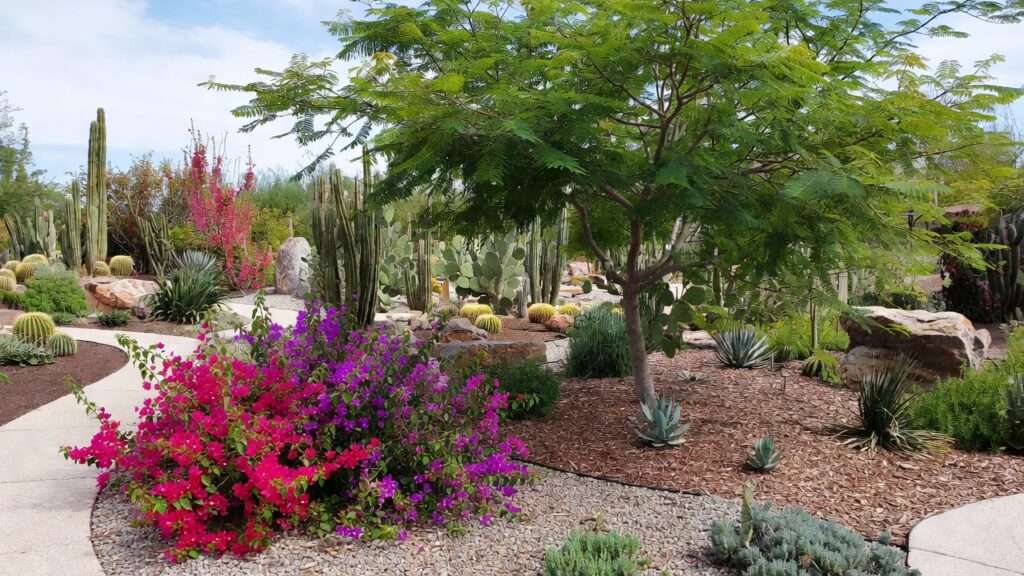
Imagine slashing your outdoor water usage by up to 50–75%, enjoying a vibrant, colorful garden year-round, and reclaiming weekends from endless watering, mowing, and weeding—all while nurturing healthier plants and trees that thrive even in hot, challenging conditions. 🔥 In places like Khulna, Bangladesh, where humid monsoons alternate with dry spells and rising temperatures strain water resources, a traditional lush lawn can feel unsustainable. High water bills, drought stress on trees, and maintenance fatigue are real struggles for many homeowners passionate about plant care. 🌱
That’s where xeriscape gardening comes in. The focus keyword “7 steps to a xeriscape garden” points to people searching for a practical, step-by-step guide to water-wise landscaping that delivers beauty without waste. Far from a barren rock pile (a common myth! ❌), a well-designed xeriscape is lush, textured, and full of life—using drought-tolerant plants, smart design, and efficient techniques to create landscapes that support biodiversity, save money, and adapt to local climates like yours. 🌺
Well-planned xeriscapes can reduce landscape water use by 50–80% compared to traditional lawns, according to sources like the EPA and regional water conservation programs. In arid and semi-arid regions, homeowners often see bills drop significantly, with some saving thousands of gallons annually. 💰 Plus, these gardens promote deeper root systems for trees and perennials, making them more resilient to heat, occasional floods, and dry periods—perfect for tropical/subtropical areas with monsoon variability.
In this comprehensive guide, we’ll walk through the proven 7 steps to a xeriscape garden (inspired by principles from Denver Water, university extensions like Colorado State and others, adapted thoughtfully for diverse climates including hot-humid zones). Whether you’re starting fresh or converting part of your yard, these steps will help you build a low-maintenance, thriving outdoor space that looks stunning and works smarter with nature. Ready to transform your landscape? Let’s dive in! 🚀
What Is a Xeriscape Garden? Benefits & Myths Busted 📚
Xeriscaping (from the Greek “xeros” meaning dry) is a landscaping philosophy that minimizes or eliminates supplemental irrigation by working with your local climate, soil, and plants. Originating in the 1980s with Denver Water’s initiative, it’s now embraced worldwide for water conservation in any region facing drought, restrictions, or high costs.
Key benefits include:
- Massive water savings — Often 50–75% less outdoor water use, translating to lower bills and more water for essentials. 💧
- Lower maintenance — Less mowing, weeding, and watering means more time enjoying your garden. ⏰
- Healthier plants & trees — Drought-adapted species develop strong roots, resist pests better, and handle temperature swings. 🌳
- Eco-friendly perks — Supports pollinators 🐝, reduces runoff pollution, and creates wildlife habitats.
- Cost savings long-term — Initial setup pays off quickly through reduced utilities and upkeep.
Myths busted:
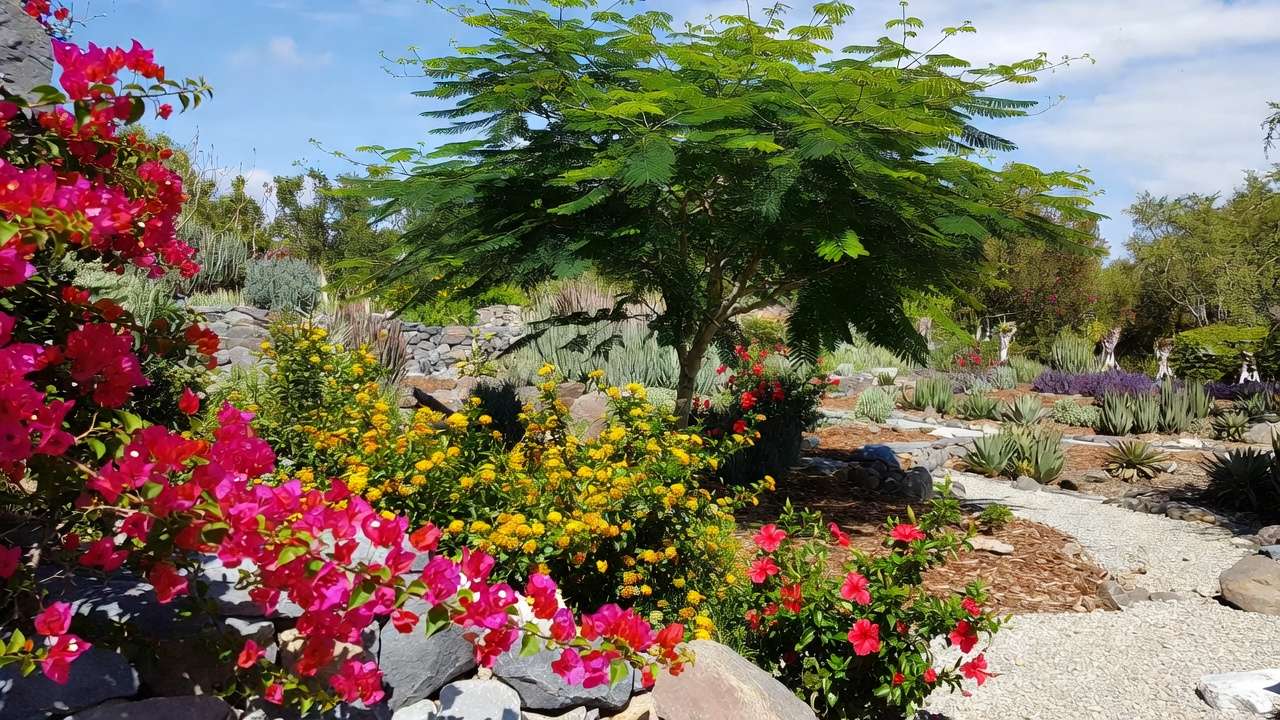
- Myth: “It’s just rocks and cacti.” ❌ Reality: Xeriscapes can be colorful, layered, and even include edible plants or flowering accents—think vibrant bougainvillea, hardy perennials, and textured foliage.
- Myth: “No flowers or greenery.” ❌ You can have lush looks with the right choices adapted to your area.
This approach suits busy families, eco-conscious gardeners, and anyone in hot, variable climates like Khulna—where dry seasons demand efficiency but monsoons allow for beautiful, resilient designs.
The 7 Steps to Your Xeriscape Garden 🌟
Step 1: Plan and Design with Water Wisdom 🌍✏️
The foundation of success—skip this, and you risk wasted effort and money. Start by mapping your entire yard: note sun exposure ☀️ (full sun vs. shade), slopes for drainage, existing trees/plants, soil variations, and microclimates (hot spots near walls, cooler areas under canopies).
Use hydrozoning: Group plants by water needs—high-water near the house for easy access, moderate in middle zones, low-water in outer or sunny areas. Consider functional zones: entertainment patios, play spaces, wildlife corners.
Pro tips for Khulna-like climates:
- Account for monsoon drainage—avoid low spots that flood.
- Incorporate shade from existing trees to reduce evaporation.
- Sketch on paper or use free apps; include paths, hardscaping (gravel, stones), and focal points.
This step prevents common pitfalls and ensures your design thrives with minimal inputs.
Step 2: Test and Improve Your Soil – The Foundation of Success 🧪🌱
Healthy soil holds moisture longer, reduces watering needs, and supports robust plant/tree growth. Poor soil (common in many areas) leads to runoff and weak roots.
How to proceed:
- Test soil: DIY jar test for texture (sand/clay/loam) and pH (kits available locally). Send samples to a lab if possible.
- Amend wisely: Add organic compost or well-rotted manure to improve structure and nutrient retention—avoid chemical-heavy fixes.
- For clay-heavy soils (frequent in riverine areas), incorporate coarse sand or gypsum sparingly to enhance drainage.
Tree care connection: Deep-rooted trees like neem or mango benefit from improved soil, encouraging deeper roots that access groundwater during dry spells.
Once amended, your soil becomes a natural reservoir—cutting irrigation dramatically.
Step 3: Choose the Right Plants – Drought-Tolerant Stars 🌿⭐
Right plant, right place is key. Prioritize natives or well-adapted species that thrive in hot, humid, monsoon-influenced climates with dry periods.
Recommended drought-tolerant options for regions like Khulna/Bangladesh (hot-humid, tropical/subtropical):
- Trees: Neem (Azadirachta indica) – excellent drought tolerance once established, medicinal, shade provider; Moringa (drumstick) – fast-growing, edible, resilient; Date palm or similar hardy palms.
- Shrubs/Perennials: Bougainvillea – vibrant colors, extremely tough; Lantana – pollinator magnet, long-blooming; Hibiscus or hardy salvias.
- Groundcovers/Accents: Aloe vera or succulents for texture; Ornamental grasses; Jasmine or tulsi for fragrance.
- Edibles: Some varieties of pomegranate, fig, or curry leaf handle dry spells well.
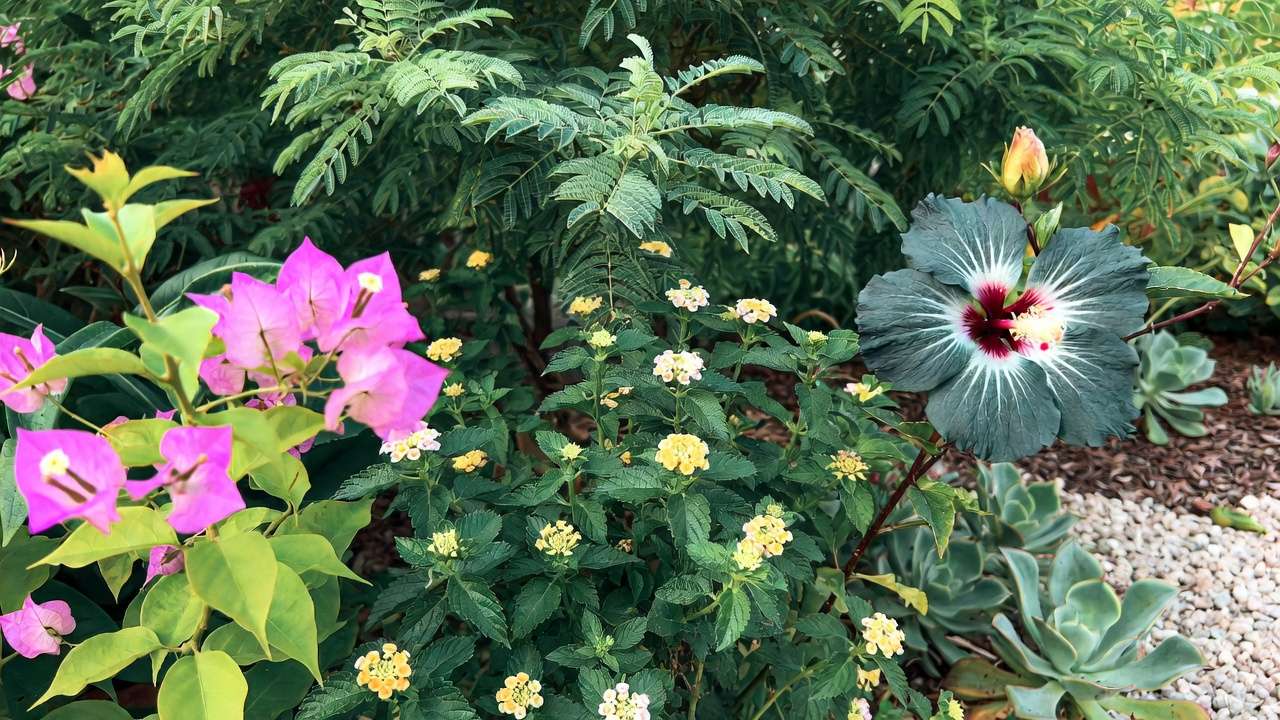
Source from local nurseries for best-adapted varieties. These support pollinators 🐝 and require little supplemental water after establishment (deep, infrequent watering initially).
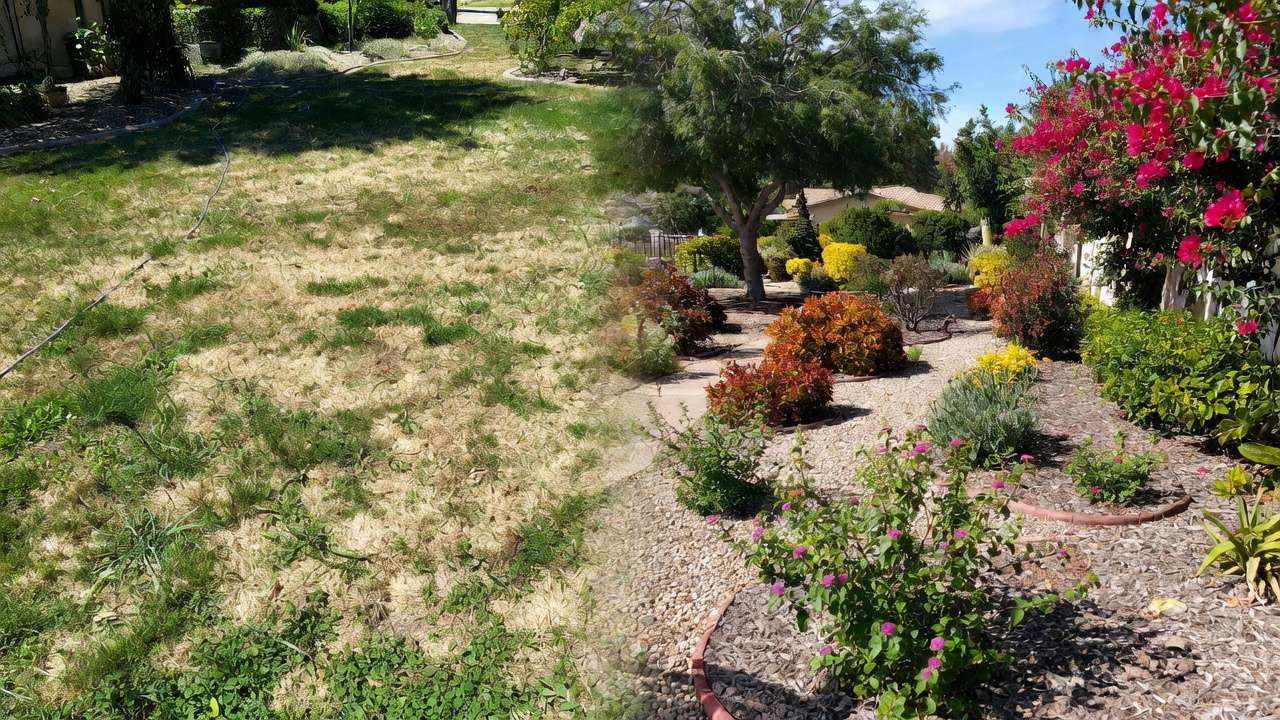
Step 4: Limit (or Replace) Turfgrass – Say Goodbye to Thirsty Lawns 🚫🌾
Traditional grass is a major water consumer—often needing daily watering in heat.
Alternatives:
- Native or low-water grasses (small patches only).
- Groundcovers like clover, wedelia, or drought-hardy vines.
- Mulch beds, gravel paths, or hardscaping.
- Conversion techniques: Sheet mulching (cardboard + compost + mulch) or solarization to kill grass naturally.
In monsoon areas, keep minimal turf in shaded, functional spots. This step alone can cut water use significantly while adding visual interest.
Step 5: Install Efficient Irrigation – Water Smarter, Not Harder 💦🛠️
Once plants are in the ground, the goal shifts to using as little supplemental water as possible. Traditional sprinklers waste water through evaporation, wind drift, and runoff—especially problematic in hot, humid climates where mornings can be misty but afternoons scorching. 🔥
Best xeriscape irrigation methods:
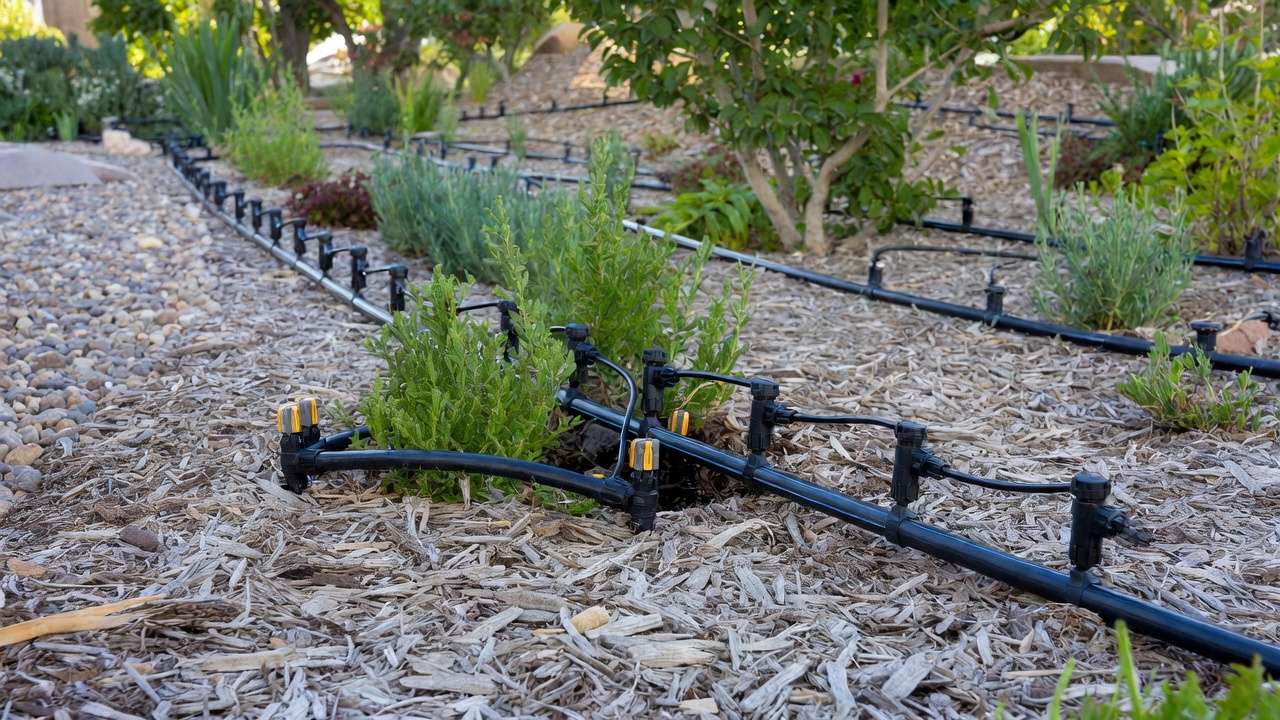
- Drip irrigation — The gold standard. Emitters or tubing deliver water slowly and directly to the root zone, minimizing evaporation and targeting only the plants that need it. In hydrozoned designs, run separate lines or zones for high-, medium-, and low-water plants.
- Soaker hoses — Perforated hoses laid under mulch; they ooze water gradually across beds. Affordable and easy to install—great for larger shrub or perennial areas.
- Smart controllers (where available) — Weather-based timers adjust automatically for rain, humidity, or temperature changes, preventing overwatering during monsoons.
Adaptations for monsoon-influenced climates like Khulna:
- Install during dry season; use systems that can be turned off or adjusted during heavy rains to avoid waterlogging.
- Combine with rainwater harvesting: Direct roof runoff to barrels or cisterns for dry-season top-ups (check local regulations).
- For trees: Use deep-root watering bags or bubblers that encourage roots to grow downward, making them more drought-resilient long-term.
Key rule: Water deeply but infrequently (e.g., 1–2 times per week in establishment phase, tapering to once every 10–14 days or less once established). This trains roots to seek moisture deeper in the soil, boosting resilience during dry spells. 💪
Monitor soil moisture with a simple probe or finger test—aim for moist but not soggy. Over time, many xeriscape plants will thrive on rainfall alone.
Step 6: Apply Mulch Generously – Nature’s Blanket 🪵🍂
Mulch is the unsung hero of xeriscaping. A thick layer suppresses weeds 🌱🚫, regulates soil temperature (cooler in heat, warmer in cooler nights), reduces evaporation dramatically, and slowly breaks down to enrich soil.
Recommended types:
- Organic mulches — Wood chips, bark, coconut coir, or dried leaves (3–4 inches deep). Excellent for moisture retention and soil health—ideal in humid-tropical areas.
- Inorganic mulches — Gravel, river stones, or decomposed granite for a clean, modern look (especially in high-traffic zones). These don’t decompose but still suppress weeds and hold moisture.
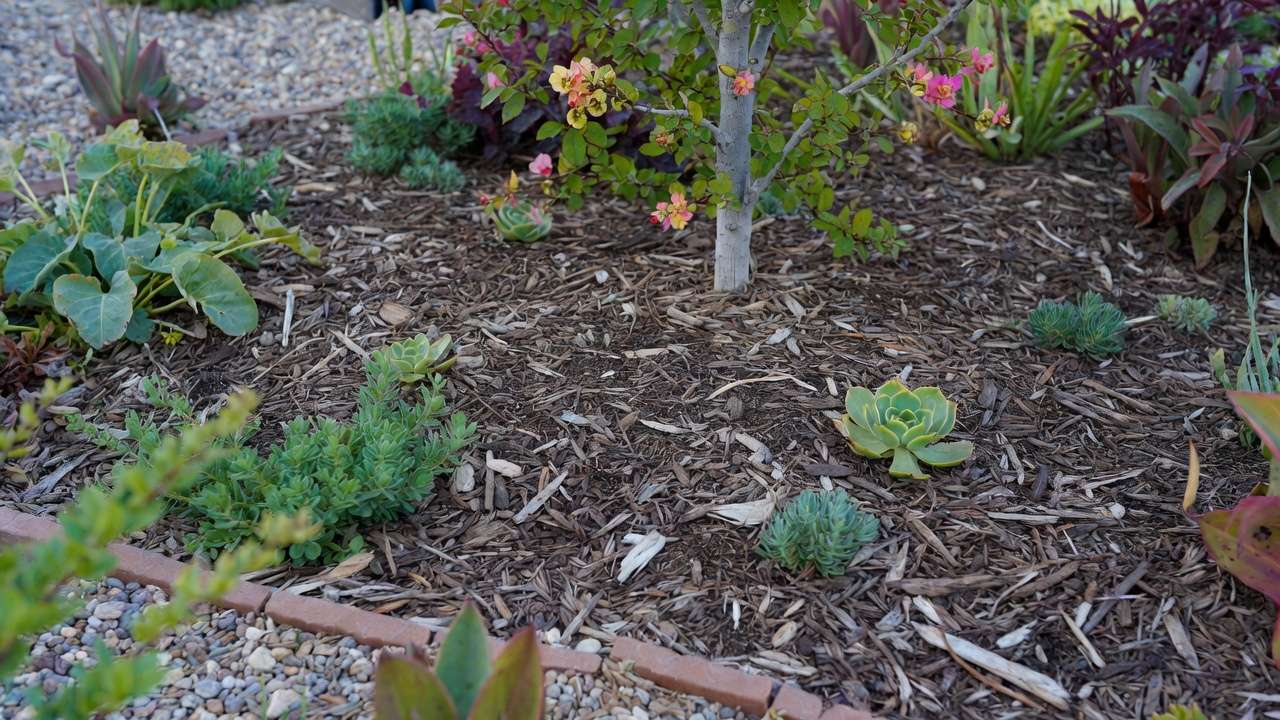
Application tips:
- Apply after planting and watering.
- Keep mulch 2–3 inches away from tree trunks and plant stems to prevent rot (critical for neem, moringa, etc.).
- Replenish organic mulch annually as it breaks down.
In hot-humid regions, organic mulch helps prevent soil crusting after monsoons and retains moisture during dry intervals—cutting irrigation needs even further. 🌧️➡️☀️
Step 7: Maintain Properly – Low Effort, High Reward 🔧🌟
The beauty of a xeriscape? Maintenance drops sharply after the first 1–2 years as plants establish. Focus on smart, minimal care:
Seasonal checklist:
- Spring (post-monsoon): Light cleanup—remove dead material, prune lightly for shape, check irrigation.
- Summer (dry/hot): Monitor for stress (wilting leaves), spot-water new plants if needed, weed promptly before they seed.
- Monsoon prep → Ensure good drainage; clear debris from paths.
- Winter → Protect tender plants if rare cold snaps occur; minimal pruning.
Ongoing tasks:
- Prune selectively to maintain form and airflow (reduces fungal issues in humidity).
- Fertilize sparingly—use slow-release organic options once a year if growth seems slow.
- Inspect for pests early (drought-tolerant plants are often more resistant anyway).
After establishment, expect 70–90% less maintenance than a traditional lawn—more time to enjoy the garden’s beauty and buzzing pollinators! 🐝
Real-Life Xeriscape Examples & Case Studies 📸🏡
- Small Urban Courtyard in Khulna — A 400 sq ft space converted from patchy grass to bougainvillea accents, lantana borders, neem tree focal point, gravel paths, and coir mulch. Water use dropped ~60%; colorful blooms year-round with minimal care.
- Suburban Family Backyard — Mixed design: Moringa and date palm for shade/edibles, groundcover beds of wedelia and aloe, small clover patch for kids. Drip system on timer; family reports halved water bills and weekends freed up.
- Hot-Humid Monsoon Yard — Layered perennials (hibiscus, salvia), drought-hardy shrubs, and mulch-heavy beds. Adapted hydrozoning handles wet-dry cycles beautifully—vibrant without constant watering.
(Visual suggestion: Search for “tropical xeriscape garden” or “drought tolerant landscape Bangladesh” for inspiration photos!)
Common Mistakes to Avoid in Xeriscaping ⚠️
- Overwatering new plants → They need consistent moisture to establish but taper off.
- Poor plant placement → Sun-loving bougainvillea in shade = leggy growth.
- Skipping soil prep → Weak roots = more watering long-term.
- Mulch volcanoes around trees → Invites rot and pests.
- Ignoring hydrozoning → Mixed water needs lead to uneven performance.
Fix early, and your garden will thrive effortlessly.
Cost Breakdown: What to Expect 💸
Initial costs (for average 1,000–2,000 sq ft yard):
- Design/planning: $200–$800 (DIY free!)
- Soil amendments/compost: $300–$1,000
- Plants (natives/adapted): $500–$3,000
- Mulch/hardscaping: $400–$2,000
- Irrigation (drip/soaker): $300–$1,500
- Labor (if hired): $1,000–$5,000+
Total initial range: $3,000–$15,000+ (DIY lowers to $2,000–$8,000). Per sq ft: ~$5–$20.
Long-term savings:
- Water bills: 50–75% reduction → $200–$800+ annual savings (varies by usage/rates).
- Maintenance: 60–80% less (no mowing, less weeding/fertilizing).
- ROI: Often 3–7 years through lower utilities and upkeep.
In water-stressed areas, rebates or incentives may offset costs—check local water authorities!
FAQs About Xeriscape Gardens ❓
Q: Can I still have colorful flowers? A: Absolutely! Bougainvillea, lantana, hibiscus, and salvias bring vibrant pops with low water.
Q: Is xeriscaping suitable for Khulna’s hot-humid climate? A: Yes—focus on plants that handle wet-dry cycles (neem, moringa, bougainvillea). Emphasize drainage and mulch.
Q: How long until it looks established and beautiful? A: 1–2 years for full lushness; year 1 focuses on establishment with more watering.
Q: Will it attract wildlife? A: Yes—pollinators 🐝, birds 🐦 love native/adapted flowers and trees.
Q: Can I do this DIY? A: Many steps yes—planning, planting, mulching. Irrigation may benefit from pro help.
Q: What about edible plants? A: Moringa, curry leaf, pomegranate, figs work well in adapted xeriscapes.
Conclusion: Start Your Low-Water Paradise Today 🌳💚
You’ve now got the complete 7 steps to a xeriscape garden: Plan wisely, build strong soil, choose resilient plants, ditch thirsty turf, irrigate efficiently, mulch heavily, and maintain smartly. The result? A stunning, low-water landscape that thrives in heat, handles monsoons, saves money 💰, conserves resources 🌍, and brings joy with less effort.
This isn’t about giving up beauty—it’s about smarter gardening that lets your plants and trees flourish naturally. Start small: Assess your yard this weekend, sketch a plan, and pick a few drought-tolerant stars from your local nursery. 🌱











