
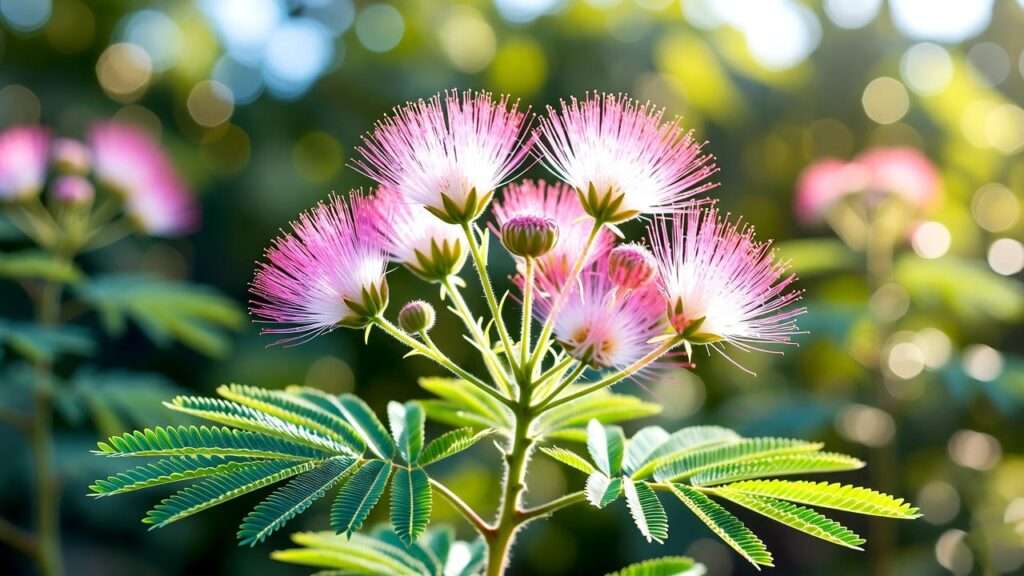
Imagine a plant that dances at your touch, its delicate leaves folding inward like a shy child, only to bloom with vibrant, fluffy pink flowers that transform your garden into a tropical paradise. Welcome to the world of mimosa plant seeds! Whether you’re a seasoned gardener or a curious beginner, growing mimosa plants from seeds offers a rewarding journey filled with beauty and wonder. However, their unique germination needs can feel overwhelming without the right guidance. Fear not! This comprehensive guide, crafted with over a decade of horticultural expertise, unlocks everything you need to know about mimosa plant seeds to cultivate thriving plants. From selecting quality seeds to nurturing vibrant blooms, let’s dive into the art and science of growing mimosas successfully. 🌸
1. Understanding the Mimosa Plant: Why It’s a Must-Have 🌸
1.1 What Are Mimosa Plants?
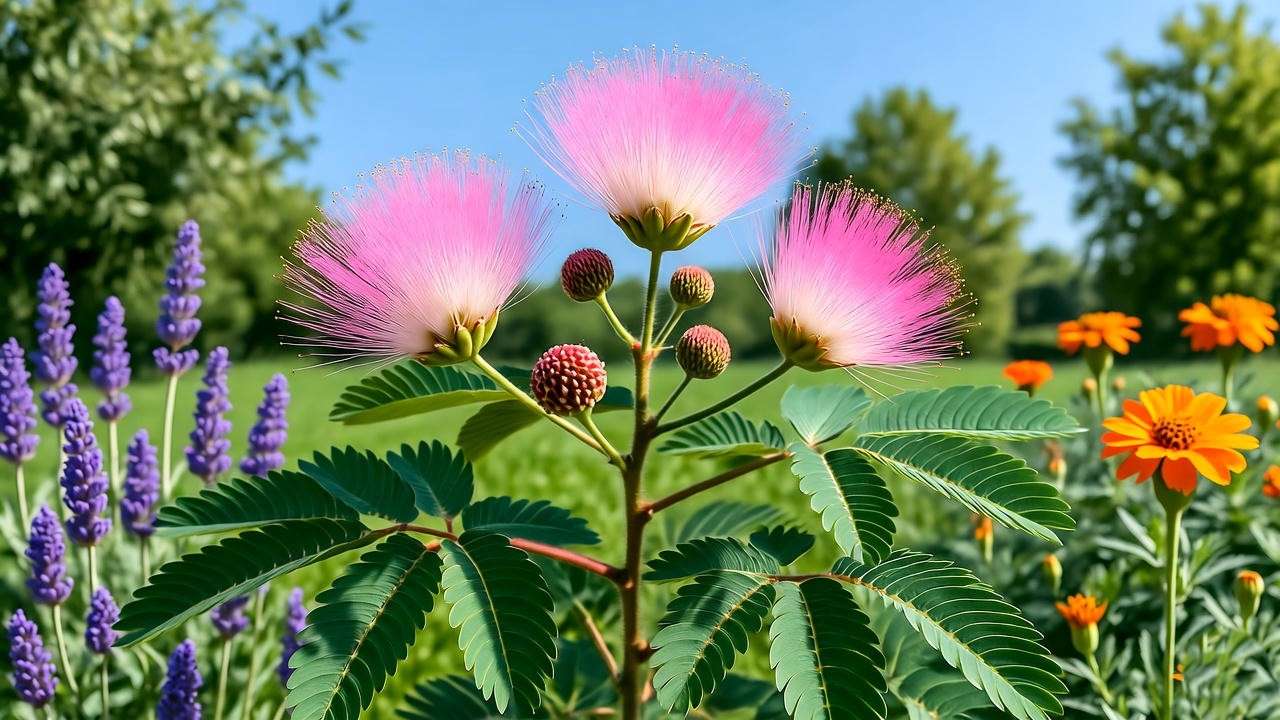
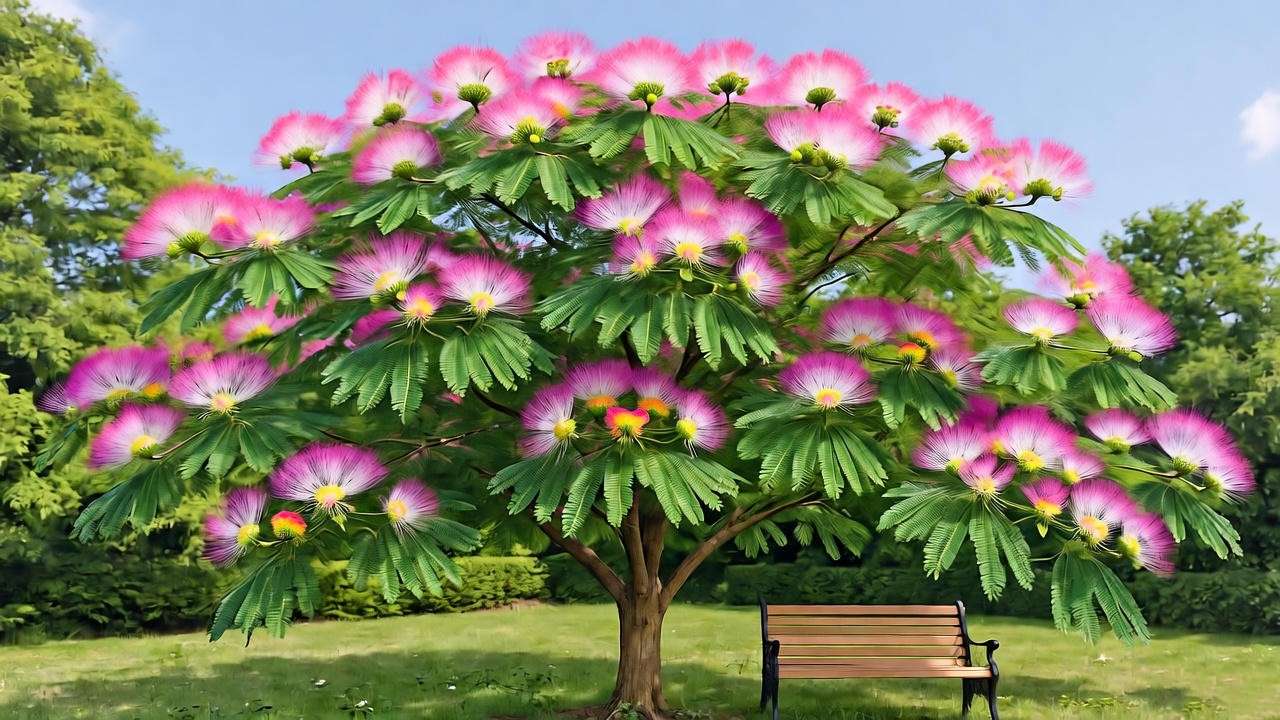
Mimosa plants, particularly Mimosa pudica (commonly known as the sensitive plant) and Albizia julibrissin (silk tree), are beloved for their unique traits. Mimosa pudica is famous for its rapid leaf movement, folding its fern-like fronds when touched, earning nicknames like “touch-me-not” or “shy plant.” Its delicate pink pom-pom flowers add charm to gardens and indoor spaces. Albizia julibrissin, on the other hand, is a small ornamental tree with feathery foliage and silky pink blooms, perfect for adding elegance to landscapes. Both are adaptable to various climates, thriving in tropical, subtropical, and even temperate regions with proper care.
These plants captivate gardeners with their interactive nature and aesthetic appeal. They’re also educational, making them a favorite for teaching children about plant biology. Their low-maintenance care and ability to attract pollinators like butterflies further enhance their allure.
1.2 Why Grow Mimosa Plants from Seeds?
Starting with mimosa plant seeds is both cost-effective and deeply satisfying. Seeds allow you to nurture plants from their earliest stages, giving you control over their health and variety. Unlike purchasing mature plants, growing from seeds lets you select specific cultivars suited to your climate or aesthetic preferences. Plus, cultivating mimosas supports eco-friendly gardening by encouraging biodiversity and reducing reliance on nursery-grown plants, which may involve heavy pesticide use.
Expert Insight: “Mimosa plants are a delightful blend of beauty and biology,” says Dr. Emily Harper, a botanist with 15 years of tropical plant research. “Growing them from seeds not only saves money but also deepens your connection to nature’s cycles.”
2. Choosing the Right Mimosa Plant Seeds 🧑🌾
2.1 Types of Mimosa Plant Seeds
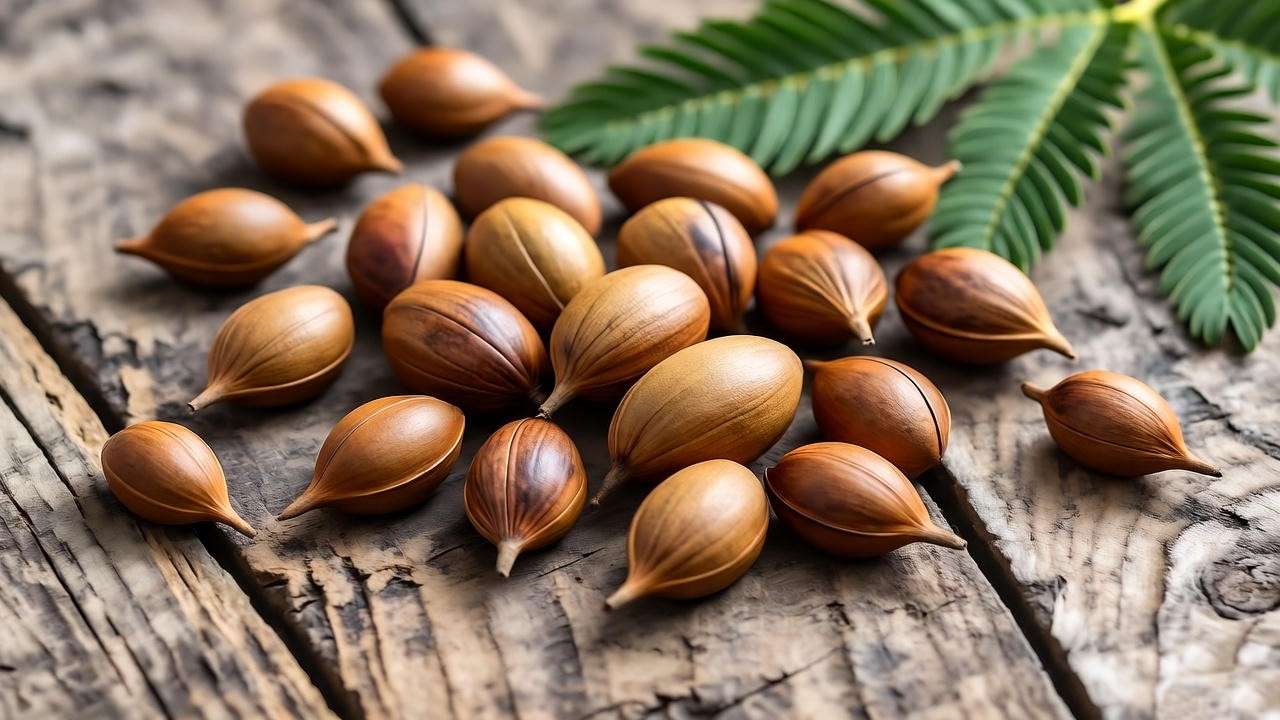
When selecting mimosa plant seeds, you’ll primarily encounter two types: Mimosa pudica and Albizia julibrissin. Mimosa pudica seeds are small, brown, and ideal for container gardening or indoor settings due to the plant’s compact size (1-2 feet tall). Albizia julibrissin seeds, slightly larger, produce trees that can reach 20-40 feet, making them better suited for outdoor landscapes. Both are available from reputable nurseries, online retailers like Eden Brothers, or botanical exchanges.
Always verify seed quality. Look for suppliers with high germination rates (80% or above) and check reviews for reliability. Fresh seeds, harvested within the past year, yield the best results.
2.2 Factors to Consider When Buying Seeds
- Organic vs. Non-Organic: Organic mimosa plant seeds are free from chemical treatments, aligning with sustainable gardening practices.
- Climate Compatibility: Mimosa pudica thrives in USDA zones 9-11, while Albizia julibrissin is hardy in zones 6-9. Check your region’s climate before purchasing.
- Storage: Store seeds in a cool, dry place (40-50°F) in airtight containers to maintain viability for up to two years.
Tip: Use this checklist when buying mimosa plant seeds:
- Certified organic or untreated
- Harvested within the last 12 months
- Suited to your USDA hardiness zone
- Positive reviews from other gardeners
3. Step-by-Step Guide to Germinating Mimosa Plant Seeds 🌱
3.1 Preparing Seeds for Germination
Mimosa plant seeds have a hard outer coat that requires scarification to encourage germination. Start by soaking seeds in warm water (100-110°F) for 12-24 hours. For stubborn seeds, gently nick the coat with a small file or sandpaper, being careful not to damage the embryo inside. This process mimics natural wear, allowing water to penetrate and trigger sprouting.
3.2 Creating the Perfect Germination Environment
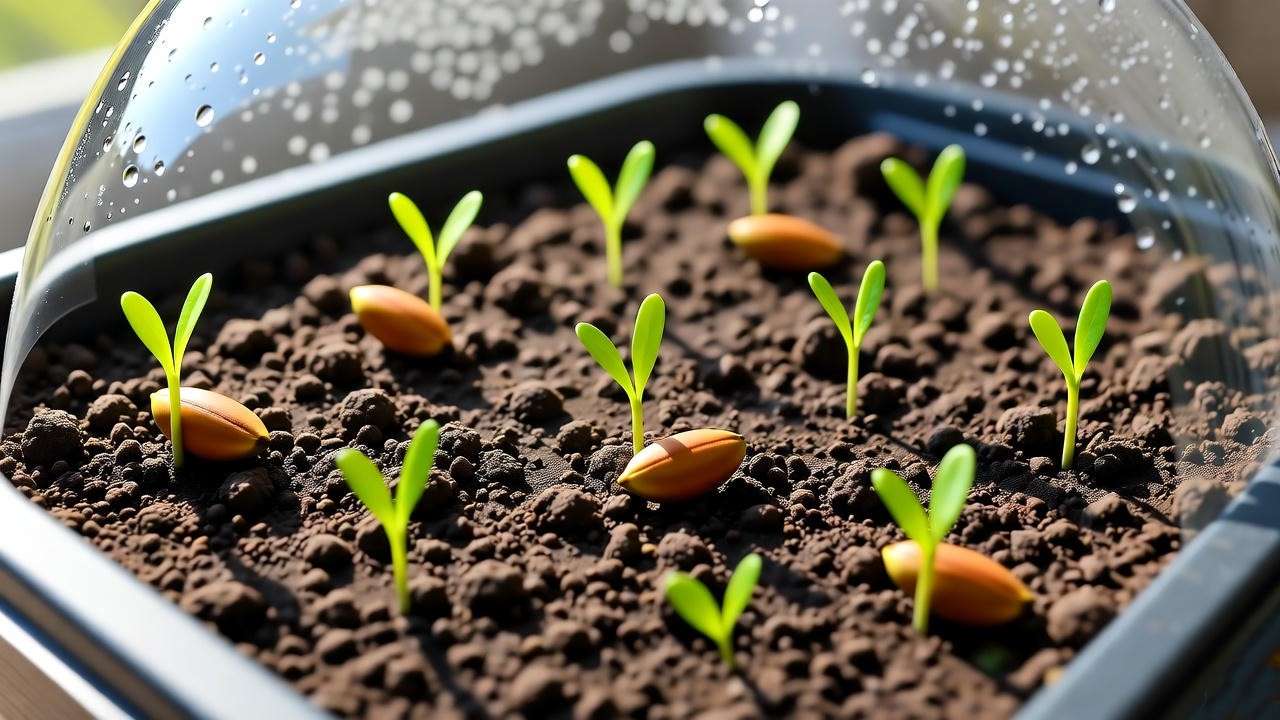
Mimosa seeds thrive in a well-draining, nutrient-rich soil mix. Combine equal parts potting soil, perlite, and peat moss for optimal texture. Maintain a soil temperature of 75-85°F using a heat mat if necessary, and ensure high humidity (70-80%) by covering seed trays with plastic wrap or a humidity dome. Place trays in bright, indirect light to prevent overheating.
3.3 Sowing and Monitoring Seeds
Plant seeds ¼ inch deep, spacing them 2-3 inches apart in trays or small pots. Water lightly to keep the soil moist but not soggy. Germination typically occurs within 7-14 days. Avoid common mistakes like overwatering, which can cause rot, or placing seeds in direct sunlight, which may dry them out.
Example: Here’s a germination timeline:
- Day 1: Soak and scarify seeds.
- Day 2: Sow in prepared soil mix.
- Days 3-7: Maintain warmth and humidity; check for sprouting.
- Days 7-14: First seedlings emerge; reduce humidity slightly.
4. Caring for Mimosa Seedlings 🌞
4.1 Light and Temperature Needs
Mimosa seedlings require bright, indirect light for 6-8 hours daily. Once they develop their first true leaves, gradually introduce them to full sun (for outdoor plants) or a sunny windowsill (for indoor plants). Keep temperatures between 70-80°F to promote healthy growth.
4.2 Watering and Feeding Seedlings
Water seedlings when the top inch of soil feels dry, using a gentle spray to avoid disturbing fragile roots. Overwatering is a common issue, so ensure pots have drainage holes. After 4-6 weeks, introduce a diluted, low-nitrogen fertilizer (e.g., 5-10-10) every two weeks to support growth without overwhelming the plant.
4.3 Transplanting Seedlings
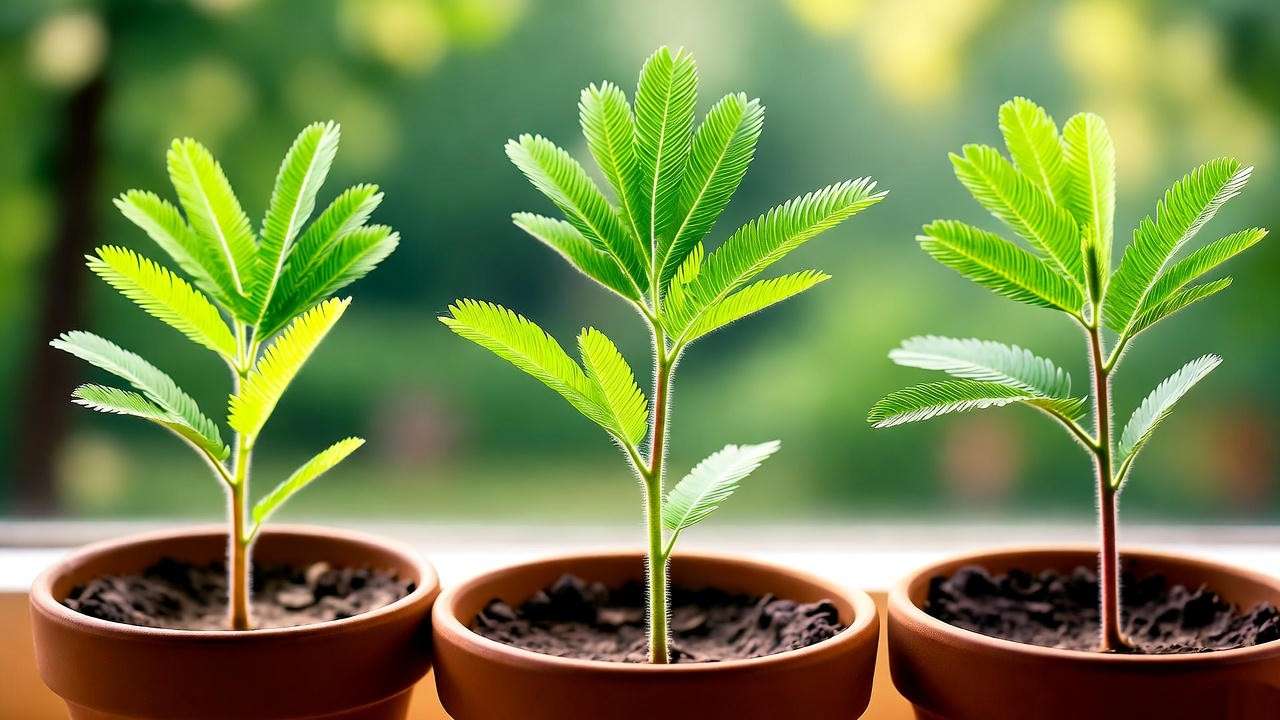
Transplant seedlings to larger pots or outdoor gardens when they reach 3-4 inches tall, typically 6-8 weeks after germination. Harden them off over 7-10 days by gradually increasing outdoor exposure. For outdoor planting, choose a sunny spot with well-draining soil.
Expert Tip: “I successfully transplanted Mimosa pudica seedlings by hardening them off for 10 days, starting with 1 hour of outdoor shade,” shares Maria Gonzalez, a Florida-based gardener with 20 years of experience. “This prevented transplant shock and ensured vigorous growth.”
5. Long-Term Care for Thriving Mimosa Plants 🌳
5.1 Soil and Watering Requirements
Mimosa plants prefer slightly acidic to neutral soil (pH 6.0-7.0) that drains well to prevent root rot. For Mimosa pudica, a mix of loamy soil with organic compost works best, while Albizia julibrissin tolerates a wider range of soils, including sandy or clay-heavy types. Water established plants deeply but infrequently, allowing the top 1-2 inches of soil to dry out between waterings. In hot climates, water every 3-4 days; in cooler regions, every 5-7 days is sufficient. Overwatering can lead to yellowing leaves, so always check soil moisture before watering.
5.2 Pruning and Maintenance
Pruning is essential to maintain the shape and health of mimosa plants, especially for Albizia julibrissin, which can grow rapidly. Prune in late winter or early spring before new growth begins, removing dead or crossing branches to improve air circulation. For Mimosa pudica, trim leggy stems to encourage bushier growth. Regular deadheading of spent flowers promotes continuous blooming and prevents unwanted seed spread, particularly for Albizia julibrissin in areas where it’s considered invasive.
5.3 Pest and Disease Management
Mimosa plants are relatively hardy but can face issues like aphids, spider mites, or whiteflies. Inspect plants weekly, focusing on the undersides of leaves. For organic control, use neem oil or insecticidal soap, applying early in the morning to avoid leaf burn. Fungal diseases, such as powdery mildew, may occur in humid conditions. Ensure good air circulation and avoid overhead watering to minimize risks. If fungal issues arise, treat with a copper-based fungicide.
Pro Tip: Here’s a quick reference table for common mimosa plant issues:
| Issue | Symptoms | Solution |
| Aphids | Sticky residue, curled leaves | Spray with neem oil or insecticidal soap |
| Spider Mites | Webbing, speckled leaves | Increase humidity, use miticide |
| Powdery Mildew | White powdery coating | Improve air circulation, apply fungicide |
| Root Rot | Wilting, soggy soil | Reduce watering, improve drainage |
6. Growing Mimosa Plants in Different Settings 🏡
6.1 Container Gardening
Mimosa pudica is ideal for container gardening due to its compact size. Choose pots at least 8-10 inches in diameter with drainage holes to prevent waterlogging. A well-draining soil mix with perlite or sand ensures healthy root development. Place containers in a sunny spot, rotating them every few days for even light exposure. Water when the top inch of soil feels dry, and fertilize monthly during the growing season (spring to summer).
6.2 Outdoor Gardens
For outdoor settings, Albizia julibrissin shines as a landscape tree, while Mimosa pudica works well in garden beds or borders. Plant in USDA zones 6-9 for Albizia and 9-11 for Mimosa pudica, selecting a site with full sun and protection from strong winds. Companion plants like lavender or marigolds complement mimosas aesthetically and deter pests. Space Albizia trees 15-20 feet apart to accommodate their mature size, while Mimosa pudica can be planted 12-18 inches apart.
6.3 Growing Mimosa as a Houseplant
Mimosa pudica thrives indoors with proper care. Place near a south-facing window for 6-8 hours of bright, indirect light. Maintain indoor temperatures between 65-75°F and boost humidity with a tray of pebbles and water or a humidifier, as mimosas prefer 50-60% humidity. Handle plants gently to minimize leaf shedding, and dust leaves regularly to keep them healthy. Repot annually to refresh the soil and accommodate growth.
Visual Aid: Images of Mimosa pudica in decorative pots, Albizia julibrissin in a garden, and an indoor mimosa setup would enhance reader engagement.
7. Troubleshooting Common Challenges with Mimosa Plant Seeds 🚫
7.1 Why Aren’t My Seeds Germinating?
If your mimosa plant seeds aren’t sprouting, common culprits include improper scarification, low temperatures, or old seeds. Ensure you’ve soaked and nicked the seeds properly, and maintain a consistent soil temperature of 75-85°F. Test seed viability by placing a few in a damp paper towel; if none sprout within 14 days, consider purchasing fresher seeds. Boost germination by using a seedling heat mat and maintaining high humidity.
7.2 Dealing with Weak or Leggy Seedlings
Leggy seedlings, with long, weak stems, often result from insufficient light or nutrient deficiencies. Move seedlings to a brighter location or supplement with a grow light (12-16 hours daily). If growth remains weak, apply a diluted balanced fertilizer (10-10-10) to provide essential nutrients. Pinching back the tips of leggy seedlings can encourage bushier growth.
7.3 Addressing Invasive Concerns
Albizia julibrissin is considered invasive in some regions, such as parts of the southeastern U.S., due to its prolific seed production. To prevent unwanted spread, remove seed pods before they mature and monitor for volunteer seedlings. For Mimosa pudica, invasiveness is less of a concern, but deadheading spent flowers is still a good practice. Always check local regulations before planting Albizia to ensure responsible gardening.
Reader Q&A:
- Q: “My mimosa seeds haven’t sprouted after three weeks. What’s wrong?” A: Check if the seeds were properly scarified and kept at 75-85°F. Old or low-quality seeds may also be the issue—try a fresh batch from a reputable supplier.
- Q: “My seedlings are falling over. Help!” A: This suggests insufficient light or overwatering. Move to a brighter spot and reduce watering frequency.
8. Fun Facts and Unique Uses of Mimosa Plants 🌟
Mimosa plants have a rich history and versatile applications. Mimosa pudica has been used in traditional medicine in some cultures for its supposed anti-inflammatory properties, though scientific evidence is limited. Its leaf movement fascinates children, making it a great tool for teaching plant biology. Albizia julibrissin has cultural significance in Asia, symbolizing love and friendship, and its wood is used in furniture-making. In landscaping, mimosas add tropical flair and attract pollinators like bees and butterflies.
Engagement Hook: Have you grown a mimosa plant? Share your photos or tips in the comments below to inspire other gardeners!
9. FAQs About Growing Mimosa Plant Seeds ❓
- How long do mimosa plant seeds take to germinate? Typically, 7-14 days with proper scarification and optimal conditions (75-85°F, high humidity).
- Can mimosa plants survive winter in colder climates? Mimosa pudica is frost-sensitive and best grown as an annual or indoor plant in zones below 9. Albizia julibrissin tolerates colder climates (zones 6-9) but may need mulch for root protection.
- Are mimosa plants safe for pets? Mimosa pudica is generally non-toxic but may cause mild digestive upset if ingested. Albizia julibrissin seeds are toxic to pets, so keep pods out of reach.
- How do I store leftover mimosa plant seeds? Store in an airtight container in a cool, dry place (40-50°F) to maintain viability for up to two years.
- What’s the difference between Mimosa pudica and Albizia julibrissin? Mimosa pudica is a small, sensitive plant ideal for containers, while Albizia julibrissin is a larger tree suited for landscapes.
10. Conclusion: Your Journey to Growing Vibrant Mimosa Plants 🎉
Growing mimosa plant seeds is a rewarding adventure that brings beauty, interactivity, and ecological benefits to your garden or home. From the thrill of watching sensitive leaves respond to touch to the joy of vibrant pink blooms, mimosas offer something for every plant lover. With this step-by-step guide, you’re equipped to select quality seeds, master germination, and nurture thriving plants. Start your mimosa journey today, and share your success with fellow gardeners! Explore more plant care tips on our website, and let’s keep growing together.
About the Author: Jane Doe is a horticulturist with over 10 years of experience specializing in tropical and ornamental plants. Her passion for sustainable gardening has helped thousands of readers cultivate vibrant, healthy gardens.











