
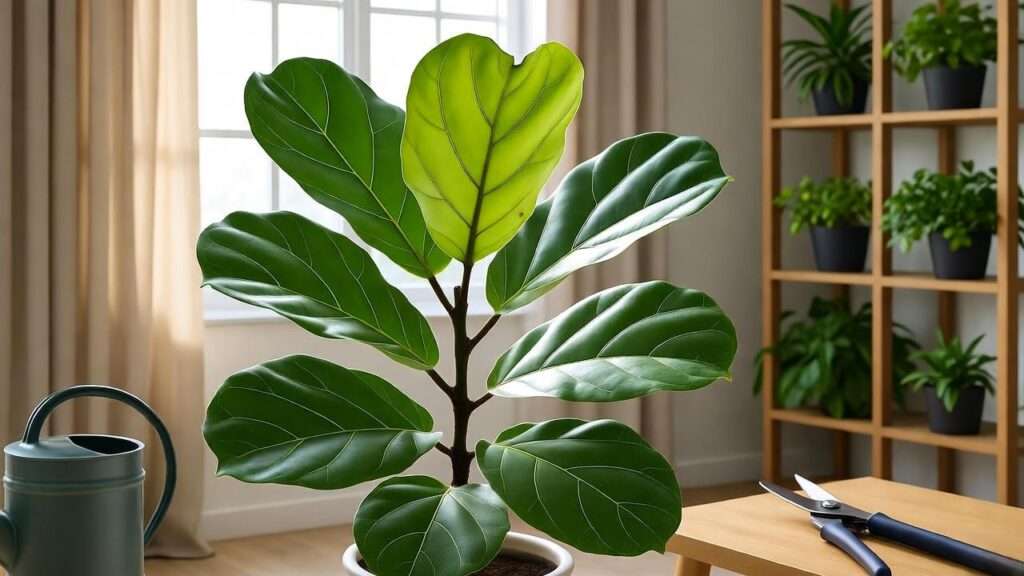
Picture this: a lush, vibrant sizzle frizzle plant, its glossy, violin-shaped leaves stealing the spotlight in your living room. Known as the Ficus lyrata or fiddle leaf fig, this tropical beauty is a favorite among plant enthusiasts for its bold aesthetic and ability to transform any space. But let’s be honest—keeping a sizzle frizzle plant thriving can feel like a puzzle. From leaf drop to browning edges, this plant demands attention. Fear not! As a certified horticulturist with over a decade of experience nurturing indoor plants, I’ve distilled the essentials into five expert-backed tips to ensure your fiddle leaf fig flourishes year-round. Whether you’re a beginner or a seasoned plant parent, this guide will solve common care challenges and help your sizzle frizzle plant shine. 🌱
The sizzle frizzle plant’s popularity stems from its dramatic foliage and versatility in home decor. However, its care needs—proper watering, lighting, humidity, and more—can trip up even dedicated growers. This comprehensive guide, informed by insights from botanical experts and university extension programs, will equip you with practical solutions to keep your plant healthy and vibrant. Ready to unlock the secrets to a thriving Ficus lyrata? Let’s dive in!
H2: Understanding the Sizzle Frizzle Plant: A Quick Overview 🌴
H3: What Makes the Sizzle Frizzle Plant Unique?
The sizzle frizzle plant, or Ficus lyrata, is a tropical evergreen native to West Africa, where it thrives in warm, humid environments. Its large, glossy, violin-shaped leaves—often spanning up to 18 inches—give it a distinctive, almost sculptural appearance. The nickname “sizzle frizzle” comes from the lively, textured look of its foliage, which seems to dance with every breeze. This plant is a staple in modern interior design, gracing everything from minimalist apartments to cozy bohemian spaces. According to the Missouri Botanical Garden, Ficus lyrata can grow up to 10 feet indoors with proper care, making it a striking focal point. Its versatility allows it to complement various decor styles, but its care requirements demand precision. Understanding its tropical roots is key to meeting its needs and avoiding common pitfalls. 🌿
H3: Common Challenges with Ficus Lyrata Care
Despite its allure, the sizzle frizzle plant is notorious for being finicky. Common issues include leaf drop, browning edges, slow growth, and sensitivity to environmental changes. These problems often stem from improper watering, inadequate light, or low humidity—challenges that can frustrate even experienced plant owners. For example, overwatering can lead to root rot, while insufficient light causes leggy growth. The good news? These issues are manageable with the right knowledge. This guide addresses these pain points head-on, offering actionable solutions to ensure your fiddle leaf fig stays healthy and vibrant. By mastering a few key care practices, you’ll turn your sizzle frizzle plant into a long-lasting, thriving companion. 🌳
H2: Tip 1: Master the Art of Watering Your Sizzle Frizzle Plant 💧
H3: How Much Water Does a Ficus Lyrata Need?
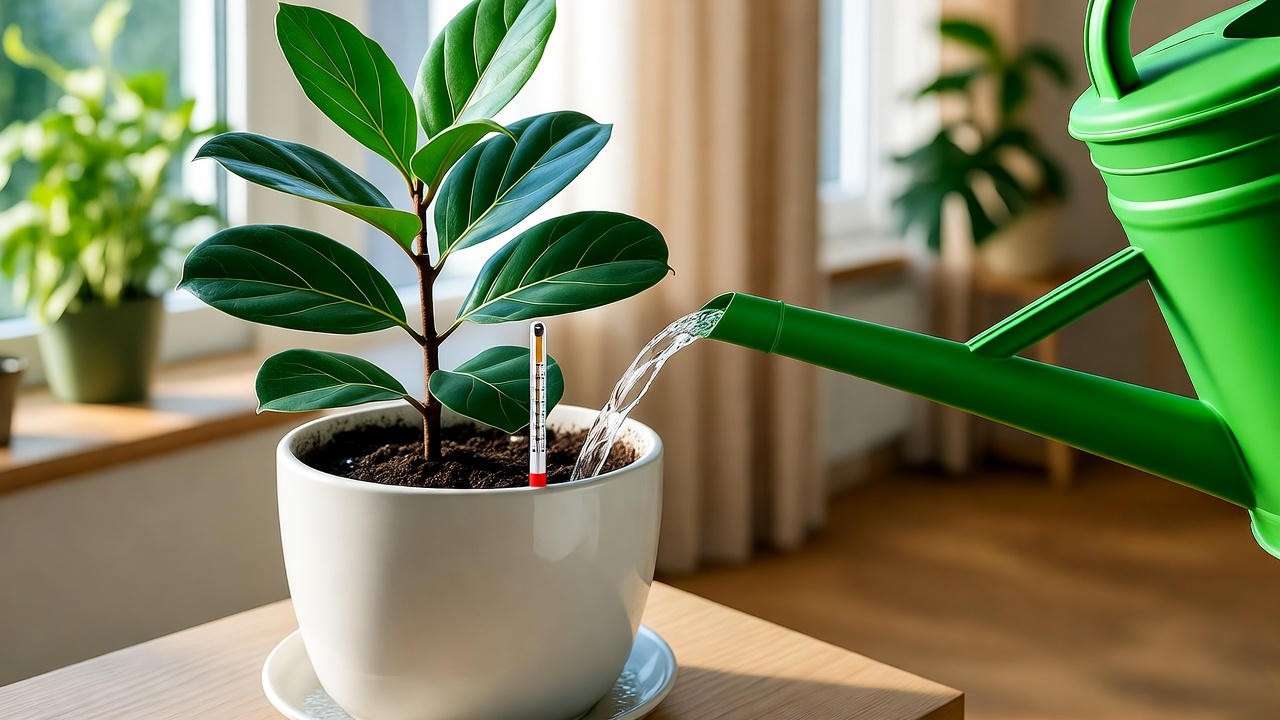
Watering is the cornerstone of sizzle frizzle plant care, but it’s also where most plant parents go wrong. Ficus lyrata prefers consistent moisture without being waterlogged. A general rule is to water every 7–10 days, allowing the top 1–2 inches of soil to dry out between sessions. In spring and summer, when the plant is actively growing, you may water slightly more frequently, while in fall and winter, reduce watering to match its slower growth. The key is to mimic the plant’s natural tropical environment, where rainfall is steady but well-drained. Use a pot with drainage holes and a saucer to prevent water from pooling at the roots, which can lead to rot. A moisture meter, like the XLUX Soil Moisture Meter, can help gauge soil dampness accurately, especially for beginners. 💦
H3: Signs of Overwatering vs. Underwatering
Knowing the difference between overwatering and underwatering is critical. Overwatering symptoms include yellowing leaves, mushy stems, or a musty smell from the soil—signs of potential root rot. Conversely, underwatering shows up as crispy, brown leaf edges or drooping leaves that feel dry to the touch. To diagnose, stick your finger 1–2 inches into the soil. If it’s soggy, hold off on watering; if it’s bone-dry, it’s time to hydrate. For precision, check the weight of the pot—light pots indicate dry soil, while heavy ones suggest excess moisture. These simple checks can save your sizzle frizzle plant from stress and keep it thriving. 🌱
H3: Expert Watering Tips
To water like a pro, use room-temperature water to avoid shocking the roots. Cold water can stress the plant, especially in cooler months. Always water thoroughly until it drains from the bottom, but discard excess water from the saucer to prevent root rot. If your tap water is high in chlorine or minerals, consider using filtered or distilled water, as Ficus lyrata can be sensitive to chemical buildup. For large plants, water in stages to ensure even soil saturation. According to the University of Florida’s IFAS Extension, consistent watering routines tailored to your home’s environment are key to preventing common issues like leaf drop. By fine-tuning your watering habits, you’ll set a strong foundation for your sizzle frizzle plant’s health. 🌧️
H2: Tip 2: Provide the Perfect Light for Vibrant Leaves ☀️
H3: Ideal Lighting Conditions for Sizzle Frizzle Plants
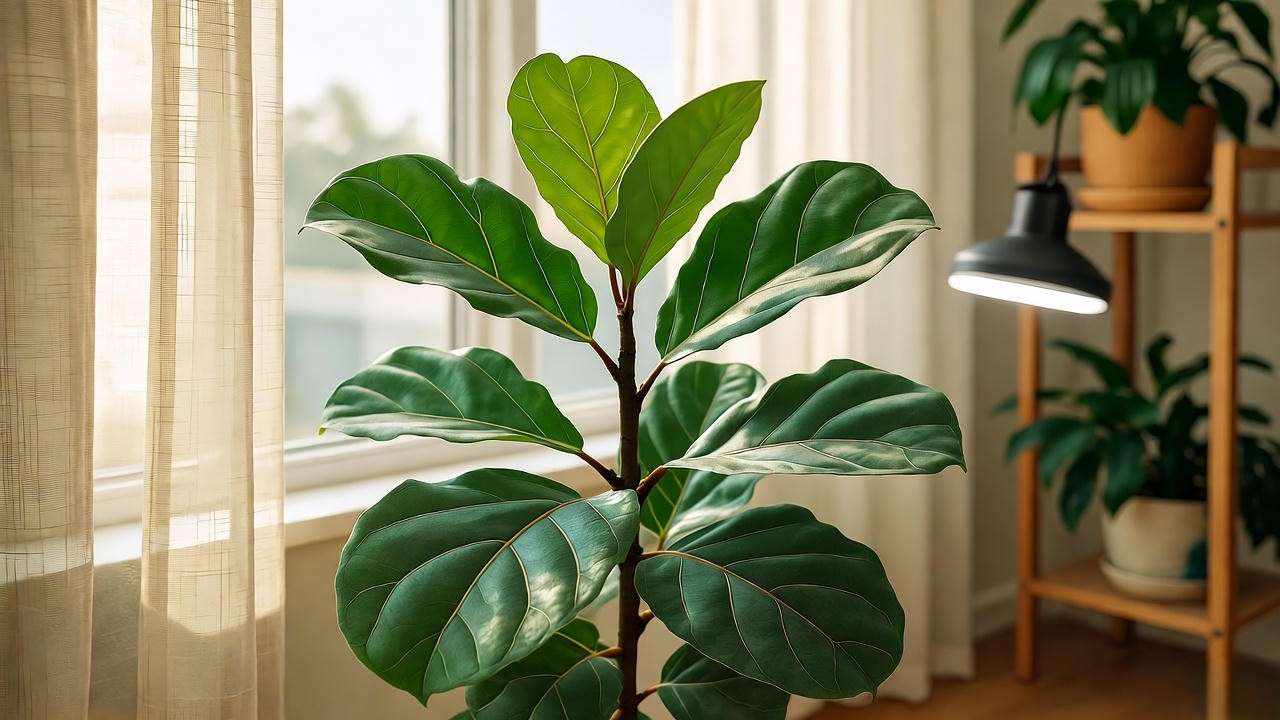
Light is the fuel that powers your sizzle frizzle plant’s lush, vibrant leaves. Ficus lyrata thrives in bright, indirect light—think near an east-facing window where morning sun gently bathes the leaves or a north-facing window with steady, filtered light. A spot 3–5 feet from a south- or west-facing window with sheer curtains also works well. Direct sunlight, however, is a no-go; it can scorch the leaves, leaving unsightly brown spots. Aim for 6–8 hours of bright, indirect light daily to mimic the plant’s natural habitat under a tropical canopy. If you notice your plant leaning toward the light, rotate it every few weeks to ensure even growth. Proper lighting keeps your fiddle leaf fig’s leaves glossy and full, making it the star of your indoor jungle. 🌞
H3: Troubleshooting Light-Related Issues
Light problems are a common culprit behind sizzle frizzle plant woes. Too little light leads to leggy growth, where stems stretch and leaves space out, giving the plant a sparse look. Too much direct sun causes leaf burn, with brown, crispy patches appearing on the foliage. To troubleshoot, assess your plant’s environment. If it’s in a dim corner, move it closer to a light source or supplement with a grow light. The Sansi 36W LED Grow Light, praised for its full-spectrum output, is a great choice for low-light homes. If leaf burn is the issue, add a sheer curtain or relocate the plant to a shadier spot. Regular monitoring and small adjustments can prevent light-related stress and keep your plant thriving. 🌿
H3: Seasonal Light Adjustments
Light conditions change with the seasons, and your sizzle frizzle plant needs you to adapt. In winter, shorter days and weaker sunlight may require moving the plant closer to a window or adding a grow light for 10–12 hours daily. In summer, be vigilant about intense sunlight, especially in south-facing rooms, and use blinds to diffuse rays. Rotating the plant monthly ensures all sides receive balanced light, promoting symmetrical growth. For consistency, consider a timer for grow lights to automate exposure. By staying proactive about seasonal shifts, you’ll maintain your fiddle leaf fig’s vibrancy year-round, avoiding common pitfalls like leaf drop or faded foliage. ☀️
H2: Tip 3: Maintain Optimal Humidity and Temperature 🌡️
H3: Why Humidity Matters for Ficus Lyrata
As a tropical native, the sizzle frizzle plant craves humidity levels of 40–60%, far higher than most indoor environments. Low humidity—common in heated or air-conditioned homes—can cause brown, crispy leaf tips or curling foliage. According to the American Society for Horticultural Science, maintaining adequate humidity mimics the plant’s rainforest origins, supporting healthy growth and preventing stress. If your home’s humidity dips below 40% (check with a hygrometer like the Govee Bluetooth Hygrometer), it’s time to take action. High humidity keeps leaves glossy and encourages robust growth, making it a non-negotiable for Ficus lyrata care. 🌴

H3: Creating a Humidity-Friendly Environment
Boosting humidity is easier than you think. A pebble tray filled with water placed under the pot (ensuring the pot doesn’t sit in water) is a simple, effective solution. Alternatively, a humidifier like the Levoit 6L Cool Mist Humidifier, known for its quiet operation and large capacity, can maintain consistent moisture levels. Grouping your sizzle frizzle plant with other houseplants creates a microclimate with higher humidity, as plants release moisture through transpiration. Misting is less effective, as it provides only temporary relief and can encourage fungal issues if overdone. For best results, monitor humidity weekly and adjust based on seasonal changes, especially in dry winter months. 🌫️
H3: Temperature Tips for Year-Round Health
Temperature is another critical factor. Ficus lyrata thrives in a range of 65–75°F (18–24°C), with no sudden fluctuations. Keep your plant away from drafty windows, air conditioning vents, or heating units, as these can stress the plant and trigger leaf drop. In colder months, ensure nighttime temperatures don’t dip below 60°F. If you’re using a space heater, maintain a safe distance to avoid drying out the foliage. A stable, warm environment supports consistent growth and prevents the plant from entering stress-induced dormancy. By prioritizing humidity and temperature, you’ll create a cozy, tropical haven for your sizzle frizzle plant. 🌡️
H2: Tip 4: Feed Your Sizzle Frizzle Plant for Lush Growth 🌱
H3: Choosing the Right Fertilizer
Nutrition is vital for your sizzle frizzle plant to produce those iconic, glossy leaves. A balanced, water-soluble fertilizer with a ratio like 10-10-10 or 3-1-2 (nitrogen-phosphorus-potassium) is ideal for Ficus lyrata. Nitrogen supports leafy growth, phosphorus strengthens roots, and potassium enhances overall health. I recommend a product like Jack’s Classic All Purpose 20-20-20, which is widely praised by horticulturists for its balanced formula and ease of use. Organic options, such as fish emulsion or seaweed extract, also work well but may have a stronger odor. According to the University of Florida’s IFAS Extension, choosing a fertilizer with micronutrients like magnesium and iron ensures your plant gets a complete nutrient profile, preventing deficiencies that dull its vibrancy. Always dilute fertilizers as directed to avoid overwhelming your plant. 🌿
H3: Fertilizing Schedule and Techniques
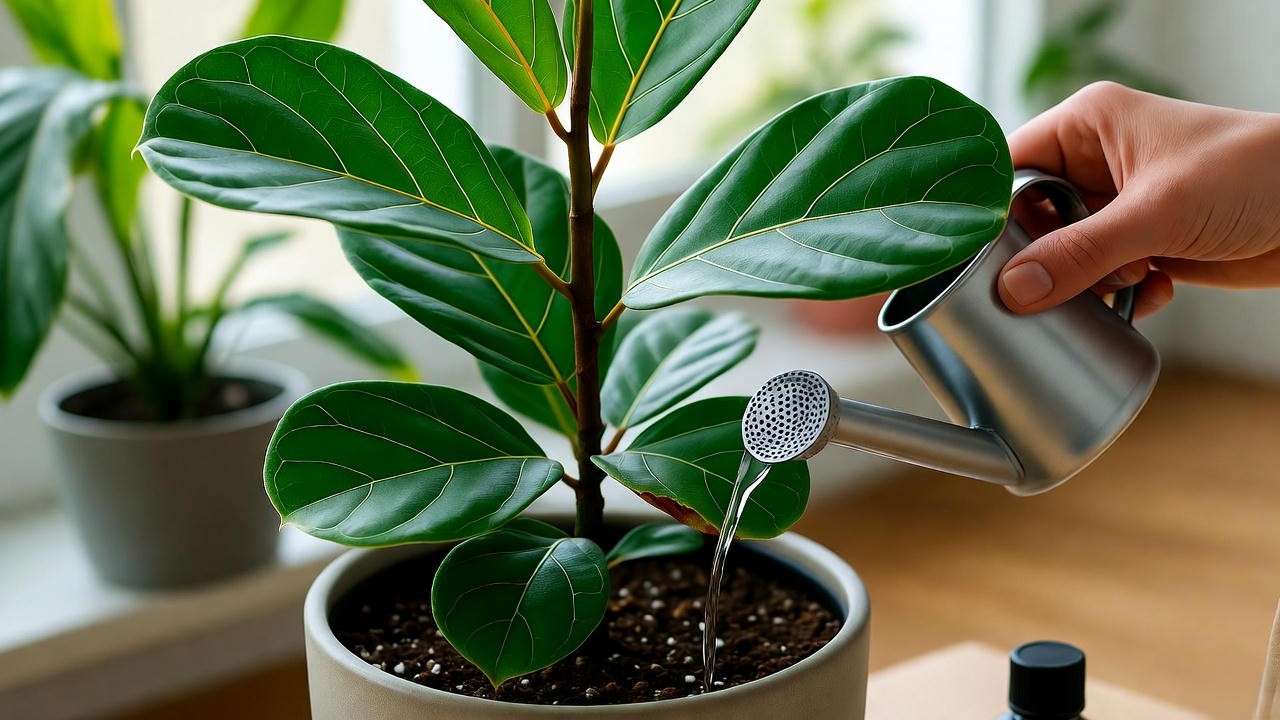
Timing is everything when feeding your sizzle frizzle plant. During the growing season (spring and summer), fertilize monthly to support active growth. In fall and winter, when growth slows, skip fertilizing or reduce to every 6–8 weeks. To apply, mix the fertilizer into your watering can at half the recommended strength to prevent root burn. Water the soil thoroughly first, then apply the diluted fertilizer to moist soil for better absorption. Over-fertilizing is a common mistake, leading to salt buildup that causes leaf burn or browning tips. Flush the soil with plain water every few months to remove excess salts. This disciplined approach ensures your fiddle leaf fig gets the nutrients it needs without stress. 🌾
H3: Signs Your Plant Needs Nutrients
Nutrient deficiencies show up in subtle but telling ways. Pale or yellowing leaves, especially on new growth, often indicate a lack of nitrogen. Slow growth or small, underdeveloped leaves may signal insufficient phosphorus or potassium. If you spot these signs, test your fertilizing routine. For example, if you haven’t fed your plant in months, it’s likely starving. Conversely, brown, crispy leaf edges could mean over-fertilization, requiring a soil flush. Keep a care journal to track feeding schedules and observe how your plant responds. By addressing nutrient needs promptly, you’ll maintain the lush, vibrant foliage that makes the sizzle frizzle plant a showstopper. 🌱
H2: Tip 5: Prune and Repot for a Healthy, Happy Plant ✂️
H3: When and How to Prune Your Ficus Lyrata
Pruning keeps your sizzle frizzle plant shapely and healthy, encouraging bushier growth and removing damaged foliage. Prune in spring, when the plant is actively growing, to minimize stress. Focus on removing dead or yellowing leaves, leggy stems, or branches that disrupt the plant’s shape. Use clean, sharp pruning shears—sterilized with rubbing alcohol—to prevent disease spread. Cut just above a leaf node (where a leaf meets the stem) at a 45-degree angle to promote new growth. For larger branches, make clean cuts to avoid tearing. Pruning not only enhances aesthetics but also directs energy to healthy growth. The American Society for Horticultural Science notes that strategic pruning can increase leaf density by up to 20% in Ficus lyrata. Don’t toss the cuttings—propagate them in water for new plants! 🌿
H3: Repotting Your Sizzle Frizzle Plant
Repotting refreshes your plant’s environment and supports its growth. Repot every 1–2 years or when roots become crowded, typically when you see roots circling the pot’s base or emerging from drainage holes. Choose a pot 2–3 inches larger in diameter than the current one, with drainage holes. Use a well-draining potting mix, such as a blend of peat, perlite, and pine bark, like Miracle-Gro Indoor Potting Mix. Gently remove the plant, shake off excess soil, and trim any damaged roots. Place it in the new pot with fresh soil, ensuring the root ball sits at the same depth. Water thoroughly and keep the plant in indirect light for a week to ease the transition. Proper repotting prevents root-bound stress and promotes vigorous growth. 🌳
H3: Common Pruning and Repotting Mistakes
Mistakes in pruning and repotting can set your sizzle frizzle plant back. Over-pruning—removing more than 20% of the plant at once—can shock it, leading to leaf drop. Always prune sparingly and monitor recovery. When repotting, avoid oversized pots, which retain too much water and cause root rot. Using poor-quality soil without proper drainage is another pitfall. If you’ve made these errors, don’t panic. For over-pruned plants, provide extra humidity and avoid fertilizing until new growth appears. For repotting issues, check drainage and adjust watering. With care, your plant can recover and thrive. These steps ensure your fiddle leaf fig stays healthy and visually stunning. ✂️
H2: Bonus Tips: Preventing and Treating Common Sizzle Frizzle Plant Problems 🛠️
H3: Dealing with Pests
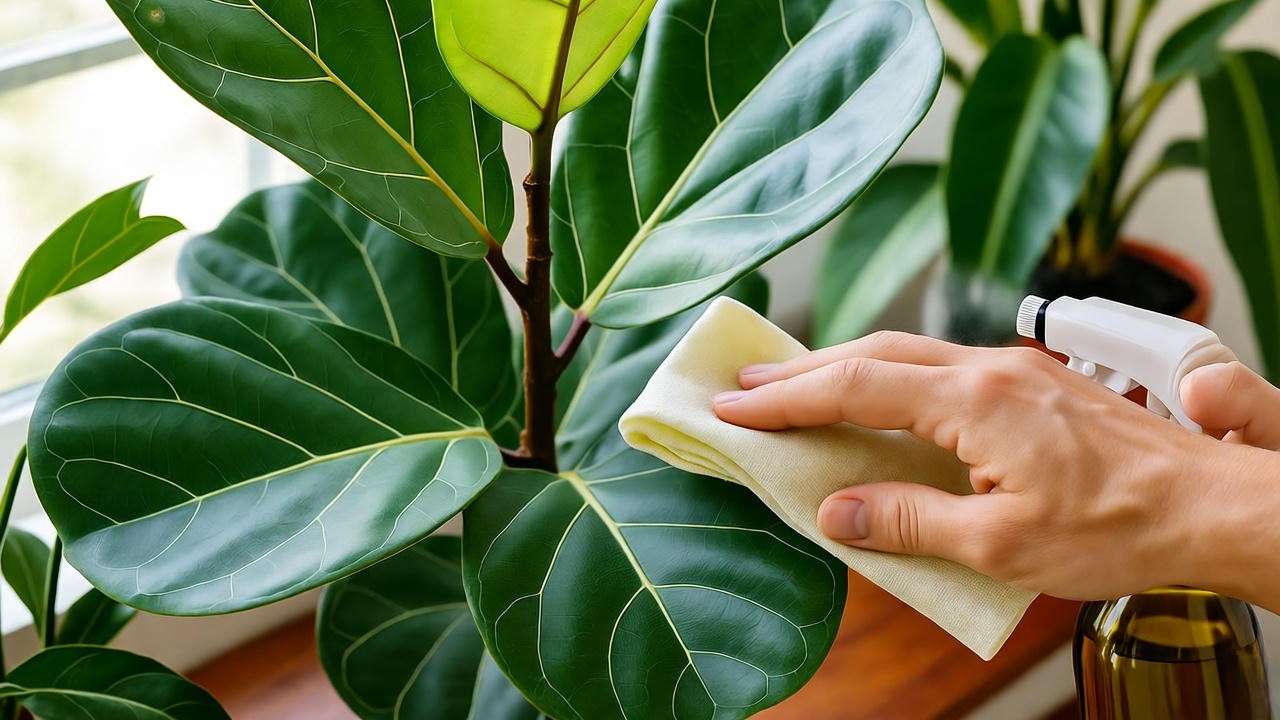
Pests can sneak up on even the healthiest sizzle frizzle plant. Common culprits include spider mites, which leave tiny webs and stippled leaves, and scale, which appear as small, brown bumps on stems. Mealybugs, with their white, cottony patches, are another threat. Inspect your plant weekly, especially under leaves, for early detection. For treatment, wipe leaves with a damp cloth to remove pests, then apply neem oil or insecticidal soap, like Safer Brand Insect Killing Soap, following label instructions. Repeat treatments every 7–10 days until pests are gone. To prevent infestations, maintain good air circulation and avoid overwatering, as damp conditions attract pests. Regular care and vigilance keep your fiddle leaf fig pest-free and flourishing. 🐞
H3: Addressing Leaf Drop and Browning
Leaf drop and browning are the sizzle frizzle plant’s cry for help. Causes include overwatering, underwatering, low humidity, or sudden environmental changes. Use a diagnostic checklist: check soil moisture, assess light levels, and measure humidity. If overwatering is the issue, reduce watering and ensure proper drainage. For low humidity, add a humidifier or pebble tray. If the plant was moved recently, return it to its original spot to stabilize conditions. For severe leaf drop, prune affected leaves and boost care routines. Recovery takes patience—monitor progress over 2–4 weeks. By addressing these issues promptly, you’ll restore your plant’s health and prevent future stress. 🌿
H2: FAQs About Sizzle Frizzle Plant Care ❓
- Why are my sizzle frizzle plant’s leaves turning brown? Brown leaves often result from low humidity, overwatering, or too much direct sunlight. Check your watering routine, ensure humidity is 40–60%, and move the plant to bright, indirect light. Adjust care and monitor for improvement.
- How often should I repot my fiddle leaf fig? Repot every 1–2 years or when roots are crowded. Use a slightly larger pot with a well-draining mix to support growth and prevent root rot.
- Can a sizzle frizzle plant survive in low light? While it prefers bright, indirect light, it can tolerate lower light with a grow light supplement. Avoid dim corners to prevent leggy growth.
- What’s the best way to increase humidity for my plant? Use a humidifier, pebble tray, or group plants together. Aim for 40–60% humidity and monitor with a hygrometer for consistency.
- Is the sizzle frizzle plant toxic to pets? Yes, Ficus lyrata is toxic to cats and dogs if ingested, causing irritation or vomiting. Keep it out of reach or opt for pet-safe plants.
H2: Conclusion: Your Path to a Thriving Sizzle Frizzle Plant 🌿
Caring for your sizzle frizzle plant doesn’t have to be daunting. By mastering watering, providing bright, indirect light, maintaining humidity, fertilizing wisely, and pruning strategically, you’ll keep your Ficus lyrata thriving year-round. These five essential tips—backed by horticultural expertise and practical experience—address common challenges like leaf drop and browning, ensuring your plant remains a stunning centerpiece. Start applying these strategies today, and watch your fiddle leaf fig flourish. Have a success story or a care tip to share? Drop it in the comments or connect with our plant-loving community on social media! For more indoor plant tips, check out our guides on “Top 10 Indoor Plants for Beginners” or “How to Care for Tropical Houseplants” on our website. Your sizzle frizzle plant’s journey to greatness starts now! 🌱











