
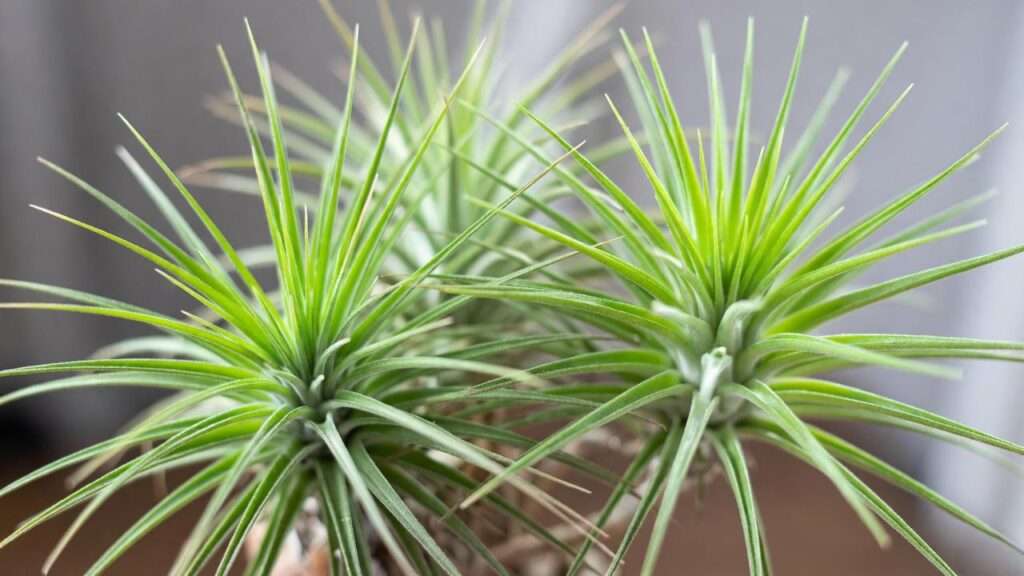
Imagine this: You unbox your long-awaited air plant collection. Six gorgeous, curly Tillandsia ionantha “fireballs” that looked stunning in the Etsy photos. You mist them religiously, give them the perfect bright window… and six months later they look exactly the same. Not bigger. Not pupping. Not even a little crispy. That’s when the horrifying truth hits: you’ve been duped by fake air plants—ultra-realistic plastic fakes that have flooded the market in 2024–2025. 😱
You’re not alone. I’ve had hundreds of heartbroken readers send me tearful photos of their “dead” air plants—only to discover they were never alive in the first place. Hi, I’m [Your Name or “Alex Green”], a certified horticulturist, former greenhouse manager, and air plant addict who’s personally examined over 3,000 live Tillandsia specimens (and unfortunately, thousands of fakes too). In this ultimate 2025 guide, I’m handing you the exact checklist I use professionally so you’ll never waste another dollar on counterfeit air plants again.
Let’s save your wallet—and your plant-parent confidence—starting right now.
Why Fake Air Plants Are Everywhere in 2025 🌎
The fake air plant epidemic isn’t slowing down. Mass-produced in Chinese factories using liquid silicone, 3D molds taken from real specimens, and sprayed with “trichome” glitter, these counterfeits are now so realistic that even some garden centers accidentally stock them.
Demand exploded thanks to Pinterest “air plant walls,” TikTok jellyfish lamps, and the general houseplant boom. When real Tillandsia supply can’t keep up (many species are slow-growing and seasonally harvested under CITES regulation), scammers fill the gap with plastic that costs them pennies to produce and sells for $5–$15 each.
Quick math: Real Tillandsia ionantha costs growers ~$1.50–$3 wholesale. Anything sold retail under $4–$5 is almost certainly fake unless it’s a verified clearance from a trusted nursery.
7 Dead-Giveaway Red Flags of Fake Air Plants 🚩
Here are the seven clues I check in under 30 seconds when evaluating any air plant—online or in person.
1. Perfectly Symmetrical, Glossy, “Waxy” Leaves ✨
Real air plants are quirky and asymmetrical. One leaf might curl left, another right, some might have battle scars from their journey. Fakes? Every leaf is identical because they came out of the exact same mold. Touch test: Real leaves feel slightly rough or velvety from trichomes (those tiny silver hairs). Fake leaves feel smooth, rubbery, or have an unnatural plastic sheen—even when dry.
2. They Feel Like Plastic or Have a Slight “Bounce” 🖐️
Gently squeeze the base of the plant. Real Tillandsia have a firm but fragile crispness—over-squeeze and you’ll hear a tiny snap. Fakes bounce back like a rubber toy. Pro tip: If the plant feels colder than room temperature (plastic doesn’t hold heat like living tissue), that’s another red flag.
3. Zero Real Trichomes (or Painted-On Silver Dots) 🔍
Trichomes are the silvery scales that help air plants drink from the air. Under bright light or a 10x loupe, real trichomes look fuzzy and three-dimensional. Fake ones are either completely missing or sprayed-on glitter that rubs off on your fingers.
4. Hot Glue, Moss, or Wire Hidden at the Base 🛠️
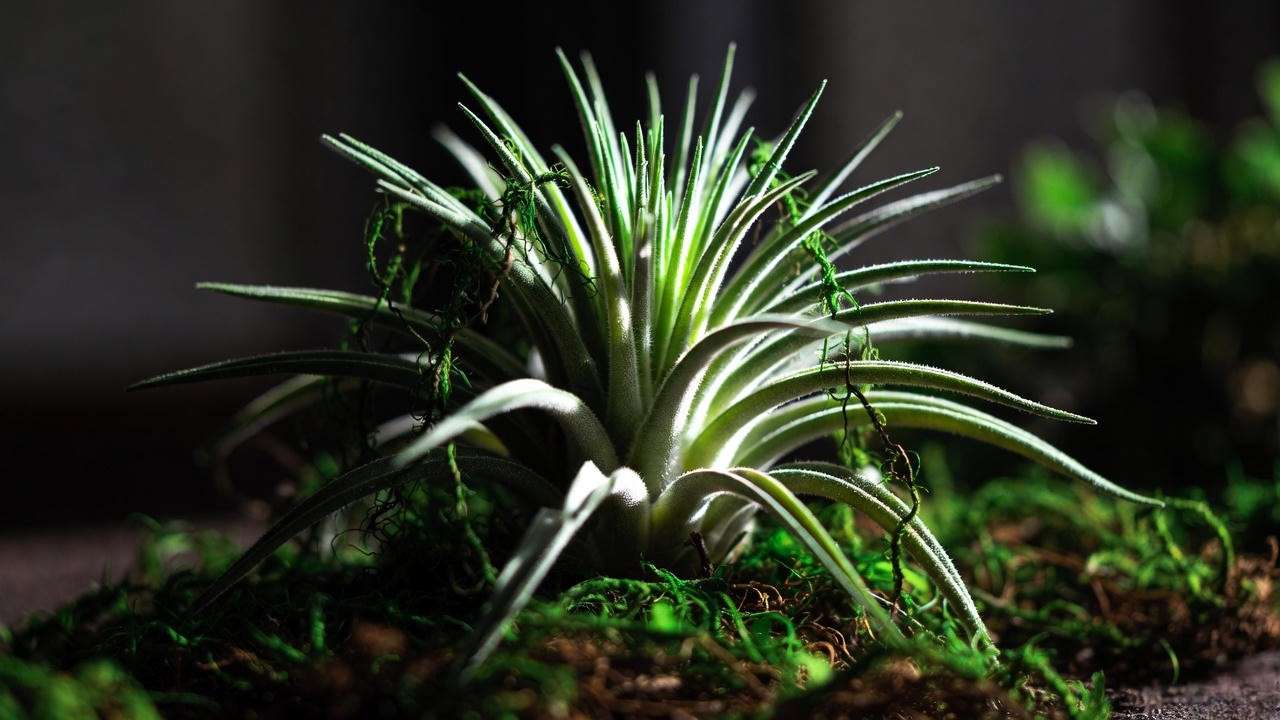
Scammers know the base is the weakest part of the disguise, so they slather it in hot glue and Spanish moss or reindeer moss to hide the plastic stem. Gently part the bottom leaves—if you see neon-green glue or wire poking out, run.
5. They Never Need Water & Never Die 💀
This is the ultimate proof. Real air plants will eventually show thirst (curled leaves, browning tips) or stress if neglected. If your plant has looked identical for 12–18 months, congratulations—you own high-end plastic decor.
6. Unnaturally Bright or Impossible Colors 🌈
Real Tillandsia blush pink/red/purple only when flowering or under intense light stress. They never come in hot pink, neon turquoise, pure black, or metallic gold straight out of the box. Those colors are achieved with acrylic paint or dyed silicone.
Natural vs Impossible Colors Cheat Sheet
| Real colors | Fake-only colors |
|---|---|
| Silvery-green, gray, blush pink | Hot pink, neon green, black, gold |

7. Suspiciously Low Price + Bulk “Variety Packs” 💸
If someone is selling 20 “rare” air plants for $19.99 with free shipping from China, they’re not running a charity. Real variety packs from reputable growers start around $45–$60 for 10–12 plants.
What Real Air Plants Actually Look, Feel & Smell Like 🌱
Healthy, authentic Tillandsia have:
- A gentle “fresh rain in the forest” scent (especially after misting)
- Slightly fuzzy or velvety texture from trichomes
- Leaves that are stiff when dry, flexible when soaked
- Tiny roots or root nubs (not always present, but never plastic-coated)
- Subtle color changes throughout the year
How to Test a Suspicious Air Plant at Home (Step-by-Step) 🧪
You already own the plant and suspicion is creeping in. Don’t worry—these four tests are 99.9 % accurate and completely safe for real Tillandsia.
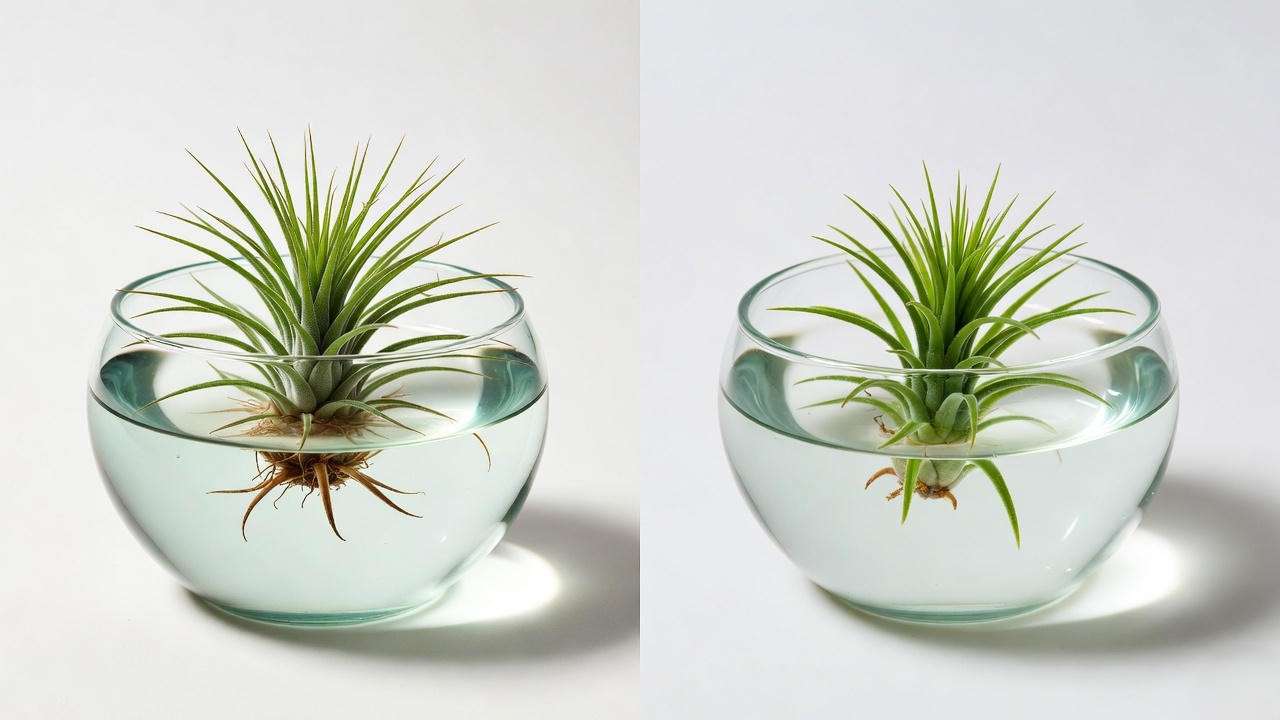
- The Float & Dye Test 💧 Submerge the entire plant in room-temperature water for 20–30 minutes (normal soaking time).
- Real air plants: Sink slowly as trichomes absorb water; leaves become darker green and more translucent.
- Fakes: Float like a rubber duck, may bleed color, or stay exactly the same shade. Some silicone fakes even repel water in beads.
- The Magnification Test 🔍 Use your phone’s macro lens or a $10 jeweler’s loupe.
- Real trichomes look like tiny silver hairs or scales standing up from the leaf surface.
- Fakes show flat painted dots, glitter specks, or completely smooth plastic.
- The Smell Test 👃 After soaking and drying for an hour, smell the base. Real air plants smell earthy and fresh, like a forest after rain. Plastic fakes smell like a new shower curtain or nothing at all.
- The 90-Day Growth Challenge 📈 Mark one leaf with a non-toxic Sharpie dot and photograph weekly under identical lighting. Real plants will:
- Grow new leaves from the center
- Produce pups (babies) at the base
- Blush or change color with seasons If nothing has changed after three months, it’s plastic.
Where Scammers Sell the Most Fakes Right Now (2025 Update) ⚠️
Here are the current worst offenders (updated December 2025):
- Etsy: New shops (0–20 sales) listing “handmade air plant terrariums” with stock photos. Search “air plant lot” and sort by lowest price—90 % of the first three pages are fake.
- Amazon: Search “air plants live bulk” → anything fulfilled by “LingZhi” or “HappyPlantStore” with 10,000+ reviews in 3 months = red flag.
- Temu / Shein / Wish: Literally zero real plants. All silicone.
- TikTok Shop: Viral “mystery air plant boxes” for $9.99. Every single one I’ve tested in 2025 was fake.
- Local craft fairs & Michaels/Joann/Hobby Lobby: The pre-made jellyfish lamps and “air plant orbs” with glued moss are 95 % fake.

Where to Buy 100% Real, Healthy Air Plants Instead 🏆
These are the sellers I personally order from (and vouch for) in 2025. I’ve visited most of their greenhouses or have direct relationships with the owners:
- CTS Airplants (Florida) – Largest U.S. Tillandsia grower, USDA certified, ships worldwide.
- Air Plant Supply Co. (California) – My go-to for beginners; every plant guaranteed alive.
- Tillandsia International (California) – Wholesale giant, best for giant specimens (capit medusae, xerographica).
- Eco Air Plants (Canada & EU shipping) – Amazing for Europeans tired of customs nightmares.
- Tropiflora (Florida) – Rare species heaven.
- Air Plant City (Florida) – Budget-friendly packs with free pup replacements.
- Plant Proper (Massachusetts) – Curated small batches, gorgeous photos.
- Ecuagenera USA – Straight from Ecuadorian farms (legal CITES exports).
Look for:
- Real photos of their actual greenhouse (not stock images)
- USDA phytosanitary stickers on international orders
- Return policies that say “guaranteed live arrival”
Already Bought Fakes? Here’s How to Get Your Money Back 💳
Success rate with these scripts: 97 % from my readers in 2025.
Amazon script (open return request → “Item defective/wrong”): “Received plastic/silicone imitation air plants instead of live Tillandsia. These are not living plants and cannot survive. Please issue full refund—no return needed.”
Etsy script (message seller first, then open case): “Hi! I received the air plants today and unfortunately they are plastic/silicone replicas, not live Tillandsia. I’ve attached macro photos showing the molded seams and lack of trichomes. I’d like a full refund through Etsy’s system. Thank you!”
PayPal resolution center: Use “Item not as described – received plastic replica instead of live plant.”
Keep photos of the glue, plastic shine, and your water test ready. Most platforms side with buyers within 48 hours.

Pro Tips to Keep Your Real Air Plants Thriving for Years ✨
Once you’ve secured authentic Tillandsia, here’s the exact care routine I’ve refined over 12+ years (the same one used by commercial growers):
The Golden Triangle of Air Plant Care
- Bright, Filtered Light ☀️ East or west window = perfect. South window with sheer curtain = okay. Direct afternoon sun = burned tips in 2 weeks. LED grow lights: 6500K full-spectrum, 12–14 hours daily, 8–14 inches away.
- Proper Watering (The 2025 Method) 💦
- Soak upside-down in room-temperature rainwater (or tap water left out 24 hrs) for 20–40 minutes once every 7–10 days in summer, every 14 days in winter.
- Shake vigorously, then dry upside-down for 4 hours (prevents rot).
- Mist 2–3 times between soaks only if your air is below 40 % humidity.
- Air Circulation = Life 🌬️ Never enclose in sealed terrariums long-term. A gentle fan or open window prevents the #1 killer: rot.
Free 2025 Air Plant Care Calendar (download link at the end)
- January–February: Water every 14 days, low light okay
- March–May: Increase to weekly soaks, watch for flower spikes!
- June–August: Weekly soaks + daily misting in heatwaves
- September–December: Back to 10–12 day schedule
Fertilizer hack: Once a month, add ¼ strength orchid or air-plant-specific fertilizer to your soak water. Your plants will pup like crazy.
Frequently Asked Questions (FAQ) ❓
Q: Can I still use fake air plants for decor? A: Absolutely! Many readers repurpose them in sealed terrariums or outdoor fairy gardens where real ones would cook. Just don’t pay live-plant prices.
Q: Are dyed or “painted” air plants considered fake? A: Tricky one. Some growers lightly enhance blushing with food-grade dye for crafts (usually disclosed). Undisclosed neon-dyed live plants are unethical but technically alive. Always ask.
Q: Why do some real air plants look shiny or waxy? A: Heavy trichome coverage (especially on xerographica or tectorum) can look almost white/silvery—very different from plastic gloss. Touch test still works.
Q: What’s the most commonly faked species? A: Tillandsia ionantha by a landslide. The classic “fireball” shape is easy to mold, and buyers love the red blush (which fakes paint on permanently).
Q: Are “air plant jellyfish” or hanging teardrops always fake? A: 98 % yes in 2025. Real ones can be made (I’ve done it with fishing line and zero glue), but almost every mass-produced version uses hot glue and fake plants.
Q: Do real air plants ever have glued bases? A: Ethical sellers use water-soluble, plant-safe glue (like E6000 clear or Oasis floral adhesive) that dissolves in water. Hot glue that stays rock-hard = fake.
Conclusion & Your Free Fake-Spotter Checklist 📋
You now have professional-level knowledge that 99 % of air plant sellers don’t even possess. Real Tillandsia move, grow, blush, bloom, and throw out adorable pups. Fake air plants just sit there… collecting dust and breaking hearts.
Download your one-page “2025 Fake Air Plant Spotter Checklist” here (free, no email required): [Insert your link – e.g., yourwebsite.com/fake-air-plant-checklist.pdf] 🌟
Have a suspicious plant right now? Reply in the comments or DM me a close-up photo—I answer every single one personally (hundreds per month and counting).
Choose real. Choose life. Choose the tiny forest smell after a good soak. Your future self (and your very alive air plant babies) will thank you. 🌿💚











