
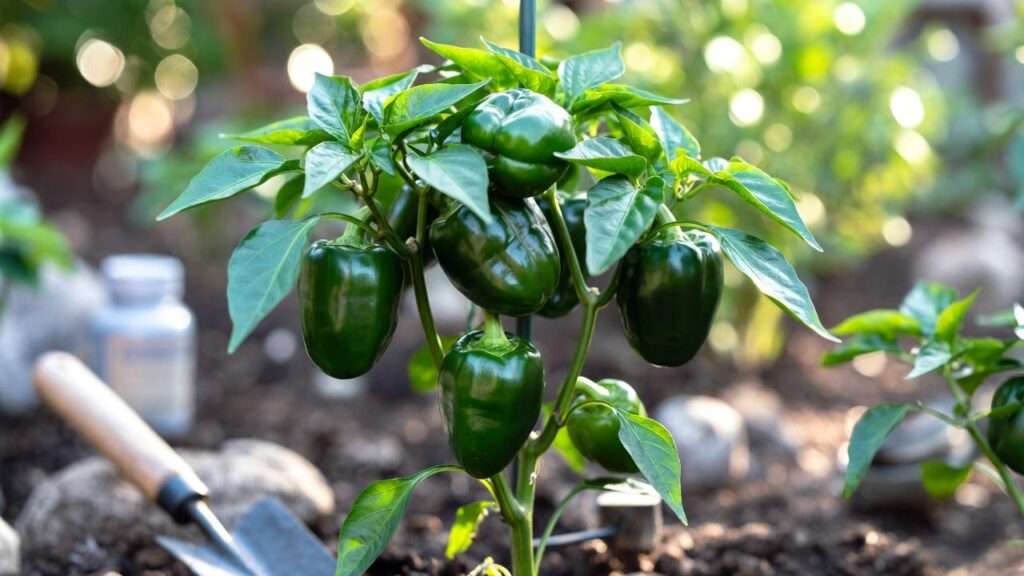
Imagine stepping into your garden (or onto your sunny balcony) and picking dozens of glossy, deep-green poblano peppers right when you need them for tonight’s chiles rellenos or a batch of roasted pepper salsa. No more settling for store-bought peppers that are too soft, too pale, or just plain disappointing. A single healthy poblano pepper plant can easily produce 20–50 peppers in one season—sometimes even more with good care—and the flavor is simply unmatched. 🌿
If you’ve ever struggled with leggy seedlings, blossom-end rot, or plants that flower but never set fruit, you’re not alone. Growing poblano peppers can feel tricky at first, but once you understand their needs, it’s one of the most rewarding vegetables you can grow at home. In this comprehensive guide, I’ll walk you through every step—from choosing seeds to harvesting and preserving your bounty—so you can grow a thriving poblano pepper plant and enjoy fresh, homegrown peppers all season long.
As a gardener with over 15 years of experience growing peppers in zones 5 through 10 (both in-ground and containers), I’ve learned the tricks that turn average plants into prolific producers. Let’s dive in and get you on the path to a bumper crop of poblano peppers! ✨
Why Grow Your Own Poblano Pepper Plants? 🌟
Poblano peppers (Capsicum annuum ‘Poblano’) are one of the most popular mild chiles in the world for good reason:
- Mild, rich flavor – 1,000–2,000 Scoville Heat Units (similar to a mild jalapeño but much sweeter and more complex).
- Versatile in the kitchen – Perfect for stuffing, roasting, grilling, or drying into ancho chiles for mole and sauces.
- High yields – One plant can give you 20–50 peppers, sometimes more.
- Nutritional powerhouse – Loaded with vitamin C, vitamin A, and antioxidants.
- Cost savings – A $5 packet of seeds can produce hundreds of dollars’ worth of peppers over the season.
Plus, there’s nothing quite like the satisfaction of growing your own food. Ready to start? Let’s get your poblano pepper plants off to the perfect beginning.
Understanding the Poblano Pepper Plant
Poblano peppers are a cultivar of Capsicum annuum, the same species as bell peppers, jalapeños, and cayenne. When dried, poblanos become ancho chiles—dark, wrinkled, and deeply flavorful.
- Plant size – 24–36 inches tall, 18–24 inches wide
- Growth habit – Bushy, upright, with sturdy stems
- Time to harvest – 60–90 days from transplant (70–80 days typical)
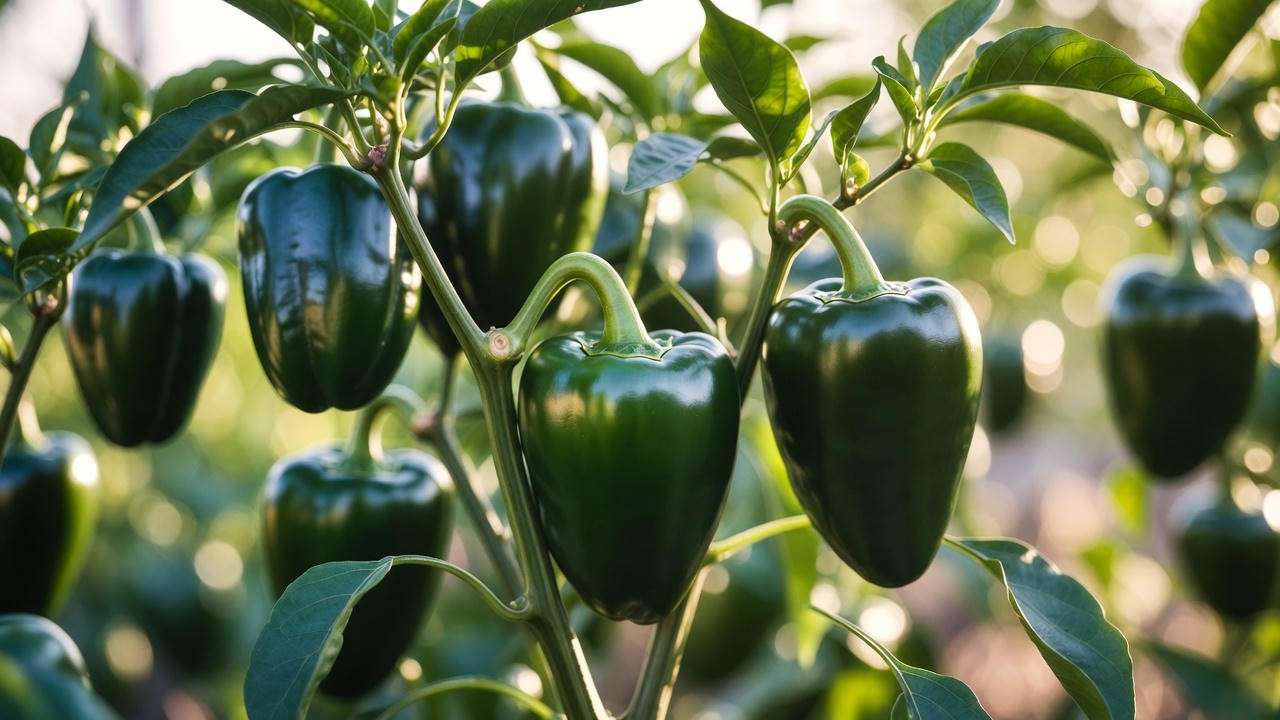
- Fruit characteristics – 4–6 inches long, heart-shaped, dark green turning reddish-brown when ripe
- Heat level – Mild (1,000–2,000 SHU), though some plants can be slightly hotter depending on conditions
Compared to other peppers:
- Poblano vs. Anaheim – Poblanos are thicker-walled and sweeter
- Poblano vs. bell – Poblanos have more flavor and a gentle kick
- Poblano vs. jalapeño – Much milder and larger
Choosing the Right Variety of Poblano
While the classic poblano is the most common, several excellent varieties exist:
- Traditional Poblano – Best for authentic flavor
- Ancho 101 – High-yielding, disease-resistant hybrid
- Tiburon – Excellent for cooler climates, very productive
- Mulato – Darker skin, slightly sweeter when dried
- San Martin – Great for container growing
For beginners, I recommend starting with a hybrid like ‘Tiburon’ or ‘Ancho 101’ for better disease resistance and higher yields.
Where to buy:
- Seed companies like Johnny’s Selected Seeds, Baker Creek, or Burpee
- Local nurseries for transplants (if you’re short on time)
When & Where to Grow Poblano Peppers
Poblano peppers are warm-season crops that thrive in heat and sun.
- USDA zones – Best in zones 7–11; grown as annuals in cooler zones
- Sunlight – 6–8+ hours of direct sun daily (more is better!) ☀️
- Starting seeds – 6–8 weeks before your last frost date indoors
- Transplanting – After all danger of frost has passed and soil is at least 65°F (18°C)
Step-by-Step: Starting Poblano Pepper Plants from Seed
- Gather supplies
- Seed-starting mix (sterile, well-draining)
- Cell packs or peat pots
- Heat mat (optional but highly recommended)
- Grow lights or a sunny south-facing window
- Sow the seeds
- Plant ¼-inch deep
- Keep soil temperature 75–85°F (24–29°C) for best germination (usually 7–14 days)
- Provide light
- Once sprouted, give 14–16 hours of bright light daily to prevent legginess
- Water & fertilize
- Keep soil consistently moist but not soggy
- Start half-strength liquid fertilizer after true leaves appear
- Hardening off
- Gradually expose seedlings to outdoor conditions over 7–10 days before transplanting
Transplanting & Spacing Your Poblano Plants
- Soil preparation – Amend with compost; aim for pH 6.0–6.8
- Spacing – 18–24 inches apart in rows 30–36 inches apart
- Planting depth – Bury stems up to the first set of true leaves to encourage strong roots
- Companion plants – Basil, marigolds, onions, and nasturtiums deter pests
Soil, Fertilizer & Watering Needs for Thriving Poblano Plants
- Soil – Rich, well-draining loam with plenty of organic matter
- Fertilizer schedule
- At planting: balanced organic fertilizer (e.g., 4-4-4)
- During flowering/fruiting: switch to high-potassium (e.g., 5-10-10 or tomato fertilizer)
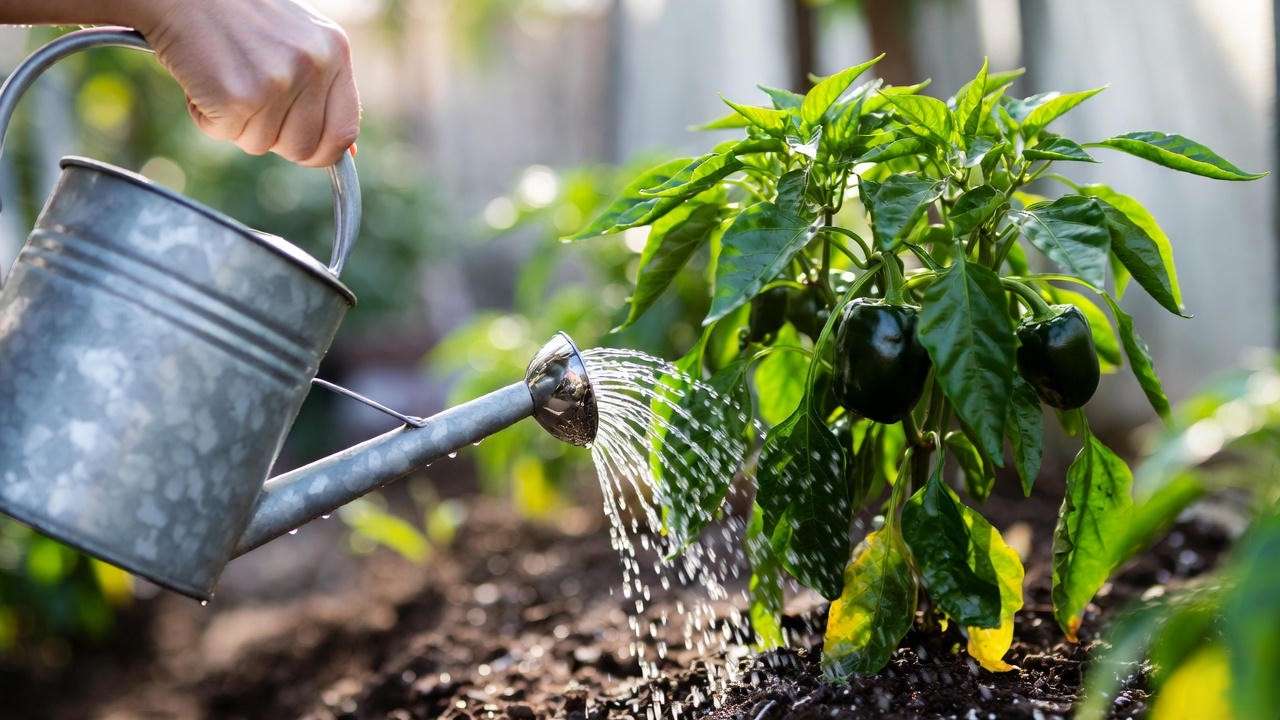
- Watering – 1–2 inches per week, deeply but infrequently; avoid wetting foliage
- Mulch – 2–3 inches of straw or shredded leaves to retain moisture and suppress weeds
Pruning & Supporting Your Poblano Pepper Plants
- Pruning – Remove early flowers and suckers below the first branching to direct energy to fruit
- Support – Use cages or stakes; heavy fruit can cause branches to snap
- Bushier plants – Pinch tips when plants reach 12–15 inches to encourage branching
Common Poblano Pepper Plant Problems & Solutions (Troubleshooting Guide)
- Blossom-end rot – Caused by calcium deficiency or inconsistent watering; prevent with even moisture and crushed eggshells in soil
- Aphids & spider mites – Blast with water or use insecticidal soap/neem oil
- Powdery mildew – Improve air circulation, avoid overhead watering
- Yellow leaves – Often nitrogen deficiency or overwatering
- Poor fruit set – Temperatures above 90°F daytime or below 55°F nighttime can cause flower drop
Pollination & Maximizing Fruit Set
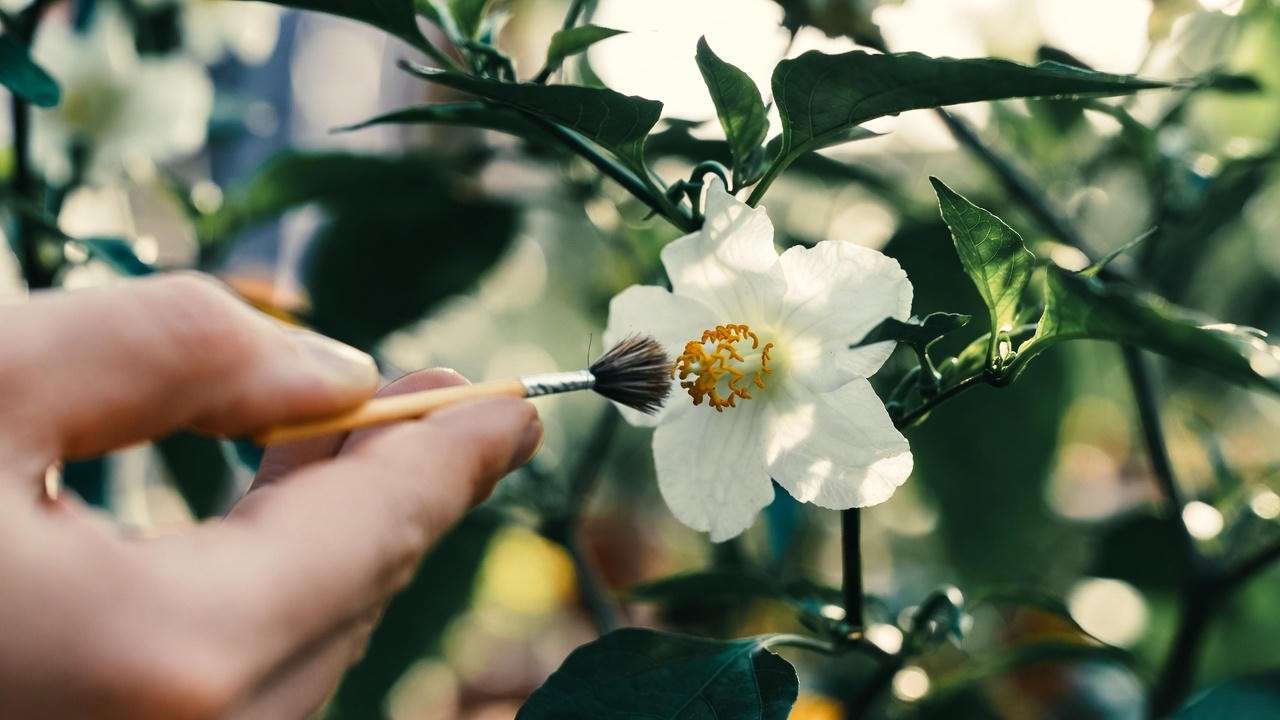
Poblano peppers are self-fertile, but bees help.
- Gently shake plants daily or use a small brush to hand-pollinate
- Plant pollinator-attracting flowers nearby
Harvesting Poblano Peppers at Peak Perfection
- Green stage – Harvest when firm and dark green for fresh use
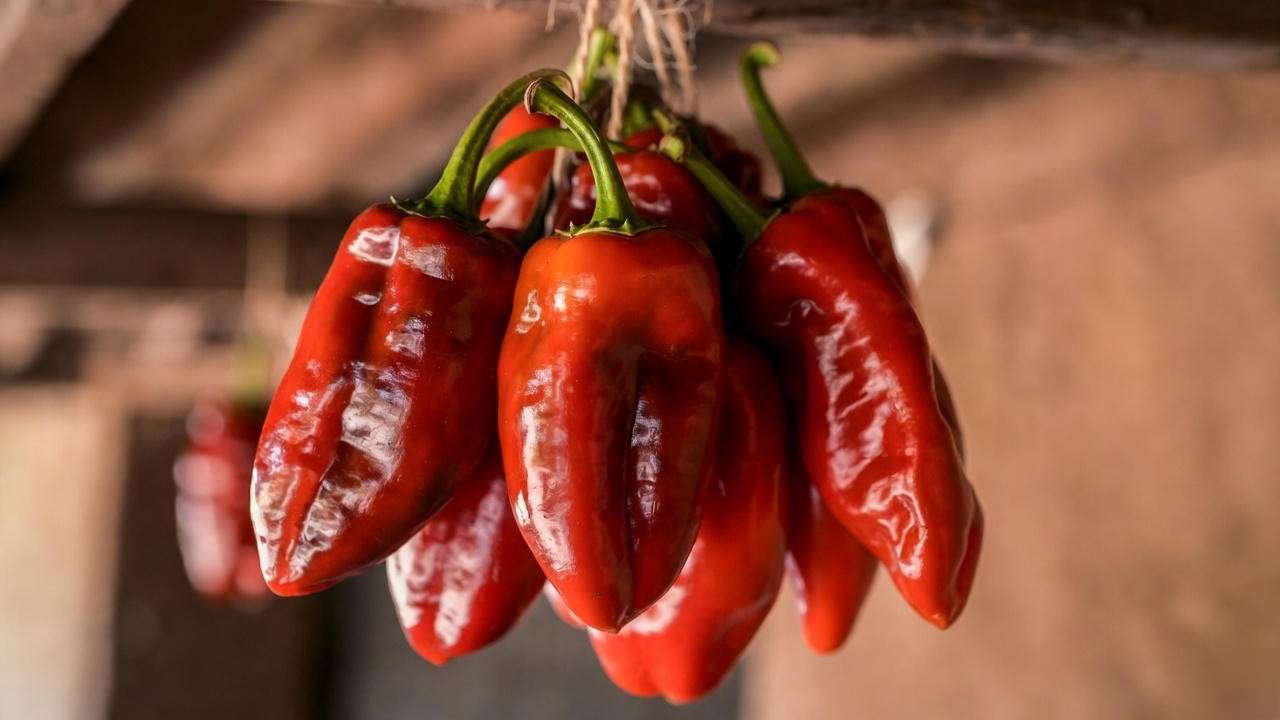
- Red stage – Let mature to red-brown for drying into ancho chiles
- Technique – Use scissors to avoid damaging the plant
- Frequency – Pick regularly to keep plants producing
Post-Harvest: Storing, Drying & Using Your Poblano Peppers
- Fresh – Store in the crisper drawer for 1–2 weeks
- Freezing – Roast, peel, and freeze in bags
- Drying – String and hang in a warm, dry place or use a dehydrator
- Recipe ideas
- Classic chiles rellenos
- Rajas con crema
- Mole poblano
- Stuffed peppers with quinoa and beans
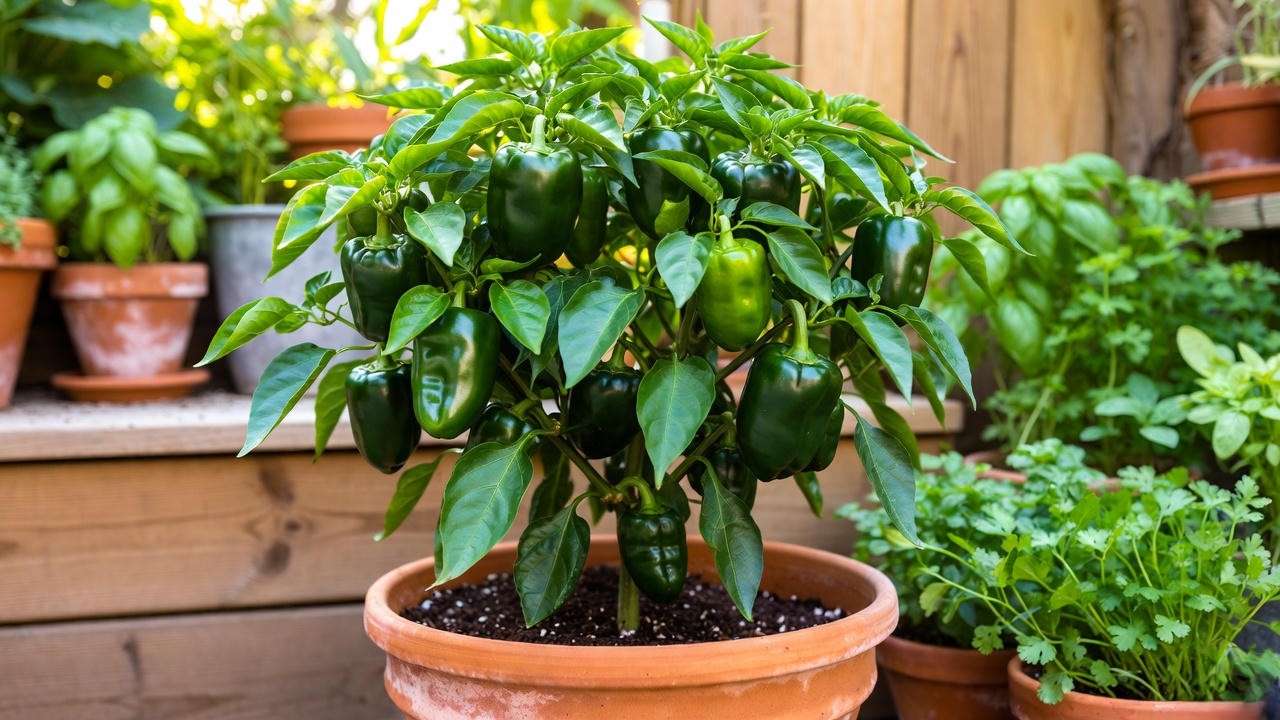
Growing Poblano Peppers in Containers (Perfect for Balconies & Patios)
- Pot size – Minimum 5-gallon, ideally 10–15 gallons
- Soil mix – 50% potting soil, 30% compost, 20% perlite
- Watering – More frequent than in-ground; check daily in hot weather
- Fertilizing – Use slow-release granules plus liquid feed every 2 weeks
Expert Tips & Advanced Techniques
- Succession planting – Start new seeds every 3–4 weeks for continuous harvest
- Overwintering – Bring plants indoors in fall; they can live 3–5 years in warm climates
- Seed saving – Let a few peppers fully ripen on the plant; dry seeds completely
- Organic pest control – Garlic-neem spray recipe: 1 bulb garlic + 1 tsp neem oil + 1 quart water
Frequently Asked Questions (FAQs)
How many peppers does one poblano plant produce? 20–50 per season with good care—sometimes up to 100!
Can I grow poblano peppers indoors? Yes! Use grow lights and a large container; expect slightly lower yields.
Why are my poblano leaves curling? Usually aphids, heat stress, or underwatering.
What’s the difference between poblano and ancho peppers? Poblano is the fresh version; ancho is the dried version of the same pepper.
How hot are poblano peppers compared to jalapeños? Poblanos are much milder—about 1/5 to 1/10 the heat of jalapeños.
Conclusion & Final Encouragement
Growing a healthy poblano pepper plant is one of the most rewarding gardening projects you can take on. With the right timing, soil, water, and care, you’ll be harvesting armloads of delicious peppers in no time. Whether you’re a beginner or seasoned gardener, following this guide will help you avoid common pitfalls and maximize your harvest.
Now it’s your turn—grab some seeds (or transplants), get your hands dirty, and enjoy the incredible flavor of homegrown poblanos! 🌶️
Share your progress in the comments below—I’d love to see your poblano pepper plant photos and hear about your success! 📸











