
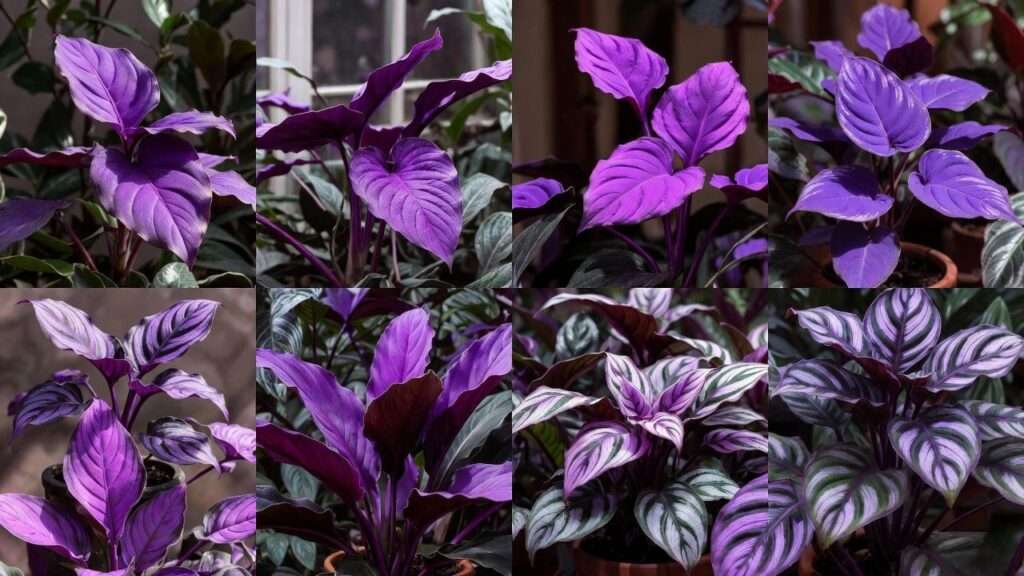
Picture this: you step into your living room or garden and are instantly greeted by rich, jewel-like purple foliage that feels almost magical. Plants with purple leaves have an irresistible charm—they turn ordinary spaces into show-stopping displays and add instant drama without relying on flowers alone.
Whether you’re searching for the perfect indoor accent, a bold statement plant for your garden, or simply want to know how to keep those vibrant purple leaves from fading, you’ve come to the right place. In this ultimate guide, we’ll cover everything you need to grow breathtaking purple-leaf plants successfully: the top varieties, expert care secrets, common problems and solutions, and creative styling ideas. As a horticulturist with over 15 years of experience growing and recommending foliage plants, I’ve helped thousands of plant lovers achieve vibrant, long-lasting purple color. Let’s dive in and make your space more beautiful than ever! ✨
Why Choose Plants with Purple Leaves? (Benefits & Appeal)
Purple foliage isn’t just trendy—it’s transformative. Here’s why so many plant enthusiasts are obsessed:
- Instant Drama & Contrast – Purple leaves stand out against green plants, creating depth and visual interest in any garden bed or indoor arrangement.
- Mood-Boosting Color Psychology – Studies show purple evokes creativity, luxury, and calm—perfect for bedrooms, offices, or meditation spaces.
- Year-Round Interest – Unlike flowering plants, purple-leaf varieties provide color every season, even in winter.
- Air-Purifying Power – Many popular purple-leaf plants (such as Tradescantia, Calathea, and Philodendron) naturally filter indoor air pollutants.
- 2025 Design Trend – Interior designers and landscapers are using purple foliage to create monochromatic “jewel-toned” schemes and bold tropical looks.
In short, a few well-chosen purple-leaf plants can elevate your home or garden from ordinary to extraordinary. 🌟
Understanding Purple Leaf Coloration (Science Made Simple)
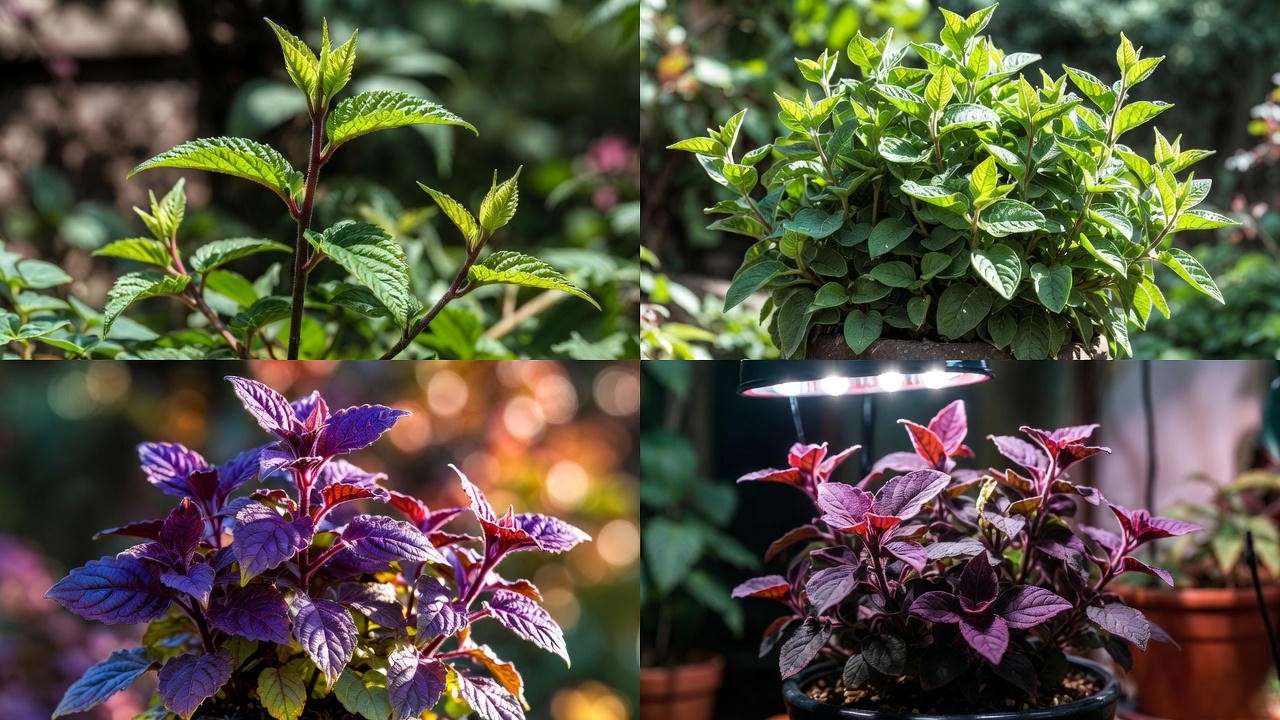
The secret behind those stunning purple hues is anthocyanins—the same pigments that give blueberries and red cabbage their color. These water-soluble pigments act as natural sunscreens, protecting leaves from intense light and cold stress.
In many plants, anthocyanins are always present, making the foliage permanently purple (e.g., Purple Heart or Black Mondo Grass). In others, purple appears only under certain conditions: bright sunlight, cooler temperatures, or nutrient stress. Understanding this helps you prevent the common frustration of purple leaves turning green or dull.
Key factors that influence purple intensity:
- Light exposure
- Temperature (cooler nights often intensify color)
- Soil pH (slightly acidic soils usually enhance purple tones)
- Variety genetics
Top 20+ Stunning Plants with Purple Leaves (Expert-Recommended Varieties)
Here’s my curated list of the most reliable, beautiful, and easy-to-find purple-leaf plants—divided by growing conditions so you can pick the perfect match.
Best Indoor Purple Leaf Plants
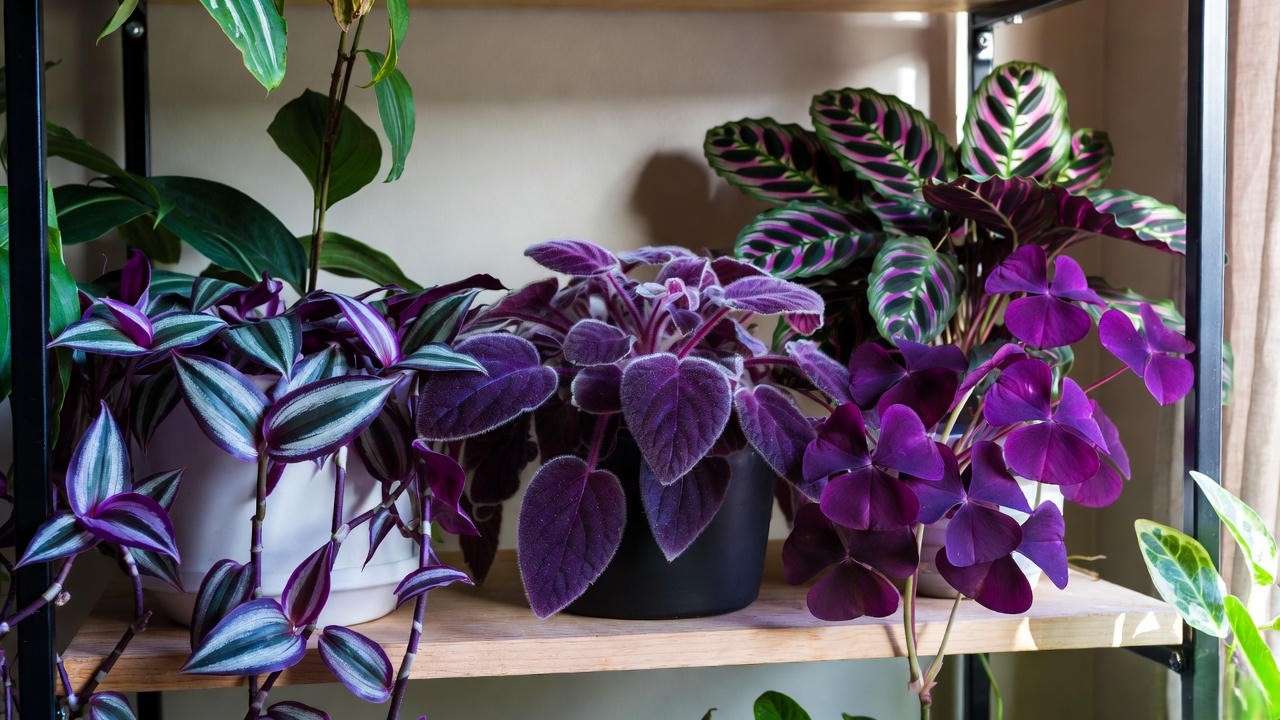
- Purple Heart (Tradescantia pallida) – Trailing stems with deep purple leaves that glow in bright light. Super easy and fast-growing.
- Purple Velvet Plant (Gynura aurantiaca) – Velvety, iridescent purple leaves that feel like plush fabric. Loves bright indirect light.
- Calathea ‘Purple Fusion’ & ‘Rosy’ – Prayer plants with intricate purple-green patterns. Excellent for low-light homes.
- Oxalis triangularis (Purple Shamrock) – Delicate, heart-shaped purple leaves that fold at night. Very low-maintenance.
- Pilea ‘Purple Passion’ & ‘Royal Majesty’ – Textured, shimmering purple leaves that make great tabletop plants.
- Philodendron ‘Pink Princess’ & ‘Black Cardinal’ – Variegated or deep burgundy-purple foliage—collectors’ favorites.
- Alocasia ‘Black Velvet’ – Velvety, almost black-purple leaves with silver veins. A true showstopper.
Best Outdoor & Garden Purple Leaf Plants
- Heuchera ‘Palace Purple’ & ‘Plum Pudding’ – Evergreen perennials with ruffled purple leaves that thrive in shade.
- Japanese Maple ‘Bloodgood’ & ‘Crimson Queen’ – Elegant, deeply lobed purple-red foliage that turns brilliant in fall.
- Loropetalum ‘Purple Diamond’ & ‘Ruby’ – Flowering evergreen shrubs with purple leaves and hot-pink blooms.
- Smokebush (Cotinus coggygria ‘Royal Purple’) – Dramatic purple leaves and smoky pink flower plumes.
- Cordyline ‘Electric Pink’ & ‘Design-A-Line’ – Spiky, sword-like purple leaves—perfect for tropical vibes.
- Canna ‘Tropicanna Black’ – Bold, dark purple-black leaves with bright orange flowers.
Rare & Unique Purple Leaf Gems
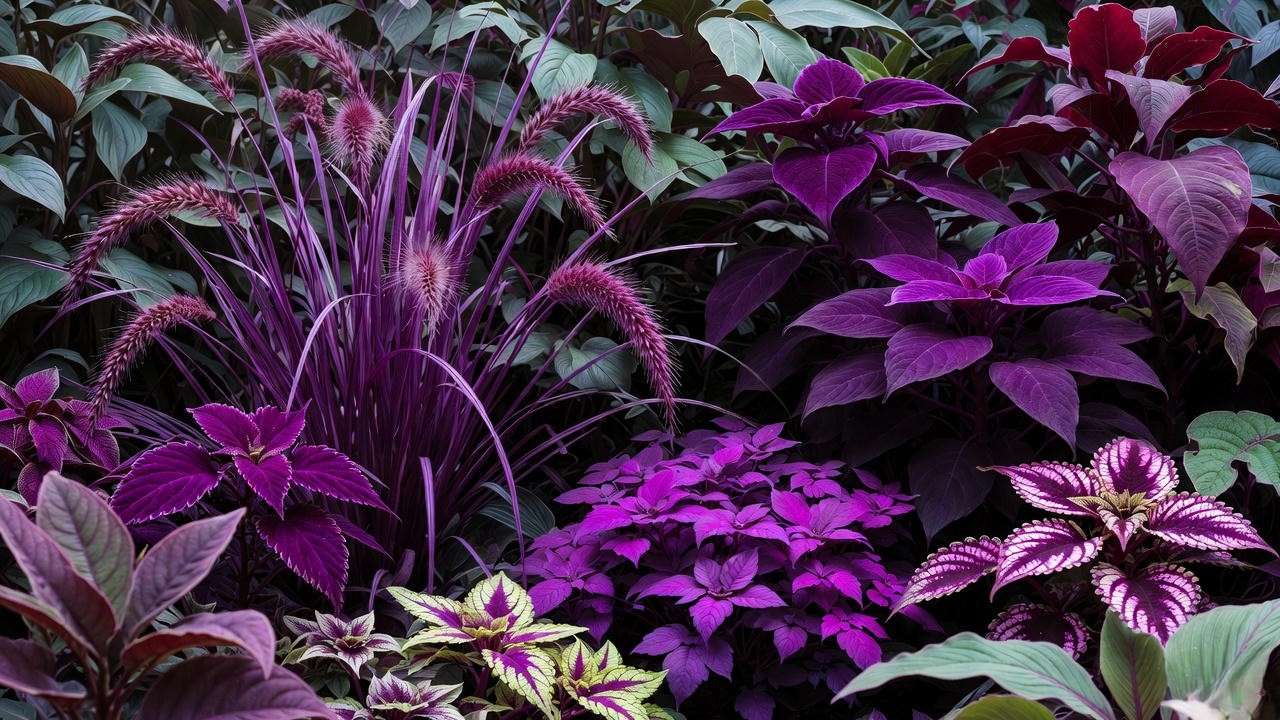
- Black Mondo Grass (Ophiopogon planiscapus ‘Nigrescens’) – Jet-black-purple grass-like clumps—perfect for edging.
- Purple Fountain Grass (Pennisetum setaceum ‘Rubrum’) – Graceful arching purple foliage with feathery plumes.
- Coleus ‘Under the Sea’ series & ‘Kong’ varieties – Huge, dramatic leaves in every shade of purple imaginable.
How to Choose the Perfect Purple Leaf Plant for Your Space
Before buying, ask yourself:
- How much light does the spot receive? (Low, medium, or bright indirect)
- Will it be indoors or outdoors?
- What size and shape do you need? (Trailing, upright, compact)
- What’s your USDA hardiness zone or indoor temperature range?
Pro tip: For beginners, start with Purple Heart, Oxalis, or Heuchera—they’re forgiving and give instant satisfaction.
Expert Care Guide: Keep Your Purple Leaves Vibrant Year-Round
Lighting – The #1 Secret to Rich Purple Color
Most purple-leaf plants need bright, indirect light to maintain intense color. Too little light = green or dull leaves; too much direct sun = scorched edges.
- Low-light tolerant: Calathea, Oxalis, some Philodendrons
- Medium-bright: Purple Heart, Pilea, Gynura
- Full sun (outdoors): Heuchera, Loropetalum, Canna, Cordyline
Watering & Humidity Tips
Water when the top 1–2 inches of soil feel dry. Overwatering is the #1 killer of purple-leaf plants—always use well-draining pots and soil.
Indoor humidity-loving varieties (Calathea, Alocasia) benefit from pebble trays or occasional misting.
Soil, Fertilizer & pH Management
Use a well-draining potting mix with perlite or orchid bark. For acid-loving plants (Japanese Maple, Heuchera), choose a slightly acidic mix (pH 5.5–6.5).
Fertilize every 4–6 weeks during spring and summer with a balanced, water-soluble fertilizer (e.g., 20-20-20 diluted to half strength).
Temperature, Pruning & Propagation
Most purple-leaf plants prefer 65–80°F (18–27°C). Protect outdoor plants from frost.
Prune leggy stems in spring to encourage bushiness. Propagation is easy:
- Stem cuttings in water or soil (Tradescantia, Philodendron, Pilea)
- Division (Calathea, Oxalis, Heuchera)
Common Problems & Solutions
- Purple leaves turning green → Increase light exposure
- Fading or dull color → Cooler nights or more sun
- Yellowing leaves → Overwatering or poor drainage
- Brown tips → Low humidity or fluoride in tap water
- Pests → Spider mites, mealybugs—treat with neem oil or insecticidal soap
Styling & Design Ideas with Purple Leaf Plants
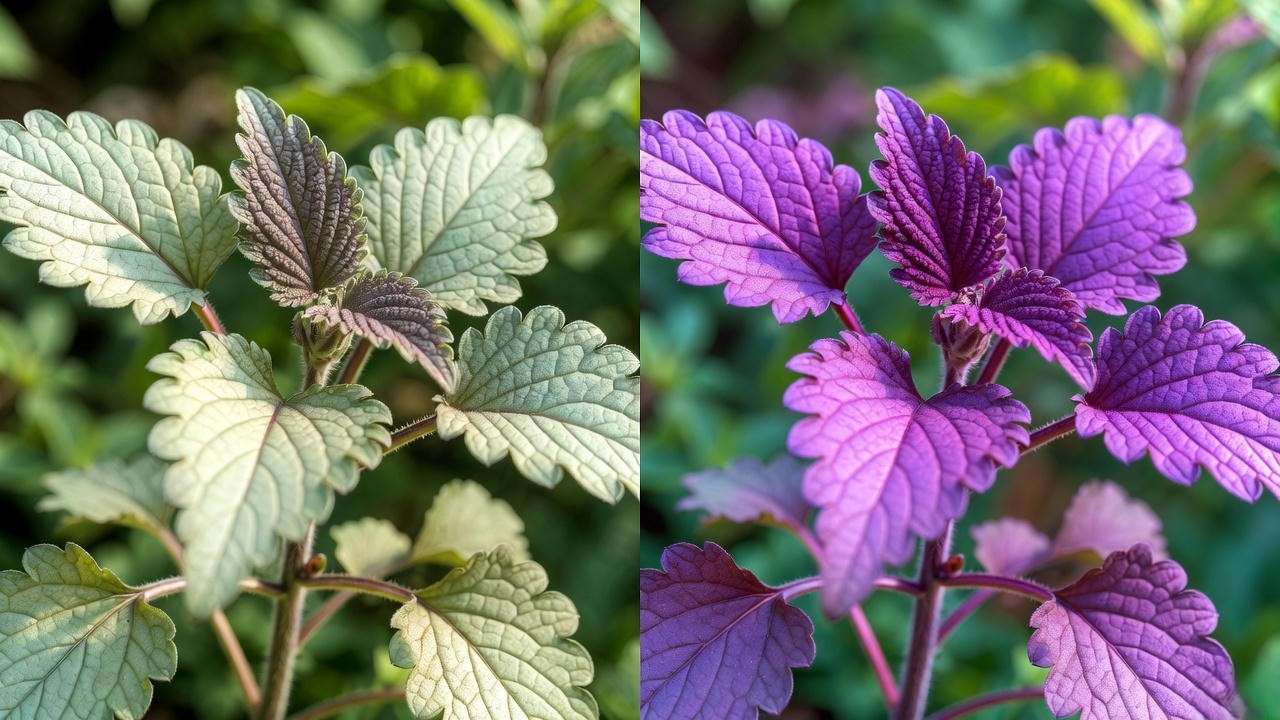
- Monochromatic purple: Pair Purple Heart with Oxalis and Black Mondo Grass
- Jewel-toned contrast: Combine with silver (e.g., Calathea with Pothos ‘Marble Queen’)
- Hanging baskets: Trailing Purple Heart or Pilea ‘Purple Passion’
- Tropical drama: Cordyline, Canna, and Alocasia together
Seasonal Care Calendar for Purple Leaf Plants 🌸❄️
A year-round plan to keep your purple foliage looking its absolute best, no matter the season:
Spring (March–May)
- Repot overcrowded plants and refresh soil
- Start fertilizing every 4 weeks with a balanced formula
- Gradually increase light exposure for outdoor plants
- Watch for new growth—prune lightly to shape
Summer (June–August)
- Peak growing season—water more frequently
- Protect from intense afternoon sun to prevent leaf scorch
- Mist humidity-loving varieties daily
- Enjoy the deepest purple colors with plenty of bright light
Fall (September–November)
- Reduce watering as growth slows
- Bring tender plants indoors before first frost (e.g., Purple Heart, Cordyline)
- Apply a light dose of slow-release fertilizer
- Cooler nights often intensify purple tones—perfect timing!
Winter (December–February)
- Lower light and cooler temperatures = slower growth
- Water sparingly (let soil dry out more between waterings)
- Use grow lights for indoor plants to prevent legginess
- Check regularly for pests—dry indoor air attracts spider mites
Expert Insights & Pro Tips from Horticulturists 💡
After 15+ years growing hundreds of purple-leaf varieties, here are my top insider secrets:
- Natural Color Intensifiers – A 10–15°F drop between day and night temperatures dramatically boosts anthocyanin production. Try placing plants near a cool window at night.
- Avoid the #1 Beginner Mistake – Over-fertilizing with high-nitrogen products. This pushes green growth and dilutes purple color—always use balanced or low-nitrogen fertilizers for foliage plants.
- Eco-Friendly Pest Control – Mix 1 tsp neem oil + ½ tsp dish soap in 1 quart of water for a safe, effective spray. Apply in the evening to avoid leaf burn.
- Sustainable Tip – Propagate your favorites! One healthy Purple Heart can become dozens of new plants, reducing the need to buy more.
- pH Sweet Spot – Most purple-leaf plants thrive at pH 5.8–6.5. If leaves look washed out, test your soil or water and add a touch of sulfur if needed.
Frequently Asked Questions (FAQs) ❓
What causes purple leaves to turn green? Usually insufficient light. Move the plant to a brighter spot (but avoid direct midday sun for sensitive varieties).
Are purple leaf plants safe for pets? Most are non-toxic (e.g., Purple Heart, Oxalis, Heuchera), but some (Philodendron, Alocasia) contain calcium oxalate crystals that can irritate pets if chewed. Always check ASPCA’s toxic plant list.
Can I grow purple leaf plants in low light? Yes—Calathea, Oxalis, and some Philodendrons tolerate lower light, but color will be less intense. Use grow lights for best results.
How fast do purple leaf plants grow? Fast growers like Purple Heart and Pilea can add several inches per month in ideal conditions. Slower ones (Heuchera, Black Mondo Grass) grow more gradually.
What are the best purple leaf plants for beginners? Purple Heart (Tradescantia pallida), Purple Shamrock (Oxalis triangularis), and Heuchera varieties—forgiving, low-maintenance, and instantly rewarding.
Do purple leaf plants need special fertilizer? No—just a balanced, water-soluble fertilizer at half strength every 4–6 weeks during the growing season. Avoid high-nitrogen formulas.
Final Thoughts & Where to Buy Healthy Purple Leaf Plants 💜
There’s something truly special about surrounding yourself with the rich, regal tones of purple foliage. Whether you choose a dramatic Smokebush for your garden or a velvety Purple Velvet Plant for your desk, these plants bring joy, color, and a touch of magic year-round.
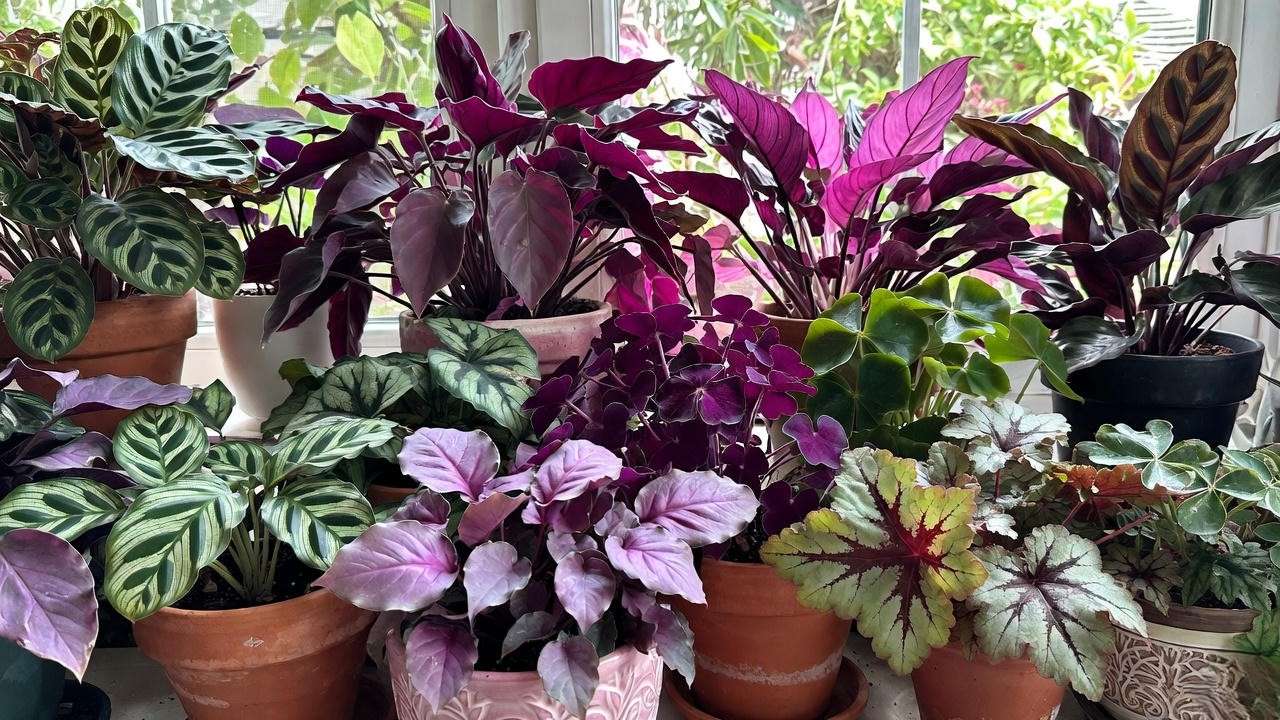
My top 5 must-have purple-leaf plants for most people:
- Purple Heart – easy, fast, and gorgeous trailing
- Oxalis triangularis – compact and striking
- Heuchera ‘Palace Purple’ – reliable outdoor evergreen
- Calathea ‘Purple Fusion’ – beautiful indoor texture
- Black Mondo Grass – unique and architectural
For healthy specimens, I recommend buying from reputable local nurseries, Etsy sellers with excellent reviews, or trusted online retailers like Costa Farms, The Sill, or Proven Winners. Always inspect plants for pests before bringing them home!
Now it’s your turn—pick your favorite purple-leaf beauty, give it the care it deserves, and watch your space transform. I’d love to hear which one you choose and how it’s doing—drop a comment or share a photo below! 🌿✨











