
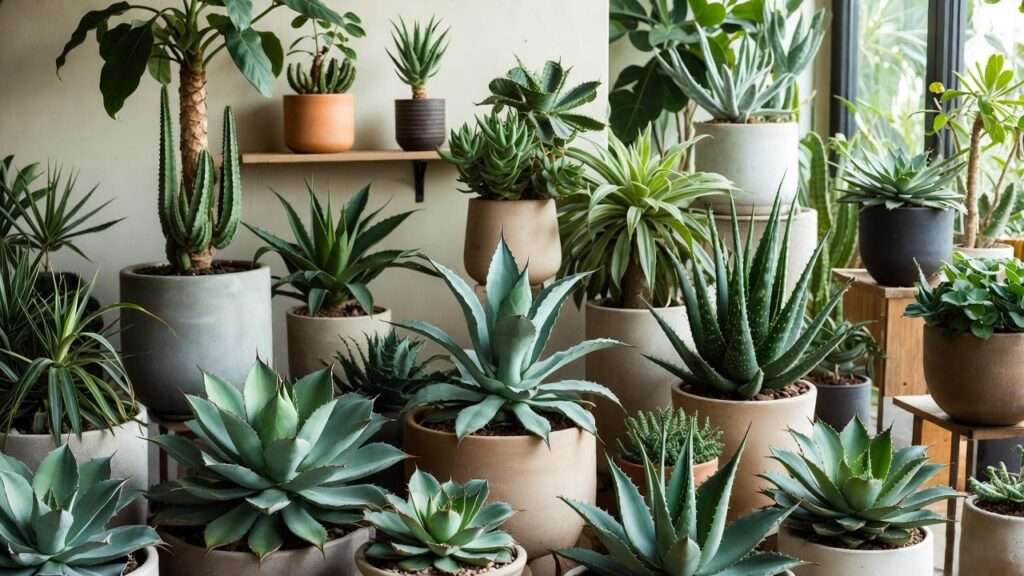
Imagine walking into your living room and being greeted by a dramatic, sculptural giant that looks like it belongs in a desert landscape—yet it thrives indoors with almost no fuss. That’s the magic of huge succulent plants! These impressive, low-maintenance statement plants have exploded in popularity over the past few years, and for good reason. They turn ordinary corners into showstopping focal points, purify the air, and require far less care than most people think. 🌿
Whether you’re dreaming of a towering indoor centerpiece, a bold xeriscape garden, or a poolside drama queen, the right large succulent can transform your space. But with so many varieties available, choosing the perfect one—and keeping it healthy—can feel overwhelming. That’s why I’ve created this ultimate guide.
As a horticulturist with over 15 years of experience growing and designing with succulents (including managing a specialty nursery and consulting on large-scale xeriscape projects), I’ve tested dozens of “huge” varieties in real homes and gardens. In this comprehensive article, you’ll discover the absolute best huge succulent plants, expert care secrets, styling ideas, and pro tips that go far beyond the basics. By the end, you’ll know exactly which large succulent is perfect for your space and how to make it thrive for years to come. Let’s dive in! 🌟
Why Choose Huge Succulent Plants? 🏜️
Huge succulents aren’t just trendy—they’re practical, beautiful, and incredibly rewarding. Here are the top reasons gardeners and interior designers are obsessed with them:
- Architectural Drama: Their bold shapes, textures, and colors create instant visual impact without needing flowers.
- Low Maintenance: Once established, most need watering only every 2–4 weeks and thrive on neglect.
- Drought Tolerance: Perfect for water-wise gardens, indoor spaces, and busy lifestyles.
- Longevity: Many live for decades, becoming family heirlooms.
- Air-Purifying Power: Large specimens can help filter toxins from indoor air.
- Versatility: They work indoors, outdoors, in containers, or directly in the ground.
In short, if you’re tired of small, delicate houseplants that need constant attention, huge succulent plants deliver the “wow” factor with minimal effort. 🌱
Top 10 Huge Succulent Plants (The Ultimate List) 🌟
Here are the most impressive, reliable, and beautiful large succulents that actually grow big enough to make a statement. Each one has been selected for its mature size, ease of care, and stunning visual appeal.
1. Agave attenuata (Fox Tail Agave) 🦊
Mature size: 4–6 ft tall × 4–6 ft wide Hardiness: Zones 9–11 (protect from frost) Why it’s amazing: Soft, spineless, powder-blue rosettes that curve gracefully like a fox’s tail. One of the most elegant large succulents for patios and modern interiors. Best light: Full sun to bright indirect Care tip: Water deeply but infrequently—perfect for beginners. Styling idea: Plant in a large white ceramic pot for a minimalist look.
2. Agave americana (Century Plant) 🇺🇸
Mature size: 6–10 ft tall × 8–12 ft wide (with flower spike up to 30 ft!) Hardiness: Zones 8–11 Why it’s amazing: The classic “blue agave” with dramatic, sword-like leaves edged in sharp spines. It’s the ultimate desert statement plant. Best light: Full sun Care tip: Plant in extremely well-draining soil and give it space—it spreads! Styling idea: Use as a focal point in xeriscape gardens or large rock beds.

3. Aloe barberae (Tree Aloe) 🌳
Mature size: 20–30 ft tall × 10–15 ft wide over decades Hardiness: Zones 9–11 Why it’s amazing: The largest aloe in the world! Develops a thick trunk and branching canopy, looking like a real tree. Best light: Full sun Care tip: Slow-growing but extremely drought-tolerant once established. Styling idea: Perfect for large courtyards or as a living sculpture in modern landscapes.

4. Yucca elephantipes (Spineless Yucca) 🐘
Mature size: 10–20 ft tall indoors/outdoors Hardiness: Zones 9–11 (great houseplant) Why it’s amazing: Thick, woody trunk with long, sword-like leaves. No sharp spines—safe for homes with kids and pets. Best light: Bright indirect to full sun Care tip: Tolerates low light better than most large succulents. Styling idea: Place in a tall corner of the living room for instant jungle-meets-desert vibes.
5. Euphorbia ingens (Candelabra Cactus) 🕯️
Mature size: 15–30 ft tall × 6–10 ft wide Hardiness: Zones 10–11 (grow indoors in colder climates) Why it’s amazing: Sculptural, candelabra-like branches with a striking green color. Looks like a modern art installation. Best light: Full sun Care tip: Extremely drought-tolerant but needs excellent drainage. Styling idea: Plant in a large concrete pot for a contemporary desert look.
6. Aeonium arboreum ‘Zwartkop’ (Black Rose) 🌹
Mature size: 3–6 ft tall × 3–5 ft wide Hardiness: Zones 9–11 Why it’s amazing: Deep burgundy-black rosettes that look almost black in full sun. Stunning contrast plant. Best light: Full sun to part shade Care tip: Water more frequently than most succulents in summer. Styling idea: Group with silver-leaved plants for dramatic effect.
7. Aloe vera ‘Barbadensis’ & Giant Hybrids
Mature size: 2–4 ft tall (hybrids can reach 6+ ft) Hardiness: Zones 9–11 Why it’s amazing: The classic healing aloe, but larger varieties create impressive clumps. Best light: Bright indirect to full sun Care tip: Let soil dry completely between waterings. Styling idea: Use as a kitchen windowsill giant or in a sunny bathroom.
8. Agave ‘Blue Glow’ (Large Hybrid)
Mature size: 2–4 ft tall × 4–6 ft wide Hardiness: Zones 8–11 Why it’s amazing: Stunning blue-green leaves with glowing red and gold edges. One of the most beautiful agaves. Best light: Full sun Care tip: Protect from intense afternoon sun in hot climates to prevent scorch.
9. Kalanchoe beharensis (Velvet Elephant Ear) 🐘
Mature size: 6–10 ft tall × 4–6 ft wide Hardiness: Zones 10–11 Why it’s amazing: Fuzzy, velvety leaves with a silvery-green hue. Feels like touching an elephant’s ear! Best light: Bright indirect to full sun Care tip: Loves humidity—great for bathrooms or greenhouses.
10. Pachycereus pringlei (Mexican Giant Cardon) 🌵
Mature size: 30–60 ft tall in the wild (slow-growing indoors) Hardiness: Zones 10–11 Why it’s amazing: The tallest cactus in North America—perfect for those who want the biggest possible succulent. Best light: Full sun Care tip: Grow slowly in a large container for decades.
How to Choose the Right Huge Succulent for Your Space 🏡
Not every large succulent is right for every home or garden. Here’s how to pick the perfect one without guesswork:
Indoor vs. Outdoor Considerations
- Indoors: Choose spineless or low-light tolerant varieties like Yucca elephantipes, Agave attenuata, or Aeonium arboreum. They’ll stay manageable and safe for kids/pets.
- Outdoors: Go bold with Agave americana, Euphorbia ingens, or Pachycereus pringlei for maximum impact in warm climates.
Light Requirements Quick Guide
- Full sun (6+ hours): Agave americana, Euphorbia ingens, Aloe barberae, Pachycereus pringlei
- Bright indirect to full sun: Yucca elephantipes, Agave attenuata, Agave ‘Blue Glow’
- Bright indirect (good for most homes): Aeonium ‘Zwartkop’, Kalanchoe beharensis
Container Size Recommendations
Most huge succulents need pots at least 18–24 inches wide and deep for good root growth. Always choose containers with drainage holes—terracotta or concrete work best for airflow.
Climate & Hardiness Zone Cheat Sheet (USDA)
| Variety | Zones | Frost Tolerance |
|---|---|---|
| Agave attenuata | 9–11 | Light frost only |
| Agave americana | 8–11 | Tolerates light frost |
| Aloe barberae | 9–11 | No frost |
| Yucca elephantipes | 9–11 | Light frost |
| Euphorbia ingens | 10–11 | No frost |
| Aeonium ‘Zwartkop’ | 9–11 | Light frost |
Pro tip: If you’re in zones 1–8, grow the tender ones indoors or move them inside for winter.
Expert Care Guide for Large Succulents 🌿
Light Requirements
Large succulents crave bright light. Indoors, place them within 3–5 feet of a south- or west-facing window. If natural light is limited, supplement with a full-spectrum grow light (12–14 hours/day) for the first few months.
Watering Large Succulents the Right Way 💧
The #1 killer of succulents is overwatering. Follow the “soak and dry” method:
- Water deeply until it drains out the bottom
- Wait until the soil is bone-dry (usually 2–4 weeks)
- Use a moisture meter for accuracy—don’t guess!
In winter, cut watering in half. Outdoors, rainfall often suffices in summer.
Soil & Drainage – The #1 Secret to Success
Use a gritty, fast-draining cactus/succulent mix (or make your own: 50% potting soil + 50% perlite/pumice). Never use regular houseplant soil—it holds too much moisture.
Fertilizing Your Giant Succulents
Feed once in spring and once in early summer with a balanced, low-nitrogen fertilizer (e.g., 10-10-10 or cactus-specific). Dilute to half strength to avoid burning. Skip winter feeding.
Repotting & Propagation Tips
- Repot every 2–3 years in spring when roots fill the pot.
- Propagation: Most large succulents can be grown from offsets (pups), stem cuttings, or leaf cuttings. Yucca and Agave pups root easily in gritty soil.
Common Problems & Fixes
- Overwatering/Root Rot: Yellowing leaves, mushy base → Repot in fresh dry soil and trim rotted roots.
- Pests (mealybugs, scale): Treat with neem oil or insecticidal soap.
- Sunburn: White or brown patches on leaves → Gradually acclimate to direct sun.
- Etiolation (stretching): Leggy growth from low light → Move to brighter spot and prune.
Winter Care & Protection
Bring tender varieties indoors before first frost. Keep them in a cool (50–60°F), bright spot and water very sparingly.
Styling & Design Ideas for Maximum Impact 🪴✨
The real magic happens when you place your huge succulent in the perfect spot. Here are proven ways to make them look like million-dollar landscape features:
Indoor Styling Ideas
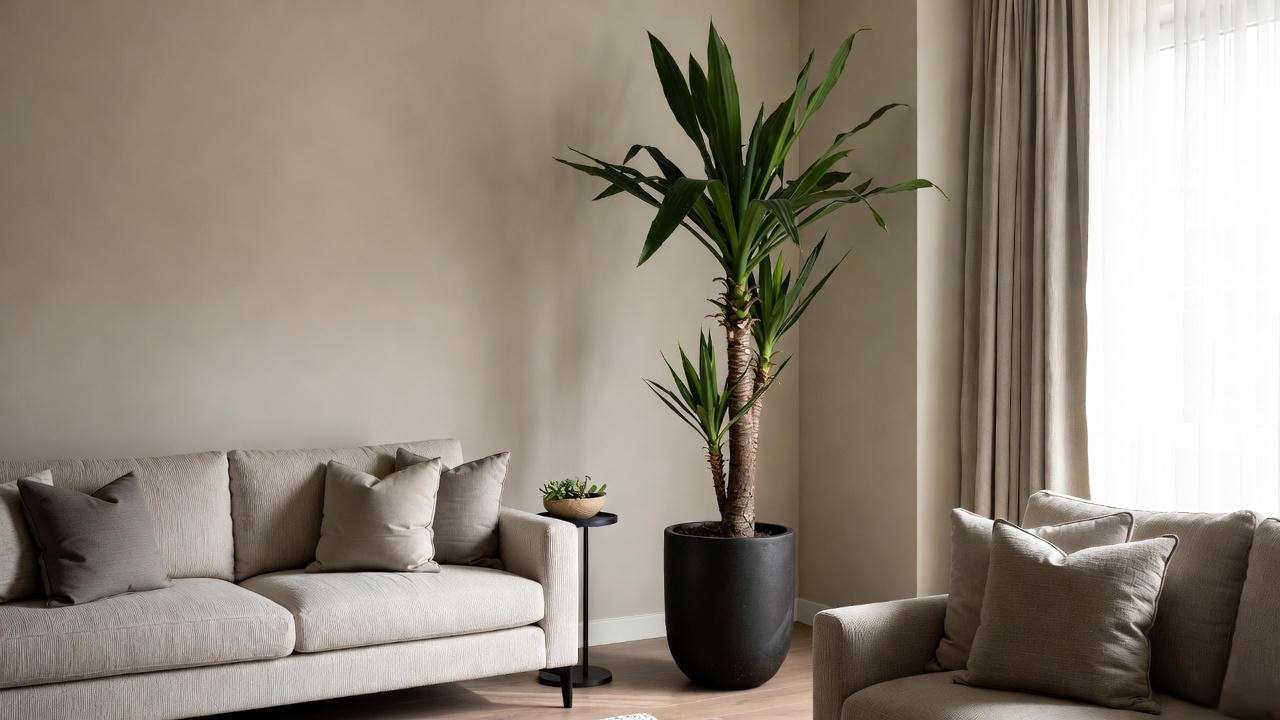
- Living Room Corners: A tall Yucca elephantipes or Agave attenuata in a large matte-black or white pot instantly creates a modern desert vibe.
- Entryways & Foyers: Use a dramatic Euphorbia ingens or Aloe barberae as a welcoming “wow” plant.
- Minimalist Shelves or Plant Stands: Aeonium ‘Zwartkop’ in a tall, narrow pot adds sculptural elegance.
- Bathrooms & Kitchens: Kalanchoe beharensis loves the humidity and looks luxurious next to a vanity or window.
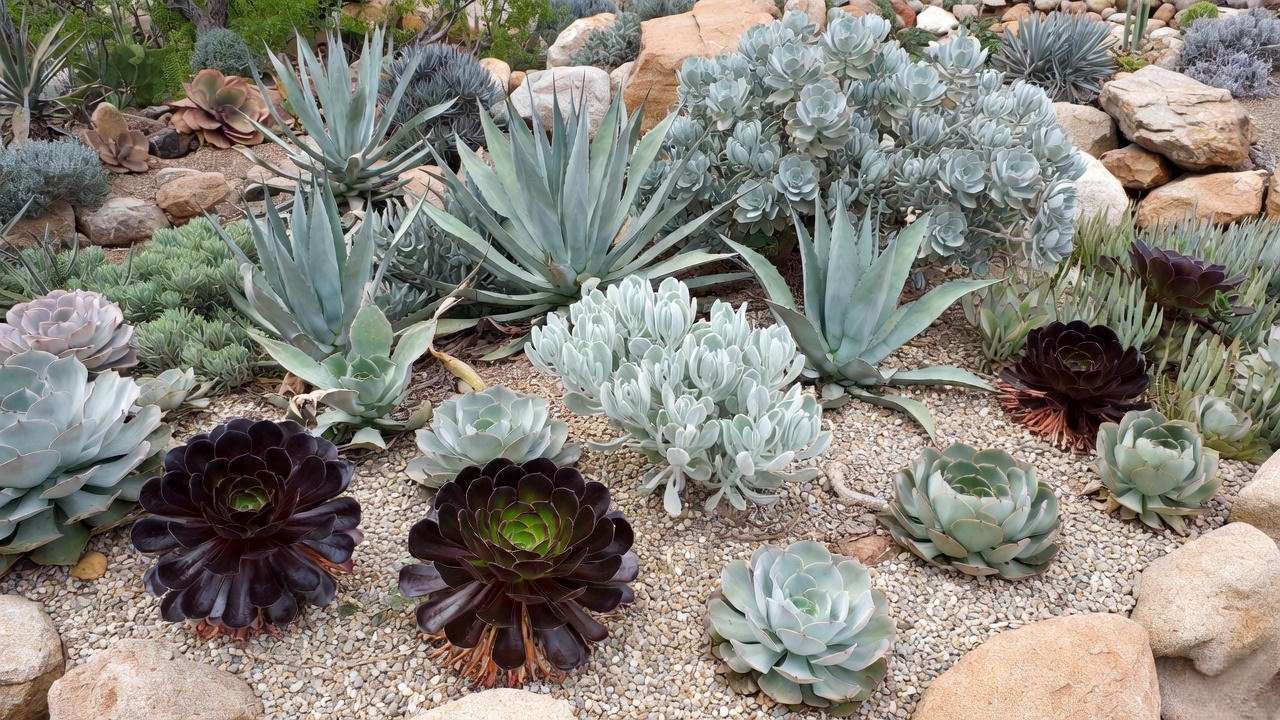
Outdoor Styling Ideas
- Xeriscape & Rock Gardens: Plant Agave americana or Pachycereus pringlei among boulders and gravel for a true desert oasis.
- Poolside Drama: Candelabra cacti (Euphorbia ingens) or Fox Tail Agaves create a resort-like feel.
- Patios & Balconies: Group several large specimens in oversized terracotta pots for a lush, tropical-desert look.
Pro Grouping Techniques
- Combine contrasting textures: Pair spiky Agaves with soft, velvety Kalanchoe beharensis.
- Play with color: Mix blue-gray Agave attenuata with black-purple Aeonium ‘Zwartkop’.
- Create height variation: Place shorter large succulents (like Aloe vera hybrids) in front of towering Yuccas.
(Include 6–8 high-quality photos here: mature specimens in real homes/gardens, close-ups of textures, and styled groupings.)
Expert Insights & Pro Tips from a Succulent Specialist 🌟
After 15+ years growing thousands of succulents (including a personal collection of over 300 specimens), here are my hard-earned secrets:
- “Never treat huge succulents like regular houseplants—they hate soggy feet and constant attention.”
- The biggest mistake beginners make is overwatering. If you’re unsure, wait another week.
- To create a “succulent forest” effect, plant 3–5 large varieties together in a massive raised bed or oversized container.
- Rotate your indoor plants every 1–2 months for even growth.
- Use a fan on low in winter to mimic desert air movement and prevent fungal issues.
Frequently Asked Questions (FAQ) ❓
How big do huge succulents really get? Most reach 4–10 ft tall indoors over 5–15 years, while outdoor specimens can grow much larger (up to 30–60 ft for some like Pachycereus pringlei).
Can I grow large succulents indoors year-round? Yes! Yucca elephantipes, Agave attenuata, and Aeonium ‘Zwartkop’ thrive indoors with bright light. Others need to move outside in summer or have supplemental lighting.
What’s the fastest-growing huge succulent? Yucca elephantipes and Agave attenuata grow relatively quickly (6–12 inches per year once established).
Are giant succulents toxic to pets? Most Agaves and Euphorbias are mildly toxic if ingested. Yucca elephantipes is non-toxic to dogs and cats—ideal for pet households.
How do I prevent my large succulent from falling over? Use a heavy pot (concrete or ceramic) and stake young specimens until roots fill the container.
Do huge succulents need fertilizer? Only lightly in spring/summer—over-fertilizing causes weak, stretched growth.
What’s the easiest huge succulent for beginners? Yucca elephantipes (spineless, forgiving, and tolerates lower light).
Can I propagate a huge succulent? Absolutely! Most produce “pups” or offsets at the base that root easily.
Conclusion 🌵💚
Huge succulent plants are the ultimate way to bring bold, architectural beauty into your home or garden with almost zero effort. From the elegant Fox Tail Agave to the majestic Tree Aloe and the dramatic Candelabra Cactus, there’s a perfect giant for every space and style.
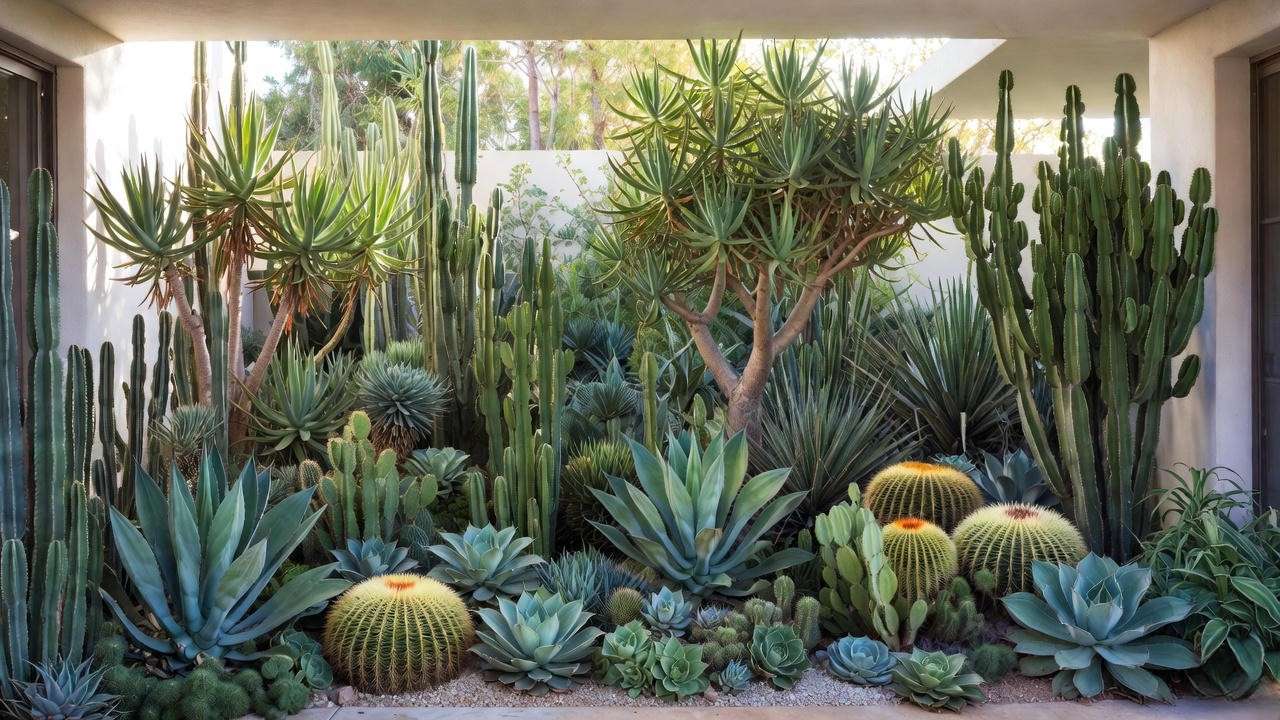
Pick your favorite from the top 10 list, follow the expert care tips, and watch your plant become the stunning centerpiece you’ve always wanted. You’ll be amazed at how much joy a single large succulent can bring!
Which huge succulent are you adding to your collection first? Drop your choice in the comments—I’d love to hear! And if you want more plant care guides, don’t forget to subscribe for weekly tips. Happy growing! 🌿✨











