

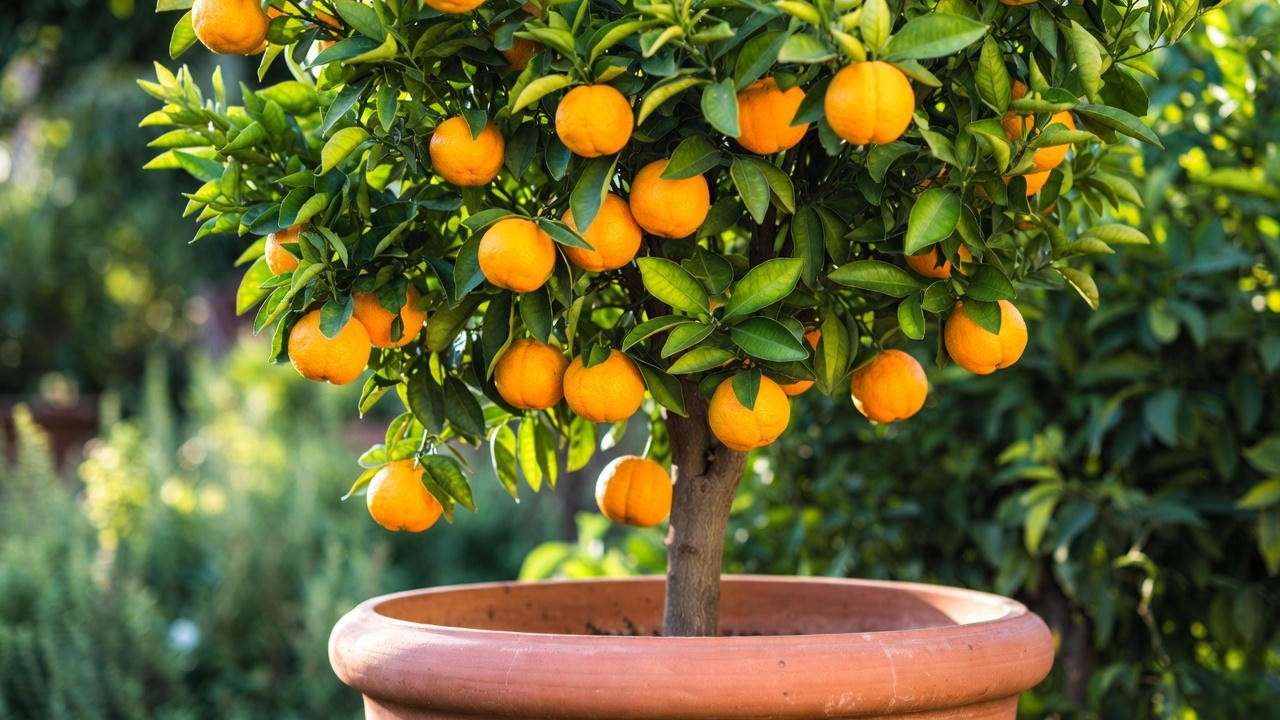
Imagine stepping onto your patio or into your living room and being greeted by a majestic olive tree, a lush fiddle leaf fig, or a vibrant citrus tree thriving in a beautiful, earthy pot that looks like it’s been there for centuries. That’s the magic of a large terracotta planter. These timeless containers don’t just elevate your space—they actually help your plants grow healthier and stronger.
With their classic rust-red hue, excellent breathability, and natural drainage, large terracotta planters (typically 20–36 inches in diameter) solve some of the most common frustrations gardeners face: root rot, overwatering, and poor soil aeration. Whether you’re a beginner planting your first indoor tree or an experienced gardener upgrading your outdoor collection, the right large terracotta planter can make all the difference. In this ultimate guide, we’ll walk you through everything you need to know—from choosing the perfect size and style to planting tips, care advice, and winter protection—so your trees and plants can flourish for years to come. Let’s dive in! 🪴
What Makes Terracotta the Ideal Material for Large Planters? 🏺
Terracotta, literally meaning “baked earth” in Italian, has been the go-to material for planters since ancient Roman times. Today, it remains a favorite among professional horticulturists and home gardeners alike for very good reasons.
Key Benefits of Terracotta Planters
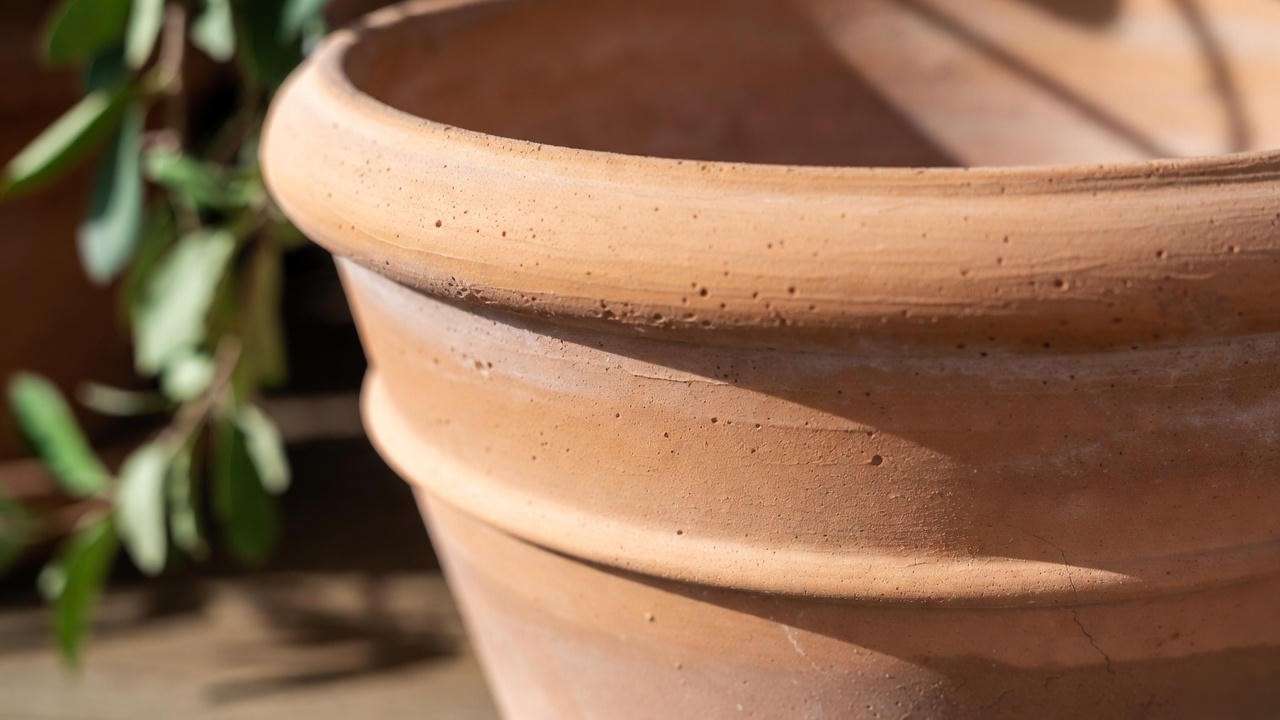
- Superior Breathability & Drainage – Terracotta is naturally porous, allowing air and excess moisture to pass through the walls. This prevents waterlogged soil and reduces the risk of root rot—especially important for large plants like palms, citrus, and olives that hate “wet feet.”
- Natural Temperature Regulation – Clay absorbs and releases heat slowly, keeping roots cooler in summer and warmer in winter compared to plastic or metal pots.
- Timeless, Rustic Aesthetic – Terracotta develops a beautiful patina over time, blending perfectly with both modern and traditional landscapes.
- Eco-Friendly & Sustainable – Made from natural clay, these planters are biodegradable at the end of their life and have a much lower environmental footprint than plastic alternatives.
Common Drawbacks & How to Overcome Them
While terracotta is nearly perfect for plant health, it does have a few quirks:
- Weight – A 30-inch terracotta pot filled with soil can weigh over 100 lbs. Solution: Use wheeled plant caddies or plant directly where it will live.
- Faster Drying – The porosity means soil dries out quicker than in glazed or plastic pots. Solution: Water more frequently in hot weather and mulch the surface.
- Frost Sensitivity – Standard terracotta can crack in freezing temperatures. Solution: Choose high-fired, frost-resistant varieties (more on this below) or protect them in winter.
Terracotta vs. Other Materials: Quick Comparison Chart
| Material | Weight | Drainage | Durability | Cost | Best For |
|---|---|---|---|---|---|
| Terracotta | Heavy | Excellent | Moderate (frost-sensitive) | Mid-range | Breathable, natural look, plant health |
| Plastic | Very Light | Good | High | Low | Budget, easy moving |
| Fiberglass | Light | Good | Very High | Higher | Long-lasting, lightweight |
| Glazed Ceramic | Heavy | Fair | High | Higher | Indoor decorative, less breathability |
| Concrete | Very Heavy | Good | Very High | High | Modern look, permanent placement |
Terracotta consistently wins for plant health, especially for large trees and houseplants that need excellent root aeration.
How to Choose the Best Large Terracotta Planter for Your Plants 📏
Selecting the right size and style is crucial—too small and your plant becomes root-bound; too large and you risk overwatering.
Step-by-Step Size Guide
- Small to Medium Trees & Palms (e.g., young olive, majesty palm, sago palm): 24–30 inches diameter
- Large Specimen Trees (e.g., mature citrus, bay laurel, large fiddle leaf fig): 30–36 inches diameter
- Extra-Large Statement Plants (e.g., mature Monstera, bird of paradise): 36–48 inches diameter
Pro Tip: Choose a pot that is only 2–4 inches wider than the current root ball. This encourages steady growth without wasting soil.
Must-Have Features
- Drainage Holes – Non-negotiable! Without them, even the best terracotta will hold water.
- Frost Resistance – Look for “high-fired” or “Impruneta” clay (fired at higher temperatures for greater durability).
- Shape & Style – Classic tapered, rolled rim, or modern square—choose what complements your space.
- Glazed vs. Unglazed – Unglazed offers maximum breathability; glazed adds color and reduces watering frequency.
2025 Top Recommendations (Based on Expert Reviews & Real-World Performance)
- Impruneta Handmade Italian Terracotta – Frost-resistant, lifetime guarantee, heirloom quality.
- Campania International Large Planters – Classic shapes, excellent drainage, and great value.
- Plow & Hearth Large Rolled Rim Terracotta – Affordable, widely available, and surprisingly durable.
- Wayfair/Campania Lite – Lighter-weight terracotta look-alikes for easier handling.
The Best Plants for Large Terracotta Planters 🌴🌿
Terracotta’s porosity makes it ideal for plants that prefer well-drained soil and good air circulation.
Outdoor Favorites
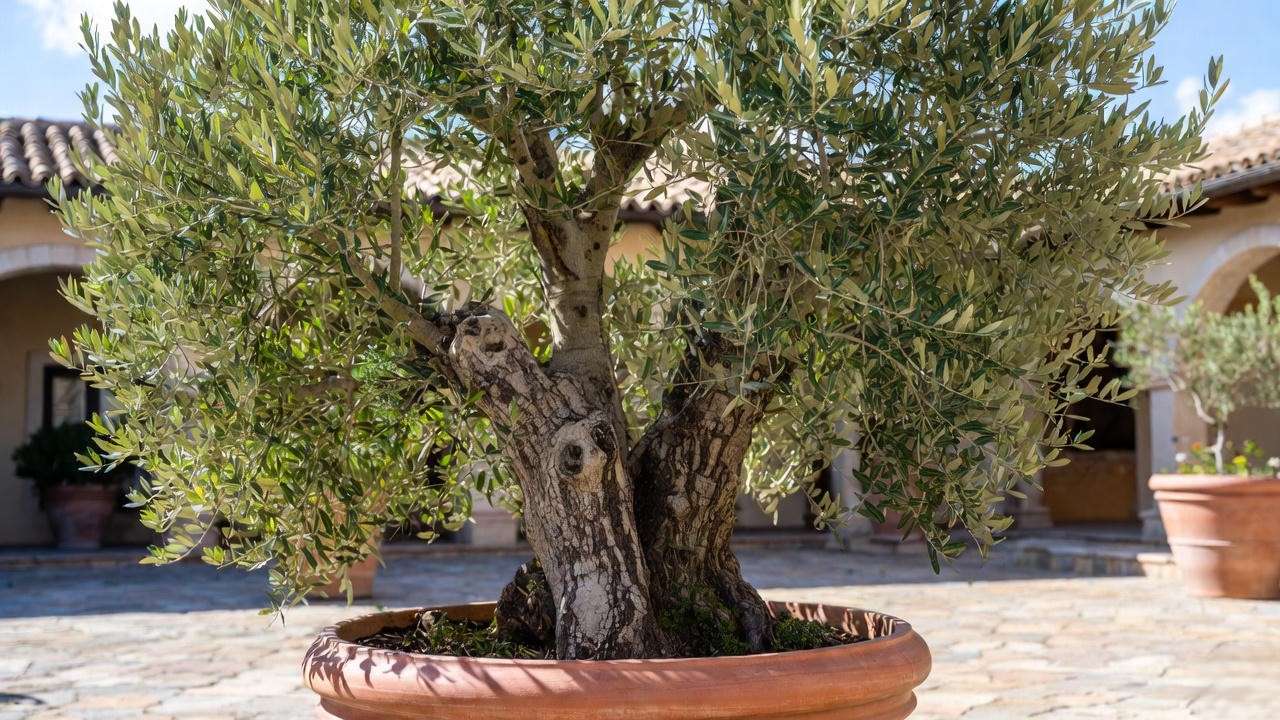
- Olive trees
- Citrus (lemon, lime, orange)
- Bay laurel
- Palms (majesty, sago, ponytail)
- Topiary shrubs (boxwood, rosemary)
Indoor Statement Plants
- Fiddle leaf fig
- Monstera deliciosa
- Rubber plant
- Bird of paradise
- Dracaena marginata
Planting & Care Tips for Long-Lasting Success 🧑🌾
Step-by-Step Planting Guide
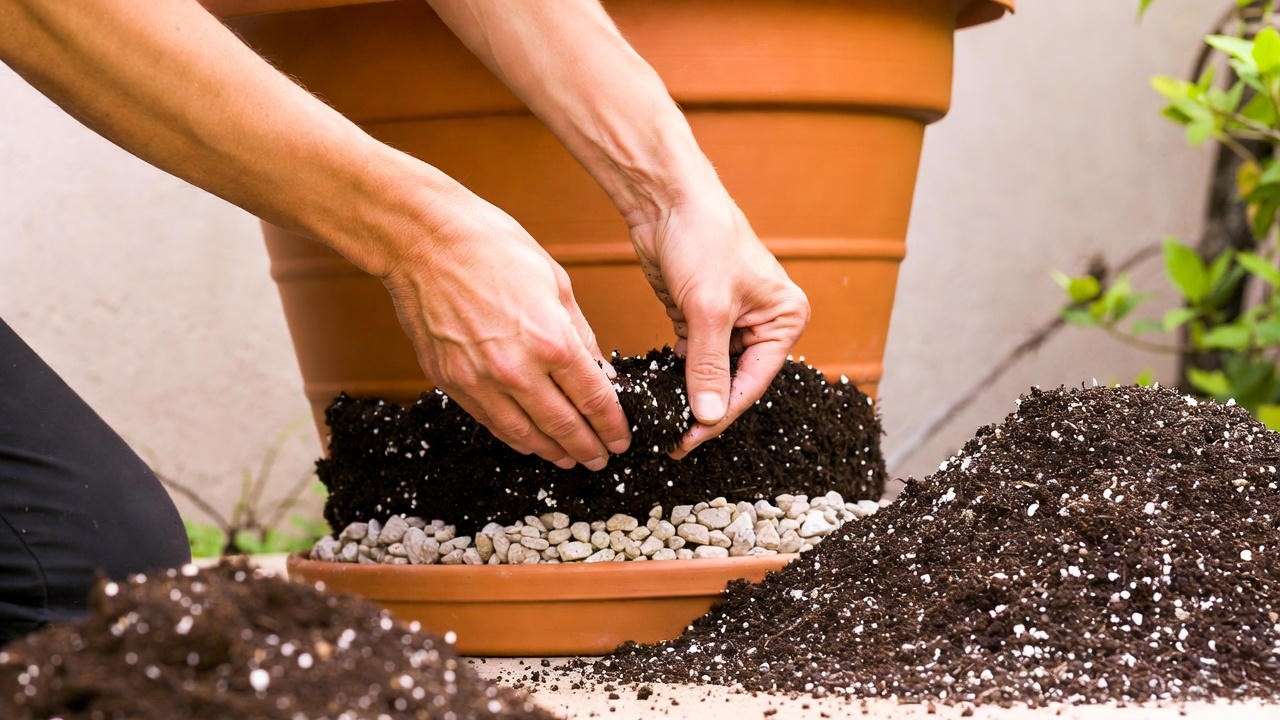
- Soak the pot for 30 minutes before planting—this reduces initial moisture wicking.
- Add a drainage layer – 2–3 inches of gravel, broken pottery shards, or hydroton.
- Use the right soil mix – 50% high-quality potting soil + 30% perlite or pumice + 20% orchid bark or pine bark for excellent aeration.
- Position the plant at the same depth it was in its nursery pot.
- Water thoroughly and let excess drain completely.
Ongoing Maintenance
- Water when the top 2–3 inches of soil feel dry (more frequently in summer).
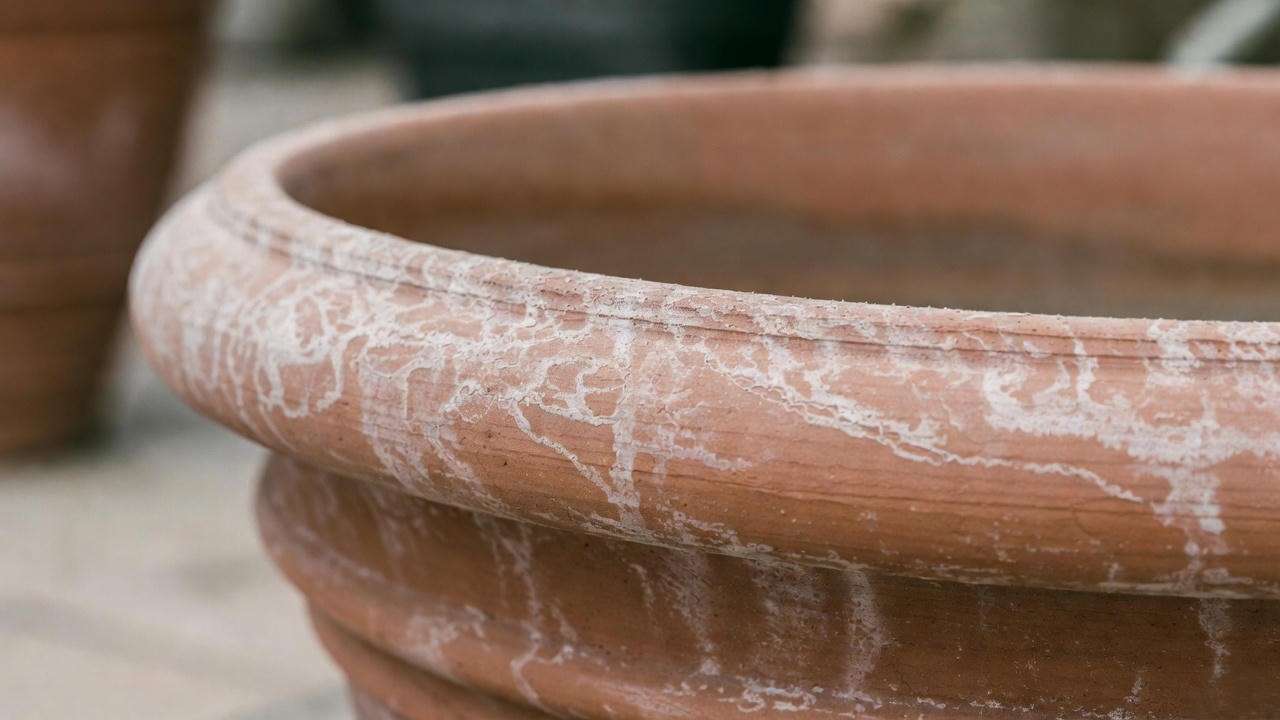
- Clean mineral buildup (white crust) with a 1:1 vinegar-water solution and soft brush.
- Fertilize with a slow-release or liquid fertilizer formulated for trees and large houseplants.
- Rotate the pot every few months for even light exposure.
Winter Protection Tips (Essential for Cold Climates)
- Elevate pots off the ground using pot feet or bricks.
- Wrap in bubble wrap or horticultural fleece.
- Move to a sheltered spot or indoors if temperatures drop below 20°F (-6°C).
Expert Insights & Pro Tips from Plant Care Specialists
“Terracotta’s porosity is unbeatable for preventing root rot in large plants. I always recommend it for citrus and palms.” – HGTV Gardening Experts
“Never skip a drainage layer—even the best terracotta can’t save a plant in standing water.” – National Garden Bureau
“For heavy pots, invest in heavy-duty plant caddies with locking wheels. They save your back and your floors!”
Frequently Asked Questions (FAQs) ❓
Q: Can large terracotta planters survive winter outdoors? A: Yes, if they are high-fired and frost-resistant (e.g., Impruneta). Otherwise, wrap them or move indoors.
Q: How often should I water in a terracotta planter? A: Every 5–10 days for most trees, but always check soil moisture—terracotta dries faster than plastic.
Q: Are they safe for edible plants like citrus? A: Absolutely—terracotta is non-toxic and promotes healthy roots.
Q: What’s the best way to clean white mineral buildup? A: Scrub with diluted vinegar and a soft brush, then rinse well.
Final Thoughts: Invest in a Large Terracotta Planter Today 🌟
A large terracotta planter is far more than just a container—it’s a long-term investment in the health, beauty, and longevity of your trees and plants. By choosing the right size, ensuring proper drainage, and following simple care routines, you’ll enjoy thriving specimens that become the focal point of your garden, patio, or living room for decades.
Unlike plastic or fiberglass pots that can look cheap over time, terracotta ages gracefully, developing a soft patina that only gets more beautiful. When you pair that classic look with the proven plant-health benefits of porous clay, it’s easy to see why professional landscapers, interior designers, and home gardeners consistently rank terracotta as the gold standard for large plants.
Ready to transform your space? Start by measuring your plant’s current root ball and browsing the recommendations above. Whether you opt for an heirloom-quality Impruneta piece or an affordable yet reliable option from Campania, your plants will thank you with vigorous growth and fewer problems.
Have you already found your perfect large terracotta planter? Drop a photo or your favorite brand in the comments below—I’d love to hear what’s working for you! 🪴✨











