
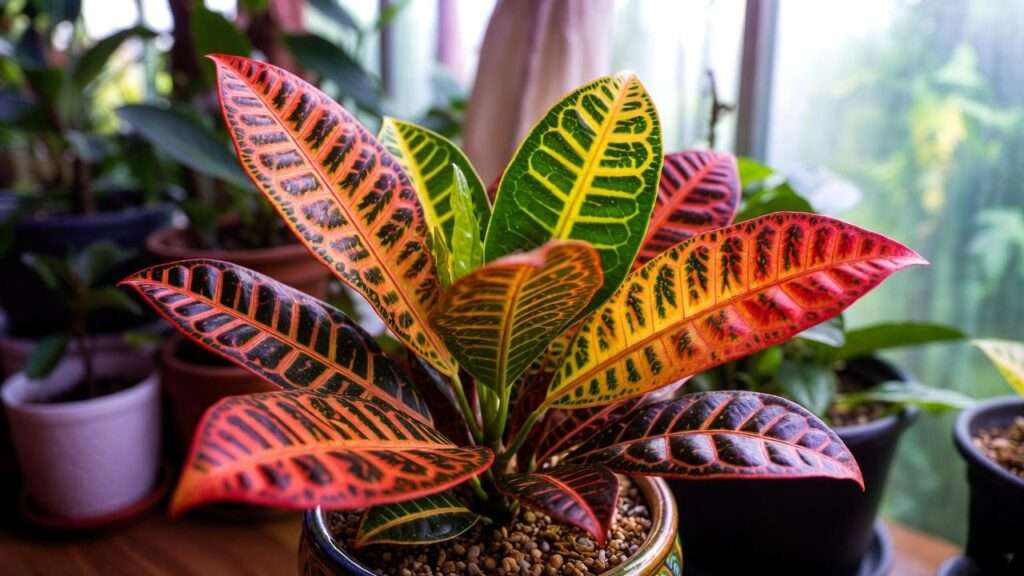
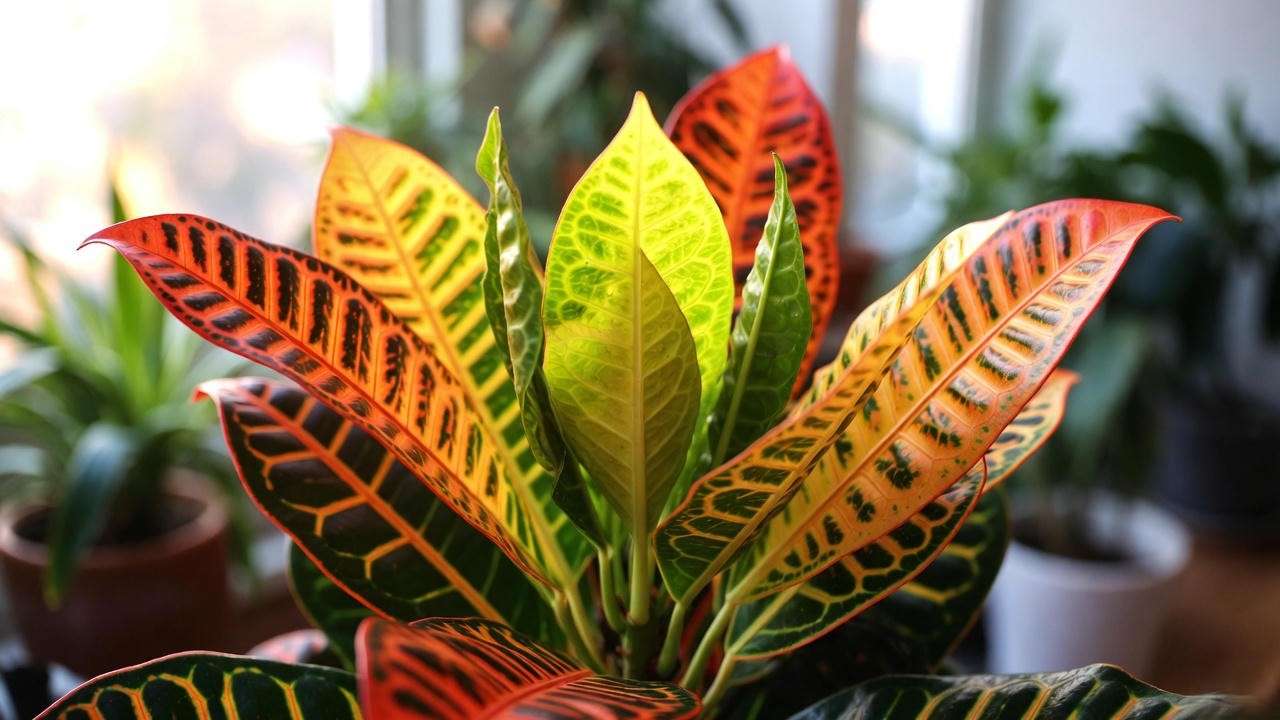
Imagine walking into your living room and being greeted by a living work of art—glossy leaves bursting with fiery reds, deep purples, sunny yellows, and rich greens all swirling together in one breathtaking plant. That’s the magic of the Mammy Croton plant (Codiaeum variegatum ‘Mammy’), one of the most stunning tropical houseplants you can grow indoors. 🌈
But here’s the catch: while this beauty can steal the show, it’s also famously finicky. Leaf drop, fading colors, brown tips, and pest invasions are common complaints among new owners. If you’ve ever wondered, “Why is my Mammy Croton dropping leaves?” or “How do I keep those incredible colors bright year-round?”, you’re in the right place.
As a horticulturist with over 15 years of experience growing and propagating crotons in both greenhouse and home settings, I’ve learned exactly what this plant needs to thrive. In this ultimate guide, you’ll discover proven, step-by-step care tips that go beyond the basics—helping you prevent common problems, restore vibrant foliage, and enjoy your Mammy Croton at its absolute best.
Let’s dive in and turn your plant into the showstopper it’s meant to be! 🌟
What Is the Mammy Croton Plant? A Tropical Showstopper 🌴
Meet the Mammy Croton – A Tropical Showstopper
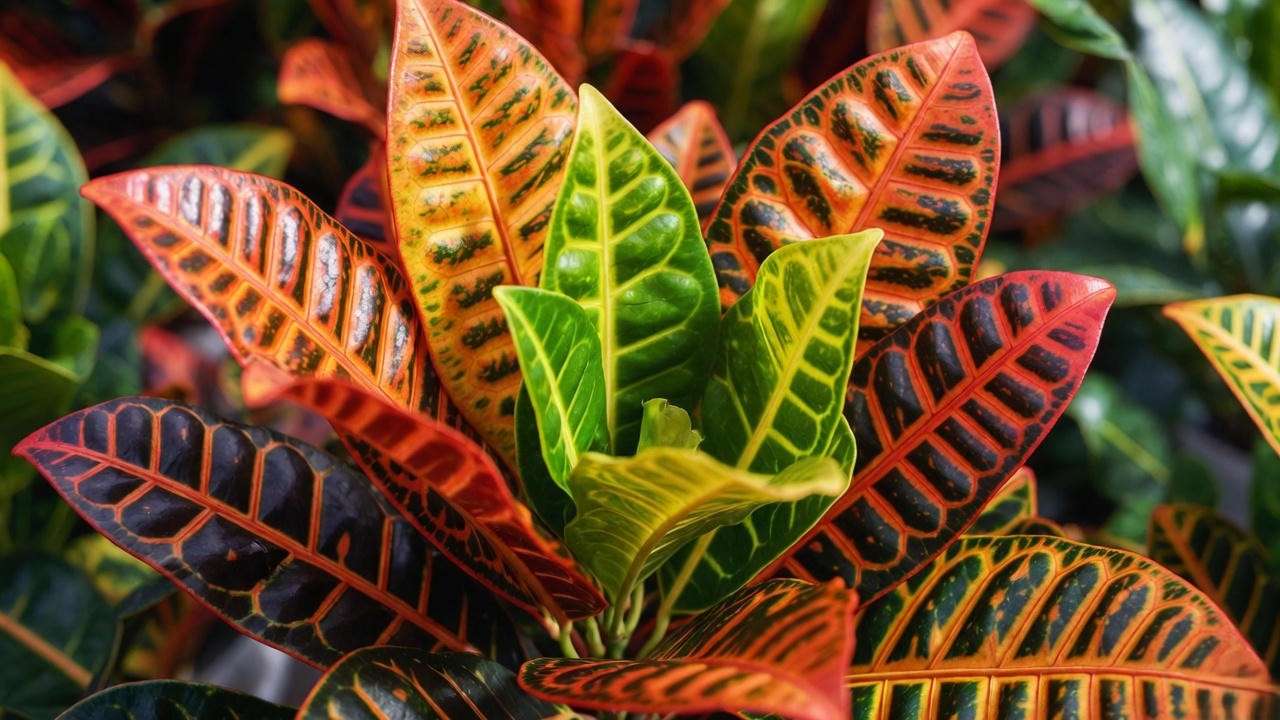
The Mammy Croton is a striking cultivar of Codiaeum variegatum, a species native to the rainforests of Indonesia, Australia, and the Pacific Islands. Known for its narrow, twisted leaves that resemble flames or ribbons, the ‘Mammy’ variety stands out with its dramatic color combinations and compact growth habit—perfect for indoor spaces.
Botanical Name, Origin & Varieties
- Botanical name: Codiaeum variegatum ‘Mammy’
- Family: Euphorbiaceae (same family as poinsettias and castor beans)
- Origin: Tropical Southeast Asia and Pacific Islands
- Other popular croton cultivars: Petra (broad leaves with bold veining), Gold Dust (speckled yellow), Red Iceton (pinkish-red new growth), and Banana Croton.
How Mammy Differs from Other Croton Cultivars
Unlike the wider, more classic leaves of ‘Petra’, Mammy has narrower, often curled or spiraled leaves that give it a unique, almost sculptural look. Its color palette tends toward deeper reds and purples with bright yellow-green accents, making it one of the most visually intense crotons available.
Why It’s Perfect (and Challenging) for Indoor Gardens
Mammy Croton is ideal for anyone who wants bold color without flowers—its leaves are the star. However, it demands bright light, consistent humidity, and careful watering. When these needs are met, it rewards you with months of vibrant foliage that rivals any artwork.
Mammy Croton Plant Care at a Glance (Quick-Reference Cheat Sheet) 📋
Here’s everything you need in one place:
- Light: Bright, indirect light (4–6 hours of filtered sun daily)
- Water: Allow top 1–2 inches of soil to dry out between waterings
- Soil: Well-draining, slightly acidic potting mix
- Temperature: 65–85°F (18–29°C)
- Humidity: 50–70% (or higher for best color)
- Fertilizer: Balanced liquid fertilizer every 4–6 weeks in spring/summer
- Toxicity: Toxic to pets and children (sap can irritate skin)
Light Requirements for Vibrant Mammy Croton Colors ☀️
How Much Light Does a Mammy Croton Need?
Bright, indirect light is non-negotiable for Mammy Croton. In its native habitat, it grows under dappled forest canopy—think bright but never harsh direct sun. Indoors, aim for 4–6 hours of filtered sunlight daily.
The Secret to Those Eye-Popping Reds & Yellows
The intense reds, oranges, and yellows in croton leaves are anthocyanins and carotenoids that develop under strong light. Low light causes the plant to revert to mostly green foliage as it tries to maximize photosynthesis. More light = more color!
Best Window Locations Indoors
- East-facing windows: Perfect morning sun, gentle and safe
- South-facing windows: Excellent, but filter with sheer curtains during peak hours
- West-facing windows: Good afternoon light, but watch for scorching in summer
What Happens in Low Light (and How to Fix It)
Symptoms: Leaves turn mostly green, colors fade, leggy growth, leaf drop. Solution: Move closer to a brighter window or supplement with a full-spectrum grow light (see below).
Artificial Grow Lights – Which Ones Work Best?
For homes with limited natural light, LED grow lights are a game-changer. Recommended options:
- Sansi 36W Full-Spectrum Grow Light
- Spider Farmer SF-1000
- Barrina T5 LED Shop Lights (affordable and effective) Position the light 12–24 inches above the plant for 12–14 hours daily.
Watering Your Mammy Croton the Right Way 💧
How Often Should You Water a Mammy Croton?
The golden rule: Water thoroughly when the top 1–2 inches (2.5–5 cm) of soil feel dry to the touch. In most homes, this translates to every 7–10 days in spring and summer, and every 10–14 days in fall and winter. Mammy Crotons hate sitting in soggy soil—overwatering is the #1 cause of root rot and leaf drop.
The “Finger Test” Method & Moisture Meter Recommendations
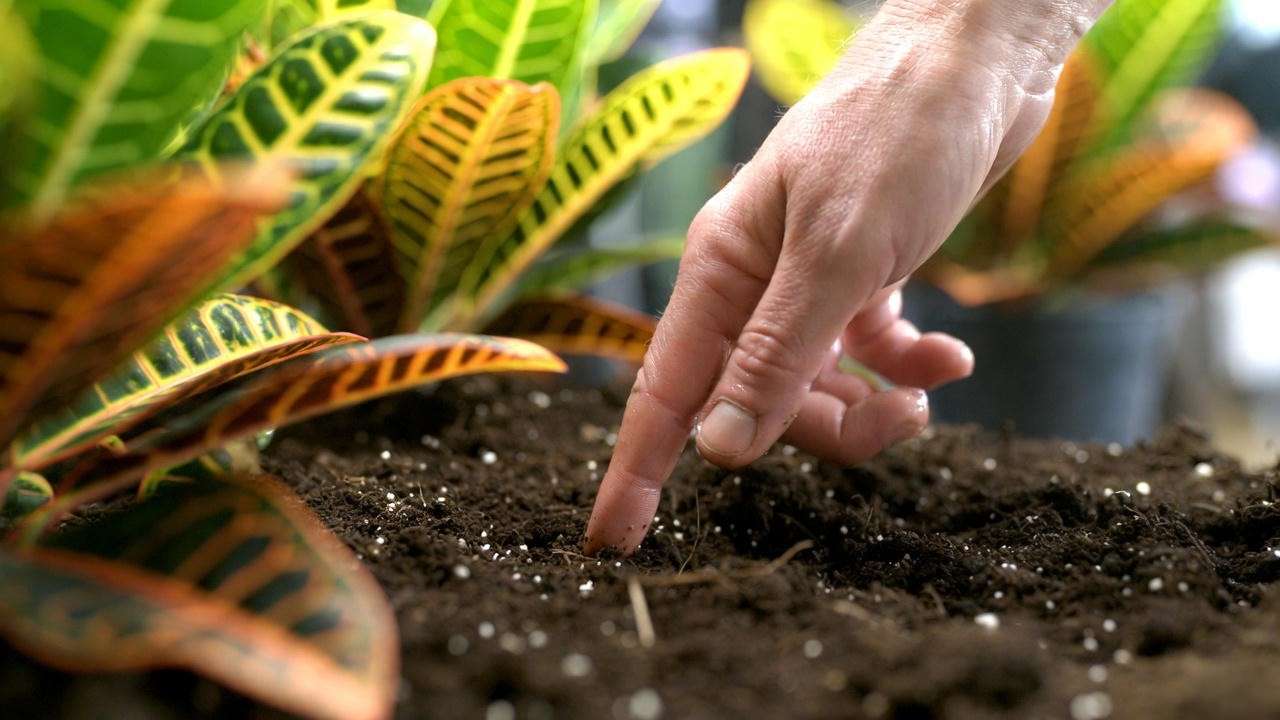
Stick your finger into the soil up to the first knuckle. If it’s dry, water. If it’s still damp, wait. For precision, invest in a reliable moisture meter (I personally use the XLUX or Gouevn models—they’re inexpensive and accurate).
Signs of Overwatering vs. Underwatering
Overwatering
- Yellowing lower leaves
- Soft, mushy stems
- Foul-smelling soil
- Fungus gnats Underwatering
- Drooping or curling leaves
- Dry, crispy brown edges
- Leaf drop starting from the bottom
Seasonal Watering Adjustments (Summer vs. Winter)
Summer: Plants grow faster and use more water—check weekly. Winter: Growth slows, so reduce frequency dramatically. Dry indoor heating can trick you into overwatering, so always check soil first.
Ideal Soil & Potting Mix for Healthy Roots 🌱
Best Potting Mix Recipe for Mammy Croton
Mammy Crotons need fast-draining, slightly acidic soil (pH 5.5–6.5). My favorite homemade mix:
- 50% high-quality potting soil (peat-based or coco coir)
- 30% perlite or pumice
- 20% orchid bark or pine bark fines
DIY vs. Store-Bought Options
Commercial options that work beautifully:
- FoxFarm Ocean Forest + extra perlite
- Miracle-Gro Indoor Potting Mix with added orchid bark
- Espoma Organic Cactus Mix (already very well-draining)
Drainage – Why It’s Non-Negotiable
Always use a pot with drainage holes. Place a saucer underneath and empty excess water after 30 minutes. Root rot is almost impossible to reverse once advanced, so prevention is key.
Temperature & Humidity Needs (Tropical Vibes Indoors) 🌡️
Temperature Range for Happy Mammy Crotons
Ideal: 65–85°F (18–29°C) Minimum: 60°F (15°C) – below this, leaves may drop or brown. Never expose to cold drafts, air-conditioning vents, or temperatures below 55°F.
How to Protect from Cold Drafts & Heat Vents
- Keep at least 3 feet from exterior doors and windows in winter
- Avoid placing near radiators or forced-air heating vents (hot, dry air scorches leaves)
Boosting Humidity – Simple & Effective Methods
Mammy Croton loves 50–70% humidity for the best color and leaf health. Top methods:
- Humidifier – My favorites: Levoit Classic 300S or Honeywell HCM-350 (quiet and reliable)
- Pebble tray – Fill a tray with pebbles and water, place pot on top (don’t let pot sit in water)
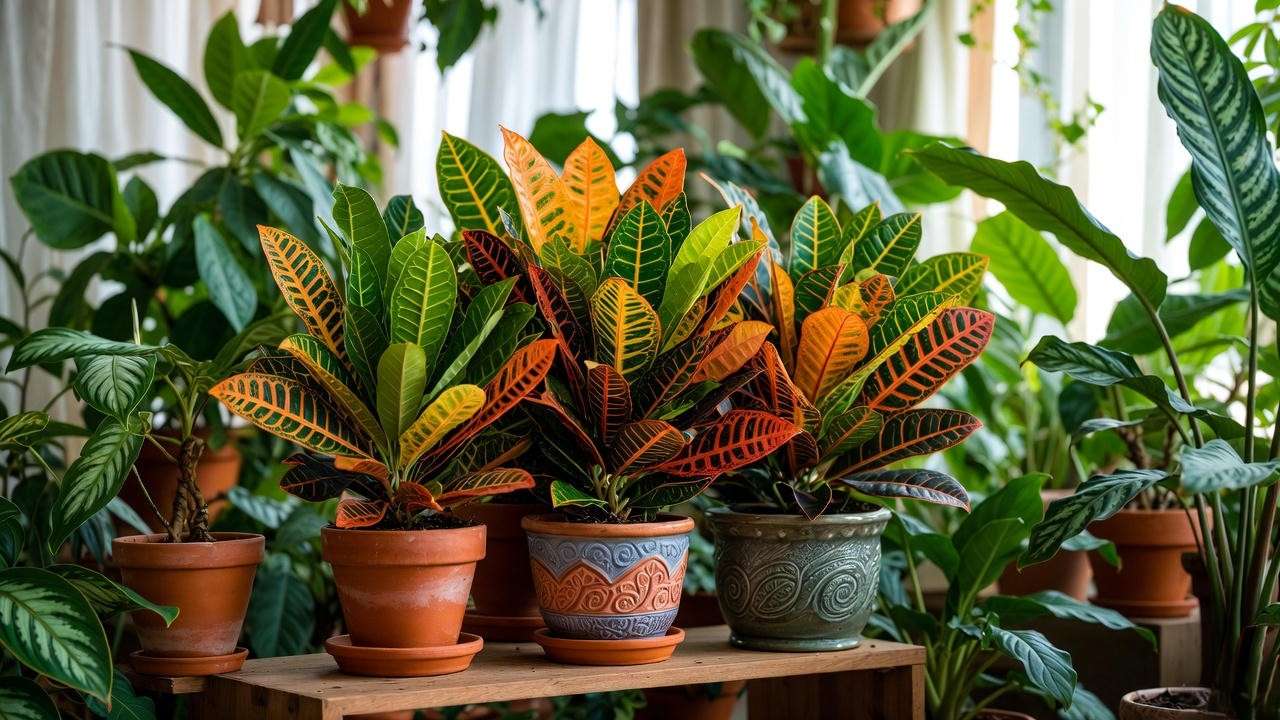
- Grouping plants – Plants release moisture through transpiration, creating a microclimate
- Misting – Light daily misting helps, especially in winter, but avoid soaking leaves (can promote fungal issues)
Fertilizing for Bigger, Bolder Leaves 🌿
When & How to Feed Your Mammy Croton
Fertilize every 4–6 weeks during spring and summer (active growing season). Skip or reduce to every 8 weeks in fall and winter.
Best Fertilizers for Color & Growth
- Balanced liquid fertilizer (20-20-20 or 10-10-10) at half strength
- My top picks:
- Jack’s Classic Houseplant Special
- Miracle-Gro Water Soluble All Purpose
- Osmocote Smart-Release (slow-release pellets)
Organic vs. Synthetic – Which Is Better?
Both work well. Organic options (fish emulsion, seaweed extract) give slower, steadier results and improve soil health. Synthetic fertilizers deliver faster color boosts but require careful dosing to avoid salt buildup.
Pruning, Propagation & Repotting Tips ✂️
How & When to Prune Mammy Croton
Pruning is essential for keeping your Mammy Croton bushy, compact, and full of color. The best time is early spring (March–April) just as new growth begins, or anytime you need to remove leggy stems or damaged leaves.
Step-by-step pruning guide
- Use clean, sharp pruning shears (sterilize with rubbing alcohol).
- Cut just above a leaf node at a 45° angle.
- Remove up to 1/3 of the plant at once—never more, to avoid shock.
- Remove any yellowing or dead leaves at the base.
- After pruning, water lightly and place in bright light to encourage new growth.
Pruning also helps redirect energy to side shoots, creating a fuller plant instead of one tall stem.
Encouraging Bushier Growth
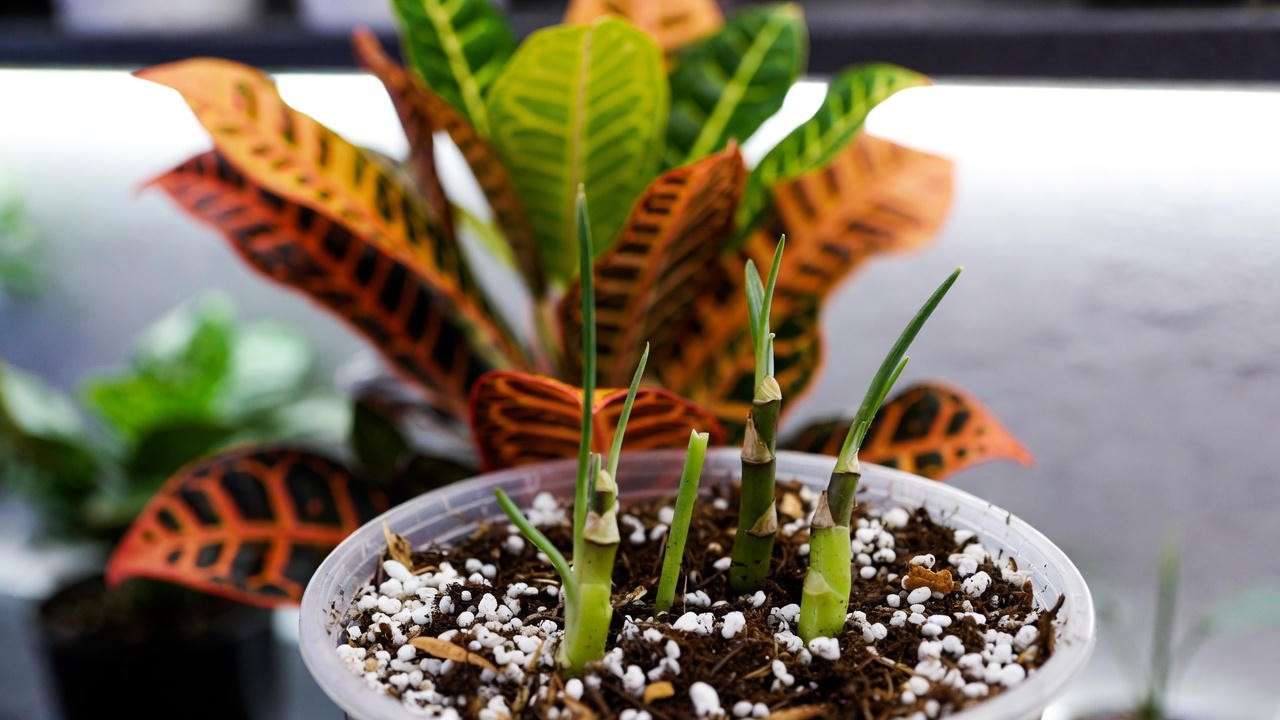
Pinch off the tips of new shoots when they’re 6–8 inches long. This simple technique (called pinching) forces the plant to branch out, resulting in a lush, rounded shape.
Easy Ways to Propagate Mammy Croton (Stem Cuttings & Air Layering)
The easiest and fastest method is stem cuttings—success rate is over 90% with proper care.
Step-by-step stem cutting propagation
- Take 4–6 inch cuttings from healthy, non-flowering stems in spring or early summer.
- Remove lower leaves, leaving 2–3 at the top.
- Dip the cut end in rooting hormone (optional but recommended).
- Plant in moist, well-draining mix (perlite + peat or just perlite).
- Cover with a clear plastic bag or dome to maintain humidity.
- Keep in bright, indirect light at 70–80°F. Roots usually form in 4–6 weeks.
- Once roots are 1–2 inches long, transplant into regular potting mix.
Air layering (for larger stems) This method is perfect for thick, woody stems. Wound the stem, wrap with moist sphagnum moss and plastic, and roots form while still attached to the mother plant—great for propagating without sacrificing size.
When & How to Repot Your Mammy Croton
Repot every 2–3 years or when roots circle the pot. Best time: early spring. Choose a pot only 1–2 inches larger in diameter. Always use fresh potting mix and water thoroughly after repotting. Tip: Leaf drop after repotting is normal—give it 2–4 weeks to adjust.
Common Mammy Croton Problems & Solutions ⚠️
Why Is My Mammy Croton Dropping Leaves? (Top Causes & Fixes)
Leaf drop is the #1 complaint. Most common causes:
- Sudden temperature changes or cold drafts
- Overwatering/root rot
- Underwatering/dry soil
- Low humidity
- Moving the plant to a new location (they hate change!)
Fix: Identify the cause, stabilize conditions, and be patient—new leaves usually appear in 4–6 weeks.
Leaf Drop After Repotting or Moving
This is almost always stress-related. Minimize shock by repotting in spring, keeping the plant in the same light conditions, and avoiding drafts for a few weeks.
Brown Tips & Edges – Humidity or Water Issues?
Brown tips usually mean low humidity or fluoride/chlorine in tap water. Solutions:
- Use filtered or rainwater
- Increase humidity with a pebble tray or humidifier
- Trim off brown tips with clean scissors
Pests That Love Mammy Croton (Spider Mites, Mealybugs, Scale)
Mammy Crotons are magnets for pests, especially in dry indoor air.
Spider mites – Tiny webs and stippling on leaves Treatment: Hose off with water, then apply neem oil or insecticidal soap weekly for 3–4 weeks.
Mealybugs & scale – White cottony spots or hard brown bumps Treatment: Dab with rubbing alcohol on a cotton swab, then treat with neem oil.
Prevention: Inspect new plants, quarantine them for 2 weeks, and keep humidity high.
Yellow Leaves, Fading Colors & Other Warning Signs
Yellow leaves: Usually overwatering or nutrient deficiency. Fading colors: Low light—move to a brighter spot. Leggy growth: Not enough light—prune and increase light exposure.
Seasonal Care Tips for Year-Round Success 📅
Spring & Summer Care (The Growing Season)
Spring and summer are when your Mammy Croton really shines!
- Increase watering frequency as growth accelerates
- Fertilize every 4 weeks with a balanced houseplant fertilizer
- Rotate the plant every 1–2 weeks for even light exposure and symmetrical growth
- Watch for new leaves—these are the most colorful and show the plant is happy
- Ideal outdoor spot: Bright, shaded patio or balcony (if temperatures stay above 60°F)
Fall & Winter Care (The Tricky Season!)
Shorter days and drier indoor air make winter the most challenging time.
- Reduce watering significantly—check soil every 10–14 days
- Stop or drastically reduce fertilizing (resume in March)
- Move closer to a south or west window to capture every ray of winter sun
- Run a humidifier daily or use multiple pebble trays
- Protect from cold drafts—many leaf drops happen in December–February due to heating systems
How to Keep Colors Bright During Short Days
The biggest winter complaint is fading colors. Pro tips:
- Supplement with 12–14 hours of grow light daily
- Mist leaves lightly in the morning
- Avoid moving the plant—any change in location stresses it and dulls colors
Is Mammy Croton Toxic to Pets & Kids? 🐶👶
Yes, Mammy Croton is considered toxic to cats, dogs, and children if ingested. The milky sap contains irritating compounds that can cause:
- Mouth and throat irritation
- Vomiting
- Diarrhea
- Skin rash from sap contact
Sources: ASPCA, Pet Poison Helpline, and University of California Division of Agriculture. Safe placement: Keep out of reach of curious pets and toddlers. If you have pets that chew plants, consider placing it on a high shelf or in a hanging basket.
Where to Buy Healthy Mammy Croton Plants & What to Look For 🛒
Trusted Sources in 2025
- Online: Etsy, Bloomscape, The Sill, Costa Farms, and local greenhouse sellers on Facebook Marketplace
- In-store: Home Depot, Lowe’s, local independent nurseries (often healthier than big-box stores)
Checklist for Choosing a Vigorous Plant
- Leaves: Bright, glossy, no brown tips or spots
- Color: Intense reds, yellows, and purples—not mostly green
- Stems: Firm, no soft or mushy spots
- Roots: Check drainage holes—healthy white roots are a good sign
- Size: Choose a plant that’s already bushy rather than a tiny starter
Expert Tips & Pro Secrets from Experienced Growers 🌟
After years of growing hundreds of crotons, here are my favorite insider tricks:
- Wipe leaves monthly with a damp cloth to remove dust and boost photosynthesis (and color!)
- Use rainwater or distilled water to avoid fluoride buildup that causes brown tips
- Add a handful of worm castings to the soil mix for slow-release nutrients and better root health
- When you see a new leaf unfurling, give the plant extra humidity—it’s the most colorful stage
- For maximum drama, group several Mammy Crotons together—the combined transpiration raises humidity naturally
Frequently Asked Questions (FAQ) – Quick Answers to Top Searches ❓
Can Mammy Croton grow outdoors? Yes, in USDA zones 10–11 (or as an annual in cooler climates). It loves morning sun and afternoon shade.
How big does Mammy Croton get indoors? Typically 3–6 feet tall and 2–4 feet wide with good care. Prune regularly to keep it smaller.
Why are my leaves turning green? Low light. Move to a brighter spot or add grow lights—the plant reverts to green for better photosynthesis.
Is Mammy Croton easy to care for? Moderate difficulty—more demanding than pothos or snake plant, but very rewarding when you meet its needs.
How often should I repot? Every 2–3 years, or when roots fill the pot.
Can I propagate in water? Yes, but soil propagation gives stronger roots. Water propagation works, but transplant quickly once roots form.
Why does my Mammy Croton have brown tips? Low humidity, dry soil, or tap-water chemicals. Increase humidity and use filtered water.
Is Mammy Croton the same as Petra Croton? No—Petra has broader leaves with bold veining; Mammy has narrower, twisted leaves.
How do I revive a dying Mammy Croton? Cut off dead leaves, check roots for rot, stabilize light/water/humidity, and be patient—recovery takes 4–8 weeks.
Does Mammy Croton bloom? Rarely indoors. Flowers are insignificant compared to the foliage.
Final Thoughts & Next Steps 🎉
Congratulations—you now have everything you need to grow a show-stopping Mammy Croton that turns heads year-round! The key to success is consistent bright light, careful watering, and high humidity. Once you dial in these three elements, your plant will reward you with some of the most vibrant, eye-catching foliage imaginable.
If you’re struggling with leaf drop or fading colors, go back to the troubleshooting section—most problems have a simple fix. And don’t forget to share photos of your thriving Mammy Croton in the comments below—I’d love to see your success stories!
For more houseplant guides, check out our articles on “Best Colorful Houseplants,” “How to Fix Houseplant Leaf Drop,” and “Top Grow Lights for Indoor Plants.”
Happy growing, and may your Mammy Croton stay brilliantly colorful forever! 🌈✨











