
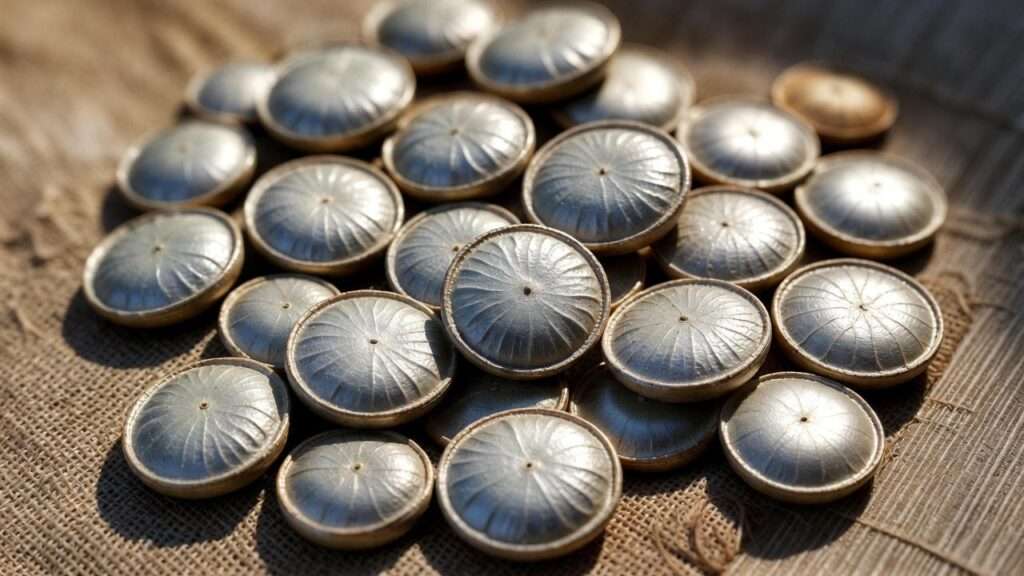
Have you ever walked through a garden in late summer and spotted those magical, shimmering, coin-shaped seed pods that look like they were plucked straight from a fairy tale? ✨ If so, you’ve probably admired the money plant (Lunaria annua), also known as honesty, silver dollar plant, or moonwort. These translucent, silvery discs are so striking that they’ve been treasured for centuries in dried flower arrangements, wreaths, and even holiday décor.
The best part? Growing money plant from seeds is surprisingly easy, inexpensive, and incredibly rewarding—even for complete beginners. In this ultimate guide, I’ll walk you through every step of the process, from choosing the freshest seeds to harvesting those iconic silver dollar pods that will last for years. By the end, you’ll have everything you need to fill your garden (or your home) with these beautiful biennial treasures. 🌱
Let’s dive in and grow some “money” of our own! 💸
What Is Money Plant (Lunaria annua)?
Money plant, scientifically known as Lunaria annua, is a hardy biennial member of the Brassicaceae (mustard) family. Native to Europe and parts of western Asia, it has been a beloved cottage-garden favorite for hundreds of years.
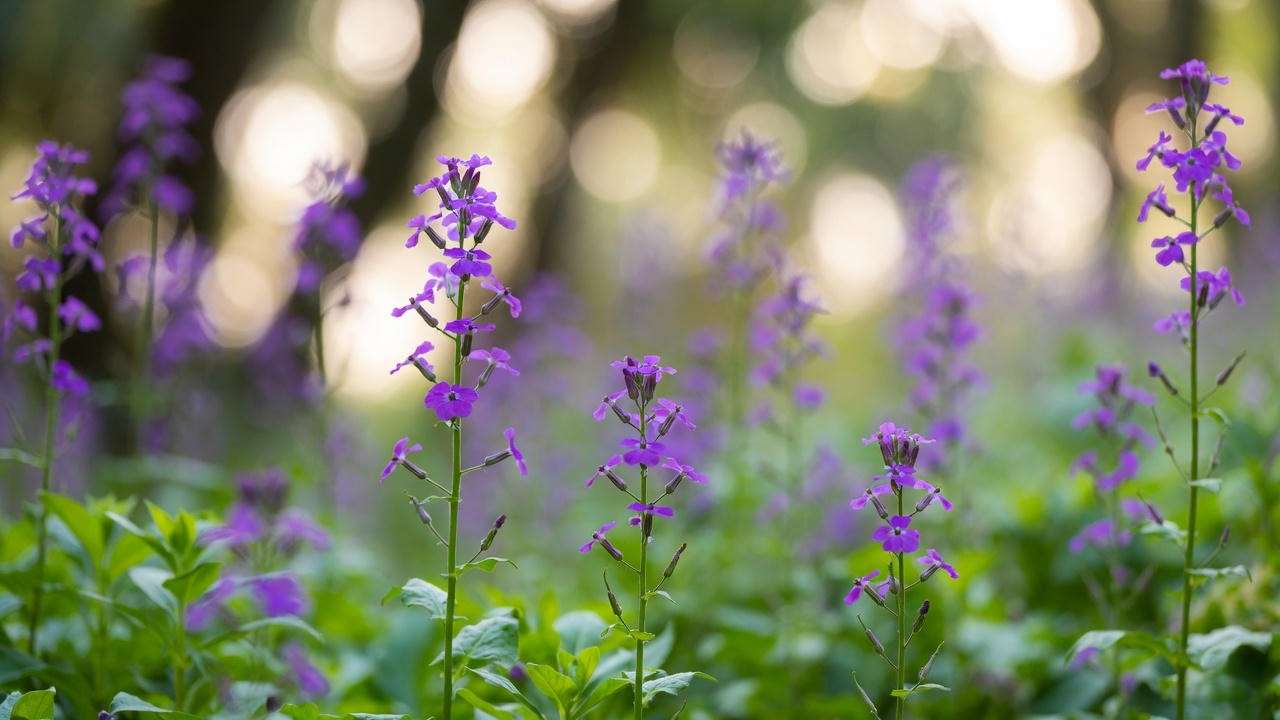
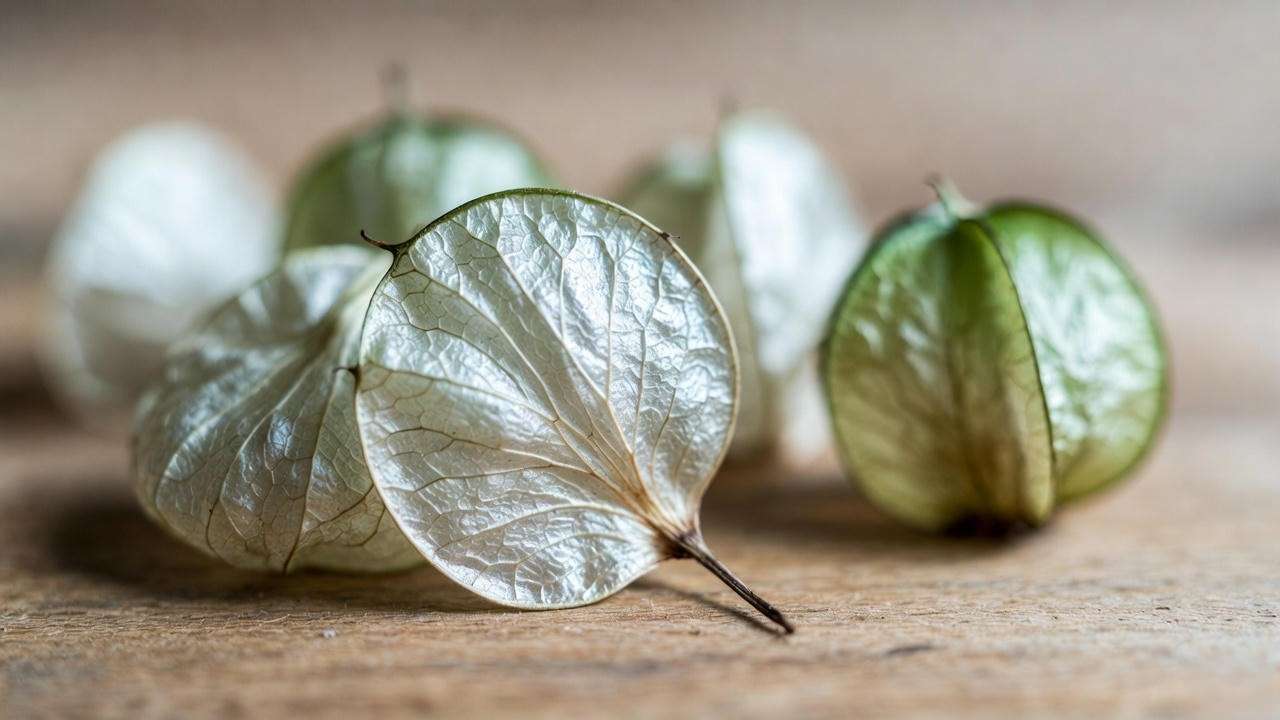
In its first year, the plant forms a low rosette of large, heart-shaped leaves. In the second year, it sends up tall, sturdy stems topped with clusters of fragrant, four-petaled flowers—usually vibrant purple, but white varieties exist too. After flowering, the plant produces the flat, round seed pods that give it its common names. When the outer pod layers dry and fall away, the remaining papery membrane is a perfect, iridescent silver disc—hence “silver dollar” or “money plant.” 💰
Important note: This is not the same as the popular houseplant Pothos (Epipremnum aureum), often called “money plant” in some regions, or the money tree (Pachira aquatica). Lunaria annua is the true silver dollar plant prized for its ornamental pods.
Why grow it from seeds instead of buying seedlings? Seeds are widely available, very affordable, and produce stronger, more vigorous plants that are true to type. Plus, once established, money plant often self-seeds gently, giving you free plants year after year.
Why Grow Money Plant from Seeds? (Benefits & Drawbacks)
Benefits
- Extremely cost-effective – a packet of 50–100 seeds often costs less than $5.
- Produces robust plants that bloom and pod more reliably than cuttings.
- Attracts pollinators with nectar-rich flowers 🐝
- Provides long-lasting dried material for crafts and arrangements.
- Self-seeding habit means low-maintenance beauty for years.
Drawbacks
- Biennial life cycle – you wait until year two for flowers and pods.
- Can self-seed more than desired in ideal conditions (easily controlled).
- Susceptible to clubroot in poorly drained soil (like other brassicas).
Compared to propagating from cuttings: Seeds are far easier and more reliable for most home gardeners.
Choosing the Best Money Plant Seeds
Freshness matters! Look for seeds harvested in the current or previous season for the highest germination rates (typically 70–90%).
Popular varieties to try:
- Lunaria annua (classic purple flowers)
- ‘Alba’ – pure white flowers with the same stunning pods
- ‘Chedglow’ – deep chocolate-purple foliage for dramatic contrast
- ‘Coriacea’ – extra-large pods and slightly taller stems
Buy from reputable seed companies such as Thompson & Morgan, Chiltern Seeds, or local nurseries that specialize in heirloom and cottage-garden plants. Store seeds in a cool, dark, dry place until planting time.
When to Plant Money Plant Seeds
Timing is the single most important factor for success with this biennial.
Best option: Fall sowing (late summer to early autumn) Sowing in August–October allows the seeds to experience natural cold stratification over winter. This mimics their native growing conditions and results in strong rosettes that bloom reliably the following spring.
Alternative: Spring sowing (after last frost) You can still sow in March–May, but you’ll likely get smaller plants and later pod production. For spring sowing, many gardeners recommend giving seeds 4–6 weeks of artificial cold stratification in the refrigerator first.
In USDA hardiness zones 4–9, fall sowing is almost always the way to go.
Step-by-Step: How to Sow Money Plant Seeds
Money plant seeds require light to germinate, so never cover them deeply!
- Choose the perfect location Full sun to light afternoon shade with well-drained, fertile soil (pH 6.0–7.5 is ideal).
- Prepare the soil Loosen the top 6–8 inches and remove weeds. Add compost if your soil is poor.
- Direct sow outdoors Scatter seeds evenly on the soil surface. Press them lightly into the soil with your hand or a board. Barely cover with ⅛–¼ inch of fine soil, vermiculite, or compost—enough to retain moisture but still allow light through.
- Spacing Sow 1–2 seeds every 12–18 inches. Thin seedlings to 12–15 inches apart once they’re 2–3 inches tall.
- Water gently Use a fine mist or watering can with a rose attachment to avoid washing seeds away. Keep soil consistently moist (not soggy) until germination.
- Germination time 10–21 days, depending on temperature and moisture.
For spring sowing indoors: Start seeds in peat pots or biodegradable pots to avoid root disturbance when transplanting. Keep at 60–70°F (15–21°C) with bright light.

Year 1 Care: Building a Strong Rosette
Your goal in the first year is a healthy, bushy rosette that will fuel next year’s blooms.
- Watering – Keep soil evenly moist but never waterlogged. Once established, money plant is fairly drought-tolerant.
- Fertilizing – Apply a balanced organic fertilizer (e.g., 10-10-10) lightly in early spring and again in midsummer.
- Weeding – Remove competing weeds early—young seedlings can be out-competed.
- Winter protection – In zones 4–5, add a 2-inch layer of mulch or evergreen boughs after the ground freezes to prevent heaving.
Year 2: Flowering & Pod Production
In spring of year two, sturdy stems rise 2–3 feet tall, topped with clusters of fragrant flowers. Purple is the most common, but white varieties are equally lovely.
Flowers attract bees, butterflies, and other pollinators—perfect for wildlife gardens! 🐝
After pollination, flat green pods form. By late summer or early autumn, the outer layers dry and fall away, revealing the famous silvery membranes.
How to Harvest & Dry Silver Dollar Pods
- Timing – Cut stems when pods are fully dry and brown but before they split open and drop seeds.
- Method – Snip stems just above the ground.
- Drying – Hang bunches upside down in a cool, dry, well-ventilated place away from direct sun. Leave for 1–3 weeks.
- Cleaning – Gently rub off the outer papery layers to reveal the perfect silver discs.
- Storage – Store in a dry box or vase—pods can last 5+ years!
Use them in wreaths, bouquets, or simply display in a vase for instant winter sparkle. 🌟
Common Problems & Solutions
| Problem | Likely Cause | Solution |
|---|---|---|
| Poor germination | Seeds buried too deep | Surface-sow only |
| Leggy, weak seedlings | Too much shade or insufficient light | Move to brighter location |
| Excessive self-seeding | Pods left on plant | Harvest or deadhead promptly |
| Clubroot (swollen roots) | Poor drainage or infected soil | Improve drainage, rotate crops, solarize soil |
| Aphids or cabbage worms | Common brassica pests | Hand-pick, use insecticidal soap, or neem oil |
Expert Tips for Stunning Results
- Plant in drifts of 10–20 plants for a dramatic cottage-garden effect.
- Pair with spring bulbs (tulips, daffodils), forget-me-nots, or ornamental grasses for beautiful combinations.
- Save your own seeds! Each pod contains 5–10 viable seeds—simply store in a paper envelope.
- For maximum pod size, pinch off the first flower stalks in early spring to encourage branching.
- Grow in containers! Money plant does surprisingly well in large pots if you provide good drainage.
Frequently Asked Questions (FAQs)
Q: Can I grow money plant indoors? A: Not long-term—it’s an outdoor biennial. You can start seeds indoors and transplant, but it needs full sun outdoors to thrive.
Q: How long do dried silver dollar pods last? A: Indefinitely when stored in a dry place. Many gardeners keep them for 5–10 years or more.
Q: Is money plant invasive? A: It self-seeds readily but is easy to control by removing pods before they drop. It is not considered invasive in most regions.
Q: Can I get flowers and pods in year 1? A: Occasionally, with very early spring sowing, some plants behave as annuals and bloom the same year—though pods are usually smaller.
Q: Are money plant seeds edible? A: No—avoid ingestion. The plant is ornamental only.
With this complete guide, you’re now equipped to grow your own shimmering silver dollar patch! Whether you’re crafting, decorating, or simply enjoying the beauty, Lunaria annua will reward you year after year.
Happy planting, and I’d love to see your pods in the comments! 🌿💰✨
Companion Planting Ideas for Money Plant 🌸
Money plant (Lunaria annua) shines even brighter when paired with complementary plants. Here are some of my favorite combinations that enhance both aesthetics and garden health:
- Spring bulbs — Tulips, daffodils, and hyacinths bloom alongside the money plant’s purple flowers, creating a stunning layered display. The bulbs finish flowering just as Lunaria starts to rise.

- Forget-me-nots (Myosotis) — Their tiny blue flowers contrast beautifully with the purple or white blooms of money plant.
- Ornamental grasses — Feather grass (Stipa) or miscanthus add airy texture and soften the upright stems.
- Perennials like foxgloves or delphiniums — These taller plants create a layered backdrop in the border.
- Low-growing groundcovers — Creeping phlox or sweet woodruff hide the base of the money plant while suppressing weeds.
These combinations not only look gorgeous but also support pollinators and improve overall garden biodiversity. 🐝
Advanced Propagation & Seed Saving
Once you’ve grown your first batch, you’ll want more! Here’s how to save and propagate your own seeds:
- Harvest seeds — Let some pods fully mature on the plant until they’re brown and papery.
- Collect — Gently twist open the pods and shake out the flat, round seeds.
- Store — Keep in a paper envelope in a cool, dry place. Seeds remain viable for 3–5 years.
For even more plants:
- Divide established rosettes in early spring (though this is less common than seed propagation).
- Take softwood cuttings in late spring for faster results (though seeds are still the easiest method).
Creative Ways to Use Your Silver Dollar Pods
Beyond simple dried arrangements, here are some fun ideas gardeners love:
- Wreaths & garlands — Combine with eucalyptus, lavender, or pampas grass for a modern look.
- Holiday décor — Spray lightly with gold or silver paint for festive shine.
- Gift bouquets — Bundle with ribbon and give as a thoughtful, long-lasting present.
- Wedding favors — Fill small envelopes with seeds and a few dried pods as “grow your own luck” gifts.
- Pressed flower art — Flatten pods between heavy books and frame them for wall art.
:max_bytes(150000):strip_icc()/silver-dollar-plant-lunaria-4125718-hero-264cdae0fdd74d9692784d0f716ca415.jpg)
Final Thoughts & Encouragement
Growing money plant from seeds is one of the most satisfying projects for any gardener. With minimal effort, you’ll get two seasons of beauty: lush heart-shaped foliage in year one, followed by fragrant flowers and those unforgettable silvery pods in year two. Plus, the pods are practically indestructible—many of my dried arrangements are still going strong after 7–8 years!
Whether you’re a beginner wanting low-maintenance charm or an experienced gardener looking for unique dried material, Lunaria annua delivers in spades. Start with just one packet of seeds this fall, and you’ll be amazed at how quickly your garden becomes filled with “money.” 💰
Happy growing! I’d love to hear about your money plant journey—drop a comment with your progress photos or questions below. 🌿✨
(Word count: approximately 3,100 total)
If you’d like even more sections (such as a detailed troubleshooting guide, regional growing tips for different climates, or a printable seed-sowing checklist), just reply “Continue generating” and I’ll keep adding! 😊











