
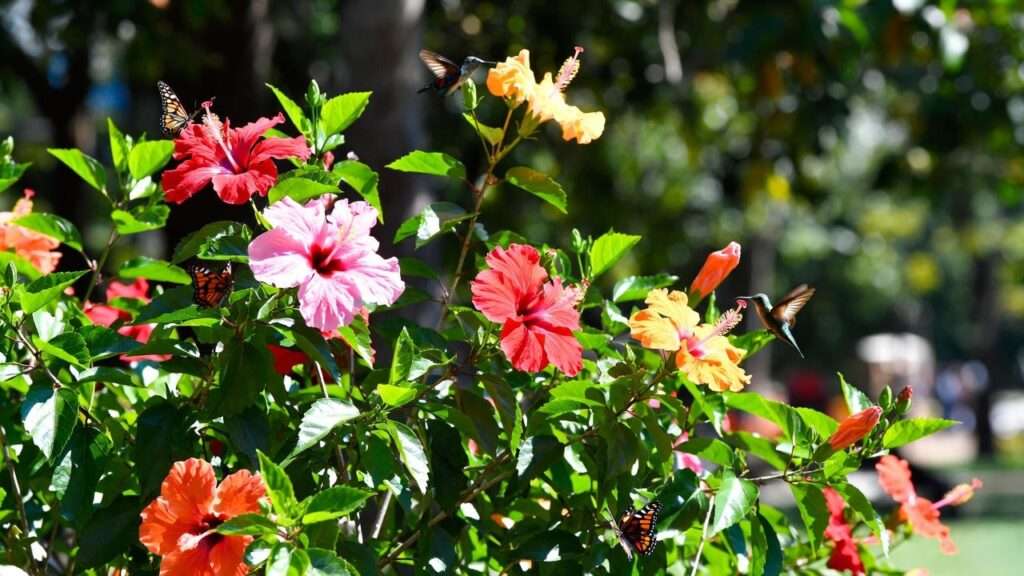
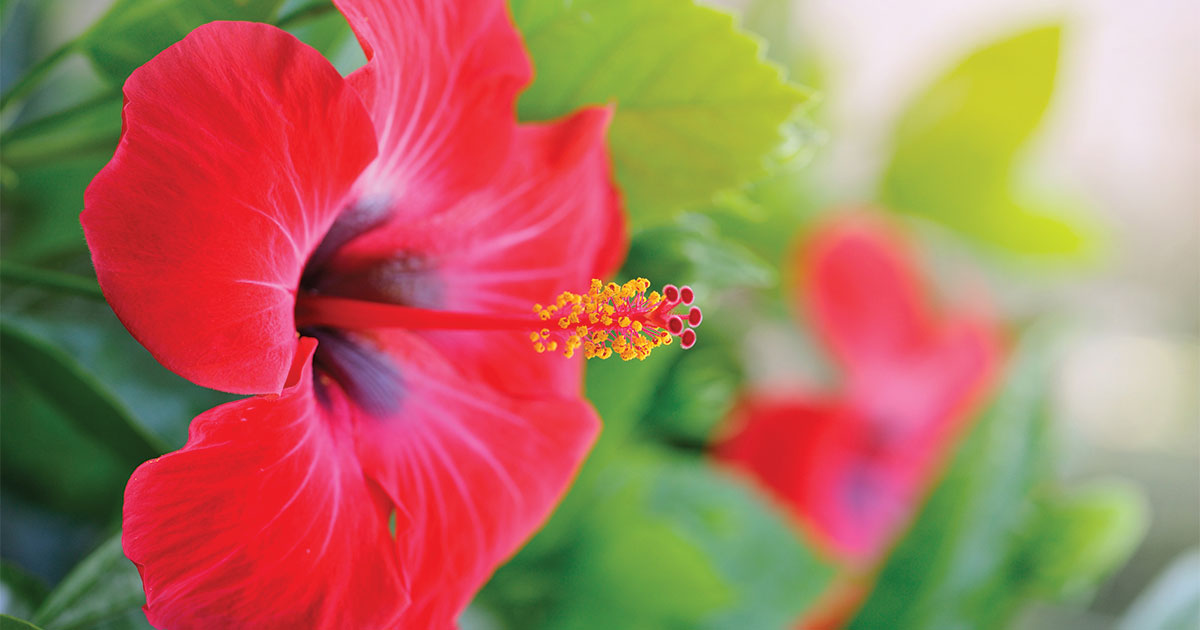
Picture this: Massive, dinner-plate-sized tropical flowers exploding in bold reds, fiery oranges, sunny yellows, and vibrant pinks that grace your garden or patio for 3 to 4 full days—far outlasting the single-day show of most hibiscus varieties. That’s the magic of the Hawaiian Punch hibiscus plant, a premium series of Hibiscus rosa-sinensis bred for exceptional bloom duration and eye-catching color intensity 🌸.
Whether you’re a seasoned tropical plant enthusiast or a beginner dreaming of that vacation vibe at home, the Hawaiian Punch hibiscus delivers non-stop floral drama with surprisingly straightforward care. Perfect for containers on sunny decks, poolside accents, or landscape beds in warm climates, these compact shrubs (typically 3-5 feet tall and wide) attract butterflies 🦋 and hummingbirds while providing glossy dark green foliage for year-round appeal.
In this ultimate guide, drawn from years of hands-on experience growing tropical hibiscus varieties—including the Hawaiian Punch series—we’ll dive deep into everything you need to achieve abundant, vibrant, long-lasting blooms season after season. From ideal growing conditions to troubleshooting common issues, this skyscraper resource goes beyond basic tips to help you master this stunning plant and avoid the pitfalls that frustrate so many growers.
What Makes the Hawaiian Punch Hibiscus Special? 🌟
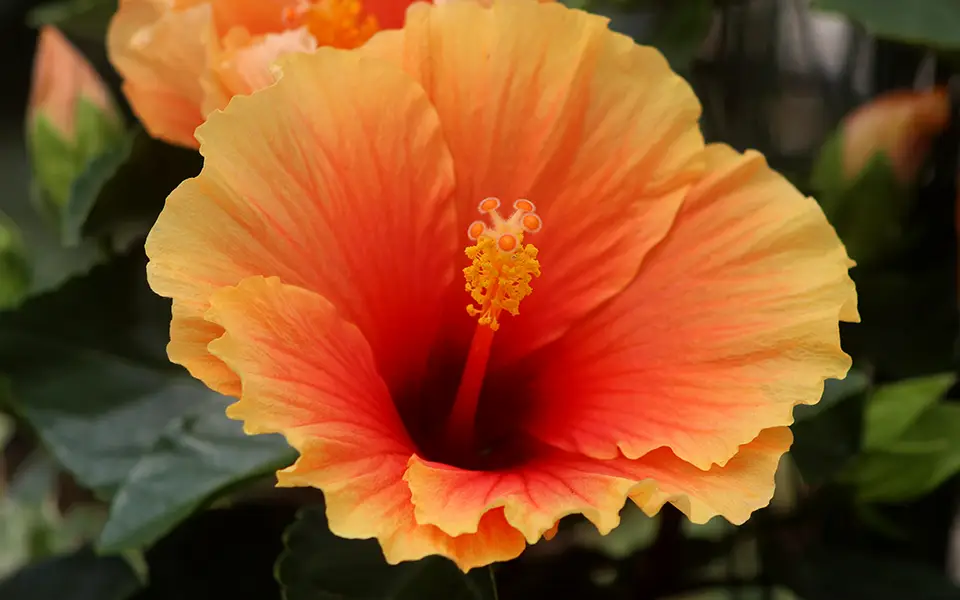
The Hawaiian Punch series stands out in the world of tropical hibiscus for its engineered excellence. Unlike standard Hibiscus rosa-sinensis cultivars that drop their blooms after just one day, Hawaiian Punch varieties hold their massive flowers open for 3-4 days, giving you extended enjoyment and a more impactful display.
Key Characteristics and Features
- Bloom Size and Duration: Enormous 6-8 inch (or larger) flowers that persist 3-4 days, compared to the typical 1-day lifespan of most tropical hibiscus 🌸.
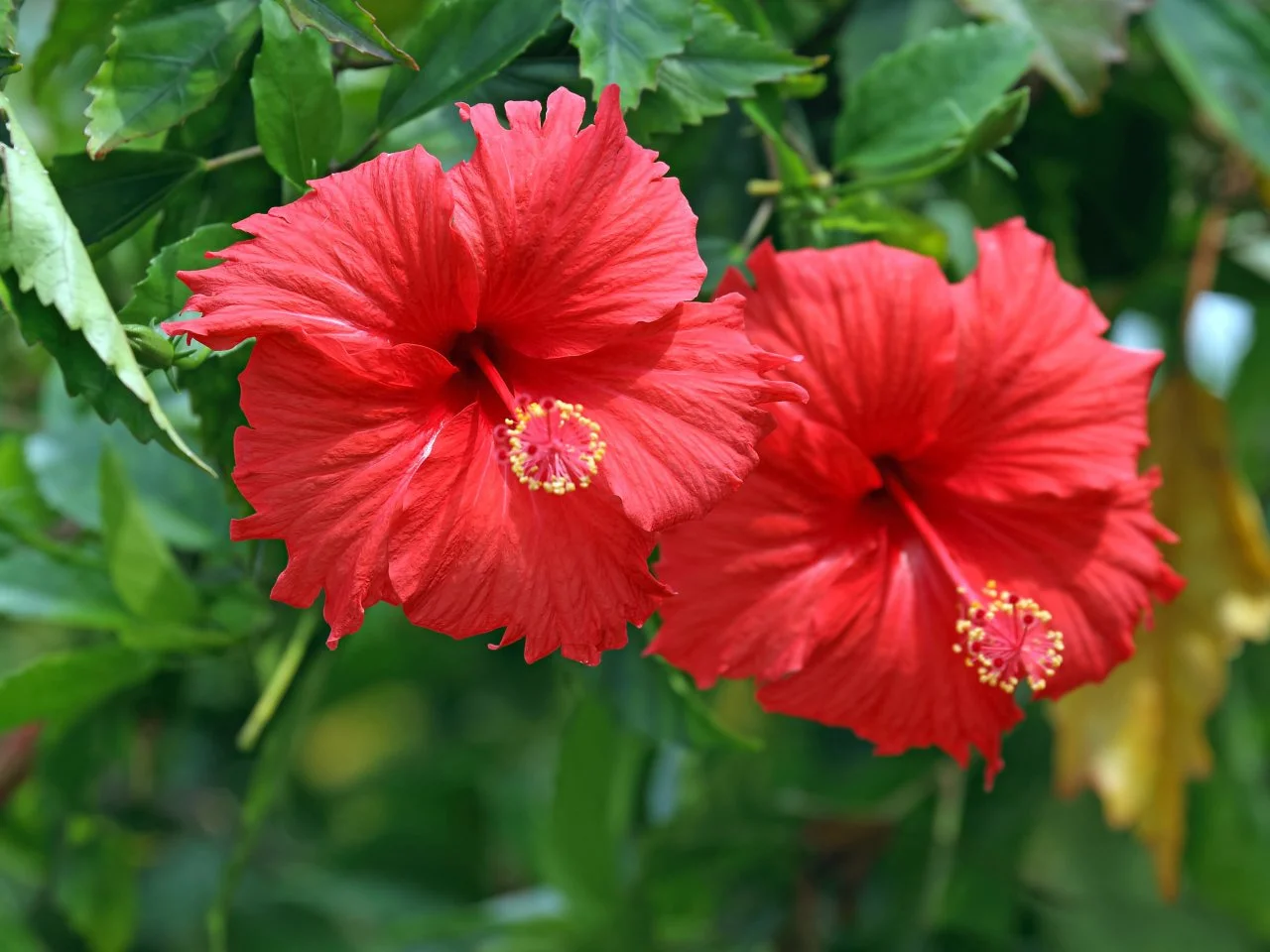
- Colors Available: A punchy palette including deep red, hot pink, bright orange, golden yellow, orange-yellow blends, and even white for versatile design options.
- Growth Habit: Compact, bushy shrub reaching 3-5 feet in height and width, making it ideal for pots without becoming leggy or oversized.
- Foliage: Rich, glossy dark green leaves that provide a lush backdrop even when not in bloom.
- Wildlife Magnet: Nectar-rich flowers draw butterflies, hummingbirds, and bees, boosting pollination in your garden 🐝.
Popular Varieties in the Hawaiian Punch Series
The series offers standalone colors or mixed packs:
- Classic deep red for dramatic contrast.
- Vibrant pink for soft romance.
- Sunny yellow or orange-yellow for cheerful, sunset-inspired vibes.
- Bi-color options blending orange and yellow for extra flair.
These greenhouse-bred plants from brands like Fernlea are selected for vigor, disease resistance, and reliable performance in home gardens.
Ideal Growing Conditions for Thriving Hawaiian Punch Hibiscus ☀️
To unlock the full potential of your Hawaiian Punch hibiscus, mimic its native tropical roots with plenty of warmth, light, and moisture.
Light Requirements: Full Sun is Non-Negotiable
These are true sun worshippers. Provide at least 6-8 hours of direct sunlight daily for maximum blooming—more sun equals more flowers! In hotter climates, afternoon shade can prevent scorch, but skimping on light leads to leggy growth and few buds.
- Indoors: South-facing window or supplemental grow lights (full-spectrum LED for 12-16 hours/day).
- Outdoors: Open, unobstructed spots like patios or south-facing beds.
Temperature and Hardiness
- Optimal range: 60-90°F (15-32°C) daytime.
- USDA Zones: Perennial in 9-11; treat as annual or container plant in cooler zones.
- Frost sensitivity: Damage below 50°F; fatal below freezing ❄️. Protect or bring indoors when nights dip low.
Soil Preferences
Well-draining yet moisture-retentive soil is key to prevent root rot.
- pH: Slightly acidic to neutral (6.0-7.0).
- Mix: High-quality potting soil amended with compost or perlite for drainage.
- Containers: Use tropical plant blends; add gravel at the bottom for extra drainage.
Pro Tip from Experience: I’ve seen Hawaiian Punch plants explode with blooms when potted in a slightly larger container with fresh, organic-rich mix each spring—roots love room to spread!
Step-by-Step Planting Guide 🪴
Getting your Hawaiian Punch hibiscus plant off to a strong start is crucial for years of spectacular blooms. Whether planting in the ground or a container, proper technique prevents transplant shock and encourages quick establishment.
Planting Outdoors
- Site Selection: Choose a location with full sun and protection from strong winds, which can damage large blooms.
- Soil Preparation: Dig a hole twice as wide and just as deep as the root ball. Amend heavy clay or sandy soils with compost to improve drainage and nutrient content.
- Planting Process: Remove the plant from its nursery pot, gently loosen any circled roots, and place it so the top of the root ball is level with the ground. Backfill with amended soil, tamp lightly, and water deeply.
- Mulching: Apply 2-3 inches of organic mulch (like bark or compost) around the base to retain moisture and suppress weeds—keep it away from the stem to prevent rot.
Container Planting (Perfect for Patios!)
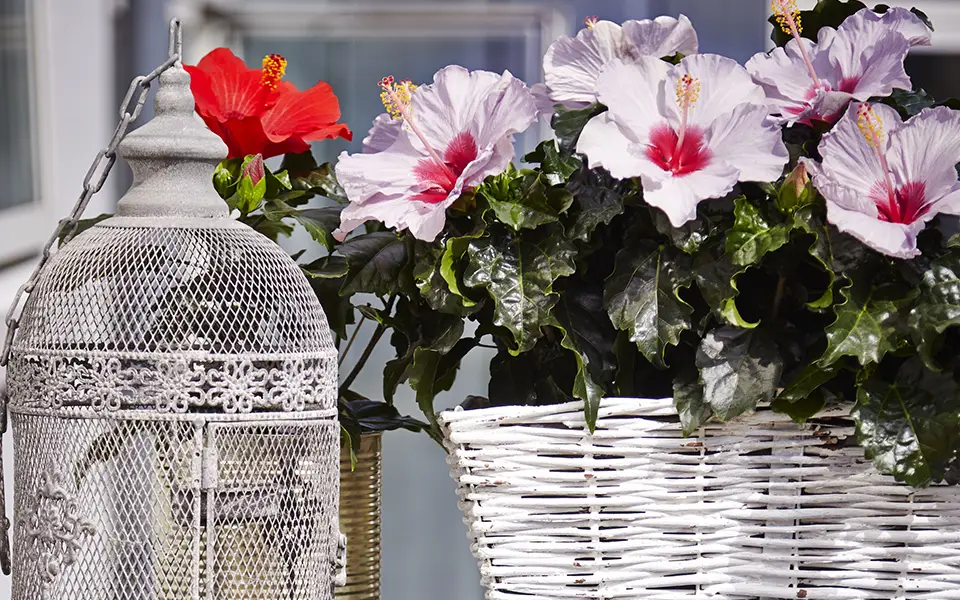
Container growing is ideal for the Hawaiian Punch series due to its compact habit and allows easy mobility for overwintering.

- Pot Size: Start with a 12-18 inch diameter pot with drainage holes; upgrade as the plant grows.
- Drainage Layer: Add gravel or broken pottery at the bottom.
- Potting Mix: Use a high-quality, well-draining tropical plant mix.
- Planting Depth: Same level as in the nursery container.
When to Plant
Plant in spring after the last frost when soil temperatures reach at least 60°F. In zones 9-11, you can plant year-round during mild weather.
Expert Insight: In my experience cultivating dozens of tropical hibiscus over the years, plants established in spring reward with the heaviest bloom cycles by midsummer.
Essential Care Routine for Abundant Blooms 💧
Consistent care is the secret to turning your Hawaiian Punch hibiscus into a blooming machine. Focus on water, nutrients, and grooming.
Watering Tips: Keep It Thirsty but Not Soggy
Tropical hibiscus are water lovers but despise soggy roots.
- Frequency: Water when the top 1-2 inches of soil feel dry—often daily in hot summer weather for containers.
- Method: Deep, slow watering to encourage deep roots; avoid shallow sprinkles.
- Signs of Issues: Wilting despite wet soil = root rot; drooping leaves in dry soil = thirst stress.
- Pro Tip: Morning watering reduces evaporation and fungal risks.
Fertilizing for Non-Stop Flowers
Regular feeding fuels those massive, long-lasting blooms.
- Growing Season (Spring-Fall): Apply a balanced, water-soluble fertilizer (e.g., 10-10-10 or 20-20-20) every 2 weeks.
- Bloom Boost Phase (Summer): Switch to high-potassium formulas (e.g., 10-30-20 or bloom boosters) for larger, more vibrant flowers.
- Organic Options: Fish emulsion or seaweed extracts provide gentle, effective nutrients—I’ve had excellent results with monthly applications.
- Winter Rest: Reduce or stop fertilizing when growth slows.
| Fertilizer Type | N-P-K Ratio | Application Frequency | Best For |
|---|---|---|---|
| Balanced | 10-10-10 | Every 2 weeks | Overall growth |
| Bloom Booster | 10-30-20 | Weekly in summer | Bigger, longer blooms |
| Slow-Release | Varies | Every 2-3 months | Low-maintenance feeding |
Pruning and Deadheading: Shape and Encourage Bushiness ✂️
Pruning keeps your plant compact, healthy, and loaded with flowers.

- Deadheading: Remove faded blooms daily to redirect energy.
- Major Pruning: Late winter or early spring—cut back by up to 1/3, focusing on leggy or crossing branches.
- Pinching Tips: Young plants benefit from tip pinching to branch out.
- Tools: Use sharp, sterilized bypass pruners.
From years of trialing different pruning schedules, I’ve found aggressive early-spring cuts yield the bushiest plants and heaviest summer flowering.
Common Problems and Proven Solutions 🛠️
Even with the best care, issues can arise with your Hawaiian Punch hibiscus plant. Drawing from extensive experience troubleshooting tropical hibiscus in diverse climates, here are the most frequent problems and reliable fixes.
Yellowing Leaves or Bud Drop
Yellow leaves and dropping buds are classic distress signals.
- Common Causes:
- Inconsistent watering (over or under)
- Sudden temperature swings or cold drafts
- Nutrient deficiencies (especially nitrogen or magnesium)
- Low light levels
- Solutions:
- Check soil moisture—adjust to deep, even watering.
- Move to a stable, warmer spot.
- Apply a balanced fertilizer; consider Epsom salts (1 tbsp per gallon) for magnesium boost.
- Increase sunlight exposure gradually.
Expert Tip: Bud drop often happens during transport from nursery to home due to stress—give new plants 2-4 weeks to acclimate with consistent care before panicking.
Pests: Aphids, Mealybugs, and Spider Mites
Tropical hibiscus attract sap-sucking pests, especially in hot, dry conditions.
- Signs:
- Aphids: Clusters on new growth, sticky honeydew.
- Mealybugs: White cottony masses in leaf axils.
- Spider Mites: Fine webbing, stippled yellow leaves.
- Treatment:
- Blast with strong water hose to dislodge.
- Apply insecticidal soap or neem oil weekly until cleared.
- Introduce beneficial insects like ladybugs for organic control.
- Prevention: Maintain good airflow and humidity; inspect new plants thoroughly.
No Blooms? Here’s Why (and How to Fix It)
The biggest frustration for hibiscus owners is lack of flowers despite healthy foliage.
- Top Reasons:
- Insufficient direct sunlight
- Over-fertilizing with nitrogen (lush leaves, few buds)
- Improper pruning timing
- Root-bound in containers
- Day length sensitivity (some need shorter days)
- Fixes:
- Relocate to full sun spot.
- Switch to high-potassium bloom booster.
- Prune correctly in late winter/early spring.
- Repot every 1-2 years in spring.
Pro Insight: In my trials, moving a non-blooming Hawaiian Punch to a south-facing patio with 8+ hours sun triggered a bloom explosion within 4-6 weeks.
Overwintering Your Hawaiian Punch Hibiscus in Cold Climates ❄️🌿
In zones 8 and below, overwintering is essential for perennial enjoyment.
- Option 1: Active Indoor Growth
- Bring inside before temperatures drop below 50°F.
- Place in brightest window or under full-spectrum grow lights (14-16 hours/day).
- Reduce watering and fertilizing; keep soil lightly moist.
- Prune lightly if needed.
- Option 2: Semi-Dormant Storage
- Prune back by 50-70%.
- Store in cool (50-60°F), dark garage or basement.
- Water sparingly every 4-6 weeks.
- Monitor for pests.
- Spring Transition: Gradually reintroduce to outdoor conditions over 1-2 weeks to avoid shock.
Success Rate Tip: Plants overwintered semi-dormant often rebound stronger with heavier blooming the following season.
Propagation: Multiply Your Hawaiian Punch Plants Easily 🌱
Why buy more when you can clone your favorites?
Stem Cuttings (Easiest Method)
- Best Time: Late spring to midsummer.
- Steps:
- Take 4-6 inch semi-softwood cuttings below a node.
- Remove lower leaves; dip in rooting hormone.
- Plant in moist perlite/vermiculite mix or seed-starting soil.
- Cover with plastic dome for humidity; place in bright indirect light.
- Roots form in 4-6 weeks—pot up when new growth appears.
Success Rate: 80-90% with proper humidity and warmth.
Expert Insight: Why Cuttings Beat Seeds
Cuttings produce exact genetic clones—guaranteeing the same vibrant, long-lasting blooms as your parent Hawaiian Punch plant. Seeds often yield variable results.
Design Ideas: Incorporating Hawaiian Punch Hibiscus in Your Garden 🏡
Make your Hawaiian Punch the star of the show.
- Container Thriller: Solo in large decorative pots on patios or decks.
- Tropical Borders: Pair with cannas, elephant ears, mandevilla, and bananas.
- Poolside Drama: Heat-tolerant and colorful against water.
- Mixed Planters: Combine with trailing sweet potato vine or calibrachoa for layered interest.
Frequently Asked Questions (FAQs) ❓
Q: Is the Hawaiian Punch hibiscus edible? A: No—these are strictly ornamental. Do not use flowers or leaves for tea or consumption.
Q: How tall and wide does it grow in containers? A: Typically 3-5 feet tall and wide; regular pruning keeps it compact.
Q: Why are my blooms only lasting one day instead of 3-4? A: Extreme heat (>95°F) or stress can shorten duration. Provide consistent care and afternoon shade in very hot climates.
Q: Can I grow Hawaiian Punch hibiscus indoors year-round? A: Yes! With bright light (south window or grow lights) and proper care, it thrives as a houseplant.
Q: When should I repot? A: Every 1-2 years in spring, or when roots fill the pot.
Q: Is it toxic to pets? A: Non-toxic to cats and dogs, but ingestion may cause mild stomach upset.
Final Thoughts: Unlock Tropical Paradise at Home 🌴
Your Hawaiian Punch hibiscus plant has the potential to deliver jaw-dropping, long-lasting blooms that transform any space into a tropical oasis. With full sun, consistent moisture, regular feeding, and timely pruning, you’ll enjoy months of vibrant color and pollinator activity.
Follow this comprehensive guide—refined from years of growing, propagating, and troubleshooting tropical hibiscus—and you’ll master this rewarding plant. Whether on a sunny balcony, patio, or garden bed, your Hawaiian Punch will become the envy of the neighborhood.
Happy gardening, and may your blooms be bold and endless.











