
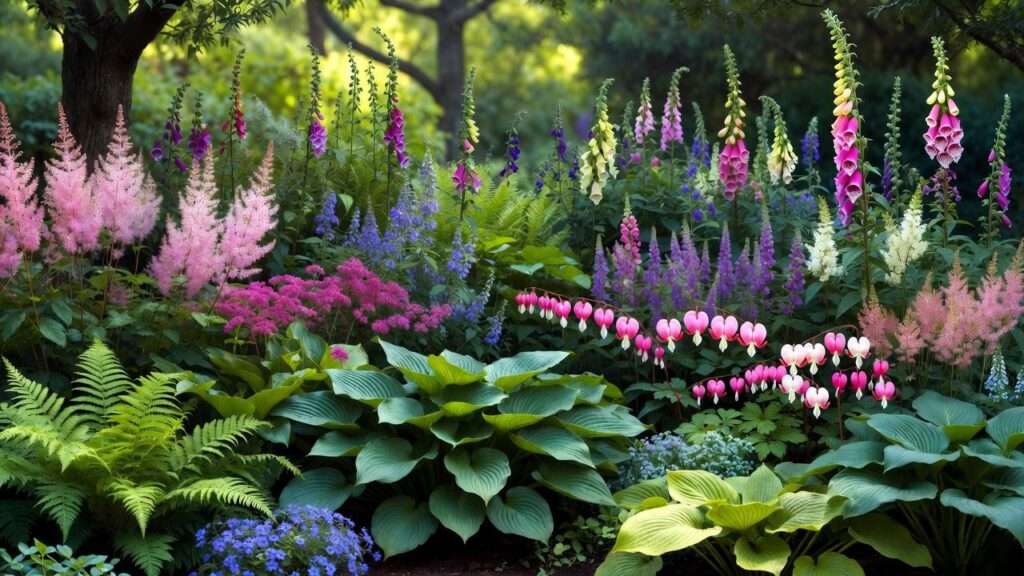
Your hostas are thriving in that cool, shady spot, but the garden still feels a bit… flat? 😩 You’ve got those lush, bold leaves, yet something’s missing—the vibrant contrast, the layered textures, the pops of color that turn a simple shade bed into a breathtaking retreat. If you’re searching for the perfect hosta companion plants to elevate your garden, you’re in the right place!
As a seasoned horticulturist with over 20 years of hands-on experience designing and maintaining shade gardens across various climates (from USDA Zones 3 to 9), I’ve trialed countless combinations in my own woodland-inspired beds and client landscapes. Drawing from proven recommendations by experts at the Missouri Botanical Garden, Proven Winners, and Fine Gardening, this guide shares the 20 absolute best hosta companion plants that not only match hostas’ love for moist, rich soil and dappled light but also create jaw-dropping harmony through foliage contrast, seasonal blooms, and heightened interest.
By thoughtfully pairing hostas—the undisputed kings of shade foliage—with these reliable perennials, you’ll achieve multi-layered beauty: fine textures to balance bold hosta leaves, height variation for depth, extended blooming seasons, and even natural pest deterrence. The result? A stunning shade garden that feels alive from spring ephemerals to fall color, with minimal maintenance. Let’s transform your shady space into a peaceful, pollinator-friendly oasis you’ll enjoy year-round! 🌸
:max_bytes(150000):strip_icc()/GettyImages-1329431849-2cce0c59d15c406fbc34a4b905143274.jpg)
Why Companion Plants Make Hostas Shine Brighter 🌟
Hostas are shade garden superstars, prized for their dramatic foliage in shades of green, blue, gold, and variegated patterns. But on their own, they can sometimes dominate without enough visual excitement. That’s where companion planting comes in—it’s the secret to unlocking their full potential.
Successful pairings rely on design principles like contrast (bold vs. fine textures, broad vs. narrow leaves, cool vs. warm tones) and complement (similar cultural needs for thriving together). The benefits go beyond aesthetics:
- Texture and Color Harmony: Fine-feathered plumes or lacy fronds soften hostas’ substantial leaves, while colorful foliage or flowers add pops against hostas’ backdrop.
- Extended Seasonal Interest: Hostas peak in summer, but companions like spring-blooming bulbs or fall-tinted perennials ensure year-round appeal.
- Ecological Advantages: Improved airflow reduces slug issues (a common hosta woe), certain plants deter pests naturally, and diverse pairings boost biodiversity, attracting pollinators 🐝.
- Practical Perks: Many shade lovers suppress weeds, retain soil moisture, and create a lush, woodland feel.
Avoid common pitfalls: Steer clear of sun-hungry plants (like roses) or aggressive invaders (vigorous mints). Always match conditions—hostas prefer organically rich, moist but well-drained soil in partial to full shade.
In my experience, the most breathtaking shade gardens layer 3–5 companions per hosta grouping, creating depth and movement. Ready to see how? Let’s dive into the essentials first.
Key Considerations When Choosing Hosta Companions 🧠
Not all shade plants are created equal. To ensure long-term success and stunning visuals, evaluate these factors based on real-world performance from botanical trials and my own gardens.
Understanding Shade Levels (H3)
Shade isn’t one-size-fits-all:
- Full Shade: Less than 3 hours of direct sun—ideal for deep woodland spots under trees.
- Partial Shade: 3–6 hours, often morning sun with afternoon protection.
- Dappled Shade: Filtered light through leaves—hostas’ sweet spot for vibrant color.
Most companions here tolerate partial to full shade, but variegated or gold hostas pop best in brighter dappled light.
Soil and Moisture Needs (H3)
Hostas demand consistent moisture and humus-rich soil (pH 6.0–7.5). Pair with plants sharing these preferences to avoid competition or stress. Amend with compost annually for best results.
USDA Hardiness Zones (H3)
Focus on Zones 3–9, hostas’ prime range. I’ve noted specifics for each plant below—always check your zone for reliability.
Deer and Pest Resistance (H3) 🦌
Deer adore hostas, but fuzzy-leaved or aromatic companions (like lungwort or lamium) can deter browsing. For slugs/snails, encourage airflow and use deer-resistant pairings.
Height and Spread Planning (H3)
Layer for dimension:
- Tall Backdrop (2–4 ft): Rodgersia or ligularia.
- Mid-Layer (1–2 ft): Astilbe, hellebores.
- Front/Groundcover (under 1 ft): Heuchera, lamium.
This creates a natural, flowing design that highlights hostas as anchors.
The 20 Best Hosta Companion Plants 🌱
Here are my top 20 picks, selected for proven compatibility, aesthetic synergy, and ease of care. Each thrives in similar conditions to hostas (partial-full shade, moist soil) and offers unique contrast. I’ve included botanical names, key specs, design tips, and variety recommendations from trusted sources like Proven Winners and the Perennial Plant Association.
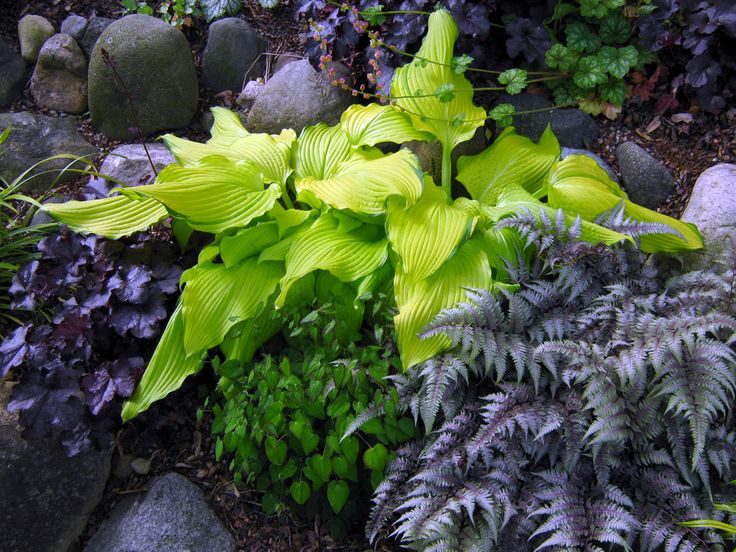
1. Ferns (e.g., Japanese Painted Fern) 🪴 Athyrium niponicum var. pictum
Why it pairs perfectly: Delicate, lacy fronds provide ethereal texture against hostas’ bold leaves; silvery-purple hues contrast beautifully with blue or green hostas.
Light/Soil/Water: Full to partial shade; rich, moist soil.
Height/Spread/Zones: 12–18 inches tall, 18–24 inches spread; Zones 3–8.
Design Tips: Plant in drifts for a woodland feel. Varieties: ‘Ghost’ for upright silver, ‘Godzilla’ for dramatic size.
Pro Tip: Ferns emerge later, allowing spring bulbs space before hostas fill in.
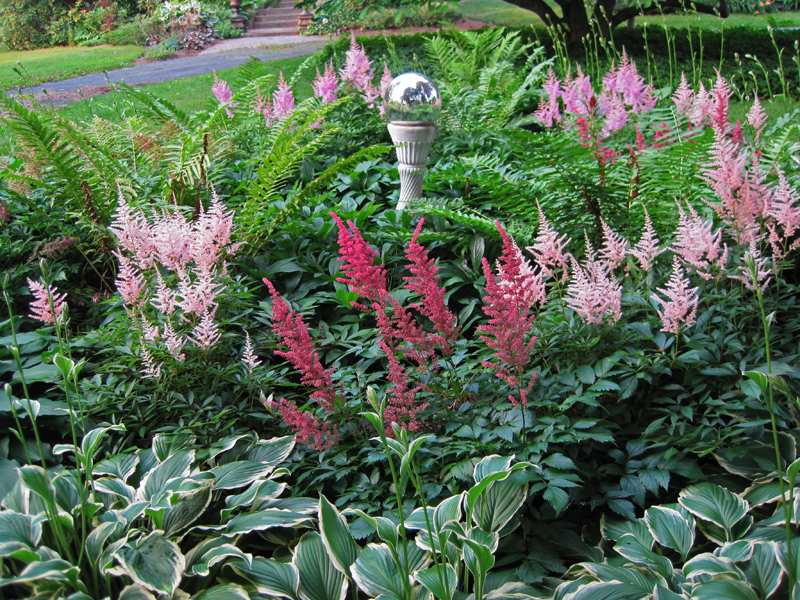
2. Astilbe 🌸 Astilbe spp.
Why it pairs perfectly: Feathery plumes in pink, red, white add vertical interest and summer color when hostas are in full leaf.
Light/Soil/Water: Partial to full shade; moist, well-drained.
Height/Spread/Zones: 18–36 inches tall; Zones 4–8.
Design Tips: Use dwarf varieties like ‘Sprite’ in front; taller ‘Fanal’ behind.
Pro Tip: Astilbe’s fern-like foliage echoes ferns for cohesive layering.
3. Heuchera (Coral Bells) 🍁 Heuchera spp.
Why it pairs perfectly: Vibrant foliage in purple, caramel, lime creates year-round color contrast; delicate spikes attract hummingbirds.
Light/Soil/Water: Partial shade (morning sun best); well-drained, moist.
Height/Spread/Zones: 12–18 inches; Zones 4–9.
Design Tips: ‘Palace Purple’ with blue hostas; ‘Lime Marmalade’ with variegated.
Pro Tip: Evergreen in milder climates for winter interest.

4. Brunnera macrophylla (Siberian Bugloss) 💙
Why it pairs perfectly: Heart-shaped, silver-veined leaves mirror hostas but add sparkle; sky-blue forget-me-not flowers in spring.
Light/Soil/Water: Partial to full shade; moist, rich.
Height/Spread/Zones: 12–18 inches; Zones 3–8.
Design Tips: ‘Jack Frost‘ for bold silver; clusters in front of large hostas.
Pro Tip: Foliage holds strong all season.
:max_bytes(150000):strip_icc()/growing-brunnera-1402835_04-3c433b09b2844da3838ff60b22416e5d.jpg)
5. Bleeding Heart (Dicentra) ❤️ Dicentra spectabilis
Why it pairs perfectly: Arching stems with heart-shaped pink/white flowers in spring; ferny foliage softens hostas.
Light/Soil/Water: Partial to full shade; moist.
Height/Spread/Zones: 24–36 inches; Zones 3–9.
Design Tips: Classic pairing—plant so hostas hide dying foliage post-bloom.
Pro Tip: Newer ‘Gold Heart’ for golden leaves.
5. Bleeding Heart (Dicentra) ❤️ Dicentra spectabilis (continued)
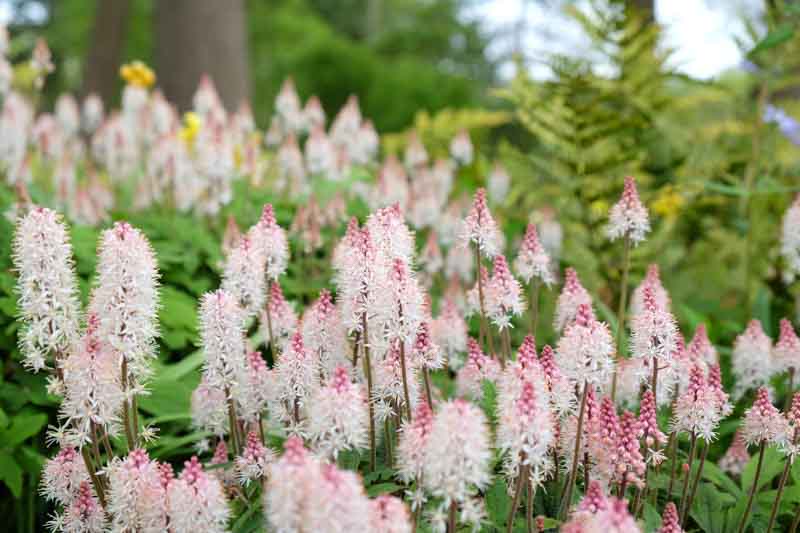
6. Foamflower (Tiarella) ☁️ Tiarella cordifolia
Why it pairs perfectly: Frothy white or pink spring blooms rise above heart-shaped, often marbled foliage, creating a soft carpet that contrasts beautifully with hostas’ bolder leaves while filling in the front of borders.
Light/Soil/Water: Partial to full shade; moist, humus-rich, well-drained soil.
Height/Spread/Zones: 6–12 inches tall, spreading 12–24 inches; Zones 3–8.
Design Tips: Use as groundcover around hosta clumps. Varieties like ‘Sugar and Spice’ for lacy foliage or ‘Running Tapestry’ for vigorous spread.
Pro Tip: Foamflowers attract early pollinators and tolerate dry shade once established—perfect for under trees.
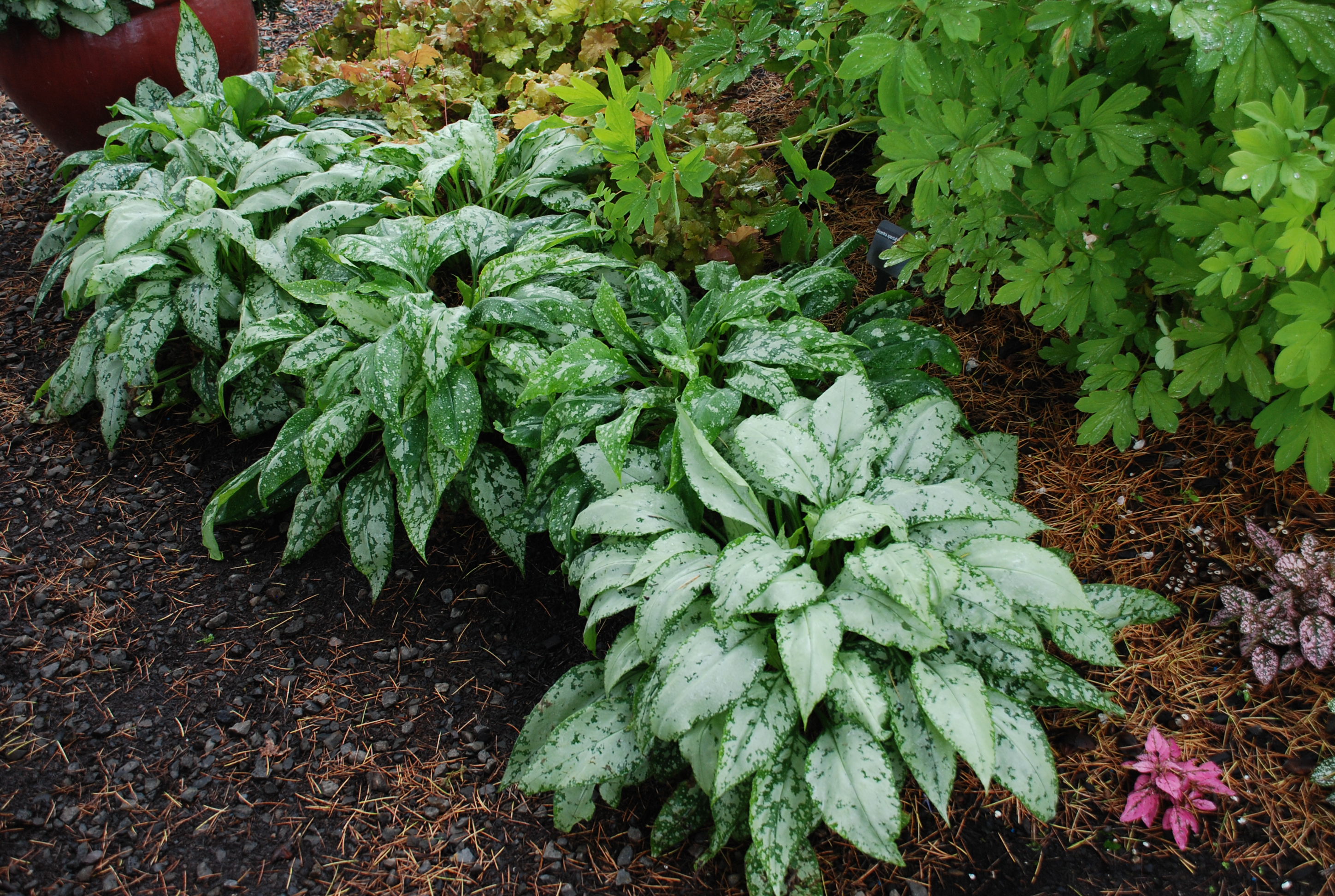
7. Lungwort (Pulmonaria) 🫁 Pulmonaria spp.
Why it pairs perfectly: Spotted or silvered leaves provide year-round interest, with early spring blue/pink flowers that bridge the gap before hostas fully emerge.
Light/Soil/Water: Partial to full shade; moist, well-drained.
Height/Spread/Zones: 8–12 inches; Zones 3–8.
Design Tips: ‘Mrs. Moon’ or ‘Raspberry Splash’ for vibrant color echo with variegated hostas.
Pro Tip: Deer-resistant and slug-tolerant due to hairy leaves—a lifesaver in hosta beds!
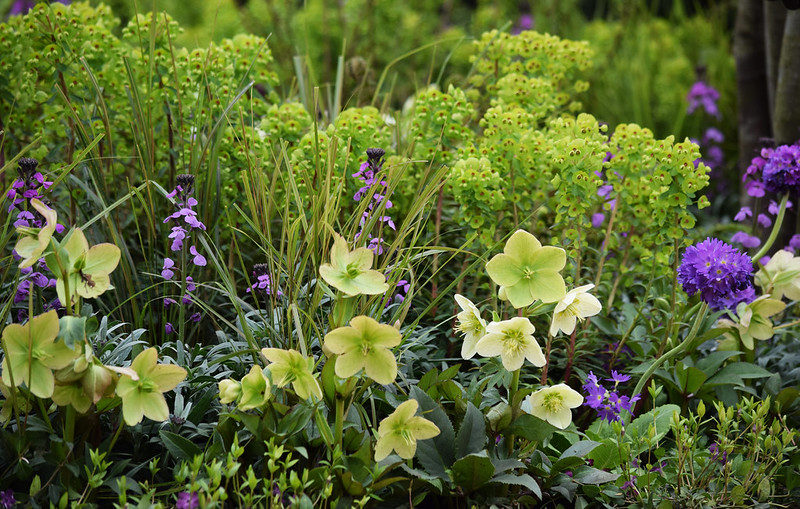
8. Hellebores (Lenten Rose) ❄️ Helleborus orientalis
Why it pairs perfectly: Evergreen foliage and winter-to-spring nodding blooms in shades of white, pink, purple add early color when shade gardens are bare.
Light/Soil/Water: Partial to full shade; moist, rich soil.
Height/Spread/Zones: 12–18 inches; Zones 4–9.
Design Tips: Plant in groups for impact; hybrids like ‘Ice N’ Roses’ for longer bloom.
Pro Tip: Cut back old leaves in late winter to showcase flowers and prevent disease.
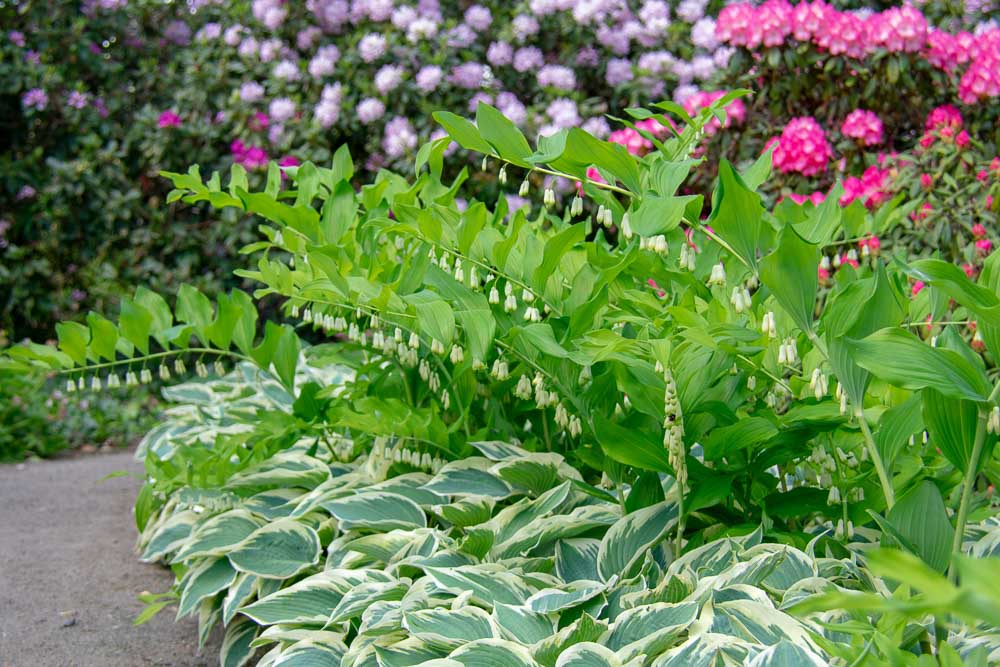
9. Solomon’s Seal (Polygonatum) 🌿 Polygonatum odoratum or biflorum
Why it pairs perfectly: Graceful arching stems with dangling white bells in spring, followed by blue berries; elegant height bridges low and tall layers.
Light/Soil/Water: Partial to full shade; moist, organic soil.
Height/Spread/Zones: 18–36 inches; Zones 3–8.
Design Tips: Variegated forms like ‘Variegatum’ brighten shady spots.
Pro Tip: Rhizomes spread slowly—ideal for naturalizing without overwhelming hostas.
10. Lamium (Deadnettle) 🐝 Lamium maculatum
Why it pairs perfectly: Silver-variegated leaves and pink/purple/white flowers create a bright groundcover that lights up shady areas.
Light/Soil/Water: Partial to full shade; average to moist soil.
Height/Spread/Zones: 6–12 inches, spreading widely; Zones 3–8.
Design Tips: ‘Beacon Silver’ or ‘White Nancy’ for non-invasive options.
Pro Tip: Excellent weed suppressor and deer-resistant.
11. Ajuga (Bugleweed) 🟣 Ajuga reptans
Why it pairs perfectly: Low-growing rosettes with blue spring spikes; bronze or variegated foliage for groundcover contrast.
Light/Soil/Water: Partial shade preferred; tolerant of various soils.
Height/Spread/Zones: 4–8 inches, spreading; Zones 3–9.
Design Tips: ‘Chocolate Chip’ for compact habit; avoid full sun to prevent scorch.
Pro Tip: Fast-spreading—great for filling gaps but contain if needed.
:max_bytes(150000):strip_icc()/SPR-ajuga-or-bugleweed-plants-2132213-Catlins-Giant-1e31737315e14c4a8a0fd609a128d0b8.jpg)
12. Hakonechloa (Japanese Forest Grass) 🌾 Hakonechloa macra
Why it pairs perfectly: Cascading golden or variegated blades add movement and bright accents, softening hosta edges.
Light/Soil/Water: Partial shade (best color); moist, well-drained.
Height/Spread/Zones: 12–18 inches; Zones 5–9.
Design Tips: ‘Aureola’ for golden stripes—stunning with blue hostas.
Pro Tip: Slow to establish but worth it for graceful texture.

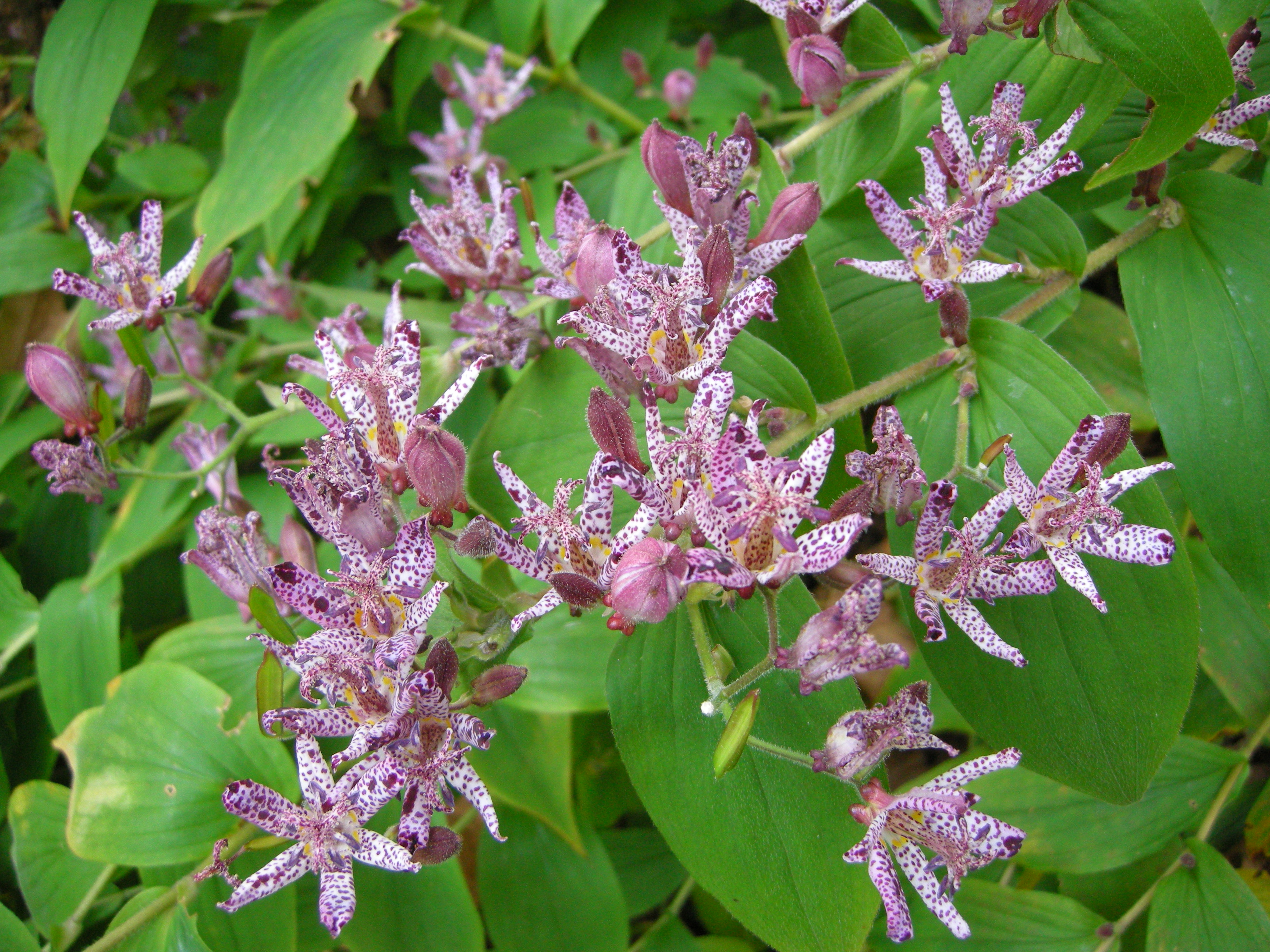
13. Tricyrtis (Toad Lily) 🐸 Tricyrtis hirta
Why it pairs perfectly: Exotic, orchid-like fall flowers in purple-spotted white provide late-season surprise amid hosta foliage.
Light/Soil/Water: Partial to full shade; moist, rich.
Height/Spread/Zones: 18–36 inches; Zones 4–8.
Design Tips: Plant toward the front for flower visibility.
Pro Tip: Protect from early frosts for extended bloom.
14. Anemone (Windflower) 💨 Anemone x hybrida or hupehensis
Why it pairs perfectly: Late summer/fall pink or white daisies on tall stems dance above hostas.
Light/Soil/Water: Partial shade; moist, well-drained.
Height/Spread/Zones: 24–48 inches; Zones 4–8.
Design Tips: ‘Honorine Jobert’ for white elegance.
Pro Tip: Can spread—site carefully.
15. Epimedium (Barrenwort) 🌼 Epimedium spp.
Why it pairs perfectly: Delicate spring flowers and heart-shaped leaves (often evergreen) for dry shade tolerance.
Light/Soil/Water: Full shade tolerant; average to dry once established.
Height/Spread/Zones: 8–12 inches; Zones 5–9.
Design Tips: Great under trees with hostas.
Pro Tip: Cut back old foliage in spring for fresh growth.
16. Rodgersia 🏔️ Rodgersia spp.
Why it pairs perfectly: Massive, bold leaves rival giant hostas for dramatic texture; creamy plumes in summer.
Light/Soil/Water: Partial shade; consistently moist.
Height/Spread/Zones: 3–5 feet; Zones 5–8.
Design Tips: Back-of-border statement plant.
Pro Tip: Needs space—perfect for large shade beds.
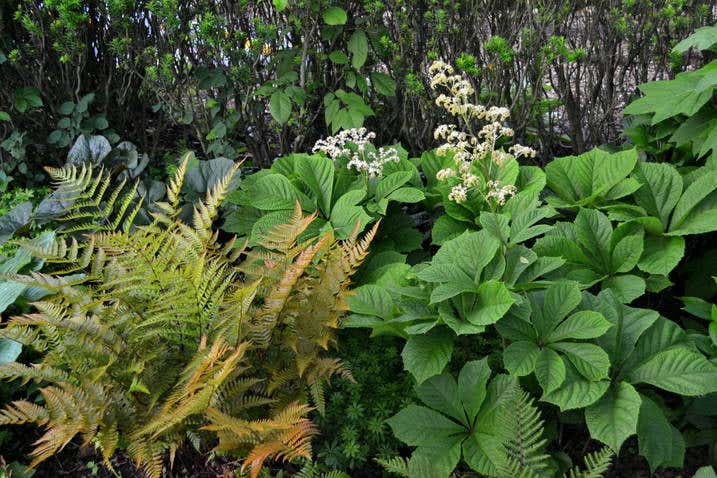
17. Ligularia (Rocket Ligularia) 🚀 Ligularia przewalskii or ‘The Rocket’
Why it pairs perfectly: Tall golden spikes and large leaves for bold vertical accent.
Light/Soil/Water: Partial shade; moist to wet soil.
Height/Spread/Zones: 4–6 feet; Zones 4–8.
Design Tips: Thrives in boggy spots hostas love.
Pro Tip: Protect from afternoon sun.
18. Kirengeshoma palmata 🌴
Why it pairs perfectly: Shuttlecock yellow fall flowers and maple-like leaves for exotic flair.
Light/Soil/Water: Partial to full shade; moist, acidic.
Height/Spread/Zones: 3–4 feet; Zones 5–8.
Design Tips: Unique late bloomer.
Pro Tip: Slow grower but reliable.
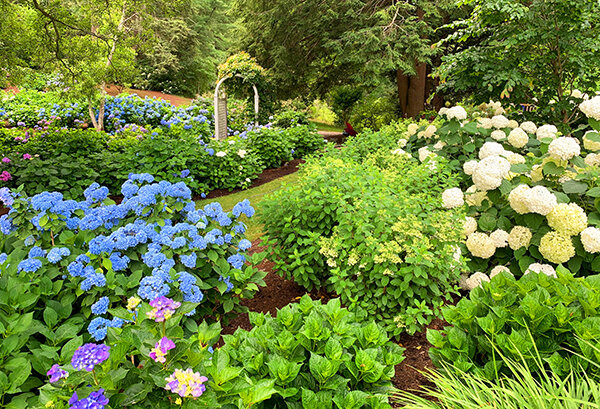
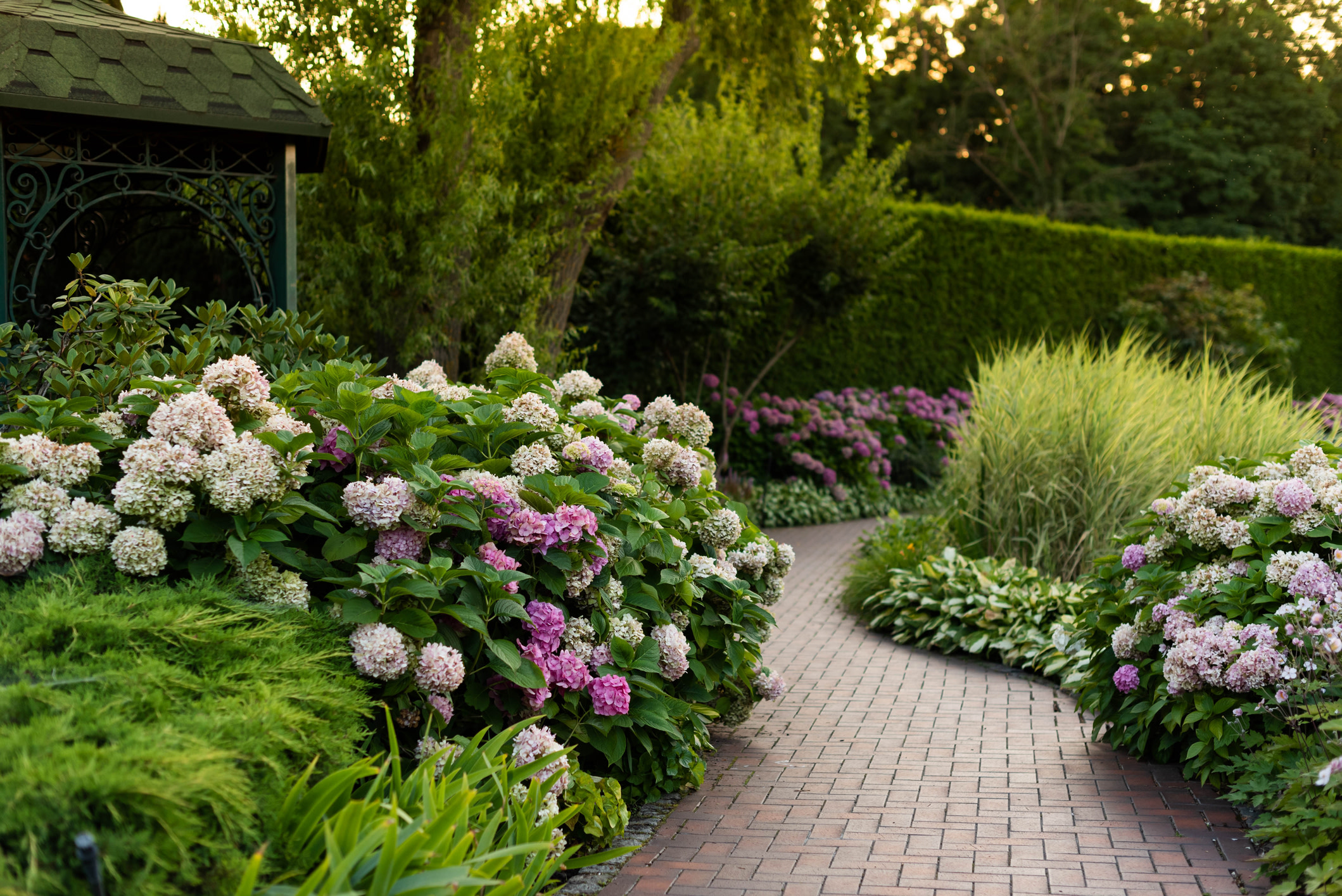
19. Hydrangea (shade-tolerant varieties like ‘Annabelle’) 💐 Hydrangea arborescens
Why it pairs perfectly: Huge white mopheads in summer atop hosta foliage for height and drama.
Light/Soil/Water: Partial shade; moist, rich.
Height/Spread/Zones: 3–5 feet; Zones 3–9.
Design Tips: ‘Annabelle’ or ‘Incrediball’ for reliable shade performance.
Pro Tip: Prune hard in spring for bigger blooms.
20. Calamintha nepeta (Lesser Calamint) 🌱
Why it pairs perfectly: Aromatic foliage and long-blooming lavender flowers attract pollinators from summer to frost.
Light/Soil/Water: Partial shade tolerant; well-drained.
Height/Spread/Zones: 12–18 inches; Zones 5–9.
Design Tips: Edge plantings for fragrance and bees.
Pro Tip: Shear mid-season for rebloom.
Stunning Hosta Companion Planting Combinations (Gallery Ideas) 🎨
Ready to put it all together? Here are seven expertly curated schemes I’ve used successfully in gardens—easy to adapt to your space.
- Cool Blue & Silver Theme 💙: Blue hostas (e.g., ‘Halcyon’) with Brunnera ‘Jack Frost’, Japanese Painted Fern, and Pulmonaria for a serene, shimmering look.
- Bold Texture Explosion 🏔️: Giant hostas paired with Rodgersia, Ligularia, and Hakonechloa for dramatic foliage contrasts.
- Spring-to-Fall Bloom Sequence 🌸: Bleeding Heart and Hellebores for early color, Astilbe mid-season, Toad Lily and Anemone for fall.
- Deer-Resistant Fortress 🦌: Lungwort, Lamium, Epimedium, and aromatic Calamintha to protect tasty hostas.
- Low-Maintenance Minimalist 🌿: Hostas with evergreen Heuchera, Ferns, and Solomon’s Seal—plant once and enjoy.
- Pollinator Paradise 🐝: Astilbe, Coral Bells spikes, and Calamint around hostas to draw bees and butterflies.
- Woodland Naturalistic 🪴: Foamflower groundcover, Solomon’s Seal arches, and Hydrangea backdrop for a forest-floor feel.
Planting & Care Tips for Long-Term Success 🛠️
Best Time to Plant Companions
Spring or early fall—avoid summer heat stress.
Spacing Guidelines
Give hostas 18–36 inches; companions 12–24 inches based on mature size.
Mulching and Watering Best Practices
2–3 inches organic mulch; deep weekly watering, especially first year.
Dividing and Maintenance Schedule
Divide hostas/companions every 4–5 years in spring; deadhead spent blooms.
Organic Pest Control for Shade Gardens 🐌
Beer traps for slugs, neem for mildew, encourage birds/frogs.
Common Problems & Expert Solutions ⚠️
- Slugs and Snails: Crushed eggshells, copper tape, or iron phosphate baits.
- Powdery Mildew: Improve airflow, avoid overhead watering.
- Overcrowding: Thin/divide promptly to maintain health.
Frequently Asked Questions (FAQs) ❓
What are the easiest hosta companions for beginners? Heuchera, Ferns, and Astilbe—forgiving and low-care.
Can I pair hostas with evergreens? Yes! Dwarf conifers or boxwood for winter structure.
Are there any companions that attract pollinators? Calamintha, Astilbe, and Heuchera spikes are magnets.
What if my shade is very dry? Epimedium, Lamium, and certain ferns thrive in drier conditions.
Do any of these companions spread aggressively? Ajuga and some Anemones—monitor or contain.
Best companions for variegated hostas vs. blue hostas? Variegated: Bold colors like purple Heuchera. Blue: Gold Hakonechloa or silver Brunnera.
Conclusion: Create Your Dream Shade Garden Today! 🌺
Thoughtful hosta companion plants transform ordinary shady spots into extraordinary, multi-season sanctuaries bursting with texture, color, and life. Whether you start with one perfect pairing or a full scheme, these proven combinations will reward you with years of low-maintenance beauty.
Experiment confidently—shade gardening is forgiving! Share your results in the comments or tag us with your photos. For more plant care tips, subscribe today. Your stunning shade garden awaits! ✨











