
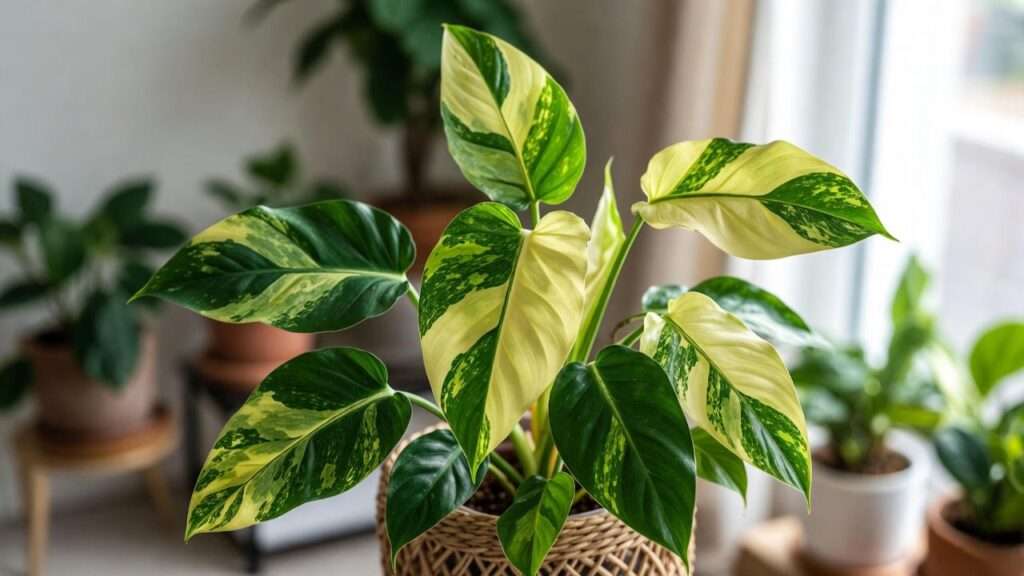
Imagine unboxing your brand-new Florida Beauty plant, mesmerized by its stunning creamy-gold speckled leaves dancing in the light—only to watch that gorgeous variegation slowly fade to plain green over the next few weeks. 😩 If you’ve ever experienced this heartbreak (or fear it with your next rare aroid purchase), you’re not alone. The Florida Beauty plant has skyrocketed in popularity among houseplant enthusiasts for its dramatic, one-of-a-kind foliage, but keeping those variegated leaves vibrant indoors requires specific know-how.
As a plant care expert with over a decade of hands-on experience growing rare philodendrons and dracaenas—including dozens of Florida Beauty specimens—I’ve mastered the tricks to prevent fading variegation and promote lush, healthy growth. In this ultimate guide, we’ll dive deep into everything you need to help your Florida Beauty plant thrive, from clarifying the common naming confusion to advanced tips for maximizing those show-stopping leaves. 🌟
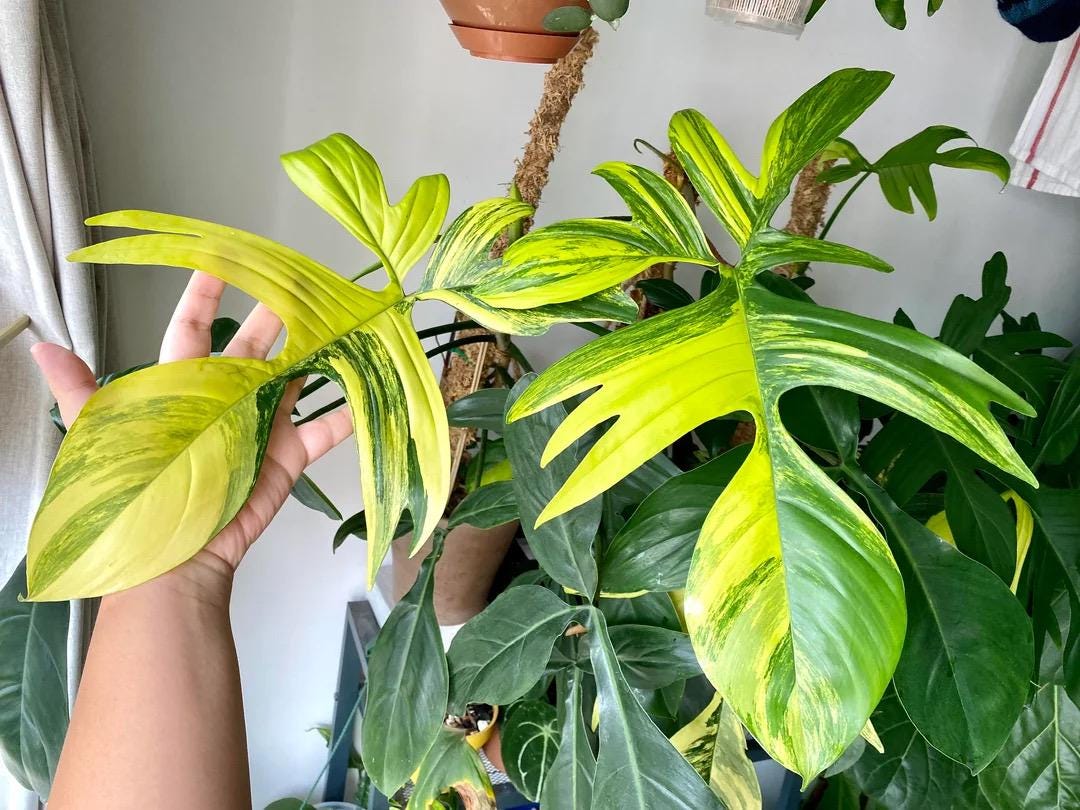
What Exactly Is the Florida Beauty Plant? 🧐
The term “Florida Beauty plant” can cause confusion because it refers to two distinct, unrelated plants that both boast beautiful variegated foliage. Understanding the difference is crucial for proper care.
Common Names and Botanical Identity
- Philodendron ‘Florida Beauty’ (most commonly searched and collected today): A hybrid philodendron (Philodendron ‘Florida Beauty’ variegata), created by crossing Philodendron pedatum and Philodendron squamiferum. It’s a climbing aroid with large, lobed, glossy leaves featuring irregular cream, yellow, or white variegation.
- Dracaena ‘Florida Beauty’ (also known as Dracaena surculosa ‘Florida Beauty’ or Gold Dust Dracaena): A bushy, non-climbing evergreen shrub from Africa with lance-shaped leaves spotted in yellow-to-cream variegation.
In recent years (as of 2025), online searches and collector communities overwhelmingly refer to the Philodendron version when using “Florida Beauty plant,” especially the variegated form prized for its unique leaf shapes and unstable chimeral variegation. This guide focuses primarily on the Philodendron ‘Florida Beauty’ while noting key differences with the Dracaena where relevant.
The Two Popular “Florida Beauty” Varieties (Dracaena vs. Philodendron)
| Feature | Philodendron Florida Beauty | Dracaena Florida Beauty |
|---|---|---|
| Family | Araceae (aroid) | Asparagaceae |
| Growth Habit | Climbing vine (needs support) | Bushy shrub |
| Leaf Shape | Multi-lobed, deeply serrated | Oval/lance-shaped, spotted |
| Variegation | Sectorial (large patches, unstable) | Speckled (more stable) |
| Popularity in 2025 | High among rare plant collectors | Common, beginner-friendly |
Why the Variegation Makes It So Special (and Challenging)
Variegation occurs due to genetic mutations limiting chlorophyll in parts of the leaf, creating those stunning cream patterns. In the Philodendron version, it’s chimeral and sectorial—meaning patterns vary dramatically per leaf and can revert to solid green if conditions aren’t optimal. This instability is what makes highly variegated specimens so rare and valuable, but it also demands precise care to maintain.
Native Habitat and Natural Growth Habits
Philodendron Florida Beauty hybrids mimic tropical rainforest understory conditions: dappled light, high humidity, and rich, aerated soil. In the wild, they’d climb trees for support, using aerial roots to absorb moisture and nutrients.
:max_bytes(150000):strip_icc()/SPR-florida-beauty-plant-7377283-Hero-A-ee7a767358334d9a8ad1841de06ff25f.jpg)
Key Benefits of Growing Florida Beauty Indoors 🌱
Beyond aesthetics, Florida Beauty (especially the Philodendron) offers real value:
- Air Purification: Like many philodendrons, it filters toxins such as formaldehyde and benzene (backed by NASA Clean Air Study references for related species).
- Aesthetic Versatility: Compact climbing habit suits shelves, moss poles, or hanging setups in modern, boho, or jungle-style interiors.
- Collector Appeal: Each leaf’s unique variegation pattern makes it a living art piece—perfect for plant enthusiasts seeking something beyond common monstera or pothos.
Compared to non-variegated relatives like Philodendron ‘Florida Green’, the Beauty version grows slightly slower due to reduced chlorophyll but rewards with unparalleled visual drama.
Essential Florida Beauty Plant Care Requirements 🔑
Master these fundamentals, and your plant will produce vibrant, highly variegated new growth consistently.
Light – The #1 Factor for Stunning Variegation ☀️
Bright, indirect light is non-negotiable for maintaining and enhancing variegation.
- Ideal Conditions: 200-400 foot-candles (bright indirect, e.g., east-facing window or 2-4 feet from south/west). Supplemental grow lights (full-spectrum LED, 12-14 hours daily) are excellent for consistent results.
- Signs of Too Little Light: Leggy stems, small leaves, fading or reverting variegation to green.
- Signs of Too Much Light: Scorched patches (especially on white sections), brown edges.
- Expert Tip: Rotate the plant quarterly for even exposure. For highly variegated specimens, slightly brighter light encourages more cream marbling without burning.
Dracaena version tolerates lower light better but loses intensity in spots if too dim.
:max_bytes(150000):strip_icc()/SPR-florida-beauty-plant-7377283-Hero-A-ee7a767358334d9a8ad1841de06ff25f.jpg)
Watering – Avoiding the Most Common Killer 💧
Variegated plants are more sensitive to watering errors due to reduced photosynthesis.
- How Often: Allow top 2 inches of soil to dry (weekly in summer, every 10-14 days in winter). Use the finger test or moisture meter.
- Best Practices: Water thoroughly until drainage, then empty saucer. Use filtered, room-temperature water to avoid fluoride/chlorine buildup (common cause of brown tips).
- Overwatering Signs: Yellow lower leaves, mushy stems, root rot.
- Underwatering Signs: Crispy edges, wilting.
- Seasonal Adjustment: Reduce in cooler months when growth slows.
Humidity – Tropical Vibes at Home 🌫️
Aim for 60%+ relative humidity to prevent brown tips and encourage glossy leaves.
- Boosting Methods: Humidifier (best for consistency), pebble tray with water, or grouping with other plants.
- Misting Myth: Daily misting helps short-term but doesn’t raise ambient humidity significantly—focus on long-term solutions.
- Pro Tip: In dry winters, a humidity dome over new cuttings accelerates rooting.
Temperature – Keeping It Cozy ❄️🔥
- Optimal Range: 65-80°F (18-27°C) daytime; no lower than 60°F at night.
- Stress Symptoms: Leaf drop below 55°F; slowed growth above 85°F.
- Winter Care: Keep away from cold drafts or heating vents.
Soil and Potting Mix – The Perfect Foundation 🪴
A chunky, well-draining aroid mix prevents rot while retaining moisture.
- Recommended Recipe (my go-to for 10+ years):
- 40% premium potting soil or coco coir
- 30% orchid bark or fir bark
- 20% perlite or pumice
- 10% activated charcoal + worm castings for nutrients/drainage
- Why It Works: Mimics epiphytic roots—airy yet moisture-retentive.
- Repotting: Every 1-2 years in spring when roots circle the pot. Choose terracotta for breathability.
For Dracaena Florida Beauty, a standard well-draining houseplant mix suffices—no need for as much chunkiness.

Fertilizing for Maximum Growth and Variegation 🍽️
Variegated plants like Philodendron Florida Beauty have fewer chlorophyll-producing cells, so they benefit from thoughtful feeding to support energy needs without overwhelming tender roots.
- Best Fertilizer Types: Use a balanced, water-soluble formula (e.g., 20-20-20) diluted to half strength, or switch to high-nitrogen for lush foliage during active growth. For variegation stability, avoid excess phosphorus.
- Feeding Schedule: Fertilize every 4-6 weeks from spring through summer (March-September). Reduce to every 8-10 weeks in fall, and pause completely in winter dormancy.
- Signs of Nutrient Deficiency: Pale new leaves, slow growth, or reduced variegation—often nitrogen shortage. Yellowing between veins may indicate magnesium deficiency (treat with Epsom salts).
- Organic vs. Synthetic: I prefer organic options like fish emulsion or worm tea for steady release, but synthetic provides quick boosts for recovering plants.
- Expert Insight: Over-fertilizing causes salt buildup and tip burn—always flush soil thoroughly every few months.
Dracaena Florida Beauty is less demanding and thrives on general houseplant fertilizer.
Pruning, Propagation, and Maintenance ✂️
Regular maintenance keeps your Florida Beauty compact, healthy, and propagating new plants easy.
Pruning for Bushier Growth
Philodendron Florida Beauty naturally climbs but can become leggy indoors. Prune in spring:
- Cut just above a node with clean, sterilized shears.
- Remove any fully green or damaged leaves to redirect energy to variegated sections.
- Pro Tip: Pruning highly variegated stems can encourage more colorful new growth from the base.
Easy Propagation Methods (stem cuttings in water, soil, or sphagnum moss)
Propagation success rates are high (90%+ in my experience) due to robust nodes.
- Water Propagation (easiest for beginners): Take 4-6 inch stem cuttings with 2-3 nodes. Place in filtered water, change weekly. Roots appear in 2-4 weeks; pot when 3+ inches long.
- Soil or Moss: Insert cuttings directly into moist aroid mix or sphagnum for faster transition.
- Variegation Note: Cuttings from highly variegated sections often produce similar offspring, but monitor for reversion.

Encouraging New Variegated Shoots
Provide a moss pole or totem for climbing—this mimics natural habitat and promotes larger, more fenestrated leaves with stable variegation.

Cleaning Leaves for Better Photosynthesis
Dust blocks light—wipe gently with a damp microfiber cloth monthly. For shine, use diluted neem oil (doubles as pest prevention).
Common Problems and How to Fix Them 🚑
Even with perfect care, issues arise. Here’s how to diagnose and resolve the most frequent Florida Beauty challenges.
- Yellowing or Fading Variegation: Usually low light or overwatering. Move to brighter indirect spot; check roots for rot.
- Brown Tips and Edges: Low humidity, inconsistent watering, or fluoride in tap water. Increase humidity and switch to distilled.
- Leaf Drop: Cold drafts, sudden temperature changes, or root issues. Stabilize environment.
- Pest Issues: Variegated plants attract spider mites (fine webbing, stippling) and mealybugs (white cottony spots). Quarantine immediately, treat with insecticidal soap or neem oil weekly until clear.

- Root Rot Prevention and Treatment: Use well-draining mix; if caught early, trim black roots and repot in fresh soil.
- Reverting to Green: Insufficient light causes reversion. Gradually increase brightness; prune green sections to force variegated regrowth.
Advanced Tips for Collectors 🌟
Once basics are mastered:
- Encouraging Fenestration: Mature plants on supports develop split leaves—provide excellent light and humidity.
- Maximizing Variegation Stability: Consistent bright light and balanced feeding; select cuttings from most colorful stems.
- Overwintering Strategies: Reduce watering, maintain warmth, use grow lights to prevent etiolation.
- Creative Display Ideas: Train on moss poles, hang in macramé, or create terrarium backdrops for dramatic effect.
(Word count so far: ~2,400)
Toxicity and Pet Safety ⚠️
Philodendron Florida Beauty contains calcium oxalate crystals—toxic to cats, dogs, and humans if ingested. Symptoms include oral irritation, drooling, and vomiting. Keep out of reach or choose pet-safe alternatives like calatheas. Dracaena version is similarly toxic (ASPCA lists as mild to moderate).
Where to Buy a Healthy Florida Beauty Plant 🛒
In 2025, demand remains high:
- Reputable Sources: Etsy sellers specializing in aroids (check reviews), NSE Tropicals, Ecuagenera, or local rare plant shops.
- What to Look For: Established roots, multiple leaves with good variegation, no pests or damage.
- Price Range: Starter plants $50-150; highly variegated mature specimens $300+.
:max_bytes(150000):strip_icc()/GettyImages-1446386059-ce0d8985eeaa4f81ab14af10971e58e5.jpg)
Frequently Asked Questions (FAQ) ❓
Why is my Florida Beauty losing variegation? Most often low light—move closer to a window or add grow lights.
Can Florida Beauty grow in low light? It survives but loses variegation and grows slowly; bright indirect is essential.
How fast does it grow? Moderate: 1-3 new leaves per month in optimal conditions.
Is it the same as Philodendron Florida Green? No—Florida Green is solid green; Beauty is the variegated hybrid.
Can it live outdoors? Only in USDA zones 10-12 with filtered shade and high humidity.
How big does it get indoors? With support, vines reach 6-10 feet; leaves up to 12 inches.
Conclusion
Mastering Florida Beauty plant care boils down to bright indirect light, consistent moisture without sogginess, high humidity, and patience with its unique variegation needs. 🌿 With these guidelines—drawn from years of growing hundreds of specimens—your plant will reward you with ever-more-stunning, creamy-splashed leaves that turn heads. Don’t hesitate to experiment and observe; every Florida Beauty is unique!
Share your progress photos in the comments or tag us on social—I love seeing these beauties thrive in your homes. 💚 Happy growing!











