
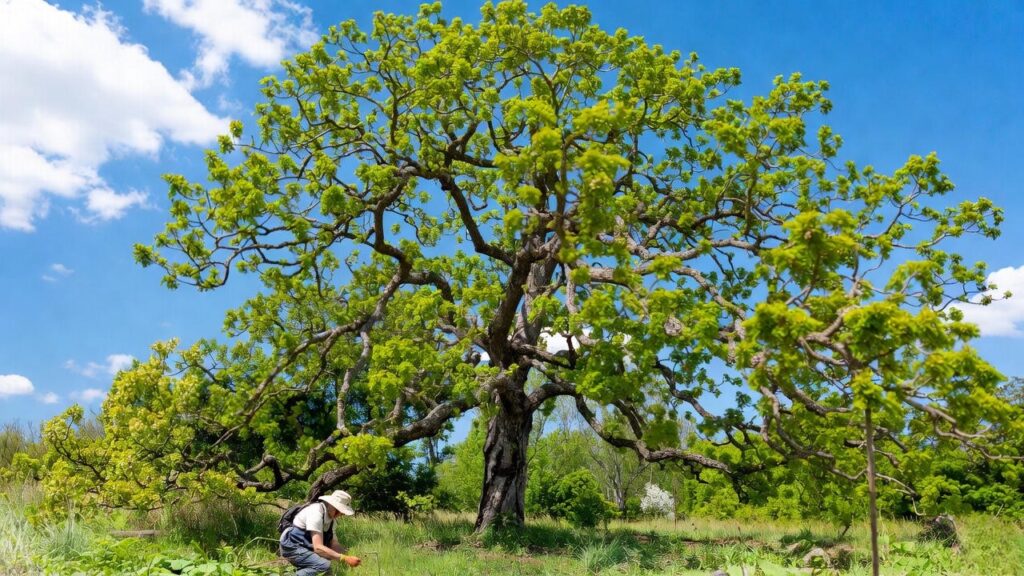
Imagine this: You plant a small oak sapling in your backyard, envisioning a towering shade tree where your family gathers for picnics decades from now. But years pass, and it seems barely taller than when you started. If you’ve ever wondered how fast do oak trees grow and whether your patience will pay off, you’re not alone. Many homeowners and gardeners share this frustration, dreaming of majestic oaks but facing slow progress.
The good news? Oaks do grow at varying rates depending on species, conditions, and care—typically 1 to 2 feet per year on average, with some faster varieties reaching up to 3 feet annually in ideal settings. This comprehensive guide dives deep into oak growth rates, compares popular species, and shares expert-backed tips to help your tree thrive. Whether you’re planning a landscape, restoring native habitat, or simply curious about these iconic trees, you’ll find actionable insights here to set realistic expectations and maximize growth. 🌱
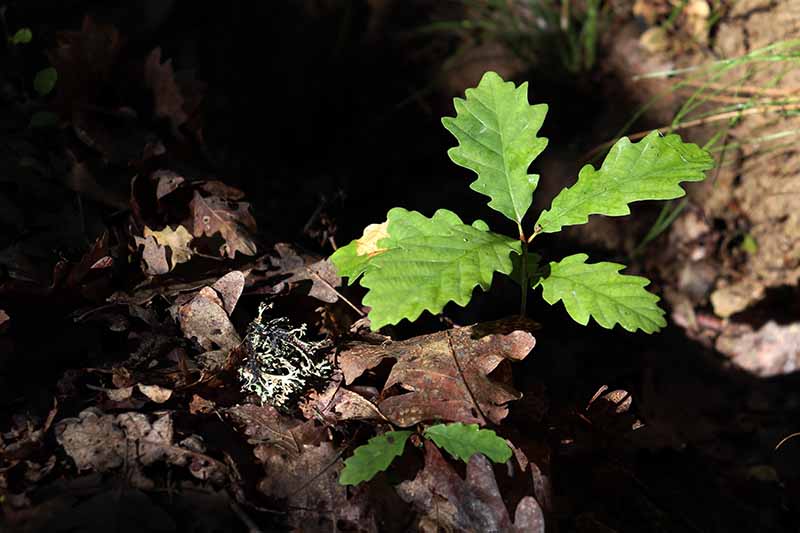
Understanding Oak Tree Growth Basics 🌿
Oak trees (genus Quercus) are renowned for longevity and strength, often living 200–600 years or more. But their growth isn’t uniform—it’s influenced by biology, environment, and human intervention.
What Influences How Fast an Oak Tree Grows?
Several key factors determine oak growth speed:
- Species: Red oaks generally grow faster than white oaks.
- Age: Juvenile trees grow quickest; maturity slows height gain but increases girth.
- Soil: Well-drained, nutrient-rich loamy soil promotes faster growth; poor, compacted, or alkaline soil stunts it.
- Climate and Location: Full sun (6+ hours daily), moderate moisture, and suitable USDA zones are essential.
- Water and Nutrients: Consistent moisture in youth; established trees are drought-tolerant.
- Sunlight and Competition: Open sites yield faster growth than shaded or crowded ones.
Growth phases include rapid early height increase, steady maturity, and slow old age focused on canopy spread and trunk thickening.
Average Annual Growth Rates for Oaks
Most oaks add 12–24 inches in height per year under good conditions, with trunk diameter growing 0.25–0.5 inches annually. Fast-growers can hit 2–3 feet yearly early on.
Here’s a visual timeline idea: From acorn to 50-foot tree often takes 50–100+ years, but faster species provide shade sooner.

How Fast Do Different Oak Species Grow? A Detailed Comparison 📊
Over 600 oak species exist worldwide, with about 90 native to North America. Growth rates divide broadly into red oak (faster) and white oak (slower) groups.
Fast-Growing Oak Species (Perfect for Quick Shade) ⚡
These provide noticeable progress in 10–20 years:
- Northern Red Oak (Quercus rubra): 2–3 feet/year early; matures 60–75 feet. Hardy in zones 3–8.
- Pin Oak (Quercus palustris): Up to 2+ feet/year; pyramidal shape, 60–70 feet tall. Zones 4–8.
- Willow Oak (Quercus phellos): 2 feet/year; slender leaves, 40–75 feet. Zones 5–9.
- Nuttall Oak (Quercus texana): Among fastest natives, 2–3+ feet/year; flood-tolerant, zones 6–9.
- Shumard Oak (Quercus shumardii): 2–3 feet/year; vibrant fall color, 50–80 feet.
Medium-Growing Oaks
Balanced speed and longevity:
- Scarlet Oak (Quercus coccinea): 1–2 feet/year.
- Black Oak (Quercus velutina): Similar medium pace.
Slow-Growing Oak Species (But Worth the Wait) 🐢
Iconic but patient-required:
- White Oak (Quercus alba): 12–18 inches/year; 50–80 feet, prized acorns. Zones 3–9.
- Bur Oak (Quercus macrocarpa): Often <1 foot/year; massive, drought-tolerant.
- Live Oak (Quercus virginiana): Slow height but wide spread (up to 80 feet); evergreen in South, zones 7–10.

Species Comparison Table
| Species | Avg. Height Growth/Year | Mature Height | Years to Maturity | Best USDA Zones |
|---|---|---|---|---|
| Northern Red Oak | 2–3 feet | 60–75 ft | 30–50 years | 3–8 |
| Pin Oak | 2+ feet | 60–70 ft | 30–40 years | 4–8 |
| Willow Oak | Up to 2 feet | 40–75 ft | 40–60 years | 5–9 |
| Nuttall Oak | 2–3+ feet | 60–80 ft | 30–50 years | 6–9 |
| White Oak | 12–18 inches | 50–80 ft | 50–100+ years | 3–9 |
| Bur Oak | <12 inches | 70–80 ft | 70+ years | 3–8 |
| Live Oak | 12–24 inches (height) | 40–80 ft | 50–100 years | 7–10 |
(Data compiled from university extensions, Arbor Day Foundation, and forestry studies.)
Growth Rate by Age: What to Expect Over Time ⏳
Oaks follow distinct phases:
Years 1–10: The Juvenile Sprint
Seedlings/saplings grow fastest—1–3 feet/year in optimal conditions. Focus on establishment.
Years 10–50: Steady Maturity Phase
Height slows to 1–2 feet/year; canopy widens, acorns begin (20–30 years for many).
50+ Years: Slow and Majestic
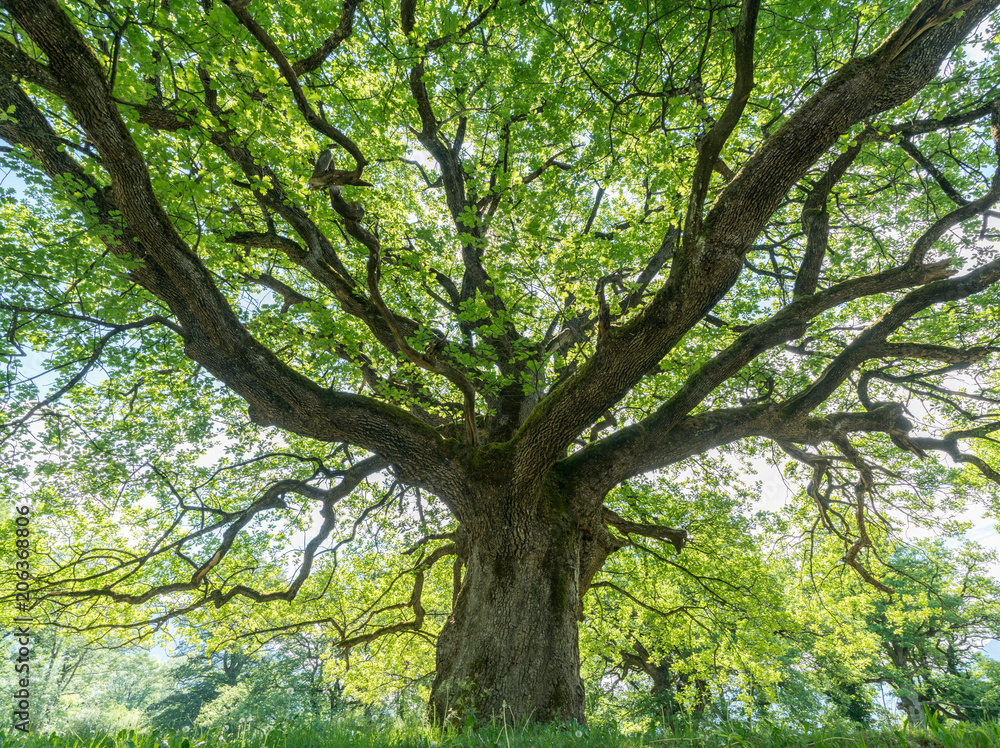
Height growth minimal; trunk thickens, lifespan extends centuries.
Real-world example: A red oak might reach 30–40 feet by year 20, providing initial shade, while white oaks lag at 20–25 feet.
Regional and Climate Impacts on Oak Growth 🌍
Location plays a massive role in oak tree growth rates. While genetics set the baseline, environmental conditions can accelerate or hinder progress significantly.
Best Climates for Faster Growth
Oaks thrive in temperate climates with distinct seasons, adequate rainfall (30–60 inches annually), and deep, fertile soils.
- Midwest and Northeast U.S.: Ideal for red and white oaks—consistent moisture and rich loamy soils promote 2+ feet/year in fast species.
- Southeast: Warmth and humidity boost willow and Nuttall oaks.
- Pacific Northwest: Mild temperatures suit some species, though excess rain can cause root issues without good drainage.
Refer to USDA Hardiness Zones for matching species to your area.

Challenges in Extreme Conditions (Drought, Cold, Poor Soil)
- Drought-Prone Areas (e.g., Southwest): Growth slows dramatically; choose drought-tolerant bur or live oaks.
- Extreme Cold (below zone minima): Frost damage kills young trees.
- Poor Soil (clay, sand, high pH): Compaction or nutrient deficiency limits roots—amend with organics.
University extensions recommend soil tests before planting to address limitations early.
How to Make Your Oak Tree Grow Faster: Proven Care Tips 🚀
While you can’t change genetics, proper care can add 20–50% to annual growth in early years. As a certified arborist with over 15 years advising on tree care, I’ve seen well-managed oaks outperform neglected ones dramatically.
Site Selection and Planting Best Practices
“Right tree, right place” prevents stunted growth:
- Choose full sun and space for mature size (50–100 feet spread for many).
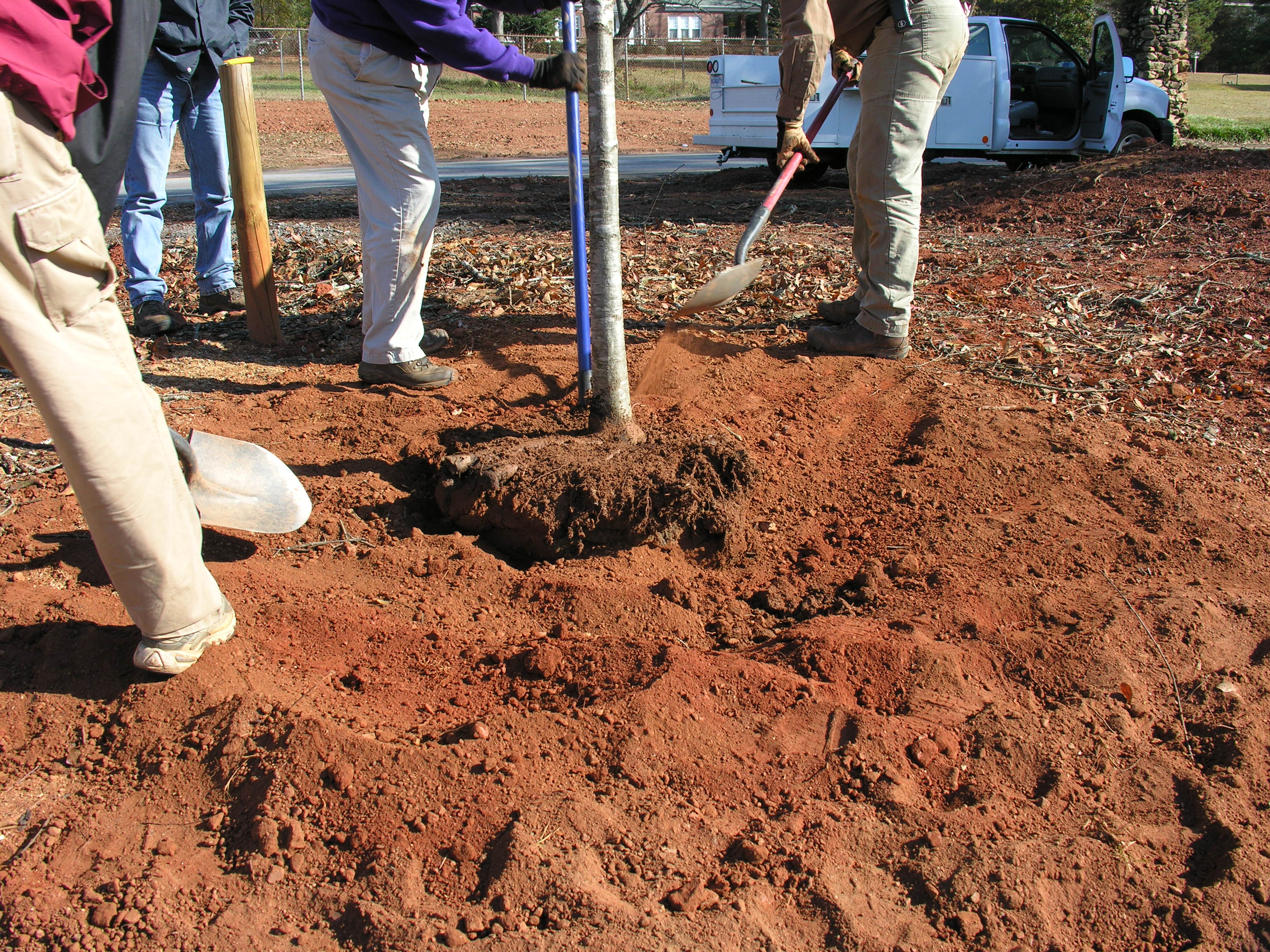
- Dig wide, shallow holes (2–3x root ball width, same depth).
- Avoid burying the root flare—common error causing girdling roots.
Soil Preparation and Fertilization
Oaks prefer slightly acidic to neutral pH (5.5–7.0). Test soil and amend with compost for drainage/nutrients. Avoid heavy nitrogen early—encourages weak shoots over roots.
Watering Strategies for Young vs. Established Trees 💧
- Young Trees (1–5 years): Deep, infrequent watering (10–20 gallons weekly in dry periods) to encourage deep roots.
- Established: Drought-tolerant once rooted (3–5 years); supplemental in extreme dry spells.
Use soaker hoses or slow drip for efficiency.

Pruning for Optimal Growth
Prune young oaks to establish strong structure—remove crossing branches, co-dominants. Avoid oak wilt season (spring in many areas). Mature pruning focuses on deadwood.

Mulching, Weed Control, and Pest Management
Apply 3–4 inches organic mulch in a wide ring (keep off trunk to prevent rot). Controls weeds, retains moisture. Monitor for pests like oak borers or anthracnose—early intervention key.
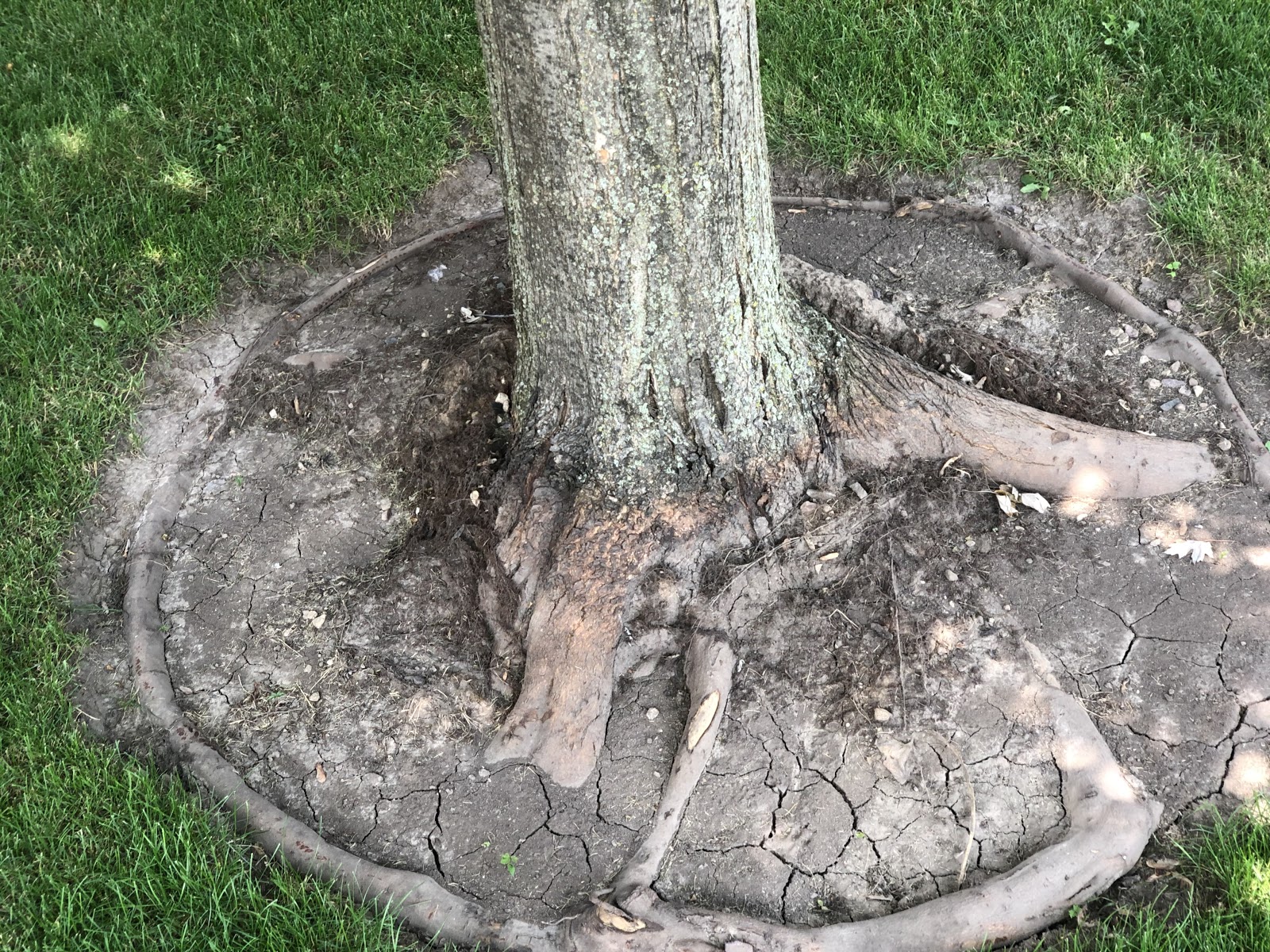
Common Mistakes That Stunt Growth (And How to Avoid Them) ⚠️
- Overwatering → root rot.
- Planting too deep.
- Excessive fertilizer.
- Ignoring competition from grass/lawns.
Realistic Timelines: When Will Your Oak Provide Shade? 🏡
- Fast Species (e.g., red oak): Usable shade in 15–25 years (20–30 feet tall).
- Medium: 25–40 years.
- Slow (white oak): 40–60+ years for full canopy.
Compare to quicker alternatives like maples (10–20 years shade) if time is critical—but oaks offer unmatched durability and ecological value.

Expert Insights & Myth Busting 🔍
Myth: “Oaks grow too slowly for modern landscapes.” Reality: Select faster species and provide optimal care—many reach shade-providing size in a homeowner’s lifetime.
Myth: “More fertilizer = faster growth.” Over-fertilizing causes lush but weak growth, prone to pests.
Expert view (from International Society of Arboriculture and USDA Forest Service): Oaks sequester massive carbon, support 500+ wildlife species, and increase property values 10–20%. Their “slow” growth builds resilient wood unmatched by fast-growers.
Frequently Asked Questions (FAQ) ❓
How fast do oak trees grow in pots or containers? Limited—roots circle quickly, stunting to <6 inches/year. Best for 1–2 years max before ground planting.
Which oak grows the fastest in [common regions]?
- Texas/South: Nuttall or Shumard.
- California: Coast live oak (adapted).
- Midwest: Northern red or pin oak.
Can I speed up oak growth without harming the tree? Yes—proper site, watering, mulching, and early pruning add 20–50% speed safely.
How long until an oak produces acorns? 20–50 years typically; faster species sooner.
Are there hybrid oaks bred for faster growth? Yes, like ‘Heritage’ (English x bur) or sawtooth hybrids—check local nurseries for availability.
Conclusion 🌳❤️
Understanding how fast oak trees grow empowers better decisions: Choose species matching your timeline and site, commit to early care, and enjoy lifelong rewards. While not the quickest shade providers, oaks offer unmatched beauty, strength, and ecological benefits.
Plant with purpose, care patiently, and your oak will reward generations. Share your experiences below—what oak are you growing? 🌱











