
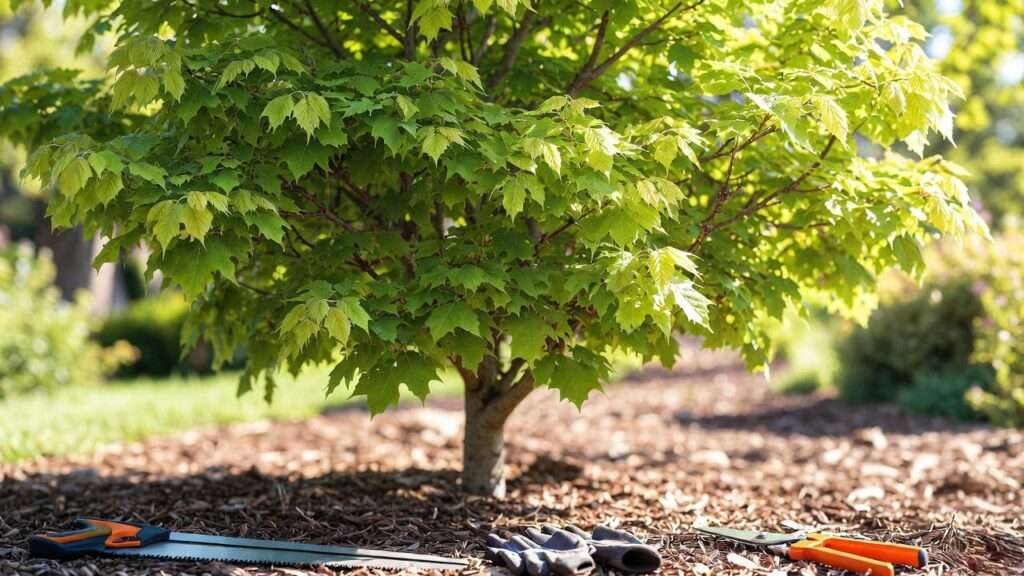
Imagine stepping into your yard on a crisp spring morning, only to see your beloved maple tree struggling—leaves curling at the edges, branches wilting under the emerging sun, or worse, patches of brown scorch from last summer’s heat lingering into the new season. For many homeowners, this heartbreaking sight signals that something went wrong during the critical transition from spring growth to summer stress. But it doesn’t have to be this way. With targeted maple tree summer spring care, you can ensure your tree bursts with vibrant new foliage in spring and maintains a lush, healthy canopy all summer long, rewarding you with stunning fall color and years of shade.
As a certified arborist with over 15 years of experience in tree care—drawing from guidelines by university extensions like the University of Minnesota, Purdue, and Cornell—I’ve helped countless gardeners prevent these issues. This comprehensive guide goes beyond basic advice, providing actionable, science-backed strategies to address the real challenges maples face during these vulnerable seasons. Whether you have a classic red maple, elegant Japanese maple, or sturdy sugar maple, you’ll learn how to support explosive spring growth while protecting against summer heat, drought, pests, and diseases.
By the end, you’ll have a seasonal plan that keeps your maple thriving, preventing common problems like leaf scorch, anthracnose, and nutrient deficiencies. Let’s dive in and give your tree the expert care it deserves! 🌸☀️
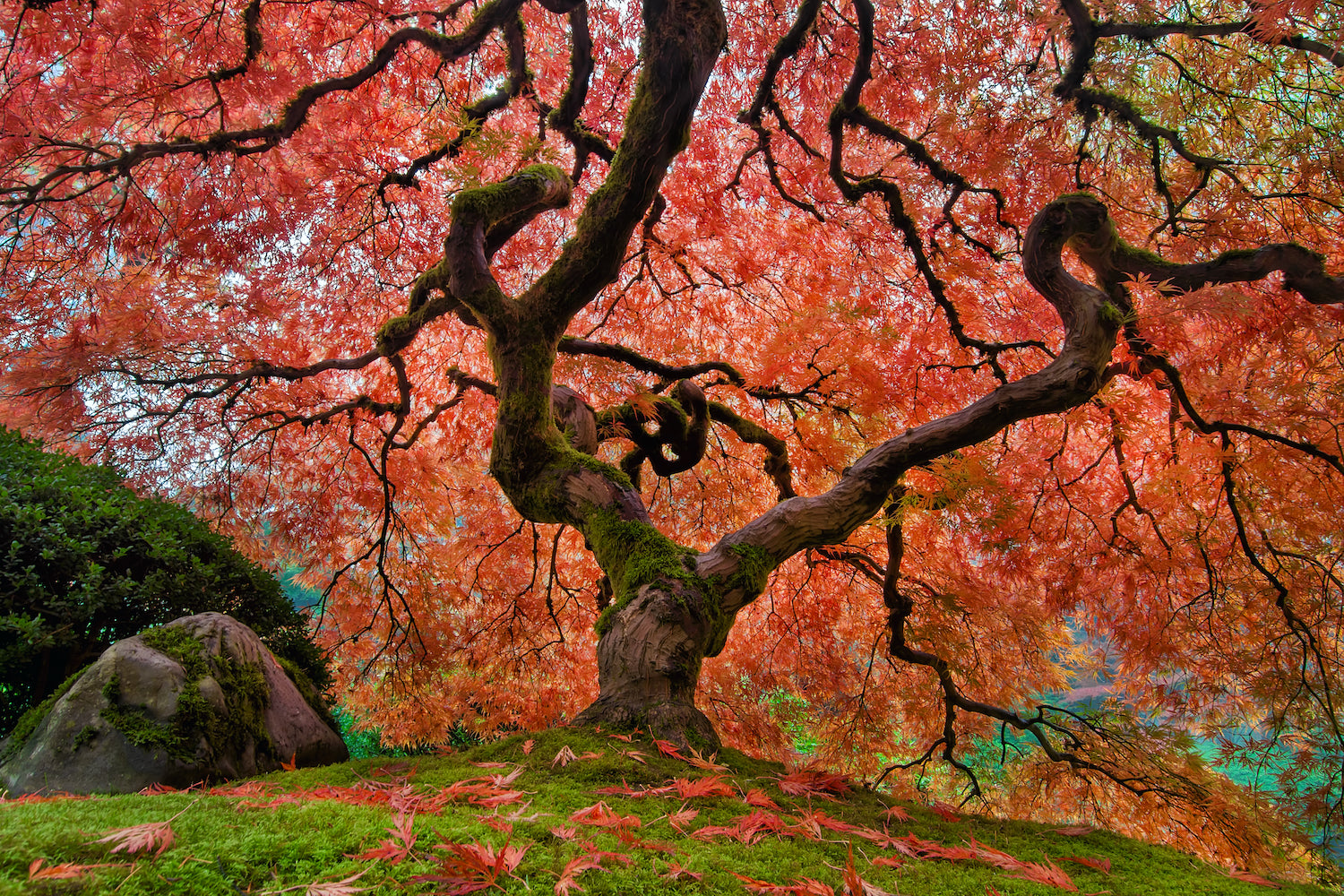
Understanding Maple Tree Seasonal Needs 🌱
Maple trees (Acer species) are dynamic, responding dramatically to seasonal changes. Spring and summer are pivotal: spring fuels rapid bud break, leaf expansion, and root development, while summer demands peak energy for photosynthesis amid rising temperatures and potential drought.
Why Spring and Summer Are Make-or-Break Seasons for Maples
In spring, maples awaken from dormancy with explosive growth. Species like red maple (Acer rubrum) often flower early, providing vital nectar for pollinators, followed by new leaves that can emerge red-tinged before turning green. This period sets the foundation—if stressed by late frosts or poor soil, growth suffers all year.
Summer shifts to maintenance mode: full canopies transpire massive water volumes (a mature maple can lose hundreds of gallons daily in heat), making them vulnerable to stress. Without proper care, issues compound, leading to weakened trees prone to decline.
Key differences among common species influence care:
- Red Maple (Acer rubrum): Adaptable native, fast-growing, thrives in wet to dry soils but sensitive to high pH (chlorosis risk).
- Sugar Maple (Acer saccharum): Iconic for syrup, prefers cool, moist conditions; struggles in heat/drought.
- Japanese Maple (Acer palmatum): Ornamental favorite, delicate lace-leaf varieties need protection from intense sun and wind.
- Silver Maple (Acer saccharinum): Rapid growth, brittle wood; tolerant of poor soils but prone to surface roots.
- Norway Maple (Acer platanoides): Invasive in some areas, dense shade; similar care but monitor spread.
Understanding your species (check leaves, bark, and samaras) tailors care for optimal health.
Common Problems Maples Face in Spring and Summer 😟
- Leaf Scorch and Sunscald: Brown, crispy edges from heat/drought; common in summer on thin-barked young trees or Japanese maples in full sun.
- Anthracnose and Tar Spot: Fungal diseases causing spots/blotches; wet springs spread spores.
- Verticillium Wilt: Soil-borne fungus blocking water; symptoms mid-summer (wilting branches).
- Pests like Aphids, Scale, and Borers: Sap-suckers cause honeydew/sooty mold; borers exploit stressed trees.
- Chlorosis: Yellow leaves from iron/manganese deficiency in alkaline soils.
- Over/Under-Watering: Root rot in wet conditions or drought stress in dry.
Early intervention prevents escalation—healthy trees resist better.

Spring Care Essentials for a Strong Start 🌷
Spring is prime for proactive maintenance, setting up summer success.
Timing Your Spring Maintenance Perfectly
Start when soil temperatures reach 45–50°F (typically early spring by zone). Watch bud swell—red maples leaf early, sugar later. Adjust for USDA zones 3–9; southern trees break dormancy sooner.
Pruning Best Practices in Spring
Pruning timing varies: for bleeding species (sugar, red), late winter/early spring before heavy sap flow minimizes “bleeding” (unsightly but harmless). Japanese maples prefer summer to avoid sap.
Focus on:
- Removing dead, damaged, diseased, or crossing branches.
- Thinning for airflow/light penetration.
- Shaping young trees for strong structure.
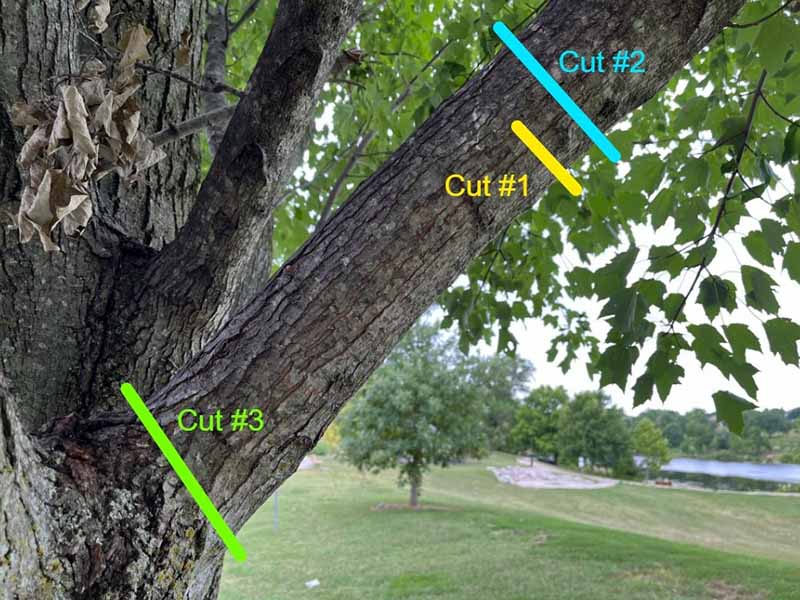
Use the three-cut method for large branches to prevent tearing:
- Undercut 12–18 inches from trunk.
- Top cut further out to drop branch.
- Final collar cut.
Tools: Sharp bypass pruners/loppers; sterilize between cuts.
Avoid: Topping, over-pruning (>25% canopy), or summer major cuts (disease risk).
Fertilizing in Spring: Do’s and Don’ts
Test soil first (extensions offer kits). Maples prefer slightly acidic pH (5.5–6.5); amend high pH with sulfur.
Use slow-release, balanced fertilizer (e.g., 10-10-10) or organic compost in early spring. Avoid high-nitrogen late (promotes weak growth).
Signs of need: Pale leaves, slow growth. Don’t fertilize stressed/drought trees—fix water first.
Watering Newly Awakened Maples
Deep, infrequent watering encourages roots. Newly planted: 10–20 gallons weekly. Established: Supplemental if <1 inch rain/week.
Mulch 2–4 inches organic (wood chips), keeping away from trunk to prevent rot.
Summer Care Strategies to Beat the Heat ☀️💦
Summer tests maples—heat, drought, pests peak.
Watering Deeply and Wisely in Summer
Established maples need deep soaks (1–2 inches weekly during dry spells). Young/transplanted: More frequent.
Signs of drought: Wilting, curling/scorching leaves.
Best: Morning watering, soaker hoses/drip irrigation. Avoid shallow sprinklers.
Pro tip: Collect rainwater for acidic-loving species 🌧️.
Protecting Maples from Summer Sun and Heat Stress
Refresh mulch to 3–4 inches, wide ring (to dripline if possible). No “volcano” mulching—pile against trunk causes rot!
Young/thin-barked: Wrap trunks or provide temporary shade.
Anti-desiccants (for evergreens mostly, but some use on maples) reduce transpiration.
Japanese maples: Afternoon shade crucial to prevent scorch.
Pest and Disease Management in Warm Weather
Integrated Pest Management (IPM):
- Aphids/Scale: Hose off or insecticidal soap; beneficial insects help.
- Borers: Healthy trees resist; monitor flatheaded signs.
- Fungal (Anthracnose, Tar Spot): Rake leaves; fungicides if severe (copper-based early).
Identify early: Sticky honeydew, spotted leaves, wilting.
Ongoing Summer Pruning and Maintenance
Light only: Remove suckers, water sprouts, minor deadwood. Major pruning risks disease.
Year-Round Support That Pays Off in Spring and Summer 🍂
While spring and summer demand specific attention, long-term habits build resilience. Healthy soil and smart variety selection prevent many seasonal headaches.
Soil Health: The Foundation of Seasonal Success
Maples thrive in well-drained, loamy soil rich in organic matter. Poor soil amplifies spring flush failures or summer drought stress.
Key practices:
- Test and Amend Annually — Aim for pH 5.5–6.5 (sugar/Japanese maples especially). Alkaline soils cause chlorosis—apply chelated iron or sulfur gradually.
- Improve Drainage and Aeration — Compacted clay? Incorporate organic compost 4–6 inches deep around the root zone (avoid trunk).
- Mulching Year-Round — 3–4 inch layer of shredded hardwood or leaves retains moisture, moderates temperature, and feeds soil microbes. Refresh annually.
Exposed roots common in mature maples—cover lightly with soil/topdress, never pile mulch against trunk.
Choosing the Right Maple for Your Climate
Prevention starts at planting. Match species/cultivars to conditions for fewer spring/summer issues.
| Species/Cultivar | Heat/Drought Tolerance | Notes for Spring & Summer Care |
|---|---|---|
| Red Maple (Acer rubrum) | High | Adaptable; cultivars like ‘October Glory’ handle heat well. |
| Sugar Maple (Acer saccharum) | Low | Prefers cool climates; struggles in hot summers—extra water needed. |
| Japanese Maple (Acer palmatum) | Moderate (varies) | Lace-leaf types scorch easily; choose ‘Emperor I’ for sun tolerance. |
| Silver Maple (Acer saccharinum) | High | Fast-growing but weak wood; avoid windy/hot sites. |
:strip_icc()/Maple-Template-final-34ce004e96f44745a974862221b8c6a7.jpg)
Expert Tips & Troubleshooting 🛠️✨
Seasonal Care Checklist
Spring Tasks 🌷
- Prune before bud break ✓
- Fertilize after soil test ✓
- Deep water emerging growth ✓
- Monitor for early pests/frost damage ✓
Summer Tasks ☀️
- Water deeply during dry spells ✓
- Refresh mulch layer ✓
- Inspect weekly for scorch/pests ✓
- Light pruning only (suckers/deadwood) ✓
How to Revive a Stressed Maple
- Assess: Drought? Pests? Soil issue?
- Water deeply but slowly.
- Add mulch and organic matter.
- Avoid fertilizer until recovery.
- Prune damaged parts in dormant season.
Success story: A client’s 20-year red maple showed severe summer scorch yearly. Soil test revealed compaction and high pH. We aerated, amended with sulfur/compost, and installed drip irrigation—three years later, full canopy with no scorch!

When to Call a Certified Arborist
Red flags:
- Large dead branches or canopy dieback
- Oozing wounds or fungal brackets
- Leaning or root damage
- Persistent decline despite care
Early professional intervention saves trees (and money).

Frequently Asked Questions (FAQ) ❓
When is the best time to prune a maple tree? Late winter to early spring (before sap rises heavily) for most; summer for Japanese maples to shape and avoid bleeding.
Why are my maple leaves turning brown in summer? Likely leaf scorch from drought, heat, or root issues. Increase deep watering and mulch.
How often should I water a mature maple tree in hot weather? Supplemental 1–2 inches weekly if rainfall is low; focus on deep, infrequent soaks.
Can I plant a maple tree in spring or is fall better? Fall preferred for root establishment, but spring works with consistent watering.
Are Japanese maples harder to care for in summer? Yes—more prone to scorch. Provide afternoon shade and consistent moisture.
What’s the difference between spring and summer fertilizer needs? Spring: Slow-release to support growth. Summer: Avoid high-nitrogen to prevent weak, pest-prone shoots.
Conclusion: Your Maple’s Best Seasons Yet 🌳❤️
Mastering maple tree summer spring care transforms potential problems into predictable beauty. From timely pruning and deep watering to soil health and variety selection, these expert strategies—backed by arborist experience and university research—ensure vibrant growth, resilient canopies, and spectacular fall displays.
Observe your tree weekly, act early, and enjoy the rewards: cooling shade in summer, fiery color in autumn, and a legacy for generations.
Bookmark this guide, implement the checklists, and share your progress—I’d love to hear your success stories! Your maple will thank you with decades of thriving beauty. 🍁✨
This completes the full article. Thank you for reading—happy gardening! 🌿











