
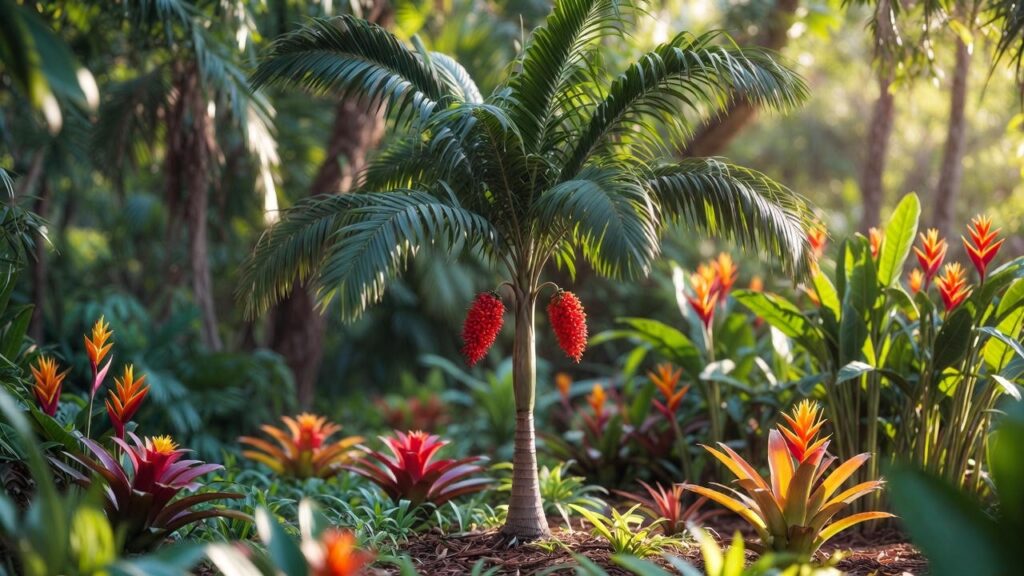
Imagine stepping into your backyard and being greeted by a tall, slender palm with gracefully arching fronds swaying in the warm breeze, instantly evoking the serene beauty of a South Pacific island paradise. That’s the magic of the Montgomery palm tree (scientifically known as Veitchia arecina, previously classified under Veitchia montgomeryana). This elegant, fast-growing ornamental palm is rapidly becoming a favorite among homeowners and landscapers in tropical and subtropical regions for its refined appearance, manageable size, and relatively straightforward care requirements.
Whether you’re a novice gardener aspiring to create a lush tropical oasis or a seasoned plant enthusiast seeking to add sophisticated height and texture to your landscape, mastering the care of the Montgomery palm tree will reward you with years of vibrant, healthy growth. In this comprehensive guide, drawn from horticultural expertise, botanical research, and real-world cultivation experiences in places like Florida’s nurseries and botanical gardens, we’ll dive deep into everything you need to know—from identification and planting to ongoing maintenance, troubleshooting common issues, and creative landscaping ideas. Let’s unlock the secrets to helping your Montgomery palm thrive! 🌺
Getting to Know the Montgomery Palm Tree: Characteristics and Origins 🏝️
The Montgomery palm tree earns its common name in honor of the Montgomery Botanical Center in Florida, where it has been prominently featured in collections. Botanically, it’s now classified as Veitchia arecina, a synonym that reflects recent taxonomic updates combining it with related species from Vanuatu.
Botanical Overview and Common Names
This solitary, pinnate-leaved palm stands out for its clean, formal look. Key identifying features include:
- Height: Typically 25–35 feet (8–10 meters) in cultivation, though it can reach up to 50–80 feet in its native habitat under ideal conditions.
- Trunk: Slender, smooth gray trunk, 8–12 inches in diameter, often ringed with attractive leaf scars and slightly bulging at the base.
- Crownshaft: A distinctive pale green to whitish or cream-colored crownshaft, sometimes speckled with dark scales or “black fuzz,” adding unique texture.
- Fronds: 8–10 arching, feathery leaves per crown, each up to 10 feet long, with drooping, deep green leaflets that have premorse (slightly torn-looking) tips.
- Flowers and Fruit: Creamy white to yellow inflorescences below the crownshaft, followed by bright red, oval fruits (about 1 inch long) that are ornamental but not edible for humans (toxic to pets if ingested).
Often confused with the similar Christmas palm (Adonidia merrillii), the Montgomery palm grows taller, has drooping rather than V-shaped leaflets, and features a more prominent, fuzzy crownshaft.
Native Habitat and Why It Thrives in Tropical Settings
Endemic to the lowland rainforests of Vanuatu (particularly islands like Espiritu Santo, Malo, and Aore), the Montgomery palm naturally grows in humid, shaded understories with consistent rainfall and rich, well-drained soil. This background explains its preference for warm, moist environments—making it ideal for USDA hardiness zones 10b–11, where minimum temperatures stay above 30–35°F (-1–2°C). In these conditions, it mimics its Pacific origins, growing moderately fast (1–2 feet per year once established) and providing that coveted tropical elegance.
Expert insight from collections at Fairchild Tropical Botanic Garden and Montgomery Botanical Center highlights its adaptability to cultivated landscapes when key needs are met.
Ideal Growing Conditions for Your Montgomery Palm 🌞
Success with the Montgomery palm starts with replicating its native rainforest vibe as closely as possible.
Light Requirements
- Prefers full sun to partial shade for best growth and foliage color.
- Mature specimens thrive with at least 6 hours of direct sunlight daily.
- Young palms or those in hotter climates benefit from afternoon shade to prevent leaflet scorch.
- Pro Tip 🌟: In coastal areas, it tolerates bright, reflected light well, enhancing its glossy fronds.
Soil Preferences
- Well-drained, fertile soil is essential—avoid heavy clay that retains water.
- Ideal pH: Slightly acidic to neutral (6.0–7.5).
- Amend poor soils with organic compost, sand, or palm-specific mixes to improve drainage and nutrient retention.
- In sandy Florida soils, it performs exceptionally well without frequent deficiencies.
Temperature and Humidity Needs
- Optimal in warm, humid climates (50–80% humidity).
- Cold hardiness: Tolerates brief dips to 30°F, but prolonged cold causes leaf browning or damage—protect with covers in zone 10a or marginal areas.
- Expert Insight: In regions like Southwest Florida, it recovers quickly from mild frosts, making it more resilient than many tropical palms.
Watering Guidelines
- Consistent moisture without waterlogging is crucial—keep soil evenly moist, especially for young plants.
- Established palms are moderately drought-tolerant but look best with regular deep watering (1–2 inches weekly during dry periods).
- Mulch with organic material (kept 4–6 inches from the trunk) to retain moisture and suppress weeds.
- Warning ⚠️: Overwatering leads to root rot, a common killer—ensure excellent drainage.
Step-by-Step Planting Guide for Success 🛠️
Getting your Montgomery palm tree off to a strong start is crucial for long-term health and beauty. Proper planting techniques prevent common issues like transplant shock or poor root establishment.
When and Where to Plant
The best time to plant a Montgomery palm is during the warm, rainy season—typically late spring through summer in zones 10b-11. This allows roots to establish before cooler weather arrives. Avoid planting during winter or extreme heat waves.
Site selection is key: Choose a location with plenty of space for its mature size (25-35 feet tall and 10-15 feet wide canopy). Ideal spots include:
- Along driveways or walkways for elegant lining.
- As a focal point in lawns or gardens.
- Poolside (it’s salt-tolerant to some degree). Space multiple palms 10-15 feet apart for specimens or closer (8-10 feet) for informal hedging.
Planting Instructions
Follow these expert-recommended steps for optimal results:
- Prepare the Hole: Dig a hole twice as wide as the root ball and slightly shallower than its depth. This encourages lateral root growth.
- Amend the Soil: Mix native soil 50/50 with organic compost or palm planting mix to boost fertility and drainage.
- Position the Palm: Remove the palm from its container carefully. Place it in the hole so the top of the root ball is level with or slightly above ground level—never bury the crown.
- Backfill and Water: Fill around the roots, tamp gently to remove air pockets, then water deeply to settle the soil.
- Mulch and Stake: Apply 3-4 inches of organic mulch (e.g., bark or wood chips) in a 3-foot diameter ring, keeping it away from the trunk. Stake young palms in windy areas using two stakes and soft ties for the first 6-12 months.
Pro Tip 🌟: Water daily for the first two weeks, then taper to 2-3 times weekly until established (about 6 months).
Container Growing for Patios and Indoors
Montgomery palms shine as container plants when young (up to 10-15 feet), perfect for patios, balconies, or bright indoor spaces in cooler climates.
- Select a large, heavy pot (at least 20-30 gallons for stability) with drainage holes.
- Use a high-quality palm or citrus potting mix for excellent drainage.
- Place in bright, indirect light indoors or full sun outdoors.
- Water when the top 2 inches of soil feel dry; fertilize monthly during growth season.
- Repot every 2-3 years or when roots circle the bottom.
Expert Insight: In non-tropical areas, overwinter indoors near a south-facing window with supplemental humidity from a pebble tray.
Ongoing Maintenance and Fertilization 🍽️
Consistent care keeps your Montgomery palm looking pristine and prevents deficiencies common in palms.
Fertilizing Schedule
Palms like the Montgomery are heavy feeders, especially of potassium, magnesium, and micronutrients. Use a slow-release palm-specific fertilizer with an N-P-K ratio like 8-2-12 or 12-4-12, including manganese, iron, and boron.
- Apply 3-4 times per year: Early spring, late spring, summer, and early fall.
- Rate: 1-2 pounds per tree for young palms, up to 5-10 pounds for mature ones, spread evenly under the canopy.
- Water thoroughly after application.
Avoid generic lawn fertilizers—they often lack essential micros and can cause imbalances.
Pruning and Grooming
Pruning enhances appearance and health but should be minimal.
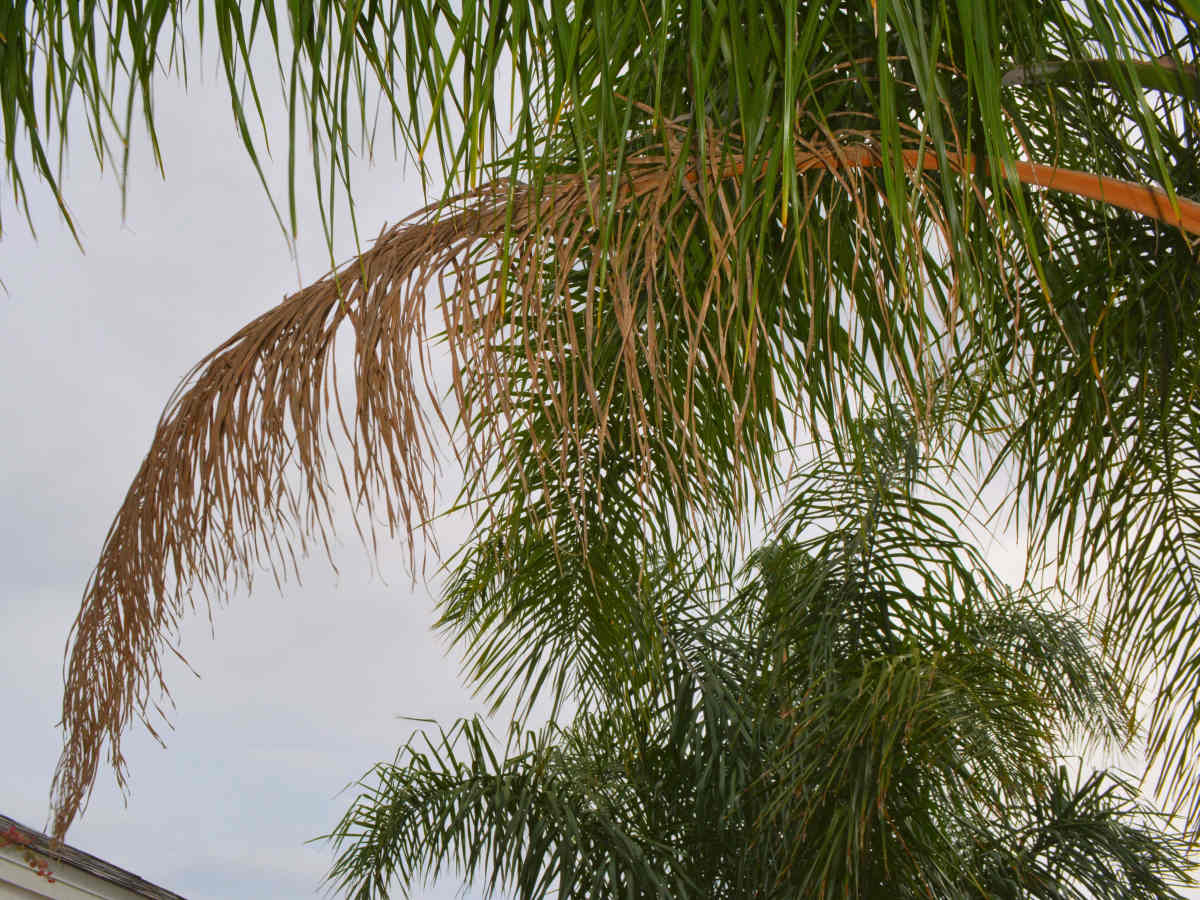
- Remove only completely brown or dead fronds—cut close to the trunk with sharp, sterilized tools.
- Never remove green fronds, even if partially yellow; this stresses the palm and can lead to “pencil pointing” (tapering trunk).
- Clean the crownshaft sparingly; avoid climbing spikes that wound the trunk.
Best time: Anytime, but preferably dry weather to prevent fungal entry.
Seasonal Care Tips
- Spring/Summer: Increase watering and fertilizing during active growth.
- Fall: Last fertilizer application; prepare for cooler weather.
- Winter: Reduce watering significantly; cover or wrap trunk in freezes below 30°F.
Common Problems and Solutions: Troubleshooting Your Montgomery Palm ⚠️
Even with the best care, Montgomery palms can encounter issues—often due to environmental stress, pests, or nutrient imbalances. Early detection is key to recovery, as palms have limited ability to repair damage once it appears in new growth.
Pests and Diseases
Common pests target the tender crownshaft and fronds:
- Scale Insects and Mealybugs: These sap-sucking pests appear as white cottony masses or small bumps on leaves and trunks, leading to yellowing and sooty mold.

- Spider Mites: Fine webbing and stippled leaves in dry conditions.
- Treatment: Horticultural oil or insecticidal soap sprays; systemic insecticides for severe infestations. Encourage natural predators like ladybugs.
Diseases:
- Root Rot (Fusarium or Phytophthora): From poor drainage—symptoms include wilting, yellowing, and trunk softening.
- Ganoderma Butt Rot: A fatal fungal disease causing conks (shelf-like growths) at the base and eventual decline. No cure—remove infected palms to prevent spread.

- Leaf Spots: Fungal blemishes from excess moisture.
Prevention: Promote good airflow, avoid overhead watering, and sterilize tools. Fungicides like copper-based products can help for leaf spots.
Nutrient Deficiencies
Palms show deficiencies dramatically in newest fronds:
- Frizzle Top (Manganese Deficiency): Crinkled, undersized new leaves with necrotic tips.
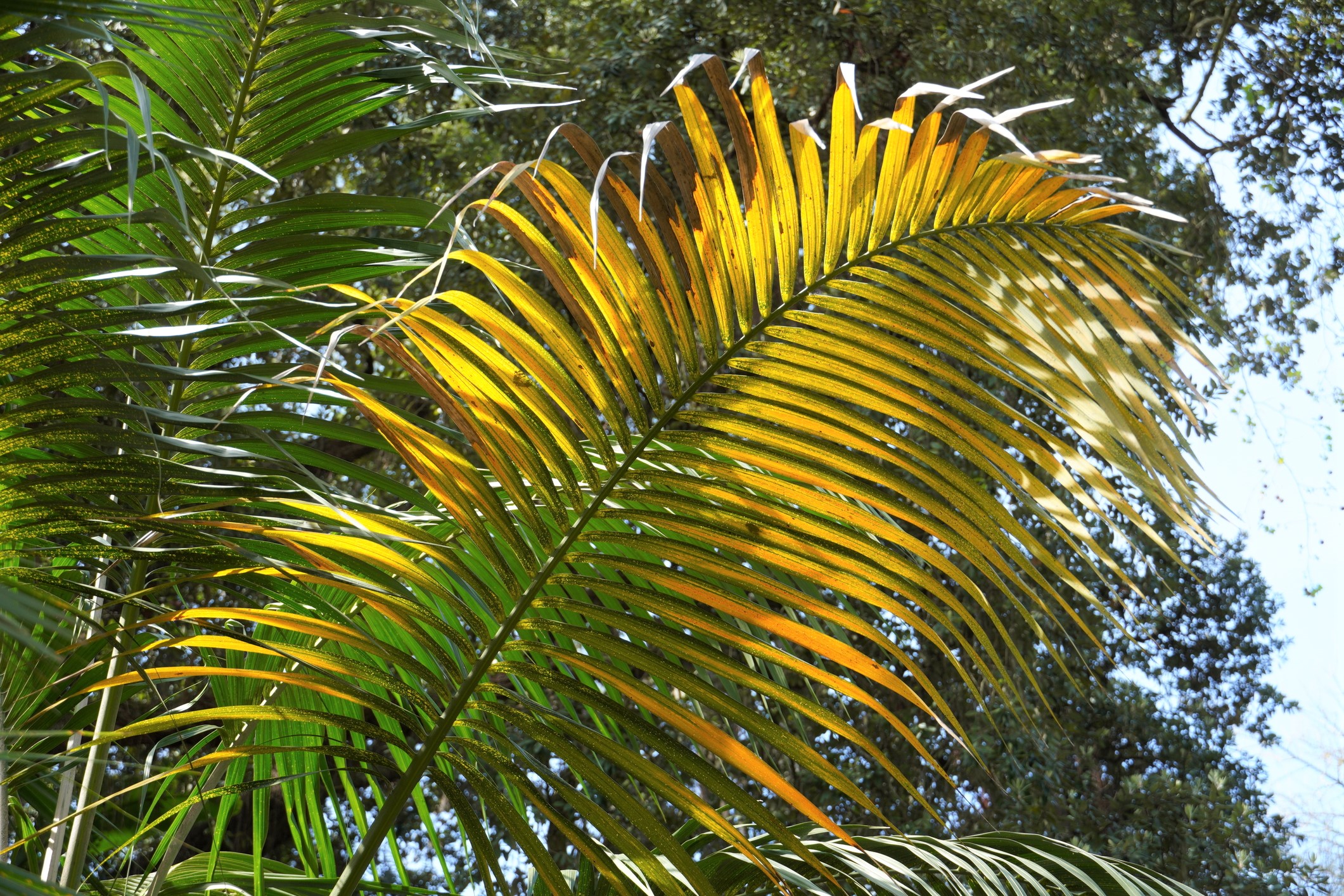
- Potassium Deficiency: Older fronds with translucent yellow-orange spots and necrotic tips.
- Magnesium/Iron Shortages: Interveinal yellowing.
Expert Tip 🌟: Conduct soil tests annually. Correct with targeted palm fertilizers containing chelated micronutrients—symptoms may take 6-12 months to resolve in new growth.
Environmental Stress
- Leaf Tip Burn/Browning: Low humidity, salt accumulation, or fluoride in water.
- Cold Damage: Speckled or browned fronds after chills.
- Slow Growth: Insufficient light, compacted soil, or root binding in containers.
Solutions: Increase humidity with misting, flush soil to remove salts, and protect during cold snaps.
Propagation and Advanced Tips 🌱
For enthusiasts, propagating your own Montgomery palms adds satisfaction and cost savings.
Growing from Seed
Montgomery palms are typically grown from fresh seeds, as they don’t sucker.
- Collect ripe red fruits; remove pulp (wear gloves—seeds can irritate skin).
- Soak seeds in warm water for 24-48 hours.
- Plant in a well-draining mix (e.g., perlite and peat) at 80-90°F (use a heat mat).
- Germination: 6-12 weeks; keep moist but not soggy.
- Transplant seedlings when they have 2-3 leaves.
Pro Tip: Fresh seeds germinate best—viability drops quickly.
Landscaping Ideas and Companion Plants
The Montgomery palm’s clean trunk and arching crown make it versatile:
- Line driveways for symmetrical elegance.
- Accent poolside for tropical resort vibes (salt-tolerant).
- Use as a tall specimen in mixed borders.
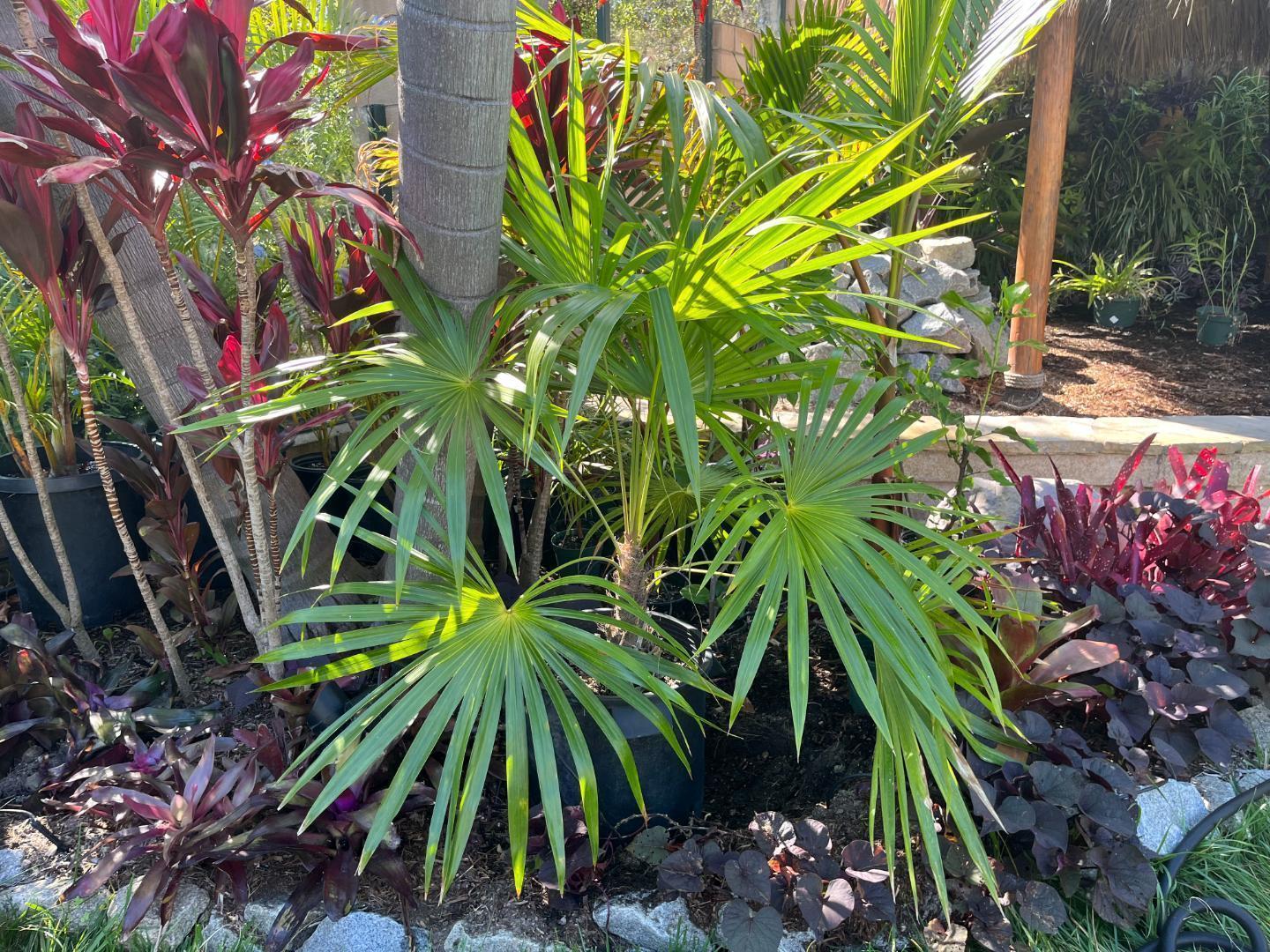
Companion plants enhance the understory:
- Colorful bromeliads (e.g., Aechmea, Neoregelia) for epiphytic pops.
- Bold heliconias or gingers for height and flowers.
- Low-growers like calatheas, ferns, or clusia for texture.
Expert Insights from Botanical Gardens
Institutions like the Montgomery Botanical Center (named partly for its palm collections) and Fairchild Tropical Botanic Garden showcase thriving specimens, emphasizing consistent moisture, micronutrient management, and disease vigilance in South Florida’s conditions.
Frequently Asked Questions (FAQs) ❓
Is the Montgomery palm cold-hardy? Moderately—suitable for USDA zones 10b-11. It tolerates brief lows to 30°F but suffers damage below that. In zone 10a, plant in protected spots.
How fast does it grow? Moderate to fast: 1-2 feet per year once established in ideal tropical conditions.
Can it be grown indoors? Yes, as a young plant in bright light (south window) with high humidity. Mature size limits long-term indoor suitability.
Are the fruits toxic? The bright red fruits are ornamental only—non-edible and potentially toxic to pets and children if ingested.
Why are my fronds turning brown? Common causes: Over/under-watering, nutrient deficiency, or cold damage. Check soil moisture and recent weather first.
Conclusion: Unlock the Full Potential of Your Montgomery Palm Today ✨
The Montgomery palm tree stands as a testament to tropical elegance—slender, graceful, and rewarding for those who provide its simple needs: sun, moisture, nutrients, and protection from extremes. By applying these expert-backed tips, from proper planting to vigilant troubleshooting, you’ll cultivate a stunning specimen that elevates your landscape for decades.
Whether lining your driveway, framing a pool, or gracing a container, this Vanuatu native brings paradise home. Start implementing these strategies today, and watch your Montgomery palm flourish into the thriving centerpiece it was meant to be. Happy gardening! 🌿🌴











