
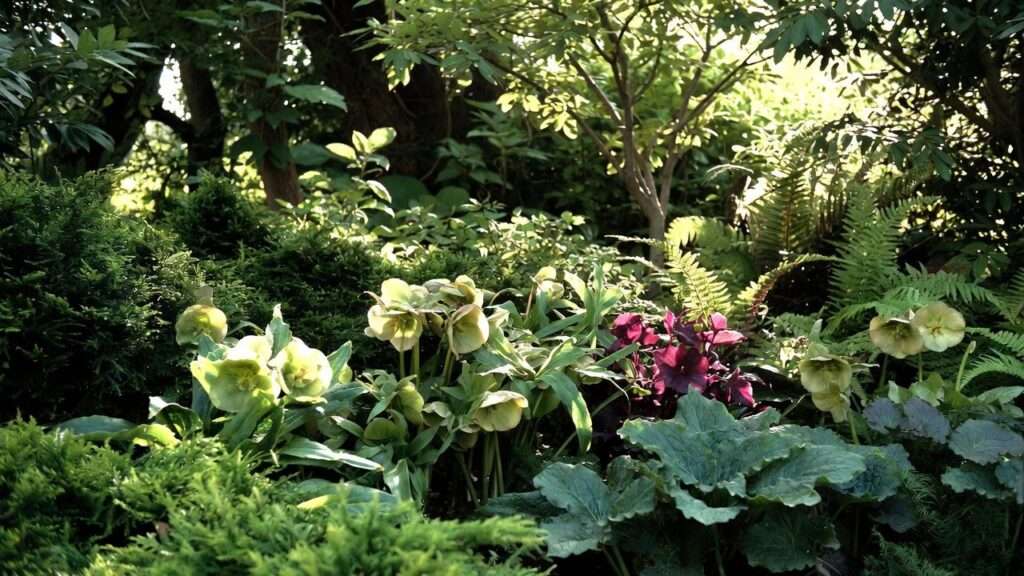
Imagine stepping into your backyard on a crisp winter morning, only to find those shady corners looking barren and forgotten—bare soil, faded perennials, and no splash of green to lift the spirits. It’s a common frustration for gardeners: shady areas often feel lifeless in the off-season, lacking the structure and vibrancy that sun-loving plants provide. But what if you could transform those dim spots into lush, inviting oases that stay beautiful 365 days a year? The secret lies in the best evergreen plants for shade—reliable, low-maintenance performers that hold onto their foliage through winter while thriving in low light.
As a certified horticulturist with over 15 years of experience designing and maintaining shade gardens across USDA zones 5–9, I’ve helped countless homeowners overcome this exact challenge. From woodland borders under mature trees to north-facing foundation plantings, I’ve tested and recommended shade-tolerant evergreens that deliver year-round greenery without constant fuss. In this comprehensive guide, we’ll explore why these plants are game-changers, how to choose the right ones for your conditions, and my top 12 expert picks—complete with care tips, pros/cons, and real-world design ideas.
Whether you’re battling dry shade under oaks, moist shadows near fences, or deep shade from buildings, these selections will provide structure, texture, privacy, and even winter interest. Let’s dive in and bring everlasting life to your shady spaces! 🌳
Table of Contents
- Why Choose Evergreen Plants for Shady Areas?
- Understanding Shade Levels and Plant Tolerance
- Top 12 Best Evergreen Plants for Shade
- Planting and Care Tips for Success
- Design Ideas: Creating Stunning Shade Gardens with Evergreens
- Regional Recommendations by USDA Zone
- Expert Insights & Common Mistakes to Avoid
- Frequently Asked Questions (FAQs)
- Conclusion

Why Choose Evergreen Plants for Shady Areas? 🌳
Evergreens aren’t just for sunny hedges or Christmas trees—they’re essential backbone plants for any garden, especially in shade. Unlike deciduous shrubs that drop leaves in fall, shade-tolerant evergreens maintain their foliage year-round, offering consistent color, texture, and form even when other plants go dormant.
Key benefits include:
- Year-round structure and privacy: They create natural screens, define borders, and prevent shady areas from looking empty in winter.
- Wildlife support: Dense foliage provides shelter and berries for birds; some attract pollinators with subtle flowers.
- Weed suppression and erosion control: Thick growth acts as a living mulch, reducing maintenance.
- Low light adaptation: Many evergreens evolved in forest understories, making them perfect for partial to full shade where sun-loving plants struggle.
A common myth is that “all evergreens need full sun.” In reality, species like yews, hemlocks, and certain broadleaf varieties thrive in low light, often performing better there than in scorching sun, where they risk scorch or sparse growth.
By incorporating these plants, you’ll solve the seasonal “dead zone” problem in shady gardens, creating a polished, professional look with minimal effort. Backed by recommendations from sources like the Royal Horticultural Society and university extensions, these picks are proven performers.
Understanding Shade Levels and Plant Tolerance ☂️
Success with evergreen plants for shade starts with understanding your site’s light conditions—mismatching tolerance leads to leggy growth or decline.
Types of Shade Explained
- Light or filtered shade: Dappled sunlight through tree canopies (e.g., under pines). Ideal for many evergreens.
- Partial shade: 3–6 hours of direct sun, often morning or evening. Most shade-tolerant evergreens excel here.
- Full or deep shade: Less than 3 hours of sun, common north of buildings or under dense trees.
- Dry shade vs. moist shade: Dry (under thirsty trees like maples) vs. moist (near streams or in rain-shadowed spots). Soil moisture dramatically affects choices.
How to Assess Shade in Your Garden
Observe your space over a full day and seasons:
- Track sunlight hours with a journal or apps like Sun Seeker.
- Note microclimates: Wind-protected areas retain moisture better; south-facing walls may get reflected light.
- Test soil: Amend with organic matter for better drainage and nutrient retention in shade.
Expert tip: Always choose plants rated for deeper shade than your conditions to buffer variables like seasonal tree leaf-out. This ensures robust, healthy growth.
Top 12 Best Evergreen Plants for Shade (Ranked by Versatility & Popularity) 🌱
Here are my top 12 low-maintenance evergreen plants for shade, selected for reliability, aesthetic appeal, and adaptability across zones. I’ve ranked them based on versatility (how well they fit various garden roles) and gardener feedback from extension services and forums. Each includes key details for easy comparison.
For quick reference, here’s a comparison table:
| Plant Name | Mature Size (H x W) | USDA Zones | Shade Tolerance | Low-Maintenance Rating (🍃/5) | Special Features |
|---|---|---|---|---|---|
| Yew (Taxus spp.) | Varies (3–20 ft) | 4–7 | Full to partial | 🍃🍃🍃🍃🍃 | Deer-resistant, prunable |
| Japanese Pachysandra | 6–12 in x spreading | 4–8 | Full to partial | 🍃🍃🍃🍃🍃 | Groundcover, weed suppressor |
| Sweet Box (Sarcococca) | 3–5 ft x 3–5 ft | 6–9 | Full to partial | 🍃🍃🍃🍃 | Fragrant winter flowers |
| Hellebore (Helleborus) | 1–2 ft x 1–2 ft | 4–9 | Partial to full | 🍃🍃🍃🍃 | Winter blooms, deer-resistant |
| Evergreen Azalea/Rhodo | 3–6 ft x 3–6 ft | 5–9 | Partial | 🍃🍃🍃 | Spring flowers, acidic soil lover |
| Boxwood (Buxus) | 2–10 ft | 5–8 | Partial to full | 🍃🍃🍃🍃 | Formal hedging, versatile |
| Aucuba (Spotted Laurel) | 6–10 ft x 5–9 ft | 6–10 | Full to partial | 🍃🍃🍃🍃 | Variegated foliage, berries |
| Mahonia (Oregon Grape) | 3–6 ft x 3–5 ft | 5–9 | Partial to full | 🍃🍃🍃 | Yellow flowers, blue berries |
| Leucothoe | 3–5 ft x 4–6 ft | 5–8 | Partial to full | 🍃🍃🍃 | Colorful new growth |
| Vinca Minor (Periwinkle) | 4–6 in x spreading | 4–9 | Full to partial | 🍃🍃🍃🍃🍃 | Flowering groundcover |
| Christmas/Autumn Fern | 1–3 ft x 1–3 ft | 5–9 | Full | 🍃🍃🍃🍃 | Textural foliage |
| Canadian Hemlock (Tsuga) | 10–70 ft (dwarf options) | 3–8 | Full to partial | 🍃🍃🍃 | Graceful, native alternative |
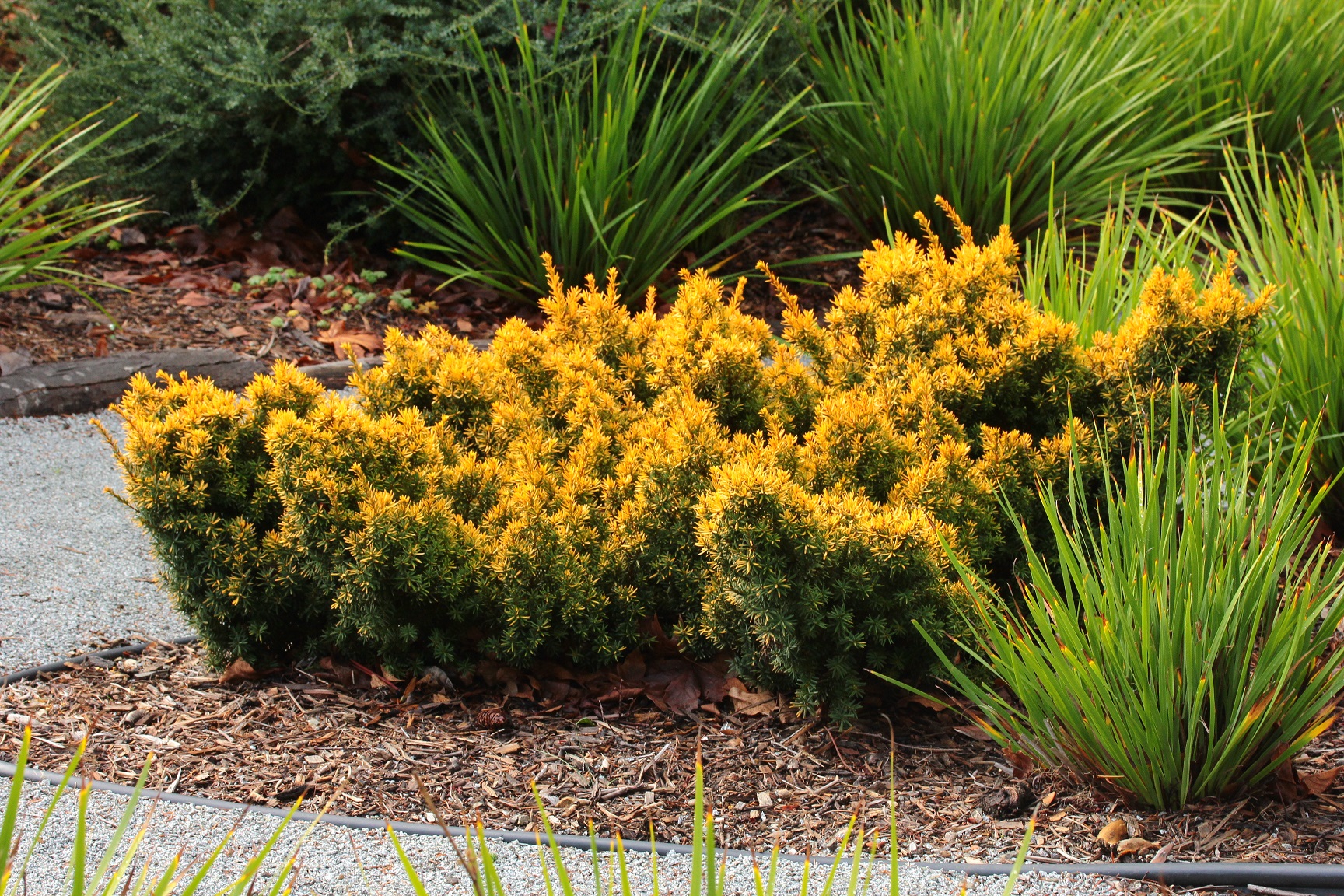
1. Yew (Taxus spp., e.g., Dwarf varieties like ‘Dark Green Spreader’)
USDA Zones: 4–7 Mature Size: 3–10 ft tall x 4–12 ft wide (dwarf cultivars) Light: Full to deep shade Soil: Well-drained, tolerant of most types Key Features: Soft, dark green needles; red berries on females; highly prunable for hedges or topiary. Pros: Extremely shade-tolerant, deer-resistant, long-lived. Drawbacks: Toxic if ingested (keep away from pets/kids); slow growth. Low-Maintenance: 🍃🍃🍃🍃🍃 Quick Tip: Plant in spring; mulch to retain moisture.
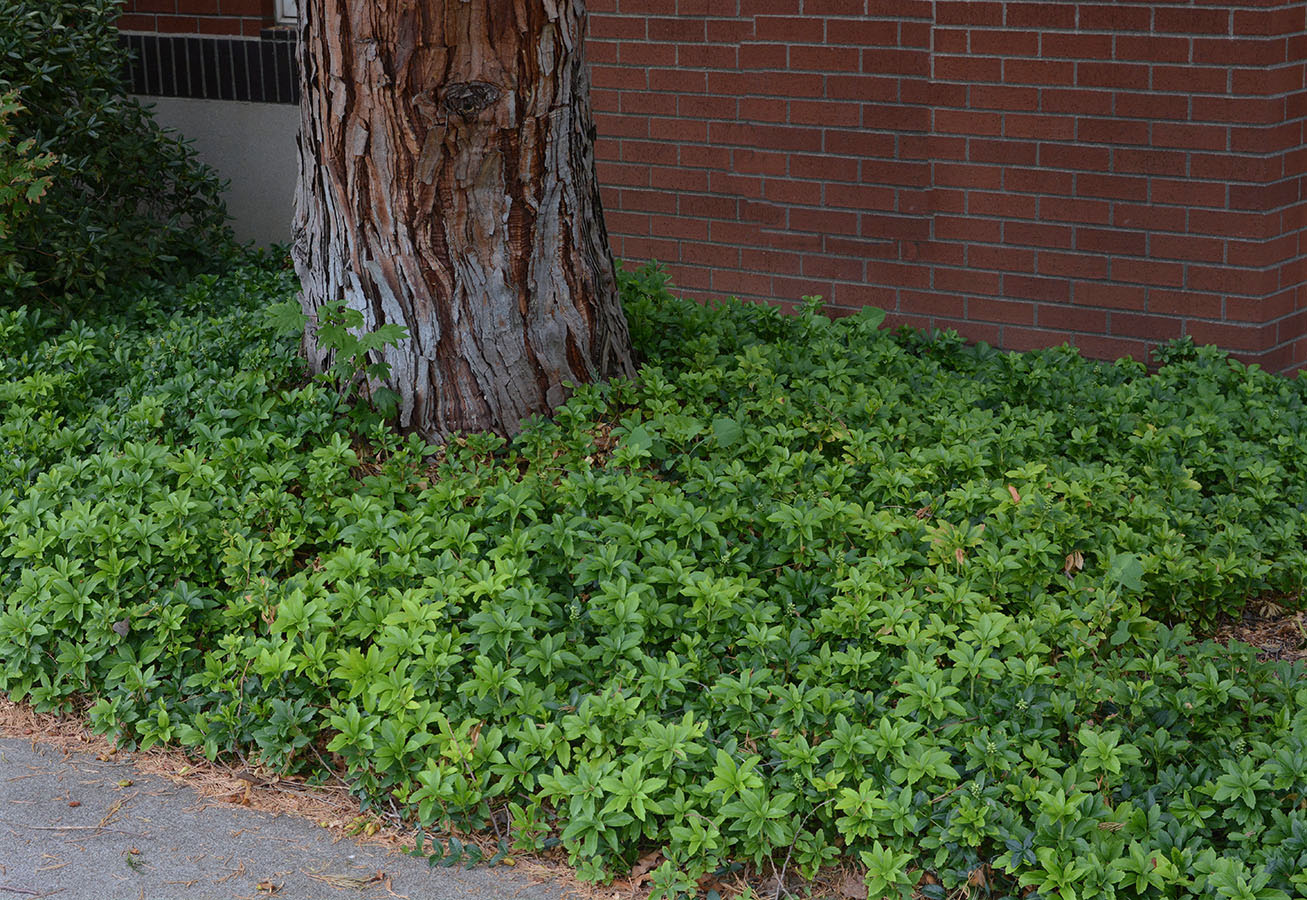
2. Japanese Pachysandra (Pachysandra terminalis)
USDA Zones: 4–8 Mature Size: 6–12 in tall, spreading indefinitely Light: Partial to full shade Soil: Moist, well-drained, acidic to neutral Key Features: Glossy green leaves; white spring flowers. Pros: Excellent groundcover, suppresses weeds. Drawbacks: Can be invasive in ideal conditions; prefers moist shade. Low-Maintenance: 🍃🍃🍃🍃🍃 Quick Tip: Space 6–12 in apart for quick coverage.
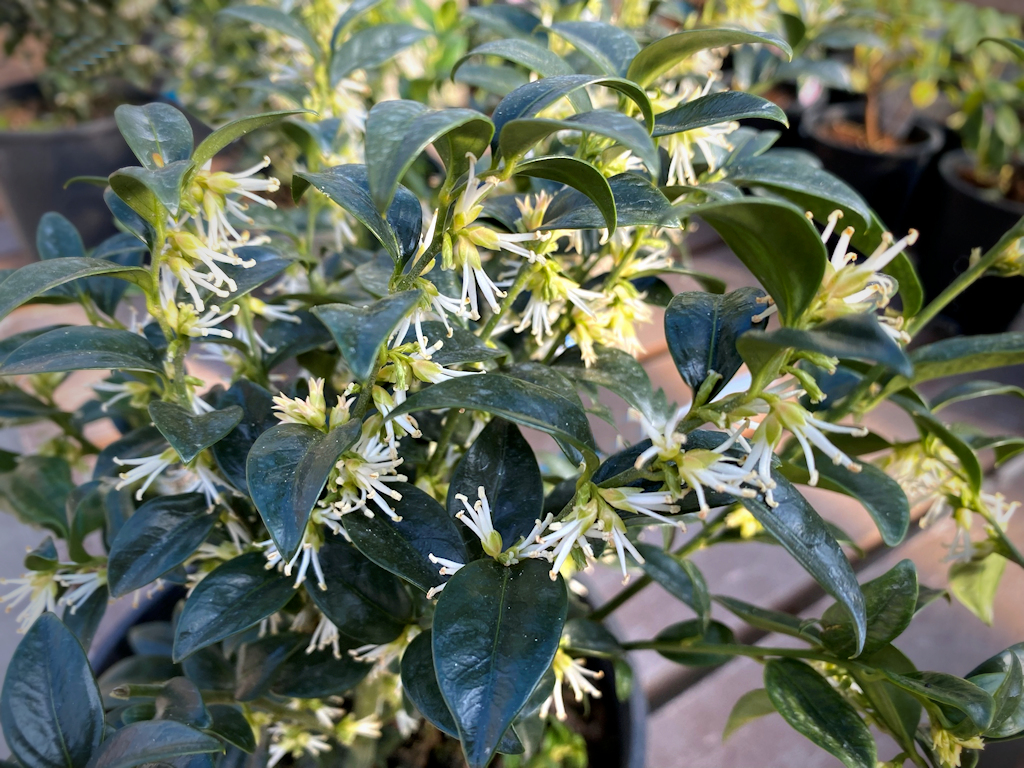
3. Sweet Box (Sarcococca hookeriana var. humilis)
USDA Zones: 6–9 Mature Size: 3–5 ft tall and wide Light: Partial to full shade Soil: Average, moist Key Features: Fragrant winter flowers; black berries. Pros: Intense vanilla scent in winter; deer-resistant. Drawbacks: Slow to establish. Low-Maintenance: 🍃🍃🍃🍃 Quick Tip: Perfect near paths for fragrance.
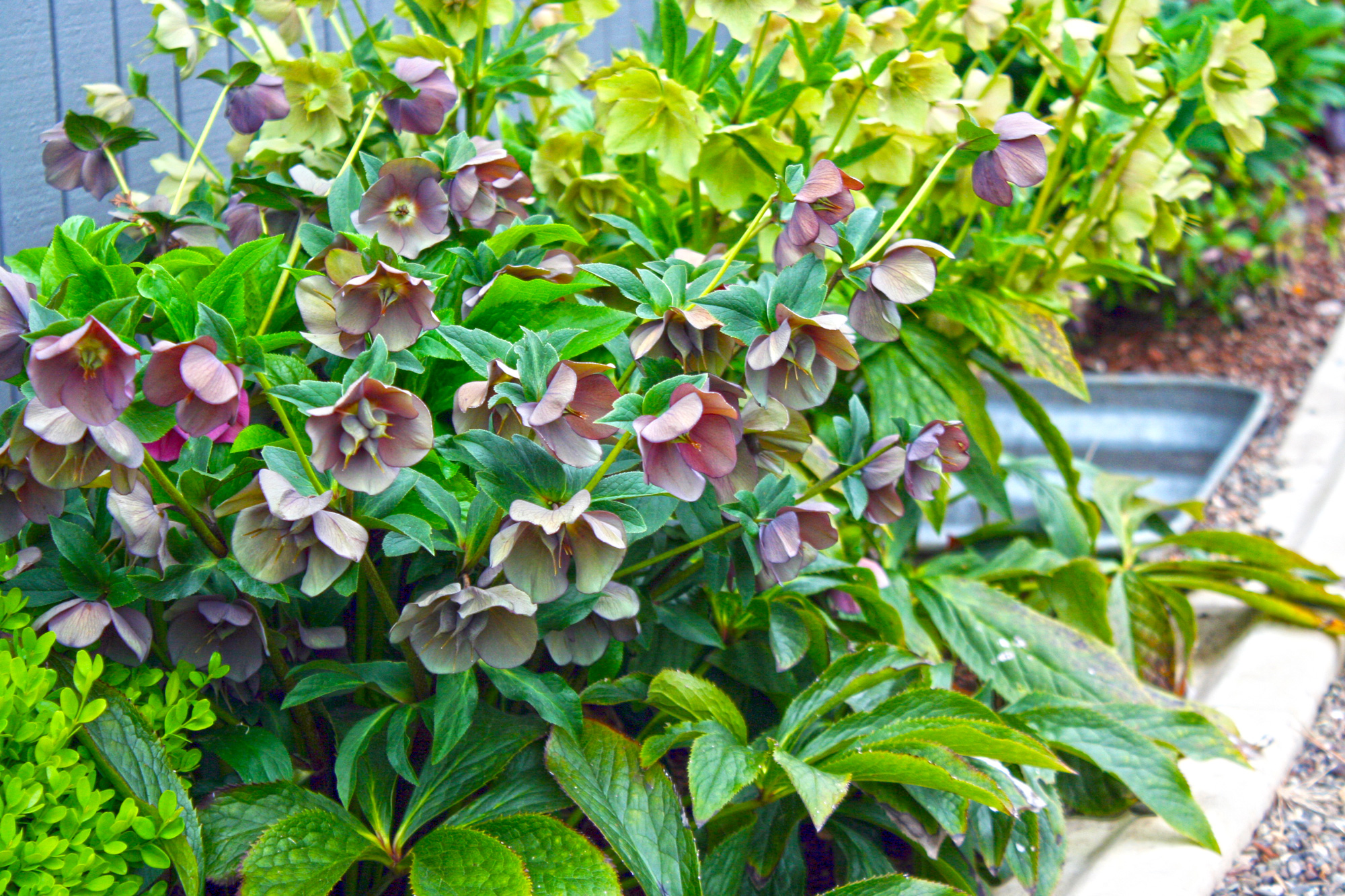
4. Hellebore (Helleborus orientalis, Lenten Rose)
USDA Zones: 4–9 Mature Size: 1–2 ft tall and wide Light: Partial to full shade Soil: Rich, well-drained Key Features: Nodding winter/spring flowers; leathery leaves. Pros: Blooms when little else does; deer-resistant. Drawbacks: Toxic; slow to multiply. Low-Maintenance: 🍃🍃🍃🍃 Quick Tip: Cut old leaves in late winter for better blooms.
5. Evergreen Azalea/Rhododendron (Select varieties)
USDA Zones: 5–9 Mature Size: 3–6 ft Light: Partial shade (dappled best) Soil: Acidic, moist, well-drained Key Features: Showy spring blooms; glossy leaves. Pros: Colorful flowers; compact options. Drawbacks: Needs acidic soil; lacebug susceptible. Low-Maintenance: 🍃🍃🍃 Quick Tip: Mulch with pine needles.
:max_bytes(150000):strip_icc()/GettyImages-713849671-2000-644489d312934487a3d8e6873a3cefd7.jpg)
6. Boxwood (Buxus spp., shade-tolerant cultivars like ‘Green Velvet’)
USDA Zones: 5–8 Mature Size: 2–10 ft (dwarf to standard) Light: Partial to full shade Soil: Well-drained Key Features: Dense, small leaves; classic formal look. Pros: Versatile for shaping; pest-resistant varieties available. Drawbacks: Boxwood blight in humid areas. Low-Maintenance: 🍃🍃🍃🍃 Quick Tip: Avoid wet feet to prevent root rot.
7. Aucuba japonica (Gold Dust Plant)
USDA Zones: 6–10 Mature Size: 6–10 ft tall x 5–9 ft wide Light: Full to partial shade Soil: Average Key Features: Variegated yellow-splashed leaves; red berries. Pros: Brightens dark corners; tough. Drawbacks: Berries toxic. Low-Maintenance: 🍃🍃🍃🍃 Quick Tip: Prune for bushiness.
8. Mahonia aquifolium (Oregon Grape Holly)
USDA Zones: 5–9 Mature Size: 3–6 ft Light: Partial to full shade Soil: Well-drained Key Features: Holly-like leaves; yellow flowers, blue berries. Pros: Native in some areas; wildlife food. Drawbacks: Spiny leaves. Low-Maintenance: 🍃🍃🍃 Quick Tip: Great for barriers.
9. Leucothoe fontanesiana (Drooping Leucothoe)
USDA Zones: 5–8 Mature Size: 3–5 ft x 4–6 ft Light: Partial to full shade Soil: Moist, acidic Key Features: Arching branches; bronze new growth. Pros: Elegant form; fall color. Drawbacks: Needs moisture. Low-Maintenance: 🍃🍃🍃 Quick Tip: Protect from winter wind.
10. Vinca minor (Periwinkle)
USDA Zones: 4–9 Mature Size: 4–6 in tall, spreading Light: Partial to full shade Soil: Average to dry Key Features: Blue/purple flowers; trailing vines. Pros: Tough groundcover; evergreen in mild climates. Drawbacks: Can be invasive. Low-Maintenance: 🍃🍃🍃🍃🍃 Quick Tip: Contain with edging.
11. Christmas Fern or Autumn Fern (Polystichum or Dryopteris)
USDA Zones: 5–9 Mature Size: 1–3 ft Light: Full shade Soil: Moist, rich Key Features: Feathery fronds; textural interest. Pros: Native options; no pruning needed. Drawbacks: Semi-evergreen in cold zones. Low-Maintenance: 🍃🍃🍃🍃 Quick Tip: Mass for woodland effect.
12. Canadian Hemlock (Tsuga canadensis, dwarf cultivars)
USDA Zones: 3–8 Mature Size: 10–70 ft (dwarfs 4–10 ft) Light: Partial to full shade Soil: Moist, acidic Key Features: Soft needles; graceful habit. Pros: Native; excellent screen. Drawbacks: Woolly adelgid pest in some areas. Low-Maintenance: 🍃🍃🍃 Quick Tip: Use dwarfs for small gardens.
This core list draws from trusted sources like The Spruce, university extensions, and RHS for current reliability.
Planting and Care Tips for Success 🌧️
Getting your shade-tolerant evergreens established correctly is key to years of low-maintenance beauty. Many gardeners fail here by treating them like sun plants—overwatering, poor soil prep, or wrong timing. Follow these expert guidelines based on decades of horticultural best practices.
Best Time to Plant Evergreen Shade Lovers
- Spring or early fall is ideal in most zones—cool temperatures reduce transplant shock, and roots establish before extremes hit.
- In milder climates (zones 8–10), winter planting works well.
- Avoid midsummer heat or deep winter freezes.
Soil Preparation and Amendments for Shady Spots
- Shade gardens often have compacted, nutrient-poor soil under trees. Test pH and drainage first.
- Incorporate 2–4 inches of organic compost or leaf mold to improve structure and moisture retention.
- For acid-lovers (rhododendrons, leucothoe): Add pine bark or sulfur if needed.
- Dry shade? Boost with humus-rich amendments to hold water without sogginess.
Watering, Mulching, and Fertilizing Guidelines
- First year: Water deeply weekly (1–2 inches) to encourage deep roots.
- Established: Most are drought-tolerant once settled; supplement in prolonged dry spells.
- Mulch with 2–3 inches of shredded bark or leaves—keeps roots cool, suppresses weeds, retains moisture.
- Fertilize sparingly: Use slow-release, balanced formula in spring; avoid high-nitrogen to prevent leggy growth.
Pruning Dos and Don’ts
- Prune lightly after new growth in spring for shaping.
- Remove dead/damaged branches anytime.
- Don’t shear heavily like sun evergreens—many shade varieties resent hard cuts and may not regrow well.
Common Pests and Diseases (and Organic Prevention)
- Watch for scale, aphids, or vine weevil—hand-pick or use insecticidal soap.
- Fungal issues (root rot, leaf spot): Ensure good airflow and avoid overhead watering.
- Prevention: Plant at proper spacing, improve drainage, and choose resistant cultivars.
These steps will help your evergreen plants for shade thrive with minimal intervention.

Design Ideas: Creating Stunning Shade Gardens with Evergreens 🎨
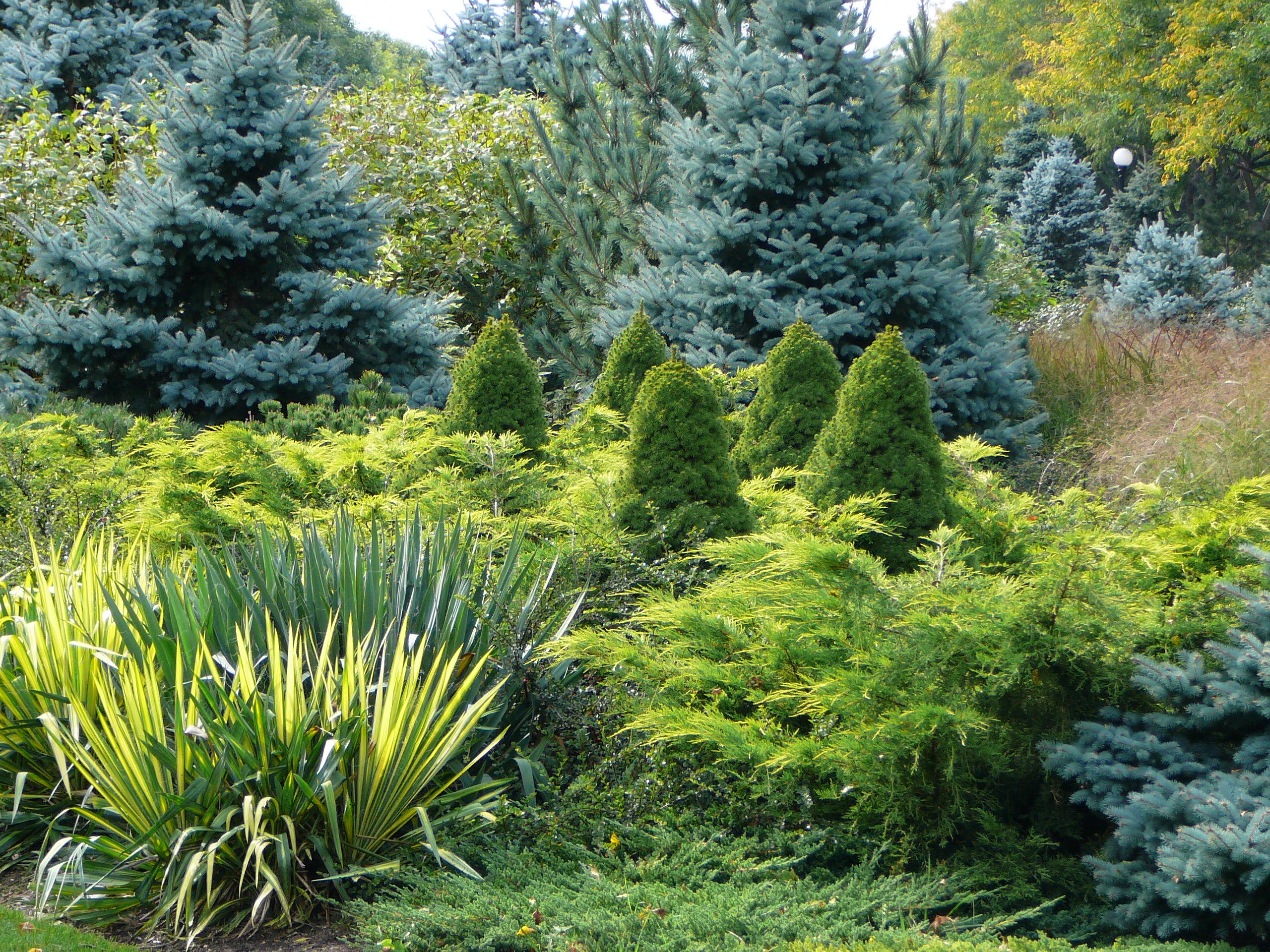
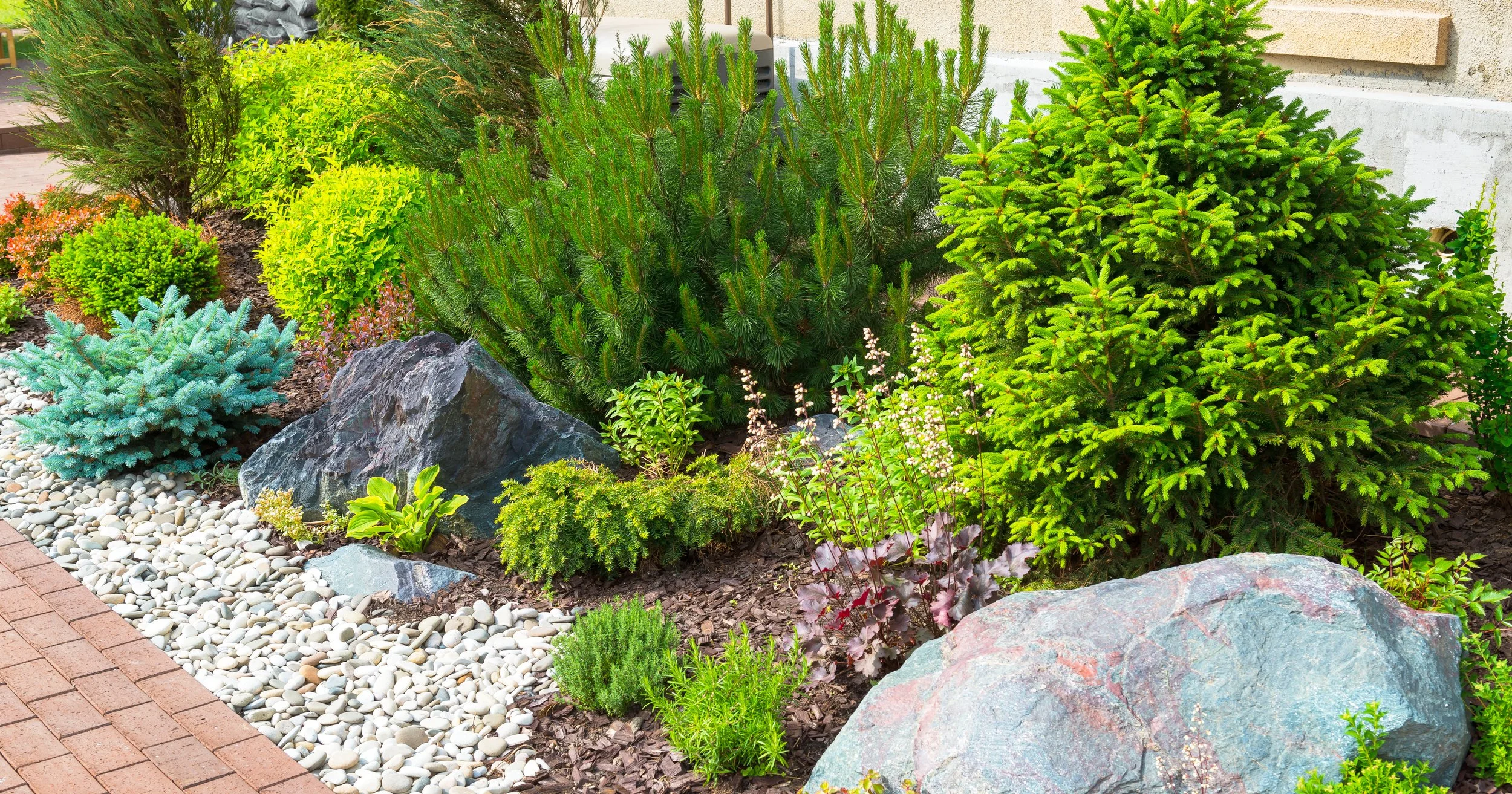
Evergreens provide the “bones” of a shade garden—use them to create depth, texture, and year-round appeal. Layering mimics natural woodlands for a polished, effortless look.
- Layering techniques:
- Groundcovers (pachysandra, vinca) at the base.
- Mid-layer shrubs (sweet box, hellebores, leucothoe) for volume.
- Taller accents (yews, hemlocks, aucuba) for height and privacy.
- Texture and color play: Mix fine needles (hemlock) with broad leaves (rhododendron), glossy (pachysandra) with matte (ferns). Add variegation (aucuba) or bronze tones (leucothoe) for contrast.
- Real-world examples:
- Woodland border: Ferns + hellebores + dwarf yew under trees.
- Privacy screen: Columnar yews or boxwood along fences.
- Foundation planting: Low boxwood + sarcococca near house entrances.
- Containers: Dwarf evergreens like boxwood or mini azaleas in shaded patios.
Companion ideas: Pair with spring bulbs (daffodils poke through groundcovers), hostas for summer foliage, or astilbe for airy blooms. The result? A dynamic, low-care shade garden that evolves beautifully through seasons.
Regional Recommendations by USDA Zone 🗺️
Your USDA hardiness zone guides plant survival through winter lows. Here’s a tailored quick guide:
- Zones 3–6 (Colder climates): Yew, Canadian hemlock (dwarfs), Christmas fern, pachysandra, hellebore. Focus on hardy, deer-resistant options.
- Zones 7–8 (Temperate): All top 12 thrive; add boxwood, leucothoe, mahonia for variety.
- Zones 9–10 (Warmer/mild): Aucuba, sweet box, vinca, evergreen azaleas excel; avoid cold-sensitive like some yews.
Consider microclimates—urban heat islands or sheltered spots can bump effective zones. Always check local extensions for updates.
Expert Insights & Common Mistakes to Avoid ⚠️
From my 15+ years in the field, here are the top pitfalls I’ve seen:
- Planting too deep or with poor soil: Evergreens hate “wet feet”—always plant at grade and amend compacted shade soil.
- Over-pruning or wrong timing: Leads to bare spots; stick to light shaping.
- Ignoring establishment period: Skipping consistent watering the first 1–2 years causes failure.
Pro tip: Be patient—many shade evergreens grow slowly but reward with longevity. Start small, observe, and expand.
Frequently Asked Questions (FAQs) ❓
Are there any flowering evergreen plants for shade? Yes! Hellebores bloom in winter, sweet box has fragrant winter flowers, mahonia offers yellow springs blooms, and evergreen azaleas/rhododendrons provide spectacular spring color.
Can evergreen groundcovers handle foot traffic? Some yes—pachysandra and vinca tolerate light traffic; avoid heavy paths. For durable options, consider dwarf mondo grass (semi-evergreen in shade).
What’s the most deer-resistant option? Yew, hellebore, sarcococca, and boxwood top the list. Deer avoid toxic or strongly scented foliage.
How fast do these plants grow in shade? Slower than in sun—expect 6–12 inches annually for most shrubs. Groundcovers spread faster once established.
Are any of these toxic to pets? Yes: Yew (highly toxic), hellebore, and aucuba berries. Choose pet-safe like ferns, pachysandra, or vinca for households with dogs/cats.
Best evergreens for containers in shade? Dwarf boxwood, compact yews, sarcococca, and small azaleas. Use well-draining potting mix and protect roots in winter.
Do shade evergreens need fertilizer? Minimally—once yearly with organic slow-release. Over-fertilizing causes weak growth.
Can I plant these under large trees with dry shade? Yes: Pachysandra, vinca, aucuba, and mahonia handle root competition best. Mulch heavily.
Will they survive full deep shade? Many do—yew, ferns, hellebore, sweet box perform excellently with little direct light.
How to propagate these plants? Most via cuttings (boxwood, yew) or division (hellebores, ferns). Groundcovers spread naturally.
Conclusion 🌿
Shade-tolerant evergreen plants are true garden heroes—transforming dim, forgotten corners into vibrant, year-round retreats with minimal upkeep. From the reliable structure of yews to the fragrant charm of sweet box and lush carpets of pachysandra, these top picks solve the common problem of seasonal bareness while adding texture, privacy, and wildlife value.
Start with 2–3 varieties suited to your zone and shade type—you’ll be amazed at the difference. If you have specific challenges (like dry shade or deer pressure), drop a comment below or share your garden photos—I’d love to help refine your plan!
For more plant care tips, check our related guides on groundcovers or deer-resistant planting. Happy gardening! 🍃











