
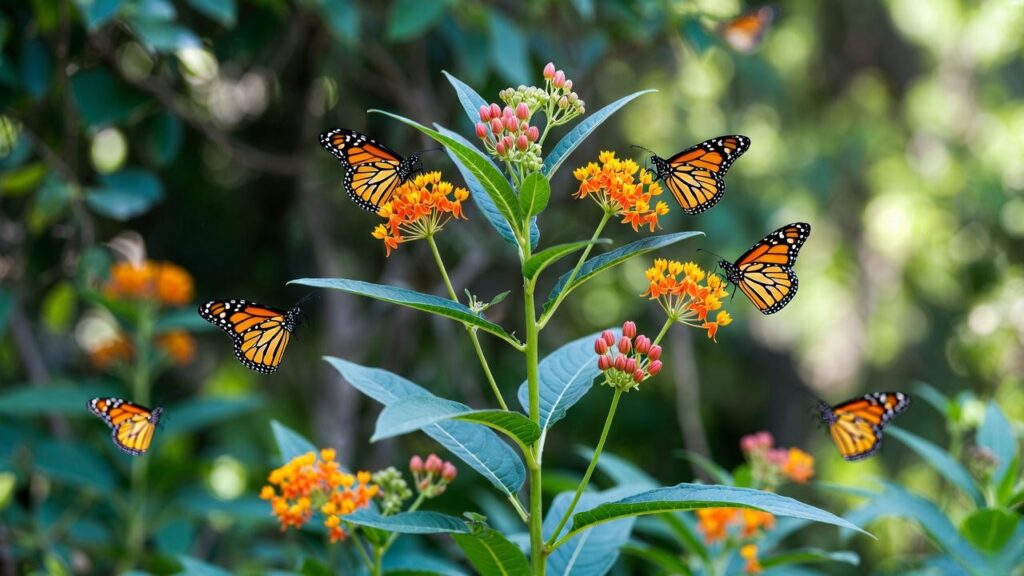
Imagine stepping into your garden and witnessing a vibrant monarch caterpillar eagerly munching on broad, lush leaves, soon to transform into one of nature’s most iconic butterflies. This magical scene is possible with the giant milkweed plant (Calotropis gigantea), a stunning tropical shrub that’s not only an ornamental powerhouse but also a vital lifeline for monarch butterflies in warm climates. As monarch populations continue to face challenges from habitat loss, growing giant milkweed offers a meaningful way to support conservation while adding dramatic beauty to your landscape. In this ultimate care guide, we’ll dive deep into everything you need to know to cultivate thriving giant milkweed plants—from planting and maintenance to maximizing their role as a monarch host plant. 🏵️
Whether you’re a beginner gardener in USDA zones 9-11 or an experienced enthusiast looking to boost biodiversity, this comprehensive resource draws from horticultural expertise, university extension insights, and real-world grower experiences to help you succeed.
What Is the Giant Milkweed Plant? 🏵️
The giant milkweed plant, primarily referring to Calotropis gigantea (commonly called crown flower), is a robust evergreen shrub native to tropical regions of Asia, including India, Indonesia, Malaysia, and southern China. It has naturalized in many warm areas worldwide, including parts of Africa, Australia, and the Americas.
Botanical Profile and Key Characteristics
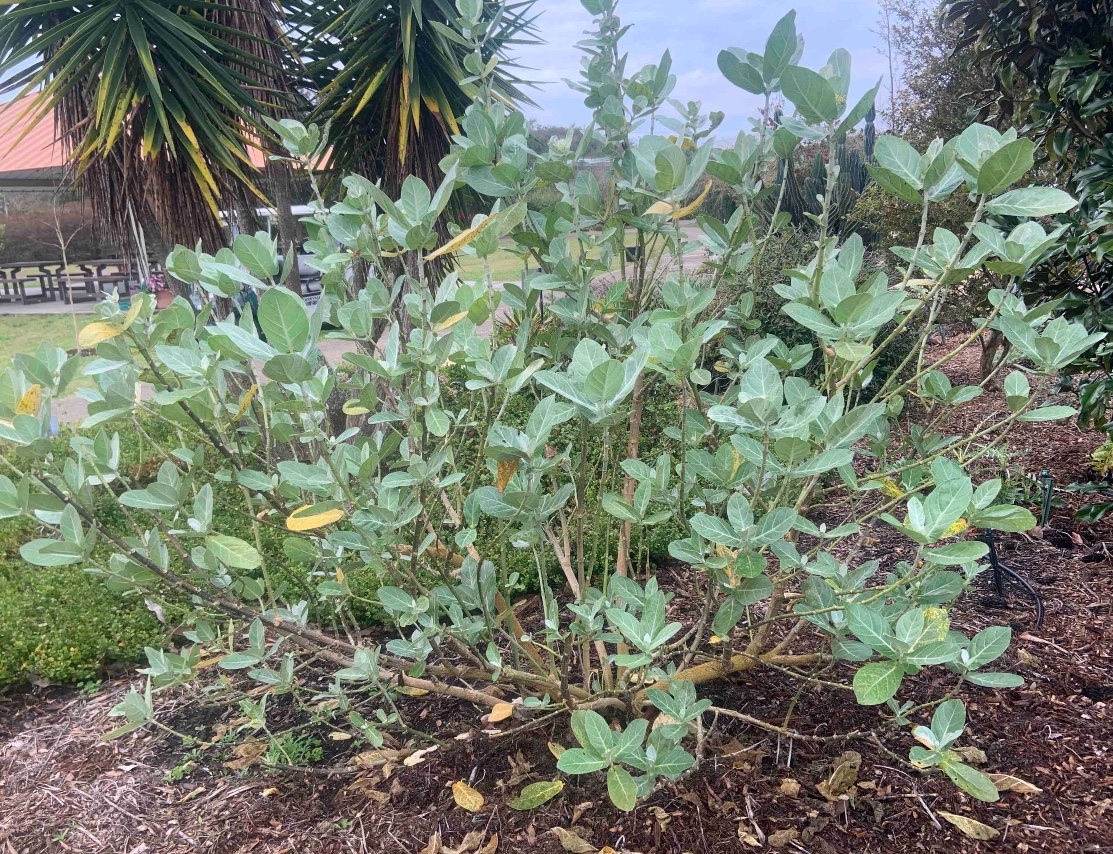
Calotropis gigantea grows as a large shrub or small tree, typically reaching 8-15 feet tall and wide, with thick, gnarled branches and broad, opposite leaves that are oval-shaped, light green, and covered in a soft, woolly texture. The plant exudes a milky latex sap when broken—characteristic of the milkweed family (Apocynaceae)—which contains cardiac glycosides for defense against herbivores.
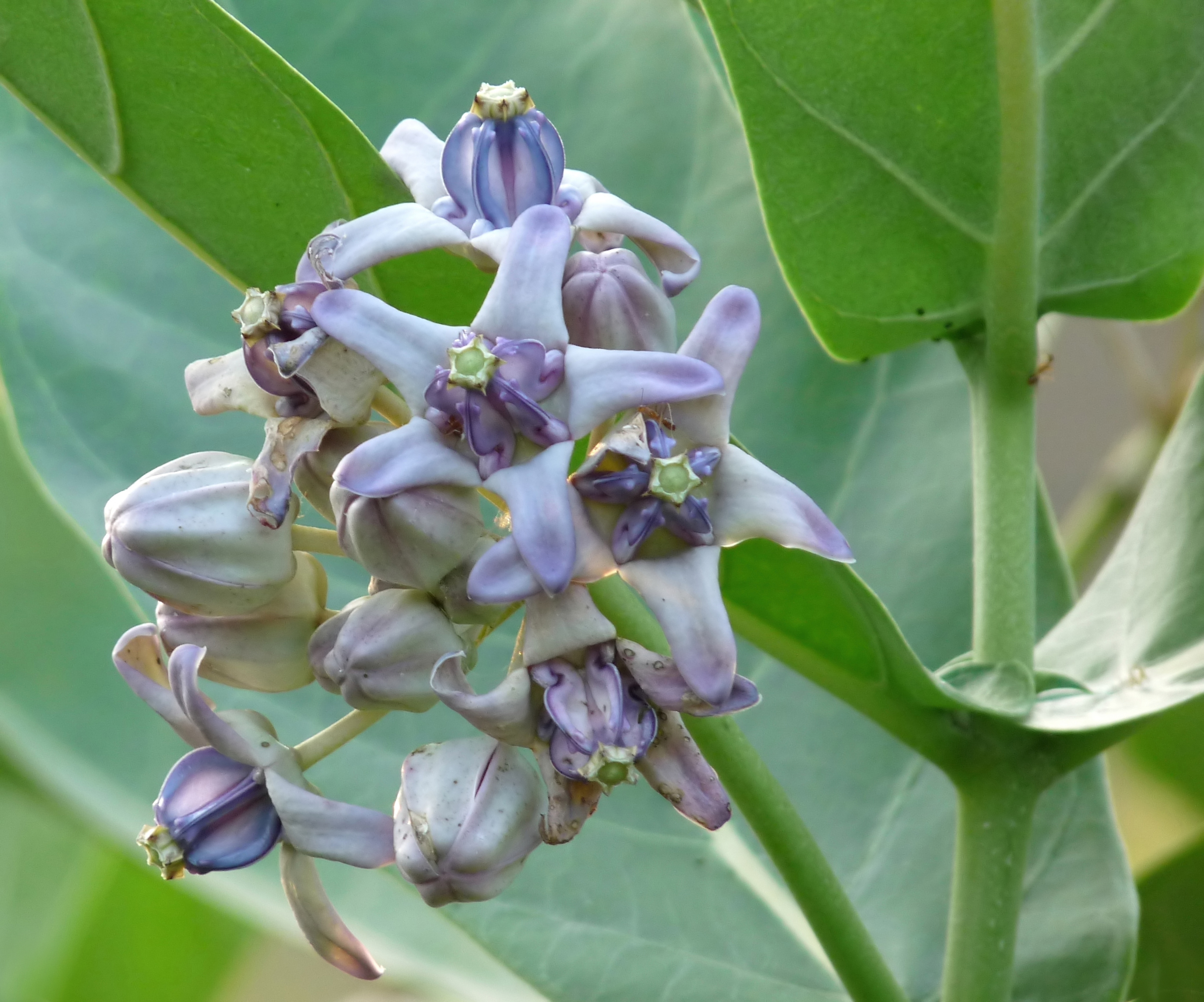
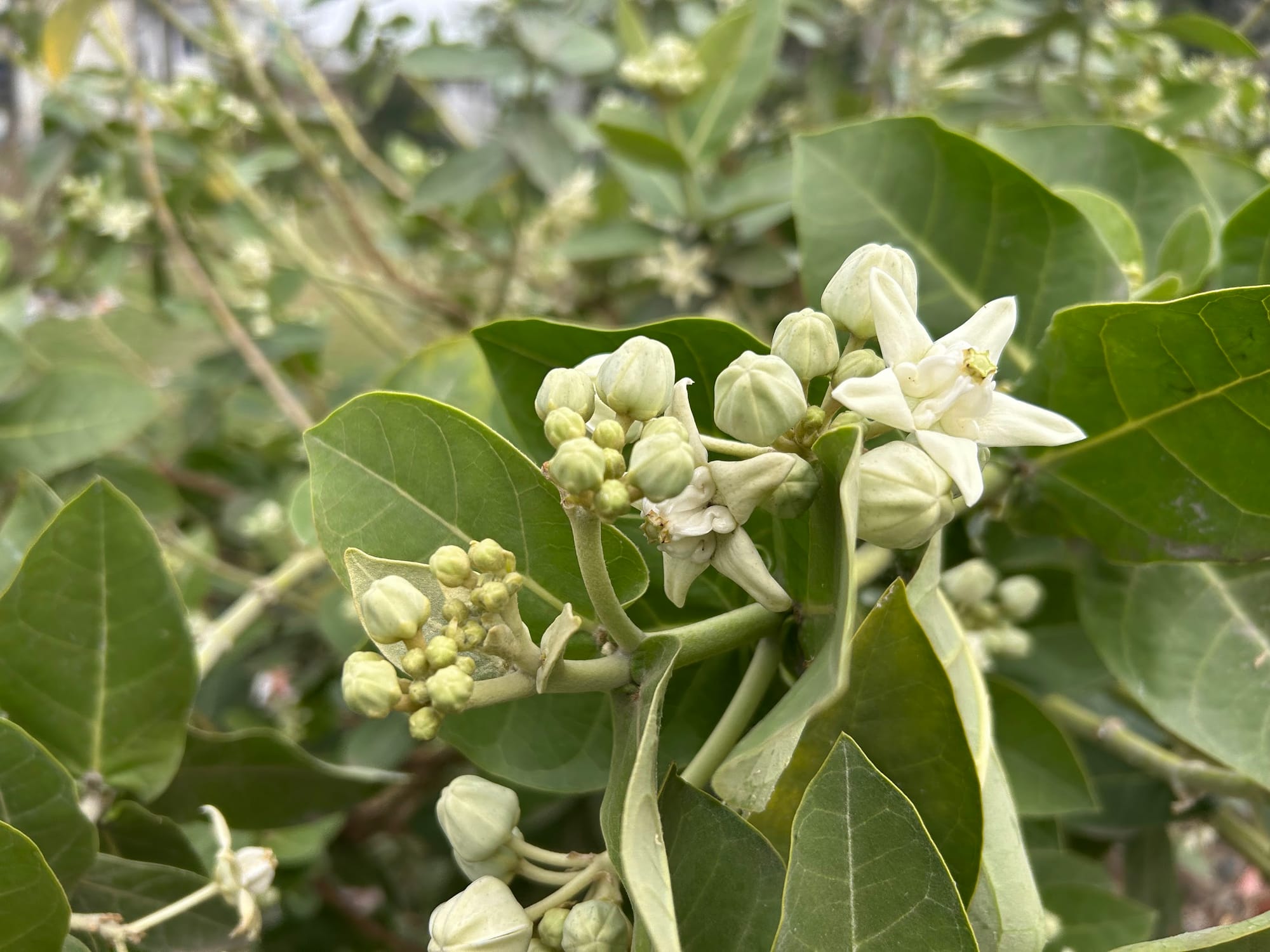
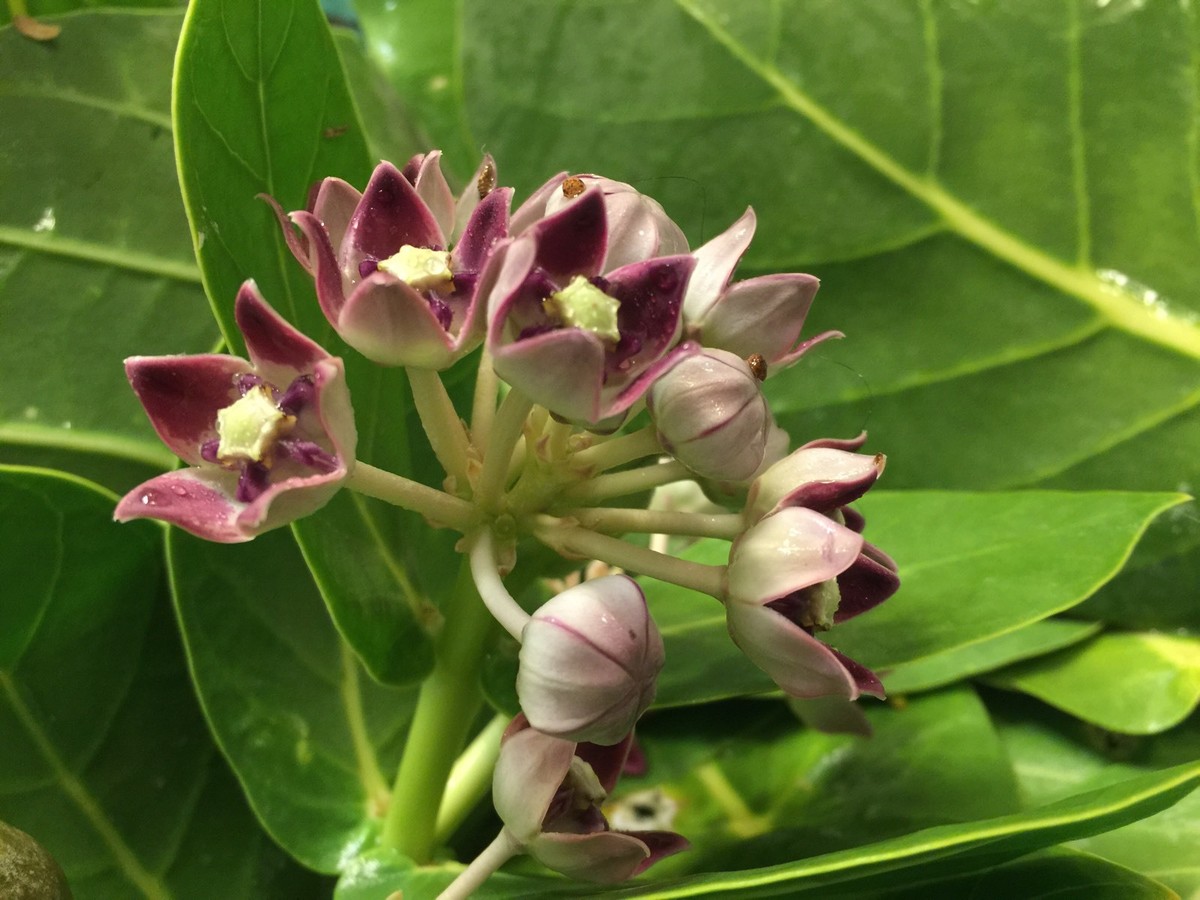
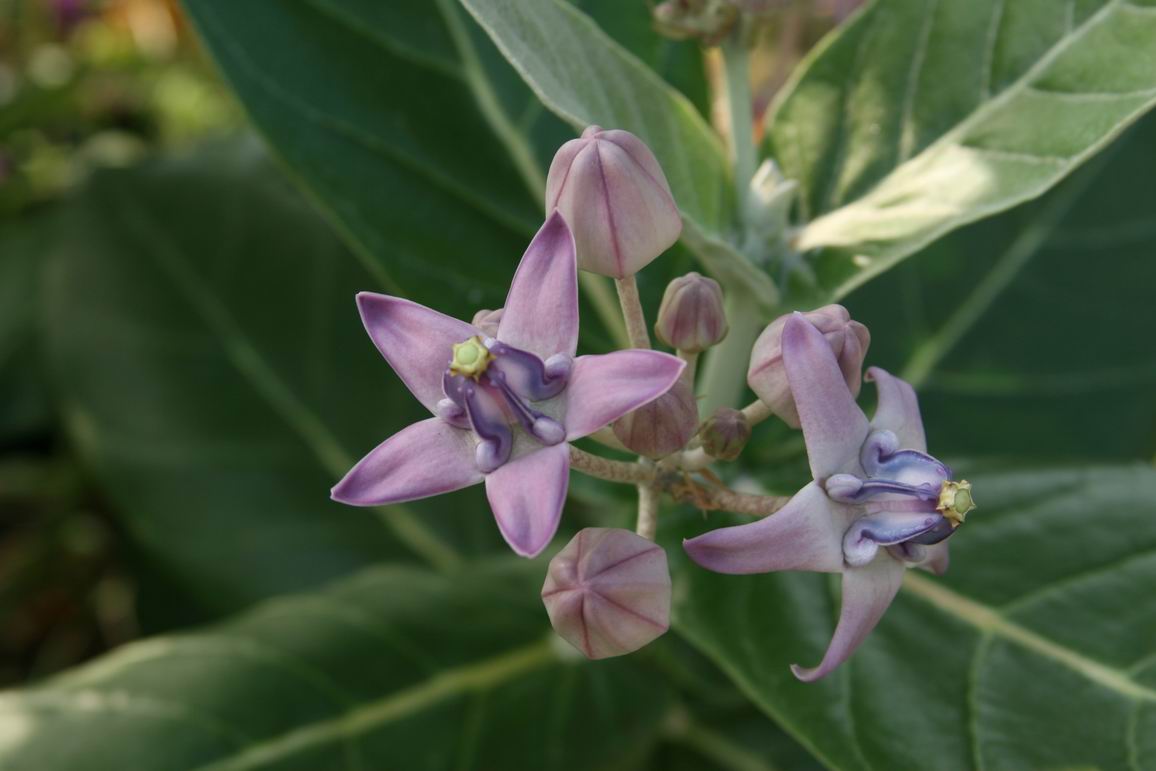
Its standout feature is the clusters of waxy, star-shaped flowers that resemble little crowns (hence “crown flower”). Blooms are usually lavender-purple or white, appearing year-round in frost-free climates but peaking in summer. Flowers are followed by large, green seed pods that split to release silky seeds.
Common Names and Varieties
Known as giant milkweed, crown flower, giant calotropis, or bowstring hemp, it’s often confused with its close relative Calotropis procera (apple of Sodom or small crown flower). Key differences:
- C. gigantea: Taller (up to 15 ft), larger leaves, purple or white crown-like flowers with a pleasant fragrance in some varieties.
- C. procera: Shorter (6-8 ft typically), smaller leaves, white flowers with purple tips, often more invasive in arid regions.
Both are used similarly in gardens, but C. gigantea is more commonly recommended for ornamental and butterfly purposes in the U.S.
Why Gardeners Love It (and Monarchs Need It) 🦋
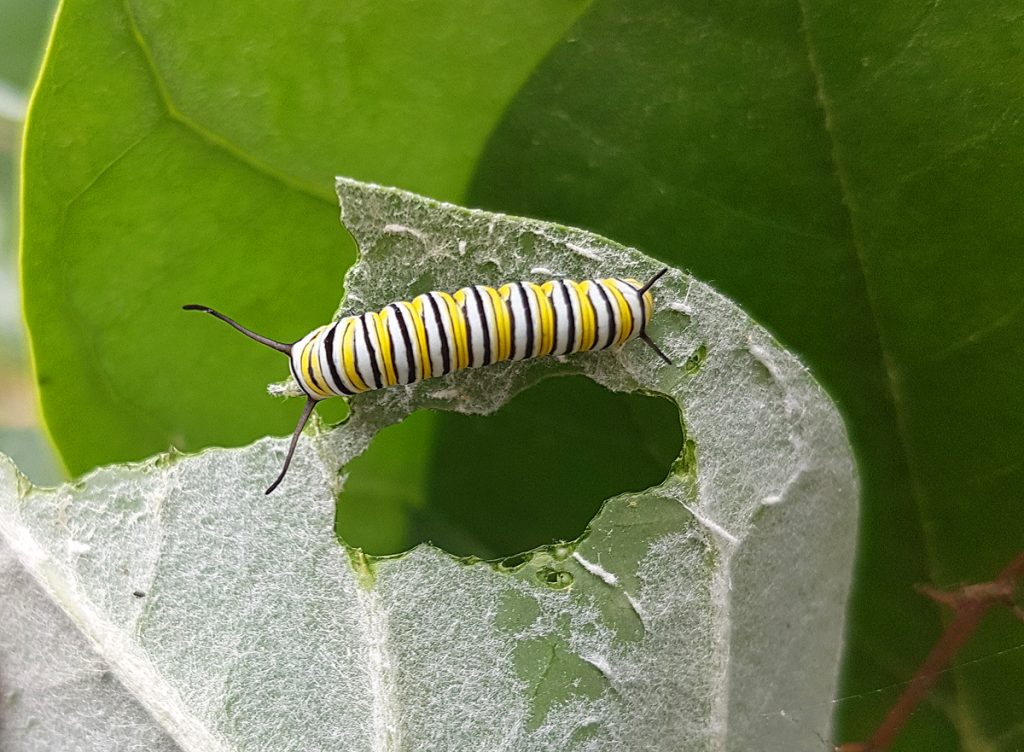
This plant combines extreme drought tolerance with bold tropical aesthetics, making it ideal for low-maintenance landscapes in hot, dry areas. But its true superstar status comes from serving as a host plant for monarch butterfly larvae, especially in southern states like Florida, Texas, and Hawaii where native Asclepias species may be less abundant. Monarch caterpillars readily feed on its leaves, gaining toxicity for protection against predators.

Benefits of Growing Giant Milkweed 🌟
Giant milkweed isn’t just another pretty plant—it’s a multitasker that enhances gardens, ecosystems, and even cultural traditions.
Ecological Importance
As a non-native milkweed in North America, Calotropis gigantea fills a critical gap for monarchs in subtropical regions. While native Asclepias species are preferred for migratory populations, giant milkweed supports resident monarchs and queens in Florida and Hawaii. Its large leaves can sustain dozens of caterpillars per plant, helping boost local butterfly numbers amid declining populations (down over 90% in some areas).
It also attracts pollinators like bees and provides nectar, contributing to biodiversity.
Ornamental and Practical Uses
The dramatic height, unique flowers (traditionally used in Hawaiian leis), and year-round interest make it a focal point in tropical gardens. Historically, fibers from pods were used for bowstrings, and the plant has cultural significance in India and Asia.
Environmental Advantages
Exceptionally drought-tolerant once established, it thrives in poor, sandy, or alkaline soils where other plants struggle. It’s excellent for xeriscaping, soil stabilization in arid zones, and low-water landscapes.
Caution: All parts are toxic to humans and pets due to cardiac glycosides—handle with care.
Ideal Growing Conditions for Giant Milkweed ☀️
Success starts with mimicking its native tropical habitat.
Climate and Hardiness Zones
Giant milkweed is perennial in USDA zones 9b-11 (minimum temperatures 25-30°F/-4 to -1°C). In zone 9a, it may die back in light frosts but often resprouts. In cooler zones (8 and below), grow as an annual or in containers for overwintering indoors.
It loves hot, humid summers and tolerates high heat.
Sunlight Requirements
Full sun is non-negotiable—at least 6-8 hours daily for robust growth and flowering. Partial shade leads to leggy, weak plants with fewer blooms.
Soil Preferences
Well-draining soil is essential to prevent root rot. It excels in sandy, loamy, or even poor soils with pH 6.0-8.0 (slightly acidic to alkaline). Avoid heavy clay without amendments like sand or perlite.
How to Plant Giant Milkweed Successfully 🌱
Starting from Seed vs. Cuttings vs. Nursery Plants
- Seeds: Affordable but slow—germination can take weeks. Scarify seeds (nick the hard coat) and soak overnight for better results (50-70% success).
- Cuttings: Fastest method. Take 6-8 inch semi-hardwood cuttings, dip in rooting hormone, and plant in well-draining mix. Roots in 4-6 weeks.
- Nursery Plants: Easiest for beginners—ensure they’re pesticide-free to protect monarchs.
Best Time to Plant
Spring or early summer after frost danger passes, when soil warms.
Spacing and Planting Depth
Space 6-10 feet apart for airflow and mature size. Plant at the same depth as in the pot, with the crown slightly above soil level.
Container Growing Tips (for Colder Regions)
Use large pots (20+ gallons) with excellent drainage. Repot annually or root-prune. Bring indoors to bright light during winter.
Giant Milkweed Care Essentials 💧
Once established, giant milkweed is remarkably low-maintenance, thriving on neglect in many ways. However, a few key practices will ensure vigorous growth, abundant flowers, and plenty of healthy leaves for monarch caterpillars.
Watering Schedule
Giant milkweed is highly drought-tolerant thanks to its deep root system and succulent-like water storage in stems and leaves. After the first year:
- Water deeply but infrequently—every 10-14 days during dry spells.
- Allow the top 4-6 inches of soil to dry completely between waterings.
- In containers, check more often as pots dry faster.
Overwatering is the biggest killer, leading to root rot. Signs of underwatering include wilting leaves that rebound at night; severe stress causes leaf drop. Established plants can survive months without rain in suitable climates. 🏜️
Fertilizing Guidelines
This plant evolved in nutrient-poor soils, so it needs little feeding. Over-fertilizing promotes weak, leggy growth and reduces drought tolerance.
- Use a balanced, slow-release fertilizer (e.g., 10-10-10) sparingly once in early spring.
- Opt for low-nitrogen options to encourage flowers over foliage.
- Organic alternatives: Compost tea or worm castings around the base annually.
- Avoid fertilizing during drought or extreme heat.
If growing in containers, a diluted liquid feed every 2-3 months during the growing season keeps plants happy without excess.
Pruning and Maintenance ✂️
Pruning keeps giant milkweed compact, encourages bushier growth, and promotes more blooms—essential if space is limited or you want a tidier appearance.
- When to prune: Late winter or early spring before new growth, or after flowering cycles.
- How to prune: Cut back up to one-third of stems to desired height. Remove dead, damaged, or crossing branches.
- For height control: Top plants at 4-6 feet to stimulate side shoots.
- Deadhead spent flowers to extend blooming.
- Manage suckers: Remove basal shoots if you don’t want spreading.
Wear gloves—the milky sap can irritate skin and is toxic if ingested.
Winter Care and Protection ❄️
In zones 9-11, giant milkweed remains evergreen with minimal care. In marginal areas:
- Mulch heavily around the base with organic material to insulate roots.
- In zone 8 or colder, treat as annual or move potted plants indoors to a sunny window or greenhouse.
- If frost damage occurs, cut back dead parts in spring—it often resprouts from roots.
Container-grown plants are easiest to overwinter indoors.

Common Problems and Solutions 🛠️
While tough, giant milkweed can encounter issues—most preventable with proper care.
Pests That Target Giant Milkweed
The toxic sap deters many pests, but a few specialists show up:
- Oleander aphids (bright yellow/orange): Cluster on new growth, sucking sap.
- Control: Strong water spray, insecticidal soap, or ladybugs (natural predators).
- Milkweed bugs: Orange-black insects feeding on seeds.
- Usually not harmful in small numbers—tolerate them for ecosystem balance.
- Monarch caterpillars: These are welcome! Never remove them.
Avoid systemic pesticides—they can harm monarchs that eat the leaves.

Diseases and Issues
- Root rot: From poor drainage/overwatering. Symptoms: Yellowing leaves, mushy stems.
- Fix: Improve drainage, reduce water, remove affected parts.
- Yellowing leaves: Often nutrient imbalance or water issues.
- Adjust care accordingly.
Toxicity Warning ⚠️
All parts contain cardiac glycosides—toxic to humans, pets, and livestock. Sap can cause skin/eye irritation. Keep away from children and animals, and wash hands after handling.
Attracting and Supporting Monarch Butterflies 🦋
Giant milkweed shines as a host plant, especially in southern regions.
Why Monarchs Depend on Milkweed
Monarchs lay eggs exclusively on milkweed; caterpillars eat only milkweed leaves, incorporating toxins for protection. In areas lacking native Asclepias, Calotropis fills the role beautifully.
Tips to Maximize Butterfly Visits
- Plant in groups of 3+ for visibility.
- Pair with nectar-rich flowers (lantana, pentas, zinnias) for adult butterflies.
- Provide shallow water sources and basking rocks.
- Go pesticide-free entirely.
Tracking Your Impact
Join citizen science programs like Monarch Watch or Journey North to tag butterflies and report sightings.
Expert Tips for Thriving Giant Milkweed 🌟
- Bushier growth: Pinch tips of young plants.
- Companion plants: Pair with heat-lovers like salvia, bougainvillea, or agave.
- Propagation bonus: Root cuttings in water or soil to share with friends.
- Seasonal checklist:
| Season | Key Tasks |
|---|---|
| Spring | Plant, fertilize lightly, prune |
| Summer | Water deeply, monitor caterpillars |
| Fall | Deadhead, prepare for cooler zones |
| Winter | Protect or bring indoors |
Frequently Asked Questions (FAQs) ❓
Is giant milkweed invasive in my area? It can spread in Hawaii, parts of Florida, and Australia—check local regulations. In most U.S. mainland areas, it’s not considered invasive.
Can I grow giant milkweed indoors? Yes, in bright south-facing windows or under grow lights, but it needs space and may not flower as profusely.
How tall does giant milkweed really get? 8-15 feet in the ground; controllable to 4-6 feet with pruning or containers.
Is it safe to grow with pets or children? No—highly toxic if ingested. Plant in low-traffic areas.
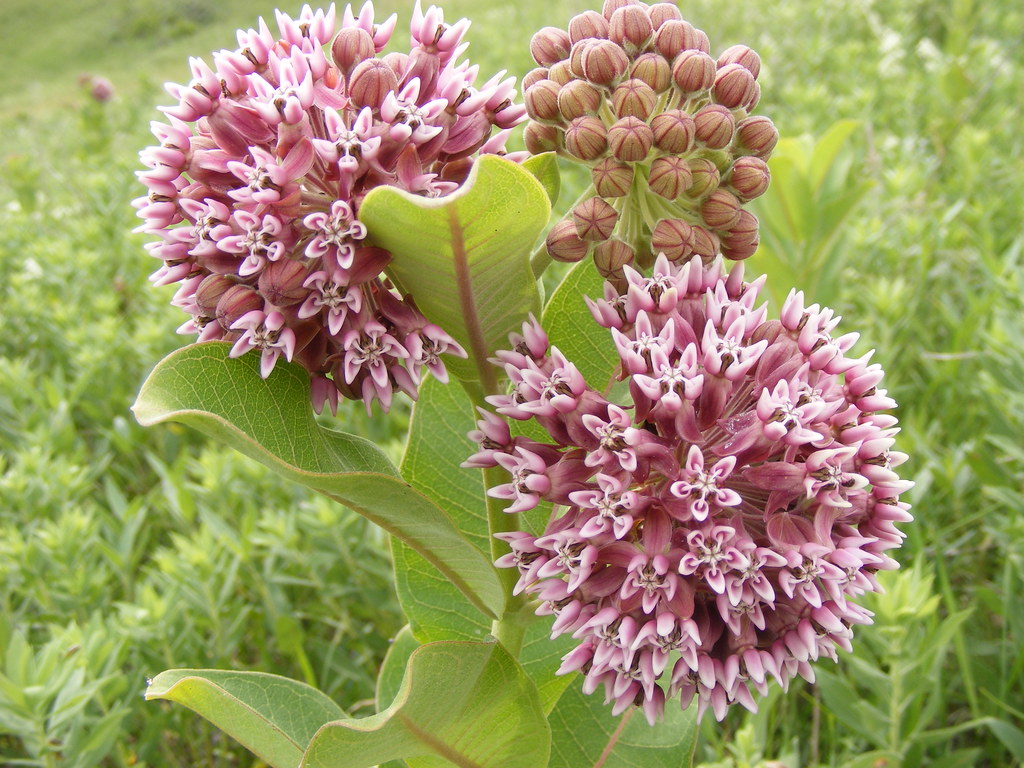
What’s the difference between giant milkweed and common milkweed (Asclepias)? Calotropis is tropical, woody, and larger; Asclepias is herbaceous, native to temperate North America, and preferred for migratory monarchs.
How long does it take to flower from seed? 2-3 years typically; faster from cuttings or nursery plants.
Conclusion: Start Your Giant Milkweed Journey Today 🌱🦋
With its stunning crown-like flowers, extreme resilience, and vital role in supporting monarch butterflies, the giant milkweed plant deserves a spot in every warm-climate garden. By following this ultimate care guide, you’ll enjoy thriving plants that provide beauty, biodiversity, and the joy of watching monarch magic unfold.
Ready to make a difference? Plant giant milkweed today—your local butterflies will thank you! Share your photos or questions in the comments below. 🏵️











