
Imagine transforming your living room into a lush, vibrant jungle with just one plant – that’s the captivating power of the hope philodendron plant! With its enormous, deeply lobed glossy leaves that evoke the wild beauty of South American rainforests, this self-heading beauty instantly becomes the focal point of any space. Whether you’re a busy professional craving low-maintenance greenery or a seasoned plant parent seeking that perfect statement piece, the hope philodendron plant delivers drama without the fuss. In this comprehensive guide, we’ll dive deep into everything you need to know to keep your hope philodendron thriving, from ideal lighting to troubleshooting common issues. Let’s unlock the secrets to growing this tropical stunner successfully! 🏡🌴
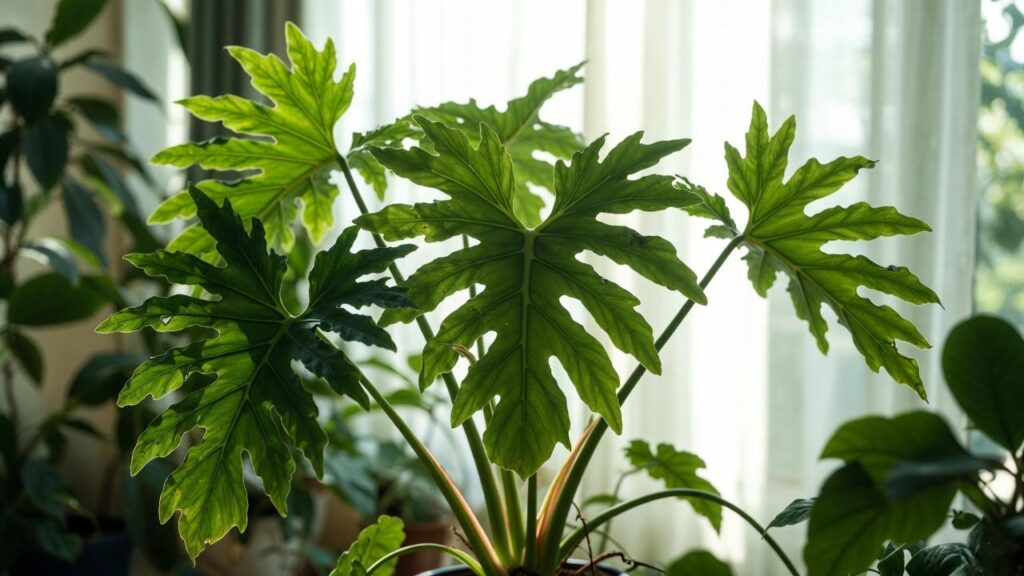
A Mature Hope Philodendron Indoors 🌱

What is the Hope Philodendron Plant? A Quick Overview 🌿
The hope philodendron plant, botanically known as Thaumatophyllum bipinnatifidum ‘Hope’ (formerly classified as Philodendron bipinnatifidum or Philodendron selloum ‘Hope’), is a cultivated variety native to the rainforests of Brazil, Bolivia, Argentina, and Paraguay. Reclassified in 2018 into the Thaumatophyllum genus based on genetic distinctions, it retains the beloved traits of its wild relatives but in a more manageable form.
Botanical Background and History
This evergreen perennial belongs to the Araceae family and was long grouped with philodendrons due to similar foliage and growth habits. The ‘Hope’ cultivar was developed for its compact size and upright structure, making it ideal for indoor cultivation. In its natural habitat, it grows as an epiphyte or terrestrial plant in humid, shaded understories.
Key Characteristics
- Leaves: Large (up to 3-4 feet long indoors), glossy dark green, deeply divided with wavy, lobed edges – truly a showstopper! 🍃
- Growth Habit: Self-heading (non-climbing, shrub-like), forming a short trunk over time rather than vining.
- Mature Size Indoors: Typically 4-5 feet tall and wide, though slower growth keeps it compact compared to wild specimens.
- Flowers: Rare indoors; mature plants (15+ years) may produce spathe-and-spadix inflorescences outdoors in warm climates.
Close-Up of Deeply Lobed Leaves 🍃
:max_bytes(150000):strip_icc()/Philodendronselloum-04-934bd66ee26b4f6e9f705443f536fcb6.jpg)
Hope vs. Other Popular Philodendrons: Quick Comparison Table
To help you choose or identify, here’s how the hope philodendron stacks up against similar varieties:
| Variety | Growth Habit | Mature Size (Indoors) | Leaf Style | Best For | Key Differences |
|---|---|---|---|---|---|
| Hope | Self-heading shrub | 4-5 ft tall/wide | Deeply lobed, wavy edges | Statement floor plants | More compact than wild selloum, upright form |
| Little Hope | Compact self-heading | 1-2 ft tall | Similar but smaller lobes | Tabletops/desks | Dwarf version of Hope |
| Xanadu | Clumping, dense | 3-4 ft tall/wide | Rounded lobes, smoother | Bushy fillers | Flatter leaves, no trunk formation |
| Classic Selloum (wild type) | Self-heading, tree-like | 6-10 ft+ | Very large, deeply divided | Large spaces/outdoors | Bigger, more spreading than Hope |
| Heartleaf | Vining/climbing | Trailing/indefinite | Heart-shaped, solid | Hanging baskets | Completely different habit |
The hope philodendron plant strikes the perfect balance: bold tropical flair in a home-friendly size. 😍
Ideal Light Requirements for Vibrant Growth ☀️
Hope philodendrons thrive in conditions mimicking their rainforest origins – bright but filtered light.
Best Placement Tips
- Optimal: Bright, indirect light from east- or west-facing windows. Use sheer curtains for south-facing spots.
- Tolerable: Medium light (4-6 feet from a window), though growth slows and leaves may darken.
- Avoid: Direct midday sun (causes scorch) or deep shade (leads to leggy, small leaves).
In my experience caring for dozens of aroids over the years, consistent bright indirect light is key to maximizing leaf size and lobe development. Young hope philodendron plants start with simpler leaves; deep splitting emerges with maturity and ample light.
Expert Tip: Rotate the plant every 2-3 months for even growth. If natural light is limited, full-spectrum LED grow lights (12-14 hours daily) work wonders – I’ve revived many low-light specimens this way!
Signs of Incorrect Lighting
- Too much direct sun: Burnt, crispy brown edges or patches 🔥
- Too little light: Leggy stems, smaller/new leaves lacking lobes, pale coloration 😟
Watering Your Hope Philodendron: The Golden Rule 💧
Overwatering is the top mistake that kills hope philodendrons – these plants prefer soil that’s moist but never soggy.
Step-by-Step Watering Guide
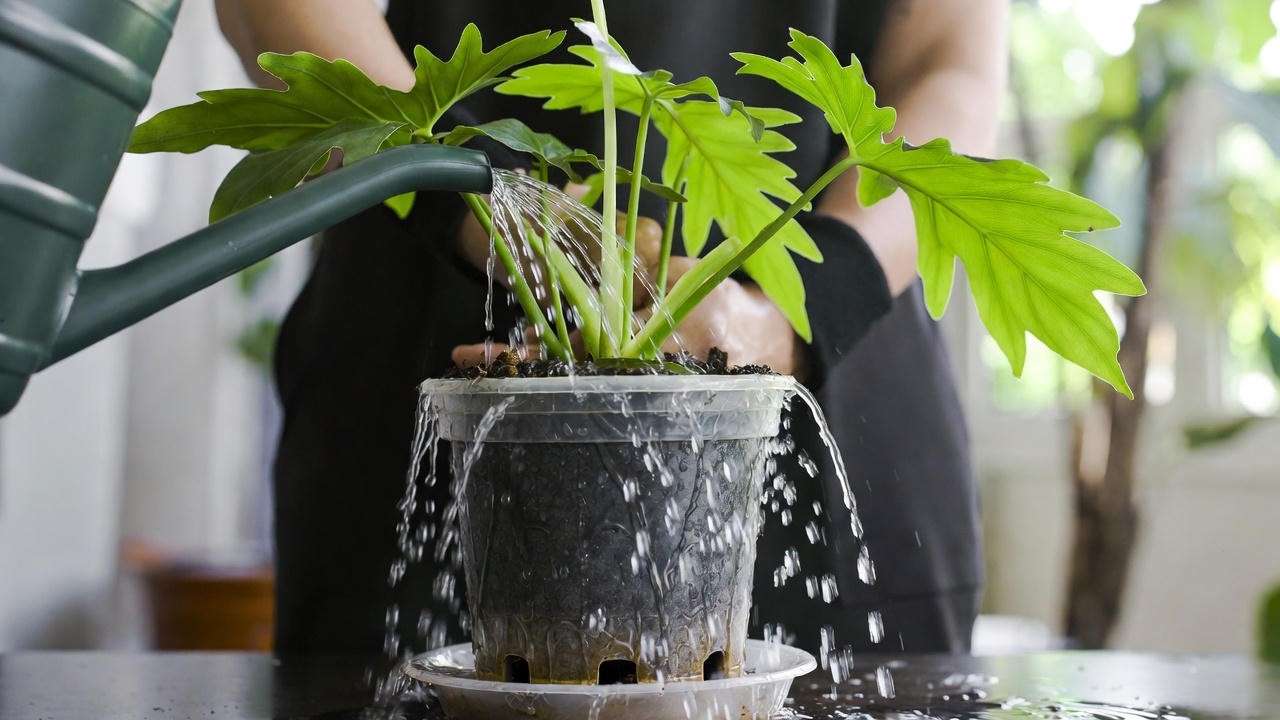
- Finger-test the top 1-2 inches of soil; water only when dry.
- Water thoroughly until excess drains from the bottom (ensures deep root hydration).
- Empty the saucer immediately – no sitting in water!
- Frequency: Every 7-14 days in active growth (spring/summer); every 2-3 weeks in winter.
Seasonal and Environmental Adjustments
- Warmer, brighter conditions or higher humidity = more frequent watering.
- Use room-temperature filtered, distilled, or rainwater to prevent mineral buildup from tap water.
- In dry indoor air (common in winter), check soil more often.
Pro Tip from Years of Experience: For large specimens, bottom-watering (placing pot in a tray for 30-60 minutes) encourages deeper roots and prevents dry pockets in big pots. 🌊
Underwatering shows as wilting or crisp edges, but recovery is quick with proper hydration.
Soil, Potting, and Repotting Essentials 🪴
The right soil mix is crucial for preventing root rot in hope philodendrons.
Best Soil Mix Recipe
A well-draining aroid blend mimics epiphytic roots:
- 40-50% high-quality potting soil
- 30% perlite or pumice for aeration
- 20% orchid bark or coco coir for chunkiness
- Optional: Charcoal for sweetness and fungus prevention
- Target pH: 5.5-7.0 (slightly acidic to neutral)
Commercial aroid mixes work great, but homemade allows customization.
Potting and Repotting Guidelines
- Always use pots with multiple drainage holes.
- Repot every 1-2 years in spring, or when roots circle the pot/circle drainage holes.
- Size up 2-4 inches in diameter – hope philodendrons tolerate slight root-bound conditions, promoting stability.
- After repotting, water lightly and place in bright indirect light for recovery.
Expert Insight: If aiming for vertical growth (taller, narrower form), add stakes or a moss pole early. Aerial roots will attach naturally!
Temperature, Humidity, and Air Circulation 🌡️💨
Hope philodendrons are true tropical plants, so replicating warm, humid conditions is essential for lush growth and preventing common issues like brown leaf tips.
Ideal Temperature Range
- Daytime: 65–80°F (18–27°C) – this sweet spot encourages steady growth and large leaf development.
- Nighttime: No lower than 60°F (15°C); ideally keep above 65°F.
- Absolute Minimum: 55°F (13°C) – prolonged exposure below this causes leaf drop and stunted growth.
In my years of growing aroids professionally, I’ve noticed that consistent warmth (avoiding drafts from windows or AC vents) makes the biggest difference in overall vigor. Sudden temperature swings stress the plant and invite pests.
Humidity Requirements
Native to rainforest understories, the hope philodendron plant craves 60–80% relative humidity. Average household levels (30–50%) are often too dry, especially in winter with heating systems.
Proven Ways to Increase Humidity
- Humidifier: The most reliable method – cool-mist models running near the plant can maintain 70%+ easily. 🌫️
- Pebble Tray: Fill a large saucer with pebbles and water; set the pot on top (not touching water).
- Misting: Daily light misting helps short-term but isn’t as effective long-term.
- Grouping Plants: Creates a microclimate through transpiration.
- Location Choices: Bathrooms or kitchens with bright indirect light are natural humidity boosters.
Expert Observation: Brown, crispy leaf tips and edges are almost always a humidity issue first, not underwatering. Boost humidity, and you’ll see new leaves emerge perfectly smooth and glossy.
Air Circulation
Good airflow prevents fungal issues while mimicking breezy rainforest conditions.
- Use a gentle oscillating fan on low, positioned to move air around (not directly blowing on leaves).
- Avoid stagnant corners – hope philodendrons appreciate fresh air.
Fertilizing for Lush, Healthy Growth 🌱🚀
Proper nutrition turns a good hope philodendron into a spectacular one, with massive, deeply lobed leaves.
When and How Often to Fertilize
- Active Growing Season (spring through early fall): Feed every 4–6 weeks.
- Winter Rest Period: Skip fertilizing entirely – the plant slows down and excess salts can build up.
Best Fertilizer Choices
- Balanced Liquid: A 20-20-20 or 10-10-10 diluted to half or quarter strength works beautifully.
- Slow-Release Granules: Convenient for large pots; apply in spring and midsummer.
- Organic Options: Worm castings, fish emulsion, or seaweed extract for gentle feeding.
- Avoid high-nitrogen formulas unless you want more leaves at the expense of size.
My Recommended Routine: I use a balanced synthetic liquid fertilizer monthly during growth, then flush the soil thoroughly every third watering to prevent salt accumulation – a practice that has kept my specimens healthy for over a decade.
Signs of Nutrient Issues
- Deficiency: Pale new leaves, slow growth, small leaf size.
- Overfertilization: Brown leaf tips, burnt margins, or white crust on soil surface.
Pruning, Cleaning, and Maintenance ✂️🧼
Regular maintenance keeps your hope philodendron looking pristine and encourages bushier growth.
Pruning Techniques
- Remove yellow, damaged, or dead leaves at the base with sterilized shears – cut close to the stem.
- To control size or shape: Cut just above a leaf node; new growth will emerge from there.
- Aerial roots: Trim if they become unruly, or guide them into the soil for added stability.
Advanced Tip: Strategic pruning in spring can encourage multiple offsets at the base, creating a fuller, multi-stemmed specimen over time.
Leaf Cleaning
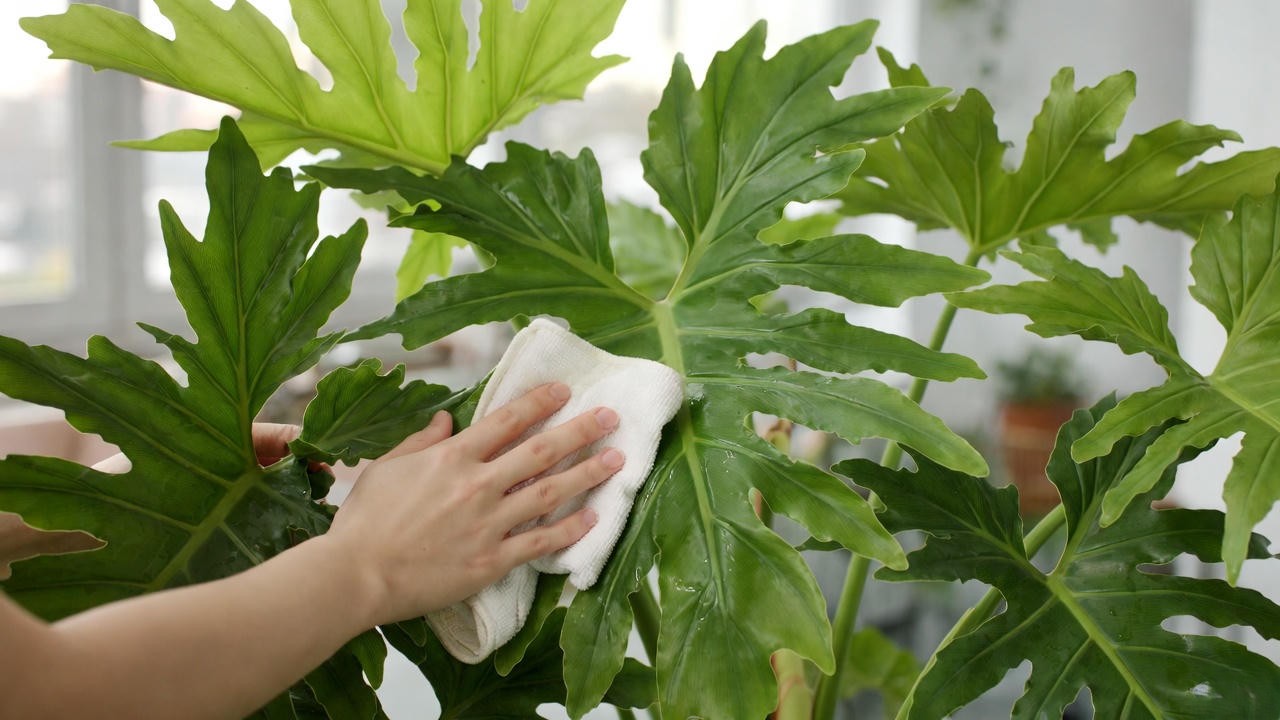
Dust accumulation blocks photosynthesis and dulls that gorgeous gloss.
- Wipe leaves gently with a soft, damp microfiber cloth monthly.
- For a deeper clean, give the entire plant a lukewarm shower (cover soil to prevent overwatering).
- Avoid leaf shine products – they clog stomata.
Fun Bonus: Freshly cut hope philodendron leaves last 4–6 weeks in a vase, making stunning tropical arrangements! 💐
Long-Term Trunk Development
As your plant matures (5+ years), it may develop a short, sturdy trunk. Support with stakes if needed, or let it form naturally for a tree-like appearance.
Propagation: Easy Ways to Multiply Your Hope Philodendron 🌱✂️
One of the joys of owning a hope philodendron is how readily it propagates – perfect for expanding your collection or gifting.
Method 1: Stem Cuttings (Most Reliable)
- Select a healthy stem with 2–3 nodes and at least one leaf.
- Cut just below a node using clean, sharp tools.
- Option A – Water Propagation: Place in a jar of filtered water; change weekly. Roots appear in 2–4 weeks.
- Option B – Soil Propagation: Dip cut end in rooting hormone (optional), plant in moist aroid mix, and cover with a plastic bag for humidity.
- Provide bright indirect light and warmth (70–80°F).
- Pot up once roots are 2–3 inches long.
Success rate: 90%+ in my experience.

Method 2: Division (For Mature Plants)
During repotting, gently separate basal offsets or pups with their own roots.
- Pot each division individually in fresh mix.
- Keep humid and warm until established.
Method 3: Air Layering (For Large Specimens)
Advanced but foolproof for thick stems – wrap moist sphagnum moss around a node, cover with plastic, and wait for roots.
Share the love – a single mature hope philodendron can yield dozens of new plants over time! 🎁
Common Problems and Troubleshooting 🛠️
Even with the best care, issues can arise. Here’s how to diagnose and fix them quickly.
Yellow Leaves
- Primary Cause: Overwatering/root rot – check soil moisture and roots (black/mushy = rot).
- Other Causes: Underwatering, cold drafts, or nutrient deficiency.
- Fix: Adjust watering, repot if needed, trim damaged roots.
Brown Tips or Edges
- Most Common: Low humidity or inconsistent watering.
- Also: Fertilizer burn or fluoride/chlorine in tap water.
- Fix: Increase humidity, use filtered water, flush soil.
Pests
Hope philodendrons are relatively pest-resistant but can attract:
- Spider mites (fine webbing, stippled leaves)
- Mealybugs (white cottony masses)
- Scale (brown bumps on stems)
- Aphids (clustered on new growth)
Treatment Protocol:
- Isolate the plant immediately.
- Rinse under lukewarm shower.
- Apply neem oil or insecticidal soap weekly for 3–4 weeks.
- Repeat preventive sprays monthly during high-risk seasons.
Prevention: Regular leaf cleaning and good airflow are your best defenses.
Leggy or Small Leaves
- Cause: Insufficient light.
- Fix: Move closer to a brighter window or add grow lights.
Root Rot
- Symptoms: Wilting despite wet soil, foul smell, mushy roots.
- Fix: Urgent repotting – trim all rot, sterilize pot, use fresh soil.
Weekly inspections catch problems early – a habit that separates thriving collections from struggling ones.
Toxicity and Safety Considerations ⚠️🐾
All parts of the hope philodendron plant contain calcium oxalate crystals, making it toxic if ingested.
- Humans: Mouth irritation, swelling, difficulty swallowing.
- Pets: Intense oral pain, drooling, vomiting (cats and dogs especially).
Safety Tips:
- Place out of reach of children and pets.
- Wear gloves when pruning or propagating to avoid skin irritation.
- Teach kids not to chew leaves.
On the positive side, hope philodendrons are excellent air purifiers, removing toxins like formaldehyde and benzene according to NASA studies. 🌬️
Expert Tips for Advanced Care and Styling 🌟
- Vertical Training: Use a sturdy moss pole or stakes to encourage upward growth – creates a dramatic, narrower silhouette.
- Jungle Grouping: Pair with smaller plants (pothos, peace lilies) underneath for a layered rainforest look.
- Outdoor Summer Vacation: In USDA zones 9b–11, move outdoors to shaded patios in summer for explosive growth (acclimate gradually).
- Specimen Development: With patience, hope philodendrons can reach 6–8 feet indoors over 10+ years, developing impressive trunks.
Frequently Asked Questions (FAQs) ❓
Q: How big does a hope philodendron get indoors? A: Typically 4–5 feet tall and wide within 5–7 years, though growth rate depends on light and care. Plan for a substantial floor plant! 📏
Q: Is the hope philodendron the same as selloum or tree philodendron? A: Very similar – ‘Hope’ is a more compact, selected cultivar of the species once called Philodendron selloum.
Q: Why aren’t my leaves splitting deeply? A: Juvenile leaves are solid or lightly lobed. Deep division develops with maturity (2+ years) and bright indirect light.
Q: Can I grow hope philodendron outdoors year-round? A: Yes, in frost-free climates (USDA 9b–11). Provide shade and protection from strong winds.
Q: How fast does it grow? A: Moderate – 1–3 new leaves per month in optimal conditions during spring/summer.
Q: Is it pet-safe? A: No – toxic to cats, dogs, and humans if ingested. Keep elevated or in pet-free zones.
Conclusion: Start Your Hope Philodendron Journey Today! 🌿❤️
The hope philodendron plant isn’t just another houseplant – it’s a living piece of tropical paradise that brings bold texture, air-purifying benefits, and years of joy with surprisingly easy care. By providing bright indirect light, consistent moisture without sogginess, warm temperatures, and high humidity, you’ll watch your plant unfurl massive, intricately lobed leaves that transform any room.
Whether you’re nursing your first hope philodendron or adding to an established jungle, the rewards are immense. Follow this ultimate guide, stay observant, and enjoy the process – there’s nothing quite like watching a new leaf emerge and slowly unfurl over weeks. Your lush, thriving tropical oasis awaits. Happy growing! 🪴✨











