
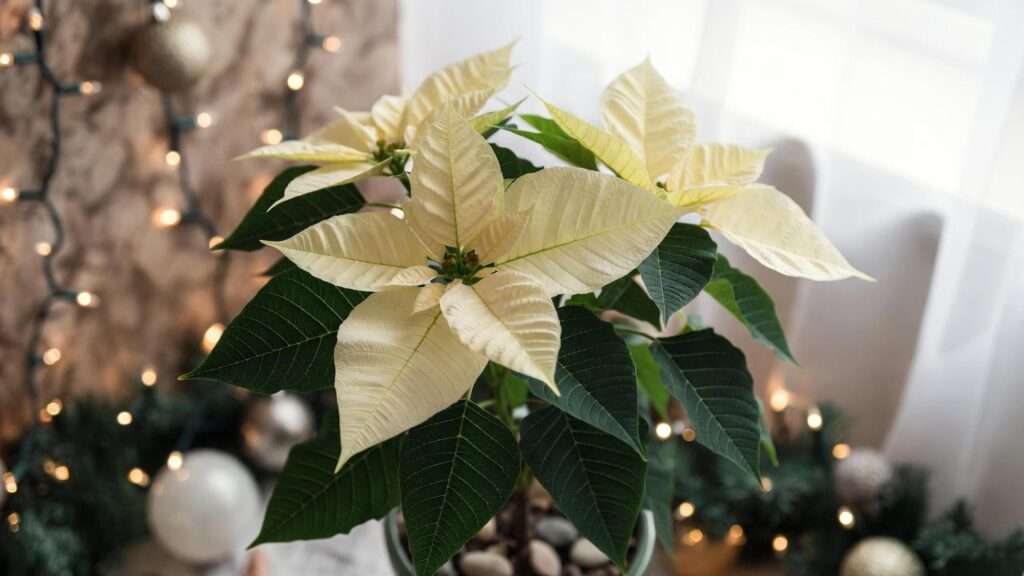
Imagine this: It’s December 23, 2025, and your home is filled with the soft glow of holiday lights. In the center of it all sits a stunning white poinsettia plant, its creamy bracts radiating purity and elegance against the festive backdrop. But just a week ago, you worried it might droop or fade like so many holiday plants do. With the right care, that doesn’t have to happen. The white poinsettia plant isn’t just a seasonal decoration—it’s a resilient beauty that can thrive through the holidays and beyond, bringing sophisticated charm to your winter decor. In this comprehensive guide, we’ll dive deep into everything you need to know to keep your white poinsettia plant vibrant, healthy, and blooming beautifully all season long.
White poinsettias (Euphorbia pulcherrima) symbolize purity, hope, and new beginnings, making them a perfect elegant alternative to the classic red varieties. Whether you’re a seasoned plant parent or new to holiday houseplants, this expert-backed advice—drawn from university extensions like the University of Minnesota, Iowa State, and Colorado State—will help you avoid common pitfalls and enjoy your plant’s full potential.

Understanding the White Poinsettia Plant 🌿
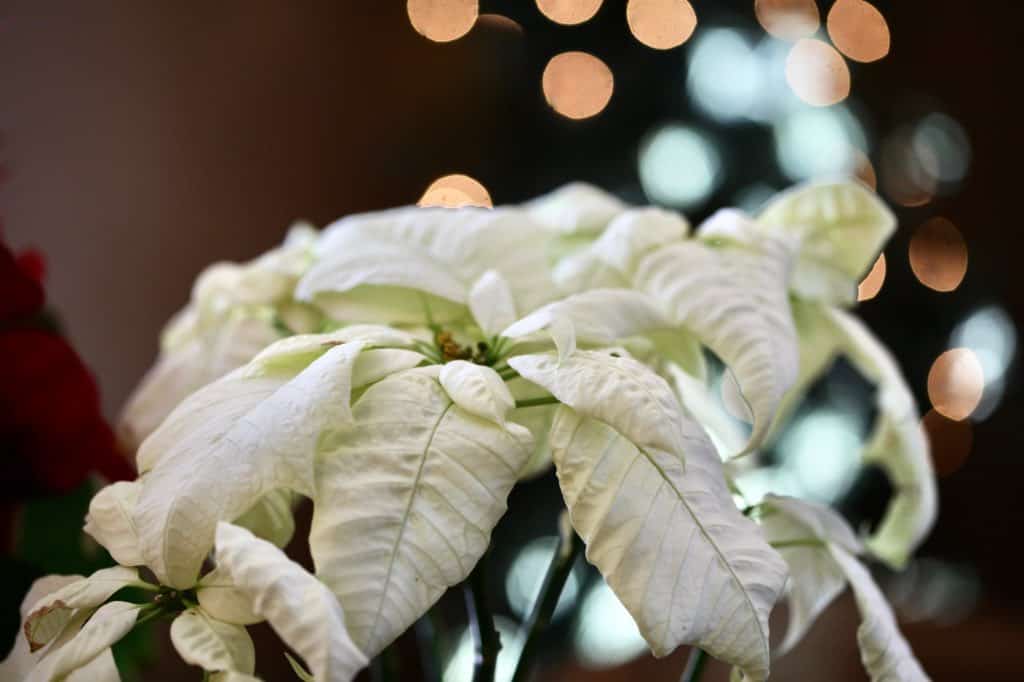
Poinsettias are native to Mexico, where they grow as shrubs in warm climates. The “flowers” we admire are actually colored bracts—modified leaves—surrounding tiny yellow cyathia (true flowers) in the center. White varieties develop their creamy hue through the same photoperiodic process as reds: shorter days trigger bract coloration by reducing chlorophyll production.
What Makes White Poinsettias Special (vs. Red Varieties) ❄️
While red poinsettias dominate holiday sales, white poinsettias offer a serene, sophisticated vibe—perfect for modern, minimalist, or winter wonderland themes. They evoke snow and purity, pairing beautifully with silver, gold, or blue accents. Care requirements are identical to red varieties; the difference is purely aesthetic and symbolic. According to experts at the University of Minnesota Extension, white bracts can sometimes shift slightly to pinkish tones in certain conditions, adding subtle variation.
Popular White Poinsettia Varieties in 2025 ✨
Breeding advancements have introduced stunning white options with improved longevity and disease resistance. Top picks for 2025 include:
- Christmas Joy White (Selecta One): Top-selling for its uniform growth and bright, clean white bracts.
- Princettia Pure White: Compact, mounding habit with abundant narrower bracts—ideal for smaller spaces.
- Flurry and Frozen (Dümmen Orange): Exceptionally bright and pure whites with strong vigor.
- Brillant White: Award-winner in recent trials for outstanding performance.
- Snowcap or Alaska: Classic creamy whites with dark green foliage contrast.
These hybrids last longer indoors (up to mid-March with proper care) than older varieties.

Botanical Basics: Bracts, Cyathia, and Native Origins
Native to southern Mexico and Central America, poinsettias were cultivated by Aztecs for dye and medicine. Introduced to the U.S. in the 1820s by Joel Roberts Poinsett, modern breeding (starting in the 1950s) has created compact, long-lasting plants. Bracts provide the color show, while cyathia are the pollinated centers.
Selecting the Healthiest White Poinsettia Plant at Purchase 🛒
A strong start ensures longevity. Look for plants with:
- Intact, undamaged white bracts and dark green leaves extending to the base.
- No yellowing, wilting, or dropped leaves.
- Cyathia still tight and yellow (not fully open or shedding pollen).
- Sturdy stems and no signs of pests (check undersides of leaves).
What to Avoid: Common Red Flags in Stores ⚠️
Skip plants exposed to cold drafts near doors, with soggy soil, or foil-wrapped pots without drainage holes. Avoid any with whiteflies (tiny fluttering insects) or yellow pollen shed.
Expert Tip: How to Transport Safely in Cold Weather 🚗
On chilly days like today (December 23), sleeve your plant in paper or plastic and get it home quickly. Cold exposure below 50°F (10°C) can cause leaf drop. Warm your car first!
Ideal Placement and Light Requirements ☀️
Poinsettias thrive in bright, indirect light—mimicking their tropical understory origins.
Best Indoor Locations for Bright, Indirect Light
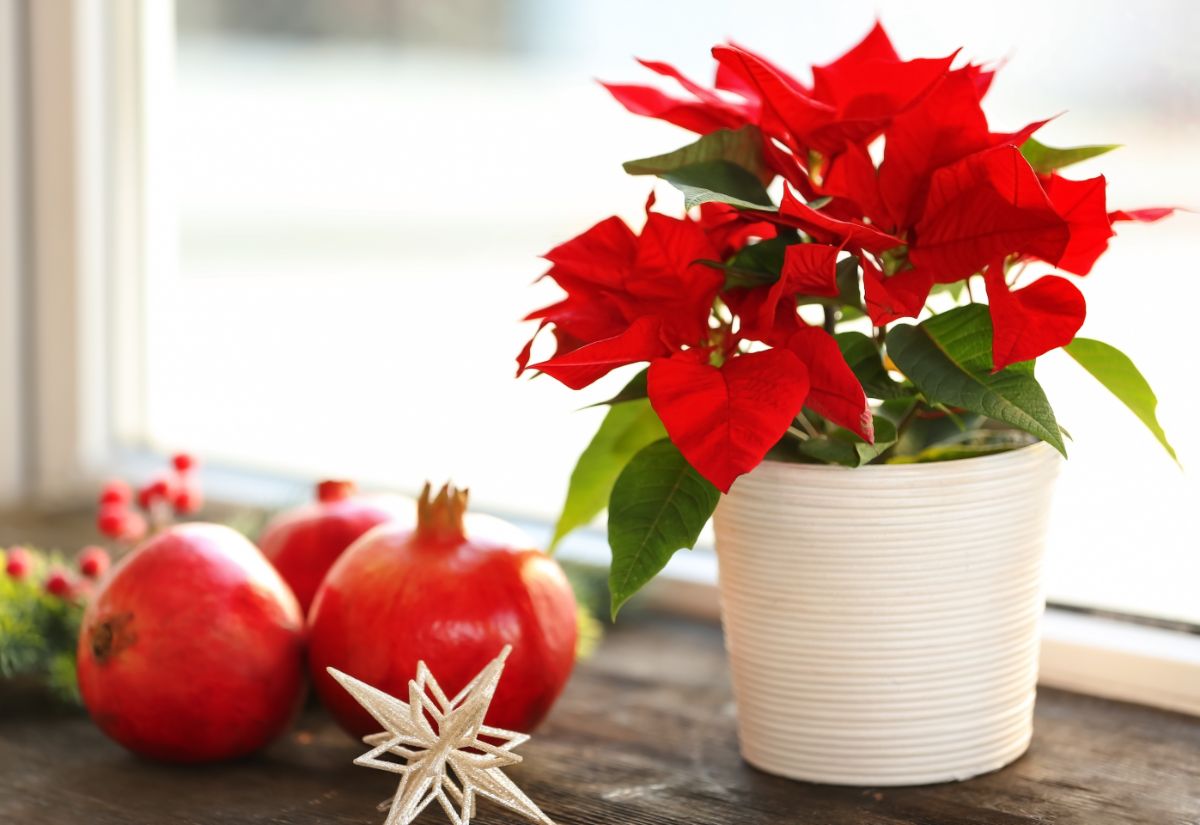
Place near east, south, or west windows, 1-3 feet back to avoid direct sun scorching bracts. Six hours of bright daylight daily is ideal.
Temperature and Humidity Guidelines (60-70°F Daytime)
Day: 65-70°F (18-21°C); Night: 60-65°F (15-18°C). Higher temps shorten bloom life.
Avoiding Drafts, Heat Sources, and Cold Windows
No fireplaces, vents, doors, or cold panes—these cause rapid leaf drop from stress.
Quick Tip: Boost Humidity 💨
Use pebble trays or humidifiers; aim for 40-60% humidity to prevent dry edges.
Watering Your White Poinsettia Plant Properly 💧
Watering is often the make-or-break factor in poinsettia care. Too much leads to root rot, too little causes wilting and leaf drop. The goal: Keep the soil evenly moist but never soggy.
How Often to Water: Signs the Soil is Ready 🌱
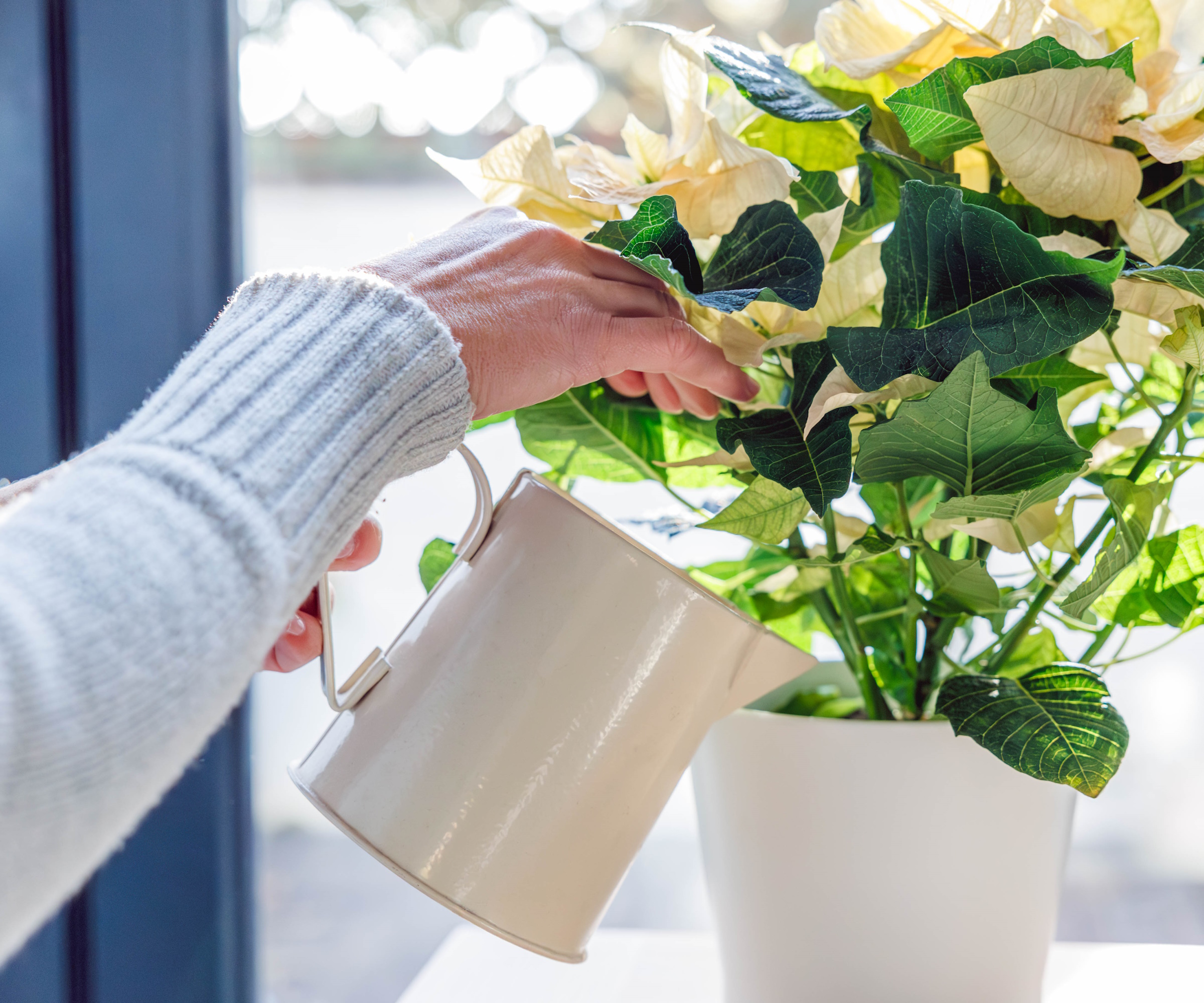
Check the top 1-2 inches of soil—water only when it feels dry to the touch. In typical indoor conditions (65-70°F), this means every 5-7 days during the holiday season. Factors like low humidity, bright light, or larger pots may require more frequent checks. University of Minnesota Extension recommends the “finger test” over a strict schedule for best results.
Proper Watering Technique (Thorough but No Standing Water) 🚰
Water thoroughly until it drains from the bottom holes, then empty the saucer after 15-30 minutes. This flushes salts and ensures roots get oxygen. Use room-temperature water to avoid shock.
Common Mistakes: Overwatering vs. Underwatering ⚠️
Overwatering is the #1 killer—symptoms include yellow lower leaves, mushy stems, and foul-smelling soil from root rot (often Pythium or Rhizoctonia). Underwatering shows as drooping bracts and dry, crispy leaf edges.

Expert Insight: Drainage Tips for Foil-Wrapped Pots 🎁
Most holiday poinsettias come in decorative foil without drainage. Punch holes or remove the foil temporarily for watering. Better yet, place the plastic grower pot inside a cache pot and remove for watering.
Soil, Fertilizing, and Nutrition Needs 🪴
Poinsettias prefer well-draining, slightly acidic soil (pH 5.8-6.5).
Best Potting Mix for White Poinsettias
Use a peat-based houseplant mix with perlite or vermiculite for aeration. Avoid heavy garden soil.
When and How to Fertilize (During Bloom and Beyond)
Skip fertilizer during the bract-display period (November-February)—plants are “resting.” Resume in March with a balanced, water-soluble fertilizer (e.g., 20-20-20) at half strength every 4-6 weeks. Iowa State University advises stopping by September to encourage reblooming.
Post-Holiday Nutrition Adjustments
As days lengthen, increase feeding to support new growth.
Common Problems and Troubleshooting for White Poinsettia Plants ⚠️
Even with perfect care, issues arise. Here’s how to diagnose and fix them quickly.
Leaf Drop: Causes and Quick Fixes 🍂
Sudden leaf drop usually stems from temperature fluctuations, drafts, or low light. Move to a stable spot and maintain consistent conditions. Stress-related drop is often temporary.
Yellowing Leaves or Wilting: Diagnosis Guide 💛
Yellowing often signals overwatering or nutrient issues; wilting can be underwatering or root damage.

Pests (Whiteflies, Mealybugs, Fungus Gnats) and Organic Controls 🐛
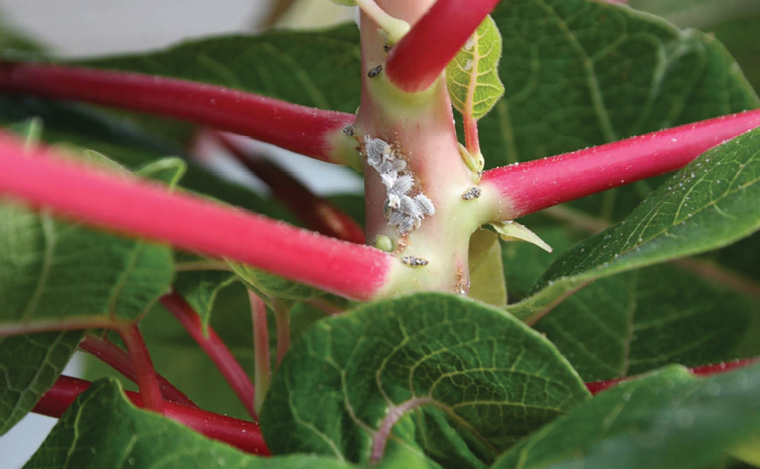
Whiteflies (tiny flying insects under leaves) and mealybugs (cottony masses) love warm, dry conditions. Inspect regularly.
Organic controls: Neem oil spray, insecticidal soap, or yellow sticky traps. For severe infestations, isolate the plant.
Diseases (Root Rot, Powdery Mildew) Prevention 🛡️
Prevent root rot with excellent drainage; treat with fungicides if needed. Powdery mildew (white powder on leaves) thrives in high humidity—improve air circulation.
Pruning, Maintenance, and Long-Term Care ✂️
To turn your holiday plant into a perennial favorite:
Pruning After the Holidays for Bushier Growth 🌿
In late March or early April, cut stems back to 6-8 inches. This encourages branching for fuller plants next season.

Repotting Tips for Year-Round Health
Repot in spring into a slightly larger pot with fresh mix.
Summer Outdoor Care (If Desired) ☀️
Move outdoors to shaded spots after frost danger passes; acclimate gradually.
How to Make Your White Poinsettia Rebloom Next Year 🔄
Many people treat poinsettias as annuals, but with dedication, your white poinsettia can rebloom beautifully year after year. The key is mimicking their natural short-day cycle. Success rates vary—experts from Colorado State University report 50-70% for home growers—but following this timeline boosts your odds significantly.
Step-by-Step Timeline (Spring to Fall) 📅
- January-March (Post-Holiday Rest): Keep indoors with normal care. Bracts will fade and drop—normal!
- April (Prune and Repot): Cut back to 6-8 inches, repot if rootbound.
- May-June (New Growth): Place in bright light, fertilize monthly, water as needed.
- June-September (Summer Outdoors): Gradually acclimate to shaded outdoor spots (no direct sun). Pinch tips in July and mid-August for bushiness.
- Late September (Begin Dark Treatment): Bring indoors permanently.
Critical Dark Period Requirements (14 Hours Uninterrupted Darkness) 🌑
Starting October 1 (or when nights naturally reach 14 hours dark in your area), provide strict darkness from 5 PM to 8 AM daily for 8-10 weeks. Even brief light exposure (streetlights, room lamps) resets the process.
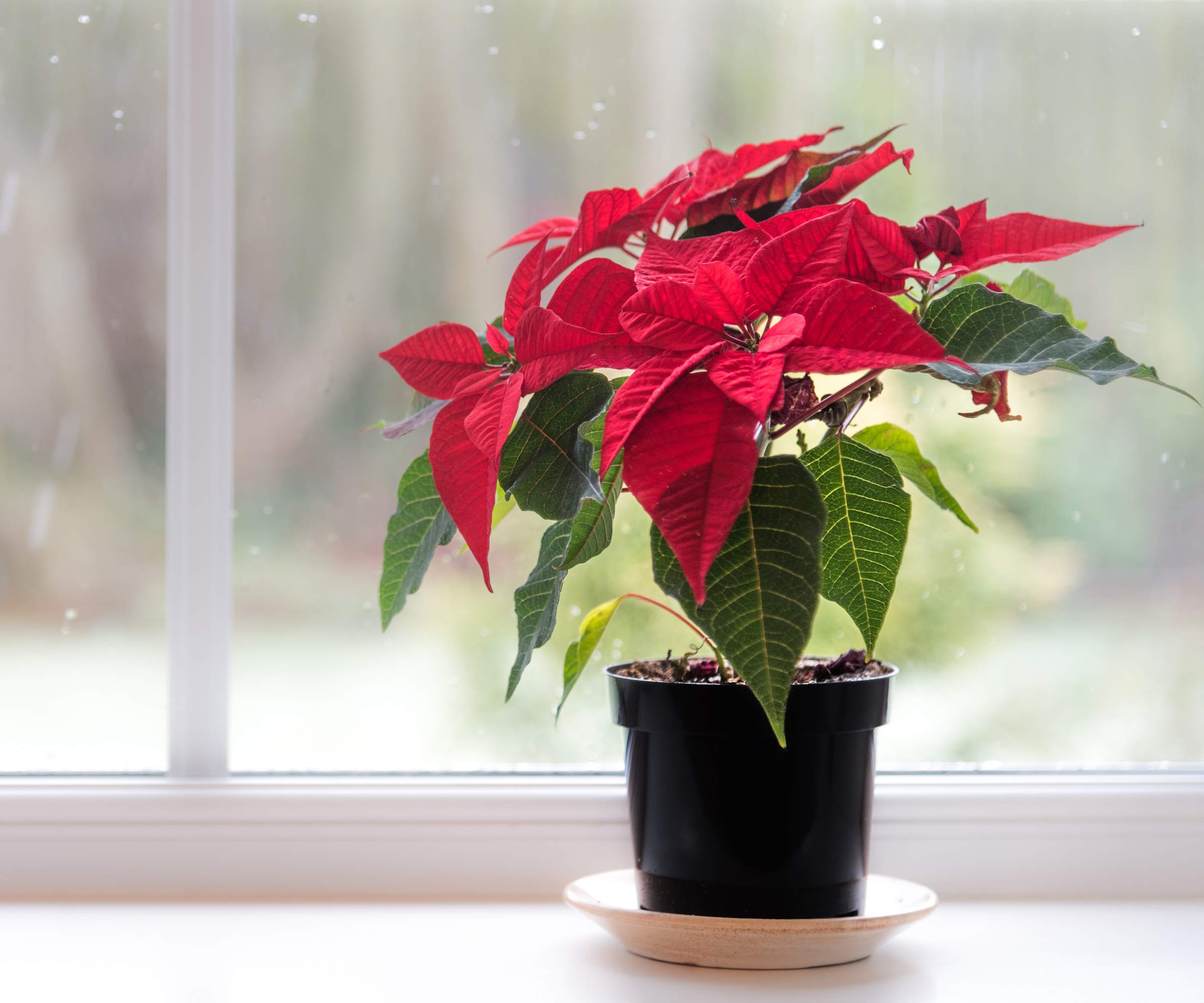
Pro methods: Place in a dark closet, cover with a blackout box, or use a dedicated dark room. Daytime: Bright indirect light.
Pinching, Fertilizing, and Light Manipulation Schedule
Pinch new growth until August for multiple bracts. Stop fertilizing in September. By mid-November, colored bracts should emerge—if not, extend darkness another week.
Expert Challenge: Success Rates and Pro Tips 🌟
Wear gloves when handling (milky sap irritates skin). Consistency is key—many failures come from light leaks. If reblooming feels too tricky, enjoy as a green houseplant!
Safety, Toxicity Myths, and Pet-Friendly Advice 🐾
Poinsettias have a bad reputation, but modern research debunks the worst myths.
Debunking Poinsettia Poison Myths (Mild Irritant Only) 🛡️
Contrary to old tales, poinsettias are not highly toxic. The ASPCA and Poison Control Centers classify them as mildly irritating. A 50-pound child would need to eat 500+ leaves for serious issues—unlikely!
Handling the Milky Sap Safely 🧤
Sap can cause skin rash or stomach upset if ingested. Wash hands after pruning.
Tips for Homes with Pets or Children 👨👩👧👦🐕
Place out of reach. Monitor curious pets—vomiting is rare but possible. Safer alternatives exist if worried, but white poinsettias are generally pet-friendly with supervision.
Creative Display and Styling Ideas for White Poinsettias 🎄
Elevate your white poinsettia from basic to breathtaking.
Pairing with Other Colors for Stunning Arrangements ✨
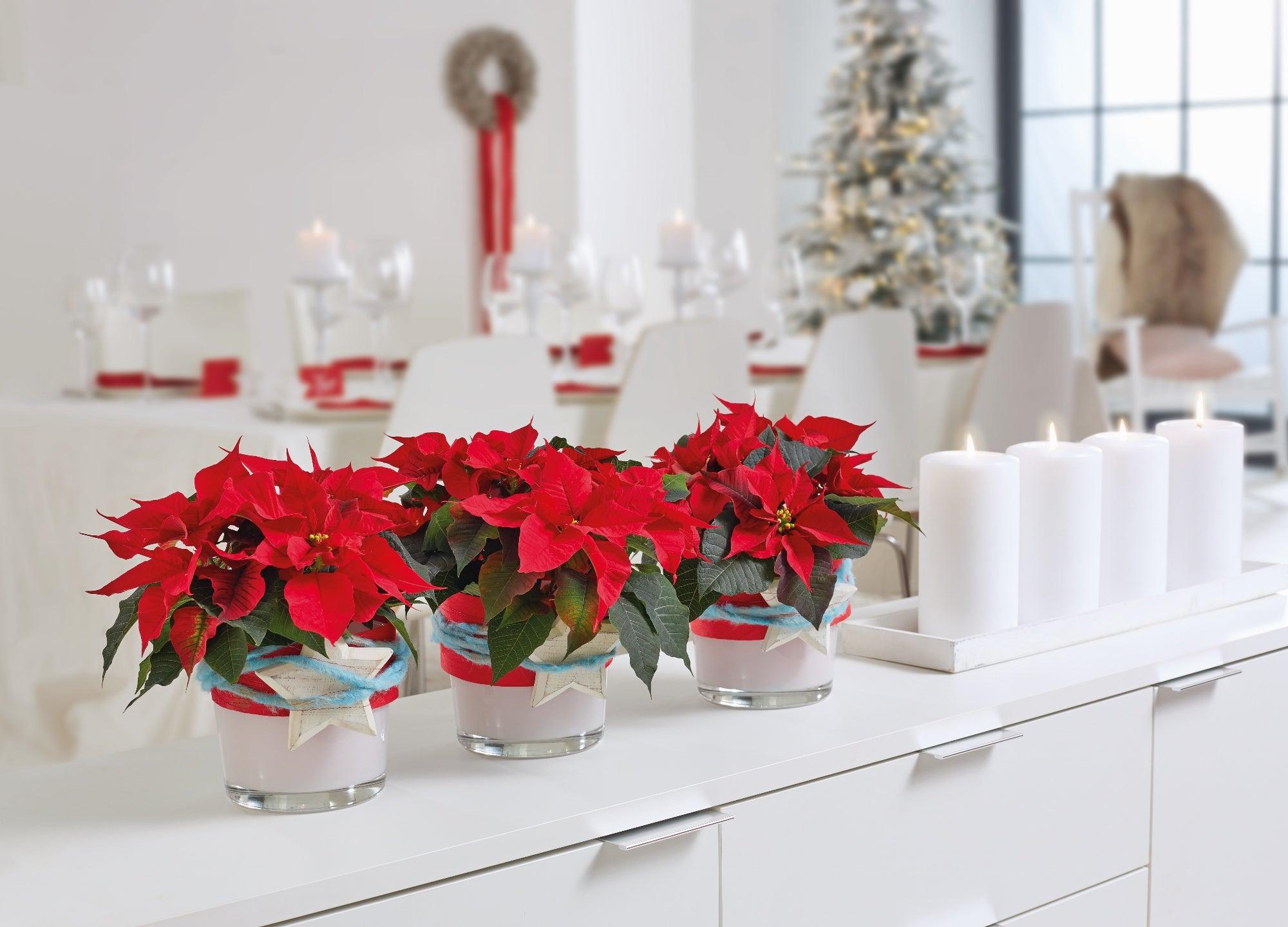
White bracts shine with silver ornaments, blue hydrangeas, or gold accents for elegant winter themes. Mix with evergreens for texture.
DIY Holiday Decor Ideas 🛠️
- Cluster multiple in a basket with pinecones.
- Use as table centerpieces in mercury glass vases.
- Float bracts in water bowls with candles.
Extending Beauty Beyond Christmas ⛄
Transition to New Year’s with metallic ribbons or Valentine’s with pink touches.
FAQs: Your Top White Poinsettia Questions Answered ❓
Why are my white poinsettia bracts turning pink/green? Pinkish tones can occur from temperature fluctuations or genetics—harmless. Green reversion happens post-bloom as bracts fade.
Can white poinsettias be kept year-round as houseplants? Yes! Treat as foliage plants after bracts drop; many thrive for years.
How long do white poinsettias typically last? With care, bracts stay vibrant 2-6 months; plants can live indefinitely.
What’s the difference in care between white and red varieties? None—care is identical. Color is the only variance.
Why is my white poinsettia dropping leaves suddenly? Usually stress: cold drafts, over/underwatering, or low light.
Do white poinsettias need special fertilizer? No, standard houseplant fertilizer works.
Can I plant my white poinsettia outdoors? Only in USDA zones 9-11; elsewhere, treat as annual or bring in.
How do I propagate white poinsettias? Take stem cuttings in summer; root in water or soil.
Are white poinsettias rarer than red? Slightly less common, but widely available seasonally.
What if my poinsettia gets powdery mildew? Increase airflow, reduce humidity; treat with neem.
Conclusion: Enjoy Your Thriving White Poinsettia All Season Long! 🌟❄️
As December 23, 2025, brings us closer to holiday magic, your white poinsettia plant can be the elegant star of your celebrations. By following this expert guide—rooted in decades of horticultural research—you’ll avoid common pitfalls and keep those creamy bracts glowing beautifully. Whether enjoying it this season or planning for reblooms ahead, you’ve got the tools for success. Share your white poinsettia photos or questions in the comments—I’d love to hear how yours is thriving! Happy holidays and joyful gardening. 🎅🌿











