
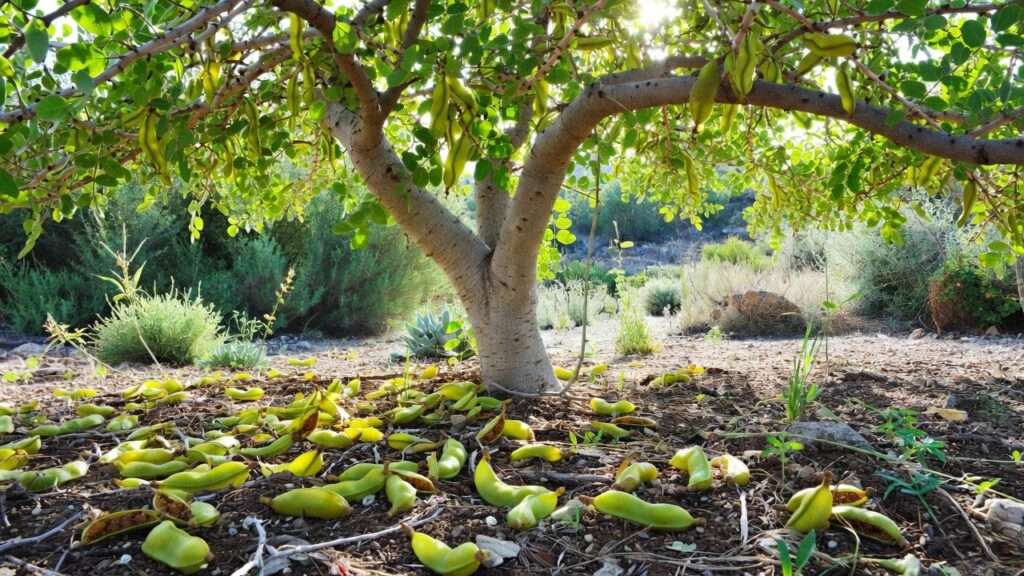
Imagine biting into a sweet, chocolate-like pod straight from your own backyard tree — without any caffeine or theobromine, perfect for a healthy treat or even pet-safe snacks. That’s the magic of the carob tree (Ceratonia siliqua), a drought-tolerant evergreen that’s been prized in Mediterranean landscapes for thousands of years. Growing your own carob tree from carob tree seeds is incredibly rewarding, offering shade, ornamental beauty, and edible pods that can be ground into a natural cocoa substitute.
Yet, many gardeners struggle with the hard seed coat, leading to low germination rates and frustration. In this comprehensive guide, drawn from years of horticultural expertise and proven techniques, you’ll learn exactly how to overcome these challenges for near-100% success — even as a beginner. We’ll cover everything from seed preparation to long-term care, helping you cultivate a thriving, productive tree that can live for over 100 years. Let’s turn those tough carob tree seeds into a lush, pod-producing masterpiece! 🌱

What Is a Carob Tree? A Quick Introduction to This Amazing Plant 🌿
The carob tree, also known as St. John’s bread or locust bean tree, is an evergreen member of the legume family (Fabaceae). Native to the Mediterranean region and the Middle East, it has been cultivated for millennia — its seeds were even used as the ancient standard for weighing gold, giving us the word “carat.”
Botanical Background and History
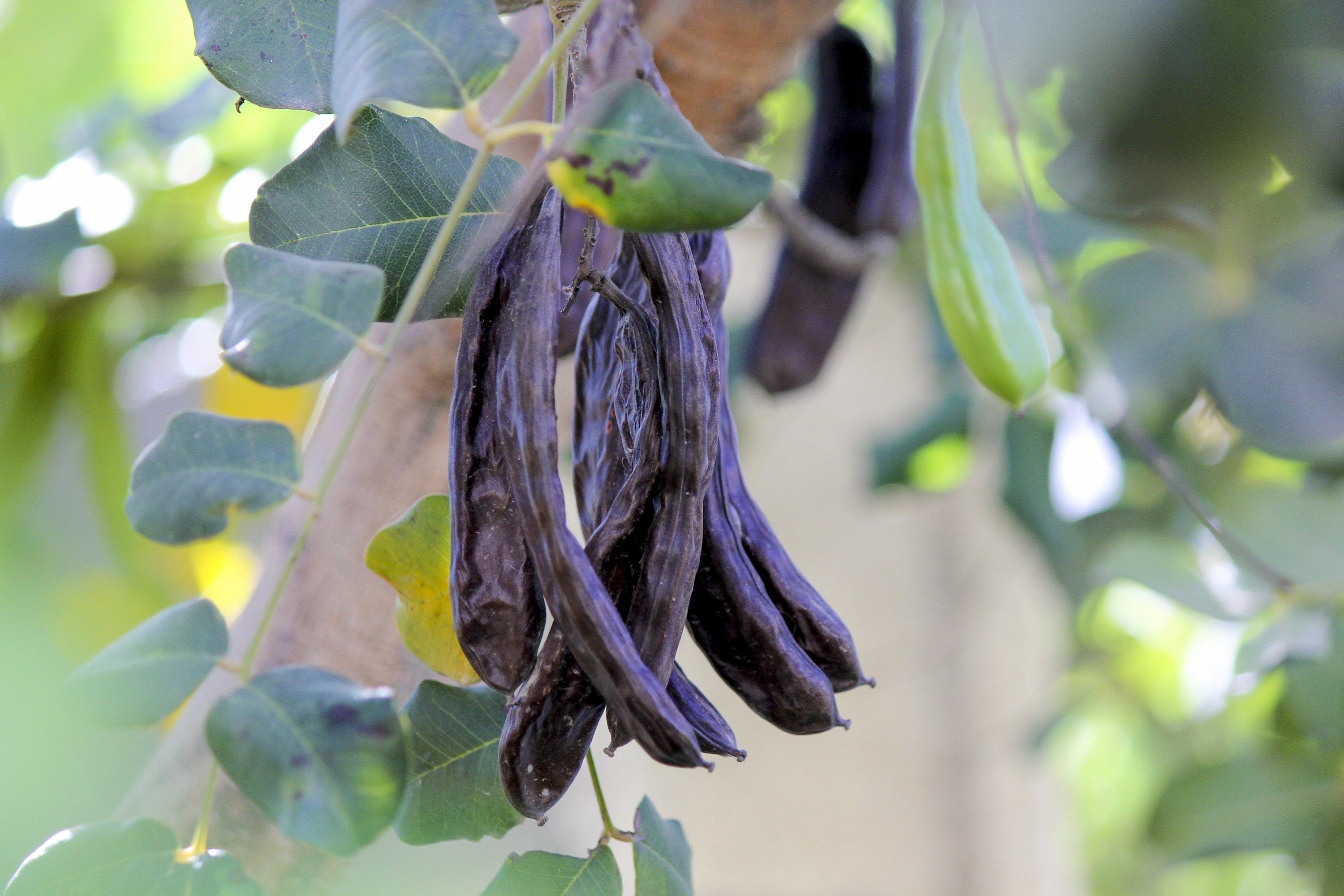
Ceratonia siliqua features pinnate, leathery dark-green leaves and produces long, flattened pods filled with sweet pulp and hard seeds. Historically, carob pods sustained people during famines and were mentioned in biblical stories (thought to be the “locusts” eaten by John the Baptist).
Why Grow Carob Trees Today?
In modern gardens, carob trees shine for their sustainability: the pods are a nutritious, caffeine-free chocolate alternative rich in fiber, antioxidants, and natural sugars (up to 50% in ripe pulp). They’re ideal for health-conscious baking, syrups, or dog treats. Plus, carob is eco-friendly — nitrogen-fixing roots improve soil, and its drought tolerance makes it perfect for water-wise landscaping.
Carob Tree Characteristics
Mature trees reach 30-50 feet tall and wide, with a broad, rounded canopy providing dense shade. Lifespan often exceeds 100 years. Best in USDA zones 9-11 (tolerating brief dips to 20°F/-6°C once established), they thrive in hot, dry summers but need protection from prolonged freezes when young.
Understanding Carob Tree Seeds: What You’re Working With 🍂
Carob tree seeds are notoriously tough — that’s why proper preparation is key to success.
Anatomy of a Carob Seed
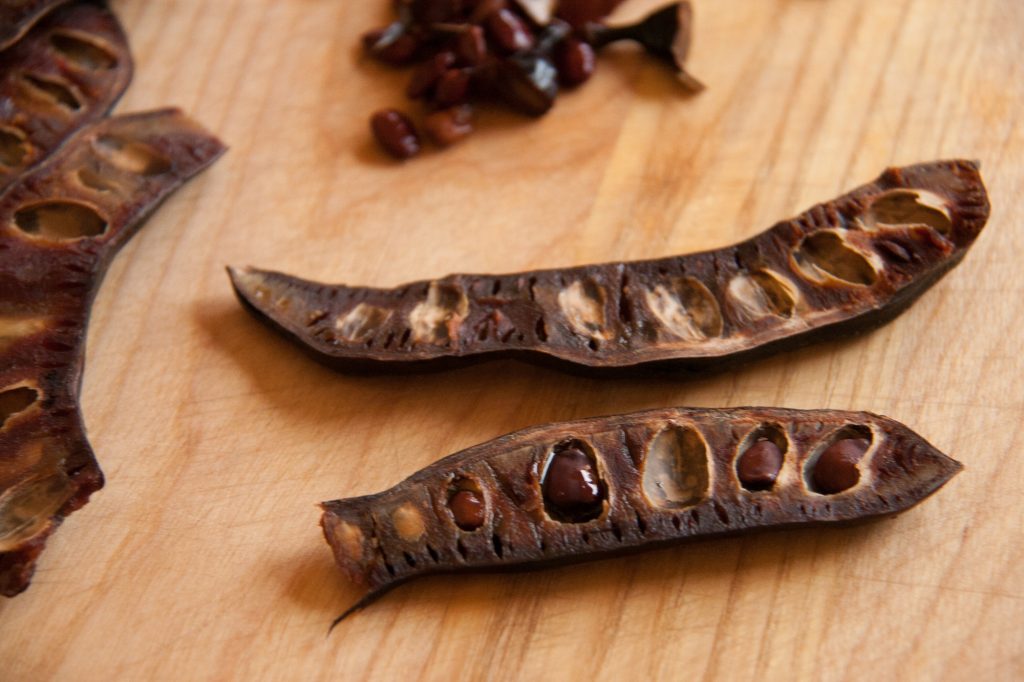
Each shiny, brown seed has an extremely hard outer coat (testa) that prevents water absorption, leading to dormancy. Inside is the embryo and endosperm. Pods typically contain 10-15 seeds.
Where to Source Quality Carob Tree Seeds
Opt for fresh seeds from ripe pods for highest viability (dried seeds work but need more prep). Reputable online suppliers or nurseries offer organic, untreated seeds. Avoid very old stock — fresh seeds germinate faster.
Common Myths About Carob Seeds
Myth: “Carob seeds never germinate.” Reality: With scarification, rates can exceed 80-90%. Another myth: They need acid treatment — mechanical or hot water methods are safer and effective for home growers.
Preparing Carob Tree Seeds for Germination: Essential First Steps 🔑
The hard coat is the biggest barrier — scarification breaks it without damaging the embryo.
Seed Selection and Cleaning
Choose plump, uniform seeds free of cracks or mold. Rinse thoroughly to remove pulp residue.
Scarification Methods
- Mechanical: Gently file or nick the coat with sandpaper or a file until the white interior shows (avoid deep cuts).
- Hot Water Soak: Pour boiling water over seeds, let cool, and soak 12-48 hours (or until swollen).
- Combined: Nick then soak for best results.
Safety note: Wear gloves; avoid sulfuric acid unless experienced.

Stratification: Do Carob Seeds Need Cold Treatment?
Typically no — carob is tropical/subtropical. But optional 2-4 weeks in the fridge can boost uniformity in cooler climates.
Expert Tip Box 🌟: Test success by seeing if seeds sink and swell after soaking — floaters are often duds.
Step-by-Step Guide to Germinating Carob Tree Seeds 🌱
This is the heart of the process — follow closely for reliable sprouts.
- Gather Materials: Deep pots (for taproots), well-draining mix (50% compost, 50% perlite/sand), scarification tools, spray bottle.
- Scarify Safely: File a small spot on each seed.
- Soak: 24-48 hours in warm water (change if it cools).
- Plant: Sow 1-2 inches deep in moist mix. Use tall tubes to avoid root disturbance.
- Optimal Conditions: 70-85°F (22-30°C) soil temp, bright indirect light, high humidity (cover with plastic).
- Maintain Moisture: Keep damp but not soggy — mist as needed.
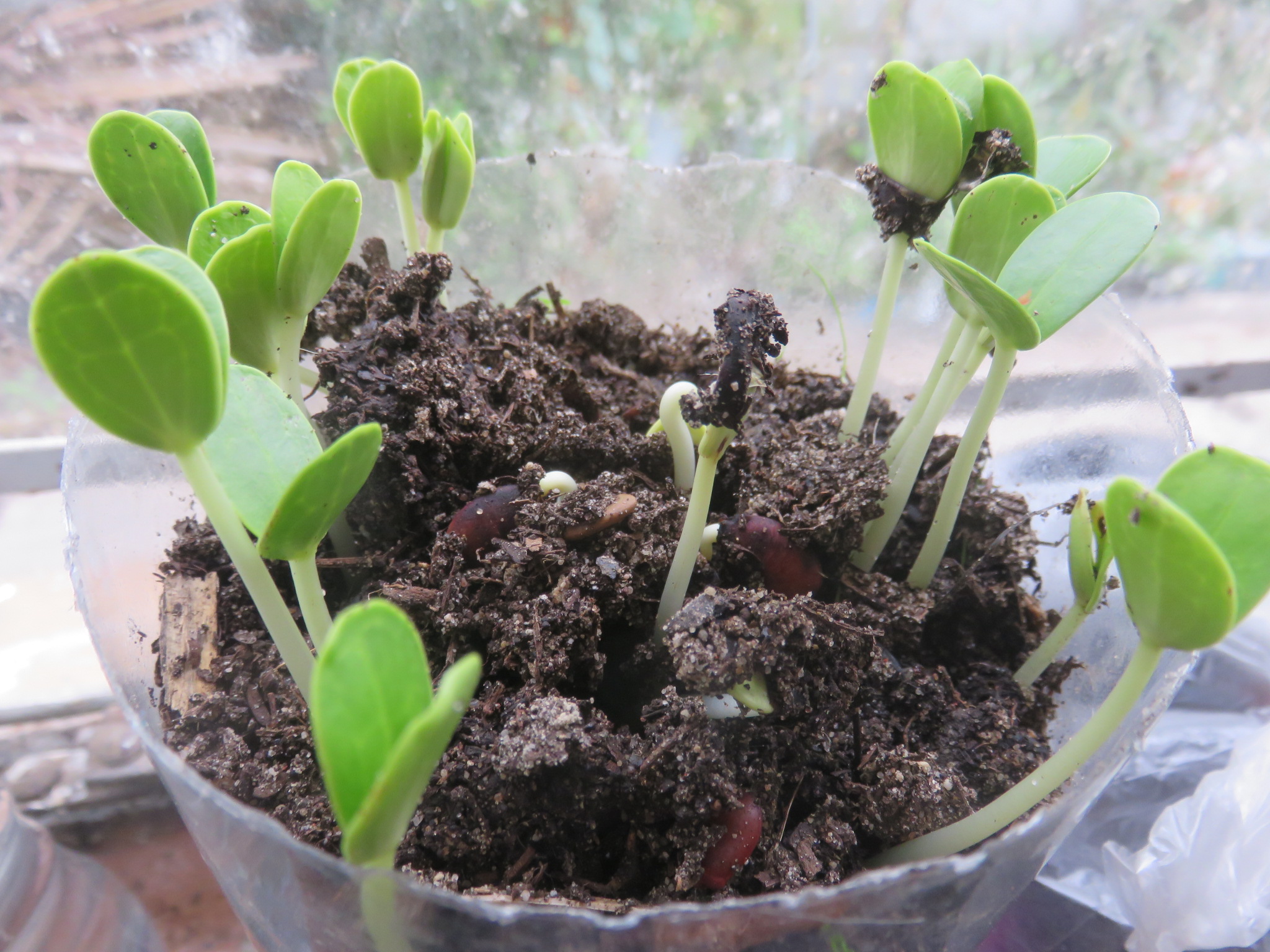
- Wait Patiently: Germination in 2-8 weeks (average 3-5). First sign: radicle (root) emerges, followed by shoot.
Troubleshooting Slow or Failed Germination
- Too dry/cold: Warm up and moisten.
- Fungal damping-off: Use sterile mix, good airflow.
- No scarification: Restart with proper prep.
Caring for Carob Seedlings: From Sprout to Young Tree 👶🌳
Congratulations — you’ve successfully germinated your carob tree seeds! Now comes the rewarding (and crucial) phase of nurturing those delicate seedlings into robust saplings. Carob seedlings grow slowly at first, focusing energy on developing a strong taproot, so patience and consistent care are essential.
Potting Up and Early Care
Once the seedling has 2-4 true leaves (beyond the initial cotyledons) and stands 4-6 inches tall — typically 3-6 months after germination — it’s time to transplant.
- Use a deeper pot (at least 12-18 inches) to accommodate the taproot.
- Gently tease roots if circling; prune the taproot tip slightly (about 1/4 inch) to encourage lateral branching for better stability later.
- Soil mix: 60% loam, 30% sand/perlite, 10% organic compost for drainage and nutrients.
Avoid overpotting too soon — carobs dislike root disturbance.
Light, Water, and Fertilizer Requirements for Seedlings
- Light: Bright, indirect sunlight initially; gradually acclimate to full sun over weeks to prevent scorch.
- Water: Keep soil consistently moist but never waterlogged — allow the top inch to dry between waterings. Young carobs are more sensitive to overwatering than drought.
- Fertilizer: Minimal needs. Use a diluted, balanced organic fertilizer (e.g., 10-10-10) every 6-8 weeks in the growing season. Overfeeding causes leggy growth.
Protecting Young Plants
Common threats:
- Pests: Aphids or scale — treat with neem oil spray.
- Frost: Protect below 28°F (-2°C) with frost cloth or indoors.
- Damping-off: Ensure good airflow and sterile tools.
With proper care, your seedling can reach 2-3 feet in the first 2 years.
Planting Your Carob Tree Outdoors: Site Selection and Technique 🏡
After 1-3 years in pots (when 2-4 feet tall), your carob is ready for its permanent home. Timing matters — plant in spring after frost danger passes.

Best Climate and Soil Conditions
Carobs thrive in full sun (6+ hours daily) and well-drained soil. Ideal pH: 6.0-8.0 (neutral to slightly alkaline). They tolerate poor, rocky soils but hate heavy clay or standing water.
When and How to Transplant
- Dig a hole twice as wide and as deep as the root ball.
- Amend with gravel at the bottom for drainage.
- Plant at the same depth; water deeply and mulch with organic material (keep away from trunk to prevent rot).
- Stake if in windy areas.
Spacing and Companion Planting Ideas
Space 20-30 feet apart for full size. Companions: Lavender, rosemary, or olives — all Mediterranean drought-lovers that share similar needs.
Long-Term Carob Tree Care: Growing a Healthy, Productive Tree 💪
Once established (2-3 years), carobs are remarkably low-maintenance — perfect for sustainable gardens.
Watering Schedule
Deep, infrequent watering encourages deep roots. Established trees need supplemental water only during prolonged dry spells — they can survive on rainfall alone in suitable climates.
Pruning Guide
Prune in late winter/early spring:
- Formative: Shape young trees to a single trunk or multi-stem.
- Maintenance: Remove dead, crossing, or suckers; thin canopy for light penetration.
Fertilization and Soil Amendments
Rarely needed. Occasional compost mulch suffices. Avoid high-nitrogen fertilizers to prevent excessive vegetative growth over pods.
Pest and Disease Management
Carobs are resilient:
- Rare pests: Scale or borers — monitor and use horticultural oil.
- Diseases: Root rot in poor drainage; fungal issues rare.
Natural solutions: Encourage beneficial insects with diverse planting.
When to Expect Pods
Carobs are dioecious (separate male/female trees) or hermaphroditic cultivars. From seed, trees are usually 50/50 male-female; females produce pods (males pollinate).
- First flowers: 5-7 years.
- Significant harvest: 8-15 years.
- Tip: Plant multiple seedlings or graft known female scions for reliability.
Harvesting and Using Carob Pods: The Delicious Reward 🍯
The wait is worth it — ripe pods are nature’s candy!
Timeline from Seed to First Harvest
8-10 years typical for meaningful yields; trees peak at 20-30 years, producing 100-200 lbs annually.
How to Harvest and Process Pods
Harvest when pods turn dark brown and rattle (late summer/fall). Shake or pick; dry in sun if needed. Break open, remove seeds, grind pulp into powder.
Culinary and Health Uses
- Cocoa substitute in baking (milder, naturally sweet).
- Syrup, smoothies, or raw nibbling.
- Rich in calcium, fiber; low-fat alternative.
Common Mistakes to Avoid When Growing Carob from Seed ⚠️
- Skipping scarification — leads to 0% germination.
- Overwatering seedlings — causes root rot.
- Planting in shade — weak, leggy growth.
- Expecting quick pods — patience required!
- Ignoring gender — plant extras or graft.
- Poor drainage — fatal in wet soils.
- Frequent repotting — disturbs taproot.
- Heavy fertilizing — burns roots.
- Frost exposure too early — kills young plants.
- Harvesting unripe pods — bitter taste.
Expert Tips and Advanced Techniques for Higher Success Rates ✨
- Boost Germination: Combine mechanical scarification with 24-hour gibberellic acid soak (available online).
- Faster Fruiting: Graft female scions onto seedling rootstock at 2-3 years.
- Container Growing: Possible long-term in large pots with dwarf varieties.
- Real Grower Story: In Mediterranean trials, scarified seeds hit 95% success; one California gardener harvested pods in year 7 from grafted trees.
Frequently Asked Questions (FAQs) ❓
How long do carob tree seeds take to germinate? 2-8 weeks with proper scarification; average 3-5 weeks.
Can I grow a carob tree indoors? Possible as a young plant or bonsai, but it needs full sun and eventually outdoors space.
Are carob trees self-fertile? Most from seed are not (dioecious); select hermaphroditic cultivars for single-tree pods.
What’s the best soil mix for carob seedlings? Well-draining: 50% potting soil, 30% perlite, 20% compost.
Why aren’t my carob seeds sprouting? Likely insufficient scarification or old seeds — retry with fresh, properly prepped ones.
Do carob trees need a lot of water? No — highly drought-tolerant once established.
Can carob trees grow in pots permanently? Yes, with very large containers and pruning.
How do I know if my carob tree is male or female? Flowers at 5+ years: Females have pods, males only pollen.
Conclusion 🌟
Growing a carob tree from carob tree seeds is a journey of patience and reward — from cracking those stubborn hard coats to harvesting sweet, healthy pods decades later. By following this expert step-by-step guide, you’ll avoid common pitfalls and enjoy a stunning, sustainable tree that provides shade, beauty, and nutritious harvests for generations.
Start your carob adventure today — scarify those seeds and watch magic unfold! 🌱 Share your progress in the comments below; I’d love to hear your success stories. For more plant care guides, subscribe and explore our drought-tolerant tree series.











