
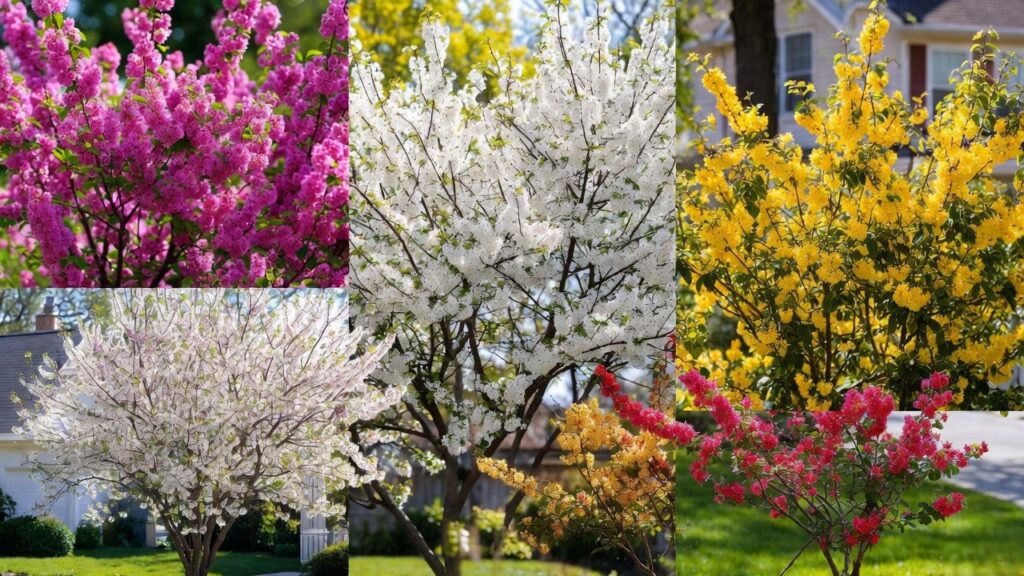
Imagine transforming your cozy backyard, urban patio, or modest front yard into a vibrant oasis bursting with color—without worrying about overgrown branches invading your space or roots damaging your foundation. For many homeowners with limited outdoor areas, adding a flowering tree feels like an impossible dream. But it doesn’t have to be. The secret lies in selecting compact flowering trees that deliver spectacular blooms, seasonal interest, and effortless beauty while staying neatly sized for small yards.
As a certified arborist and landscape designer with over 15 years of experience helping clients maximize tiny gardens across various climates, I’ve seen firsthand how the right compact flowering tree can elevate a space from ordinary to extraordinary. In this comprehensive guide, we’ll explore the absolute best compact flowering trees (mature heights under 25 feet) that offer abundant, showy flowers, low maintenance, and year-round appeal. Drawing from university extension resources like Missouri Botanical Garden and Arbor Day Foundation recommendations, plus real-world performance data, these selections are proven winners for small-space gardening.
Whether you’re a busy urban dweller, a condo owner with a patio, or a suburban homeowner craving curb appeal, this article will equip you with expert insights to choose, plant, and care for trees that fit perfectly—and thrive.
Table of Contents
- Why Choose Compact Flowering Trees for Small Yards? 🌳
- Common Mistakes to Avoid
- Our Expert Selection Criteria 🔍
- Top 10 Best Compact Flowering Trees ⭐
- Planting & Care Guide 🌱
- Design Ideas
- Frequently Asked Questions ❓
- Expert Tips 🌟
Why Choose Compact Flowering Trees for Small Yards? 🌳
Small yards—think townhouses, patios, balconies, or narrow side yards—present unique challenges. Traditional flowering trees like full-sized cherries or magnolias can quickly outgrow their space, leading to costly pruning or removal. Compact varieties solve this by providing all the drama of larger trees in a manageable package.
Benefits of Going Compact
- Space Efficiency: These dwarf flowering trees top out at 10–25 feet, ideal for foundation plantings, privacy screens, or focal points without overwhelming your landscape.
- Seasonal Color and Interest: Enjoy spring blooms, summer foliage, fall berries or color, and attractive winter bark—maximizing visual appeal in limited areas.
- Low Maintenance: Many are disease-resistant and require minimal pruning, perfect for beginners or time-strapped gardeners.
- Wildlife Support: Pollinator-friendly flowers attract bees, butterflies, and hummingbirds; berries feed birds.
- Property Value Boost: A well-placed ornamental tree enhances curb appeal and can increase home value by up to 10–20%, per landscaping studies.
- Versatility: Suitable for containers, urban lots, or near patios—bringing nature closer to your living spaces.
Common Mistakes to Avoid When Selecting Trees for Small Spaces
I’ve consulted on countless small-yard projects where homeowners regretted their choices. Here’s what to watch out for:
- Planting fast-growing or oversized varieties that require constant topping (e.g., avoiding standard Bradford pears).
- Ignoring invasive roots that crack sidewalks or foundations—opt for non-aggressive root systems.
- Forgetting mess factors like heavy fruit drop or petal litter in high-traffic areas.
- Neglecting zone compatibility, leading to winter dieback or poor blooming.
By focusing on truly compact, adaptable options, you’ll avoid these pitfalls and enjoy years of hassle-free beauty.
How We Selected the Best Compact Flowering Trees (Our Expert Criteria) 🔍
This isn’t just another generic “top 10” list. My selections are based on rigorous criteria honed from professional experience, client feedback, and authoritative sources including Missouri Botanical Garden, university extensions (e.g., Clemson, Oregon State), and Arbor Day Foundation data.
Key standards:
- Mature height under 25 feet (most 10–20 feet) with compact or dwarf growth habit.
- Abundant, showy blooms lasting 4+ weeks for maximum impact.
- Hardiness in USDA zones 5–9 (covering most U.S. regions; notes for colder/hot zones).
- Proven low-maintenance traits: disease/pest resistance, drought tolerance once established.
- Pollinator-friendly and multi-season interest (fall color, berries, bark).
- Real-world adaptability to small yards, containers, or urban conditions.
These trees outperform common alternatives in confined spaces while delivering superior ornamental value.
Top 10 Best Compact Flowering Trees for Small Yards ⭐
Here are my top picks, ranked by overall versatility and popularity among small-yard owners. Each includes detailed specs, pros/cons, and care tips.
1. Crabapple ‘Prairifire’ (Malus ‘Prairifire’) 🍎
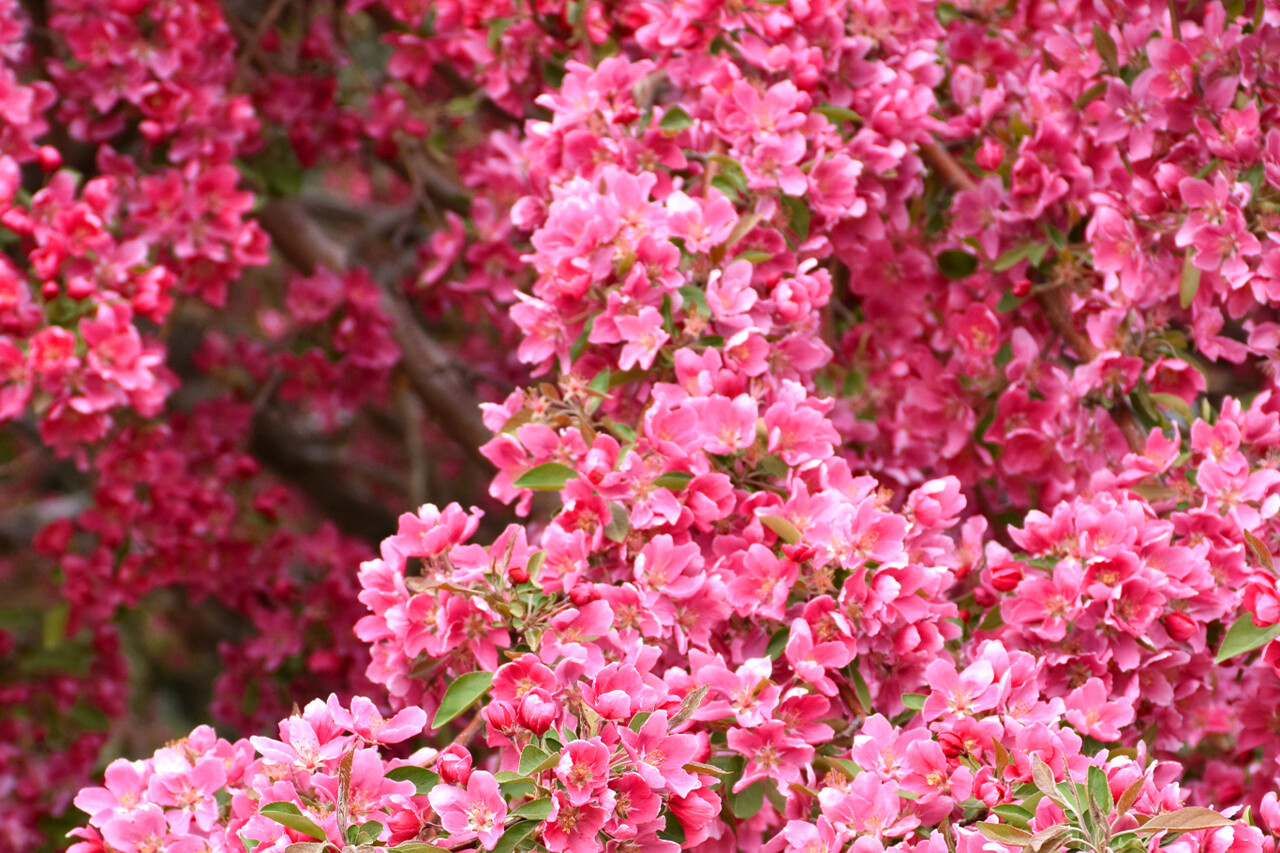
One of the most reliable compact flowering trees, ‘Prairifire’ explodes with dark pink-red blossoms in mid-spring, creating a stunning cloud of color. Fragrant flowers give way to persistent maroon fruit that birds love, while new foliage emerges reddish-purple before turning glossy green.
- Mature Size: 15–20 feet tall and wide; rounded habit.
- Bloom Details: Deep pink-red, single flowers; mid-spring, 4–6 weeks.
- USDA Zones: 4–8 (excellent cold hardiness).
- Sun/Light: Full sun (6+ hours).
- Soil & Water: Adaptable to most well-drained soils; moderate water, drought-tolerant once established.
- Bonus Features: Outstanding disease resistance (scab, fire blight, rust); orange-red fall color; attractive bark.
- Pros & Cons: Pros—multi-season interest, wildlife magnet; Cons—minor fruit drop (not messy like larger crabapples).
- Best For: Front yards, patios, or as a specimen tree.
- Care Tip: Prune in late winter if needed for shape; no routine spraying required due to high resistance.
Expert Insight: In my designs, ‘Prairifire’ is a go-to for urban lots—its compact form and toughness make it forgiving for beginners.
2. Redbud ‘Forest Pansy’ (Cercis canadensis ‘Forest Pansy’) 💜

This purple-leaved beauty offers heart-shaped foliage that emerges glossy maroon and holds color through summer, paired with rosy-pink spring flowers directly on branches.
- Mature Size: 20–30 feet tall, 25–35 feet wide (can prune to stay smaller).
- Bloom Details: Rosy-pink pea-like flowers; early spring.
- USDA Zones: 5–9.
- Sun/Light: Full sun to part shade.
- Soil & Water: Well-drained, moist; tolerant of clay.
- Bonus Features: Orange-red fall color; attracts pollinators.
- Pros & Cons: Pros—striking foliage contrast; Cons—leaf scorch in extreme heat/full sun.
- Best For: Understory or woodland-edge feel in small yards.
- Care Tip: Avoid wet feet; mulch to retain moisture.
3. Flowering Cherry ‘Snow Fountain’ (Prunus ‘Snofozam’) ❄️
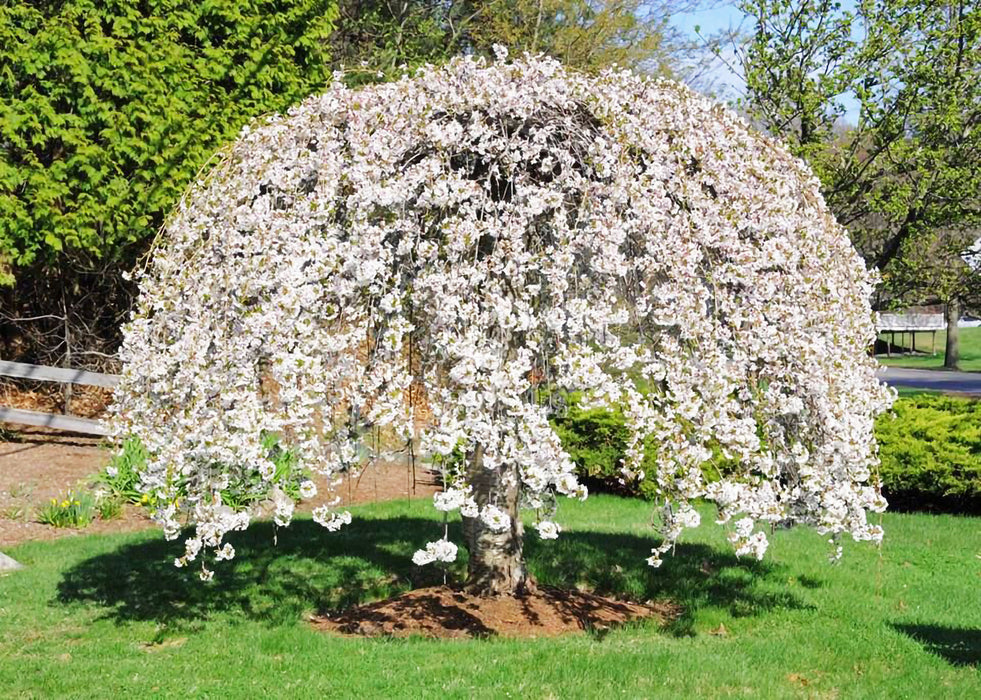
A graceful weeping form with cascading branches covered in pure white flowers—like a snowy fountain in spring.
- Mature Size: 12–15 feet tall, 8–12 feet wide.
- Bloom Details: Pure white, double flowers; mid-spring.
- USDA Zones: 5–8.
- Sun/Light: Full sun.
- Soil & Water: Well-drained, moist.
- Bonus Features: Weeping habit for dramatic effect; yellow fall color.
- Pros & Cons: Pros—compact and elegant; Cons—susceptible to pests if stressed.
- Best For: Patio focal point or container (larger pots).
- Care Tip: Protect from strong winds; prune after flowering.
4. Dogwood ‘Venus’ (Cornus ‘KN30-8’) 🌸
Hybrid with enormous white bracts (up to 6 inches)—one of the largest-flowering dogwoods.
- Mature Size: 15–20 feet tall and wide.
- Bloom Details: Huge white flowers; late spring.
- USDA Zones: 5–9.
- Sun/Light: Part shade preferred.
- Soil & Water: Moist, acidic, well-drained.
- Bonus Features: Red berries, fall color; disease-resistant.
- Pros & Cons: Pros—showstopping blooms; Cons—needs protection from hot afternoon sun.
- Best For: Shaded small yards.
5. Crape Myrtle ‘Pocomoke’ (Lagerstroemia ‘Pocomoke’) 🔥
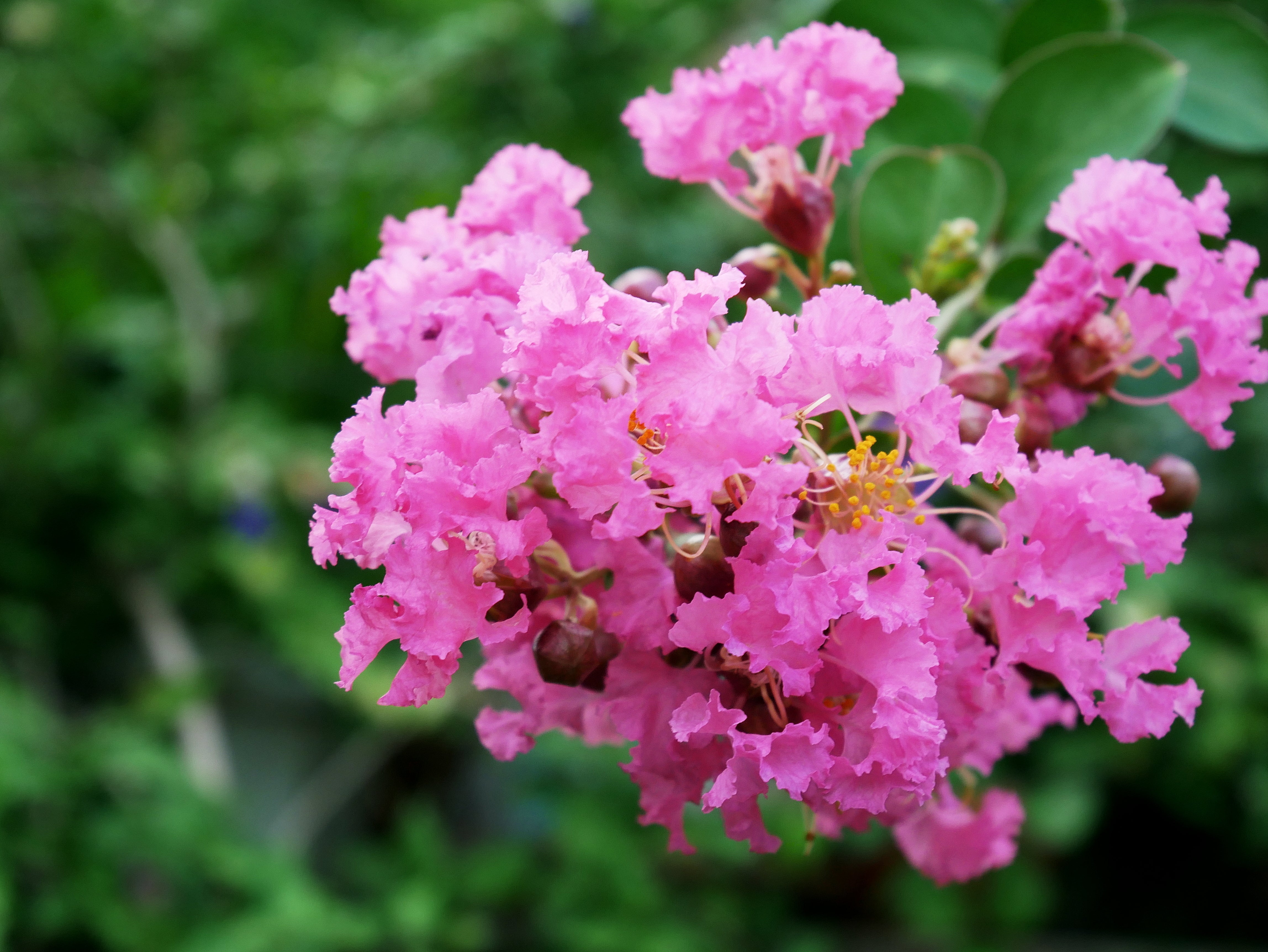
True dwarf with deep rose-pink panicles blooming summer-long.
- Mature Size: 2–5 feet tall and wide.
- Bloom Details: Rich pink; summer to fall.
- USDA Zones: 7–9 (cold-hardy dwarfs available).
- Sun/Light: Full sun.
- Soil & Water: Well-drained; drought-tolerant.
- Bonus Features: Exfoliating bark, fall color.
- Pros & Cons: Pros—extended bloom, mildew-resistant; Cons—limited cold hardiness.
- Best For: Containers, borders.
6. Serviceberry ‘Autumn Brilliance’ (Amelanchier × grandiflora ‘Autumn Brilliance’) 🫐
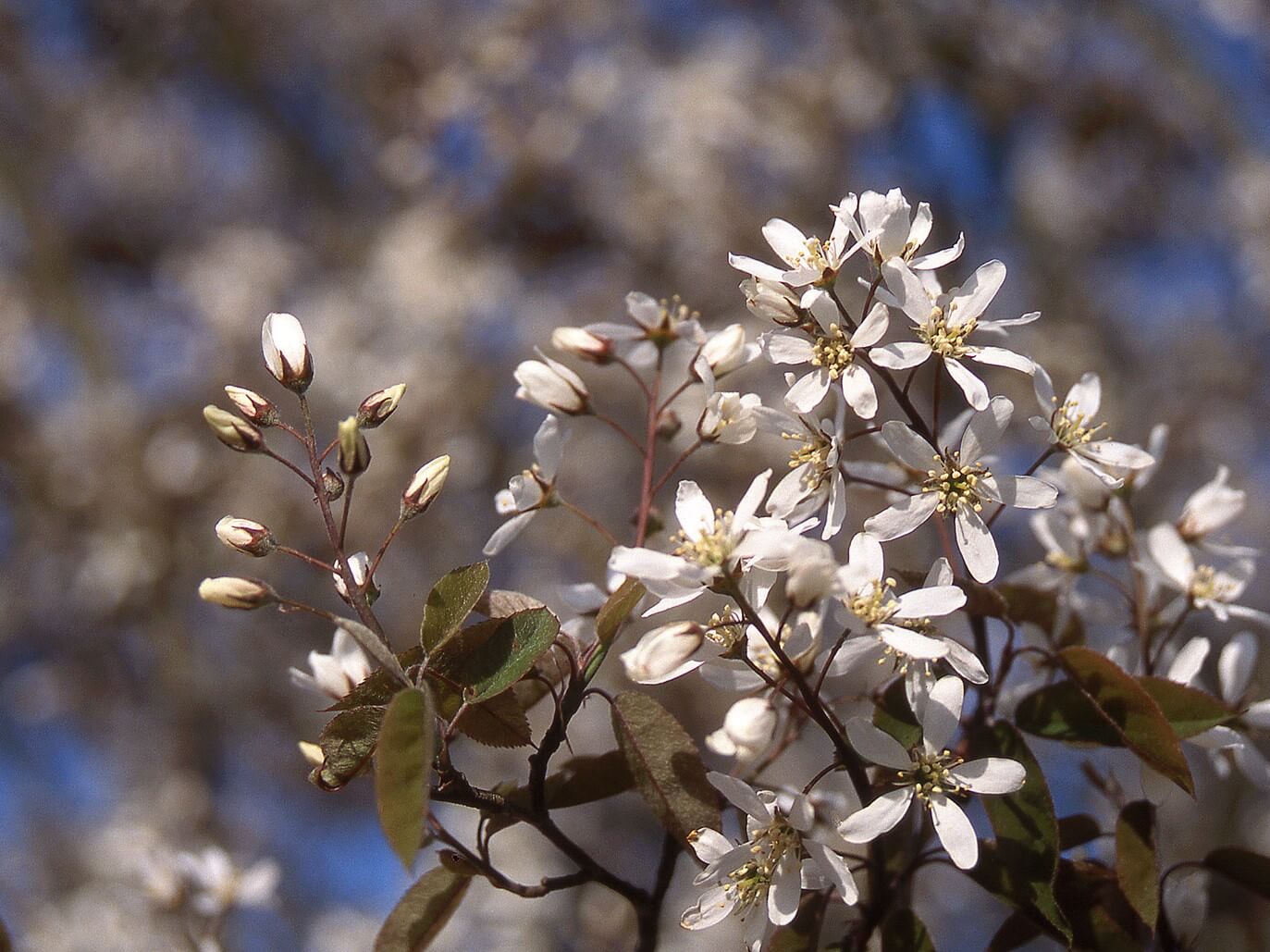
White spring flowers, edible berries, brilliant red fall foliage.
- Mature Size: 15–25 feet tall, 10–15 feet wide.
- Bloom Details: White clusters; early spring.
- USDA Zones: 4–9.
- Sun/Light: Full sun to part shade.
- Soil & Water: Adaptable, moist preferred.
- Bonus Features: Edible fruit, excellent fall color.
- Pros & Cons: Pros—native, multi-season; Cons—birds may eat berries quickly.
7. Fringe Tree (Chionanthus virginicus) ☁️
Often called “Grancy Greybeard,” this native beauty produces clouds of delicate, fragrant white fringe-like flowers that dangle like lace in late spring.
- Mature Size: 12–20 feet tall and wide (can be kept smaller with pruning).
- Bloom Details: Fragrant, white, fringe-like panicles; late spring (May–June).
- USDA Zones: 3–9 (very cold-hardy).
- Sun/Light: Full sun to part shade.
- Soil & Water: Moist, well-drained, slightly acidic preferred; consistent moisture.
- Bonus Features: Blue-black berries (on female plants), golden-yellow fall color, attractive exfoliating bark.
- Pros & Cons: Pros—fragrant, native, low pest issues; Cons—dioecious (needs male & female for fruit), slow to establish.
- Best For: Woodland gardens, near patios for fragrance.
- Care Tip: Plant in spring; mulch heavily to keep roots cool and moist.
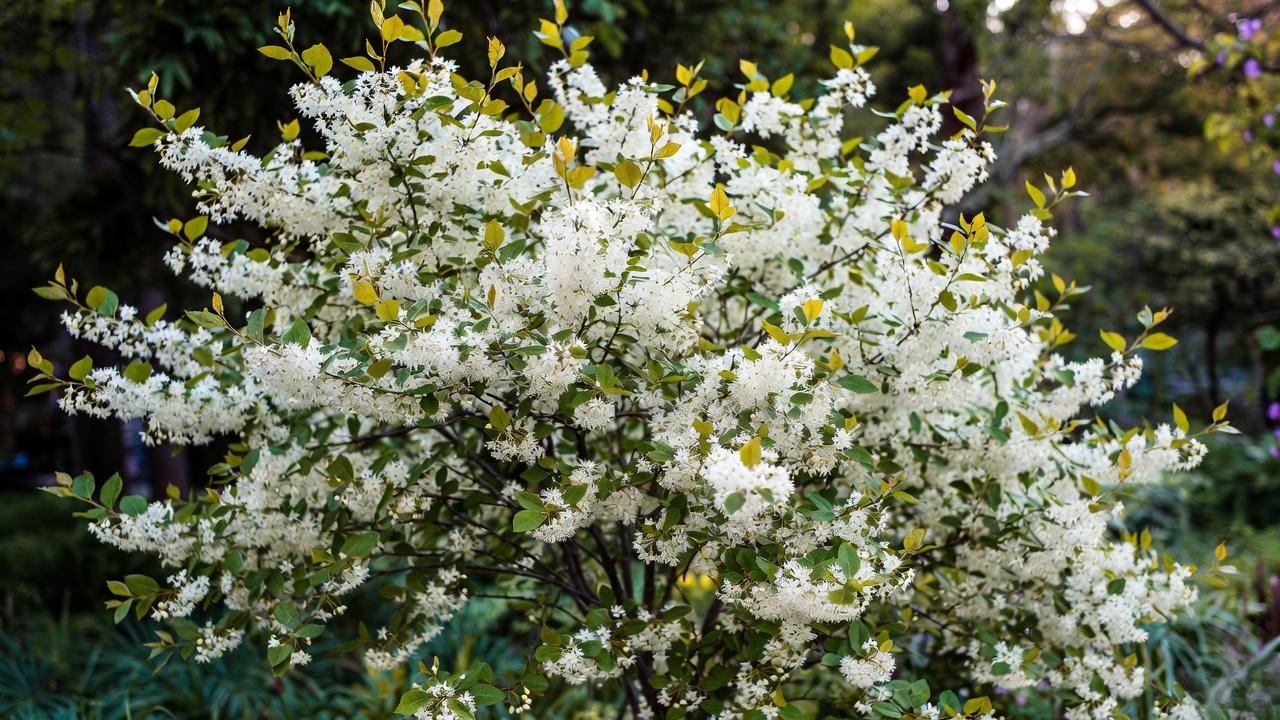
Expert Insight: Many clients overlook fringe tree because it blooms later than most, but its unique texture and scent make it a standout in small yards.
8. Japanese Snowbell ‘Pink’ (Styrax japonicus ‘Pendulus’ or pink cultivars) 🔔
Graceful, small tree with pendulous branches dripping with bell-shaped flowers in early summer.
- Mature Size: 15–20 feet tall, 10–15 feet wide.
- Bloom Details: Delicate white or soft pink bells; early to mid-summer.
- USDA Zones: 5–8.
- Sun/Light: Full sun to part shade.
- Soil & Water: Well-drained, moist, organic-rich soil.
- Bonus Features: Subtle fall color, smooth gray bark.
- Pros & Cons: Pros—elegant form, summer blooms when many trees are green; Cons—sensitive to drought and poor drainage.
- Best For: Courtyards, near seating areas to enjoy fragrance.
- Care Tip: Protect from hot afternoon sun in warmer zones.
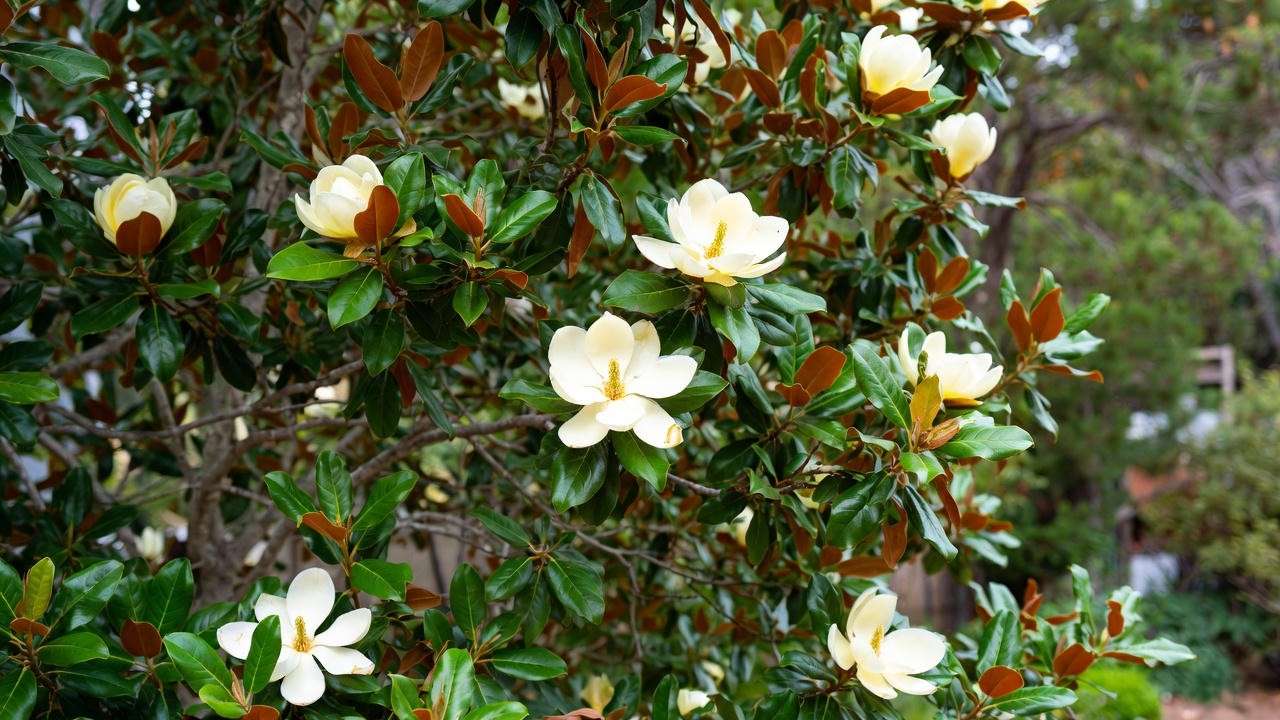
9. Magnolia ‘Little Gem’ (Magnolia grandiflora ‘Little Gem’) 🌺
A dwarf southern magnolia with large, glossy leaves and classic creamy-white flowers.
- Mature Size: 15–20 feet tall, 8–12 feet wide (narrow, columnar habit).
- Bloom Details: Large, fragrant white flowers; late spring through summer.
- USDA Zones: 7–9 (some protection in zone 7).
- Sun/Light: Full sun to part shade.
- Soil & Water: Moist, well-drained, slightly acidic.
- Bonus Features: Evergreen foliage, rusty-brown undersides, large seed pods.
- Pros & Cons: Pros—evergreen structure, long bloom period; Cons—leaf drop can be messy, needs consistent moisture.
- Best For: Warm-climate small yards, patios, containers.
- Care Tip: Mulch deeply; avoid planting near sidewalks due to leaf litter.
10. Hawthorn ‘Crimson Cloud’ (Crataegus laevigata ‘Crimson Cloud’) 🌹
Striking single-flowered hawthorn with rich crimson blooms and excellent disease resistance.
- Mature Size: 15–20 feet tall and wide.
- Bloom Details: Deep red single flowers with white centers; mid-spring.
- USDA Zones: 4–8.
- Sun/Light: Full sun.
- Soil & Water: Adaptable; tolerates urban conditions.
- Bonus Features: Orange-red fall color, persistent red berries.
- Pros & Cons: Pros—thornless cultivars available, great for wildlife; Cons—some thorns on older branches.
- Best For: Street-side plantings, small front yards.
- Care Tip: Prune after flowering to maintain shape.
Planting & Care Guide for Compact Flowering Trees 🌱
Choosing the Perfect Spot in Your Small Yard
- Sun Exposure: Most compact flowering trees need 6+ hours of direct sun for best blooms. Dogwoods and fringe trees tolerate part shade.
- Distance: Plant at least 8–10 feet from foundations, patios, or septic systems. Use a tape measure!
- Wind Protection: Place near fences or taller shrubs to shield delicate blooms from strong winds.
Step-by-Step Planting Instructions
- Best Time: Early spring (before bud break) or fall (6 weeks before first frost).
- Hole Size: Dig 2–3× wider than the root ball, same depth.
- Soil Amendments: Mix in compost; avoid heavy fertilizer at planting.
- Planting: Set root flare slightly above soil level; backfill gently.
- Watering: Soak deeply after planting; continue 2–3× weekly for first season.
- Mulching: Apply 2–3 inches of organic mulch in a 3-foot diameter ring (keep away from trunk).
Ongoing Maintenance Made Easy
- Watering: Deep, infrequent watering (1 inch per week) during first 2 years. Established trees need less.
- Pruning ✂️: Prune only after flowering to preserve next year’s buds. Remove dead/crossing branches.
- Fertilizing: Slow-release, balanced fertilizer in early spring (after year 2).
- Pests & Diseases: Choose resistant varieties; monitor for aphids, scale, or powdery mildew. Use horticultural oil or neem if needed.
Winter Protection for Young Trees ❄️
- Wrap trunks of young trees with tree guards to prevent sunscald and rodent damage.
- Mulch extra heavily in late fall in colder zones.
Design Ideas: Making the Most of Your Compact Flowering Tree
- Focal Point: Plant one as a specimen in the center of a small lawn or gravel circle.
- Container Planting: Use large pots (20+ gallons) for ‘Snow Fountain’ cherry, ‘Pocomoke’ crape myrtle, or ‘Little Gem’ magnolia.
- Companion Plants: Pair with spring bulbs, hostas, heuchera, or ornamental grasses for layered interest.
- Privacy Screens: Plant 2–3 ‘Prairifire’ crabapples or ‘Crimson Cloud’ hawthorns 8–10 feet apart.
- Night Lighting 🌟: Use uplighting to highlight blooms and structure after dark.
Frequently Asked Questions (FAQ) ❓
What is the smallest flowering tree available? ‘Pocomoke’ crape myrtle (2–5 ft) and some dwarf magnolias.
Are compact flowering trees safe near patios and foundations? Yes, when you choose non-invasive root systems (all listed above qualify) and plant 8–10 ft away.
Which compact flowering trees attract pollinators the most? Serviceberry, crabapple, redbud, and fringe tree.
Can I grow these in containers on balconies? Yes—‘Pocomoke’ crape myrtle, ‘Snow Fountain’ cherry, and ‘Little Gem’ magnolia perform best in pots.
What’s the fastest-growing compact flowering tree? ‘Venus’ dogwood and ‘Prairifire’ crabapple (12–18 inches/year once established).
How do I choose between spring vs. summer blooming varieties? Spring bloomers (crabapple, redbud, cherry) for early color; summer bloomers (crape myrtle, snowbell) for extended interest.
Expert Tips from the Field 🌟
- Top 3 for Beginners: 1. ‘Prairifire’ crabapple, 2. Serviceberry ‘Autumn Brilliance’, 3. ‘Pocomoke’ crape myrtle.
- One Mistake I See Most Often: Planting too close to structures—always measure twice!
- Pro Tip for Maximizing Bloom Duration: Plant a mix of early, mid, and late bloomers (e.g., redbud + serviceberry + crape myrtle).
- Seasonal Checklist:
- Spring: Prune, fertilize, mulch refresh
- Summer: Deep water during drought, monitor pests
- Fall: Remove fallen leaves/fruit, winterize young trees
- Winter: Check for rodent damage, plan next year’s additions
Conclusion
Adding a compact flowering tree is one of the most rewarding ways to transform a small yard into a personal sanctuary filled with color, fragrance, and wildlife. Whether you choose the bold blooms of ‘Prairifire’ crabapple, the elegant bells of Japanese snowbell, or the evergreen presence of ‘Little Gem’ magnolia, these trees prove that big beauty can come in small packages.
Now it’s your turn—pick the one that best matches your yard’s light, soil, and style. Which of these compact flowering trees are you most excited to try? Share your favorite in the comments below, or better yet, tag us in photos once yours blooms! 🌸
Happy planting!











