
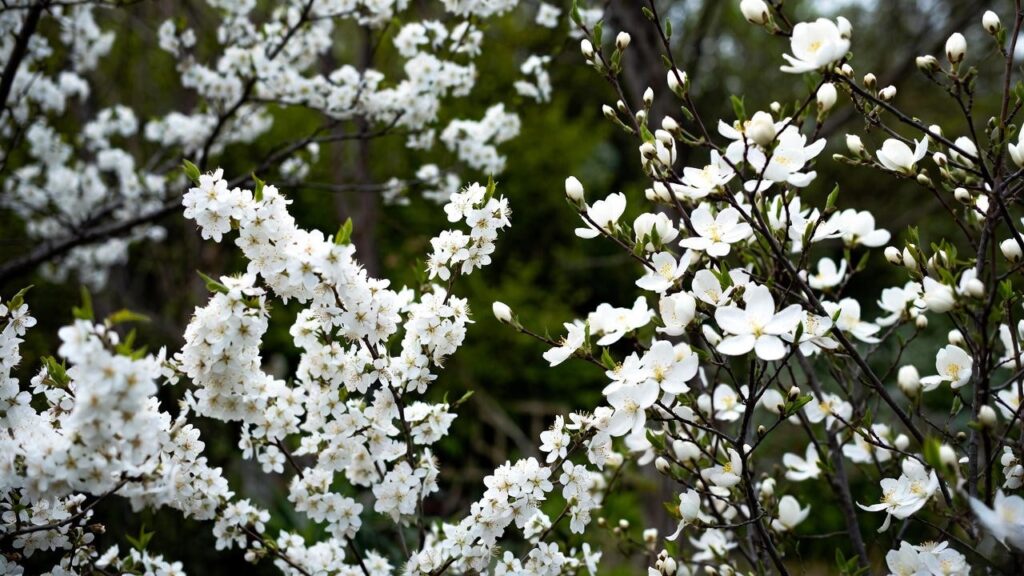
Imagine waking up on a crisp March morning, peering out your window after months of gray winter skies, only to be greeted by a breathtaking explosion of pure white blossoms dancing in the gentle breeze. Your yard, once dormant and bare, is suddenly alive with delicate clouds of flowers that signal the triumphant return of spring. This magical transformation isn’t a dream—it’s the power of early spring white flowering trees. These beauties are among the first to bloom each year, bridging the gap between winter’s end and summer’s abundance, and they’re perfect for gardeners craving that early dose of floral joy. 🌷
As a certified arborist and plant care specialist with over 15 years of experience designing landscapes and advising homeowners across various climates, I’ve planted, pruned, and admired hundreds of these trees in real gardens. In this comprehensive guide, we’ll explore the 10 absolute best early spring white flowering trees that deliver stunning blooms, reliable performance, and added benefits like wildlife attraction and multi-season interest. Whether you’re looking to boost curb appeal, support pollinators, or simply brighten your outdoor space, these selections will help you choose the perfect tree for your yard. Let’s dive in and bring that early spring magic to your garden! ✨
Why Choose Early Spring White Flowering Trees? 🌷
Early spring bloomers with white flowers hold a special place in landscape design. Their pristine petals create an elegant, serene aesthetic that complements any garden style—from modern minimalist to cottage charm. White blossoms reflect light beautifully, making small spaces feel larger and providing a clean backdrop for colorful bulbs like tulips and daffodils underneath.
Benefits for Your Garden and Wildlife 🐝
- Early Season Color: These trees often bloom in March or early April (depending on your zone), providing one of the first splashes of life after winter dormancy.
- Pollinator Support: Bees, butterflies, and early-emerging birds rely on these nectar-rich flowers when few other sources are available.
- Versatile Beauty: Many offer additional features, such as colorful fall foliage, edible fruit, interesting bark, or persistent berries for winter interest.
- Low-Maintenance Appeal: Most are adaptable, disease-resistant in modern cultivars, and require minimal care once established.
Common Challenges & How These Trees Solve Them ❄️→🌸
Many gardeners struggle with the “spring gap”—that awkward period when snow has melted but summer perennials haven’t kicked in. Early spring white flowering trees fill this void spectacularly. They also combat seasonal affective vibes by injecting hope and beauty right when we need it most. Plus, in urban or suburban settings, their compact sizes (many under 30 feet) make them ideal for smaller lots without overwhelming the space.
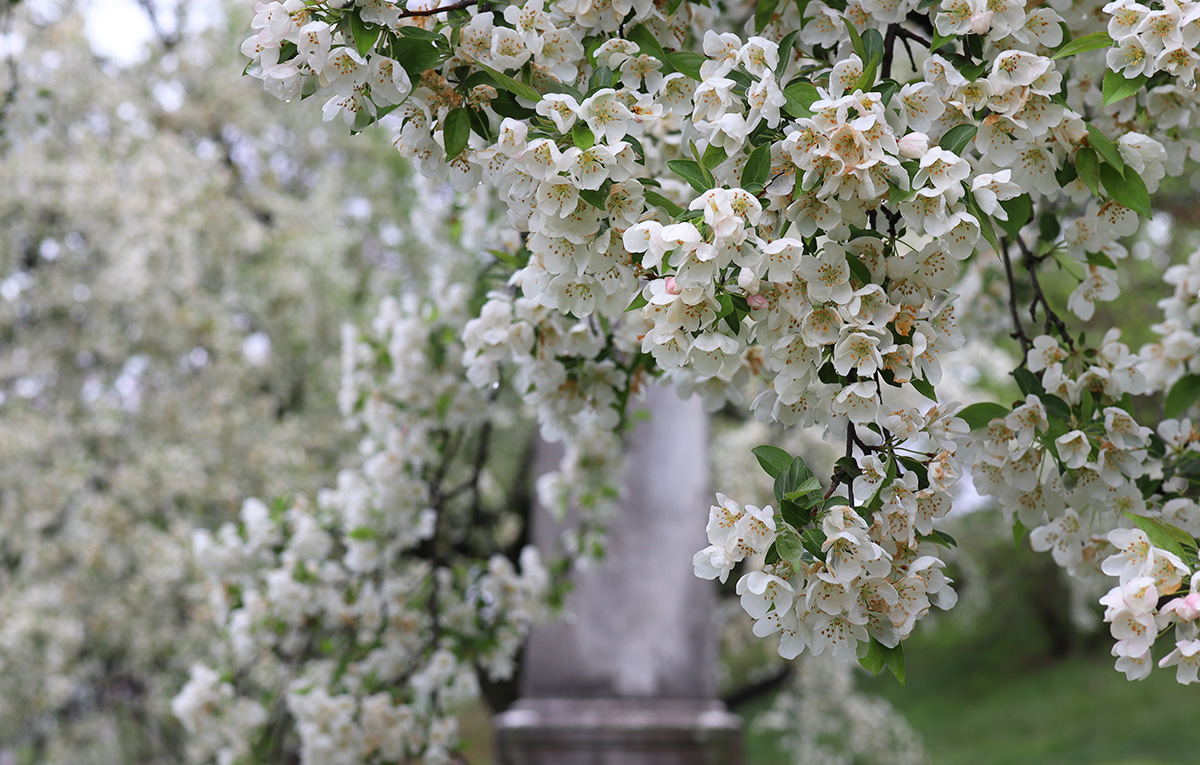
How We Selected the Top 10 🌟
To create this list, I drew from my extensive field experience, client feedback, and data from trusted sources like university extensions (e.g., USDA, Missouri Botanical Garden) and native plant societies. Selection criteria included:
- Bloom time strictly in early spring (March–April in most zones)
- Predominantly white flowers (pure white to creamy)
- USDA hardiness zones 4–9 for broad appeal
- Mature size suitable for home landscapes
- Disease and pest resistance
- Pollinator and ecological value
- Ease of care and overall reliability
I prioritized natives and improved cultivars to ensure long-term success and environmental benefits.
The 10 Best Early Spring White Flowering Trees
1. Serviceberry (Amelanchier spp.) 🍒
Serviceberry, often called Juneberry or shadbush, is a top pick for its ethereal white flowers that appear before leaves in early spring. Varieties like Amelanchier canadensis or the hybrid ‘Autumn Brilliance’ deliver clouds of dainty blooms.
- Key Features: Delicate, slightly fragrant white flowers in drooping clusters; followed by edible purple-black berries beloved by birds (and humans—think blueberry flavor!).
- Bloom Time: March–April
- Mature Size: 15–25 feet tall, 10–15 feet wide
- USDA Zones: 4–9
- Light & Soil: Full sun to part shade; adaptable to moist, well-drained soils
Pros: Native to North America, excellent fall color (orange-red), multi-stemmed shrub-like form great for naturalizing. Cons: Berries can be messy if not eaten by wildlife.
Expert Tip: Plant in groups for a woodland edge effect. Prune lightly after flowering to maintain shape.
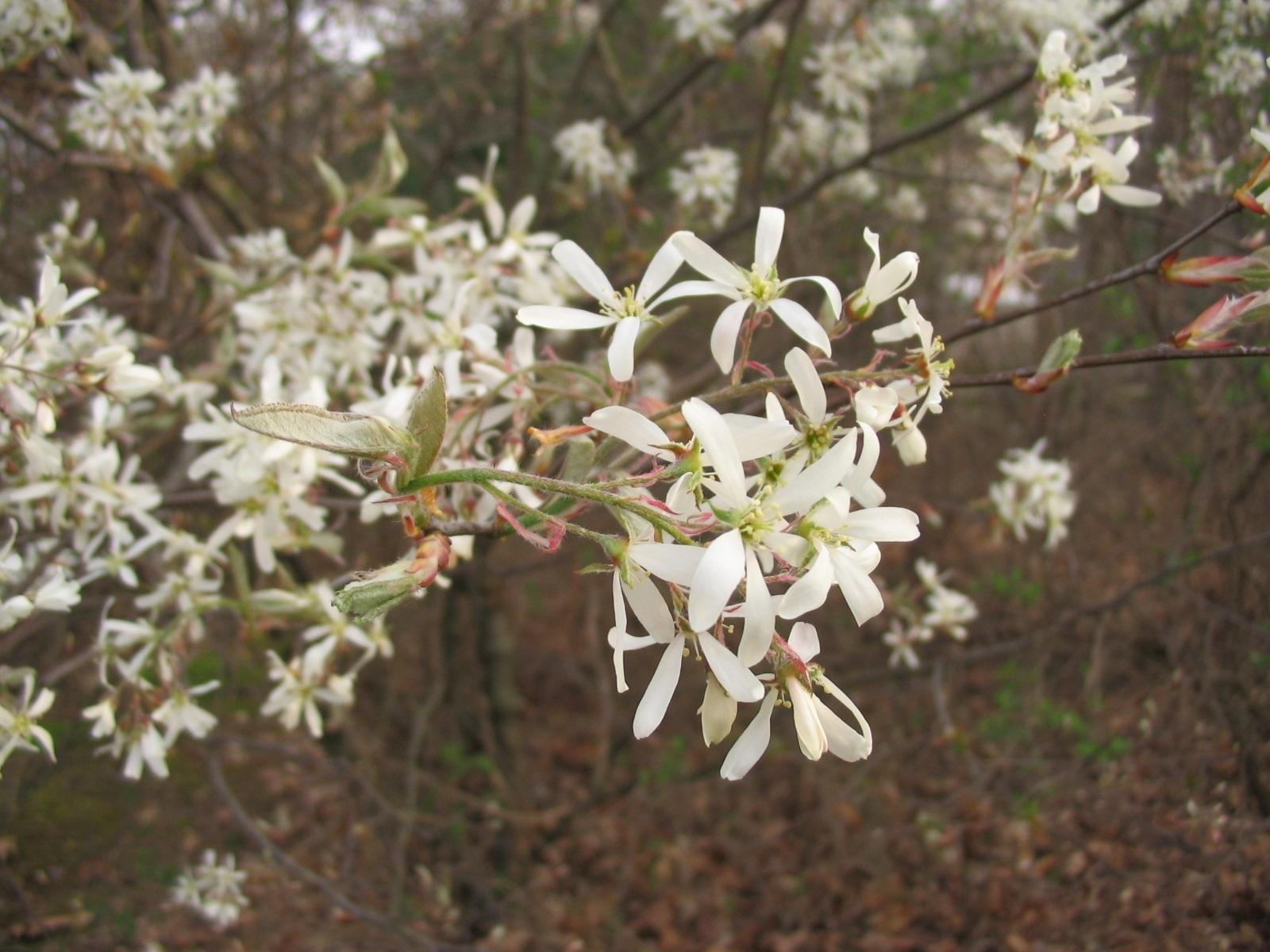
2. Flowering Crabapple (Malus spp.) 🦀
Crabapples are classics for spring drama, and white-flowering cultivars avoid the pink overload. Look for disease-resistant options like ‘Sugar Tyme’ or ‘Spring Snow’ (sterile, no fruit mess).
- Key Features: Abundant pure white blooms, often semi-double; some with small ornamental fruit.
- Bloom Time: Mid-April
- Mature Size: 15–25 feet tall and wide
- USDA Zones: 4–8
- Light & Soil: Full sun; well-drained soil
Pros: High disease resistance in modern varieties (scab, fire blight); attracts pollinators. Cons: Older types prone to pests—stick to resistant cultivars.
Expert Tip: Choose fruitless varieties for patios to minimize cleanup.
:strip_icc()/snowdrift-crabapple-blooms-f8cd3ee8-7e175433d49849488603f173fa315ffb.jpg)
3. Star Magnolia (Magnolia stellata) ⭐
This compact magnolia steals the show with star-shaped, fragrant white flowers that open like fireworks in early spring.
- Key Features: Multi-petaled, silky blooms up to 4 inches across; slow-growing and shrub-like.
- Bloom Time: March (one of the earliest!)
- Mature Size: 15–20 feet tall, 10–15 feet wide
- USDA Zones: 4–9
- Light & Soil: Full sun to part shade; acidic, moist, well-drained soil
Pros: Fragrant and compact—perfect for small gardens. Cons: Blooms can brown from late frosts; site in protected spots.
Expert Tip: Mulch heavily to keep roots cool and moist.

4. Eastern Redbud ‘Alba’ (Cercis canadensis f. alba) ❤️
The white form of the beloved Eastern redbud offers pure white pea-like flowers directly on branches and trunks (cauliflory)—a unique spectacle.
- Key Features: Heart-shaped leaves emerge bronze then green; native excellence.
- Bloom Time: Early April
- Mature Size: 20–30 feet tall, 25–35 feet wide
- USDA Zones: 4–9
- Light & Soil: Full sun to part shade; adaptable soils
Pros: Native, supports wildlife, vase-shaped habit. Cons: Short-lived in poor conditions (20–30 years).
Expert Tip: Underplant with spring ephemerals for layered interest.
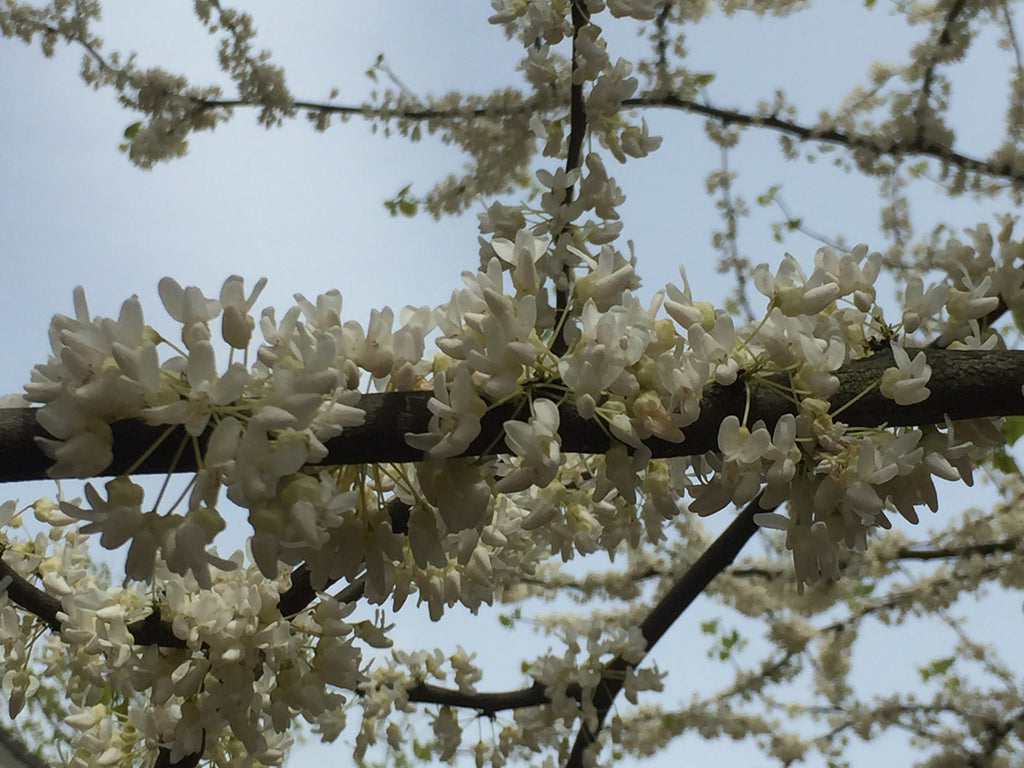
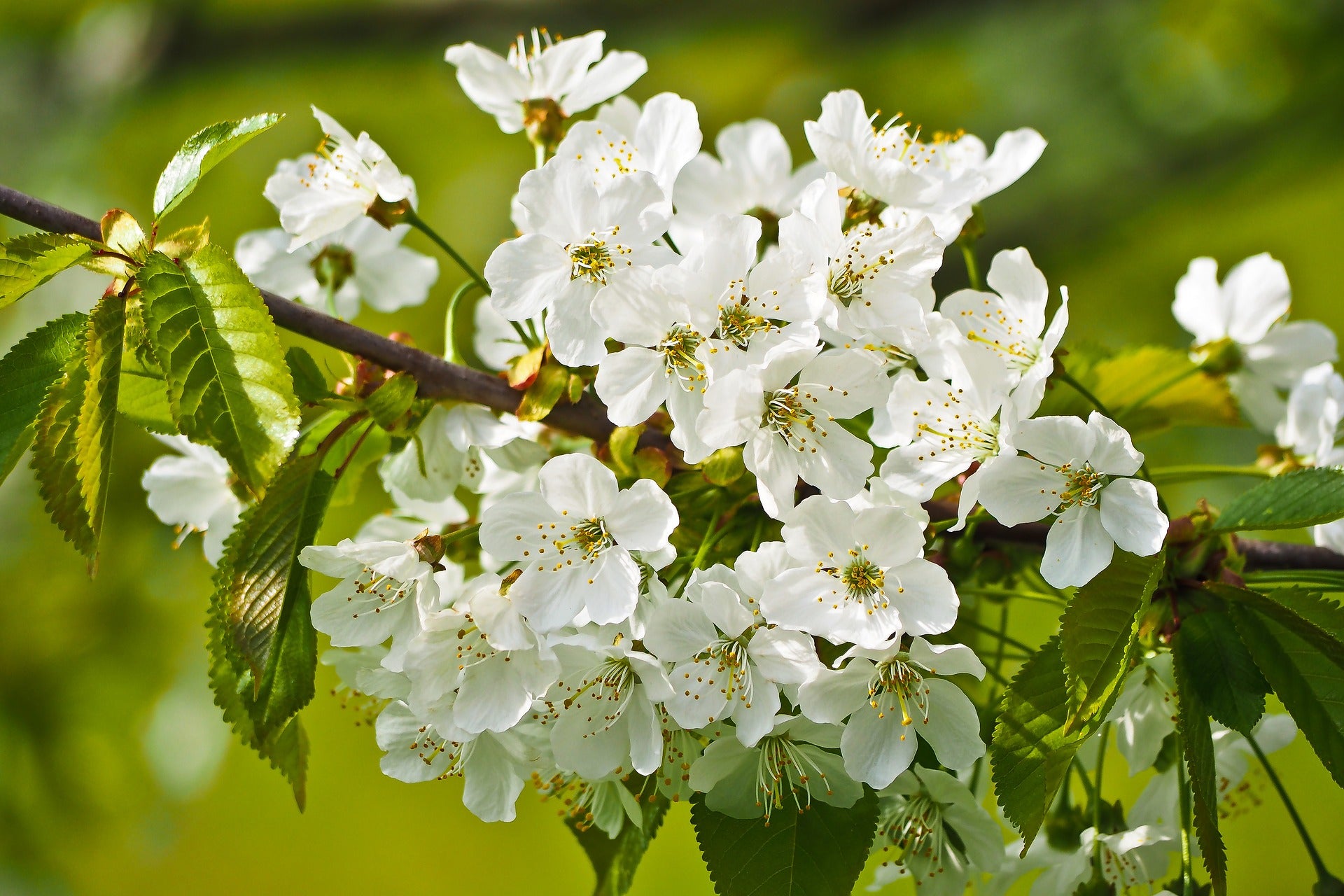
5. Flowering Cherry (Prunus spp.) 🌸
Few sights rival the ethereal beauty of white-flowering cherries in early spring, evoking the famous Japanese sakura but with varieties perfectly suited to home gardens. Opt for pure white options like ‘Snow Goose’ (single blooms) or ‘Mount Fuji’ (semi-double, cascading branches).
- Key Features: Profuse white to slightly pinkish-white flowers in clusters; graceful branching habit.
- Bloom Time: Late March to early April
- Mature Size: 20–30 feet tall, 15–25 feet wide (varies by cultivar)
- USDA Zones: 5–8
- Light & Soil: Full sun; well-drained, slightly acidic soil
Pros: Stunning floral display, fast-growing, attracts pollinators. Cons: Susceptible to pests like borers; short bloom period (1–2 weeks).
Expert Tip: Plant on a slight slope for better drainage and dramatic viewing from below. Avoid heavy pruning to prevent disease entry.
6. Dogwood (Cornus florida & C. kousa) 🐕
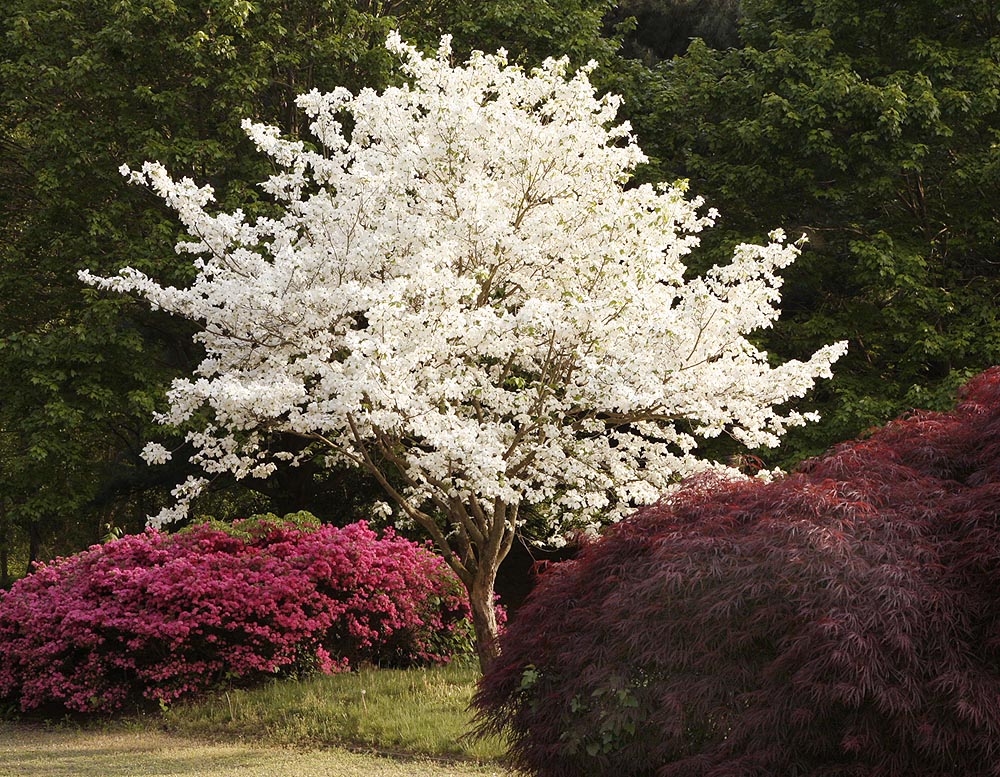
Dogwoods are understory stars, with white “flowers” (actually bracts) that glow in partial shade. Native Cornus florida blooms earliest, while C. kousa offers later blooms and better disease resistance.
- Key Features: Large, showy white bracts surrounding tiny true flowers; red berries in fall.
- Bloom Time: April (florida earlier, kousa mid-spring)
- Mature Size: 15–30 feet tall and wide
- USDA Zones: 5–9
- Light & Soil: Part shade; moist, acidic, well-drained soil
Pros: Four-season interest (flowers, berries, fall color, winter bark); native support for wildlife. Cons: Anthracnose in florida—choose resistant hybrids like ‘Appalachian Spring’.
Expert Tip: Site under taller trees for natural protection; avoid afternoon sun in hot climates.
7. Fringe Tree (Chionanthus virginicus) 💫
This underrated native, also called Grancy Greybeard, produces airy, fringe-like white flowers that dangle like delicate ribbons—highly fragrant and a pollinator magnet.
- Key Features: Fleecy, scented panicles up to 8 inches long; olive-like fruit on females.
- Bloom Time: Late April to early May (slightly later but still early season)
- Mature Size: 12–20 feet tall and wide (shrub or small tree)
- USDA Zones: 5–9
- Light & Soil: Full sun to part shade; adaptable, moist soils
Pros: Native, low-maintenance, deer-resistant; golden fall foliage. Cons: Dioecious (need male + female for fruit); slow-growing.
Expert Tip: Males have showier flowers; plant both for fruit and maximum fragrance.
8. Yoshino Cherry (Prunus × yedoensis) 🇯🇵
The iconic tree behind Washington D.C.’s cherry festival, Yoshino offers soft almond-scented white to pale pink blossoms in massive clouds.
- Key Features: Slightly fragrant, single flowers; rounded canopy.
- Bloom Time: Early to mid-April
- Mature Size: 30–40 feet tall and wide
- USDA Zones: 5–8
- Light & Soil: Full sun; well-drained soil
Pros: Breathtaking mass effect; fast growth. Cons: Larger size needs space; vulnerable to storms.
Expert Tip: Ideal for avenues or as a specimen tree—pair with evergreens for winter structure.

9. Pear (Pyrus calleryana cultivars) 🍐
Modern Callery pear cultivars like ‘Chanticleer’ or ‘Cleveland Select’ provide reliable white blooms without the invasiveness issues of older ‘Bradford’ (which split easily).
- Key Features: Abundant clusters of white flowers; pyramidal form, glossy leaves.
- Bloom Time: March–April
- Mature Size: 30–40 feet tall, 15–20 feet wide
- USDA Zones: 5–9
- Light & Soil: Full sun; adaptable to poor soils
Pros: Tough urban tolerant; excellent fall color (red-purple). Cons: Strong flower scent (some find unpleasant); avoid old cultivars.
Expert Tip: Choose narrow forms for street planting; fire blight-resistant selections are key.
10. Hawthorn (Crataegus viridis ‘Winter King’ or similar) 🌵
Hawthorns bring clusters of white flowers followed by persistent red berries—tough and wildlife-friendly.
- Key Features: Flat-topped white flower umbels; thornless options available.
- Bloom Time: Mid-April
- Mature Size: 25–35 feet tall and wide
- USDA Zones: 4–8
- Light & Soil: Full sun; tolerant of drought and clay
Pros: Disease-resistant cultivars; winter berries for birds. Cons: Thorns on some varieties.
Expert Tip: ‘Winter King’ is superior—fewer thorns, better fruit retention.

Comparison Table: Quick-Reference Guide 📊
| Tree | Bloom Month | Height (ft) | Zones | Fragrant? | Native? | Fruit/Extra Interest |
|---|---|---|---|---|---|---|
| Serviceberry | March–April | 15–25 | 4–9 | Slight | Yes | Edible berries, fall color |
| Flowering Crabapple | April | 15–25 | 4–8 | Yes | Some | Ornamental fruit |
| Star Magnolia | March | 15–20 | 4–9 | Strong | No | Compact form |
| Eastern Redbud ‘Alba’ | April | 20–30 | 4–9 | No | Yes | Heart leaves |
| Flowering Cherry | March–April | 20–30 | 5–8 | Slight | No | Graceful branches |
| Dogwood | April | 15–30 | 5–9 | Slight | Yes | Berries, fall color |
| Fringe Tree | April–May | 12–20 | 5–9 | Strong | Yes | Golden fall foliage |
| Yoshino Cherry | April | 30–40 | 5–8 | Yes | No | Mass bloom effect |
| Pear (Callery) | March–April | 30–40 | 5–9 | Slight | No | Pyramidal form |
| Hawthorn | April | 25–35 | 4–8 | Yes | Some | Winter berries |
Planting & Care Guide for Success 🌱
Best Time to Plant Early Spring Bloomers
Fall is ideal (September–November) for root establishment before winter, but early spring (before bud break) works too. Avoid summer heat stress.
Site Selection & Soil Preparation
Choose spots with good air circulation to reduce disease. Amend clay soils with organic matter; test pH (many prefer slightly acidic 5.5–6.5).
Watering, Fertilizing, and Mulching Tips
Deep weekly watering first 2 years; mulch 3 inches deep (keep away from trunk). Fertilize sparingly in spring with slow-release for trees.
Pruning for Healthier Blooms ✂️
Prune dormant season (late winter) for most; after flowering for spring bloomers like magnolia. Remove dead/diseased wood; thin for light penetration.
Protecting Blooms from Late Frosts 🧊
Site in microclimates (south-facing but sheltered); cover small trees with frost cloth on cold nights; water ground before freezes for insulation.
Common Mistakes to Avoid (And How to Fix Them) ⚠️
Even experienced gardeners can stumble when adding early spring white flowering trees. Here are the most frequent pitfalls I’ve seen in my 15+ years of consulting—and practical fixes to ensure success.
- Planting Too Deep: Tree root flares buried under soil lead to girdling roots and decline. Fix: Always plant so the root flare (where roots spread from trunk) sits slightly above soil level. Dig wide, shallow holes—twice as wide as the root ball but no deeper.
- Ignoring Late Frost Risk: Tender blooms can turn brown overnight from a surprise freeze. Fix: Check historical frost dates for your area and choose protected sites (east or north-facing slopes). For high-value trees, keep frost cloth ready for 20–30°F nights.
- Choosing Oversized Trees for Small Spaces: A 40-foot Yoshino cherry overwhelming a tiny yard is a common regret. Fix: Match mature size to your space—use the comparison table above. Opt for compact gems like Star Magnolia or Fringe Tree in urban lots.
- Skipping Disease-Resistant Cultivars: Planting old-fashioned crabapples or Bradford pears invites problems. Fix: Always select modern, proven varieties (e.g., ‘Autumn Brilliance’ serviceberry, ‘Chanticleer’ pear) bred for resistance.
- Over-Pruning or Wrong Timing: Heavy cuts at the wrong time reduce blooms and invite disease. Fix: Prune minimally, mostly in late winter or right after flowering. Never remove more than 20–25% of canopy at once.
Expert Tips for Maximum Impact ✨
Want your early spring white flowering trees to absolutely steal the show? Here are pro-level strategies I use with clients:
- Layer with Bulbs & Perennials: Plant drifts of white or pastel spring bulbs (snowdrops, white daffodils, Virginia bluebells) beneath trees for a seamless white-to-blue transition. Add white bleeding hearts or candytuft for mid-spring fill.
- Contrast with Evergreens: Position white-blooming trees against dark green backdrops (yews, holly, or spruce) to make blossoms pop like spotlights.
- Create Pollinator Corridors: Group several varieties with staggered bloom times to feed early bees from March through May. Include native serviceberry, redbud, and fringe tree for maximum ecological benefit.
- Nighttime Drama: Install subtle uplighting to illuminate white blossoms after dark—perfect for evening enjoyment on patios or walkways.
- Multi-Stem vs. Single Trunk: Choose multi-stem forms (common in serviceberry and fringe tree) for a softer, more natural look in informal gardens.
Frequently Asked Questions (FAQ) ❓
What is the earliest white flowering tree? Star Magnolia often leads the pack, blooming as early as late February in mild zones 7–9, followed closely by serviceberry in cooler areas.
Are there dwarf varieties for small gardens? Yes! Star Magnolia stays compact naturally. Look for dwarf crabapples like ‘Sargent’ or ‘Lollipop’, and smaller serviceberries like Amelanchier ‘Pumila’.
Which are most deer-resistant? Fringe Tree and hawthorn (especially thorny types) top the list. Serviceberry and dogwood are often browsed—use repellents or fencing in high-pressure areas.
Can these trees grow in containers? For 3–5 years, yes—Star Magnolia, dwarf crabapple, and smaller serviceberries work on patios. Use large pots (minimum 24–30 inches) with excellent drainage and root-prune every few years.
How do I identify a mystery white spring tree in my yard? Note bloom time, leaf shape, bark, and any fruit. Compare to photos here or use apps like iNaturalist. Feel free to email me photos—I’m happy to help identify!
Are any of these trees messy? Most are tidy. Avoid fruiting crabapples or pears near walkways if drop bothers you. Choose sterile cultivars like ‘Spring Snow’ crabapple.
Do white flowering trees attract bees? Will I get stung? They attract pollinators (great for ecosystems!), but bees focus on flowers high in the canopy. Stings are rare unless you disturb hives.
Conclusion: Bring Early Spring Magic to Your Yard 🌸
Nothing quite matches the quiet thrill of watching your garden awaken with clouds of pure white blossoms while the rest of the neighborhood is still brown. The 10 early spring white flowering trees we’ve explored—from the delicate stars of magnolia to the fragrant fringes of native gems—offer reliable beauty, wildlife support, and years of enjoyment with proper placement and minimal care.
Pick one or two that suit your space, climate, and style, plant with confidence using the tips above, and get ready to greet spring in breathtaking fashion before anyone else on the block. Your future self (sipping coffee under a blooming canopy) will thank you. ☕🌳
Ready to start planning? Download my free printable “Early Spring White Tree Checklist” (link in bio) or drop your favorite from this list in the comments below—I’d love to hear which one you’re choosing! 🌿
Happy planting, and here’s to a stunning spring ahead! ✨











