
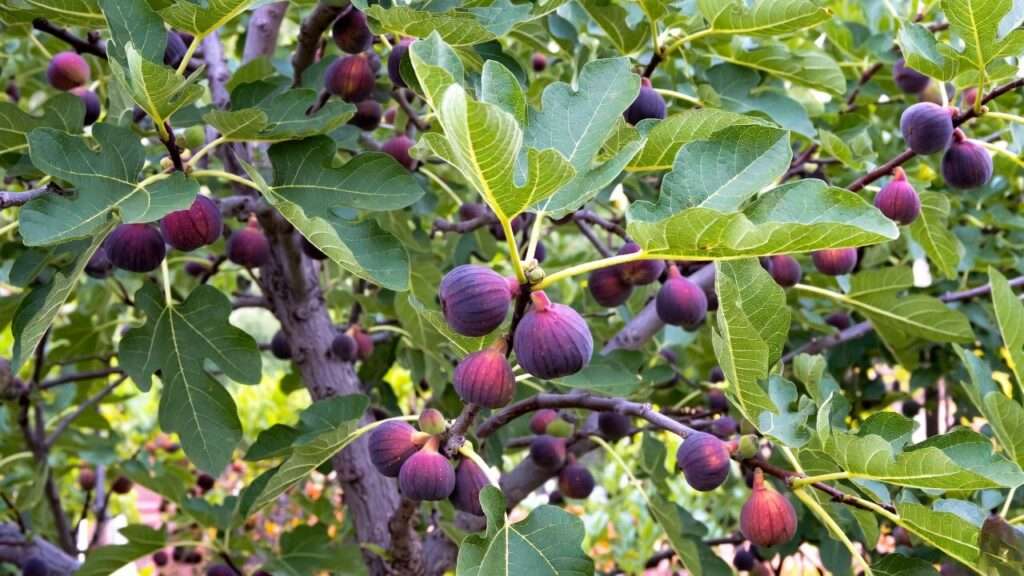
Imagine sinking your teeth into a warm, sun-ripened fig straight from your own tree—juicy, honey-sweet, and bursting with flavor far superior to anything from the store. Now picture the frustration of a barren or struggling tree that never delivers that dream. The good news? Learning fig tree how to grow successfully is easier than you think, even for complete beginners or those in cooler climates. With the right knowledge, you can cultivate healthy, productive fig trees that yield baskets of delicious fruit year after year.
As a horticulturist with over 15 years of hands-on experience growing figs across USDA zones 6-10—including container-grown trees in challenging northern gardens—I’ve guided countless gardeners from bare-root starters to bountiful harvests. In this comprehensive guide, we’ll cover every essential step for fig tree how to grow, from selecting varieties to harvesting and beyond. Whether you’re planting in-ground or in pots, this skyscraper resource draws on proven techniques and real-world insights to help you succeed where others fall short. 🌱
Why Grow Your Own Fig Tree? Benefits You’ll Love ❤️
Fig trees (Ficus carica) are one of the most rewarding fruits for home gardeners. Not only do they produce delectable, nutrient-packed fruit, but they’re also remarkably adaptable and low-maintenance once established.
Delicious, Nutritious Fruit Straight from Your Garden
Home-grown figs are incomparably sweeter and more flavorful than store-bought ones, which are often picked unripe for shipping. Rich in fiber, potassium, calcium, and antioxidants, figs support heart health, digestion, and bone strength—making them a true superfood.
Ornamental Beauty and Shade Provider
With their large, lobed leaves and graceful form, fig trees add Mediterranean flair to any landscape. They provide dappled shade and make stunning focal points in gardens or patios.
Low-Maintenance Once Established
Figs are drought-tolerant, pest-resistant, and require minimal pruning compared to other fruit trees. Common varieties are self-fertile, needing no pollinator partner.
Suitable for Containers (Perfect for Cold Climates or Small Spaces)
Grow figs in pots for balconies, decks, or to overwinter indoors in colder zones—extending your growing range dramatically.
Pollinator-Friendly and Eco-Conscious Choice
Fig trees attract bees and birds while thriving with organic practices, supporting biodiversity.
Quick Comparison: Home-Grown vs. Store-Bought Figs
| Aspect | Home-Grown Figs | Store-Bought Figs |
|---|---|---|
| Flavor | Intense, honey-sweet | Mild, often bland |
| Ripeness | Picked at peak | Harvested unripe |
| Nutrition | Maximum freshness | Some nutrient loss |
| Cost | Free after establishment | Expensive, seasonal |
| Variety | Hundreds of unique flavors | Limited to a few types |
Growing your own transforms figs from occasional treat to everyday abundance. 🪴
Understanding Fig Tree Basics 🌳
Figs aren’t your typical fruit—they grow inside a unique structure called a syconium, and most common varieties don’t require pollination (no fig wasp needed!).
Fig Tree Varieties for Beginners (Top 8 Recommendations)
Choose based on your climate, space, and taste preferences. Here are reliable starters:
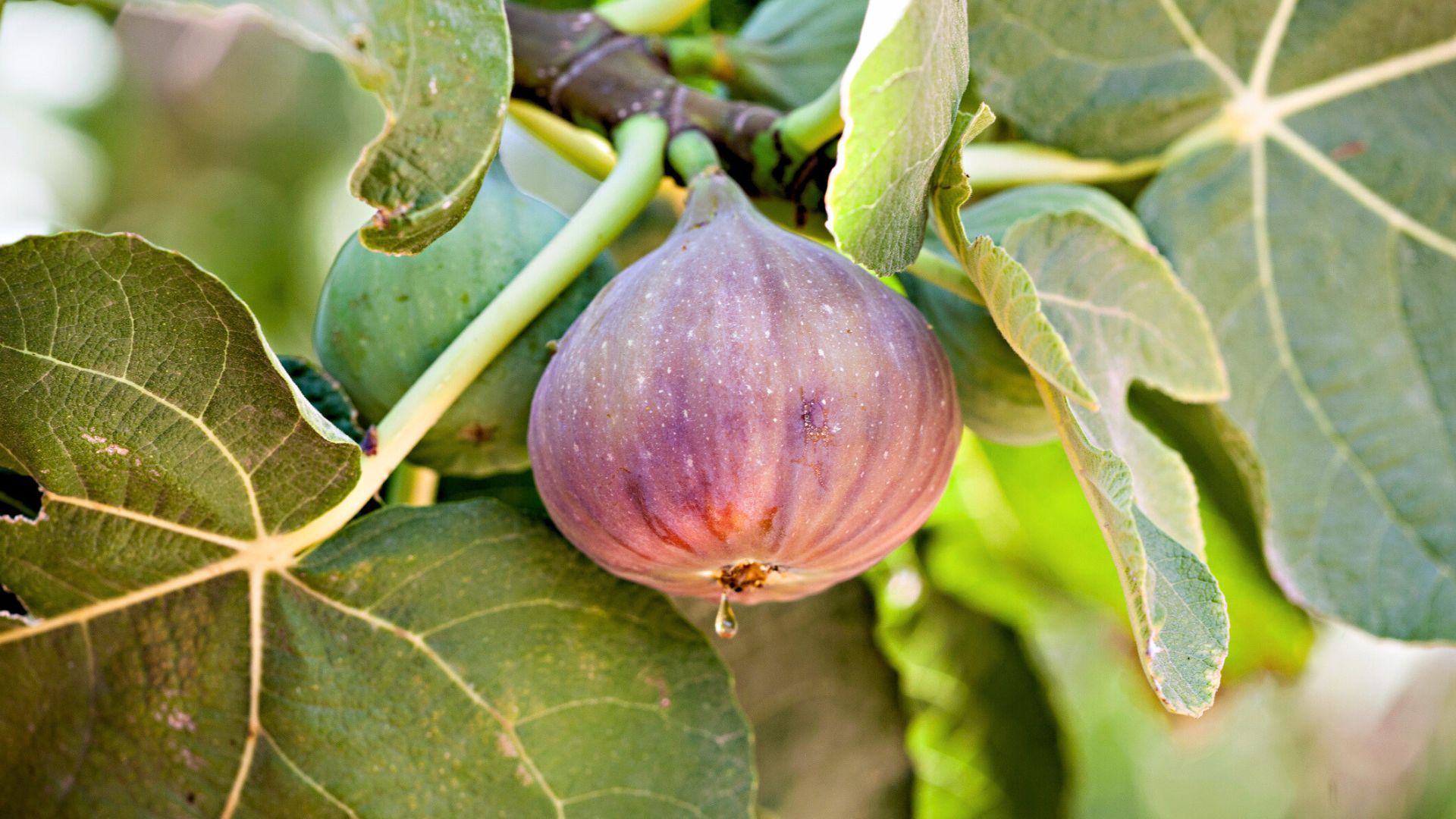
- Chicago Hardy: Extremely cold-tolerant (down to Zone 6 with protection); reliable producer of medium purple-brown figs with sweet strawberry flesh.
- Brown Turkey: Versatile for Zones 7-10; large brown-purple figs with rich flavor; excellent for fresh eating or drying.
- Celeste: Compact, sweet small figs; highly disease-resistant and cold-hardy (Zone 6-9).
- Little Miss Figgy: Dwarf variety perfect for containers; prolific dark figs with deep red flesh.
- Violette de Bordeaux: Gourmet flavor (berry-like); great for pots and cooler climates.
- Desert King: Early-ripening green figs with strawberry interior; thrives in Pacific Northwest.
- Black Mission: Classic dark purple figs with intense sweetness; best in warmer zones.
- LSU Purple: Productive, disease-resistant; medium figs with good flavor.
Variety Comparison Table
| Variety | Hardiness Zones | Fruit Size/Color | Flavor Profile | Best For | Pros/Cons |
|---|---|---|---|---|---|
| Chicago Hardy | 6-10 | Medium/Purple | Sweet, strawberry | Cold climates | Very hardy; may die back in winter |
| Brown Turkey | 7-10 | Large/Brown | Rich, earthy | Beginners, in-ground | Reliable crop; open eye (bird attractant) |
| Celeste | 6-9 | Small/Purple | Very sweet | Containers, humid areas | Closed eye; compact growth |
| Little Miss Figgy | 7-10 | Small/Dark | Intense berry | Pots, small spaces | Dwarf; heavy producer |
| Violette de Bordeaux | 7-10 | Medium/Dark | Complex berry | Gourmet flavor | Excellent taste; slower growth |
Hardiness Zones and Climate Considerations
Figs thrive in Zones 7-11 outdoors, but hardy varieties extend to Zone 6 (or 5 with protection). In colder areas, use containers or microclimates (south-facing walls).
How Figs Grow: Unique Fruiting Habits
Common figs produce breba (early crop on last year’s wood) and main crop (on new growth). No pollination needed—perfect for home gardens!
Expert Insight: Focus on main crop for consistency; breba can be bonus in mild winters.
Choosing and Buying Your Fig Tree 🛒
Starting with a healthy specimen is crucial for long-term success. I’ve seen too many beginners struggle because they chose weak or mismatched trees.
Bare-Root vs. Potted vs. Cuttings
- Bare-Root: Dormant trees shipped without soil—cheapest and lightest for shipping. Best planted in late winter/early spring. High success rate if roots are moist and fibrous.
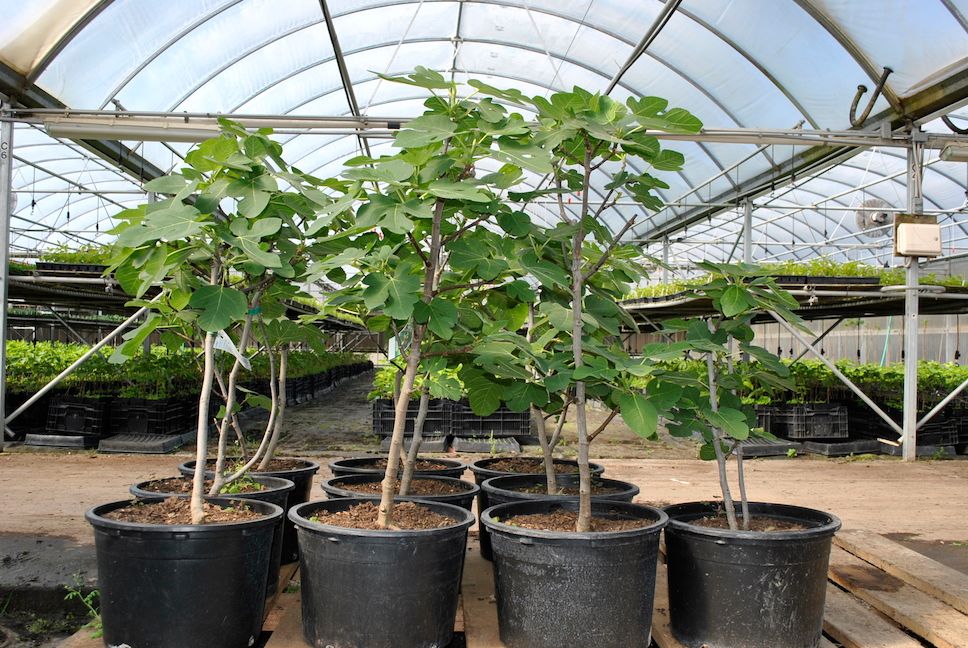
- Potted/Container-Grown: More expensive but instant establishment; ideal for immediate planting or containers.
- Cuttings: Cheapest (often free from friends); great for propagation but requires rooting time.
What to Look for in a Healthy Specimen
- Strong root system (no circling in pots).
- Straight trunk with good branching.
- No signs of pests, disease, or damage.
- Dormant buds swelling in spring.
Best Places to Buy (Reputable Nurseries & Online Sources)
Trusted sources include Stark Bro’s, FastGrowingTrees.com, One Green World, or local specialty nurseries. For rare varieties, check fig forums like OurFigs.com.
Common Beginner Mistakes to Avoid When Purchasing
Buying unhardy varieties for your zone, choosing oversized trees (harder to establish), or impulse buys from big-box stores with poor stock.
Pro Tip: Always verify hardiness and self-fertility before buying.
Planting Your Fig Tree – Step-by-Step Guide ⛏️
Proper planting sets the foundation for vigorous growth and heavy fruiting.
Best Time to Plant (Spring vs. Fall by Zone)
- Zones 8-11: Fall for root establishment before summer heat.
- Zones 6-7: Early spring after last frost.
Site Selection: Sun, Soil, and Spacing Requirements
Full sun (6-8+ hours daily), well-drained soil, protection from strong winds. Space in-ground trees 15-20 feet apart.
Soil Preparation and Amendments (pH 6.0-6.5 Ideal)
Test soil; amend with compost for fertility. Figs tolerate poor soil but thrive in loamy, slightly alkaline conditions.
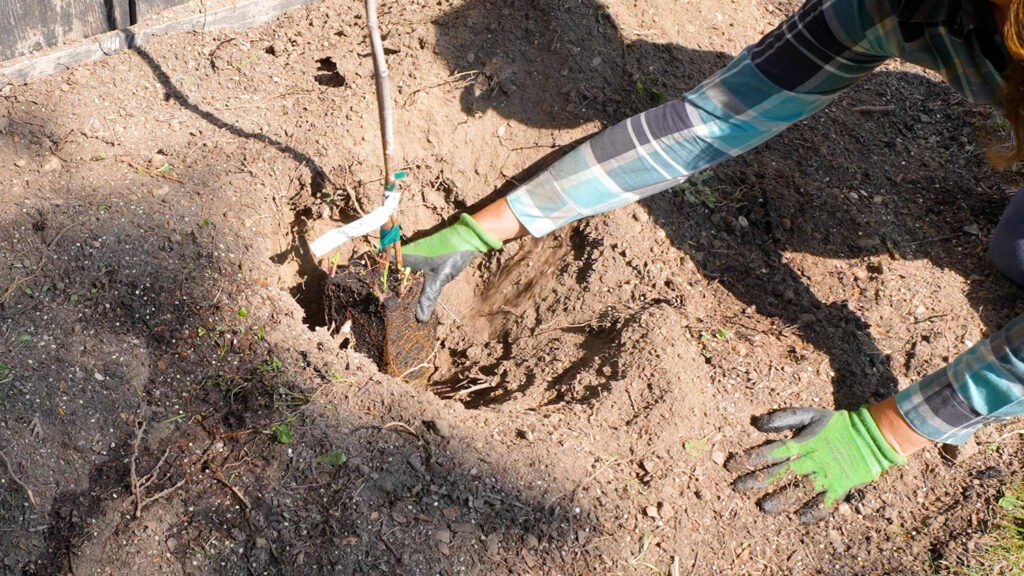
How to Plant in the Ground
- Dig hole twice as wide as roots, same depth.
- Spread roots, backfill with native soil + compost.
- Water deeply; mulch around base.
Container Planting Guide (Pot Size, Drainage, Soil Mix)
Start with 15-20 gallon pot; use well-draining mix (potting soil + perlite). Repot every 2-3 years.
Planting Figs in Cold Climates (In-Ground Protection Techniques)
Plant near south-facing wall or use fig “trench” method for winter burial.
Expert Sidebar: Never plant too deep—keep root flare at soil level to prevent rot.
Essential Fig Tree Care Throughout the Seasons 📅
Consistent care rewards you with healthy foliage and abundant figs.
Watering Schedule for Young vs. Established Trees
Young trees: Deep weekly watering first year. Established: Drought-tolerant but supplemental during fruiting.
Fertilizing: What, When, and How Much (Balanced Organic Options)
Use balanced 8-8-8 or organic (compost tea) in spring/summer. Avoid high nitrogen late season.
Pruning for Shape, Size Control, and Maximum Fruit Production
Prune dormant season for structure; pinch tips in summer for bushiness. Aim for open vase shape.

- Winter: Remove dead/damaged wood, thin crowded branches.
- Summer: Pinch new growth to encourage fruiting laterals.
Mulching and Weed Control
3-4 inches organic mulch retains moisture, suppresses weeds.
Seasonal Care Calendar
- Spring: Fertilize, prune lightly, plant new trees.
- Summer: Water during dry spells, monitor pests, pinch tips.
- Fall: Reduce water, harvest main crop.
- Winter: Protect in cold zones, dormant prune.
Protecting Your Fig Tree from Pests, Diseases, and Weather 🛡️
Figs are remarkably resilient, but like any plant, they can face challenges. Early detection and prevention are key—I’ve saved many trees by spotting issues quickly.
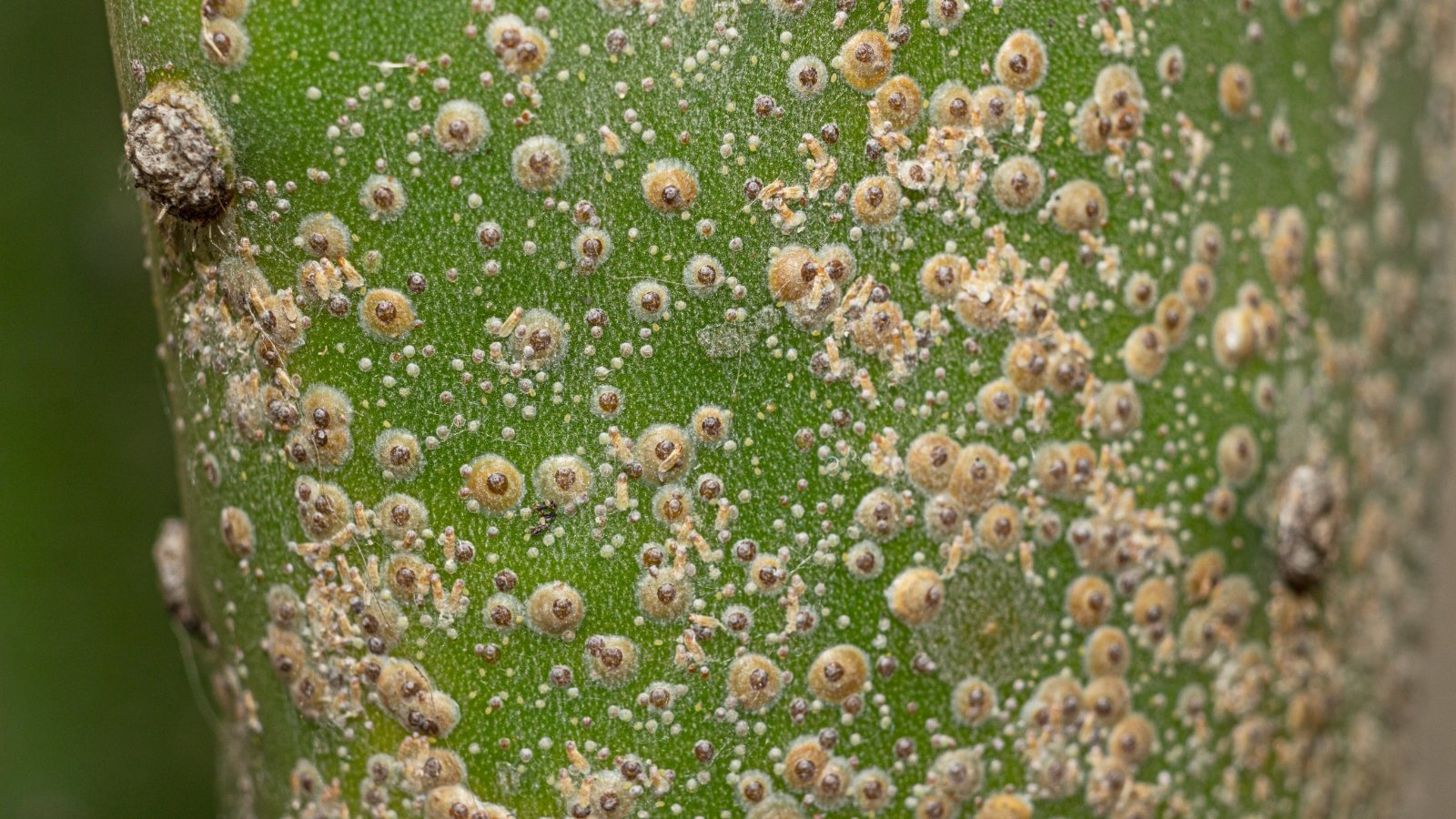
Common Pests (Fig Beetles, Scale, Mites) and Organic Controls
- Scale Insects: Small, immobile bumps on stems/leaves; suck sap, cause yellowing.
- Spider Mites: Tiny webs, stippled leaves; thrive in hot, dry conditions.
- Fig Beetles/Carpenter Worms: Bore into fruit or trunks.
Organic solutions: Neem oil sprays, insecticidal soap, horticultural oil dormancy sprays. Introduce beneficial insects like ladybugs.
Diseases to Watch For (Root Rot, Rust, Mosaic Virus) and Prevention

- Root Rot: Overwatering in poor drainage; wilting despite wet soil.
- Fig Rust: Yellow-orange spots on leaves, premature drop.
- Fig Mosaic Virus: Mottled leaves; no cure, but manageable.
Prevention: Good airflow, proper watering, resistant varieties, sanitize tools.
Winter Protection Strategies (Wrapping, Burying, Greenhouse)
In zones below 7, protect from freezes.
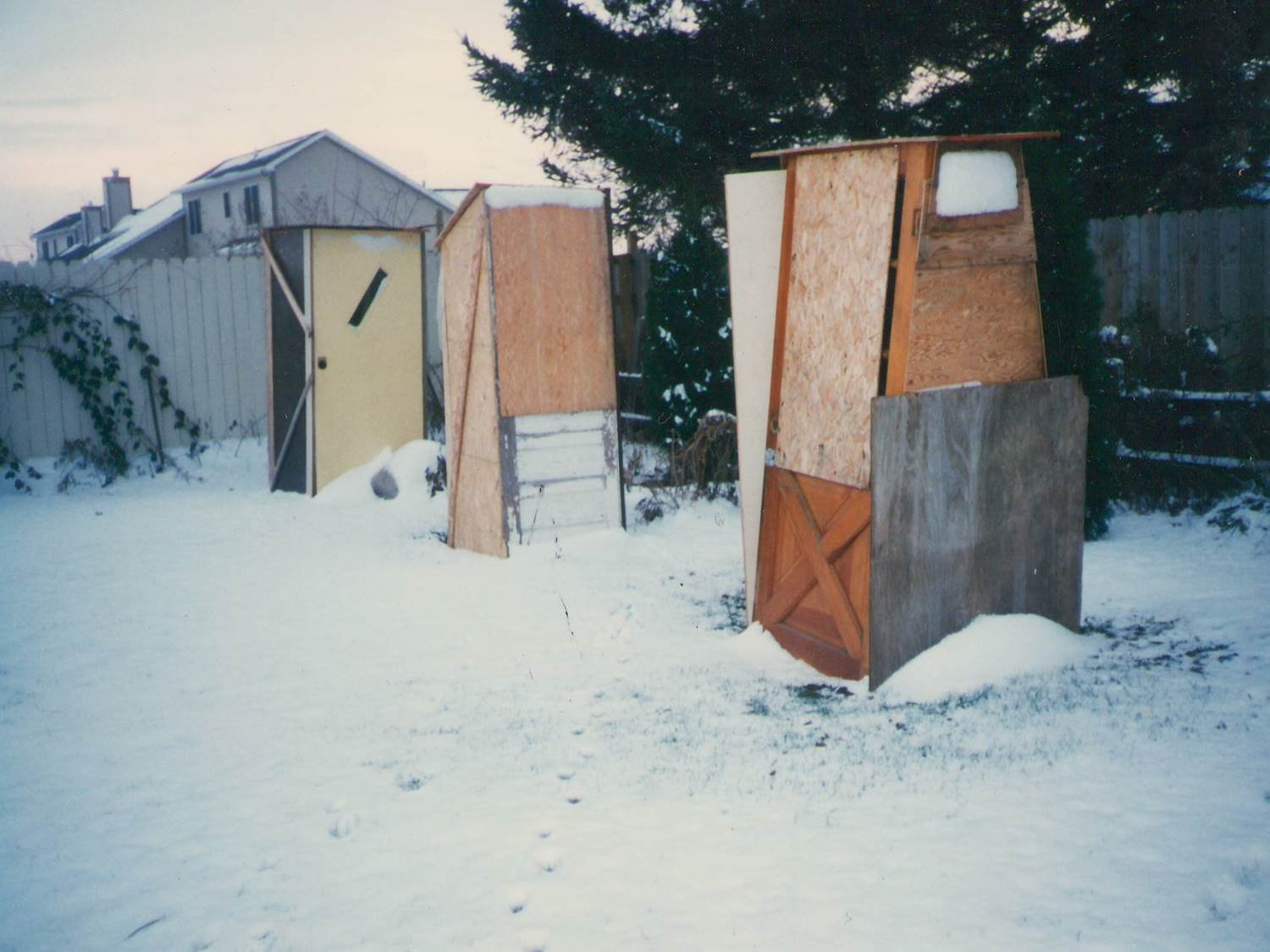
- Wrapping: Burlap + insulation around trunk/branches.
- Burying: Bend and cover with soil/mulch.
- Container move indoors or greenhouse.
Extreme Heat and Drought Management
Deep, infrequent watering; shade cloth during heat waves.
Pest/Disease Identification Table
| Issue | Symptoms | Prevention/Treatment |
|---|---|---|
| Scale Insects | Bumps on stems, honeydew | Neem oil, manual removal |
| Spider Mites | Fine webs, yellow stippling | Increase humidity, miticide soap |
| Root Rot | Wilting, mushy roots | Improve drainage, reduce water |
| Fig Rust | Orange spots on leaves | Fungicide, remove affected leaves |
| Mosaic Virus | Mottled/yellow veins | Remove infected; no cure |
Expert Tip: Inspect weekly—catch problems early for easy fixes.
Harvesting and Enjoying Your Figs 🍯
The payoff! Nothing beats fresh figs.
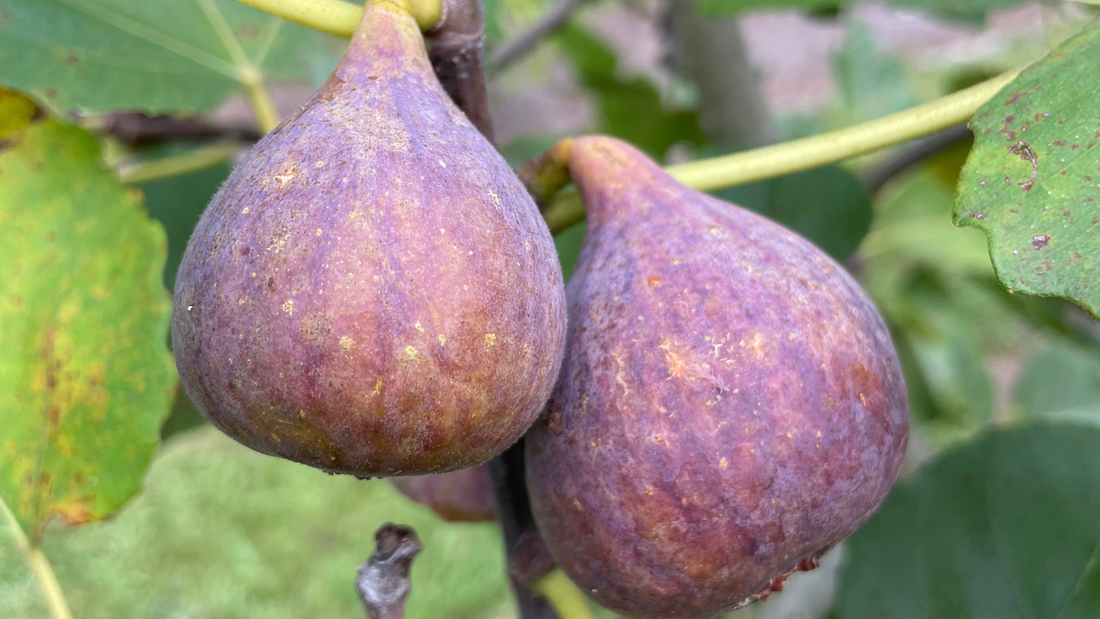
How to Tell When Figs Are Perfectly Ripe
Soft to touch, drooping neck, slight cracks; color deepens (variety-specific).
Harvesting Techniques to Avoid Damage
Twist gently or snip with shears; harvest daily in peak season.
Expected Yield Timeline
Year 1-2: Light; Year 3+: 50-100+ figs on mature tree.
Storing, Preserving, and Delicious Recipe Ideas
Refrigerate 2-3 days; freeze, dry, or jam. Try fresh with cheese, grilled, or fig preserves.
Propagating Fig Trees – Grow More for Free! ✂️
Multiply your success easily—figs root readily.
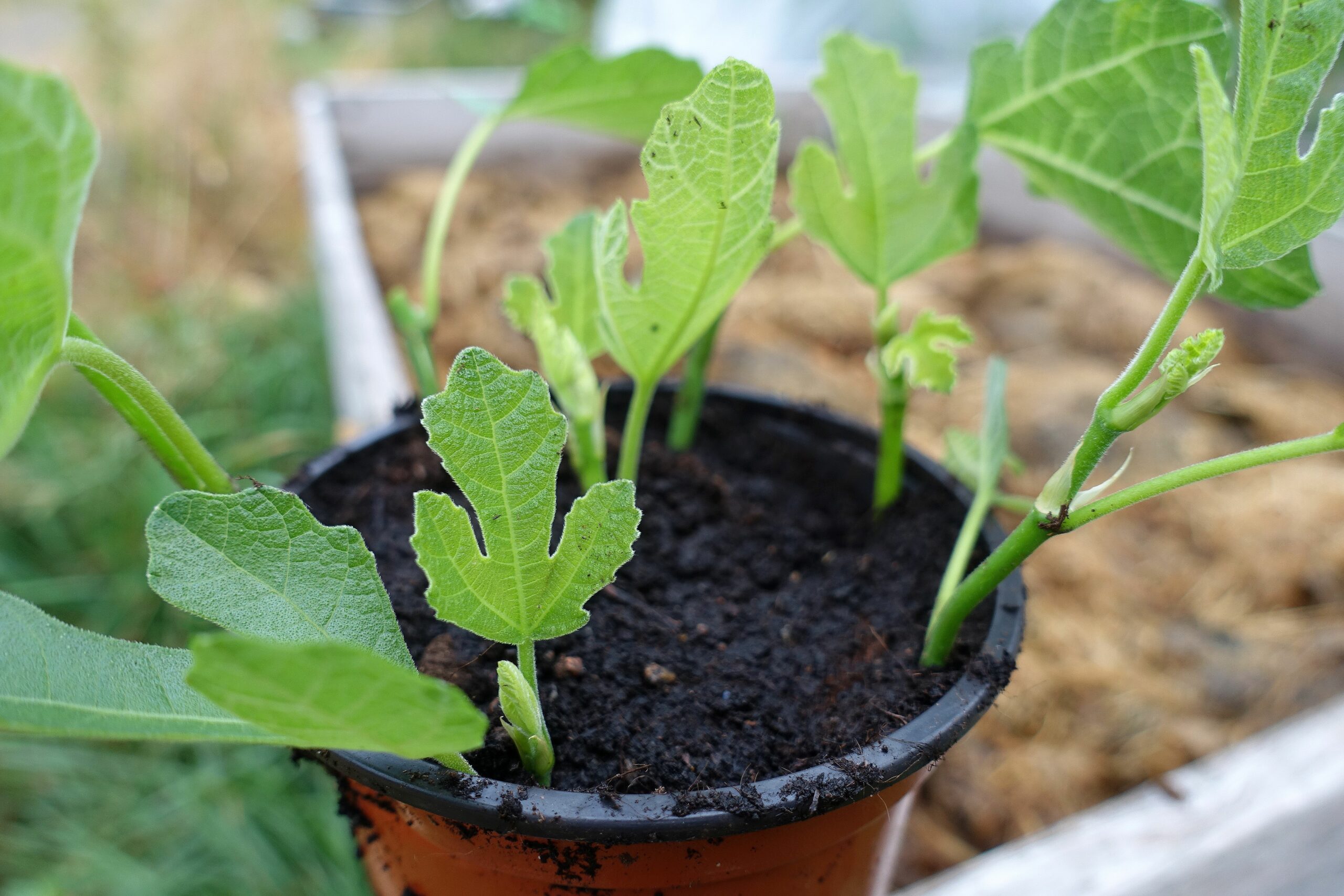
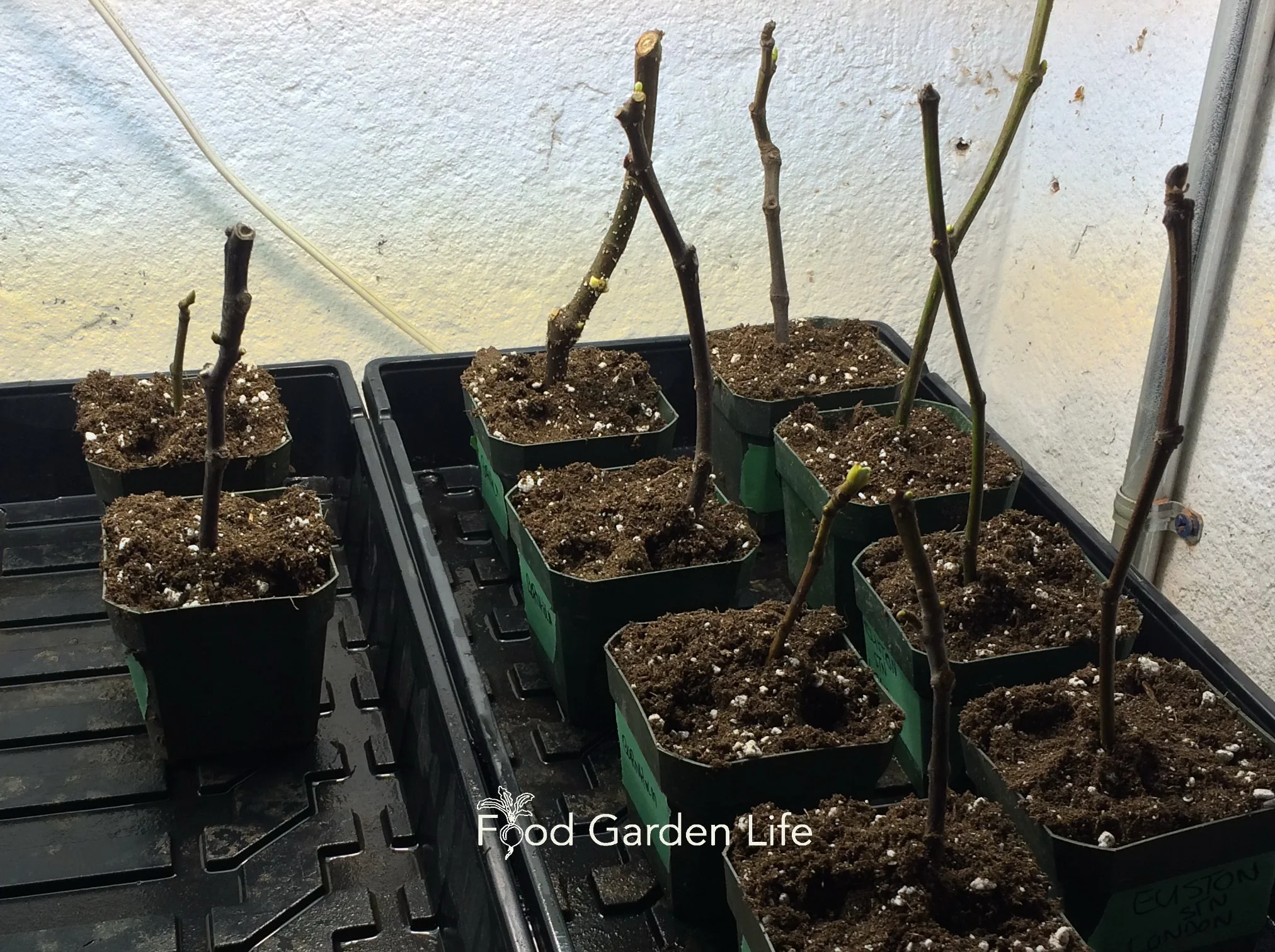
Easy Cutting Propagation Method (Step-by-Step)
- Take 6-8″ hardwood cuttings in winter.
- Dip in rooting hormone.
- Plant in moist soil; keep warm/humid. Success rate: 80-90% with bottom heat.
Air Layering for Larger Starts
Wound branch, wrap with moss; roots in 4-8 weeks.
When and How to Divide Root Suckers
Dig up offsets in dormancy; replant immediately.
Troubleshooting Common Fig Tree Problems 🔧

Why Is My Fig Tree Not Fruiting? (Top 8 Reasons & Fixes)
- Too young. 2. Excessive nitrogen. 3. Insufficient sun. 4. Over-pruning. 5. Cold damage. 6. Poor pollination (rare). 7. Stress. 8. Variety type.
Yellowing Leaves: Causes and Solutions
Overwatering, nutrient deficiency, pests.
Dropping Fruit Prematurely
Water stress, heat, immaturity.
Slow Growth or Leggy Appearance
Low light, root-bound (pots).
Symptom-Cause-Solution Table
| Symptom | Common Causes | Solutions |
|---|---|---|
| No Fruit | Young tree, too much fertilizer | Patience, balanced feeding |
| Yellow Leaves | Overwatering, iron deficiency | Adjust water, chelated iron |
| Fruit Drop | Inconsistent watering | Deep, regular irrigation |
| Leggy Growth | Shade | Move to full sun |
Frequently Asked Questions (FAQs) ❓
Can I grow a fig tree indoors? Yes, with bright light (south window or grow lights) and large pot; fruiting possible but less abundant.
How long until my fig tree bears fruit? 1-3 years from planting; cuttings may fruit sooner.
Are fig trees toxic to pets? Leaves/sap can irritate dogs/cats; fruit safe in moderation.
Can figs grow in pots permanently? Absolutely—many thrive lifelong in containers with repotting.
What’s the best fig variety for cold climates? Chicago Hardy or Petite Negra.
Do fig trees need a pollinator? No—common types are parthenocarpic (self-fruitful).
How often should I water a potted fig tree? When top 2″ soil dry; more in summer.
Why are my figs splitting? Irregular watering—aim for consistency.
Can I grow figs from grocery store fruit? Seeds possible, but unreliable; better from cuttings.
Conclusion 🌟
You’ve now got everything needed for fig tree how to grow success—from planting and care to harvest and troubleshooting. With proper site, watering, pruning, and protection, your tree will thrive and reward you with abundant, delicious fruit.
As someone who’s enjoyed countless home-grown figs, I promise: the effort is worth it. Start small, observe your tree, and adjust as needed. Happy planting—you’re on your way to your own fig paradise! 🪴
Feel free to comment with questions or share your progress. What’s your favorite fig variety?











