

Imagine stepping into your compact urban balcony or cozy backyard patio on a crisp autumn morning, only to be greeted by a breathtaking explosion of fiery scarlet, deep burgundy, and vibrant orange foliage cascading gracefully from a stunning, petite tree. This isn’t a dream reserved for sprawling estates—it’s the magic of a dwarf Japanese maple tree, perfectly suited for small spaces where every inch counts. These compact beauties bring the iconic elegance of Acer palmatum to patios, containers, borders, and rock gardens without overwhelming your landscape.
As a horticulturist with over 15 years of hands-on experience cultivating ornamental trees, including hundreds of Japanese maple cultivars in diverse climates, I’ve seen firsthand how dwarf Japanese maple trees transform limited spaces into serene, year-round focal points. Gardeners often search for “japanese maple tree dwarf” varieties because they crave that exquisite laceleaf texture, seasonal color changes, and low-maintenance charm—but in a size that fits modern, space-constrained lifestyles.
In this ultimate guide, we’ll dive deep into the best dwarf varieties for 2025, expert selection tips, planting and care techniques, troubleshooting common issues, and inspiring design ideas. Whether you’re a beginner container gardener or a seasoned enthusiast seeking the perfect compact specimen, this comprehensive resource will help you choose, grow, and enjoy a dwarf Japanese maple that thrives for decades. 🌿
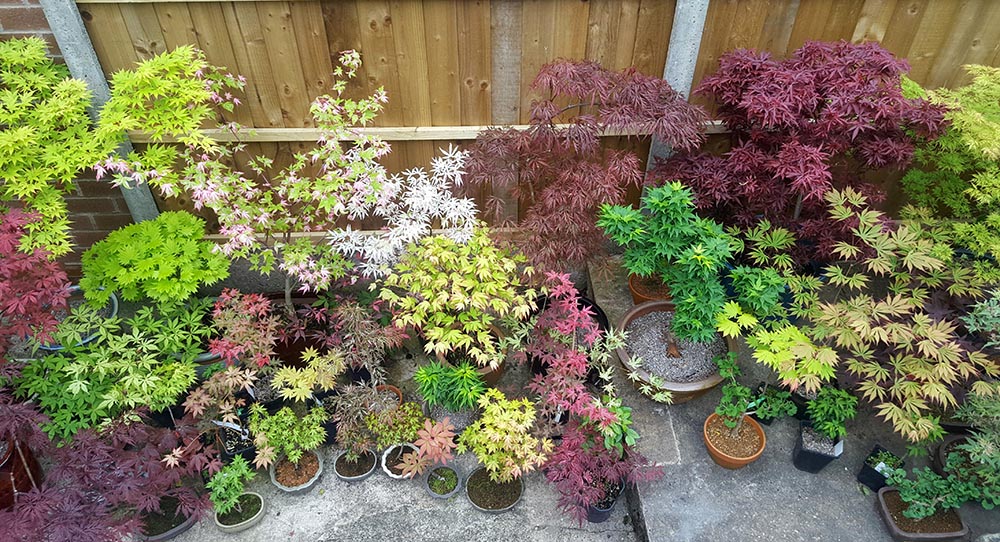
Why Choose Dwarf Japanese Maples for Small Gardens? 🌳
Dwarf Japanese maples (typically maturing under 10 feet tall) are a game-changer for gardeners with limited space. Unlike full-sized Acer palmatum specimens that can reach 20-30 feet, these slow-growing cultivars offer all the visual drama in a fraction of the footprint—ideal for urban lots, courtyards, balconies, and even indoor-outdoor transitions.
Benefits Over Full-Size Japanese Maples
Full-size varieties demand ample room and can dominate a small yard, but dwarfs provide proportional beauty. They grow just 3-8 inches per year, maintaining a compact form without constant pruning. This makes them forgiving for busy homeowners and perfect for long-term container culture.
Year-Round Interest: Spring, Summer, Fall, and Winter Appeal
These trees shine across seasons. Spring brings fresh, vibrant new growth; summer offers lush canopies for shade; fall delivers the signature fiery display; and winter reveals sculptural branching, often enhanced by subtle bark colors. Varieties like coral bark dwarfs add red stems for winter pop ❄️.
Perfect for Containers, Patios, Borders, and Rock Gardens
Their shallow, fibrous roots adapt beautifully to pots (use at least 20-24 inches wide for stability). Plant in borders for edging or rock gardens for textural contrast. They’re versatile accents near water features or entryways.
Low-Maintenance Beauty for Busy Gardeners
Once established, dwarfs need minimal fuss—partial shade, well-drained soil, and occasional watering. They’re deer-resistant in many cases and attract pollinators with subtle spring flowers.
:max_bytes(150000):strip_icc()/piqsels.com-id-sphst-0e0c5fe838264a099e092cac96d1e34d.jpg)
Top 12 Best Dwarf Japanese Maple Varieties (2025 Recommendations) 🍁🔥
Based on current nursery availability, gardener feedback, and performance in USDA Zones 5-9, here are my top picks for dwarf cultivars. These selections prioritize color retention, compact habit, disease resistance, and suitability for small gardens. I’ve grown many personally and recommend sourcing from reputable nurseries like Mr. Maple, Conifer Kingdom, or Monrovia for healthy, true-to-name stock.
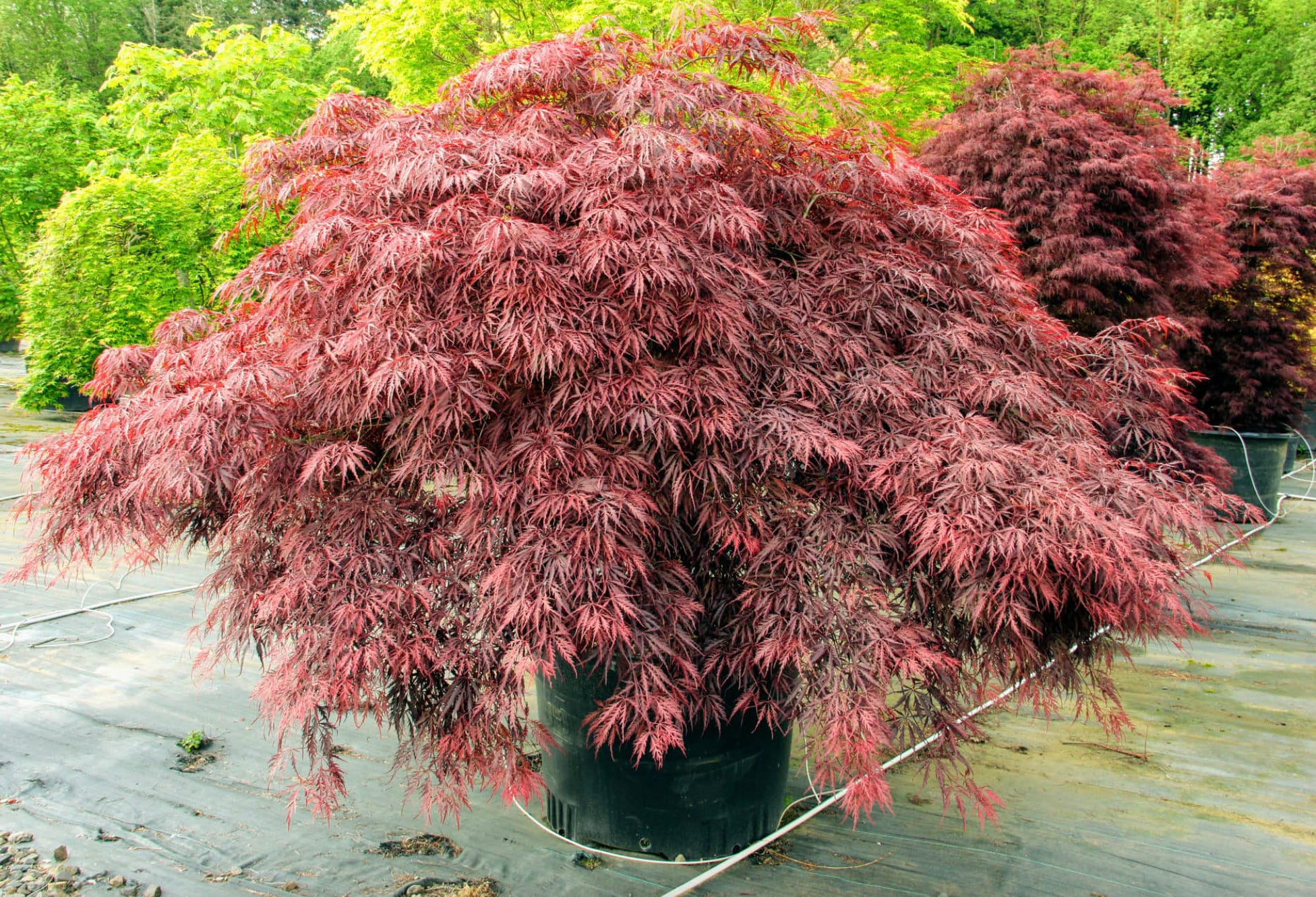
1. Acer palmatum ‘Red Dragon’ – Best for Deep Red Foliage
This weeping laceleaf dissectum holds rich maroon-red color better than most reds, even in warmer climates. New growth emerges cherry-red, darkening to burgundy, then blazing scarlet in fall.
- Mature size: 6-8 ft tall, 8-10 ft wide 📏
- Growth rate: Slow (4-6 inches/year)
- Leaf progression: Bright cherry spring → Deep maroon summer → Scarlet fall 🎨
- Sun tolerance: Partial shade preferred; tolerates morning sun ☀️
- Hardiness: Zones 5-9
- Best uses: Containers, patios, weeping focal point
- Pros: Excellent color retention, heat-tolerant for a red
- Cons: Sensitive to strong winds
- Reputable sources: Mr. Maple, Fast Growing Trees
2. Acer palmatum ‘Sharp’s Pygmy’ – Most Compact Option
A true miniature with dense, layered branching and small palmate leaves. Discovered as a seedling in Oregon, it’s ideal for bonsai or tiny spaces.
- Mature size: 3-5 ft tall and wide
- Growth rate: Very slow
- Leaf progression: Rich green spring/summer → Orange-red fall
- Sun tolerance: Partial shade to dappled sun
- Hardiness: Zones 6-9
- Best uses: Rock gardens, bonsai, fairy gardens
- Pros: Ultra-compact, sturdy structure
- Cons: Rare and pricier
- Sources: Conifer Kingdom, specialist nurseries
3. Acer palmatum ‘Koto No Ito’ – Unique Thread-Like Leaves
Meaning “harp strings,” this upright dwarf has fine, bamboo-like green leaves for ethereal texture.
- Mature size: 6-8 ft tall, 4-6 ft wide
- Growth rate: Slow
- Leaf progression: Bright green → Golden-yellow fall
- Sun tolerance: Partial shade
- Hardiness: Zones 5-9
- Best uses: Borders, accents
- Pros: Distinct linear foliage
- Cons: Less dramatic fall color
4. Acer palmatum ‘Little Princess’ – Ideal for Containers
Bushy, compact habit with small leaves turning yellow-orange in fall.
- Mature size: 4-6 ft tall and wide
- Growth rate: Slow
- Leaf progression: Green → Multicolor fall
- Sun tolerance: Partial shade
- Hardiness: Zones 5-9
- Best uses: Pots, small beds
5. Acer palmatum ‘Baby Lace’ – Delicate Weeping Form
Finely dissected laceleaf with weeping habit; one of the smallest dissectums.
- Mature size: 4-6 ft tall, 5-7 ft wide
- Growth rate: Slow
- Leaf progression: Reddish new growth → Green → Orange-red fall
- Sun tolerance: Partial shade
- Hardiness: Zones 5-9
- Best uses: Containers, rock gardens
6. Acer palmatum ‘Mikawa Yatsubusa’ – Stunning Layered Habit
Dense, overlapping leaves create shingled effect; highly sculptural.
- Mature size: 4-6 ft tall and wide
- Growth rate: Very slow
- Leaf progression: Light green → Yellow-gold fall
- Sun tolerance: Partial to full sun
- Hardiness: Zones 5-9
- Best uses: Bonsai, specimen
- Pros: Architectural form
7. Acer palmatum ‘Shaina’ – Bold Red New Growth
Compact upright with tufted, bright red new leaves maturing maroon.
- Mature size: 5-7 ft tall, 4-6 ft wide
- Growth rate: Slow
- Leaf progression: Bright red → Deep maroon → Crimson fall
- Sun tolerance: Partial shade
- Hardiness: Zones 5-9
- Best uses: Entryways, containers
8. Acer palmatum ‘Crippsii’ – Vibrant Orange Fall Color
Rare with bold orange tones; compact form.
- Mature size: 6-8 ft
- Growth rate: Slow
- Leaf progression: Green → Brilliant orange
- Hardiness: Zones 5-9
9. Acer palmatum ‘Butterfly’ – Variegated Cream & Green Twist
Twisted leaves with cream margins; unique variegation.
- Mature size: 8-10 ft (borderline dwarf)
- Growth rate: Slow
- Leaf progression: Variegated → Pink/red fall
- Sun tolerance: Partial shade (protect variegation)
- Hardiness: Zones 5-9
- Pros: Year-round interest
10. Acer palmatum ‘Inaba Shidare’ – Dramatic Weeping Purple
Strong purple laceleaf weeper; vigorous for a dwarf.
- Mature size: 6-8 ft tall, 8-12 ft wide
- Growth rate: Moderate-slow
- Leaf progression: Purple → Crimson fall
- Sun tolerance: Partial shade
- Hardiness: Zones 5-9
11. Acer palmatum ‘Kamagata’ – Elegant Upright Dwarf
Small leaves, upright habit; ‘dancing umbrella’ form.
- Mature size: 5-7 ft
- Growth rate: Slow
- Leaf progression: Green → Orange-red fall
12. Acer palmatum ‘Orange Dream’ – Bright Spring Glow
Narrow leaves emerge orange-yellow, turning green then gold.
- Mature size: 8-10 ft
- Growth rate: Moderate
- Leaf progression: Orange spring → Green → Gold fall
- Hardiness: Zones 5-9
These varieties represent the pinnacle of dwarf Acer palmatum breeding, offering diversity in form, color, and texture.
How to Choose the Right Dwarf Japanese Maple for Your Garden 🧭
Selecting the perfect cultivar starts with assessing your conditions.
Assessing Your Space and Microclimate
Measure available height/width—aim for mature size under 10 ft. Note wind exposure (protect weepers) and reflected heat from walls.
Matching Foliage Color to Your Design Goals
Reds for drama, greens for subtlety, variegated for brightness.
Hardiness Zone Compatibility (Updated 2023-2025 USDA Map Insights)
Most dwarfs thrive in Zones 5-9; select zone 5-hardy like ‘Red Dragon’ for colder areas.
Upright vs. Weeping vs. Mounding Growth Habits
Upright for height, weeping for cascade, mounding for density.
Planting Guide: Step-by-Step for Success 🌱
Timing and technique are key to establishment.
Best Time to Plant (Spring vs. Fall Considerations)
Fall preferred for root growth; spring avoids frost damage to new leaves.
Site Selection: Light, Wind Protection, and Soil Preferences
Dappled shade or morning sun; avoid afternoon scorch in hot zones. Well-drained, slightly acidic soil (pH 5.5-6.5).
Soil Preparation and Amendments for Acid-Loving Roots
Incorporate organic matter; use ericaceous compost for containers.
Proper Planting Depth and Root Ball Handling
Plant at same depth as nursery; tease roots gently.
Container Planting Tips for Patios and Balconies 🪴
Use frost-proof pots with drainage; elevate for airflow.
Essential Care and Maintenance 🌿
Dwarfs are low-maintenance but reward attention.
Watering Schedule: First Year vs. Established Trees
Deep weekly first year; mulch to retain moisture.
Fertilizing Do’s and Don’ts (Slow-Release Recommendations)
Light spring feed with acid-loving formula; avoid high nitrogen.
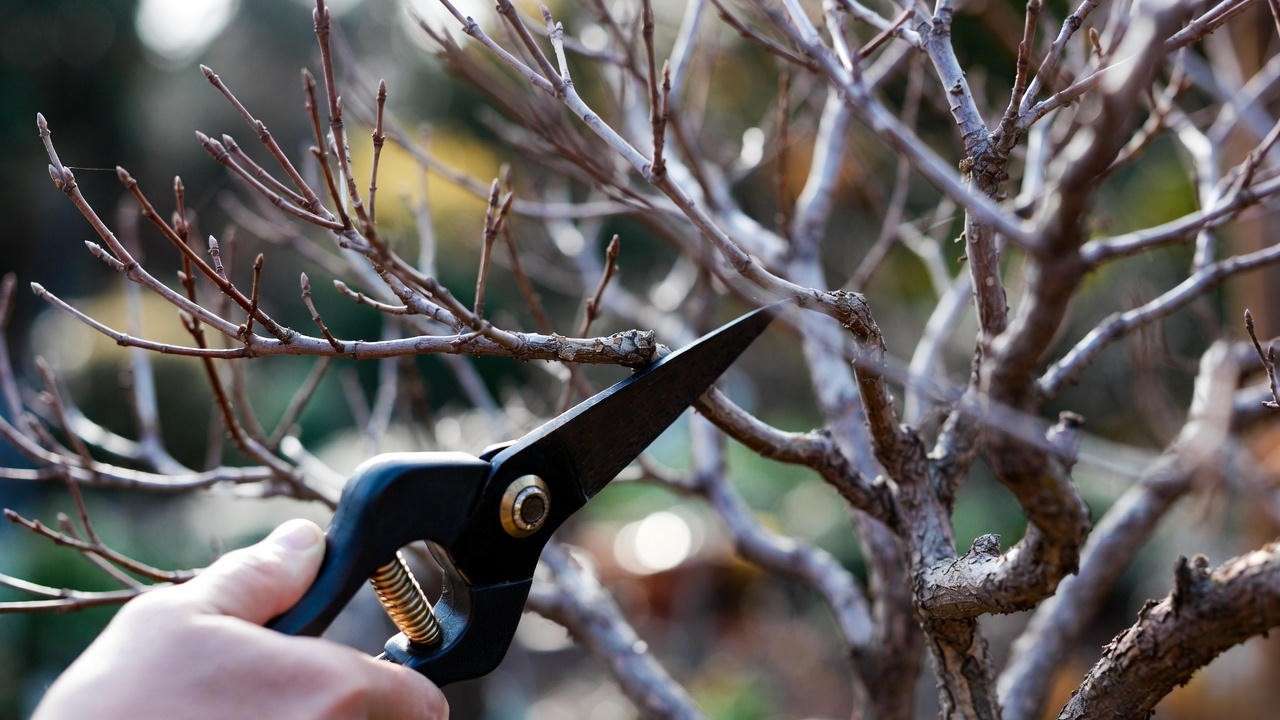
Pruning Techniques for Shape and Health (When & How) ✂️
Dormant season; remove crossing branches.
Winter Protection in Colder Zones
Mulch roots; burlap for wind.
Mulching Best Practices
2-3 inches organic mulch, away from trunk.
Common Problems and Solutions 🛠️
Prevent issues for longevity.
Leaf Scorch: Causes and Prevention ☀️
Too much sun/water stress; provide shade cloth.
Verticillium Wilt and Other Diseases
Plant in well-drained soil; no cure—remove affected.
Pest Management: Aphids, Scale, and Japanese Beetles
Neem oil or insecticidal soap.
Reverting to Green (Variegated Varieties)
Prune plain shoots.
Slow Growth Troubleshooting
Check soil pH, drainage.
Creative Design Ideas for Small Gardens 🎨
Elevate your space.
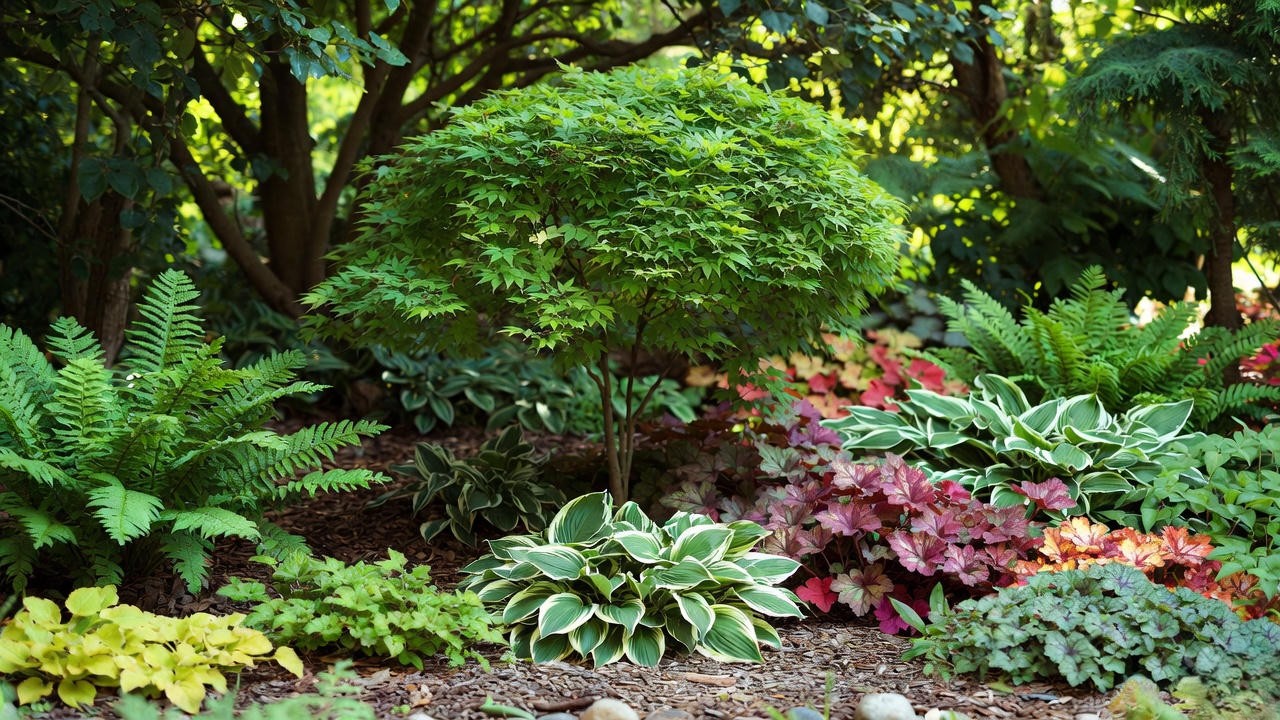
Pairing with Companion Plants (Hostas, Ferns, Heucheras)
Contrast textures/colors.
Using as Focal Points in Rock Gardens
Weepers cascade over stones.
Bonsai-Style Training for Extra Drama
Dwarfs like ‘Sharp’s Pygmy’ excel.
Container Combinations for Seasonal Displays
Mix with evergreens.
Lighting Ideas to Highlight Fall Color at Night 💡
Uplights for drama.
Expert Tips from Years in the Field ✨
- Maximize fall color: Acidic soil + cool nights.
- Late frost protection: Cover new growth.
- Long-term checklist: Annual root check in pots.
- Sustainable sourcing: Avoid wild-collected.
Frequently Asked Questions (FAQ) ❓
- Are dwarf Japanese maples slow-growing? Yes, most add 3-8 inches/year.
- Can I grow a dwarf Japanese maple in full sun? Partial preferred; some reds tolerate more.
- How big do dwarf Japanese maples really get? Typically 4-10 ft.
- Are they deer-resistant? Moderately; protect young trees.
- Can dwarf varieties be kept in pots permanently? Yes, with repotting every 3-5 years.
- What’s the difference between dwarf and miniature Japanese maples? Miniatures stay under 4 ft.
- Best soil pH for vibrant color? 5.5-6.5.
Conclusion 🌟
A dwarf Japanese maple tree isn’t just a plant—it’s a living sculpture that brings tranquility, color, and joy to small gardens year after year. With the right variety and care, yours will thrive, rewarding you with decades of beauty.
Choose your favorite from our top 12, plant with confidence, and watch it transform your space. Share your dwarf maple photos in the comments—I’d love to see them! Subscribe for more tree care guides. With proper selection, your compact Acer palmatum will be a cherished heirloom. 🍁✨











