
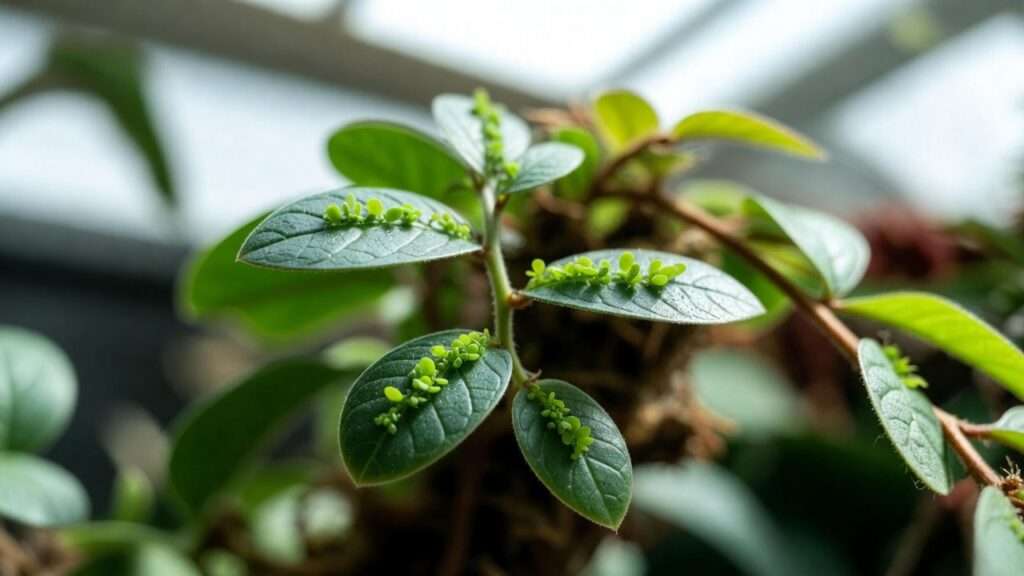
Have you ever seen a houseplant that grows tiny baby plants right on top of its leaves, like little riders piggybacking on their parents? If not, you’re in for a treat! The piggyback plant (Tolmiea menziesii), also known as youth-on-age, pick-a-back plant, or thousand mothers, is one of nature’s most whimsical creations. This charming perennial produces adorable plantlets at the junction where mature leaves meet the stem, making it look like the older leaves are carrying youngsters on their backs. It’s not just cute—it’s incredibly easy to propagate and care for, perfect for beginners who want a rewarding, low-maintenance houseplant that thrives in spots where many others falter.
Native to the cool, shady forests of the Pacific Northwest, the piggyback plant brings a touch of woodland magic indoors. In this ultimate guide, we’ll dive deep into everything you need to know to grow a lush, healthy piggyback plant successfully. From ideal lighting and watering techniques to propagation tricks, troubleshooting common issues, and advanced tips, you’ll gain the confidence to keep your plant thriving for years. Whether you’re dealing with brown leaf tips, want more plantlets, or are curious about variegated varieties, we’ve got you covered with expert advice backed by years of horticultural experience. Let’s turn your piggyback plant into a flourishing indoor jungle star! 🌱👶
What Is the Piggyback Plant? A Closer Look at This Fascinating Species 🌱
Botanical Background and Native Habitat 🏞️
The piggyback plant, scientifically known as Tolmiea menziesii, belongs to the Saxifragaceae family. It’s a monotypic genus—meaning it’s the only species in its genus—making it truly unique in the plant world. Named after Scottish physician and botanist Dr. William Fraser Tolmie and explorer Archibald Menzies, this perennial herb is native to the moist, shaded woodlands of western North America, from northern California up through Oregon, Washington, British Columbia, and into southern Alaska.
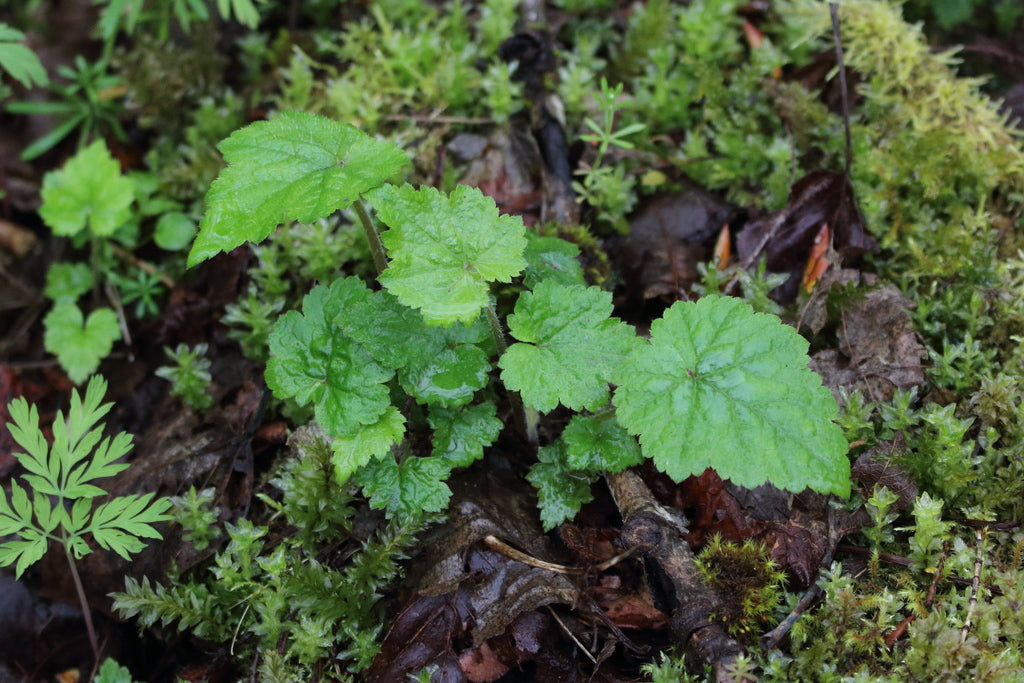
In its natural habitat, Tolmiea menziesii acts as a groundcover in damp forests, along stream banks, and in riparian zones. It spreads via rhizomes (underground stems), forming dense colonies that carpet the forest floor with heart-shaped, scalloped leaves. This adaptability to cool, humid, low-light environments makes it an ideal houseplant for modern homes, where it mimics those shady woodland conditions perfectly.
Unique Features: Why It’s Called “Piggyback” 👶🌿
The star attraction of the piggyback plant is its viviparous reproduction—plantlets forming directly on mature leaves. These tiny offspring develop at the base of the leaf blade where it attaches to the petiole (leaf stalk). As they grow, the weight bends the parent leaf downward, allowing the plantlet to touch the soil and root naturally. This “piggyback” habit gives rise to charming common names like youth-on-age (young on old) and thousand mothers.
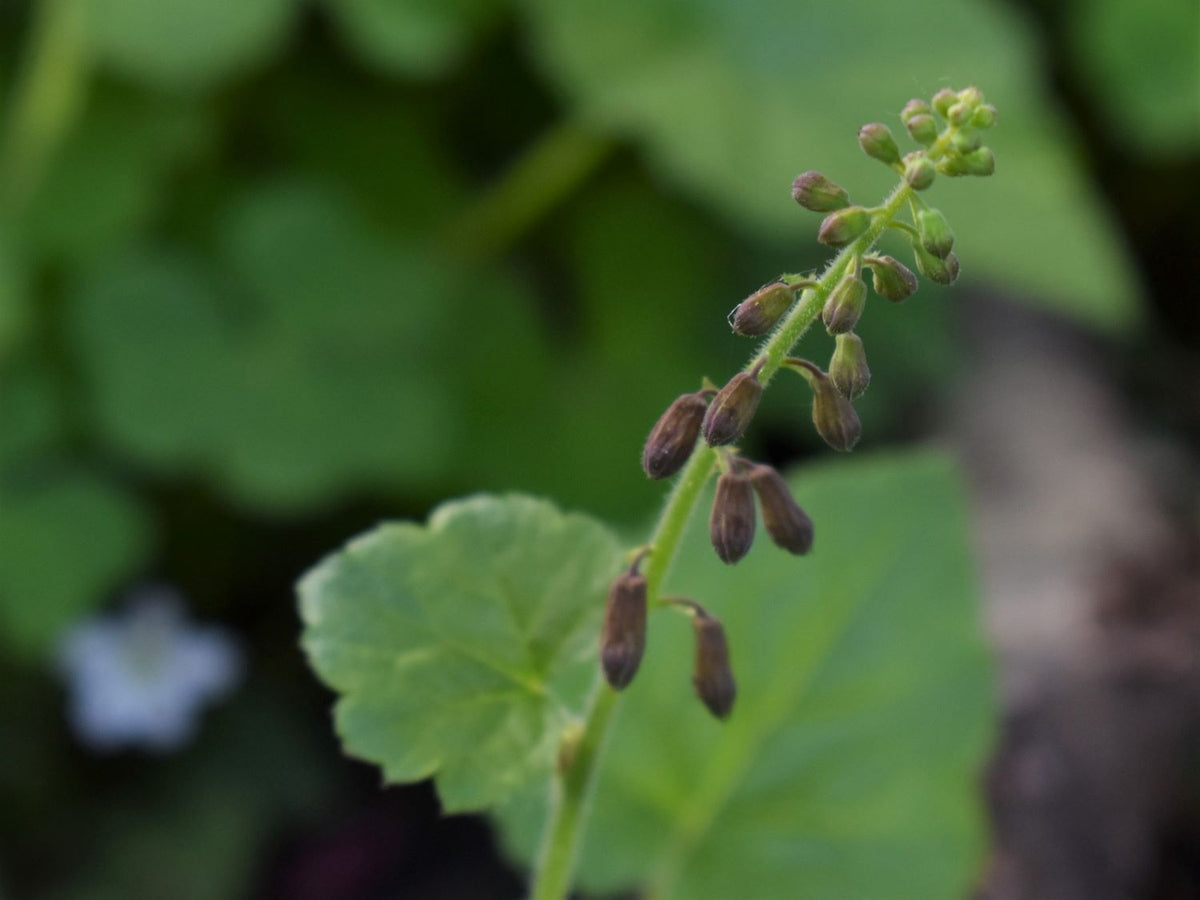
The leaves are hairy, bright green, and lobed like maple leaves, growing 2-4 inches wide on long petioles. In spring or summer, tall spikes (up to 2 feet) emerge with small, tubular, purplish-brown flowers—interesting but not showy. Indoors, flowering is rare, but the foliage and plantlets provide year-round appeal.
Popular Varieties, Including Variegated Options 🎨
While the standard Tolmiea menziesii boasts vibrant green leaves, cultivars add extra flair:
- ‘Taff’s Gold’: A stunning variegated variety with leaves mottled in creamy yellow and green, creating a golden mosaic effect. It’s slightly slower-growing but adds brightness to low-light areas.
- ‘Variegata’ or ‘Cool Gold’: Similar variegation with golden splashes, offering a more luminous look.
These variegated forms are prized for hanging baskets or as desk plants, though they may need a touch more light to maintain their colors.
Ideal Growing Conditions for Your Piggyback Plant 💡🌡️
Light Requirements: Thriving in Shade Like a Woodland Native 🌑
As a true understory plant, the piggyback plant excels in low to medium indirect light. Direct sunlight scorches leaves quickly, causing brown tips or faded color. Ideal spots include north-facing windows, east-facing with sheer curtains, or several feet back from south/west windows.
In low-light homes, it outperforms many houseplants, maintaining lush growth without legginess. For variegated varieties, slightly brighter indirect light helps preserve the golden patterns—aim for 200-500 foot-candles (use a light meter app for precision).
Pro tip from experience: If your plant stops producing plantlets, it’s often a sign of insufficient light. Gradually increase exposure to filtered brightness for better vivipary.
Temperature and Humidity Preferences 😎💦
Piggyback plants prefer cool to average room temperatures: 60-75°F (15-24°C) daytime, dropping to 50-65°F (10-18°C) at night. They tolerate down to 40°F briefly but dislike heat above 80°F, which can cause wilting.
Humidity is key—50-70% mimics their native moist forests. In dry homes (common in winter), use a pebble tray, humidifier, or group with other plants. Bathrooms or kitchens are prime locations if light is adequate.
Best Placement in Your Home (North-Facing Windows, Bathrooms, etc.) 🏠
- Beginners: North window sill for foolproof low light.
- Aesthetic displays: Hanging baskets to showcase trailing growth and dangling plantlets.
- Offices/desks: Compact size (12-18 inches tall/wide) fits perfectly.
- Terrariums: Excellent for closed setups with high humidity.
Avoid drafts from heaters or AC vents, which dry out leaves rapidly.
Soil and Potting Essentials for Healthy Roots 🪴
Recommended Soil Mix: Rich, Moist, and Well-Draining 🌍
Piggyback plants need soil that retains moisture like forest humus but drains to prevent rot. A perfect mix:
- 50% high-quality peat-based potting soil
- 30% perlite or pumice for drainage
- 20% compost or worm castings for nutrients
pH: Slightly acidic to neutral (6.0-7.0). Avoid heavy garden soil, which compacts.
Expert insight: In my years growing natives, adding a handful of leaf mold or orchid bark replicates their woodland floor perfectly, boosting plantlet production.
Pot Selection and Drainage Tips 🚰
Choose pots with drainage holes—terracotta breathes well, plastic retains moisture longer. Size: Start with 4-6 inch pots; repot when roots fill.
For hanging baskets, use lined coco coir for moisture retention.
When and How to Repot (Expert Tip: Annual Repotting for Vigorous Growth) 🔄
Repot annually in spring to refresh soil and encourage rhizome spread. Signs it’s time: Roots circling, slow growth, or plantlets not forming.
Steps:
- Gently remove from pot.
- Tease apart rhizomes if dividing.
- Plant at same depth in fresh mix.
- Water thoroughly and place in shade for a week.
Annual repotting prevents decline—many piggyback plants fade after 2-3 years without it due to nutrient depletion.

Watering Your Piggyback Plant: The Key to Success 💧
Mastering watering is crucial—piggyback plants love consistent moisture but hate soggy roots.
How Often to Water: Keeping Soil Consistently Moist Without Sogging 📅
Water when the top 1 inch of soil feels dry (finger test). Typically:
- Spring/summer: Every 5-7 days
- Fall/winter: Every 10-14 days
Use room-temperature water; rainwater or distilled if tap is hard.
Bottom watering encourages deep roots—place pot in a saucer for 30 minutes.
Signs of Overwatering vs. Underwatering ⚠️
- Overwatering: Yellow lower leaves, mushy stems, root rot (black, smelly roots).
- Underwatering: Crispy brown edges, drooping despite moist soil deeper down.
Err on moist side, but ensure good drainage.
Seasonal Adjustments and Pro Tips for Perfect Moisture 🌸❄️
Increase frequency in bright, warm conditions; reduce in cool, low light. In winter, let dry slightly more to mimic dormancy.
Pro tip: Mulch with sphagnum moss on top to retain humidity and prevent rapid drying.
Fertilizing for Lush Growth and More Plantlets 🌿🍽️
Fertilizing plays a supporting role in piggyback plant care—too much can harm more than help, but the right approach encourages vigorous foliage and abundant plantlet production.
Best Fertilizers and Feeding Schedule 🗓️
Use a balanced, water-soluble fertilizer diluted to half strength, such as a 10-10-10 or 20-20-20 formula. Organic options like fish emulsion or seaweed extract work wonderfully, providing gentle nutrients without burn risk.
Feed during the active growing season (spring through early fall) every 4-6 weeks. In winter, withhold fertilizer entirely to allow natural dormancy.
Expert insight: From propagating hundreds of Tolmiea specimens, I’ve found that a mild dose in spring triggers a burst of new leaves and plantlets. Over-fertilizing leads to leggy growth and fewer offspring—always err on the side of underfeeding.
Natural Alternatives and Over-Fertilization Warnings 🚫
For a chemical-free approach, incorporate compost tea or diluted worm castings monthly. Banana peel water (rich in potassium) boosts overall health.
Signs of excess: Salt buildup on soil surface, burned leaf tips, or stunted plantlets. Flush the soil thoroughly with water if this occurs, and skip feeding for several months.
Propagation: The Fun Part – Multiply Your Piggyback Plant Easily! 👨👩👧👦
One of the greatest joys of owning a piggyback plant is how effortlessly it multiplies. This viviparous nature makes propagation almost foolproof and incredibly rewarding.
Step-by-Step Guide to Propagating from Plantlets (The Easiest Method!) 📸
The simplest way: Let nature do the work!
- Wait for plantlets to develop roots (tiny white threads visible).
- Gently pin the parent leaf down so the plantlet touches moist soil in the same or a new pot.
- Keep soil moist; roots establish in 2-4 weeks.
- Once rooted, snip the connecting petiole from the parent.
Alternatively, remove mature plantlets:
- Carefully twist or cut the plantlet (with roots if possible) from the leaf.
- Pot in moist, well-draining mix.
- Cover with a plastic bag or dome for humidity.
- Place in bright indirect light; new growth appears in 3-6 weeks.
Success rate: Nearly 100% with proper moisture!
Leaf Cuttings and Division Techniques 🔪
For more plants quickly:
- Leaf cuttings: Select a healthy mature leaf with a plantlet starting. Cut the petiole to 2 inches, insert into soil, and treat as above.
- Division: In spring, divide rhizomes during repotting. Ensure each section has roots and leaves. Pot separately.
Tips for Success and Common Mistakes to Avoid ✅
- Use sterile tools to prevent fungal issues.
- Maintain high humidity (mist daily or use a propagator).
- Avoid direct sun during rooting.
- Common error: Letting soil dry out—keep consistently moist but not waterlogged.
With these methods, one piggyback plant can become dozens in a single season!
Pruning, Grooming, and Maintenance ✂️
Regular maintenance keeps your piggyback plant compact, healthy, and attractive.
Encouraging Bushier Growth and Removing Old Leaves 🧹
Remove yellowed or damaged leaves at the base to redirect energy to new growth. Pinch back leggy stems to promote branching.
In late winter, cut back up to one-third of the plant to rejuvenate—new shoots emerge vigorously from rhizomes.
Displaying in Hanging Baskets for That Trailing Effect 🧺
Piggyback plants shine in hanging baskets, where plantlets cascade beautifully. Use a light mix and ensure even watering.
Pro tip: Rotate the basket quarterly for symmetrical growth.
Common Problems and Solutions: Troubleshooting Like a Pro 🛠️
Even easy-care plants face occasional issues. Here’s how to diagnose and fix them swiftly.
Brown Leaf Tips and Edges (Often Low Humidity) 🍂
Most common complaint: Crispy brown tips from dry air.
Solutions:
- Increase humidity with a humidifier or pebble tray.
- Group plants together.
- Mist leaves daily (use distilled water to avoid spots).
Yellowing Leaves and Root Rot Prevention 🌧️
Yellow lowers: Overwatering or poor drainage.
- Repot in fresh mix if rot suspected (trim black roots).
- Allow soil to dry slightly between waterings.
Pests: Mealybugs, Aphids, and Spider Mites 🕷️
Low-light plants attract:
- Mealybugs (white cottony masses): Wipe with alcohol-soaked swab.
- Aphids: Hose off or use insecticidal soap.
- Spider mites: Increase humidity and spray with neem oil.
Inspect undersides regularly—early action prevents spread.
Other Issues: Scorch, Drooping, and Reduced Plantlet Production 😟
- Sun scorch: Move to shadier spot.
- Drooping: Check for underwatering or cold drafts.
- No plantlets: Boost light slightly, fertilize mildly, or refresh soil.
With vigilant care, problems are rare and easily resolved.
Toxicity and Pet Safety: Good News for Fur Parents 🐶🐱
Great news! The piggyback plant is non-toxic to cats, dogs, and humans according to ASPCA and other authoritative sources. No worries if curious pets nibble—though discourage it to avoid tummy upset from any plant material.
Expert Insights and Advanced Tips 🌟
Growing Outdoors in Suitable Zones (USDA 6-9) 🌳
In mild climates, piggyback plants thrive as groundcover in shady gardens. Plant in rich, moist soil under trees.
Companion Plants for Stunning Displays 👭
Pair with ferns, hostas, or begonias for a woodland vibe. In terrariums, combine with mosses and fittonia.
Long-Term Care: Why Some Plants Decline After 2 Years and How to Refresh Them 🔄
Many decline due to compacted soil or nutrient depletion. Annual division and repotting prevent this—treat it like a perennial that needs renewal.
Frequently Asked Questions (FAQs) ❓
Does the piggyback plant flower indoors? 🌸 Rarely, but when it does, expect tall spikes of small brownish-purple blooms in summer. Focus on foliage!
Is it safe for cats and dogs? 🐕 Yes—completely non-toxic!
Why aren’t my leaves producing plantlets? 👶 Usually low light, old soil, or insufficient fertilizer. Adjust conditions and be patient.
Can I grow it in low light? 💡 Absolutely—one of the best low-light houseplants!
How fast does it grow? 🚀 Moderate: 6-12 inches per year, faster with ideal care.
Why are the leaves turning brown? 🍂 Low humidity or inconsistent watering—boost moisture levels.
Can I propagate in water? 💧 Plantlets root in water, but soil is more reliable long-term.
Conclusion: Start Your Piggyback Plant Journey Today! 🎉
The piggyback plant (Tolmiea menziesii) is a delightful, forgiving houseplant that rewards minimal effort with magical growth and endless propagation opportunities. By providing shade, consistent moisture, moderate humidity, and occasional refreshment, you’ll enjoy a thriving specimen that produces “babies” year after year. Whether you’re a novice adding your first green friend or an enthusiast expanding your collection, this unique woodland native brings whimsy and ease to any indoor space.
Follow this comprehensive guide, observe your plant’s signals, and soon you’ll have a lush, piggyback-riding family of plants. Happy growing—your new favorite houseplant awaits! 🌿🐷🪴











