

Imagine bringing home a stunning houseplant with lush, glossy leaves splashed in bubblegum pink and emerald green—only to watch those vibrant colors slowly fade to dull green over time. 😩 If you’ve ever fallen in love with a pink plant Aglaonema (also known as pink Chinese Evergreen) and struggled to maintain its eye-catching variegation, you’re not alone. This is one of the most common frustrations among houseplant enthusiasts.
The good news? With the right care, your pink Aglaonema can stay vividly colorful for years, purifying your air while adding a pop of tropical elegance to any room. In this comprehensive guide, we’ll dive deep into everything you need to know to keep those pink hues thriving—from light and watering to troubleshooting fading colors and more. Let’s turn your pink beauty into a long-term stunner! 🌿
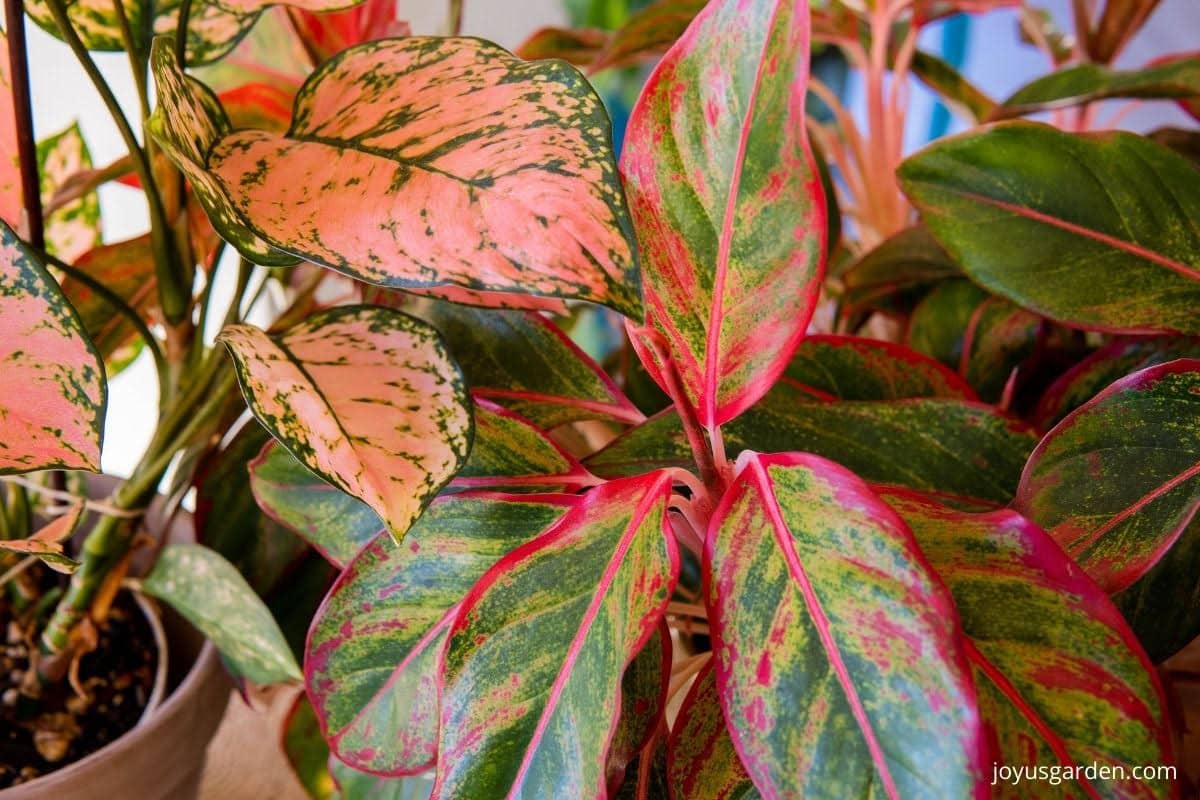
What Is Pink Plant Aglaonema? (Chinese Evergreen) 🍃
Aglaonema, commonly called Chinese Evergreen, is a genus of tropical evergreen perennials native to the humid forests of Asia, including countries like Thailand, Malaysia, and the Philippines. These plants belong to the Araceae family and have been cultivated for centuries, not only for their ornamental beauty but also for their symbolic meaning—bringing good luck and fortune in Chinese culture.
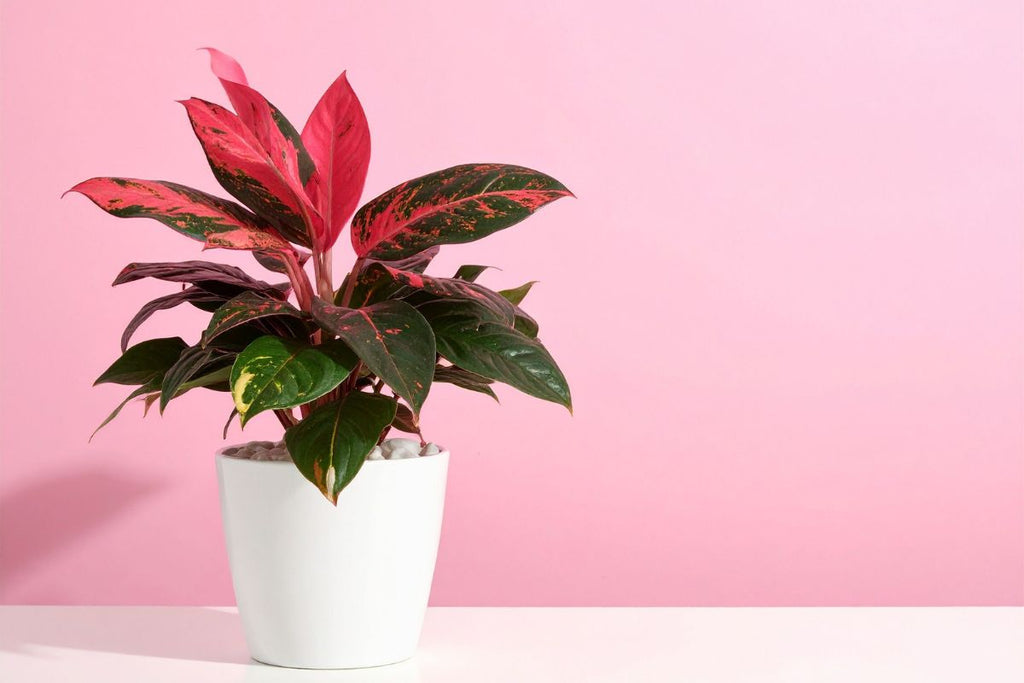
What sets pink plant Aglaonema varieties apart is their stunning variegation: leaves featuring shades of pink, rose, and red alongside green. Unlike their all-green counterparts, pink Aglaonemas produce less chlorophyll in the variegated sections, making them slightly more demanding but infinitely more rewarding.
One standout feature? They’re NASA-approved air purifiers! Studies from the 1980s NASA Clean Air Study showed Aglaonemas effectively remove indoor toxins like benzene and formaldehyde. Perfect for bedrooms, offices, or living spaces.
Important safety note: All Aglaonemas are toxic to pets and humans if ingested, due to calcium oxalate crystals that can cause mouth irritation, swelling, and vomiting. Keep out of reach of cats, dogs, and curious kids. 🐶🚫
Top Pink Aglaonema Varieties to Grow in 2025 🌷
2025 has seen an explosion in hybrid pink Aglaonema cultivars, with breeders focusing on bolder colors, compact growth, and better low-light tolerance. Here are 10 of the most popular and sought-after pink varieties—many topping sales lists from nurseries like PLNTS.com and Ewaterplant:
Aglaonema Lady Valentine 🌹
Bold, broad leaves almost entirely hot pink with green edges and speckles. One of the most vibrant—often called the “queen of pink Aglaonemas.” Grows 2-3 feet tall.
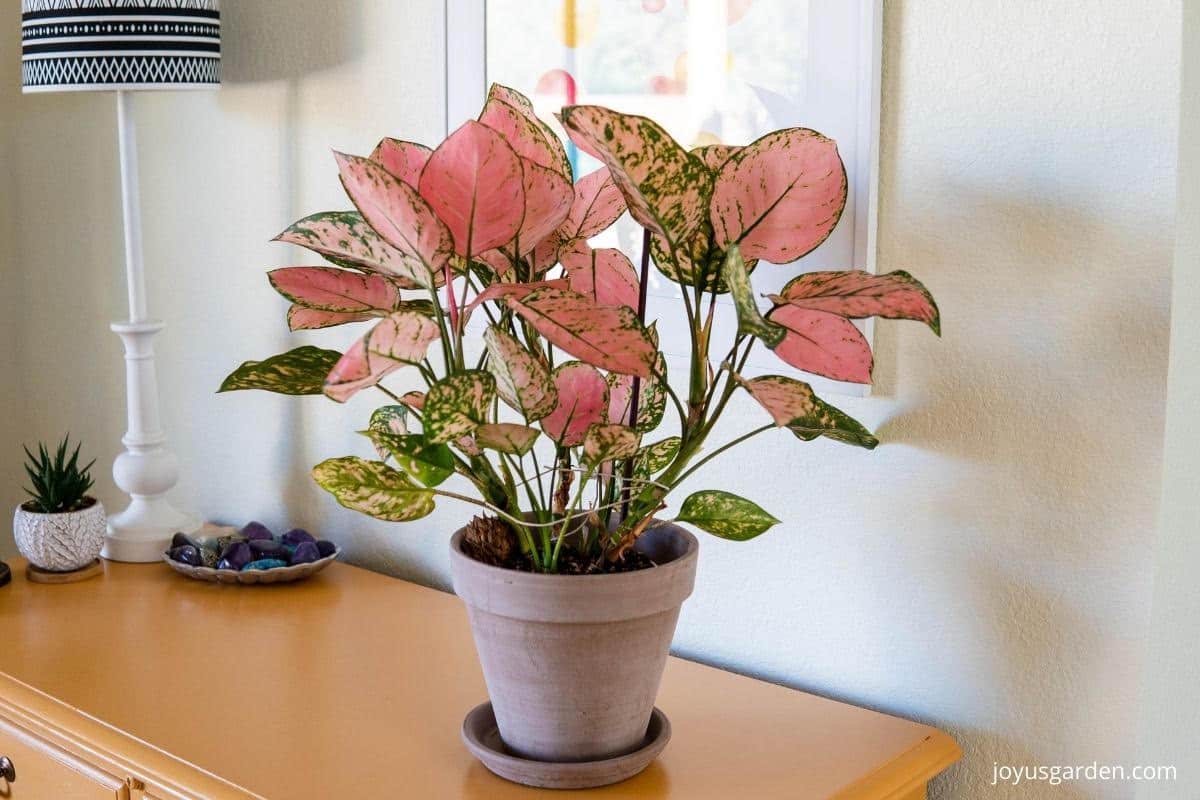
Pink Dalmatian 🐾
Dark green leaves speckled with playful pink spots—like a Dalmatian coat! Compact and bushy, ideal for tabletops.
Pink Star or Pink Splash 💫
Starry pink splashes or bubblegum variegation on green bases. New growth often emerges bright pink.

Pink Princess 👑
Soft pastel pink with green and cream speckles. Elegant and subtle—perfect for minimalist decor.
Siam Aurora (Red/Pink) 🔥
Electric pink-red veins and edges on glossy green leaves. Sometimes called “Lipstick Aglaonema” for its bold borders. Highly popular in 2025 for its dramatic contrast.
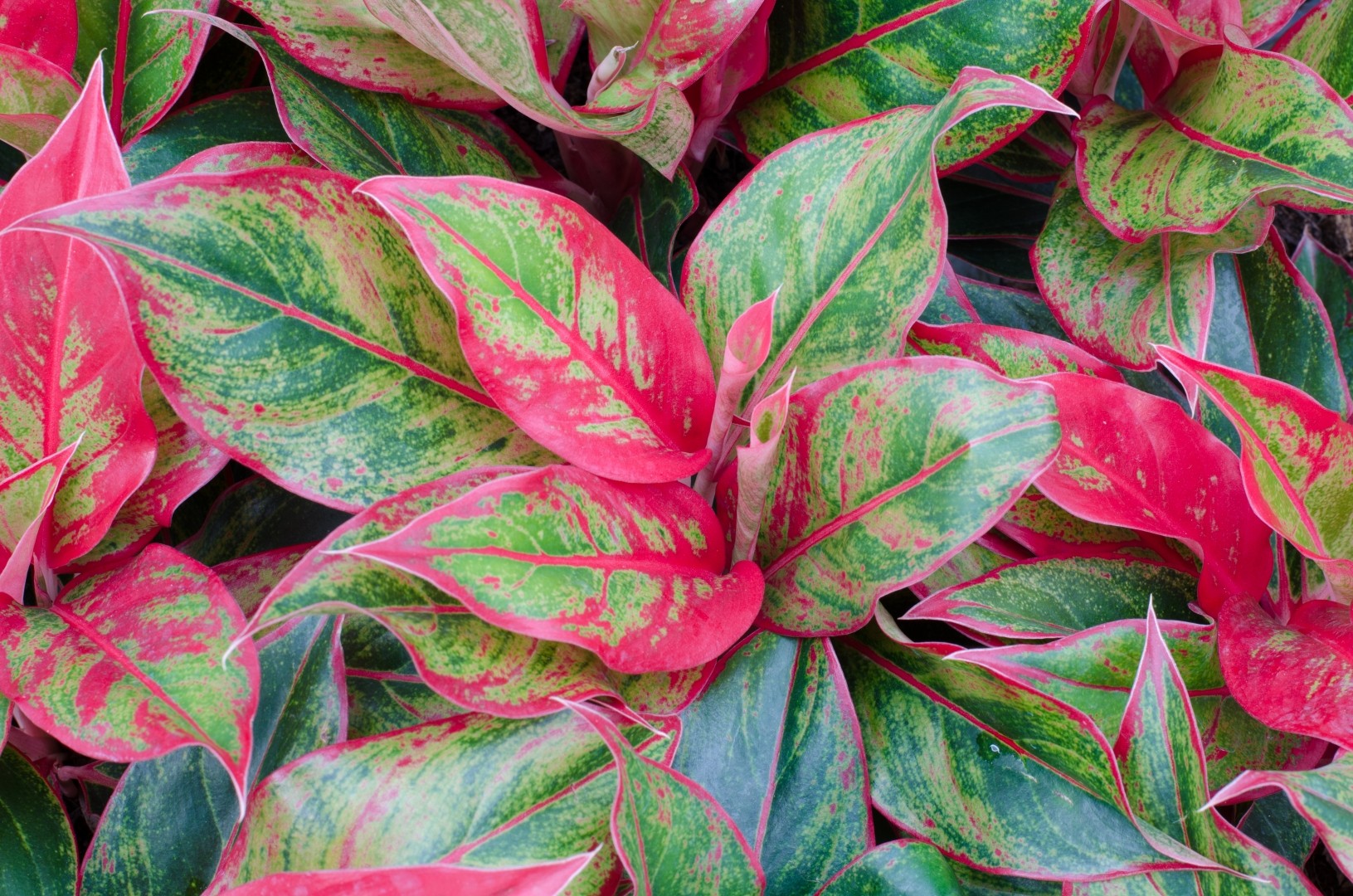
Pink Moon 🌙
Dusty pink tones with a subtle moon-like glow. Green base with pink midribs and freckles—enchanting and rare.
Pink Anyamanee or Pink Panama 🎀
Dusty rose or vivid central pink stripes blending into green. Tricolor options add cream for extra flair.
Bonus Rare Ones: Crete Flame & Pink Sunset 🔥🌅
Crete Flame tops 2025 “most wanted” lists with fiery red-pink edges and pink petioles. Pink Sunset offers gradient pink fades—collector’s favorites!
These varieties thrive under similar care, but pink-heavy ones like Lady Valentine need brighter light to maintain color intensity.
Light Requirements: The Key to Vibrant Pink Colors ☀️
Light is the #1 factor in keeping your pink plant Aglaonema’s colors popping. Pink variegation relies on anthocyanins (pigments) stimulated by bright conditions—too little light, and plants revert to green for more efficient photosynthesis.
Ideal setup: Bright, indirect light (medium to high). East or north-facing windows are perfect; west is okay with sheer curtains. Aim for 200-400 foot-candles (like a well-lit office).
- Signs of too little light: Fading pink (turning green), smaller new leaves, leggy growth.
- Signs of too much: Scorched leaves (brown burns), bleached spots.
Pro tip: Rotate your plant every 2-4 weeks for even variegation. In winter, supplement with full-spectrum grow lights (10-12 hours daily).
Pink varieties are more light-demanding than green ones—I’ve seen Lady Valentines lose 80% of their pink in low light but bounce back vividly after moving to a brighter spot!
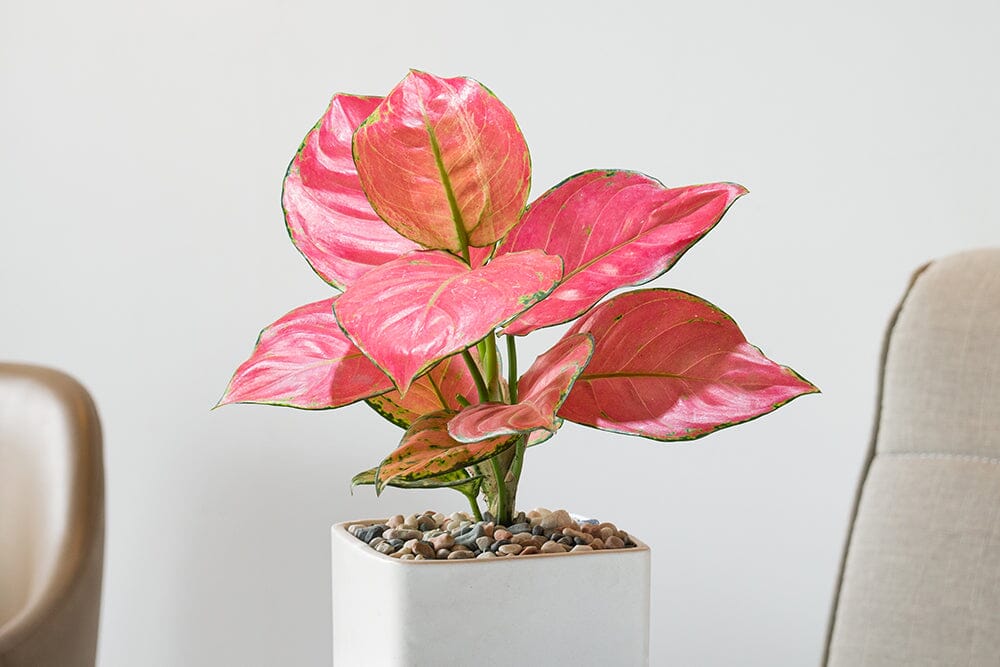
Watering Your Pink Aglaonema Properly 💧
Overwatering is the #1 killer of Chinese Evergreens, including pink varieties—and it’s especially problematic because soggy soil can quickly lead to root rot, yellowing leaves, and loss of those precious pink colors. Pink Aglaonemas prefer their soil to dry out slightly between waterings, mimicking their natural tropical understory habitat where rain is frequent but drainage is excellent.
General rule: Water when the top 1-2 inches of soil feel dry to the touch. This usually means every 7-14 days, depending on your home’s conditions.
- Overwatering signs: Yellow lower leaves, mushy stems, foul-smelling soil, or black roots.
- Underwatering signs: Drooping leaves, crispy brown edges, or dry, shriveled foliage.
Best practices:
- Use room-temperature filtered or distilled water—tap water with high fluoride or chlorine can cause brown tips over time.
- Water thoroughly until it drains from the bottom, then empty the saucer to prevent sitting water.
- In winter or low-light conditions, reduce frequency; in bright, warm spots during summer, check more often.
From my experience caring for dozens of pink Aglaonemas, consistency is key. I once rescued a fading Pink Lady Valentine by letting the soil dry more thoroughly—it regained vibrant color within weeks! 🌱

Soil and Potting Mix Recommendations 🪴
Pink plant Aglaonemas thrive in a chunky, well-draining aroid mix that retains some moisture but never stays waterlogged. Standard potting soil alone is too dense and can suffocate roots.
My recommended DIY mix (perfect for vibrant growth):
- 40% high-quality potting soil
- 30% orchid bark or coco chips
- 20% perlite or pumice
- 10% activated charcoal or worm castings for added nutrients and disease prevention
This blend promotes aeration, prevents compaction, and supports healthy root development—essential for maintaining bold pink variegation.
Repotting guide:
- Repot every 1-2 years in spring when roots fill the pot.
- Choose a container only 1-2 inches larger with drainage holes.
- Terracotta pots are great for breathability, but plastic works if you’re careful with watering.
Avoid heavy garden soil or mixes with water-retaining crystals, as they increase rot risk in these tropical beauties.

Temperature, Humidity, and Air Circulation 🌡️
Pink Aglaonemas are true tropicals, loving warmth and humidity like their Asian rainforest origins.
Ideal ranges:
- Temperature: 65-80°F (18-27°C). Avoid below 60°F—cold drafts cause leaf drop and color fading.
- Humidity: 60% or higher. Below 40% leads to brown tips and crispy edges.
Boosting humidity:
- Place on a pebble tray filled with water (pot above water line).
- Group with other plants for a microclimate.
- Use a humidifier, especially in dry winter months or air-conditioned rooms.
- Gentle air circulation from a fan prevents fungal issues but avoids direct blasts.
In my collection, high humidity has been the secret to keeping Pink Dalmatian’s spots ultra-vivid year-round! 💦
Fertilizing for Lush Growth and Bold Colors 🌱
To fuel those stunning pink pigments and encourage new growth, balanced feeding is crucial—but pink varieties are sensitive to over-fertilization.
Schedule:
- During growing season (spring-summer): Fertilize monthly with a diluted balanced liquid fertilizer (e.g., 20-20-20 at half strength).
- Fall-winter: Reduce to every 6-8 weeks or skip if growth slows.
Best options:
- Slow-release granules for steady nutrients.
- Foliar feeds for quick boosts (spray diluted fertilizer on leaves).
Deficiency signs: Pale new leaves or slow growth—often nitrogen shortage. Excess causes salt buildup and burned tips.
Expert insight: Pink Aglaonemas use more energy for variegation, so consistent but light feeding keeps colors intense without stress.

Pruning, Cleaning, and Maintenance Tips ✂️
Regular maintenance keeps your pink plant Aglaonema looking glossy and healthy.
- Pruning: Snip yellow or damaged leaves at the base with clean shears to redirect energy. Cut leggy stems to encourage bushiness.
- Cleaning: Dust leaves monthly with a damp cloth—dust blocks light absorption, dulling colors.
- Support: Stake tall varieties if needed.
These simple habits prevent pests and promote even, vibrant growth.

Propagation: How to Multiply Your Pink Aglaonema Babies 👶
One of the most rewarding aspects of growing pink plant Aglaonema is how easy they are to propagate—turning one stunning plant into many! These Chinese Evergreens root readily, making them perfect for sharing with friends or expanding your collection without spending a fortune.
There are two primary methods: stem cuttings (in water or soil) and division. Both work well for pink varieties, though success rates are highest in warm, humid conditions during spring or summer.
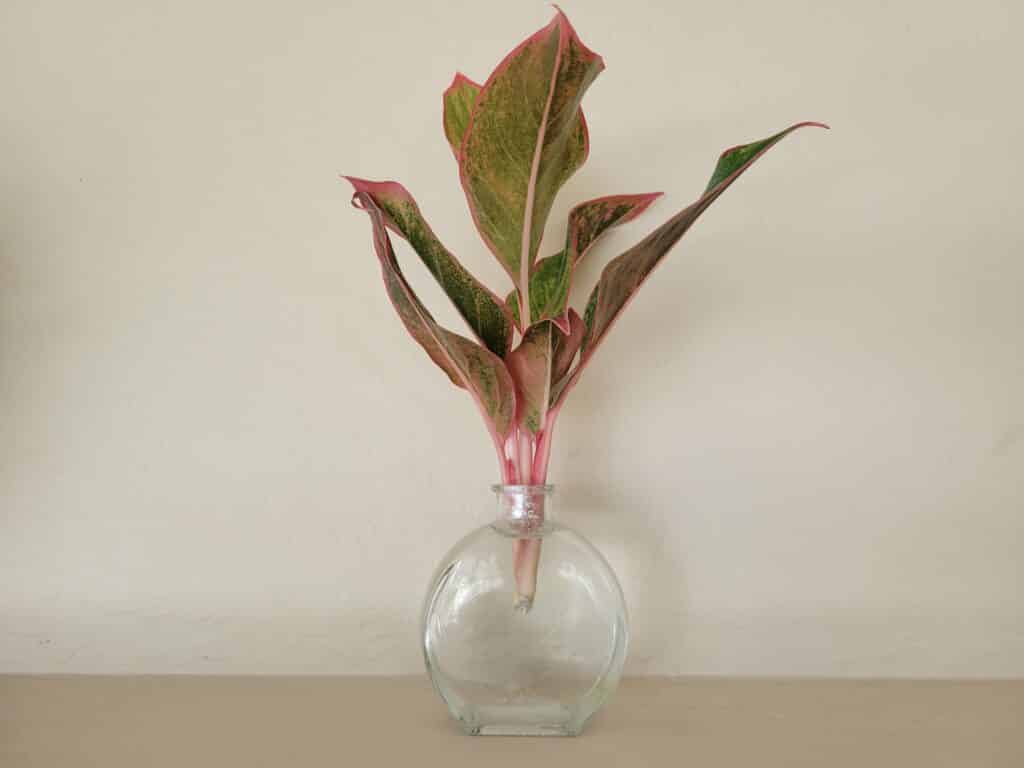
Step-by-Step Stem Cuttings in Water 🌊
- Select a healthy stem with 3-5 leaves and at least one node (the bump where roots emerge).
- Use clean, sharp shears to cut just below a node.
- Place the cutting in a jar of room-temperature filtered water, ensuring nodes are submerged but leaves stay dry.
- Change water weekly to prevent bacteria.
- Roots appear in 4-6 weeks—transplant to soil once 2-3 inches long.
This method lets you watch roots develop, and pink variegation often carries over beautifully!
Division Method 🪴
For mature plants:
- Gently remove from pot and tease apart root ball into sections (each with stems and roots).
- Pot divisions in fresh aroid mix.
- Keep humid and warm—new growth in 2-4 weeks.
Division preserves exact variegation and is faster for larger plants.

Success tips: Use rooting hormone for stubborn cuttings, maintain high humidity (dome or bag), and provide bright indirect light. I’ve propagated dozens of Pink Stars this way with 95% success!
Common Problems and Solutions 🛠️
Even with perfect care, issues can arise—especially with finicky pink Aglaonemas. Here’s how to diagnose and fix the most frequent problems:
Fading Pink Colors → Turning Green 🌿
- Cause: Insufficient light—plants revert to green for better chlorophyll production.
- Fix: Gradually move to brighter indirect light; supplement with grow lights. New leaves should regain pink.
Yellow Leaves 💛
- Causes: Overwatering/root rot, cold stress, or nutrient issues.
- Fix: Check roots (trim black/mushy), repot in fresh soil, and adjust watering. Common in winter!
Brown Tips or Edges 🔥
- Cause: Low humidity, dry air, or fluoride in tap water.
- Fix: Increase humidity, use distilled water, trim affected tips.
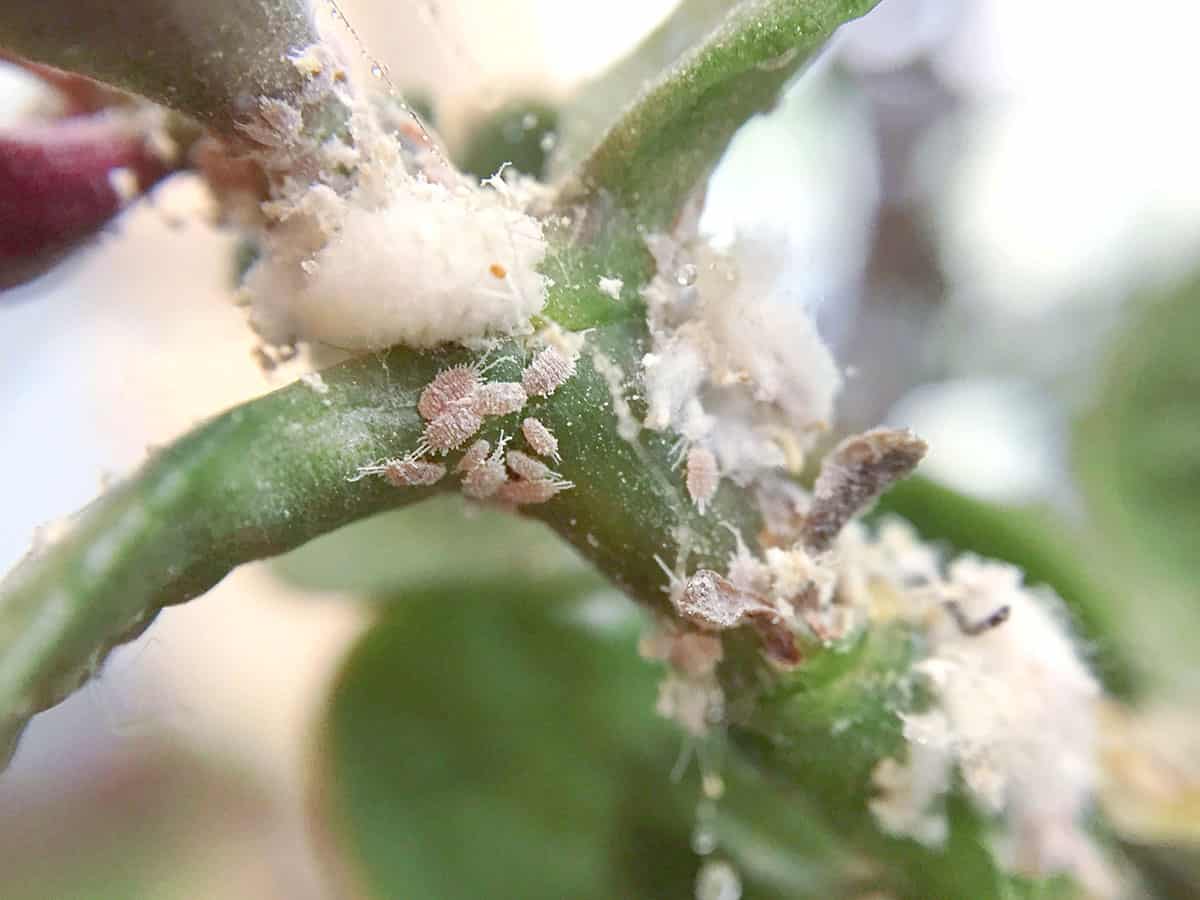
Pests: Spider Mites, Mealybugs, Scale 🕷️
- Spider mites: Fine webbing, stippled leaves—thrive in dry conditions.
- Mealybugs: White cottony masses in leaf axils.
- Scale: Brown bumps on stems/leaves.
- Treatment: Isolate plant, wipe with neem oil or insecticidal soap weekly. Severe cases: systemic insecticides. Prevent with regular leaf cleaning and humidity.
Leggy Growth 📏
- Cause: Low light stretching for sun.
- Fix: Prune back and provide more light.
Early intervention saves plants—I’ve revived many “hopeless” pink Aglaonemas by addressing root rot promptly!
Expert Insights and Advanced Tips 🔍
Pink Aglaonema varieties are more demanding than plain green ones because variegated sections lack chlorophyll, relying on green parts for energy. This makes optimal light and nutrients non-negotiable for color retention.
Seasonal adjustments: In winter, reduce watering/fertilizing and boost light/humidity. Summer growth spurts reward with explosive new pink leaves.
Long-term health: These plants can live 10+ years, maturing to 3-4 feet with proper care. Revertant green shoots? Prune them to encourage pink growth.
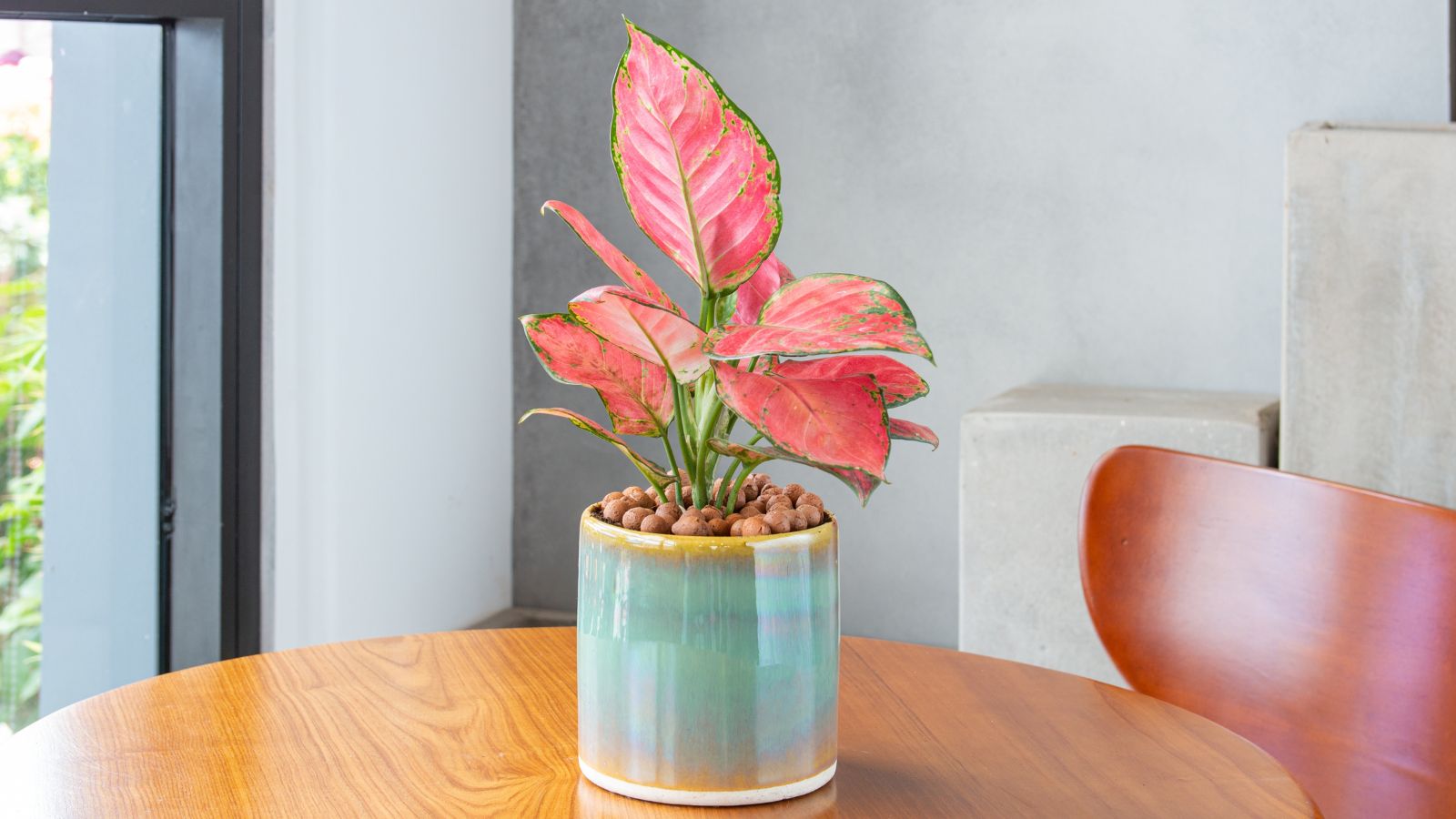
Styling ideas: Pair with white pots for modern vibes, or group with ferns and calatheas for a tropical display. Their air-purifying prowess makes them ideal for bedrooms! 🌙
Frequently Asked Questions (FAQs) ❓
Why is my pink Aglaonema turning green? Low light is the culprit—move to brighter indirect spot gradually.
Can it tolerate low light? Better than most, but pink colors fade; green varieties handle shade best.
Is it safe around pets? No—toxic if ingested. Elevate or choose pet-friendly alternatives.
How fast does it grow? Slow to moderate: 1-2 new leaves monthly in optimal conditions.
Best companions for a pink Aglaonema display? Peace lilies, pothos, or philodendrons for contrasting textures.
Conclusion 🌟
Your pink plant Aglaonema can remain a vibrant, colorful showstopper with bright indirect light, careful watering, high humidity, and proactive maintenance. By following this complete guide, you’ll not only prevent fading colors but enjoy lush growth, easy propagation, and cleaner air for years to come.
Embrace the joy of these tropical gems—they’re forgiving once you dial in their needs. Happy growing, and may your pinks stay forever vibrant! 🪴✨











