
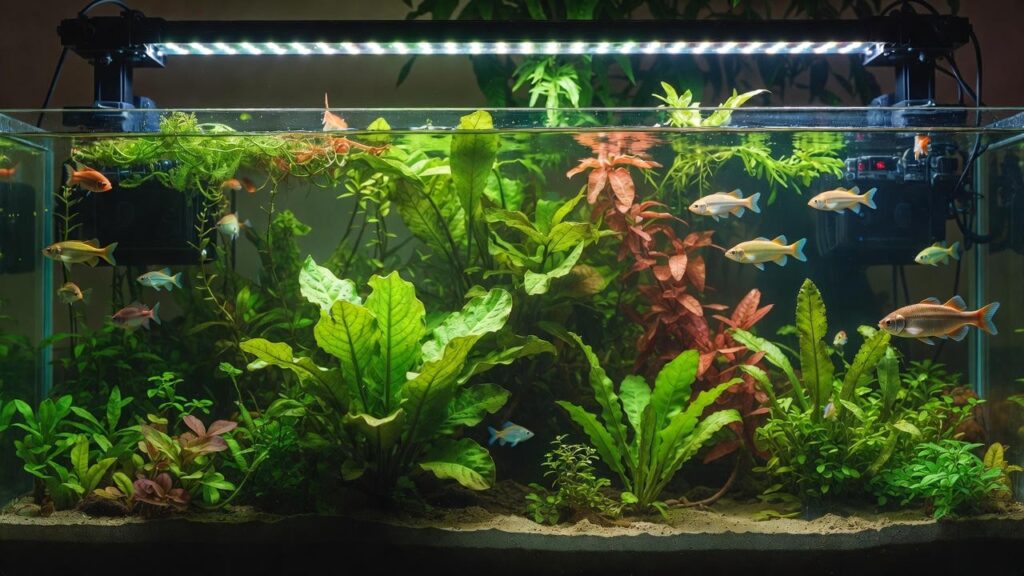
Picture this: You gaze into your aquarium and see murky water plagued by persistent algae, stressed fish hiding in corners, and nitrates creeping higher despite frequent water changes. It’s a common frustration for many aquarists—but what if a simple, natural solution could transform your tank into a crystal-clear, thriving ecosystem? As a passionate aquarist with over 15 years of experience managing everything from 5-gallon nano betta tanks to 100-gallon community setups, I’ve repeatedly turned to floater plants for aquarium environments to solve these exact problems.
Floating aquarium plants, affectionately known as “floaters,” are low-maintenance powerhouses that drift on the surface, absorbing excess nutrients, providing shade, and creating natural hiding spots. In 2025, with trends leaning toward sustainable, low-tech aquascaping and open-top designs enhanced by advanced LED lighting, these plants are more popular than ever. They require no substrate, no CO2 injection, and minimal fuss—yet deliver massive benefits for water quality, algae control, and fish well-being. This in-depth guide, drawing from my hands-on testing and the latest hobby insights, reviews the top 10 easy-care floater plants for aquarium success, helping you achieve healthier water and happier fish without the hassle. 🐠✨
Why Add Floater Plants to Your Aquarium? 🌱✨
Floating plants are among the most versatile and impactful additions to any freshwater aquarium. Unlike rooted plants that demand specific substrates or high-tech setups, floaters thrive effortlessly while addressing real pain points like poor water parameters and lack of natural cover.
Key Benefits 🛡️
- Natural Nutrient Filtration: Floaters rapidly uptake nitrates, ammonia, phosphates, and other waste products. In my experience with high-bioload tanks (e.g., goldfish or African cichlids), fast-growing species reduced nitrates by 15-30 ppm per week, extending intervals between water changes and stabilizing parameters.
- Algae Suppression: By shading the surface and competing for nutrients and light, they effectively starve out green algae, hair algae, and even stubborn black beard algae. This is especially crucial in 2025’s brighter LED-lit tanks where algae thrives without intervention.
- Habitat Enhancement: Dangling roots create secure refuges for fry, shrimp, and timid fish like tetras or gouramis. They also promote natural foraging and reduce stress, leading to more active, colorful inhabitants.
- Improved Oxygenation and Aesthetics: Floaters boost dissolved oxygen through photosynthesis and add a lush, biotope-like layer to the tank top—ideal for rimless or open-top aquascapes trending this year.
- Ultra-Low Maintenance: No planting required; most tolerate a wide range of conditions, making them perfect for beginners or busy hobbyists.
Expert Insight: In nutrient-heavy setups without heavy fertilization, floaters like Red Root Floater have consistently outperformed chemical treatments for me, creating balanced ecosystems that mimic nature. They’re indispensable for shrimp breeders and fry tanks, where roots serve as infusoria-rich grazing zones. 💡

How to Choose the Best Floater Plants for Your Tank 🔍
Selecting the right floating aquarium plants depends on your setup. Here’s what I’ve learned from testing dozens in varied tanks:
Factors to Consider 🧐
- Tank Size and Lighting: Nano tanks (under 20 gallons) favor compact species like Salvinia minima; larger tanks handle bigger rosettes like Dwarf Water Lettuce. High-light LEDs (common in 2025) intensify colors, especially reds in Phyllanthus fluitans.
- Water Flow and Lid Type: Prefer calm surfaces—strong currents from filters can damage delicate leaves. Lidded tanks trap humidity, causing melting in sensitive species; opt for ventilated lids or open tops.
- Compatibility: Shrimp and fry adore dense roots; avoid with aggressive nibblers like silver dollars. Most are peaceful with community fish.
- Growth Rate: Fast growers need weekly thinning to avoid blocking light for submerged plants (aim for 30-50% surface coverage).
- Quarantine Protocol: Always isolate new plants for 2-4 weeks to prevent snails, hydra, or algae hitchhikers— a lesson from my early pest outbreaks.
Pro Tip: Combine species for diversity—e.g., red-hued floaters with green mats—for stunning visual contrast and layered benefits. Start small and monitor growth! 🌞
Top 10 Easy-Care Floater Plants for Aquarium in 2025 🏆
Based on current popularity in aquascaping communities (from forums like Reddit’s r/PlantedTank and sales data from major retailers), real-world performance, and ease of care, here are my top picks. Each is evaluated for nitrate uptake, aesthetics, and suitability.
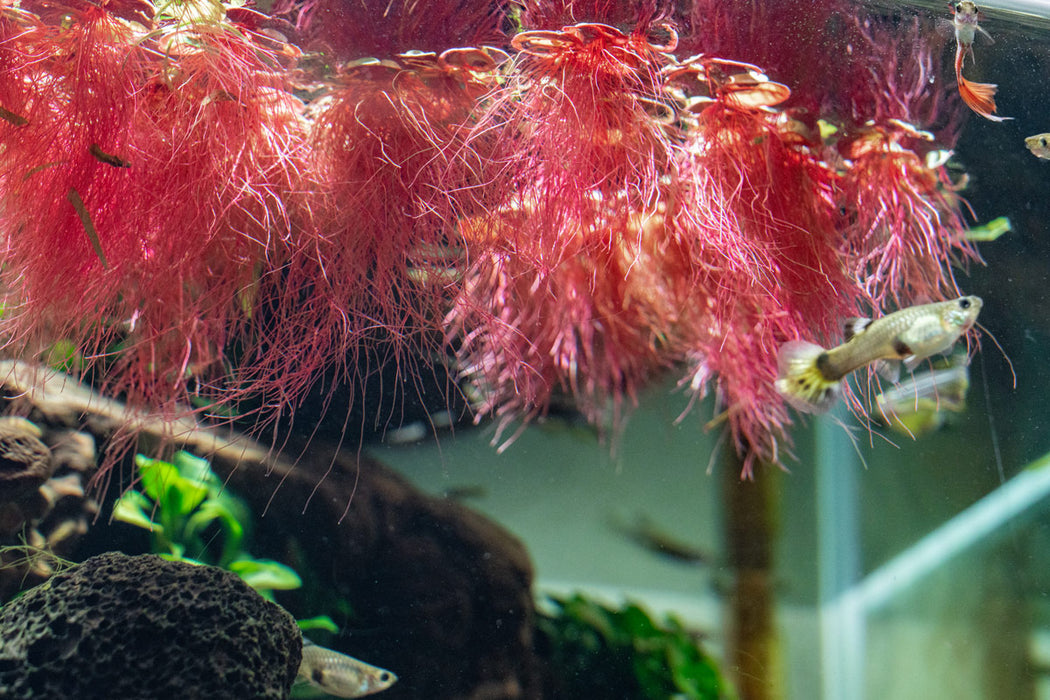
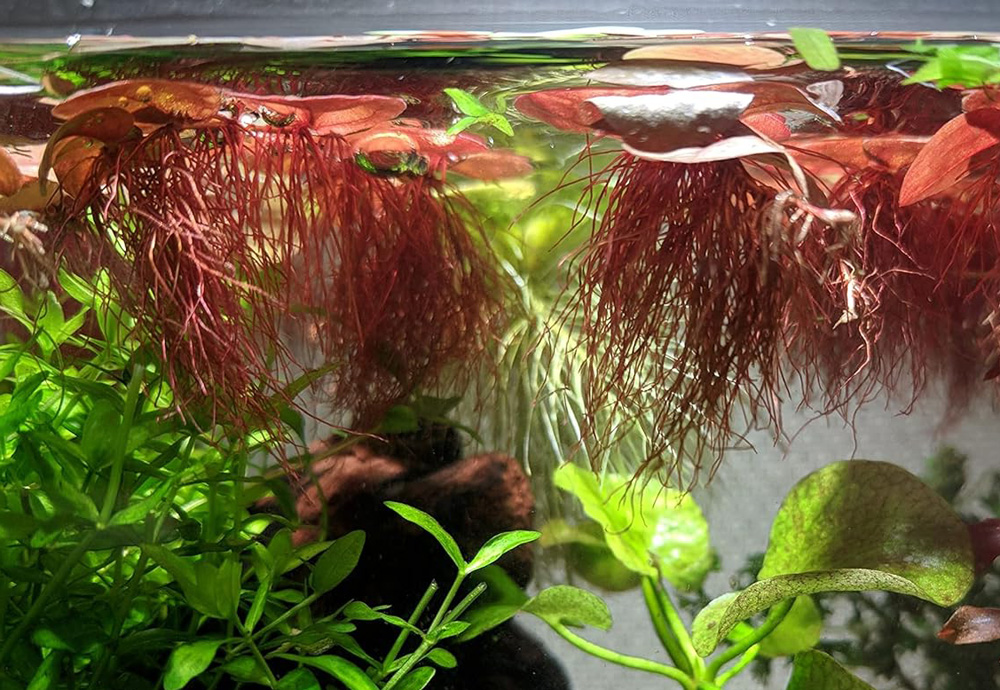
1. Red Root Floater (Phyllanthus fluitans) 🔥❤️
This South American beauty tops charts in 2025 for its vibrant transformation.
- Description: Round, waxy leaves (0.5-1 inch) turn from green to deep red under high light/low nitrates; iconic blood-red roots dangle like a curtain.
- Care Requirements: Medium to high light (50+ PAR); calm water; 70-82°F; pH 6.5-7.5. Thrives in low-nitrate conditions for best color.
- Pros: Exceptional nutrient export; stunning color pop; ideal shrimp hideout with dense roots.
- Cons: Sensitive to surface condensation (melts under humid lids); slower growth than duckweed.
- Why Top in 2025: Dominating blackwater biotypes and nano scapes—its red hues complement modern RGB LEDs perfectly.
2. Amazon Frogbit (Limnobium laevigatum) 🐸🍀
A reliable classic for beginners.
- Description: Clover-shaped rosettes (up to 2 inches) with long, feathery roots.
- Care: Medium light; low to moderate flow; 68-84°F tolerance.
- Pros: Excellent shade and algae control; rapid multiplication; great for breeding tanks.
- Cons: Roots can entangle if overgrown; occasional melting during acclimation.
- Why Top in 2025: Forgiving nature makes it a go-to for low-tech community tanks.

3. Salvinia Minima (Water Spangles) ✨🌊
Tiny but mighty fern-like floater.
- Description: Small (0.25-inch) oblong leaves with hairy surfaces forming dense mats.
- Care: Medium-high light; still water; 70-82°F.
- Pros: Superb at nutrient absorption; hardy; multiplies quickly for coverage.
- Cons: Can overgrow and block light—thin regularly.
- Why Top in 2025: Eco-friendly choice for high-tech setups battling excess nutrients.

4. Dwarf Water Lettuce (Pistia stratiotes) 🥬💚
Miniature lettuce-lookalike with massive roots.
- Description: Fuzzy rosettes (1-3 inches) resembling tiny heads of lettuce; extensive root systems.
- Care: Bright light; warm water (72-86°F); low flow.
- Pros: Outstanding fry protection and filtration; tropical vibe.
- Cons: Prone to melting from lid condensation.
- Why Top in 2025: Crossover hit for lush, pond-inspired aquariums.
5. Duckweed (Lemna minor) 🦆🌿
The ultimate nutrient sponge—beloved and feared in equal measure.
- Description: Tiny, oval green fronds (1-3 mm) that form a carpet-like layer on the surface; roots are short and fine.
- Care Requirements: Thrives in virtually any conditions—low to high light, still or gentle flow, 50-90°F, any pH.
- Pros: Unmatched nitrate and phosphate absorption; doubles rapidly; serves as free live food for goldfish, bettas, and surface feeders.
- Cons: Extremely invasive—can completely cover the surface in weeks, blocking light and potentially suffocating the tank if not managed.
- Why Top in 2025: Still a staple for heavy bioload tanks despite its reputation; use containment rings or frequent harvesting for control. 🦆

6. Water Sprite (Ceratopteris thalictroides) 🌾🪶
A versatile gem that excels as both floater and planted species.
- Description: Fine, feathery bright green leaves; when floating, forms loose bunches with roots trailing below.
- Care Requirements: Low to medium light; adaptable to wide parameters (65-82°F, pH 6-8).
- Pros: Fast growth helps cycle new tanks; provides excellent cover for fry; prevents melting in submerged plants during setup.
- Cons: Can grow quite large and bushy, requiring occasional pruning.
- Why Top in 2025: Popular in low-tech and dual-purpose scapes—float it for quick benefits or plant for structure.

7. Hornwort (Ceratophyllum demersum) 🌿🔗
The hardy oxygenator that floats freely.
- Description: Dense, needle-like dark green whorls on flexible stems; no true roots—just anchors if desired.
- Care Requirements: Low light tolerant; cold-hardy (50-85°F); prefers slight current.
- Pros: Releases allelopathic chemicals that inhibit algae; massive oxygenation; sheds minimally once established.
- Cons: Occasional needle drop during shipping/acclimation.
- Why Top in 2025: Beginner-proof all-rounder, especially for outdoor tubs transitioning to indoor tanks.

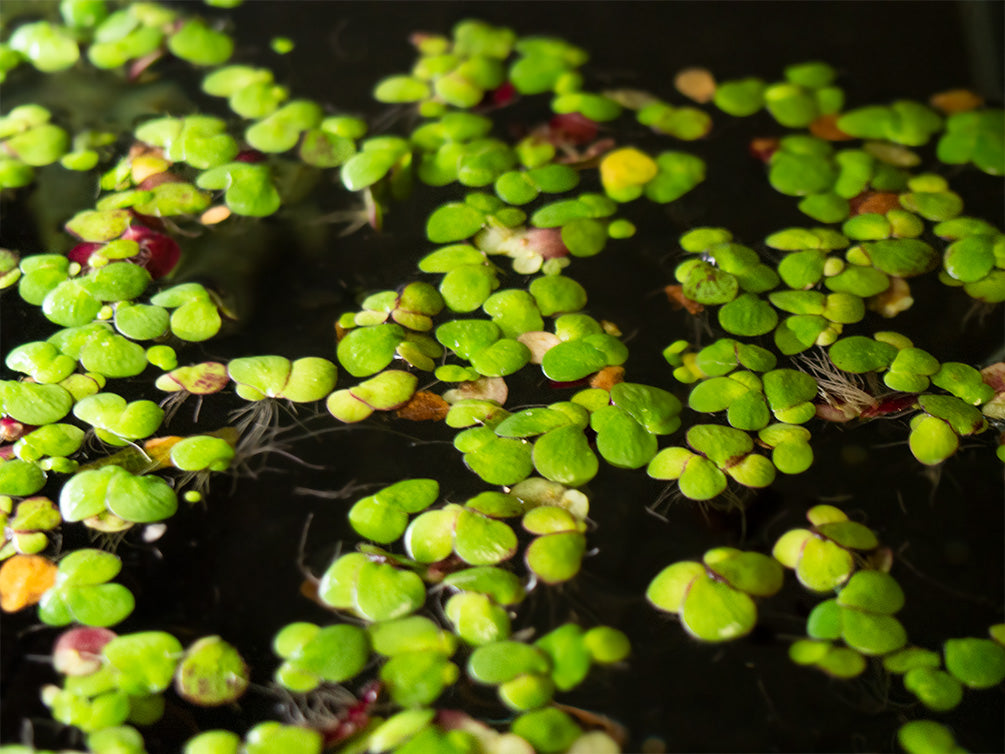
8. Giant Duckweed (Spirodela polyrhiza) 🦆🔴
A larger, more manageable alternative to common duckweed.
- Description: Bigger fronds (3-10 mm) with reddish undersides; forms less dense mats.
- Care Requirements: Similar to duckweed—any light, broad temperature range.
- Pros: Strong nutrient uptake; allows better light penetration; attractive red tones.
- Cons: Still multiplies quickly, though easier to control than Lemna minor.
- Why Top in 2025: Rising as the “upgraded duckweed” for balanced coverage without total takeover.
9. Azolla (Mosquito Fern, Azolla filiculoides) 🦟🌺
The nitrogen-fixing wonder with stunning color shifts.
- Description: Tiny overlapping fern-like leaves; turns vibrant red under intense light.
- Care Requirements: High light for red coloration; calm surface; 70-82°F.
- Pros: Symbiotic bacteria fix atmospheric nitrogen; unique texture and color; great for biotope tanks.
- Cons: Sensitive to lid condensation and strong flow.
- Why Top in 2025: Gaining traction in natural, open-top setups for its eco-benefits and dramatic reds.
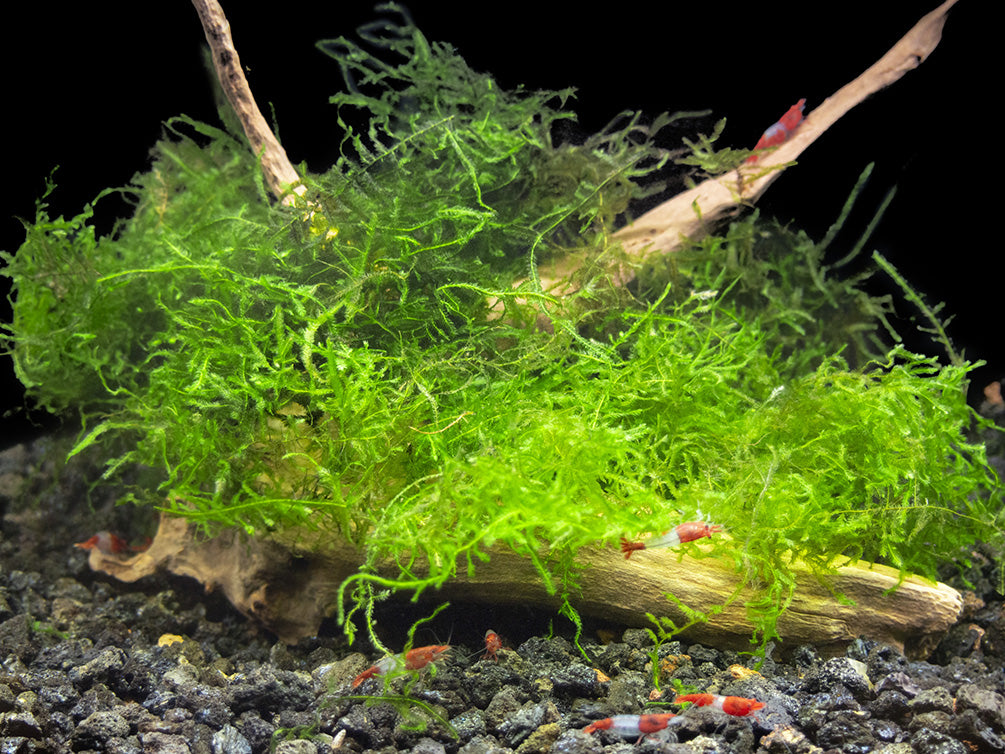
10. Java Moss (Vesicularia dubyana) – Floating Variant 🟢🧶
Not a traditional floater, but brilliant when allowed to drift.
- Description: Loose clumps or mats of fine green threads; floats freely or attaches loosely.
- Care Requirements: Low light; any parameters; thrives in shrimp tanks.
- Pros: Breeds infusoria for fry; ultimate shrimp grazing surface; virtually indestructible.
- Cons: Collects debris—requires occasional rinsing.
- Why Top in 2025: Essential for nano and shrimp-focused setups; floating portions add mid-water texture.
Expert Care Guide: Setup and Maintenance 📋
Now that you’ve chosen your favorites, here’s how to integrate and maintain them for long-term success.
Ideal Conditions 💡
- Lighting: Most floaters thrive at 30-60 PAR (medium); high light (80+ PAR) enhances reds in species like Red Root Floater and Azolla. 2025’s tunable LEDs make dialing this in effortless.
- Water Parameters: pH 6.5-7.8; soft to moderately hard water; temperatures 68-82°F for tropical species (Hornwort tolerates cooler).
- Flow and Surface: Low flow prevents damage—position filter outlets below surface or use sponges. Open-top tanks are ideal for humidity-sensitive types.
Maintenance Tips ✂️
- Thinning: Harvest 30-50% weekly to maintain 40-60% coverage—use a net or containment ring for easy removal.
- Fertilization: Rarely needed; excess can cause melting. If dosing for submerged plants, monitor floaters closely.
- Common Issues & Fixes:
- Melting: Reduce lid humidity, lower flow, or acclimate slowly.
- Yellowing: Increase light or add trace micronutrients.
- Overgrowth: Scoop excess and compost or feed to livestock.

Expert Insight: In my open-top displays this year, combining Red Root Floater, Salvinia, and Frogbit created layered visuals while keeping nitrates under 10 ppm consistently. 🌟
Common Mistakes to Avoid and Pro Tips ⚠️
- Mistake: Allowing full surface coverage → starves submerged plants of light.
- Fix: Weekly thinning + monitoring PAR at substrate level.
- Mistake: Introducing without quarantine → pest outbreaks.
- Pro Tip: Use floaters in hospital/quarantine tanks for natural healing and cycling.
- Bonus: Pair with bottom-dwellers (corydoras, snails) to recycle fallen debris.
FAQs ❓
What are the easiest floater plants for beginners? Amazon Frogbit, Salvinia minima, and Hornwort—ultra-forgiving and low-demand.
Do floater plants reduce nitrates effectively? Absolutely. Fast-growers like Duckweed and Red Root Floater routinely drop 15-30 ppm weekly in my tests.
Can I mix multiple floaters? Yes! Mixing sizes and colors (e.g., tiny Salvinia with larger Frogbit and red Phyllanthus) creates depth and maximizes benefits.
Are floaters safe with tank lids? Many melt from trapped humidity—choose ventilated lids or open tops; Hornwort and Water Sprite are more tolerant.
How do floaters help with algae control? They outcompete algae for nutrients, CO2, and light while providing shade—often eliminating the need for algicides.
Conclusion 🎉
Incorporating the best floater plants for aquarium setups in 2025 is one of the smartest, simplest upgrades you can make. These easy-care floating plants deliver clearer water, reduced algae, natural filtration, and happier, more active fish—all with minimal effort. Whether you’re battling high nitrates, seeking stunning visuals, or creating a safe haven for fry and shrimp, start with 2-3 species from this list, maintain balanced coverage, and watch your tank transform.
Ready to elevate your aquascape? Pick your favorites, introduce them gradually, and enjoy the natural magic. Your aquatic ecosystem will thrive like never before! 🐟🌿💚











