
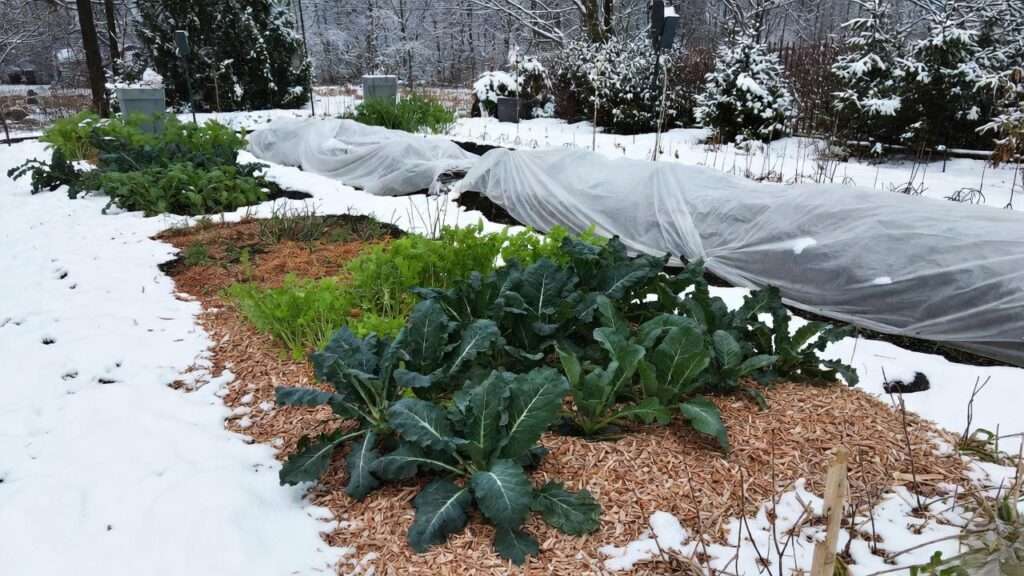
Imagine stepping outside on a frosty December morning, brushing a light layer of snow off your garden bed, and pulling up crisp, sweet carrots or harvesting vibrant kale leaves that taste even better than in summer. While most gardeners hang up their tools for the season, savvy ones know that winter is prime time for growing some of the most flavorful, nutrient-packed vegetables. As a plant care expert with over 15 years of hands-on experience extending seasons in diverse climates—from harsh Zone 5 winters to milder Zone 8 conditions—I’ve guided hundreds of gardeners to bountiful winter harvests. The secret? Choosing the best vegetables to plant in winter: cold-hardy crops that not only survive frost but often thrive in it, developing sweeter flavors as temperatures drop.
These frost-tolerant vegetables, like brassicas and root crops, convert starches to sugars in cold weather, acting as natural antifreeze while making them deliciously sweet. Winter gardening means fewer pests, reduced watering needs, and fresh produce when store-bought options are lackluster. Whether you’re in a cold northern zone or a milder southern one, this guide will help you select, plant, and protect the top cold-hardy vegetables for a productive winter garden. Let’s turn your “dormant” plot into a year-round food source! 🥬🥕
Why Grow Vegetables in Winter? Benefits You’ll Love ❤️
Many gardeners assume the growing season ends with the first frost, but winter vegetable gardening offers unique advantages that can make it more rewarding than summer growing.
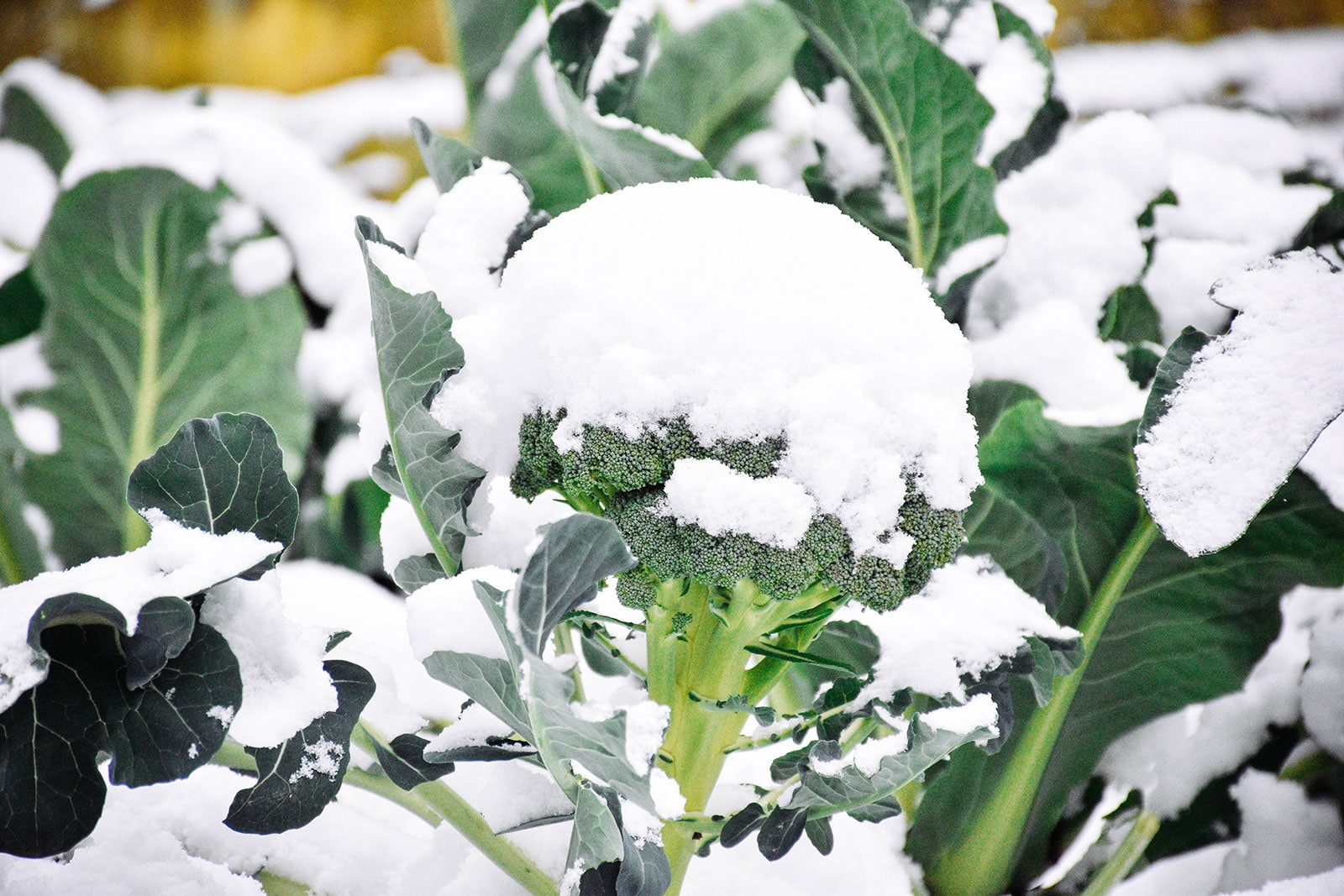
- Exceptional Flavor Enhancement: Cold weather triggers “cold sweetening” in many crops. Frost converts starches into sugars, resulting in sweeter carrots, kale, and parsnips. I’ve tasted side-by-side comparisons—winter-harvested roots and greens are noticeably superior.
- Minimal Pests and Diseases: Insects like aphids and cabbage worms are dormant in cold months, reducing the need for interventions. Weeds also germinate less readily.
- Extended Harvest Period: Overwintering crops provide fresh food through winter and an early spring bounty, often weeks ahead of new plantings.
- Improved Soil Health: Living roots prevent erosion, suppress weeds, and add organic matter when incorporated later.
- Nutritional and Mental Boost: Homegrown winter veggies are packed with vitamins (like vitamin C in kale). Gardening in fresh winter air combats seasonal affective disorder—I’ve seen it transform clients’ winters.
In my experience across various USDA zones, winter crops yield denser nutrients due to slower growth. Plus, with climate shifts noted in recent USDA updates, more regions can now successfully grow these hardy varieties.
Understanding Your Climate and USDA Zones 🗺️
Success with winter vegetables hinges on knowing your USDA Hardiness Zone, which indicates average minimum winter temperatures. The latest 2023 USDA map shows many areas have warmed slightly, expanding options for cold-hardy planting.
Check your zone at the official USDA site or by ZIP code. Local microclimates (south-facing slopes, urban heat) can effectively bump you up a half-zone.
Recommendations by Zone
Zones 3-6 (Cold Winters with Subzero Temps) 🥶
Focus on the hardiest crops and heavy protection. Plant in late summer/early fall for establishment before hard freezes.
Top picks: Kale, spinach (under cover), leeks, garlic, carrots (mulched), Brussels sprouts.
Use cold frames, hoop houses, or thick mulch for survival down to -20°F or lower.
Zones 7-8 (Mild Frosts, Occasional Freezes) 🌤️
Direct sow or transplant more options; light row covers suffice for most.
Expand to: Broccoli, cabbage, collards, Swiss chard, beets, radishes, lettuce varieties.
Many crops overwinter unprotected, harvesting through mild winters.
Zones 9-11 (Frost-Free or Very Mild Winters) ☀️
Near year-round growing! Succession plant for continuous yields.
Include: All above, plus bok choy, mustard greens, arugula, endive, mâche.
Focus on heat-tolerant cool-season varieties to avoid bolting in warmer spells.
Pro Tip: Note your first and last frost dates (available via extension services). Plant overwintering crops 8-12 weeks before the first hard freeze to ensure strong roots. In 2025, with variable weather patterns, monitor forecasts closely.
Top 15 Cold-Hardy Vegetables to Plant in Winter 🏆🥕
Here are my expert-selected top performers, based on years of trialing varieties in real gardens. These frost-tolerant vegetables excel in cool-season gardening, with specific recommendations for hardiness, planting timing, and standout cultivars updated for 2025 availability.
Leafy Greens
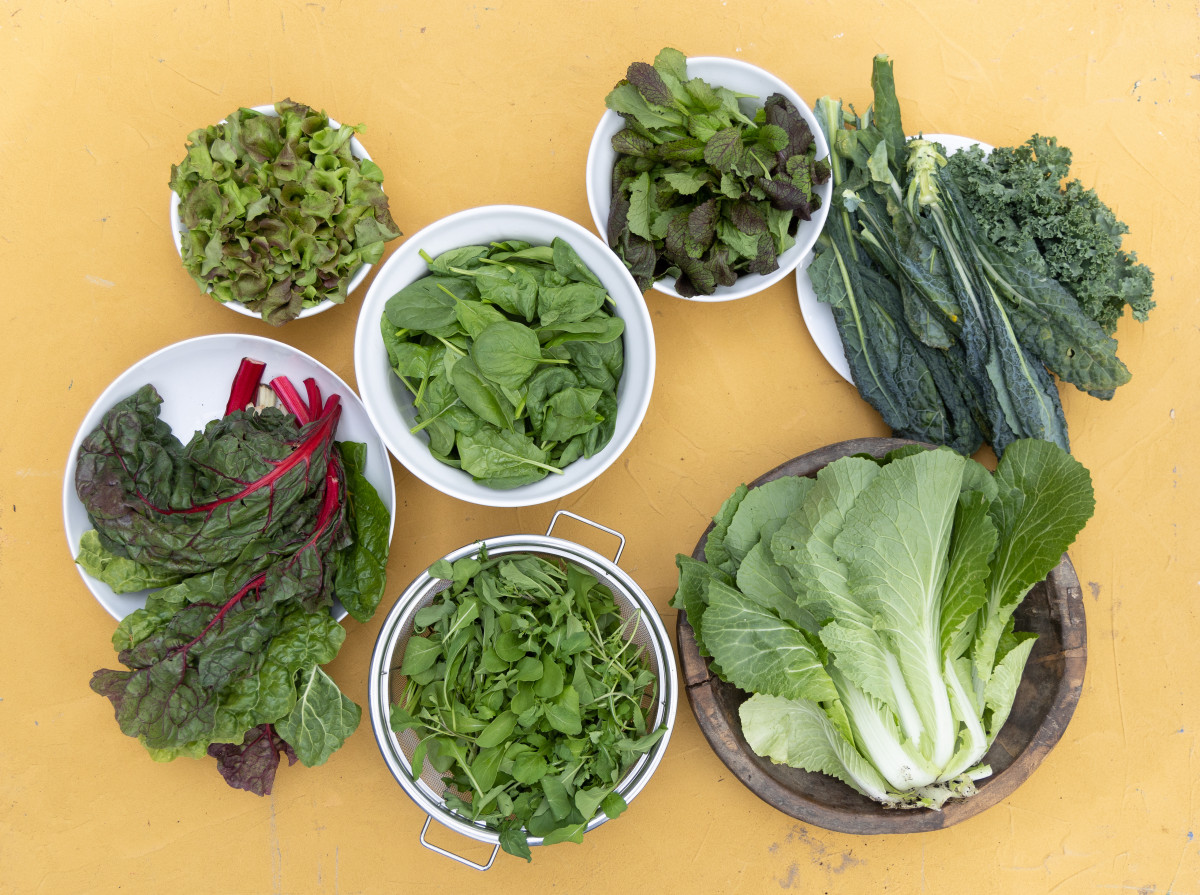
Leafy greens are the backbone of winter harvests—quick-growing, “cut-and-come-again,” and incredibly nutritious.
-
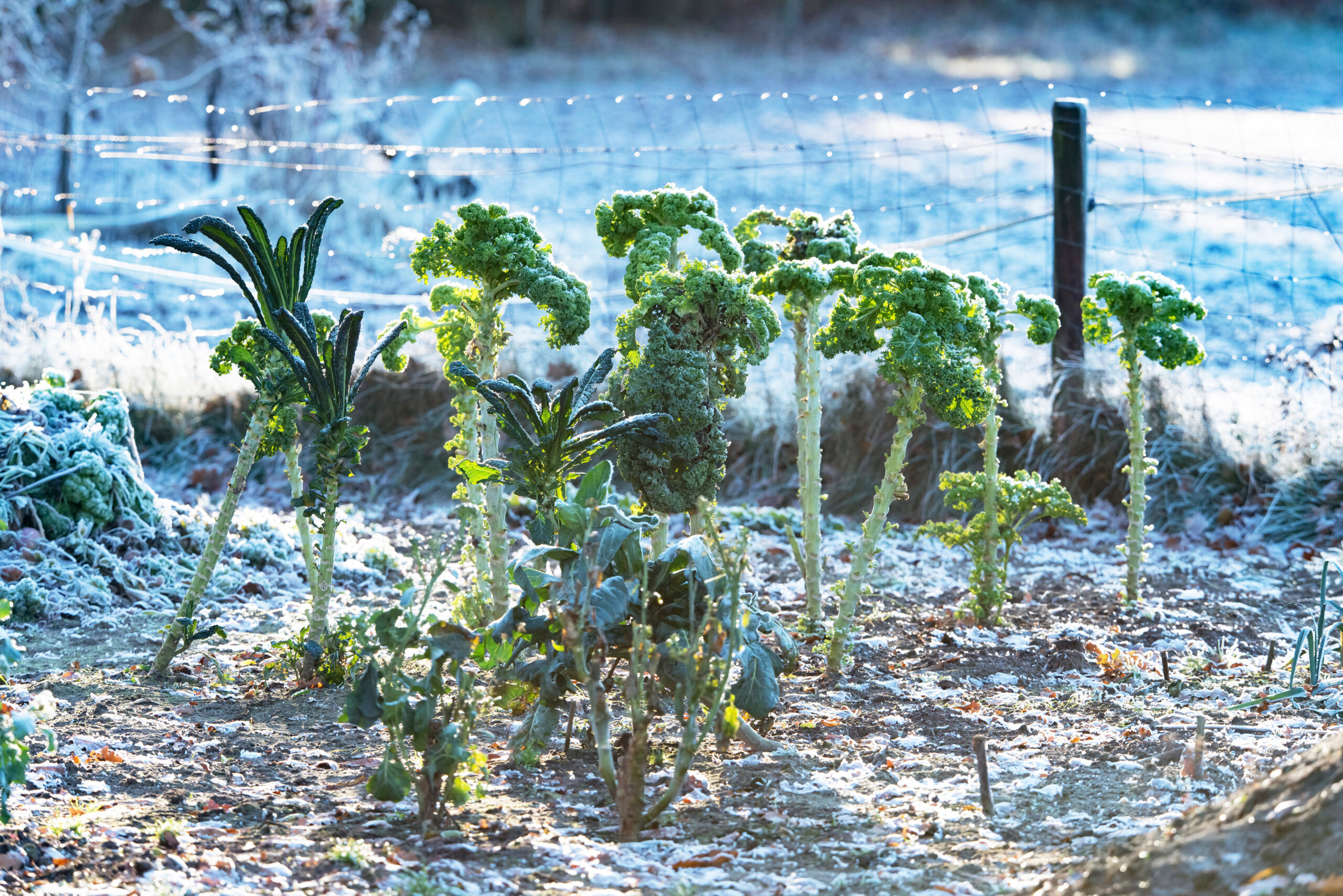
Kale 🌿 – The undisputed winter champion! Survives down to -10°F or lower once established.
- Best Varieties: ‘Lacinato’ (Dinosaur) for texture, ‘Winterbor’ for curly leaves and cold tolerance, ‘Red Russian’ for flavor and tenderness, ‘Vates’ for yellowing resistance.
- Planting: Sow late summer or transplant fall; harvest outer leaves ongoing.
- Expert Tip: Frost dramatically sweetens kale—ideal for smoothies, chips, or soups. In my trials, protected kale yields all winter in Zone 5.
-
Spinach 🥗
- Hardiness: Down to 0°F with cover; varieties like ‘Giant Winter’ or ‘Bloomsdale Long Standing’ excel.
- Varieties: ‘Tyee’ (bolt-resistant), ‘Space’ for compact growth.
- Pro Tip: Row covers enable all-winter baby leaf harvests. Slow growth concentrates flavors.
-
Swiss Chard 🌈
- Hardiness: Tolerates light freezes; ‘Bright Lights’ for color, ‘Fordhook Giant’ for superior cold tolerance.
- Bonus: Rainbow stems add visual appeal to winter beds.
-
Lettuce & Winter Salad Mixes 🥬
- Hardiness: Cold-tolerant types down to 10°F under protection.
- Varieties: ‘Winter Density’ (romaine-like), ‘Rouge d’Hiver’ (red), ‘Black-Seeded Simpson’.
- Grow under hoops for continuous baby leaves.
-
Arugula, Mustard Greens & Mâche 🔥
- Quick, peppery flavors intensify in cold. Mâche (corn salad) is ultra-hardy to -20°F.
- Varieties: ‘Astro’ arugula, ‘Yellow Heart Winter Choy’ for Asian mustards.
Brassicas (Cabbage Family)
Brassicas love cool weather and improve dramatically after frost.
-
Broccoli 🥦
- Varieties: ‘Pirate’ for side shoots, ‘Marathon’ for cold tolerance, overwintering types like ‘Purple Sprouting’ for spring heads.
- Harvest side shoots through winter.
-
Brussels Sprouts 🌱
- Sweeter post-frost; ‘Long Island Improved’ classic, ‘Diablo’ modern hybrid.
- Hardy to 0°F; tall stalks hold well.
-
Cabbage 🥬
- Varieties: ‘January King’ (beautiful, hardy to 10°F), ‘Deadon’ (savoyed red), ‘Brunswick’ for storage.
- Overwinter for massive heads.
-
Collard Greens 🍃
- Extremely hardy Southern staple; ‘Morris Heading’ for flavor.
- Tolerates deep South or Northern winters with ease.
-
Bok Choy & Tatsoi
- Asian greens; ‘Mei Qing Choi’ compact, tatsoi low-growing and ultra-cold-tolerant.
Root Vegetables
Roots store beautifully in the ground, sweetened by frost.
-
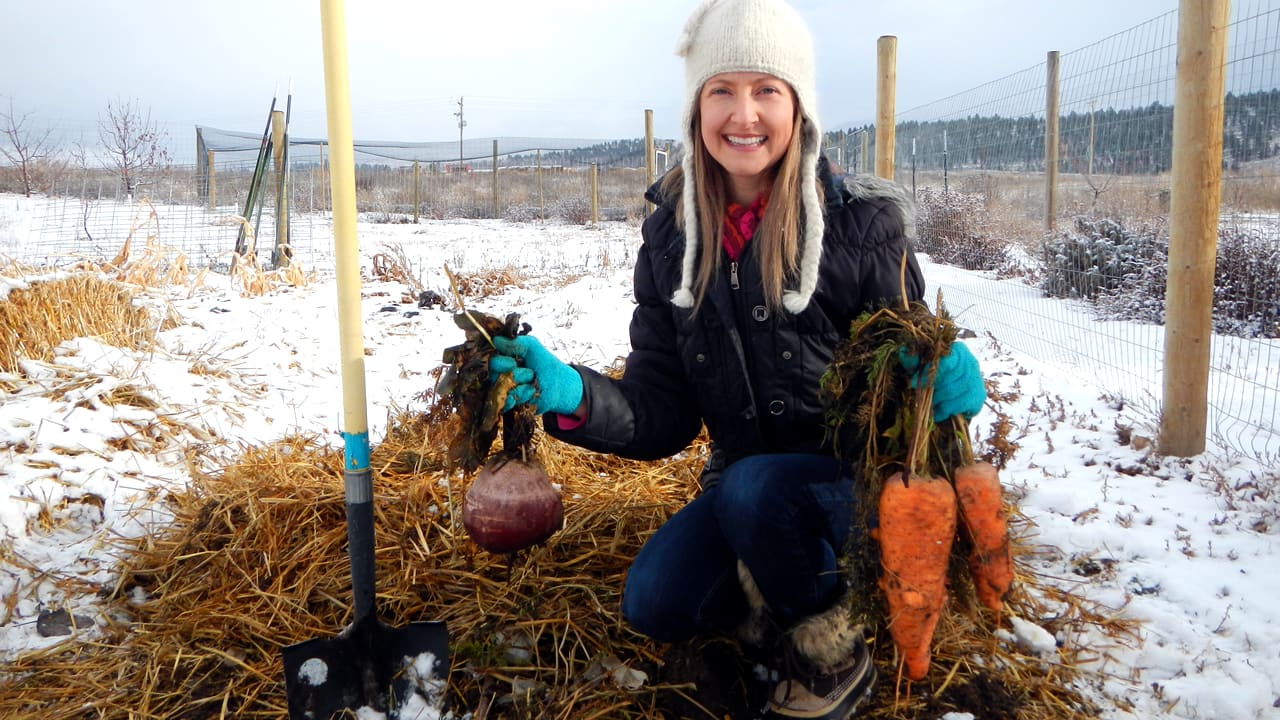
Carrots 🥕
- Varieties: ‘Napoli’ (early, sweet), ‘Bolero’ (storage king), ‘Oxheart’ for heavy soils.
- Heavy mulch; harvest as needed—even from snow!
-
Beets
- ‘Lutz Green Leaf’ (winterkeeper), greens edible too.
-
Turnips, Rutabagas & Winter Radishes
- ‘Helenor’ rutabaga ultra-hardy; daikon for kimchi.
Alliums & Others
-
Garlic 🧄
- Fall-planted essential; hardneck for flavor, softneck for storage.
- Varieties: ‘Music’ reliable.
-
Leeks & Overwintering Onions 🧅
- ‘King Richard’ quick, ‘Tadorna’ hardy, ‘Evergreen Hardy White’ scallions overwinter.
Bonus: Endive, radicchio, claytonia—niche but rewarding hardy options! 😋
Essential Winter Planting and Care Tips 🔧
Growing cold-hardy vegetables successfully requires thoughtful preparation and ongoing care. Over my years consulting for home gardeners and managing demonstration plots, I’ve refined these practices to maximize yields even in challenging winters.
Soil Preparation
Healthy soil is the foundation of a productive winter garden.
- Start in late summer or early fall: Incorporate 2-4 inches of compost or aged manure to boost organic matter and drainage.
- Test your soil pH—most winter vegetables prefer 6.0-7.0. Amend with lime if too acidic (common in rainy regions).
- Raised beds are ideal: They warm faster in spring and drain better, reducing root rot risk in wet winters.
- Avoid tilling frozen ground; prepare beds before hard freezes.
Expert Insight: In heavy clay soils I’ve worked with, adding gypsum and organic matter dramatically improves overwintering success for roots like carrots and beets.
Protection Methods 🛡️
Cold protection extends your season and protects tender growth.
- Row Covers & Floating Fabric: Lightweight agribon or frost blankets add 4-8°F protection. Drape over hoops for easy access.
- Thick Mulch: Apply 6-12 inches of straw, shredded leaves, or hay around roots after the ground freezes. This insulates like a blanket.
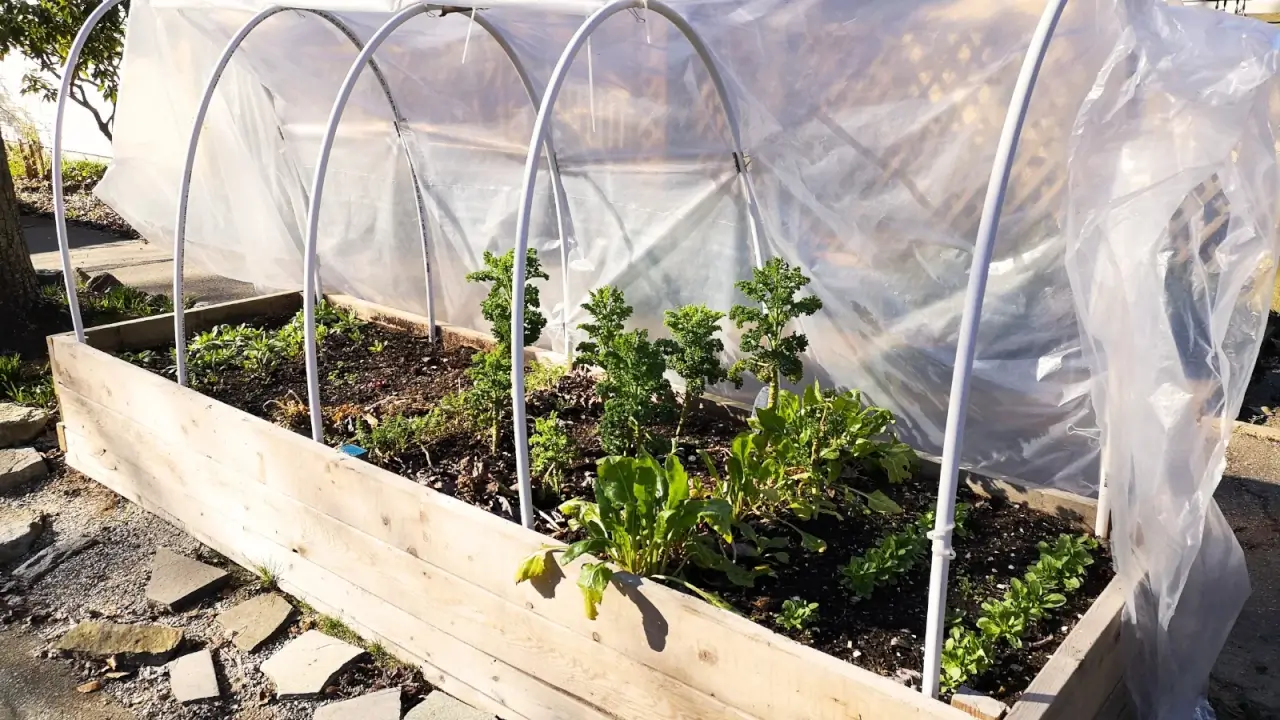
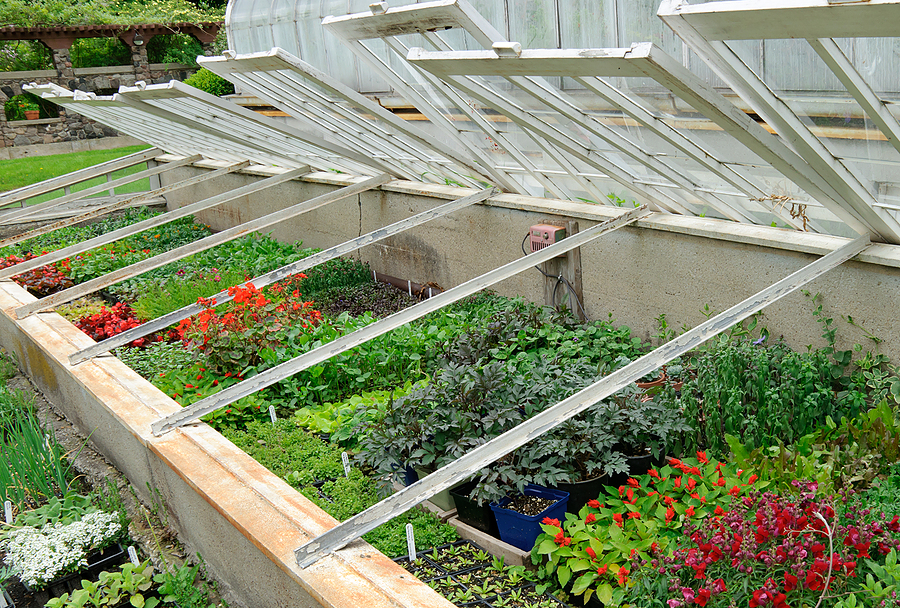
- Cold Frames & Hoop Houses: Mini greenhouses trap heat; vent on sunny days above 40°F to prevent overheating.
- Cloches: Individual covers (glass jars, plastic bottles) for young plants.
From experience, combining mulch with row covers allows Zone 5 gardeners to harvest greens all winter.
Watering & Maintenance
Winter crops need less water, but don’t ignore them.
- Water deeply at planting and during dry spells—aim for moist but not soggy soil.
- Cold ground holds moisture longer; overwatering leads to rot.
- Weed regularly in mild periods; mulch suppresses most.
- Monitor for slugs (beer traps work) or voles (under mulch—use hardware cloth barriers).
Pro Tip: In 2025’s variable weather, use soil moisture meters to avoid guesswork.
Common Mistakes to Avoid ⚠️
I’ve seen these trip up even experienced gardeners:
- Planting too late: Crops need 6-8 weeks to establish roots before hard frost.
- Skipping variety selection: Generic seeds fail; choose “winter,” “overwintering,” or “cold-hardy” labels.
- No protection plan: A sudden deep freeze can wipe out unprotected beds.
- Over-fertilizing: Slow growth means low needs—use balanced organic at planting only.
- Ignoring ventilation: Trapped moisture causes mold in covered structures.
Harvesting and Storage Tips 📦
The joy of winter gardening peaks at harvest!
- Cut-and-Come-Again Greens: Harvest outer leaves of kale, chard, collards—plants continue producing.
- Root Crops: Dig as needed; mulch allows harvesting from semi-frozen ground. Frost-sweetened carrots are unbeatable.
- Timing: Pick after frost for best flavor, but before deep freezes for brassicas.
- Storage Options:
- In-ground “storage” with mulch.
- Cool basement or garage (35-40°F) for roots in sand or crates.
- Blanch and freeze greens; ferment cabbage into sauerkraut.
- Dehydrate kale for chips.
Personal Favorite: Pulling leeks from snow for soup—nothing compares!
Frequently Asked Questions (FAQs) ❓
Q: Can I plant vegetables directly in winter if I missed fall planting? A: In Zones 8+, yes—direct sow hardy greens. Colder zones: Start indoors or use containers under lights for transplanting during thaws.
Q: What’s the easiest winter vegetable for beginners? A: Kale! It’s forgiving, prolific, and improves with frost. Start with ‘Winterbor’ transplants. 🌟
Q: Do winter crops need fertilizer? A: Minimal. A side-dress of compost tea in mild periods suffices—slow growth means low nutrient demand.
Q: How does snow affect my winter plants? A: Snow is an excellent insulator! It protects better than bare ground. Gently brush off heavy accumulations from covers.
Q: Are there indoor options for winter fresh veggies? A: Absolutely—grow microgreens (radish, broccoli) on windowsills or under grow lights. Ready in 7-14 days!
Q: What if I get an unexpected warm spell? A: Ventilate covers and monitor for bolting in greens. Some crops like spinach may flower early.
Q: Can I grow these in containers? A: Yes! Use large pots (15+ gallons for roots), insulating wraps, and move to sheltered spots during extremes.
Conclusion: Start Your Winter Garden Today! 🚀
With the best vegetables to plant in winter—from ultra-hardy kale and spinach to frost-sweetened carrots and brassicas—you can enjoy fresh, homegrown produce when it’s most valuable. Winter gardening reduces pests, enhances flavors, improves soil, and provides that satisfying connection to your land year-round.
As someone who’s harvested bountiful crops through blizzards and mild drizzles alike, I can confidently say: This is transformative gardening. Whether you’re extending your season for the first time or refining an established winter plot, these cold-hardy crops will reward your efforts abundantly.
Grab quality seeds from reputable sources, prepare your beds with protection in mind, and plant soon if you’re in a suitable window. Your productive garden—and healthier meals—await. Happy winter gardening; may your harvests be crisp, sweet, and plentiful! ❄️🥦🌱











