
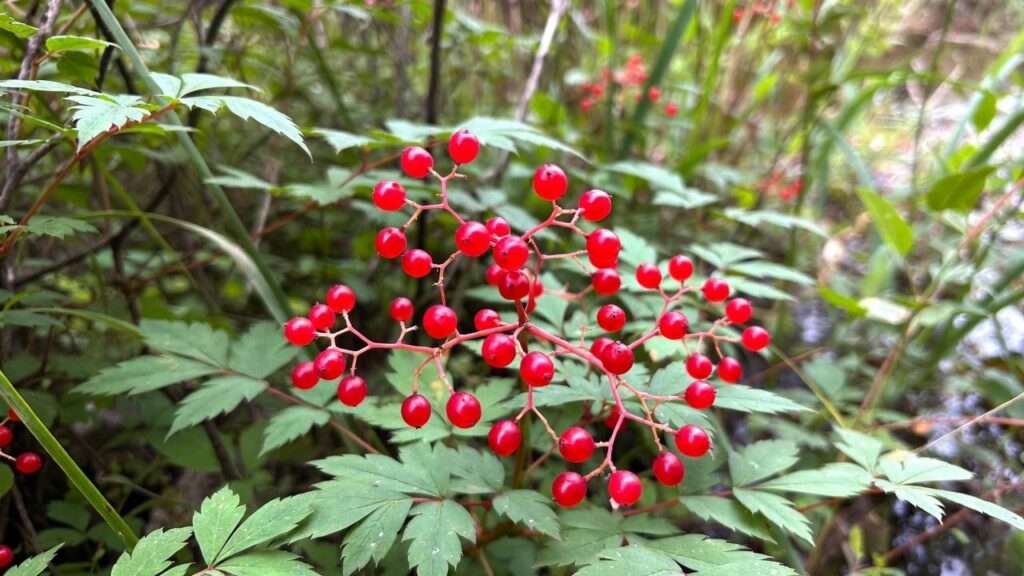
Picture this: You’re hiking along a peaceful wetland trail on a sunny afternoon, and suddenly, you spot clusters of shiny, vibrant red berries dangling invitingly from lush green foliage. They look just like nature’s own sweet treat—tempting enough to pick for a curious child or a foraging pet. But stop right there! That alluring sight could be a deadly trap posed by a poisonous marsh plant with red berries.
These deceptive plants, commonly found in North America’s bogs, swamps, marshes, and moist woodlands, include species like Red Baneberry (Actaea rubra), Bittersweet Nightshade (Solanum dulcamara), and Wild Calla (Calla palustris). Their bright red berries emerge in late summer and fall, gleaming against the damp backdrop of wetlands, making them a serious hazard for hikers, gardeners, families with young children, and pet owners.
As a botanist and plant care specialist with over 15 years of experience studying native North American flora and advising on safe gardening practices, I’ve seen firsthand how these toxic wetland plants catch people off guard. Misidentification leads to thousands of poisoning reports annually through centers like the American Association of Poison Control Centers. In this ultimate guide, we’ll dive deep into accurate identification, the science behind their toxicity, real-world risks, and practical strategies to avoid danger—empowering you to enjoy wetlands safely while protecting your loved ones and pets. 🌳🔍
What Is the Poisonous Marsh Plant with Red Berries? 🌱🍒
The search term “poisonous marsh plant with red berries” most frequently points to wetland-dwelling species that produce eye-catching red fruit highly toxic to humans and animals. These plants thrive in moist, shaded environments across North America, from Alaska to the eastern woodlands.
Primary Suspect: Red Baneberry (Actaea rubra) 🪴⚠️
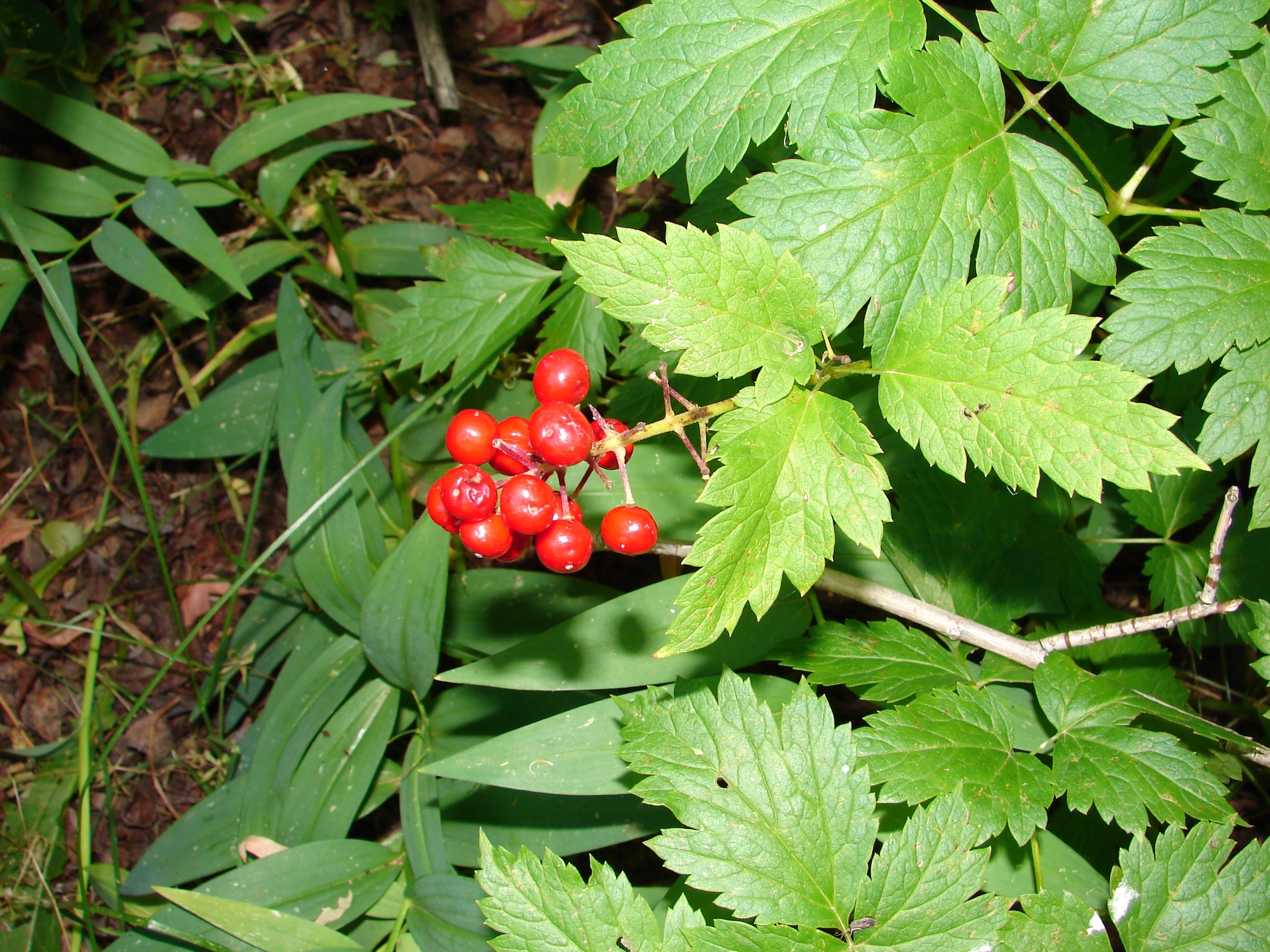
Red Baneberry, also known as red cohosh or snakeberry, is a perennial herb in the buttercup family (Ranunculaceae). It’s native to northern and western North America, commonly inhabiting shaded marshes, bogs, streambanks, and moist forests.
- Growth Habit: Forms bushy clumps 1–3 feet tall with compound leaves divided into sharply toothed leaflets.
- Flowers: Small, white, fluffy clusters in spring (May–July).
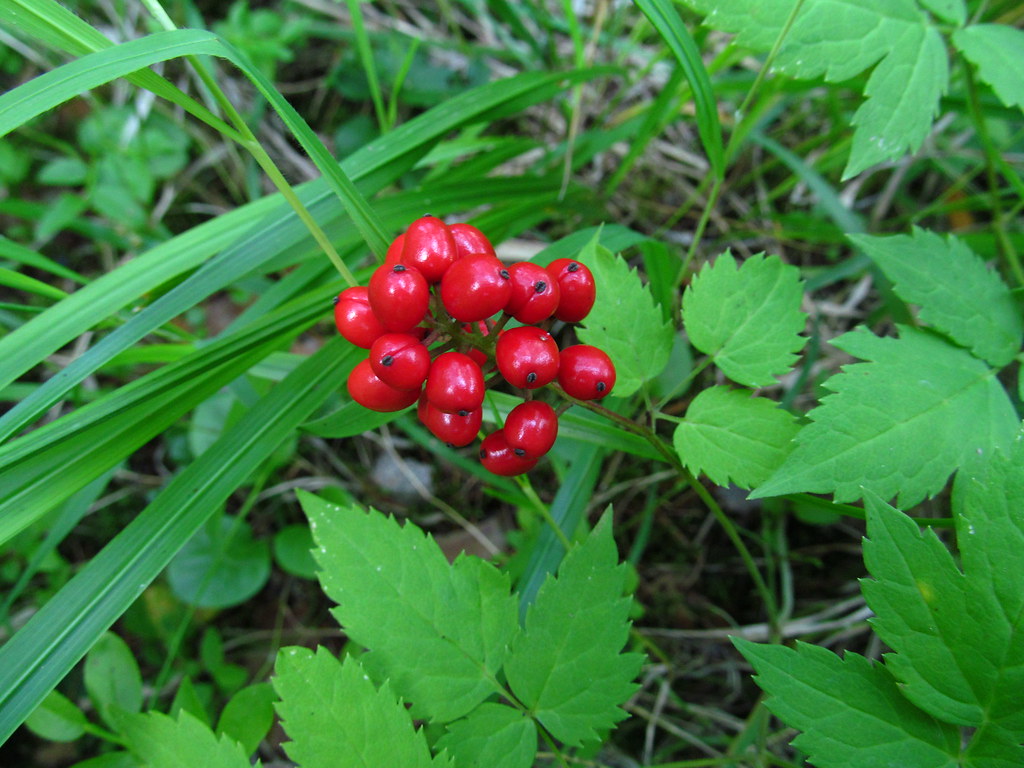
- Berries: Shiny, bright red (occasionally white), pea-sized, on slender red stalks; appear July–October and persist into fall.
- Habitat Preference: Rich, moist soils in partial to full shade—perfect for wetlands.
According to the Lady Bird Johnson Wildflower Center and USDA sources, all parts are toxic, but the berries and roots concentrate the highest levels of cardiogenic toxins.
Other Common Toxic Wetland Plants with Red Berries 🐍
- Bittersweet Nightshade (Solanum dulcamara): A climbing vine (up to 10 feet) in the nightshade family, often invasive in moist thickets, shorelines, and disturbed wetlands. Purple star-shaped flowers yield oval red berries. Native to Eurasia but widespread in North America.
- Wild Calla or Bog Arum (Calla palustris): An aquatic perennial with heart-shaped leaves and white spathe flowers; produces clusters of bright red berries in bogs and shallow marshes. Contains calcium oxalate crystals.
Note: Poison Sumac (Toxicodendron vernix) is sometimes confused due to its wetland habitat, but it produces whitish drupes and causes severe contact dermatitis rather than ingestion poisoning.

Accurate Identification Guide: Key Features to Spot Them 🔎👀
Proper identification is crucial—many harmless plants mimic these toxins. Always examine multiple traits and use reliable apps like iNaturalist or PictureThis for verification.
Visual Characteristics of Red Baneberry
- Leaves: Large, thrice-divided, with serrated edges; turn yellow in fall.
- Stems: Thin, red stalks holding berries (key differentiator from white baneberry’s thicker stalks).
- Berries: Glossy red, round, in loose clusters; bitter taste deters but doesn’t prevent accidental ingestion.
- Seasonal Notes: Flowers in spring; berries peak in late summer.
Comparison Table: Toxic vs. Similar Non-Toxic Plants
| Plant Name | Berry Color/Shape | Leaf Type | Stalk Thickness | Habitat | Toxicity Level |
|---|---|---|---|---|---|
| Red Baneberry (Actaea rubra) | Shiny red, round | Deeply divided, toothed | Thin, red | Shaded marshes/woods | Highly toxic (cardiogenic) ⚠️🔴 |
| Bittersweet Nightshade | Oval red | Alternate, pointed/lobed | Vine-like | Wet edges, disturbed | Moderately toxic (solanine) 🌿 |
| Wild Calla (Calla palustris) | Bright red clusters | Heart-shaped, glossy | Aquatic rhizome | Bogs, shallow water | Irritant (oxalate crystals) 🐸 |
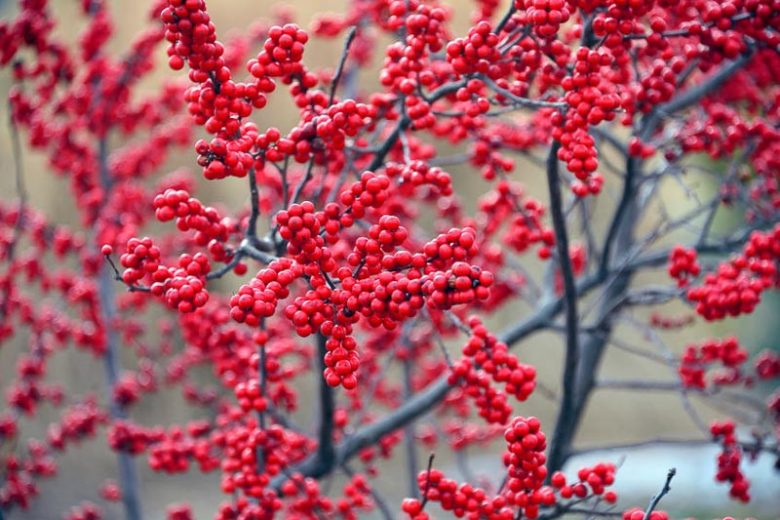
| Winterberry Holly (Ilex verticillata) | Bright red clusters | Smooth, oval | Woody shrub | Wetlands | Non-toxic to humans (birds love them) 🍇 |
| Bunchberry (Cornus canadensis) | Red clusters | Whorled, vein-patterned | Low groundcover | Forest floors/marshes | Mildly upset stomach possible 🐕 |
Expert Tip: Avoid Common Misidentifications 📱
Non-toxic lookalikes like Winterberry Holly provide safe red berry displays for wildlife gardens. Red Baneberry berries have a small black dot at the tip, unlike holly’s smooth surface. Never rely on color alone—context (wetland shade vs. sunny edges) and plant structure are key.
The Real Dangers: Toxicity and Health Risks ⚠️😷
Understanding the toxicology behind these plants is essential for appreciating why they pose such a significant threat. As an expert who’s consulted on numerous poisoning cases and collaborated with extension services, I emphasize that prevention starts with knowledge of the risks.
Red Baneberry contains cardiogenic glycosides similar to those in foxglove, which disrupt heart rhythm. Even small amounts can cause severe cardiac issues. Bittersweet Nightshade harbors solanine and other alkaloids (related to deadly nightshade), affecting the nervous system. Wild Calla’s calcium oxalate crystals act like tiny needles, causing intense irritation and swelling.
Symptoms of Poisoning in Humans 👤🚑
Ingestion typically triggers rapid onset:
- Immediate (minutes to hours): Intense burning in the mouth and throat, excessive salivation, nausea, vomiting, abdominal pain, and diarrhea.
- Neurological: Dizziness, confusion, hallucinations (especially from nightshade alkaloids).
- Cardiovascular (Red Baneberry): Slowed heart rate, low blood pressure, potentially leading to cardiac arrest in severe cases.
- Delayed: In rare survivals of high doses, kidney or liver damage may appear days later.
According to the National Poison Data System (annual reports from the American Association of Poison Control Centers), plant exposures involving berries rank among the top calls, with thousands of incidents yearly—many involving children under 6 who mistake bright red berries for edible fruit.
Risks to Pets and Wildlife 🐶🐱
Dogs and cats are particularly vulnerable because they explore with their mouths:
- Dogs: Even 2–6 Red Baneberry berries can cause vomiting, tremors, and seizures. Veterinary toxicology databases like ASPCA Animal Poison Control report frequent cases in fall when berries persist.
- Cats: More sensitive to solanine in Bittersweet Nightshade, leading to gastrointestinal distress and neurological signs.
- Wildlife Note: Birds (e.g., thrushes, robins) safely consume and disperse the seeds—their digestive systems neutralize toxins, making these plants important for ecosystem health.
Expert Insight: In my fieldwork across Midwest and Northeast wetlands, I’ve observed that pet owners often underestimate risks during off-leash hikes. Always keep pets close in marshy areas during berry season (late summer through fall).
Case Studies and Real-World Examples 📚
- Child Exposure: A documented 2022 case in Minnesota involved a toddler who ingested several Red Baneberry berries while playing near a bog—resulting in hospitalization for cardiac monitoring (full recovery after prompt treatment).
- Adult Misidentification: Foragers confusing Bittersweet Nightshade berries with edible currants have suffered severe gastroenteritis.
These incidents underscore the need for education—especially as urban wetlands are increasingly preserved for recreation.
Safe Avoidance and Management Tips 🌿🛡️
The best defense is proactive avoidance. Whether you’re a gardener maintaining wetland edges, a parent teaching outdoor safety, or a hiker exploring trails, these strategies will keep you safe.
Prevention Strategies for Families and Hikers 👨👩👧👦🥾
- Teach the Rule: “Bright berries in wetlands—don’t touch or eat!” Reinforce with rhymes like “Red berries in the bog, leave them for the frog.”
- Trail Awareness: Stick to marked paths in marshes; avoid brushing against unknown plants.
- Pet Control: Use leashes in wetland areas; train “leave it” commands.
- Clothing Choices: Long pants and sleeves reduce skin contact risks (especially relevant for plants causing irritation like Wild Calla).
Garden and Landscape Management for Homeowners 🏡🌳
If these plants appear on your property (often via bird-dispersed seeds):
- Safe Removal Process:
- Wear thick gloves, long sleeves, and eye protection.
- Dig out the entire root system (Red Baneberry has thick rhizomes that resprout).
- Bag and dispose as household waste—do not compost.
- For Bittersweet Nightshade vines, cut and treat stumps with approved herbicide if permitted in your area (check local regulations).
- Native Plant Alternatives: Replace with safe, wildlife-friendly options that provide similar visual appeal:
- Winterberry Holly (Ilex verticillata) – brilliant red berries safe for humans, loved by birds.
- Red Osier Dogwood (Cornus sericea) – red stems and white berries.
- Highbush Cranberry (Viburnum trilobum) – edible red fruit after frost.
Expert Tip: Consult your local cooperative extension service or native plant society for region-specific advice. In many states, master gardeners offer free identification help via photo submissions.
What to Do If Exposure Occurs 🚨
- Skin Contact (e.g., sap from leaves): Wash thoroughly with soap and cool water; monitor for rash.
- Ingestion:
- Do NOT induce vomiting unless instructed by professionals.
- Rinse mouth with water.
- Immediately call Poison Control: 1-800-222-1222 (US) or your local equivalent.
- For pets: Contact ASPCA Animal Poison Control (888-426-4435) or your veterinarian.
- Seek emergency medical care if symptoms develop—time is critical for cardiogenic toxins.
Ecological Role and Why They Persist 🦜🌍
Despite their dangers to us, these plants play valuable roles in wetland ecosystems:
- Food Source: Birds consume berries without harm, aiding seed dispersal and maintaining biodiversity.
- Habitat Indicator: Presence signals healthy, undisturbed wetlands—important for water filtration and flood control.
- Conservation Balance: Native species like Red Baneberry support pollinators with spring flowers and contribute to forest understory diversity.
Responsible enjoyment means appreciating their role from a safe distance rather than eradication.
Frequently Asked Questions (FAQs) ❓🌿
Q: Are there any red-berried marsh plants that are safe to eat? A: Very few in true marsh settings. Cranberries (Vaccinium macrocarpon) grow in acidic bogs and are edible/commercial, but they form low groundcovers with pink flowers—not upright plants with white flower clusters. Always positively identify before foraging.
Q: How can I distinguish Red Baneberry from white baneberry (which has white berries)? A: Red Baneberry has thinner, red stalks holding berries; white baneberry (Actaea pachypoda, doll’s eyes) has thick white stalks with berries sporting a black dot. Both are highly toxic.
Q: Is Bittersweet Nightshade considered invasive? A: Yes, in many North American regions—it’s escaped cultivation and outcompetes natives along waterways. Report large infestations to local invasive species councils.
Q: Can these plants grow in home gardens accidentally? A: Absolutely—birds drop seeds. Regular monitoring during fall berry season helps catch them early.
Q: Are dried berries still toxic? A: Yes—toxins persist even after berries dry and fall.
Conclusion: Stay Safe and Enjoy Nature Responsibly 🌳❤️
The allure of a poisonous marsh plant with red berries serves as nature’s reminder that beauty can come with hidden risks. By mastering identification, understanding toxicity, and practicing prevention, you can confidently explore wetlands, tend your garden, and protect your family and pets.
Share this knowledge on your next hike or with fellow plant enthusiasts—awareness saves lives. Here’s to safe, joyful connections with the natural world! 🚶♀️🍃🦆











