
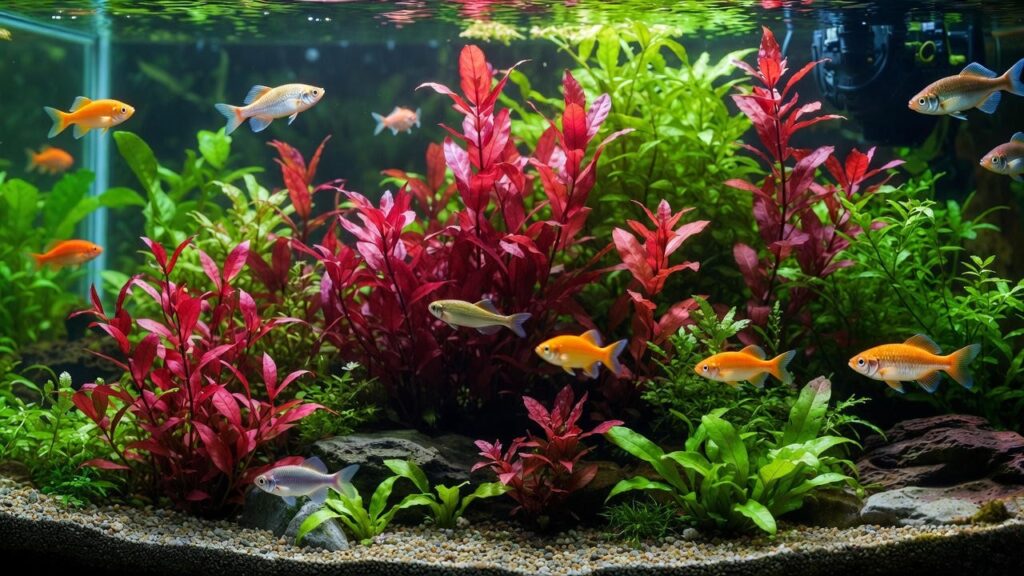
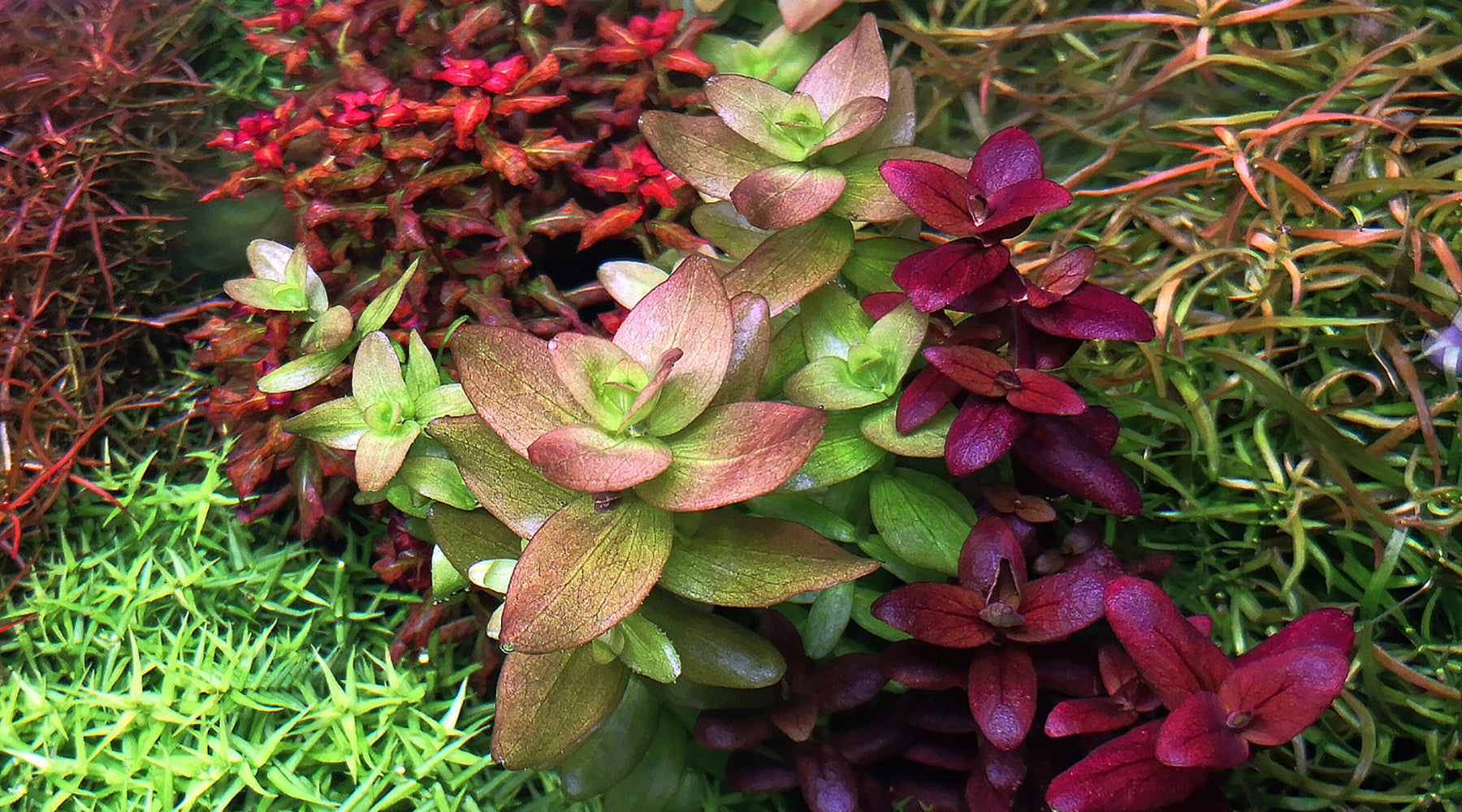
Picture this: You walk up to your aquarium, and instead of the usual sea of green, you’re met with a mesmerizing burst of fiery reds, deep crimsons, and ruby hues dancing among your fish. It’s not a dream—it’s what the right red aquarium plants can do for your tank. These vibrant beauties create jaw-dropping contrasts, add depth to your aquascape, and turn an ordinary setup into a living work of art that stops visitors in their tracks.
As an aquascaping enthusiast with over 15 years of experience maintaining planted tanks—from low-tech community setups to high-tech CO2-injected masterpieces—I’ve seen firsthand how red aquarium plants elevate the entire hobby. They don’t just look amazing; they oxygenate the water, compete with algae for nutrients, and provide essential cover for shy fish and shrimp. But here’s the common frustration: many hobbyists try red plants, only to watch them fade to green or melt away due to wrong choices or suboptimal conditions.
That’s why I’ve curated this ultimate guide to the 10 best red aquarium plants that deliver stunning color without requiring expert-level care. These selections are proven performers that thrive in a range of setups, including beginner-friendly low-tech tanks. Whether you’re aiming for a bold Dutch-style aquascape or a natural Iwagumi with pops of color, you’ll find reliable options here. Let’s unlock the secrets to vibrant, easy-care red foliage! 🌊🔥
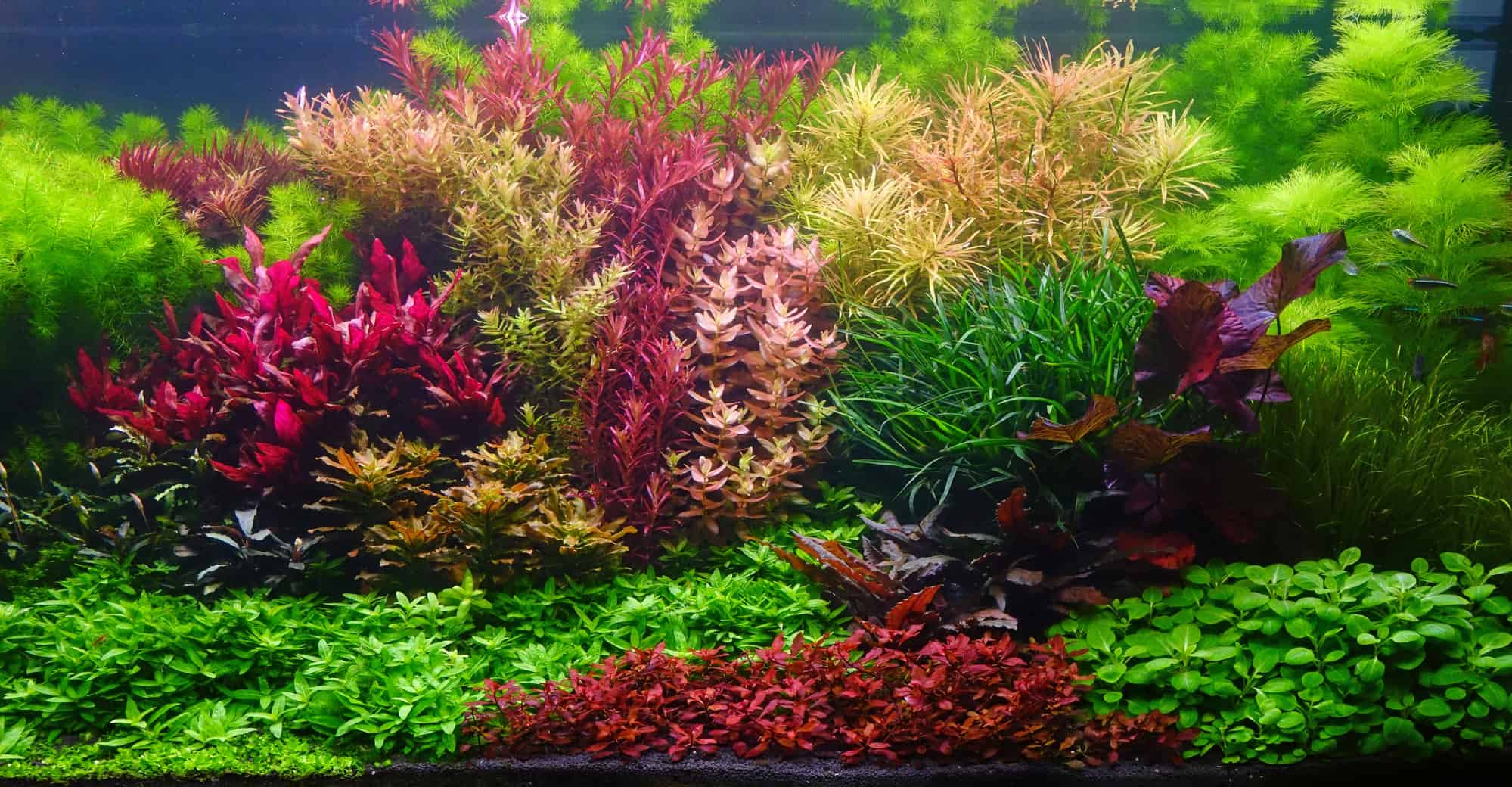
Why Add Red Aquarium Plants to Your Tank? 🌈
Red plants aren’t just about aesthetics—they solve real problems in the planted aquarium hobby.
Benefits Beyond Beauty
- Dramatic Visual Impact: Red foliage provides unbeatable contrast against green plants and colorful fish like tetras, rasboras, or discus. This creates focal points and depth, making your tank look professionally designed.
- Healthier Ecosystem: Like all aquatic plants, reds absorb nitrates, phosphates, and CO2 while releasing oxygen. They outcompete algae, leading to clearer water and fewer maintenance headaches.
- Behavioral Benefits: Dense red bushes offer hiding spots for fry, shrimp, and timid species, reducing stress and encouraging natural behaviors.
- Therapeutic Value: Studies show viewing colorful aquariums lowers blood pressure and anxiety. A vibrant red-planted tank amplifies this calming effect.
Common Challenges and How We Solve Them 🛠️
The biggest hurdle with red aquatic plants is maintaining their color. Many varieties revert to green under poor lighting or nutrient imbalances. In my experience, this happens because hobbyists pick demanding species too early or overlook key factors like iron availability.
This guide focuses on plants that stay vividly red with moderate care. I’ve prioritized varieties that perform well in typical community tanks (pH 6.5-7.5, temperature 72-82°F), including several low-tech options that don’t demand injected CO2.
The Science Behind Red Coloration in Aquarium Plants 🔬
Understanding why plants turn red helps you keep them that way—it’s not magic, it’s biology!
What Makes Plants Turn Red?
Aquatic plants produce red pigments called anthocyanins as a response to environmental stress, particularly intense light. These pigments protect chlorophyll from damage, similar to sunscreen for leaves.
Key triggers for intense red coloration:
- High-Intensity Lighting: Especially in the red/blue spectrum (PAR 50-150+ at substrate level).
- Iron and Micronutrients: Iron is crucial for anthocyanin synthesis—deficiency leads to pale or green leaves.
- Nitrate Limitation: Keeping nitrates low (5-20 ppm) stresses plants just enough to boost reds without harming growth.
- Stable CO2 and Circulation: Good flow prevents stagnation; consistent CO2 (20-30 ppm) enhances overall health and color.
Expert Tip from Years of Testing: In my tanks, I’ve found that gradually increasing light intensity over 2-4 weeks prevents algae outbreaks while coaxing out deeper reds. Always monitor for signs of stress! 📊
Top 10 Red Aquarium Plants: Detailed Reviews 📋
Here are my handpicked top 10, ranked by ease of achieving stunning color combined with overall reliability. Each includes care parameters, placement ideas, and personal insights from growing them extensively.
1. Ludwigia repens ‘Super Red’ 🔥 (Easiest for Beginners)
This is my absolute go-to recommendation for anyone new to red plants—it’s nearly foolproof!
Appearance: Compact, oval leaves that turn intense ruby-red under even moderate conditions. Forms dense bushes that glow under LED lights.
Care Level: Easy Parameters: Temp 72-82°F, pH 6-7.5, Light Medium-High, CO2 Optional Growth Rate: Fast (1-2 inches/week with good conditions) Placement: Midground or background for bushy effect
Why It’s #1: In low-tech tanks with basic fluorescent or LED lighting, it reliably stays red where many others fade. I’ve grown it in setups without CO2 and still achieved vibrant color by dosing iron.
Pro Tips: Trim tops regularly to encourage side shoots and bushiness. Pair with green Rotala for contrast. Shrimp adore nibbling on old leaves!

2. Rotala rotundifolia ‘Blood Red’ or ‘H’ra’ 🩸
A classic stem plant that delivers needle-like foliage in shades from orange-red to deep blood red.
Appearance: Fine, pointed leaves that form fluffy bushes—stunning when backlit.
Care Level: Easy to Moderate Parameters: Temp 70-82°F, pH 6-7.5, Light High, CO2 Recommended for deepest color Growth Rate: Very fast Placement: Background
Insights: The ‘H’ra’ variant is more compact and redder. Limiting nitrates intensifies color dramatically—I’ve seen it go from pink to almost purple!
Pro Tips: Plant in groups of 6-10 stems. Regular trimming keeps it dense at the bottom.

3. Alternanthera reineckii (including ‘Mini’ variant) 🌺
Versatile and beautiful, with the ‘Mini’ version perfect for nano tanks.
Appearance: Broad leaves in pink to deep red; ‘Mini’ stays compact (2-4 inches).
Care Level: Moderate Parameters: Temp 72-82°F, pH 6-7.5, Light High, CO2 Highly Recommended Growth Rate: Moderate Placement: Foreground (‘Mini’) or midground (standard)
Insights: The standard form can reach 20 inches—great for height. ‘Mini’ is slower but carpets beautifully.
Pro Tips: Prune aggressively to branch; cherry shrimp love grazing on it.

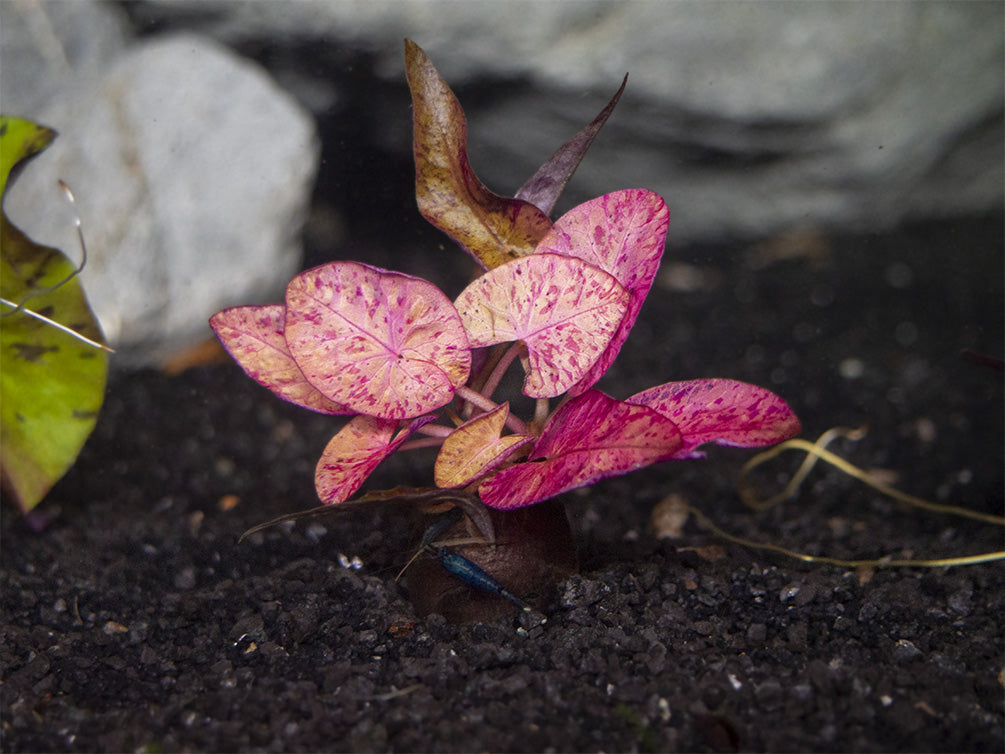
4. Red Tiger Lotus (Nymphaea zenkeri ‘Red’) 🪷
A showstopper bulb plant that’s surprisingly easy.
Appearance: Variegated red/green lily pads and underwater leaves; sends pads to the surface.
Care Level: Easy Parameters: Temp 72-82°F, pH 6.5-7.5, Light Medium-High, CO2 Optional Growth Rate: Fast once established Placement: Center or midground
Insights: Starts as a bulb—plant half-buried. The red variegation is unique among lotus varieties.
Pro Tips: Use root tabs for best growth; remove floating leaves if you want underwater focus.
5. Ludwigia natans ‘Super Red’ 💥
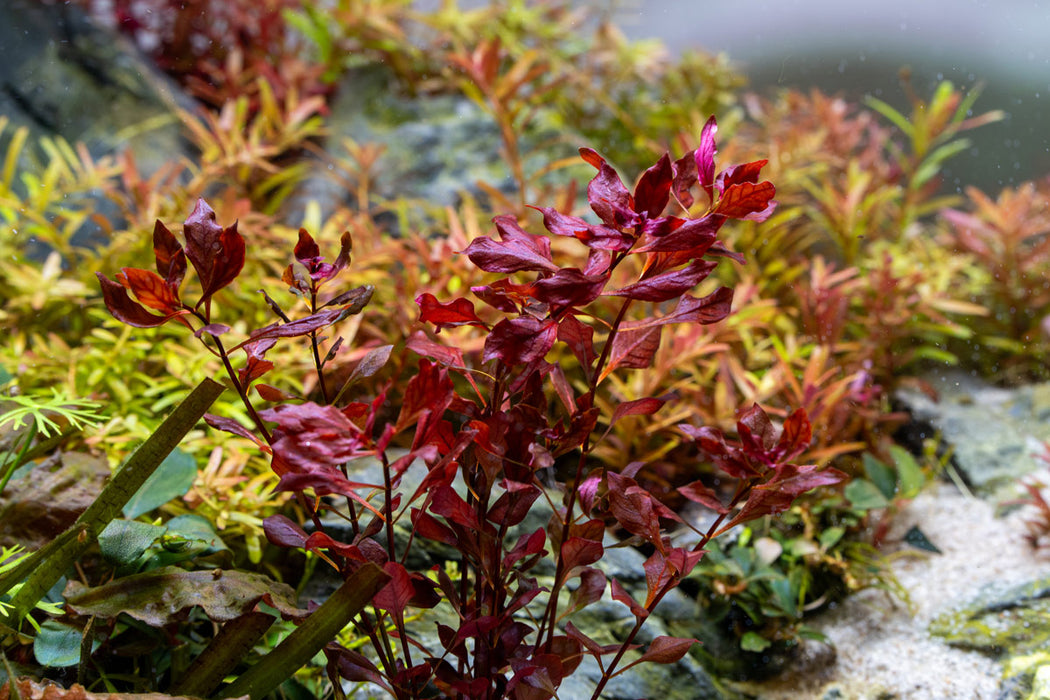
Often called the “true” super red Ludwigia, this compact gem packs an incredible punch of color in smaller spaces.
Appearance: Smaller, rounded leaves in a brilliant, almost fluorescent red—denser and more vibrant than repens in many setups.
Care Level: Easy Parameters: Temp 72-82°F, pH 6-7.5, Light Medium-High, CO2 Optional but enhances intensity Growth Rate: Moderate to fast Placement: Midground—perfect for creating red “clouds” or transitions
Insights: It’s more compact than Ludwigia repens, making it ideal for nano tanks or layered designs. In my experience, it achieves deeper reds faster when iron is dosed regularly.
Pro Tips: Plant densely for a fuller look; it melts less during transition than some reds. Great with neocaridina shrimp! 🦐
6. Ammania gracilis 🌹
An elegant stem plant that brings sophisticated coppery-red tones to taller tanks.
Appearance: Wavy, elongated leaves shifting from olive to rich reddish-orange under strong light.
Care Level: Moderate Parameters: Temp 72-82°F, pH 6-7, Light High, CO2 Recommended Growth Rate: Moderate Placement: Background for height and texture
Insights: One of the most graceful reds—its stems wave beautifully in flow. I’ve achieved stunning copper tones by combining high light with iron-rich fertilization.
Pro Tips: Pinch tops to branch; avoid low light or it turns greenish. Pairs wonderfully with fine-leaved greens like Rotala.

7. Rotala macrandra ‘Red’ 🔻
For those ready to step up—this is the queen of deep, saturated reds.
Appearance: Finely textured leaves in intense crimson to maroon; forms tight, colorful bushes.
Care Level: Moderate to Advanced Parameters: Temp 72-80°F, pH 6-7, Light Very High, CO2 Essential Growth Rate: Moderate Placement: Midground or background focal point
Insights: Demands stability but rewards with unmatched color depth. In my high-tech tanks, it’s turned almost black-red under full-spectrum LEDs.
Pro Tips: Soft water helps; watch for stunting if CO2 drops. Trim frequently to prevent lower leaf loss.

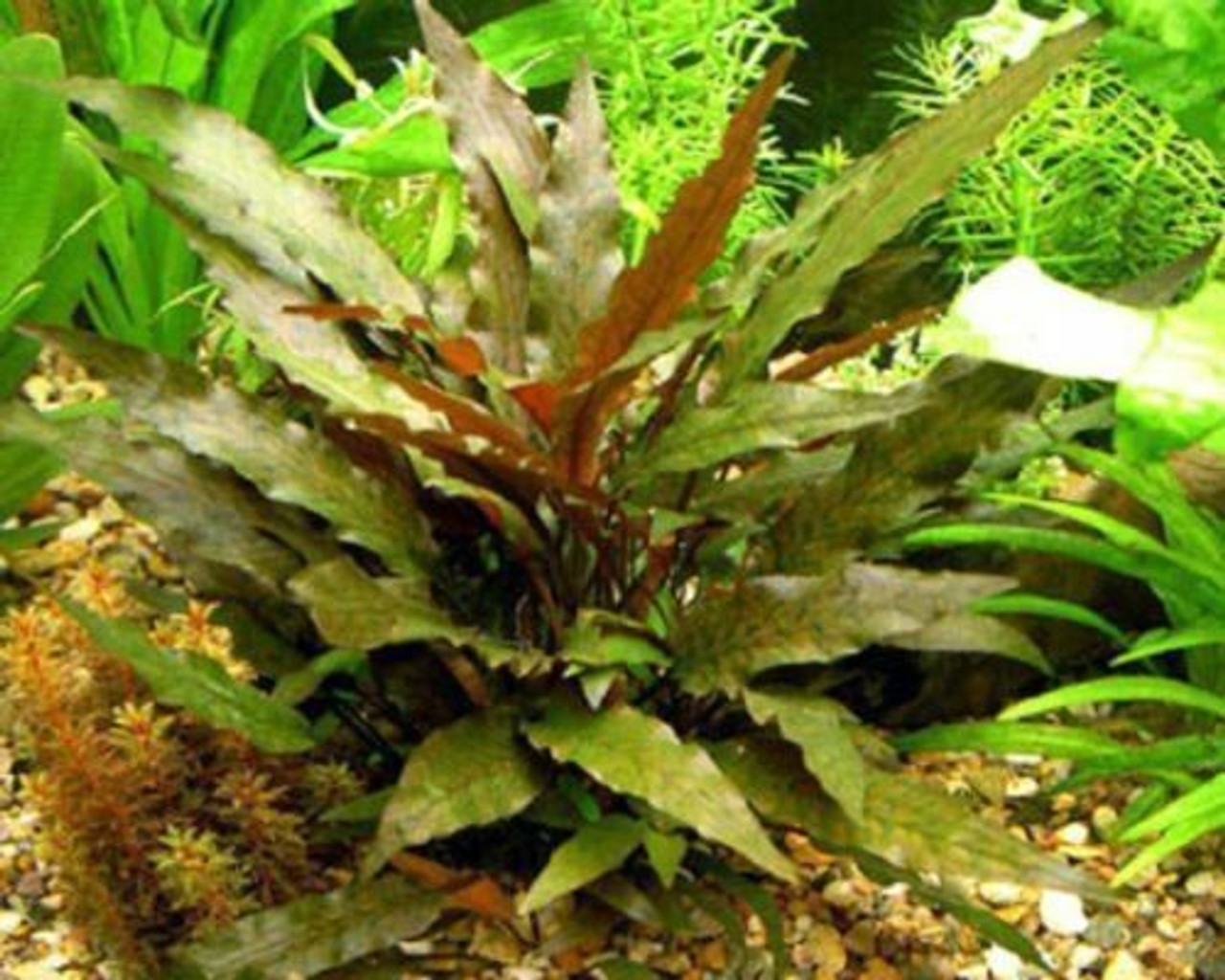
8. Cryptocoryne wendtii ‘Red’ or ‘Flamingo’ 🐙
A tough, forgiving rosette that adds bronze-red warmth without fuss.
Appearance: Ruffled leaves in shades of reddish-brown; ‘Flamingo’ has rare pink variegation.
Care Level: Very Easy Parameters: Temp 72-82°F, pH 6-8, Light Low to Medium, CO2 Optional Growth Rate: Slow Placement: Foreground or midground
Insights: Crypts are bulletproof—perfect for beginners wanting red without high demands. They may “melt” on planting but always recover stronger.
Pro Tips: Low light keeps it bronze; higher light intensifies red. Excellent for shrimp tanks as it provides cover.
9. Red Root Floater (Phyllanthus fluitans) 🌊
A floating plant that turns fiery red on the surface—unique and multifunctional.
Appearance: Small round leaves green above, intense red below with dangling red roots.
Care Level: Easy Parameters: Temp 72-82°F, pH 6.5-7.5, Light High (surface intensity), CO2 Benefits roots Growth Rate: Fast Placement: Surface floater
Insights: High light and calm surface water make it explode in red. It naturally shades the tank, reducing algae.
Pro Tips: Thin regularly to prevent full coverage; fish fry love hiding in the roots.

10. Bacopa caroliniana ‘Red’ 🍃
A reliable classic that turns pinkish-red in good conditions.
Appearance: Thick stems with bronze to reddish leaves; subtle but effective color.
Care Level: Easy Parameters: Temp 70-82°F, pH 6.5-7.5, Light Medium-High, CO2 Optional Growth Rate: Moderate Placement: Background
Insights: Very forgiving—grows in low-tech setups and adds warm tones without dominating.
Pro Tips: Emergent growth intensifies color; trim to keep compact.
Expert Care Guide: Achieving and Maintaining Stunning Red Color 🌟
Now that you’ve met the stars, here’s my battle-tested system for keeping them vividly red.
Essential Parameters for Vibrant Reds
- Lighting: Full-spectrum LEDs with strong red/blue channels (e.g., Twinstar, Chihiros). Aim for 50-100+ PAR at substrate; 8-10 hours daily.
- CO2 Injection: 20-30 ppm for demanding plants; not strictly needed for the top 5 on our list.
- Fertilization: Use an all-in-one like Seachem Flourish or APT Complete, plus extra iron (Seachem Iron or chelated iron). Dose 2-3x weekly.
- Water Column: Keep nitrates 5-20 ppm, phosphates 0.5-2 ppm. Weekly 30-50% water changes prevent excess nutrients.
- Substrate: Nutrient-rich aquasoil (ADA, Tropica) or inert with root tabs for heavy feeders.
Troubleshooting Fading Colors 🔧
- Leaves turning green: Increase light intensity gradually or add iron.
- Pale new growth: Iron deficiency—dose immediately.
- Stunted tips: CO2/flow issue; check distribution.
- Algae on reds: Balance light/nutrients; add fast-growers or algae eaters.
Pro Tip: Keep a simple tank journal—note parameters weekly. Patterns emerge quickly! 📓
Aquascaping Ideas with Red Plants 🎨
Red plants are your secret weapon for breathtaking layouts.
Beginner-Friendly Designs
- Contrast Bush: Ludwigia Super Red midground with green Hygrophila foreground.
- Red Centerpiece: Tiger Lotus as focal point, surrounded by Crypts.
Advanced Aquascapes
- Red Gradient: Pink Alternanthera ‘Mini’ foreground → Ludwigia mid → Rotala background.
- Dutch Style Terracing: Layer reds by height for “streets” of color.
- Iwagumi with Pop: Mostly green carpet, one bold red accent like Ammania gracilis.
Examples of stunning red-heavy tanks:
Common Mistakes to Avoid ❌
- High nitrates → Bleaches red pigments.
- Insufficient pruning → Bottom leaves die, plant looks leggy.
- Sudden parameter swings → Causes melting.
- Wrong plant for your setup → Picking advanced reds for low-tech.
Frequently Asked Questions (FAQs) ❓
Can I grow red aquarium plants without CO2? Yes! Ludwigia repens ‘Super Red’, Tiger Lotus, Crypt wendtii ‘Red’, and Bacopa all thrive low-tech.
What’s the best fertilizer for intense red color? All-in-one plus dedicated iron (e.g., Seachem Flourish Iron or Easy Iron).
How long until plants turn fully red? 4-8 weeks under optimal conditions; new growth shows color first.
Are red plants safe with shrimp and fish? Absolutely—most are shrimp favorites and provide excellent cover.
Why do my red plants keep melting? Common during transition; stable parameters and patience fix it.
Conclusion: Create Your Dream Red Aquascape Today! 🏆
Adding red aquarium plants transforms any tank from ordinary to extraordinary. With this list of the 10 best easy-care options—backed by science, real-world testing, and years of experience—you now have everything needed to achieve stunning, vibrant color that lasts.
Start with one or two forgiving varieties like Ludwigia ‘Super Red’ or Red Tiger Lotus, dial in your lighting and nutrients, and watch the magic happen. Your fish (and visitors) will thank you! 🌱🐟✨
Happy aquascaping—may your tank always be brilliantly red! ❤️











