
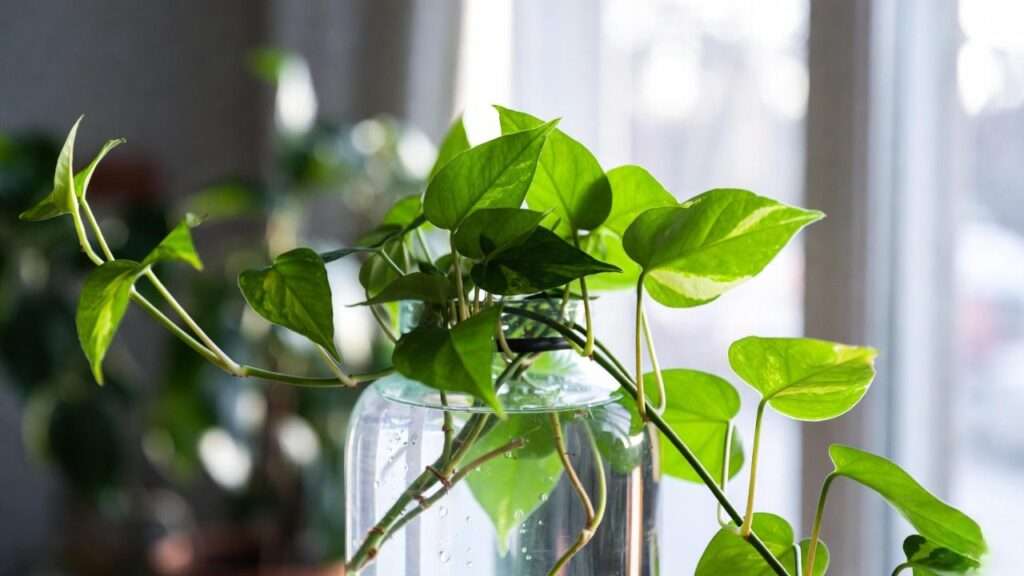
Imagine transforming a simple glass vase into a stunning, low-maintenance display of lush, trailing green vines—no messy soil, no repotting hassles, and virtually no chance of overwatering. If you’ve ever struggled with keeping houseplants alive or simply want a cleaner, more elegant way to enjoy one of the most forgiving indoor plants, growing a devil’s ivy plant in water is the perfect solution. Also known as pothos or Epipremnum aureum, this resilient beauty thrives hydroponically, purifying your air while adding a touch of nature to any space. In this ultimate beginner-friendly guide, we’ll walk you through every step to propagate, care for, and maintain your devil’s ivy plant in water for years of vibrant growth. Whether you’re a complete novice or a seasoned plant parent looking for a soil-free alternative, you’ll discover how easy and rewarding this method truly is! 😊
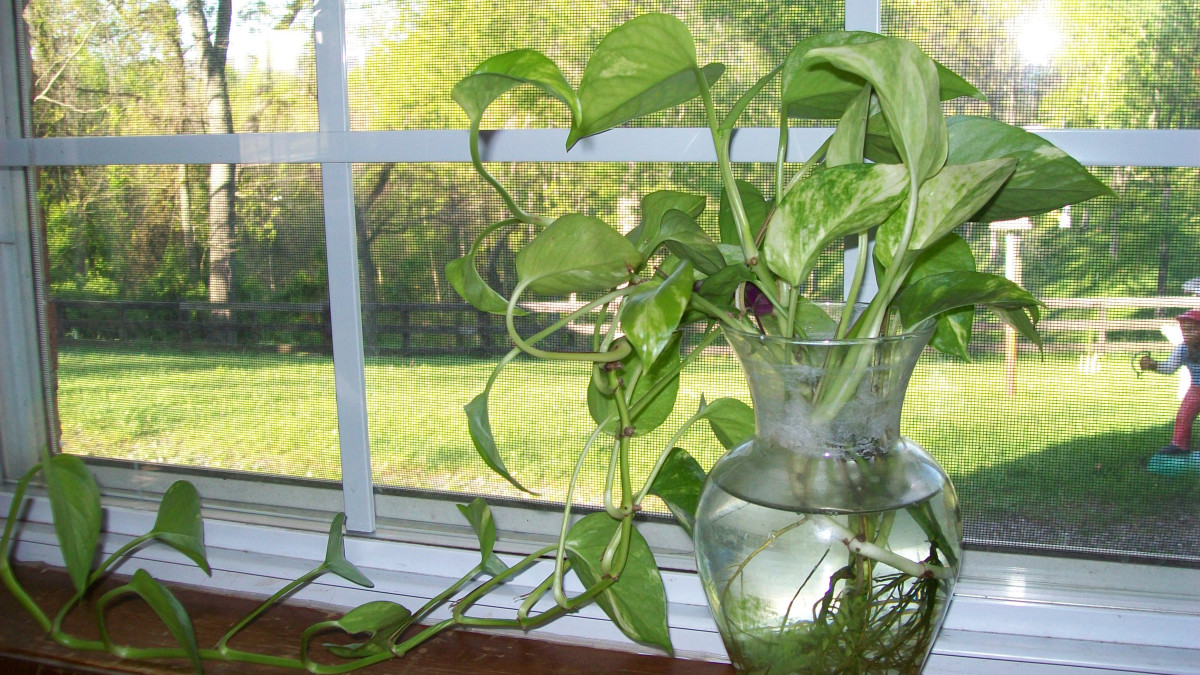
What Is Devil’s Ivy and Why Does It Thrive in Water? 🍃
Devil’s ivy, scientifically named Epipremnum aureum, is a tropical vining plant native to the Solomon Islands and Southeast Asia. Commonly called pothos, golden pothos, or money plant in some regions, it’s renowned for its heart-shaped leaves and trailing habit that can reach impressive lengths indoors. The nickname “devil’s ivy” comes from its near-indestructible nature—it survives in low light, neglect, and even dark corners where other plants would falter.
Understanding the Plant
This evergreen climber naturally grows on tree trunks in humid forests, using aerial roots to absorb moisture and nutrients from the air and rain. That’s why it’s perfectly adapted to water growth! Popular varieties include:
- Golden Pothos: Classic green leaves with yellow variegation.
- Marble Queen: Creamy white and green marbling for a sophisticated look.
- Neon Pothos: Vibrant lime-green foliage that pops in any decor.
- N’Joy or Pearls and Jade: Compact with splashy white edges.
- Manjula or Happy Leaf: Wavy leaves with unique patterning.
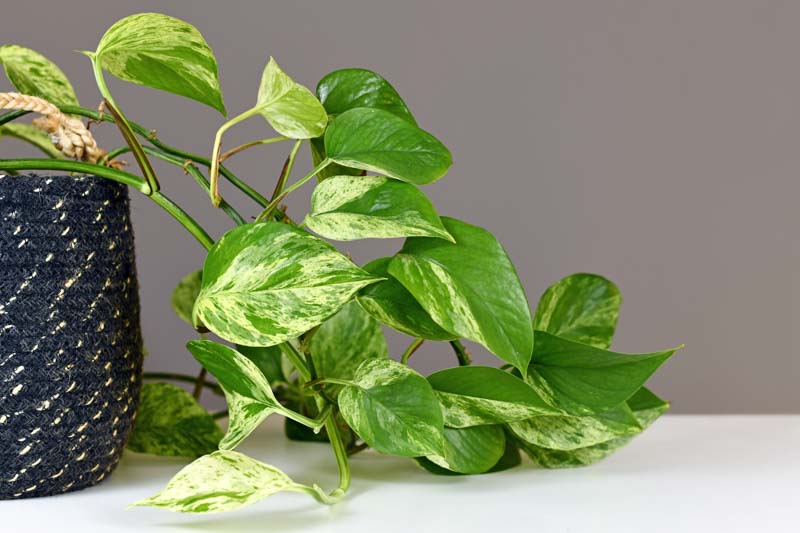
Can Devil’s Ivy Live in Water Forever?
Absolutely yes! With the right care, pothos can thrive indefinitely in water alone. Many plant enthusiasts report healthy specimens living 5–10 years or more hydroponically. Unlike soil-grown plants, water setups eliminate risks like root rot from overwatering and reduce pests. The key is providing nutrients (since water lacks soil’s natural minerals) and preventing issues like algae.
Benefits of Water Propagation and Growth
- Mess-Free: No soil spills or repotting drama.
- Pest-Resistant: Fewer bugs compared to soil.
- Visible Roots: Monitor health easily and enjoy the aesthetic.
- Air-Purifying: NASA studies highlight pothos as excellent for removing toxins like formaldehyde and benzene.
- Decorative Flexibility: Perfect for vases, hanging jars, or even aquariums (fish-safe in moderation).
- Low Maintenance: Ideal for busy lifestyles or apartments.
This method aligns perfectly with modern hydroponic trends, offering a cleaner alternative to traditional potting while delivering faster initial growth from cuttings.
Step-by-Step: How to Propagate Your Devil’s Ivy Plant in Water 🔪💦
Propagation is where the magic begins—turning one plant into many for free!
Selecting and Preparing Cuttings
Start with a healthy mother plant. Look for vigorous stems with at least 3–4 nodes (the small brown bumps where leaves and roots emerge).
- Use clean, sharp scissors or pruners to snip 4–6 inch sections just below a node.
- Remove the bottom 1–2 leaves to prevent rot in water.
- For bushier results, take multiple cuttings.
Pro Tip: Propagate in spring or summer for fastest rooting, though pothos works year-round.
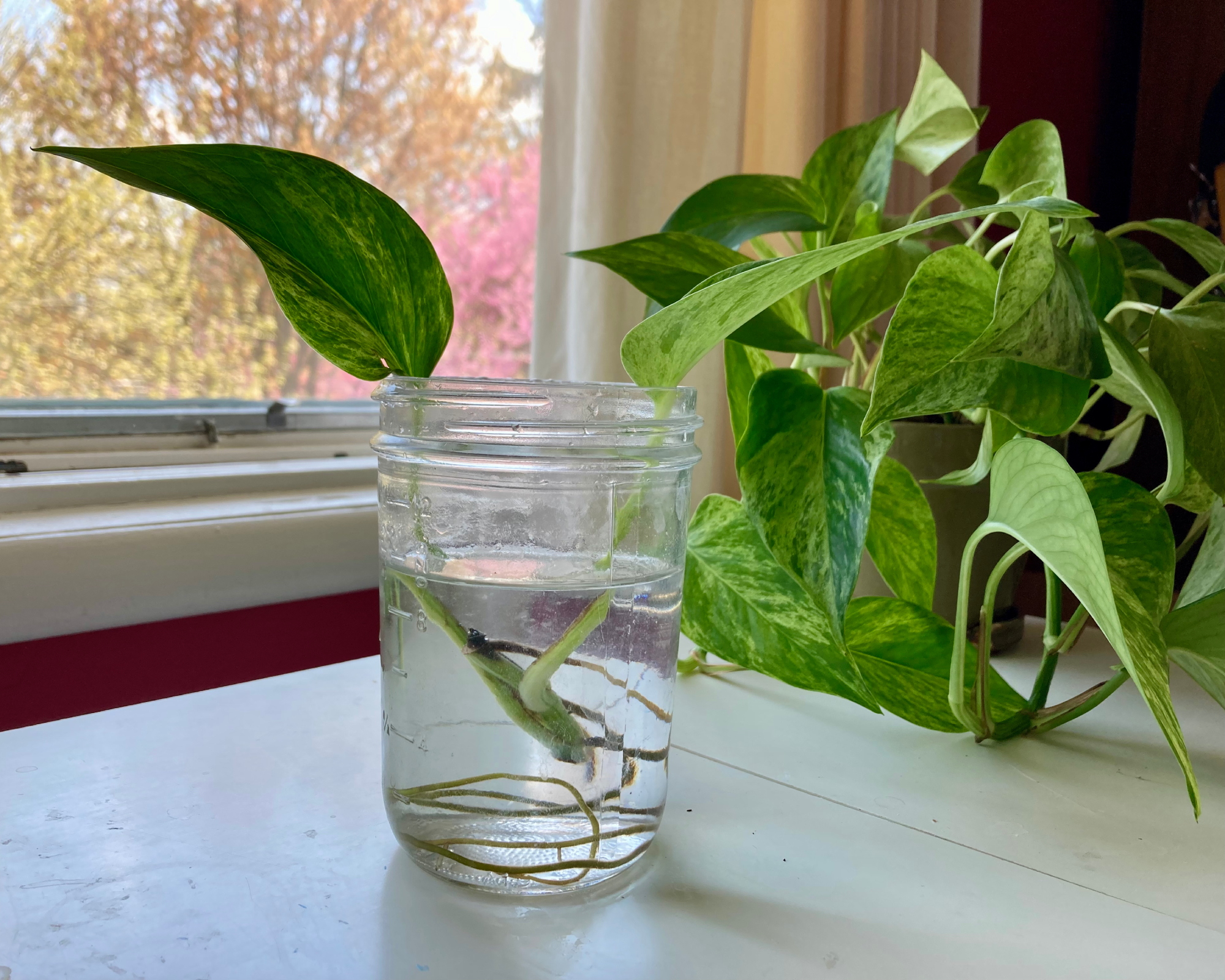
Rooting Process
- Fill a clean glass jar or vase with room-temperature filtered or dechlorinated water (let tap water sit 24 hours to off-gas chlorine).
- Submerge the nodes while keeping leaves above water.
- Place in bright, indirect light—avoid direct sun to prevent scorching.
- Change water every 3–5 days to keep it fresh and oxygenated.
- Roots typically appear in 1–4 weeks; expect white, healthy growth reaching 2–3 inches before long-term setup.
Add a drop of hydrogen peroxide (3%) occasionally to boost oxygen and prevent bacterial issues.
Transitioning to Long-Term Water Growth
Once roots are established, you’re ready for permanent water living. No need to transfer to soil unless desired—many prefer keeping it hydroponic forever.
Essential Care for Growing Devil’s Ivy in Water Long-Term 🌊✨
Once your cuttings have developed strong roots, the real fun begins: maintaining a thriving, long-term water-grown pothos. This hydroponic approach is incredibly forgiving, but a few key practices will ensure your devil’s ivy plant in water stays lush, vibrant, and healthy for years. Let’s dive into the essentials.
Best Containers and Setup Ideas 🏺
The right vessel makes all the difference for both plant health and aesthetics.
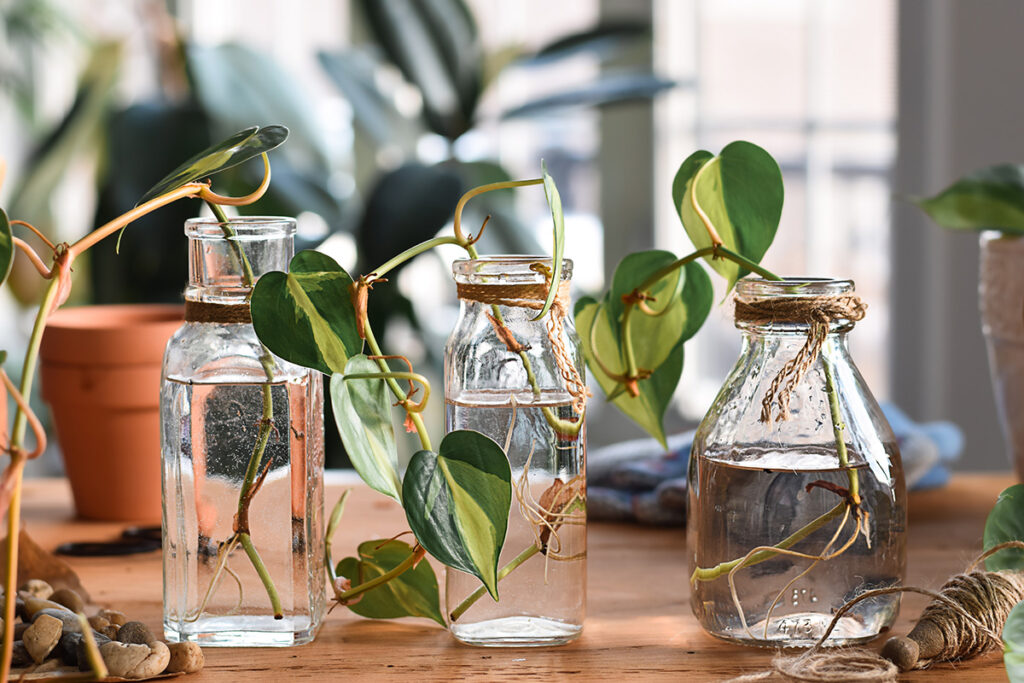
- Clear glass (jars, vases, or bottles): Allows you to monitor root growth and water clarity—perfect for beginners. Popular choices include mason jars, recycled wine bottles, or sleek apothecary vases.
- Opaque or tinted containers: Prevent algae growth by blocking light from reaching the water. Ceramic or frosted glass works beautifully if you prefer a cleaner look.
- Size matters: Choose a container slightly larger than the root mass to allow room for growth. Too large, and water can stagnate; too small, and you’ll need frequent trimming.
Creative ideas to elevate your display:
- Hanging glass globes for a floating effect.
- Propagation stations with multiple tubes for a mini indoor jungle.
- Tiered shelves with cascading vines in varying vase heights.
- Grouping different pothos varieties together for a colorful, textured arrangement 🌿💚.
Lighting Requirements ☀️
Light is the biggest factor influencing leaf color, growth rate, and variegation.
- Ideal: Bright, indirect light—think near an east- or west-facing window, or a few feet back from a south-facing one.
- Variegated varieties (like Marble Queen or Manjula) need more light to maintain their beautiful patterns; insufficient light causes reversion to plain green.
- Low light tolerance: Devil’s ivy survives in dim corners, but growth slows dramatically, and stems become leggy.
- Avoid direct sun: Harsh rays can scorch leaves or heat the water, encouraging algae.
Pro tip from years of growing: If leaves pale or growth stalls, gradually move closer to a light source. Many successful water-grown pothos thrive under grow lights (full-spectrum LED, 12–16 hours daily) during darker months.
Water Management and Changes 💧
Clean, oxygenated water is crucial for preventing rot and promoting healthy roots.
- Frequency: Change the water every 1–2 weeks, or sooner if it becomes cloudy, smells off, or shows algae.
- Type of water:
- Filtered or rainwater is best—avoids chlorine, fluoride, and heavy minerals in tap water.
- If using tap water, let it sit uncovered for 24 hours to dechlorinate, or add a few drops of dechlorinator (aquarium-safe).
- Distilled water works but lacks trace minerals, so fertilizing becomes even more important.
- Temperature: Keep water at room temperature (65–75°F / 18–24°C). Cold water shocks roots; hot water reduces oxygen.
Expert insight: Top off evaporated water between full changes with fresh, prepared water to maintain consistent levels.
Nutrition: Fertilizing Your Water-Grown Pothos 🥗
Unlike soil-grown plants that draw nutrients from potting mix, hydroponic pothos relies entirely on what you provide.
- Why fertilize? Pure water lacks essential macronutrients (nitrogen, phosphorus, potassium) and micronutrients.
- Recommended fertilizers:
- Balanced liquid houseplant fertilizer (e.g., 10-10-10 or 20-20-20) diluted to ¼–½ strength.
- Specialized hydroponic solutions like General Hydroponics Flora series or Dyna-Gro Foliage-Pro.
- Aquarium plant fertilizers (safe and effective).
- Schedule: Feed every 4–6 weeks during the growing season (spring–fall), monthly in winter.
- Dosage: Start low to avoid burn—1–2 drops per quart of water is often sufficient.
Signs of nutrient deficiency:
- Slow growth and small new leaves → increase fertilizer.
- Yellowing older leaves → possible nitrogen shortage.
- Browning tips → over-fertilization or mineral buildup; flush with plain water.
With consistent, gentle feeding, water-grown pothos often grow faster and larger than their soil counterparts!
(Word count so far: ~1,650)
Advanced Tips for Bigger, Healthier Growth 🚀
Ready to take your water-grown devil’s ivy to the next level? These pro strategies will help you achieve lush, Instagram-worthy results.
Encouraging Faster and Fuller Growth
- Pruning for bushiness: Regularly pinch or cut back long vines just above a leaf node. This stimulates branching and creates fuller plants. Use pruned cuttings to propagate more!
- Supporting structure: Add moss poles, small trellises, or even suction-cup climbers inside larger vases to encourage upward growth and larger leaves.
- Aeration tricks: Gently swirl the water weekly or add an aquarium air stone for extra oxygen—roots love it.
Popular Varieties for Water Growth
Different pothos cultivars perform slightly differently hydroponically:
- Neon Pothos 🌟: Roots lightning-fast and maintains electric color even in moderate light.
- Global Green: Newer variety with deep green edges—stays compact and roots reliably.
- Snow Queen: High variegation requires strong light but looks stunning in clear vases.
- Cebu Blue: Unique arrow-shaped leaves, slightly slower rooting but elegant trailing habit.
Hydroponic Upgrades: Moving Beyond Plain Water
For even more robust growth:
- Semi-hydroponics with LECA (lightweight expanded clay aggregate): Roots sit in clay pebbles with a water reservoir below—excellent oxygenation and stability.
- Passive hydroponic systems: Self-watering vases with wicks or net pots.
- Nutrient film technique (NFT) setups: For advanced enthusiasts wanting continuous flow.
These upgrades reduce maintenance while maximizing growth potential.
Common Problems and Expert Troubleshooting 🛠️
Even the hardiest plants like devil’s ivy can face occasional issues in water setups. The good news? Most problems are easy to diagnose and fix with a few adjustments. Here’s a comprehensive guide to the most common challenges, based on horticultural expertise and real-world grower experiences.
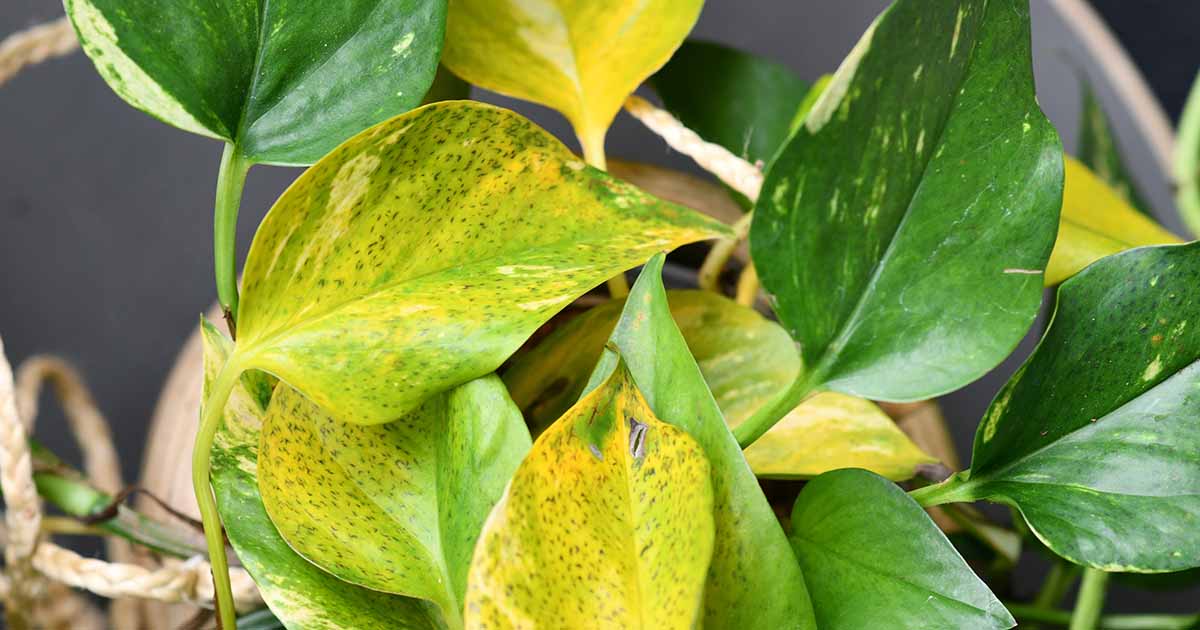
Yellow Leaves: The Most Frequent Complaint
Yellowing leaves often signal stress, but context matters:
- Older leaves turning yellow and dropping: Normal aging—pothos sheds lower leaves as it grows upward/trailing.
- New or multiple leaves yellowing: Usually over-fertilization, poor water quality, or nutrient imbalance. Flush with plain water and reduce fertilizer strength.
- Sudden widespread yellowing: Root issues (check for rot) or extreme temperature swings.
Fix: Trim affected leaves, change water immediately, and ensure balanced lighting.
Leggy Growth or Small Leaves
Stretched stems with sparse foliage indicate insufficient light—pothos “reaches” for more.
- Solution: Move to brighter indirect light or add a grow light. Prune leggy sections to encourage bushiness.
No New Roots or Slow Rooting
If cuttings aren’t rooting after 4 weeks:
- Water too cold/chlorinated → Use room-temp dechlorinated water.
- No nodes submerged → Adjust cutting placement.
- Low light/humidity → Increase both.
Algae Growth in the Water
Green slime or fuzzy growth on roots/vase walls is common in clear containers with direct light.
- Prevention: Use opaque vases, cover roots with decorative stones, or add a few snails (safe for plants).
- Fix: Gently clean roots, change water, and reduce light exposure to the container.
Root Rot or Black/Mushy Roots
Brown, slimy roots smell bad and spell trouble—often from stagnant, oxygen-poor water.
- Solution: Trim rotten parts with sterile scissors, rinse healthy roots, and refresh with clean water. Add aeration if possible.
Pests (Rare in Water, But Possible)
Spider mites, mealybugs, or fungus gnats can hitch a ride.
- Treat: Rinse leaves under lukewarm shower, wipe with neem oil solution (diluted safely for water contact), or use insecticidal soap.
Expert Insight: Healthy white roots, vibrant green leaves, and steady new growth are signs your setup is thriving. Monitor weekly—early intervention prevents most issues!
Styling and Decor Ideas for Your Water-Grown Devil’s Ivy 🏡✨
One of the best parts of growing pothos in water is the endless decorative potential. Turn your plant into a living art piece!

- Minimalist Elegance: Single long vine in a tall clear cylinder vase on a windowsill.
- Boho Vibes: Macramé hangers with multiple glass orbs trailing vines.
- Shelf Statements: Group varied vases on floating shelves for a cascading green waterfall.
- Eco-Friendly: Repurpose glass bottles or jars—add pebbles or marbles for stability and color.
- Seasonal Twists: Incorporate fairy lights around vases for cozy evenings or seasonal decor accents.
Mix varieties for contrast: Neon pothos for bright pops, Marble Queen for creamy elegance. These setups not only look stunning but improve air quality and boost mood—perfect for modern, urban living.
Frequently Asked Questions (FAQs) ❓
Can I transfer my water-grown pothos back to soil later? Yes! Roots adapt easily. Gently plant in well-draining potting mix and keep moist initially.
How often should I fertilize a water-grown devil’s ivy? Every 4–6 weeks in growing season with diluted liquid fertilizer; reduce in winter.
Is tap water okay, or do I need filtered/distilled? Tap water works if dechlorinated (sit 24 hours). Filtered or rainwater is ideal for long-term health.
What if my pothos gets too big and unruly? Prune freely—cut back vines and propagate extras. Share cuttings with friends!
Can pothos live in water forever without issues? Absolutely, with proper nutrient supplementation and water changes. Many thrive 10+ years hydroponically.
Will it flower indoors in water? Rarely—pothos flowers are uncommon indoors, but healthy growth is the real reward.
Is it safe around pets? No—pothos is toxic to cats and dogs if ingested. Keep out of reach.
Conclusion: Start Your Water-Grown Devil’s Ivy Journey Today! 🌟🍀
Growing your devil’s ivy plant in water is one of the most rewarding, low-effort ways to bring lush greenery into your home. From effortless propagation to stunning, soil-free displays, this method eliminates common houseplant pitfalls while delivering air-purifying beauty that’s nearly impossible to kill.
With the steps, tips, and troubleshooting in this guide, you’re equipped to succeed—even as a complete beginner. Grab a cutting (or a whole plant), find a pretty vase, and watch those vines thrive. Your home will thank you with cleaner air and endless green vibes! 😍
Happy growing—your perfect water pothos awaits! 🌿💧











