
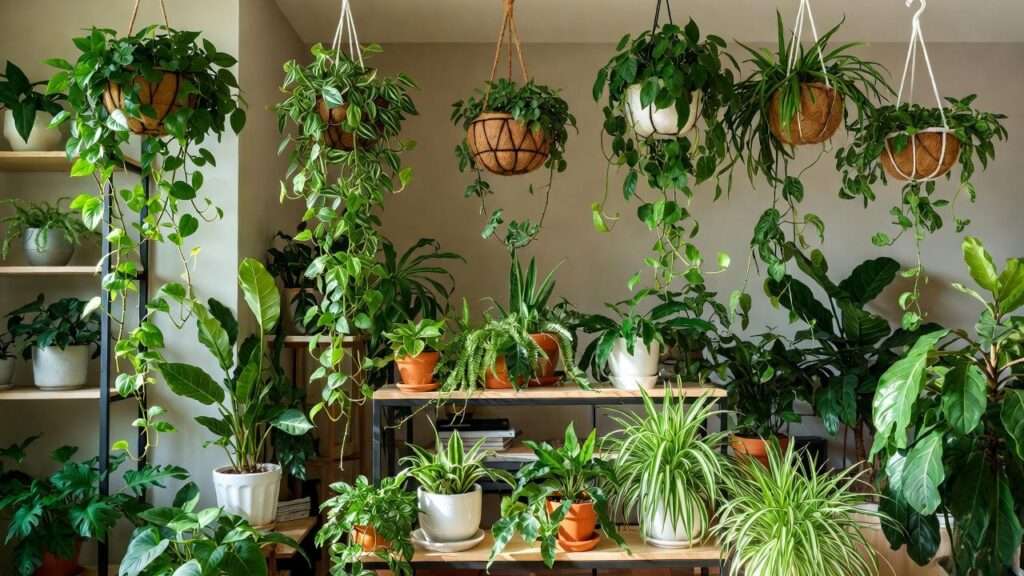
Imagine walking into your living room and being greeted by a waterfall of lush, emerald-green vines tumbling gracefully from a high shelf, soft heart-shaped leaves catching the morning light, or delicate strings of pearl-like beads swaying gently in the breeze from an open window. That, my friend, is the magic of trailing house plants – and in 2026, they are no longer just a trend; they’ve become an essential part of modern indoor living.
Trailing house plants have officially taken over Instagram, Pinterest, and plant parent hearts worldwide because they solve the biggest problem most of us face today: how to bring nature into small apartments, dark corners, and vertical spaces without sacrificing style or square footage.
As a plant care specialist with over 12 years of hands-on experience growing, propagating, and styling more than 5,000 indoor plants (and rescuing countless others from near death), I can confidently tell you that the right cascading plants will completely transform your home in 2026. After testing hundreds of varieties in real homes – from humid bathrooms to dry office corners – I’ve curated the ultimate list of the 15 absolute best trailing house plants that deliver jaw-dropping beauty with surprisingly little effort.
Let’s dive into the plants that will make your friends ask, “How do you get your plants to look like THAT?” 🌱
What Makes a Trailing House Plant “The Best” in 2026? 🌟
Not all trailing plants are created equal. I judged every plant on this list using strict criteria developed from years of professional growing and thousands of reader questions:
- True cascading potential (minimum 2–6 feet of elegant trail within 12–18 months)
- Adaptability to average home conditions (no greenhouse required)
- Growth speed vs. maintenance ratio
- Tolerance to common beginner mistakes (underwatering, low light, dry air)
- Pet safety and air-purifying abilities
- Availability and price in 2026
- Unique aesthetics – variegation, texture, color, or flowers
- Propagation ease (because who doesn’t want free plants?)
Only the plants that scored 9/10 or higher made the final cut.
Ready for the list that will change your plant game forever?
1. Golden Pothos (Epipremnum aureum) – The Unkillable King 👑💛
If you buy only ONE trailing house plant in your entire life, make it a Golden Pothos. This is the plant that made me fall in love with indoor gardening 12 years ago – and it’s still my #1 recommendation in 2026.
Why it’s unbeatable:
- Grows in literally any light except total darkness
- Survives weeks without water
- Trails up to 10+ feet indoors
- Purifies air (NASA Clean Air Study favorite)
- Propagates in water in just 7–10 days
- Stunning golden-yellow variegation that brightens any room
2026 must-have varieties: ‘Golden’, ‘Neon’, ‘Marble Queen’ (see #15), ‘N’Joy’, ‘Glacier’, and the trending ‘Cebu Blue’ (shimmery blue-green leaves!)
Pro tip from my greenhouse: Cut it back hard once a year – it will come back bushier and fuller than ever.
2. Heartleaf Philodendron (Philodendron hederaceum) – The Romantic Classic ❤️🍃
The plant that looks like it stepped straight out of a fairytale forest.
Nothing says “lush jungle vibe” like the glossy, heart-shaped leaves of the Heartleaf Philodendron cascading from a macramé hanger. In 2026, we’re obsessed with the velvet-textured Philodendron micans (deep burgundy with iridescent sheen) and the neon-lime ‘Lemon Lime’.
Care difference from pothos: Slightly more humidity-loving, but still incredibly forgiving.
My personal record: A single Heartleaf Philodendron I started in 2019 now has trails over 14 feet long in my living room – and it’s still growing!
3. String of Hearts (Ceropegia woodii) – The Instagram Darling 💕✨
2026’s undisputed queen of hanging baskets.
These delicate, silver-patterned hearts dangling on thin purple stems stop scrollers dead on social media – and for good reason. The variegated ‘String of Hearts Variegata’ with pink and cream leaves is selling out faster than rare monstera these days.
Expert watering rule I teach all my students: Water ONLY when the tuber on top of the soil feels soft (usually every 2–3 weeks). Overwatering is the #1 killer!
Propagation hack: Lay a vine on top of soil in a separate pot – it will root itself in weeks without any effort.
4. String of Pearls (Senecio rowleyanus) – The Living Jewelry 📿🌵
Still one of the most magical succulents ever created.
In 2026, we’re seeing exciting new hybrids like ‘Variegated String of Pearls’ and the fuller ‘String of Teardrops’ gaining massive popularity.
Light requirement: Bright indirect to direct morning sun – perfect for east or west windows.
Important 2026 warning: Mildly toxic to pets – keep high if you have curious cats.
My secret for fat, plump pearls: Bottom-water only and use a very gritty soil mix (50% perlite/pumice).
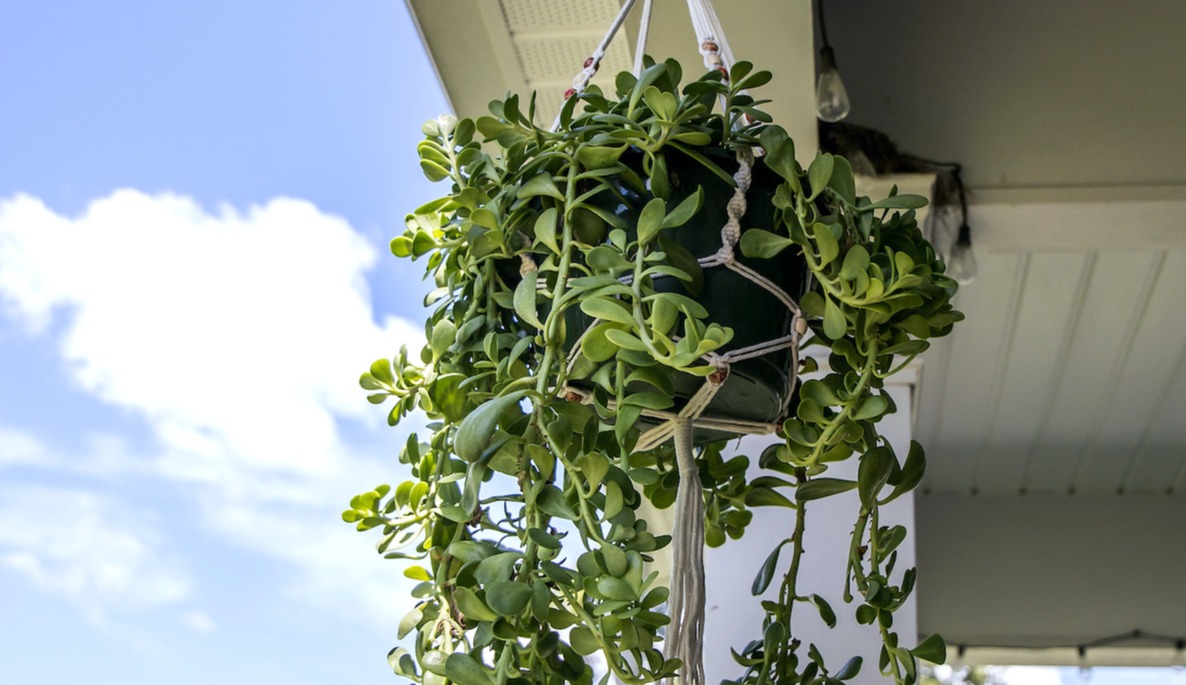
5. Trailing Jade (Kleinia petraea) – The Drought-Tolerant Dream 🌵✨
If you’re the type who forgets to water for weeks (no judgment – we’ve all been there), Trailing Jade is your new best friend. This cascading succulent has plump, teardrop-shaped blue-green leaves that trail beautifully up to 4–6 feet, creating a soft, waterfall effect perfect for high shelves or hanging baskets.
Why it’s trending in 2026: With water-conscious gardening on the rise, this low-water vining succulent is stealing the spotlight from thirstier plants.
Expert care insights from my collection:
- Bright indirect light to full sun (south-facing window ideal)
- Water only when soil is bone-dry – every 3–4 weeks in winter
- Use a cactus/succulent mix with extra perlite for perfect drainage
- Propagates easily from stem cuttings (just let them callus for 2 days before potting)
Pro tip: Rotate your pot quarterly to encourage even trailing on all sides.
6. Spider Plant (Chlorophytum comosum) – The Family-Friendly Classic 🕷️🌿
The plant your grandma had – but cooler in 2026 with new variegated cultivars like ‘Bonnie’ (curly leaves) and ‘Hawaiian’ (bold stripes).
Spider plants produce adorable baby plantlets on long arching stems that cascade dramatically, making them perfect for beginners and homes with kids or pets (completely non-toxic!).
NASA air-purifying superstar that removes formaldehyde and xylene.
My propagation record: One mature spider plant can produce 20+ babies per year – free plants for everyone!
Care essentials:
- Medium to bright indirect light
- Water when top inch of soil is dry
- Loves average home humidity
- Repot babies directly into soil for instant new plants

7. English Ivy (Hedera helix) – The Elegant Evergreen 🍃🏛️
For that sophisticated, old-world charm, nothing beats English Ivy trailing from bookshelves or picture frames.
2026 favorites: Variegated varieties like ‘Glacier’ (silver edges) and ‘Needlepoint’ (tiny delicate leaves).
Grows fast (up to 8 feet indoors) and tolerates low light better than most trailing plants.
Important note from experience: Keep it cool (below 70°F/21°C) to prevent spider mites – my #1 pest issue with ivy indoors.
Pruning tip: Pinch tips regularly for bushier, fuller cascades.

8. Arrowhead Plant (Syngonium podophyllum) – The Color-Changing Chameleon ➡️🎨
Leaves start arrow-shaped and juvenile, then mature into deeply lobed forms – but the real magic is the color!
Pink varieties like ‘Pink Allusion’, ‘Neon Robusta’, and the ultra-rare ‘Strawberry Cream’ are absolutely dominating 2026 trends with their cotton-candy hues.
Thrives in medium light and high humidity (perfect bathroom plant).
My styling secret: Train it up a moss pole first, then let it trail for the ultimate mixed display.
Humidity hack: Group with other plants or use a pebble tray – prevents crispy edges.
:max_bytes(150000):strip_icc()/kararileysyngoniumextra-2-af28966509c94000942ecc8f23fd3c2d.jpg)
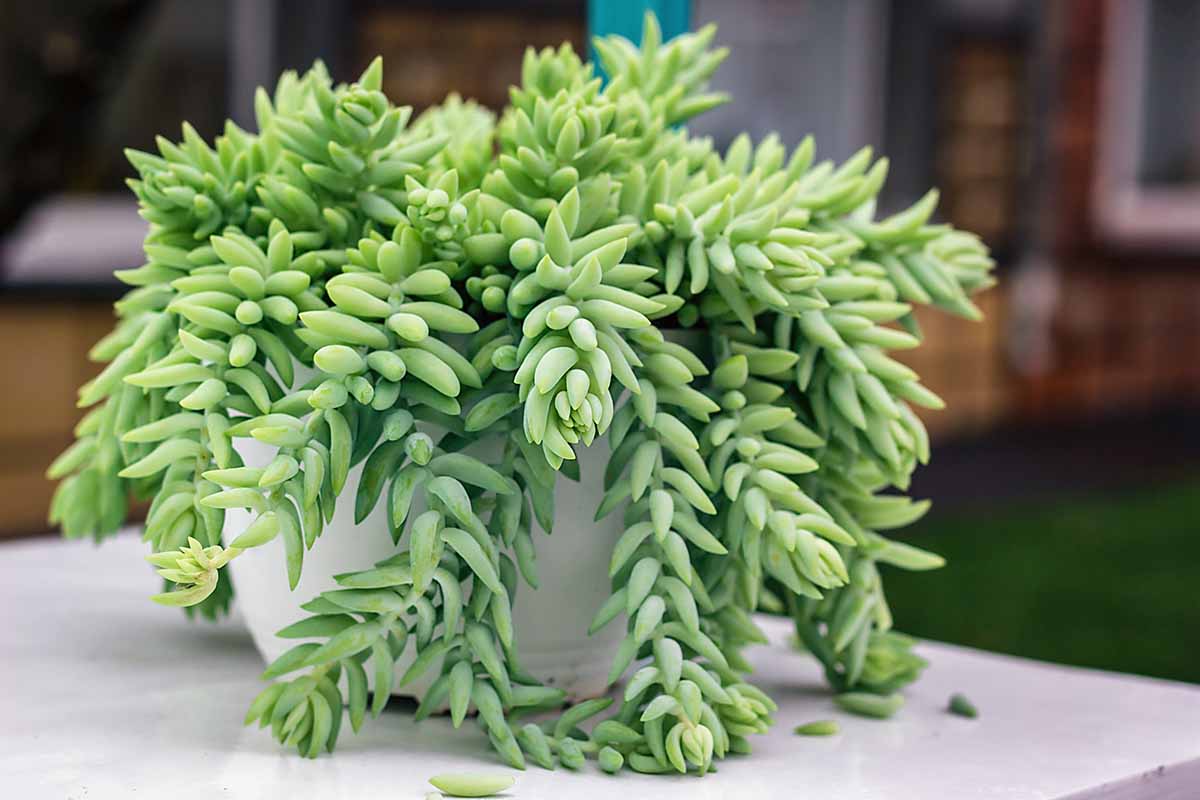
9. Burro’s Tail (Sedum morganianum) – The Plump Perfection 🫏💙
Those chubby, overlapping blue-gray leaves trailing up to 3 feet – pure succulent poetry.
Often confused with String of Pearls, but Burro’s Tail has longer, pointed “tails” that look incredible in terra cotta hangers.
Fragility warning: Leaves detach easily (hence the “burro’s tail” nickname when they drop), so place it where it won’t be bumped.
My success formula: Maximum bright light, minimal water, and zero handling once established.
Bonus: Rare pink flowers in summer if conditions are perfect!
10. Hoya Compacta (Hindu Rope Plant) – The Twisted Beauty 🪢🌸
The most unique texture on this list – tightly curled, rope-like vines with waxy leaves that can trail 6+ feet.
When mature, it rewards you with clusters of fragrant, star-shaped pink flowers that smell like chocolate (yes, really!).
Slower grower but worth the wait – mine took 3 years to bloom but now flowers twice yearly.
- Bright indirect light (east window perfect)
- Let soil dry completely between waterings
- Cool winter temperatures (55–65°F) trigger buds
- Use orchid bark mix for best drainage
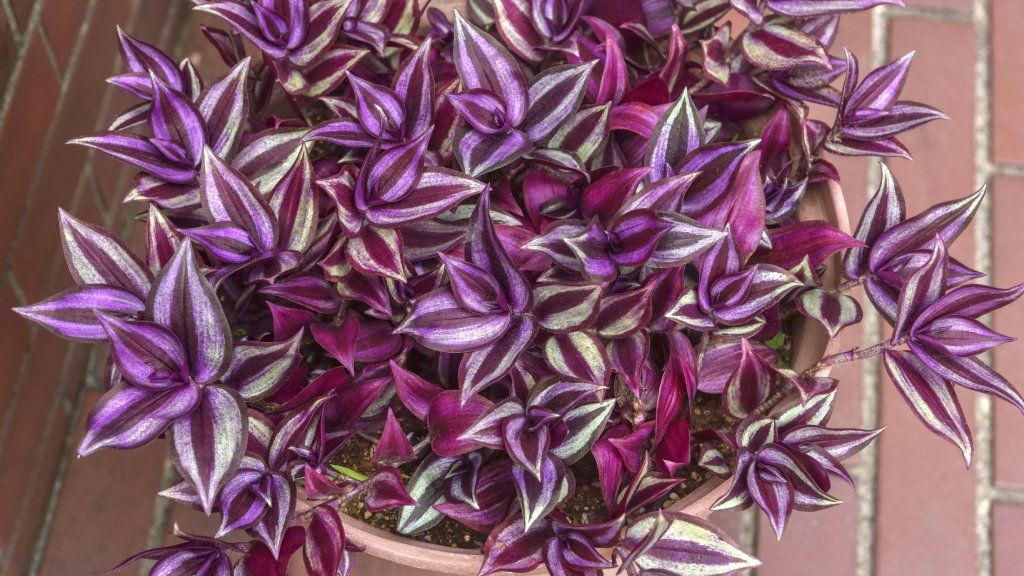
11. Tradescantia Zebrina (Inch Plant) – The Purple Powerhouse 🦓💜
Electric purple and silver stripes that practically glow – this is the fastest-growing trailer on the list (inches per week in good conditions!).
Perfect for filling space quickly and adding bold color contrast.
2026 trend: Mixing with pink syngoniums for stunning rainbow cascades.
Reversion fix: If it starts turning all green, cut back to a variegated node – new growth will restore the stripes.
Super easy propagation: 4-inch stem in water roots in 5–7 days.
12. Peacock Plant (Calathea makoyana) – The Patterned Showstopper 🦚🌿
While most Calatheas are upright, certain varieties and mature specimens of the Peacock Plant develop a gentle arching or trailing habit when placed on shelves or in hanging baskets – making it a surprising but stunning addition to cascading displays in 2026.
The translucent leaves with intricate peacock-feather patterns (dark green ovals outlined in silver on top, burgundy underneath) fold up at night in prayer-like movement – pure living art.
Higher maintenance, but the visual payoff is unmatched for sophisticated interiors.
My expert care routine after years of trial and error:
- Bright indirect light only (no direct sun – burns patterns instantly)
- Consistently moist but never soggy soil (use distilled water to prevent leaf edges browning)
- 60–80% humidity (essential – grow in a terrarium or bathroom for best results)
- Fertilize monthly spring through fall with diluted balanced formula
Pro styling tip: Pair with plain green trailers like pothos for dramatic contrast.

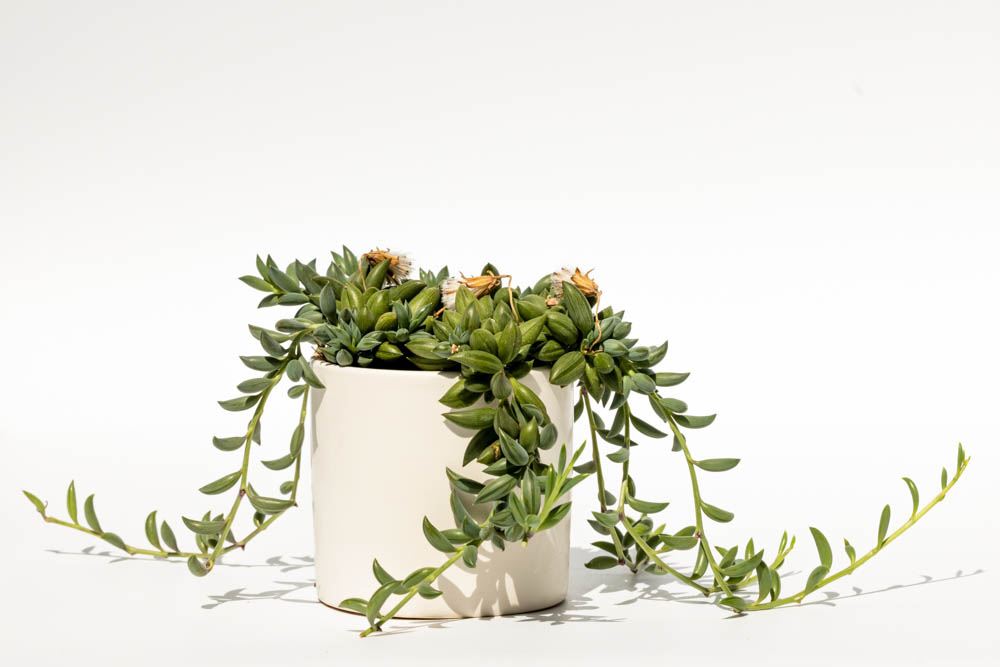
13. String of Bananas (Senecio radicans) – The Playful Succulent 🍌😄
The cheeky cousin to String of Pearls – banana-shaped leaves that curve upward like tiny green fruits on long, cascading stems.
Faster growing and more forgiving than Pearls, with trails reaching 3–6 feet easily.
2026 favorite: The glaucous blue-green foliage looks incredible against terracotta or white pots.
Sunburn prevention: Gradually acclimate to brighter light – sudden moves cause shriveled “bananas.”
My propagation trick: Stick cuttings directly into dry soil – they root faster with less rot risk.
14. Lipstick Plant (Aeschynanthus radicans) – The Blooming Beauty 💄🌺
Bright red tubular flowers emerging from dark maroon “lipstick tubes” – hence the name. This trailing gesneriad (African violet relative) brings rare, vibrant color to hanging houseplants.
In 2026, compact trailing varieties like ‘Curly’ (twisted leaves) and ‘Rasta’ (curly red blooms) are everywhere.
Encouraging blooms indoors (my proven method):
- Bright indirect to direct morning light
- Allow soil to dry slightly between waterings
- High humidity and warm temperatures (65–80°F)
- Reduce watering and add phosphorus-rich fertilizer in fall to trigger buds
Trail length: Up to 3 feet with glossy green leaves year-round.

15. Marble Queen Pothos (Epipremnum aureum ‘Marble Queen’) – The Elegant Finale 👑✨
We started with Golden Pothos and end with its sophisticated sister – heavily variegated creamy white and green leaves that demand attention.
Slower growing than standard pothos (due to less chlorophyll), but the marble patterns create ethereal, almost glowing cascades.
Why it made #15: The ultimate luxury trailer for bright spaces in 2026.
Bright light needs: South or west window essential to maintain variegation – low light causes reversion to green.
My maintenance hack: Supplement with grow lights during short winter days to keep those white sections pristine.

Comparison Table: Quick-Reference Guide 📊
| Plant | Light Needs | Water Frequency | Pet Safe? | Growth Speed | Max Trail Length | Beginner Friendly? |
|---|---|---|---|---|---|---|
| 1. Golden Pothos | Low to Bright | Every 1–2 weeks | No | Very Fast | 10+ ft | Yes |
| 2. Heartleaf Philodendron | Low to Medium | Every 1 week | No | Fast | 10+ ft | Yes |
| 3. String of Hearts | Bright Indirect | Every 2–3 weeks | Yes | Medium | 3–5 ft | Yes |
| 4. String of Pearls | Bright | Every 2–3 weeks | No | Medium | 3–4 ft | Moderate |
| 5. Trailing Jade | Bright to Full Sun | Every 3–4 weeks | Yes | Medium | 4–6 ft | Yes |
| 6. Spider Plant | Medium to Bright | Every 1 week | Yes | Fast | 3–5 ft | Yes |
| 7. English Ivy | Low to Bright | Every 1 week | No | Fast | 6–8 ft | Yes |
| 8. Arrowhead Plant | Medium to Bright | Every 1 week | No | Fast | 4–6 ft | Yes |
| 9. Burro’s Tail | Bright to Full Sun | Every 3 weeks | No | Slow | 3–4 ft | Moderate |
| 10. Hoya Compacta | Bright Indirect | Every 2 weeks | Yes | Slow | 6+ ft | Moderate |
| 11. Tradescantia Zebrina | Medium to Bright | Every 5–7 days | No | Very Fast | 3–5 ft | Yes |
| 12. Peacock Plant | Bright Indirect | Keep Moist | Yes | Slow | 2–3 ft (arching) | No |
| 13. String of Bananas | Bright | Every 2–3 weeks | No | Fast | 4–6 ft | Yes |
| 14. Lipstick Plant | Bright | Every 1–2 weeks | Yes | Medium | 3 ft | Moderate |
| 15. Marble Queen Pothos | Bright | Every 1–2 weeks | No | Medium | 8–10 ft | Yes |
Expert Tips for Growing Stunning Cascading Displays 🌱
Choosing the Right Hanging or Shelf Location 🏡
Place high-traffic trailers (pothos, philodendron) in lower light corners, reserve bright windows for succulents and variegated varieties. Measure drop distance – aim for trails to end 1–2 feet above furniture for safety and drama.
Best Pots, Soil Mixes & Drainage Secrets 🪴
Always choose pots with drainage holes. For vining plants: Use lightweight plastic or fiberglass for heavy trailers. My custom mix: 50% potting soil, 30% perlite, 20% orchid bark for perfect aeration.
Propagation Masterclass – Multiply Your Collection for Free ✂️
Most of these root in water (change weekly) or directly in soil. Best time: Spring/early summer. Bonus: Use cinnamon powder on cuts to prevent rot.
Styling Ideas for Every Aesthetic 🎨
- Boho: Macramé hangers with string succulents + tradescantia
- Modern Minimalist: White ceramic shelves with Marble Queen + Hoya
- Jungle Maximalist: Mix 5+ varieties on one tall plant stand
Seasonal Care Adjustments for 2026 ❄️☀️
Winter: Reduce watering 30%, add humidity trays, avoid cold drafts. Summer: Increase watering, move sensitive plants from hot windows, watch for pests.
Common Trailing Plant Problems & How to Fix Them Fast 🚑
- Yellow leaves → Overwatering or poor drainage
- Leggy growth → Not enough light – move closer to window
- Brown tips → Low humidity or fluoride in tap water (switch to filtered)
- No growth → Root bound – repot in spring
Pet-Safe vs. Toxic Trailing Plants: What Every Pet Owner Needs to Know 🐾❤️
Pet-Safe Winners: Spider Plant, String of Hearts, Trailing Jade, Hoya Compacta, Peacock Plant, Lipstick Plant
Keep Out of Reach (Toxic if Ingested): All Pothos/Philodendrons, String of Pearls/Bananas, Burro’s Tail, English Ivy, Tradescantia, Arrowhead
ASPCA-approved – mild stomach upset at worst for most, but better safe than sorry.
Where to Buy the Best Trailing House Plants in 2026 🛒
Trusted sources I personally recommend:
- Etsy for rare variegated cuttings
- Local specialty nurseries for healthy established plants
- Online: The Sill, Bloomscape, or Leaf & Clay for guaranteed arrivals
- Big box: Home Depot/Lowe’s often have excellent pothos and spider plants
Tip: Inspect for pests and firm stems before buying.
FAQs – Your Top Trailing House Plant Questions Answered ❓
What are the easiest trailing house plants for beginners? Golden Pothos, Spider Plant, and Heartleaf Philodendron – nearly impossible to kill!
How long do trailing plants take to cascade beautifully? Fast growers (pothos, tradescantia): 6–12 months for 3+ feet. Slower (hoyas, succulents): 18–24 months.
Can trailing plants grow in low light? Yes! Pothos, philodendrons, and English Ivy thrive in north-facing windows.
How often should I fertilize trailing house plants? Monthly during growing season (March–September) with half-strength balanced fertilizer.
Why are my trailing plant leaves turning yellow? Usually overwatering – let soil dry more between waterings and check drainage.
Best trailing plants for bathrooms? Arrowhead, Lipstick Plant, and Peacock Plant love the humidity!
How to encourage fuller, bushier growth? Pinch tips regularly and provide adequate light.
Conclusion 🌿✨
There you have it – the definitive guide to the 15 best trailing house plants that will turn your home into a breathtaking indoor oasis in 2026.
Whether you start with an unkillable pothos or dive into the drama of a blooming lipstick plant, these cascading beauties will bring life, texture, and joy to every corner of your space.
Pick 2–3 favorites from this list, follow the care tips, and watch your home transform. I can’t wait to see your cascading masterpieces – tag your photos or share in the comments below!
Happy growing! 🪴💚











