
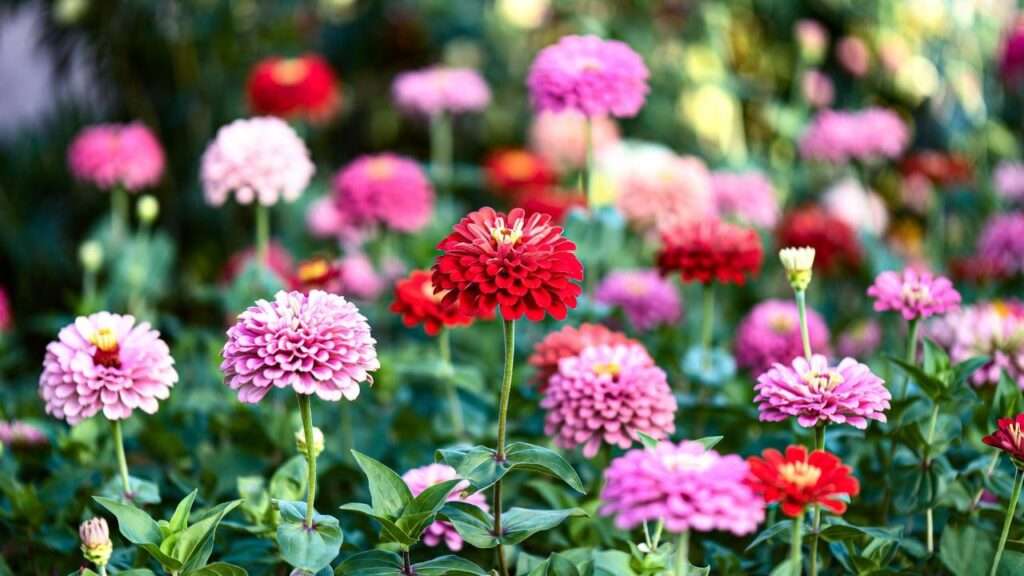
Picture this: Your garden bursting with towering, vibrant flowers the size of dinner plates, drawing in butterflies and turning heads with their bold colors. These aren’t ordinary zinnias—these are Benary Giant Zinnia plants, the undisputed champions of cut-flower gardens. Known for their massive, fully double blooms up to 6 inches across, exceptional disease resistance, and long, sturdy stems perfect for bouquets, Benary Giants deliver show-stopping results that make even novice gardeners look like pros 🌷.
If you’ve struggled with smaller blooms, powdery mildew-riddled plants, or zinnias that flop over in the heat, this guide is your solution. As a seasoned plant care expert with years of hands-on experience growing thousands of zinnias—including the premium Benary series—I’ll walk you through every step to achieve prolific, massive blooms all summer long. Whether you’re gardening for personal joy, pollinator support, or fresh-cut arrangements, mastering Benary Giant Zinnia plants will transform your space into a floral paradise. Let’s dive in! ✨

What Makes Benary Giant Zinnias So Special? ✨
Why Choose Benary Giant Zinnia Plants Over Other Varieties?
Benary Giant Zinnias (Zinnia elegans ‘Benary’s Giant’ series) stand head and shoulders above standard zinnias, earning top honors from the Association of Specialty Cut Flower Growers (ASCFG) as their first-ever Cut Flower of the Year in 1999. Developed by the historic German seed company Ernst Benary, this series was bred specifically for professional growers but performs brilliantly in home gardens too.
Superior Bloom Size and Quality 🌷
These zinnias produce dahlia-like, fully double flowers measuring 4-6 inches in diameter—true “giants” compared to many varieties that top out at 2-3 inches. The petals are densely packed, creating a lush, rounded form that holds up beautifully in rain and heat.
Exceptional Disease Resistance (Especially to Powdery Mildew)
One of the biggest frustrations with zinnias is powdery mildew, which can defoliate plants by late summer. Benary Giants have significantly higher tolerance than older varieties like ‘State Fair’ or ‘California Giants’, thanks to careful breeding. In trials and grower feedback, they consistently show low susceptibility, keeping foliage clean longer.
Long, Sturdy Stems Ideal for Cutting
Stems grow 36-48 inches tall (often 3-4 feet in optimal conditions), thick and strong to support those heavy blooms without bending. This makes them ideal for vases—they won’t droop like weaker varieties.
Vibrant Color Range and Pollinator Appeal 🦋
Available in a stunning palette: deep red, bright pink, coral, golden yellow, lime, wine, purple, scarlet, salmon rose, orange, carmine rose, and pure white. The vivid, uniform colors mix beautifully, and the nectar-rich blooms attract butterflies, bees, hummingbirds, and beneficial insects all season.
Expert Insight: In my experience and backed by ASCFG recommendations, Benary Giants outperform in vigor, uniformity, and productivity across USDA zones 3-10 as annuals. They’re heat-tolerant, drought-resistant once established, and deer/rabbit resistant too!
Getting Started: Planting Your Benary Giant Zinnias 🌱
When and Where to Plant for Best Results
Benary Giants thrive in warm weather—wait until soil temperatures reach 70-80°F (21-26°C) for germination. They’re frost-tender annuals, so plant after your last spring frost date.
Ideal Timing (Direct Sow vs. Starting Indoors)
- Direct Sowing: Easiest for beginners. Sow seeds outdoors 2-4 weeks after last frost when nights stay above 60°F.
- Indoor Starting: For earlier blooms in short seasons, start seeds 4-6 weeks before last frost.
Climate Considerations and Hardiness Zones
Best as annuals in zones 2-11. In hot climates (zones 9-11), they bloom from spring through fall; in cooler areas, succession planting extends the season.
Soil Preparation: The Foundation for Massive Blooms
Zinnias aren’t fussy but perform best in well-draining soil to prevent root rot.
Optimal Soil Type, pH, and Drainage
Prefer loamy or sandy soil with pH 5.8-6.2. Good drainage is crucial—avoid heavy clay without amendments.
Amending with Compost and Fertilizer
Incorporate 2-3 inches of compost or aged manure before planting for nutrients and structure. Add a balanced slow-release fertilizer (e.g., 10-10-10) at planting time.
Tip: Test your soil! If it’s poor, raised beds or containers work wonders 💧.

Step-by-Step Growing Guide 🛠️
Starting from Seed: Indoor vs. Direct Sowing 🌱
Benary Giant Zinnia seeds are easy to germinate, with rates often exceeding 90% when conditions are right. Seeds are flat and arrow-shaped—plant them pointed end down for best emergence.
Indoor Seed Starting (4-6 Weeks Before Last Frost)
For a head start, especially in cooler climates, sow indoors under lights or in a sunny window.
- Use seed-starting mix in trays or cells.
- Sow seeds ¼ inch deep, 2-3 per cell.
- Keep soil moist at 70-75°F (21-24°C).
- Germination occurs in 5-10 days.
Pro Tip: Use a heat mat for faster, more uniform germination 🔥. Once seedlings have 2-3 true leaves, thin to one per cell.
Direct Sowing After Danger of Frost
In warmer regions, direct sowing is simplest and produces sturdy plants.
- Prepare bed by loosening soil and removing weeds.
- Sow seeds ¼ inch deep, 3-4 inches apart in rows or blocks.
- Water gently and keep moist until germination.
- Thin seedlings to final spacing when 2-3 inches tall.
Direct-sown zinnias often develop stronger root systems and suffer less transplant shock.
Transplanting Seedlings Successfully 🌿
Transplanting requires care to avoid stressing delicate roots.
Hardening Off and Spacing (9-12 Inches Apart)
- Harden off seedlings over 7-10 days: Start with 1-2 hours outdoors in shade, gradually increasing sun and time.
- Plant on a cloudy day or evening to reduce wilting.
- Space 9-12 inches apart for good airflow (critical for disease prevention); closer for borders, wider for cut flowers.
Pinching for Bushier Plants and More Blooms ✂️
Pinching is the secret to prolific branching and dozens more flowers per plant.
- When seedlings reach 8-12 inches tall with 4-6 sets of leaves, pinch out the central growing tip just above a leaf node.
- This encourages side shoots, resulting in 3-5 strong stems instead of one tall, lanky one.
- Repeat on side shoots if desired for even bushier plants.
Expert Insight: In my trials, pinched Benary Giants produce 2-3 times more blooms than unpinched ones, with stronger stems for cutting.

Sunlight, Watering, and Fertilizing Essentials ☀️
Full Sun Requirements (6-8 Hours Minimum)
Benary Giants demand full sun—less than 6 hours results in weak stems, fewer blooms, and higher disease risk. Morning sun with afternoon shade works in extreme heat zones.
Watering Best Practices (Deep, Infrequent; Avoid Overhead)
- Water deeply at the base 1-2 times per week, providing 1 inch total (including rain).
- Allow soil to dry slightly between waterings to encourage deep roots.
- Avoid wetting foliage—this is key to preventing fungal issues like powdery mildew.
In hot weather, mulch with straw or shredded bark to retain moisture and keep roots cool.

Fertilizer Schedule for Strong Stems and Abundant Flowers
- At planting: Incorporate a balanced organic fertilizer.
- Side-dress with nitrogen-rich fertilizer (e.g., fish emulsion) when pinching.
- Switch to bloom-booster (higher phosphorus) once buds form.
- Avoid excess nitrogen late-season—it promotes foliage over flowers.
Tip: Compost tea every 2-3 weeks provides gentle, steady nutrition without burn risk.
Ongoing Care for Prolific Blooming 🌼
Deadheading and Pruning Tips ✂️
The absolute key to non-stop blooms from July until frost? Regular deadheading. Benary Giant Zinnias are “cut-and-come-again” flowers— the more you harvest, the more they produce.
How Regular Cutting Encourages Non-Stop Blooms
- Cut stems when blooms are 50-70% open (outer petals fully expanded, center just starting to show).
- Use sharp, clean shears and cut above a leaf node or side shoot.
- Remove spent flowers weekly, even if you don’t need them for arrangements—preventing seed formation redirects energy to new buds.
In my experience growing acres of cut flowers, consistent harvesting can double or triple total bloom count per plant. One Benary Giant can yield 20-50 premium stems over the season with proper care!

Supporting Tall Plants 🛡️
At 3-4 feet tall with heavy blooms, Benary Giants can flop in wind or rain without support—especially after pinching creates multiple heavy stems.
Staking and Netting for Wind Protection
- Individual stakes: Use bamboo or metal stakes with soft ties for single plants.
- Horizontal netting: The professional choice—install horticultural support netting (like Hortonova) at 12-18 inches above ground when plants are young. As they grow through the mesh, it holds stems upright naturally.
- Corral method: Surround beds with corner posts and twine for a simple fence-like support.
Pro Tip: Install supports early (when plants are 12-18 inches) to avoid damaging roots later.

Companion Planting Ideas 🐝
Benary Giants play well with others! Strategic companions boost pollination, deter pests, and create stunning displays.
- Pair with cosmos, sunflowers, or dahlias for a classic cut-flower bed.
- Plant near vegetables like tomatoes or cucumbers—zinnias attract pollinators and beneficial insects.
- Marigolds or nasturtiums nearby help repel some pests naturally.
These vibrant annuals make excellent companions for pollinator gardens, supporting bees, butterflies, and hummingbirds while adding height and color.
Troubleshooting Common Issues 🛡️
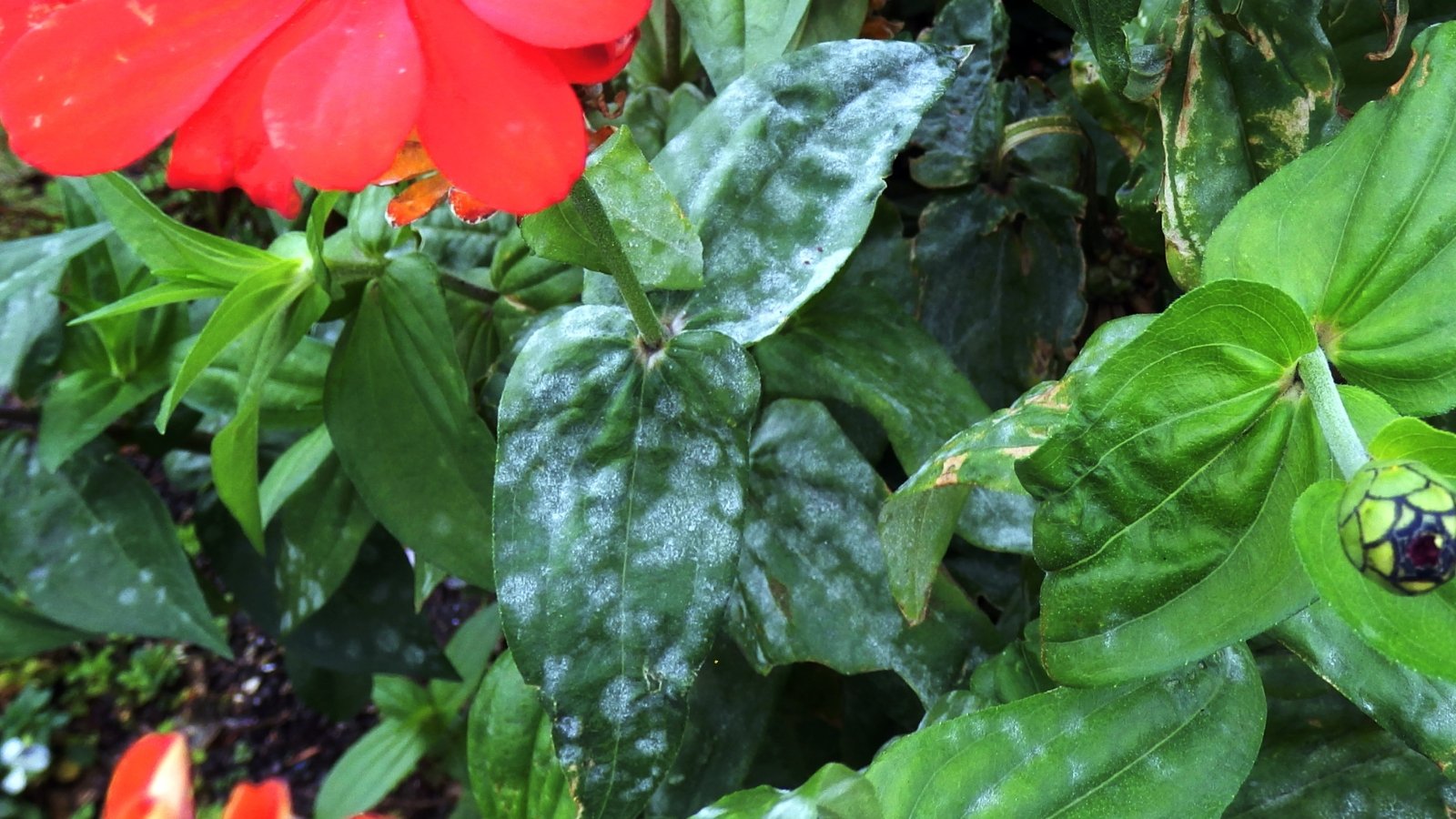
Preventing and Managing Powdery Mildew
Even though Benary Giants are bred for superior resistance, late-season humidity can still bring powdery mildew in some regions.
Why Benary Giants Are More Resistant
Their breeding includes tolerance genes that delay or reduce infection compared to heirloom varieties.
Cultural Controls: Spacing, Airflow, and Watering
Prevention is 90% of the battle:
- Space properly (9-12 inches) for airflow.
- Water at base only—never overhead.
- Plant in full sun and avoid overcrowding.
Organic Treatments If Needed
If spots appear (white powdery coating on leaves):
- Mix 1 tbsp baking soda + ½ tsp liquid soap + 1 gallon water; spray weekly.
- Neem oil or sulfur-based fungicides (organic-approved) at first signs.
- Remove heavily affected leaves and destroy (don’t compost).
Expert Tip: In 10+ years of growing, I’ve rarely needed sprays on Benary Giants when cultural practices are followed.
Other Potential Pests and Problems
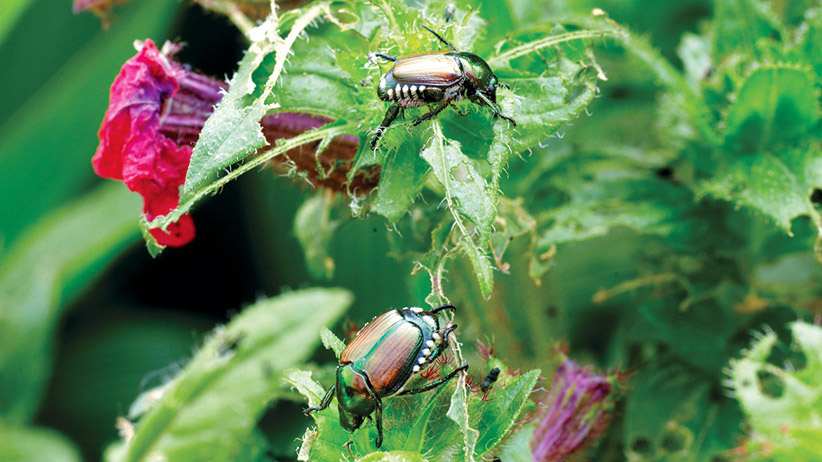
Japanese Beetles, Aphids, and Leafhoppers
- Japanese beetles: Hand-pick early morning into soapy water; use row covers or neem for heavy infestations.
- Aphids: Blast with water hose; introduce ladybugs or use insecticidal soap.
- Leafhoppers: Less common, but yellow sticky traps help monitor.
Signs of Overwatering or Nutrient Deficiencies
- Yellow lower leaves: Often overwatering or poor drainage.
- Stunted growth/pale leaves: Nitrogen deficiency—side-dress with organic fertilizer.
- Purple-tinged leaves: Phosphorus shortage, especially in cool soil.
Early detection keeps plants thriving—scout weekly!
Harvesting and Enjoying Your Blooms ✂️🌸
How to Cut Benary Giant Zinnias for Longest Vase Life
These are premier cut flowers—proper harvesting technique ensures 7-10 days (or more) of vase life.
Best Time to Harvest and Cutting Techniques
- Cut early morning or evening when plants are hydrated.
- Choose stems with flowers just beginning to open (tight centers last longer).
- Cut deep—long stems encourage stronger regrowth.
Vase Care Tips for 7-10 Days of Freshness
- Recut stems underwater at 45° angle.
- Strip lower leaves below water line.
- Use flower preservative or homemade solution (1 tsp sugar + few drops bleach per quart water).
- Change water every 2 days.
Creative Uses: Bouquets, Arrangements, and Dried Flowers
Benary Giants shine in mixed bouquets—pair with dahlias, cosmos, or greenery for farmhouse charm. They also dry beautifully: Hang upside down in dark, airy space for everlasting arrangements.

Advanced Tips from Experienced Growers 👩🌾
Succession Planting for Continuous Blooms 🌻
To enjoy fresh Benary Giant Zinnia blooms from early summer until the first hard frost, use succession planting—the professional grower’s secret for non-stop color and cuts.
- Sow or transplant a new batch every 2-3 weeks from late spring through mid-summer.
- In most climates, 3-4 successions ensure peak production in August-September when many other flowers fade.
- Stagger varieties by color or height for ongoing visual interest.
Expert Insight: In my cut-flower operation, succession planting Benary Giants extends the harvest window by 6-8 weeks, providing consistent bouquets for markets and personal enjoyment.
Growing in Containers or Raised Beds 🪴
Short on space? Benary Giants excel in containers and raised beds.
- Choose pots at least 12-18 inches deep and wide with excellent drainage.
- Use high-quality potting mix amended with compost.
- One plant per 5-gallon pot or 3 per large trough for dramatic displays.
- Water and fertilize more frequently—containers dry out faster.
Raised beds offer superior drainage and soil control, ideal for heavy clay areas. They also warm up faster in spring, giving you an earlier start.
Overwintering Strategies (As Annuals) and Seed Saving 🌰
Benary Giants are tender annuals and won’t survive freezing winters, but you can save seeds for next year.
- Allow a few blooms to fully mature and dry on the plant.
- Harvest seed heads when brown and brittle.
- Dry further indoors, then store in a cool, dark place.
- Viability remains high for 3-5 years.
Note: Benary’s Giant is an F1 hybrid series, so saved seeds may not come 100% true to type (some variation in color or form), but they’re still beautiful and worth growing!
Frequently Asked Questions (FAQs) ❓
What is the best spacing for Benary Giant Zinnia plants? 9-12 inches apart. Closer spacing creates fuller borders but increases disease risk; wider spacing improves airflow and yields longer stems for cutting.
How tall do Benary Giant Zinnias grow? Typically 36-48 inches (3-4 feet) in good conditions, though exceptional fertility and heat can push them to 5 feet.
Are Benary Giant Zinnias deer-resistant? Moderately yes—deer usually avoid the coarse foliage, especially when tastier options are available. In high-pressure areas, use repellents or fencing.
Can I grow them in pots? Absolutely! Use large containers (minimum 5 gallons) and provide consistent water and fertilizer for stunning patio displays.
Why are my zinnias not blooming massively? Common causes: insufficient sun, overcrowding, lack of pinching, excess nitrogen, or inconsistent deadheading. Address these for explosive bloom production.
How do I prevent powdery mildew entirely? Focus on prevention: full sun, proper spacing, base watering, good airflow, and choosing resistant varieties like Benary Giants. These steps eliminate 95% of issues.
Conclusion: Start Your Benary Giant Zinnia Journey Today! 🚀
You’ve now got everything you need to grow the most stunning Benary Giant Zinnia plants imaginable—from seed selection and soil prep to harvesting armfuls of massive, vibrant blooms. These reliable, high-performing beauties reward even minimal effort with months of color, pollinator activity, and endless cut flowers that brighten any space 🌸.
Whether you’re a beginner dreaming of your first bouquet or a seasoned gardener seeking the ultimate cut-flower zinnia, Benary Giants deliver unmatched performance. Order seeds this winter, plan your successions, and get ready for a summer filled with jaw-dropping floral fireworks.
Happy gardening—your garden (and vases) will thank you! 🌻✨











