
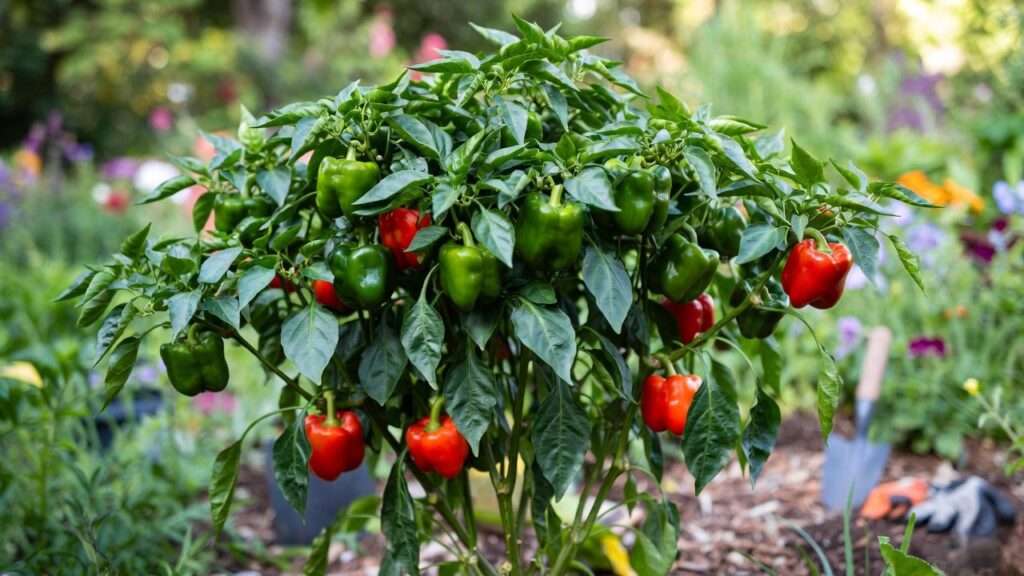
Imagine stepping into your garden on a warm summer day and picking handfuls of crisp, thick-walled bell peppers—vibrant green or fully ripened to a deep, glossy red—straight from your own plants. No more settling for thin, flavorless store-bought peppers! The California Wonder pepper plant has been a gardener’s favorite for nearly a century, delivering reliable, juicy, sweet bells perfect for stuffing, salads, or roasting. If you’ve ever struggled with pepper plants that produce small fruits, drop blossoms, or succumb to pests, this ultimate guide is your solution. Drawing from proven horticultural practices and real-world grower experiences, we’ll walk you through every step to achieve a bountiful harvest of these heirloom gems. 🌱
Introduction: Why the California Wonder Pepper is a Garden Favorite 🏆
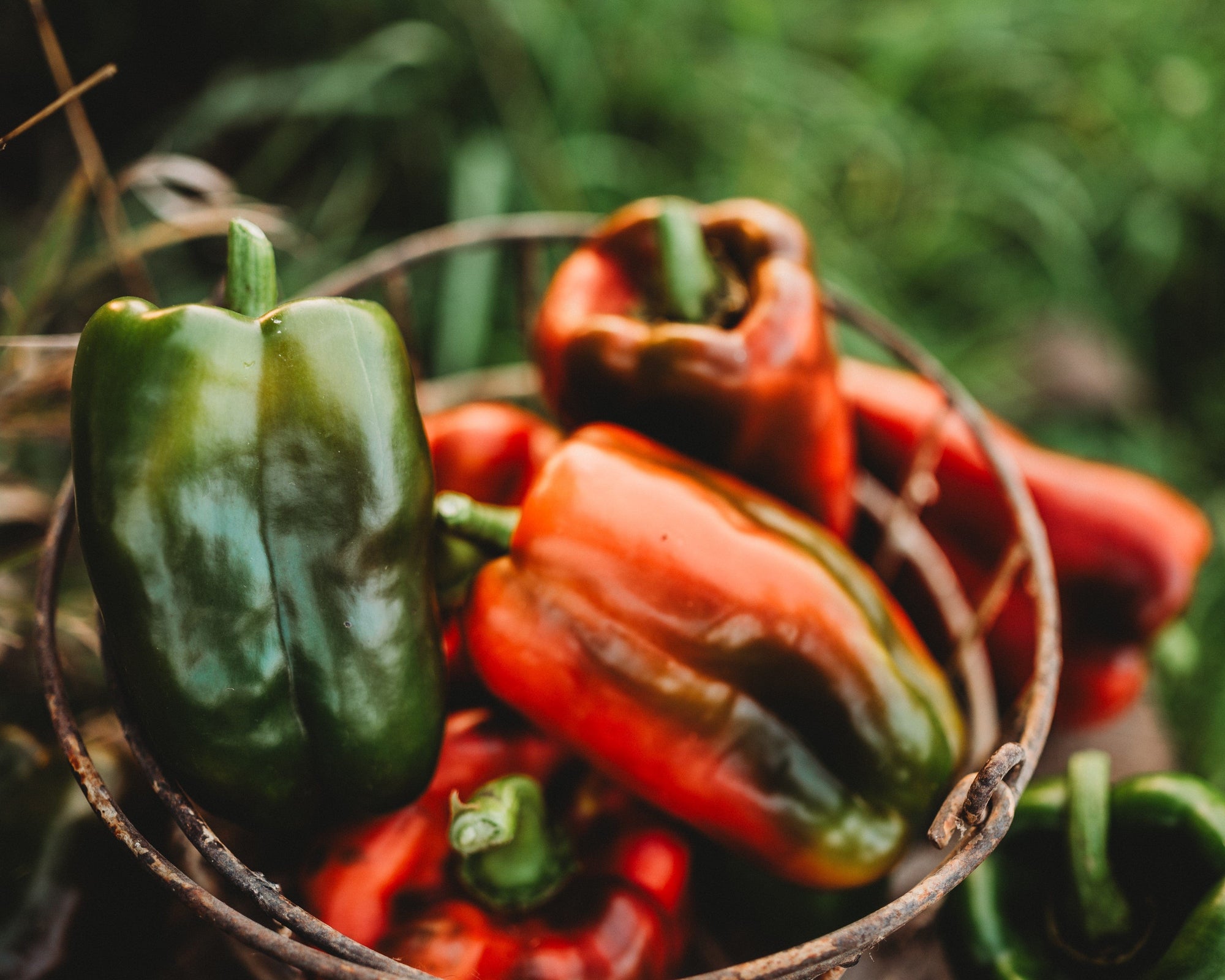
Many home gardeners face common frustrations: bell pepper plants that yield puny, bitter fruits or fail entirely due to inconsistent care, poor soil, or environmental stress. The California Wonder pepper plant (Capsicum annuum) solves these issues with its robust, dependable nature. Introduced in 1928 as an open-pollinated heirloom, this classic variety consistently produces large, blocky, 4-lobed bells measuring 4-5 inches across with thick, juicy walls ideal for fresh eating or cooking.
Packed with vitamins A and C, these sweet peppers (zero Scoville heat units) start deep green and ripen to brilliant red for even sweeter flavor. Whether you’re a beginner or seasoned grower, this guide—based on decades of agricultural research from sources like UC Davis and extension services—provides expert tips to help you grow healthy plants and harvest 10-20+ peppers per bush. Let’s turn your garden into a pepper paradise! 🍴
What is the California Wonder Pepper Plant? 📜
History and Origins
The California Wonder bell pepper traces its roots to the early 20th century, introduced in 1928 by a California seed company. It quickly became the standard for bell peppers in the U.S., prized for its large size, thick walls, and sweet taste. As an heirloom variety, it’s open-pollinated, meaning you can save seeds year after year for true-to-type plants. A tobacco mosaic virus (TMV)-resistant strain, like California Wonder 300 TMR, emerged later for added reliability.
Key Characteristics and Flavor Profile
California Wonder plants grow 18-30 inches tall on sturdy, upright bushes. Fruits are blocky, mostly 4-lobed, weighing 5-8 ounces each, with crisp, thick flesh (up to 1/4 inch walls). Green-stage peppers offer mild, grassy sweetness; fully red-ripe ones are juicier and sweeter. No heat—just pure bell pepper perfection for stuffing, grilling, or raw snacking.
Popular Variants (e.g., Golden, 300 TMR) and Differences 🆚
- Golden California Wonder: Ripens to vibrant yellow-gold; similar size and shape but with a slightly milder, fruitier taste.
- California Wonder 300 TMR: Enhanced TMV resistance; earlier maturity (65-75 days) for shorter seasons.
- Colored variants like Orange or Chocolate offer the same blocky form but ripen to unique hues with nuanced sweetness.
These variants maintain the original’s reliability while adding visual variety to your garden.
Getting Started: Starting California Wonder Peppers from Seed 🌱
Peppers have a long growing season (70-90 days to maturity), so starting indoors is essential in most climates.
When to Start Seeds Indoors (Timing Based on Your Zone)
Begin seeds 8-10 weeks before your last spring frost date. For USDA zones 3-8, that’s typically February-March. In warmer zones 9-11, start in late winter for summer harvests. Aim for transplanting when soil temps reach 65°F+.
Best Seed Starting Mix and Germination Tips (80-85°F Soil Temp) 🔥
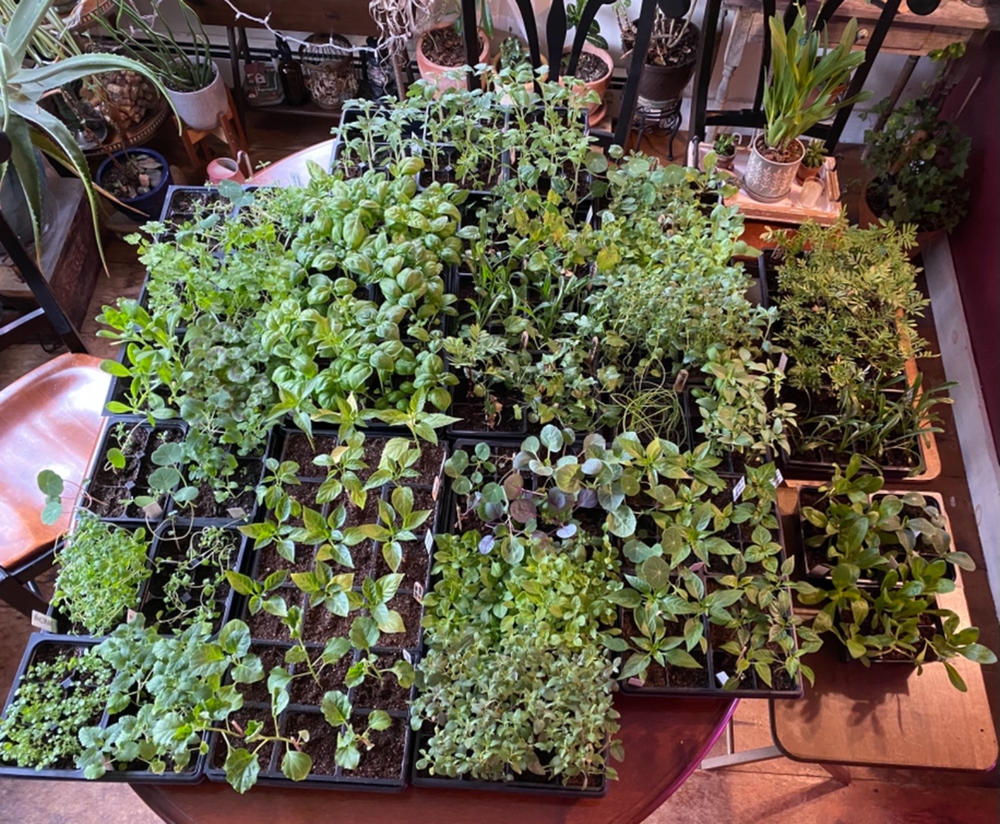
Use a sterile, well-draining seed-starting mix. Sow seeds ¼ inch deep, 2-3 per cell. Bottom heat (heat mat) at 80-85°F speeds germination (10-21 days). Cover trays with plastic to retain humidity. Once sprouted, provide 14-16 hours of bright light (grow lights 2-4 inches above seedlings).
Seedling Care: Light, Watering, and First Fertilization 💡
Keep soil moist but not soggy—water from below to prevent damping-off. After true leaves appear, fertilize weekly with diluted half-strength balanced fertilizer. Thin to strongest seedling per cell.
Hardening Off Seedlings for Outdoor Success
One week before transplanting, gradually expose seedlings to outdoor conditions: start with 1-2 hours shaded, increasing daily. This prevents shock and builds resilience.
Planting and Site Selection 🏡
Ideal Climate and USDA Zones
Thrives in zones 3-11 as an annual; perennial in frost-free areas. Prefers daytime temps 70-85°F; struggles above 90°F or below 55°F at night.
Sunlight Requirements: Full Sun vs. Afternoon Shade in Hot Climates ☀️
Full sun (6-8+ hours) is best, but provide light afternoon shade in extreme heat to prevent sunscald.
Soil Preparation: pH 6.0-6.8, Well-Draining Loamy Soil with Organic Amendments 🪴
Test soil; aim for pH 6.0-6.8. Amend with compost for nutrients and drainage. Avoid heavy clay—raised beds work wonders.
Spacing, Companion Planting, and Container Growing Tips (Minimum 5-Gallon Pots)
Space plants 18-24 inches apart in rows 24-36 inches wide. Companions: basil (repels pests), marigolds, onions. For containers: use 5-10 gallon pots with drainage; one plant per pot.
Ongoing Care for Healthy California Wonder Pepper Plants 💪
Consistent care is the secret to vigorous growth and heavy fruit set. California Wonder peppers thrive with attention to water, nutrients, and structure.

Watering Schedule: Deep, Consistent Moisture Without Soggy Roots 🚿
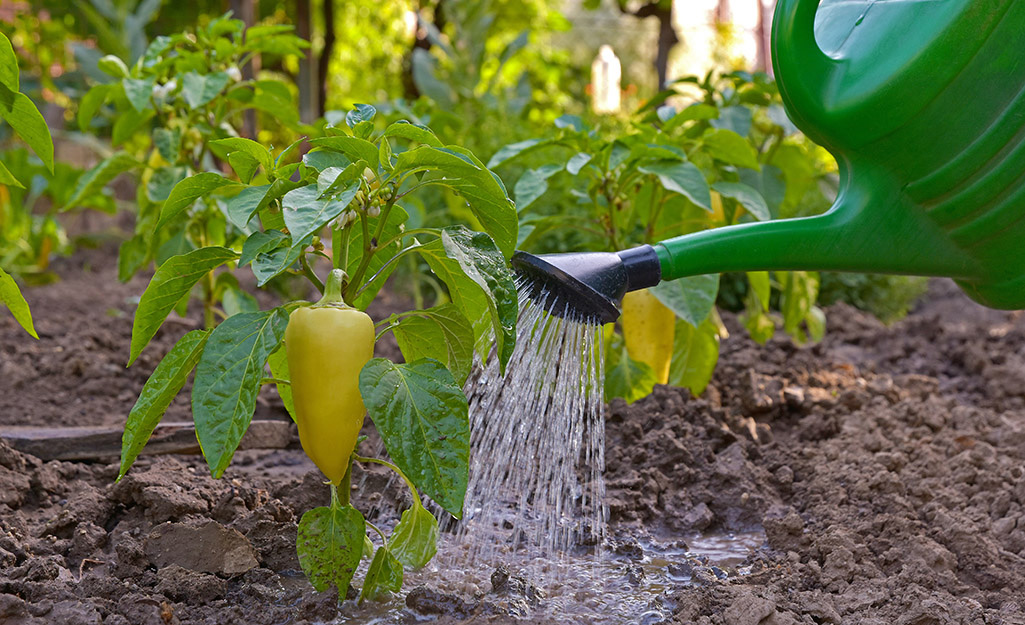
Peppers need about 1-2 inches of water per week, preferably deep and infrequent to encourage strong roots. Water at the base early in the morning to reduce evaporation and fungal risks. In hot weather, check soil daily—stick your finger 2 inches down; if dry, water thoroughly.
Inconsistent watering causes blossom drop or cracked fruits. Use drip irrigation or soaker hoses for efficiency. Container plants dry out faster, so monitor closely.
Fertilizing Guide: Best NPK Ratios, Organic Options, and Schedules
Start with compost-rich soil. At transplant, use a balanced fertilizer (e.g., 10-10-10). Once flowering begins, switch to higher phosphorus/potassium like 5-10-10 to boost fruiting.
Organic alternatives: fish emulsion, bone meal, or compost tea. Fertilize every 4-6 weeks; avoid high nitrogen late in season to prevent leafy growth over fruits.
| Growth Stage | Recommended NPK Ratio | Frequency | Notes |
|---|---|---|---|
| Seedling/Transplant | Balanced (10-10-10) | At planting & 2 weeks | Half-strength for young plants |
| Vegetative Growth | Higher Nitrogen (e.g., 10-5-5) | Every 3-4 weeks | Promotes strong stems |
| Flowering/Fruiting | Low N, High P/K (5-10-10) | Every 4 weeks | Encourages bigger peppers |
| Late Season | Potassium boost | As needed | Improves ripening & flavor |
Mulching Benefits: Moisture Retention and Weed Control
Apply 2-3 inches of organic mulch (straw, shredded leaves) around plants after soil warms. This conserves moisture, suppresses weeds, and regulates temperature.
Pruning and Pinching: Encouraging Bushier Plants and More Fruit ✂️
Pinch the top growth tip when seedlings reach 8-12 inches for bushier plants. Remove early flowers until plants are established (about 12-18 inches tall) for larger yields later.
Throughout season, prune suckers (shoots between main stem and branches) and inward-growing branches for better air circulation.
:strip_icc()/pruning-pepper-plants-7564223-06227768031a4e40877bad79919b2a4f.jpg)
Supporting Plants: Stakes or Cages for Heavy Yields
California Wonder bushes can topple under fruit weight. Install tomato cages or stakes at planting time. Tie stems loosely with soft ties as they grow.
Common Problems, Pests, and Diseases (And How to Fix Them) 🛡️
Even the hardy California Wonder faces challenges. Early detection is key—inspect plants weekly.
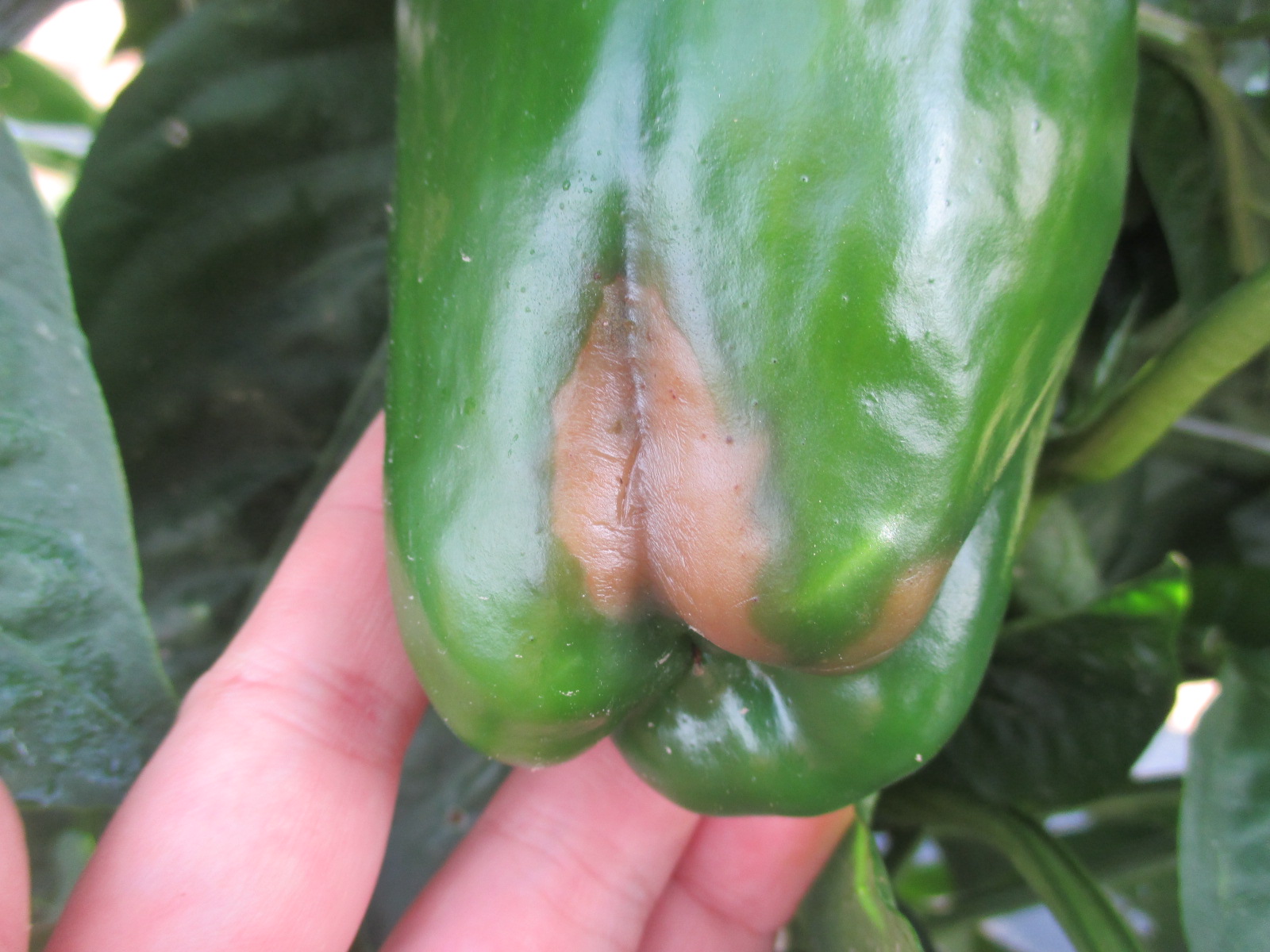
Identifying and Preventing Blossom Drop, Blossom End Rot, and Sunscald
- Blossom Drop: Caused by temperatures above 90°F or below 55°F, or water stress. Solution: Shade cloth in heat, consistent watering.
- Blossom End Rot: Calcium deficiency from uneven watering. Prevent with steady moisture and crushed eggshells or gypsum in soil.
- Sunscald: White, sunken patches on fruits from sudden sun exposure. Provide shade or gradually acclimate plants.
Top Pests: Aphids, Flea Beetles, Hornworms – Natural Controls 🐞
- Aphids: Clusters on new growth; blast with water or use insecticidal soap.
- Flea Beetles: Tiny holes in leaves; row covers early on, neem oil.
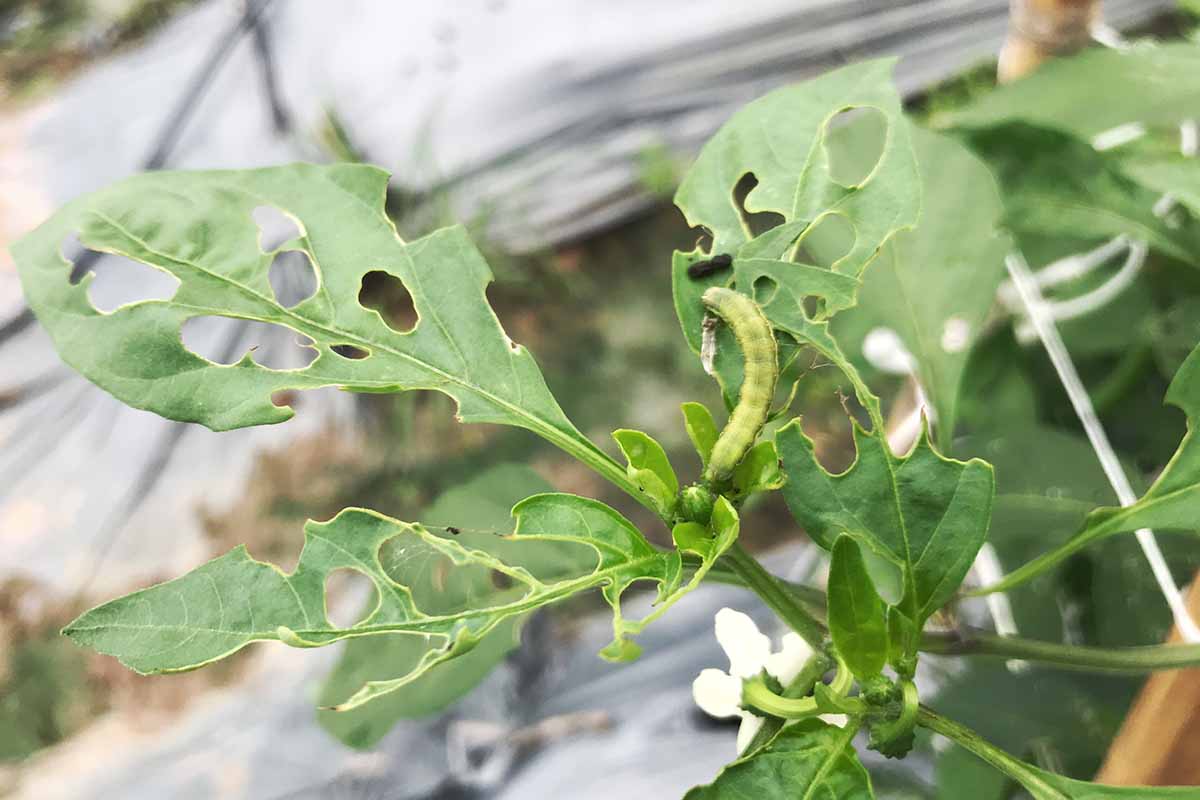
- Tomato Hornworms: Large green caterpillars; hand-pick or use Bt (Bacillus thuringiensis).
Diseases: Bacterial Spot, Mosaic Virus, Phytophthora – Prevention and Treatment
Rotate crops every 3 years. Use disease-free seeds. For bacterial spot (dark spots on leaves/fruits), copper fungicides. Mosaic virus: Remove infected plants. Phytophthora root rot: Improve drainage.
Expert Tip: Companion plant with basil or marigolds for natural deterrence.
Harvesting Your California Wonder Peppers: Timing for Peak Flavor 🍴
Patience pays off—proper harvesting encourages more production.
Green vs. Red Stage: When Sweetness Peaks
Harvest green at 70-80 days for crisp, mild flavor. Leave on plant longer (up to 90+ days) for full red ripening and maximum sweetness (vitamin boost too!).
How to Harvest Properly (Use Pruners!) 🔪
Cut peppers with ½-inch stem using sharp pruners—never pull to avoid branch damage. Regular picking stimulates more fruit set.
Yield Expectations: 10-20+ Peppers Per Plant
Well-cared plants yield 10-15 large bells; optimal conditions push 20+.
Storage and Preservation Tips: Fresh, Frozen, or Roasted
Store green peppers in fridge up to 2 weeks; red ripe shorter. Freeze sliced, or roast and can for winter use.

Advanced Tips for Maximum Yields and Year-After-Year Success 🚀
Overwintering in Cooler Climates
In zones 8 and below, dig up plants before frost, pot them, and bring indoors near sunny window. Prune lightly; they’ll fruit again next year.
Saving Seeds from Your Best Plants
Select fully ripe red peppers from healthiest plants. Ferment seeds 3-5 days, dry thoroughly, store cool/dark. Viability 2-5 years.
Container vs. In-Ground Comparison
Containers offer mobility but need more watering/fertilizing. In-ground yields bigger plants with less effort if soil is prepared.
Troubleshooting Low Yields: Common Causes and Fixes
Small fruits: Too much nitrogen or overcrowding. Bitter taste: Heat stress or irregular water. Fix with balanced care.
Frequently Asked Questions (FAQs) ❓
How long does it take for California Wonder peppers to turn red? 🔴 About 2-4 weeks after reaching full green size, depending on warmth and sunlight.
Can I grow them in pots? What’s the best size? Yes! Use at least 5-10 gallon pots with good drainage for optimal root space.
Why are my peppers small or bitter? Often due to stress—fix watering consistency, add mulch, and ensure full sun.
Are California Wonder peppers resistant to diseases? Moderately; TMR variants resist tobacco mosaic virus better.
Do they need pollination help? No—wind and bees handle it outdoors. Indoors, gently shake plants.
What’s the best temperature range? 70-85°F day; above 90°F causes issues.
How many plants for a family? 4-6 plants provide plenty for fresh eating and preserving.
Can I grow them hydroponically? Absolutely—excellent results with proper nutrient solutions.
Why are leaves curling? Aphids, mites, or environmental stress—inspect undersides.
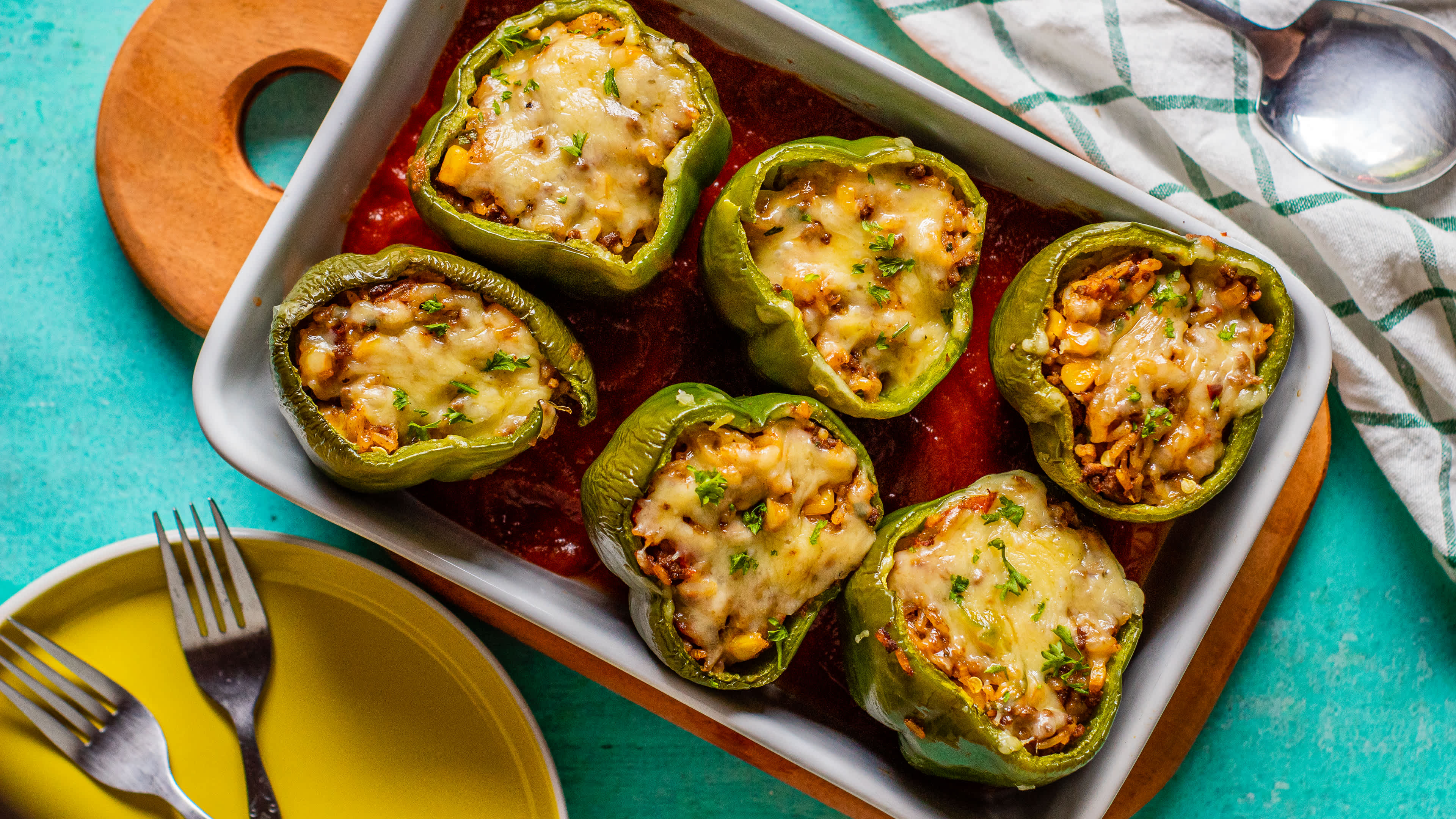
Best recipe ideas? Classic stuffed peppers, fajitas, or roasted red pepper soup!
Conclusion: Enjoy Your Homegrown Harvest! 🎉
Growing the California Wonder pepper plant rewards you with reliable, delicious bell peppers that outperform store-bought every time. By following this expert guide—from seed starting to harvest troubleshooting—you’re equipped for success, no matter your experience level.
Start planning your garden today, and soon you’ll be savoring stuffed peppers, fresh salads, or grilled slices straight from your backyard. Happy gardening—may your harvest be bountiful and your plants pest-free! 🌶️✨











