
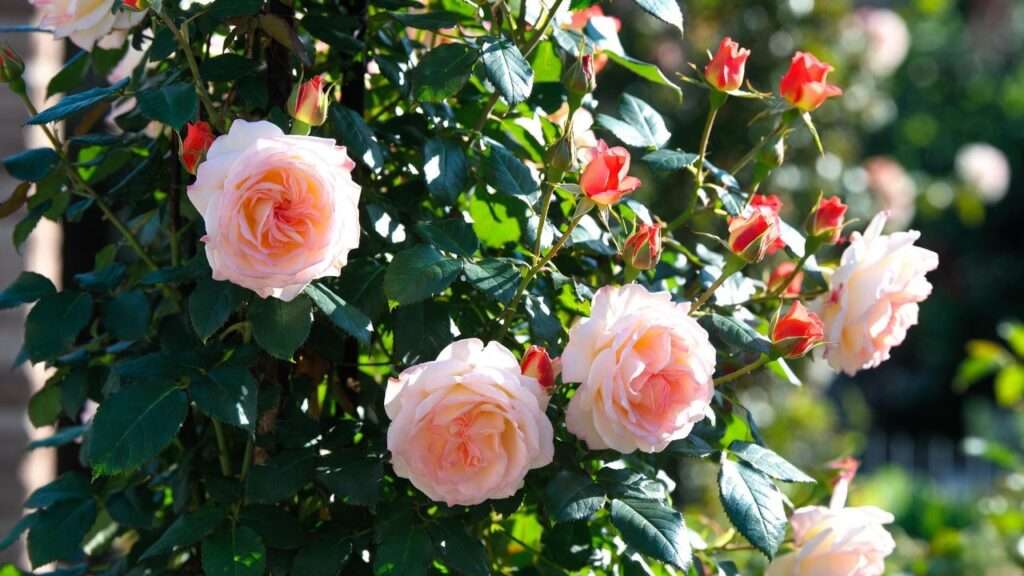
Imagine stepping into your garden on a warm summer morning and being enveloped by an intoxicating, spicy-sweet fragrance that stops you in your tracks. You follow the scent to a stunning bloom: creamy white petals edged in vibrant strawberry red, unfurling like a masterpiece. That’s the magic of the Double Delight rose plant – one of the most beloved hybrid tea roses ever bred. Introduced in 1977, this All-America Rose Selections (AARS) winner and World Federation of Rose Societies Hall of Fame inductee continues to captivate gardeners with its bicolor beauty and powerful aroma.
But here’s the truth many new owners discover: while Double Delight rose plants dazzle at the nursery, they can struggle with weak fragrance, powdery mildew, sparse blooms, or black spot if not cared for properly. The good news? With the right techniques – honed from decades of rose-growing experience and insights from sources like the American Rose Society, Jackson & Perkins, and Gardenia.net – you can grow vigorous, disease-resistant bushes loaded with exhibition-quality flowers season after season.
In this ultimate guide, we’ll cover everything you need to succeed with your Double Delight rose plant: from selecting a healthy specimen and ideal planting conditions to expert pruning, feeding, pest management, and troubleshooting. Whether you’re in USDA zones 5-9 or pushing the limits, these proven steps will help you unlock waves of fragrant, repeat blooms on strong, healthy canes. Let’s dive in! 🌸
What Makes Double Delight Rose So Special? 🌟
Double Delight (Rosa ‘ANDeli’) isn’t just another hybrid tea – it’s a legend. Bred by Swim & Ellis in 1976 and patented in 1977, it earned the prestigious AARS award that same year for its outstanding performance. In 1985, it was inducted into the World Federation of Rose Societies Hall of Fame, joining elites like ‘Peace’ and ‘Mr. Lincoln’.
History and Awards
This rose exploded onto the scene for its unique combination of visual drama and scent. The name “Double Delight” perfectly captures its dual appeal: breathtaking looks and one of the strongest fragrances in the hybrid tea class – a spicy, fruity blend often described as sweet with notes of clove and raspberry.
Unique Characteristics: Color, Fragrance, and Form
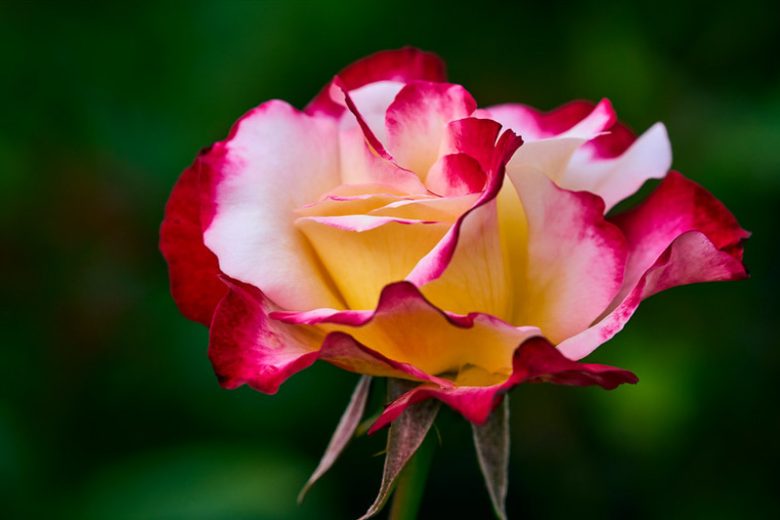
Blooms measure 4-6 inches across with 24-30 petals in classic high-centered hybrid tea form. The color starts creamy white or buttery yellow in the center, blushing to strawberry-red edges – and no two flowers are exactly alike, as UV light intensifies the red. Fragrance strengthens in warmer weather, making it ideal for cutting and enjoying indoors.
The bush grows upright and bushy, reaching 3-5 feet tall and 2-4 feet wide, with glossy dark green foliage that provides a perfect backdrop.
Comparison with Other Popular Hybrid Teas
Compared to ‘Peace’ (yellow-pink blend, milder scent), ‘Mister Lincoln’ (deep red, strong damask fragrance), or ‘Chicago Peace’ (similar bicolor but less intense aroma), Double Delight stands out for its spicy scent and vivid edging. It’s more vigorous than many older hybrids but shares their need for good airflow to stay healthy.
Expert insight: As a long-time rose enthusiast and contributor to plant care resources, I’ve seen Double Delight outperform in fragrance trials time and again – it’s the standard for bicolored roses.
Choosing the Perfect Double Delight Rose Plant 🛒
Starting with a quality plant is crucial for long-term success.
Bare Root vs. Container-Grown vs. Own-Root
- Bare root (dormant, sold winter-spring): Cheaper, establishes quickly if planted promptly.
- Container-grown: Available year-round, easier for beginners.
- Own-root (not grafted): More winter-hardy in cold zones, no suckers, but slower to establish. Many modern sources like Heirloom Roses offer own-root versions.
Best Places to Buy
Reputable nurseries like Jackson & Perkins, Heirloom Roses, David Austin (limited stock), or Edmunds’ Roses ensure virus-free stock. Avoid big-box stores if plants look stressed.
Signs of a Healthy Plant
Look for thick, green canes (pencil-diameter or larger), plump buds, firm roots (white tips on bare root), and no signs of disease.
Tip box: Red flags to avoid 🚩
- Thin, spindly canes
- Black spots on leaves
- Suckers below graft union (on grafted plants)
- Dry, brittle roots
Ideal Growing Conditions for Thriving Blooms ☀️
Double Delight performs best when its basic needs are met consistently. As a hybrid tea rose, it thrives in warm, sunny climates but adapts well across USDA hardiness zones 5 through 9 (some sources extend to zone 10 with care).
USDA Hardiness Zones and Microclimates
In zones 5-6, plant in a sheltered spot protected from harsh winter winds. In hotter zones 8-9, afternoon shade prevents scorching. Choose a microclimate with reflected heat (near a south-facing wall) to boost fragrance intensity.
Sunlight Requirements
Full sun is non-negotiable — aim for at least 6-8 hours of direct sunlight daily. Morning sun is especially valuable as it dries dew quickly, reducing fungal risks. Insufficient light leads to leggy growth, fewer blooms, and weaker scent.

Soil Preferences: pH, Drainage, and Amendments
Double Delight demands well-drained, fertile soil with a pH of 6.0-6.5 (slightly acidic to neutral). Heavy clay causes root rot; sandy soils dry out too quickly. Amend with compost, aged manure, or rose-specific soil mixes to improve structure and nutrient retention.
Expert tip: Test your soil with a home kit (available at garden centers). If pH is off, incorporate lime (to raise) or sulfur (to lower) several months before planting.
Spacing and Air Circulation
Space plants 3-4 feet apart to ensure excellent airflow — this is your first line of defense against powdery mildew and black spot, common issues with this variety. Avoid crowding with other plants.
Planting Your Double Delight Rose Step-by-Step 🌱
Proper planting sets the foundation for years of success.
Best Planting Times
- Spring — after the last hard frost (ideal for zones 5-7).
- Fall — 6-8 weeks before first frost (zones 8-9) for root establishment before winter.
Hole Preparation and Planting Depth
Dig a hole 18-24 inches wide and deep. Create a cone of soil in the center for bare-root roses to drape roots over. For grafted plants, position the graft union (knobby swell) 2-4 inches below soil level in cold zones (protects from freeze) or at soil level in warmer areas.
Mix native soil 50/50 with compost and add a handful of bone meal for root development.
Initial Watering and Mulching
Water deeply after planting to settle soil (about 5 gallons). Apply 2-3 inches of organic mulch (bark chips, cocoa hulls) around the base, keeping it away from canes to prevent rot.
Illustrated step-by-step checklist:
- Soak bare-root roses in water 4-12 hours before planting 💦
- Dig wide hole and amend soil 🕳️
- Spread roots over soil mound 🌿
- Backfill gently, firming soil
- Water thoroughly
- Mulch and label your plant 📛

Watering Strategies That Prevent Problems 💧
Roses are thirsty but hate wet feet — consistent, deep watering is key.
How Much and How Often
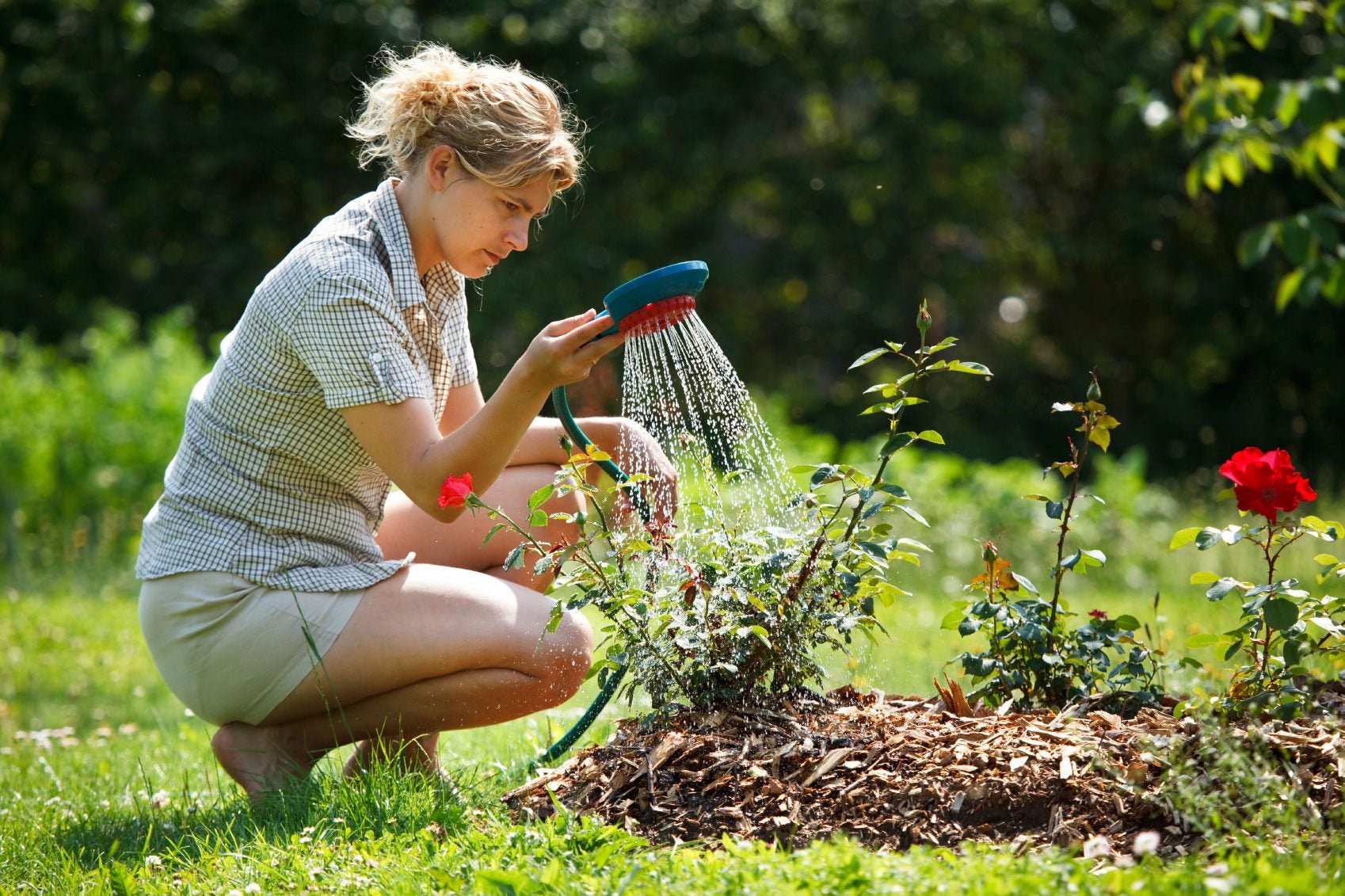
Provide 1-2 inches of water weekly (more in extreme heat). Deep, infrequent watering encourages roots to grow downward. In containers, check daily during summer.
Morning vs. Evening Watering
Always water in the morning so foliage dries before nightfall, minimizing disease.
Avoiding Wet Foliage to Reduce Disease Risk
Use soaker hoses, drip irrigation, or water at the base. Overhead sprinkling invites fungal issues.
Drought Stress Signs and Recovery Tips
Wilting leaves, drooping canes, or leaf drop signal stress. Recover by deep watering and mulching; avoid fertilizing until recovered.
Feeding for Fragrant, Repeat Blooms 🍽️
Regular feeding fuels those spectacular blooms and intense fragrance.
Understanding Rose Fertilizer Types
- Granular → slow-release, long-term feeding.
- Liquid → quick boosts during growth flushes.
- Organic → compost tea, fish emulsion, alfalfa meal.
Recommended Feeding Schedule
Start in early spring as new growth emerges. Feed every 4-6 weeks through summer, stopping 6-8 weeks before first frost.
Best Fertilizers for Double Delight
Look for balanced formulas like 10-10-10 or rose-specific (e.g., Espoma Rose-Tone, Miracle-Gro Rose Food). Higher phosphorus (middle number) promotes blooming.
Examples:
- Espoma Rose-Tone (4-3-4 organic)
- Bayer Advanced Rose & Flower Care (systemic)
- Jack’s Classic Blossom Booster (10-30-20 for bloom bursts)
Micronutrients and Epsom Salt Myth vs. Reality
Epsom salt (magnesium sulfate) helps if soil tests show deficiency, but routine use isn’t necessary. Focus on complete fertilizers.
Tip box: Organic alternatives 🌿
- Alfalfa meal tea for natural growth hormones
- Compost top-dressing in spring
- Banana peels for potassium

Pruning Double Delight Like a Pro ✂️
Pruning shapes the bush, improves airflow, and maximizes bloom quality.
Tools You Need and Sanitization
Sharp bypass pruners, loppers, gloves, and rubbing alcohol for disinfecting between cuts (prevents disease spread).
Spring Pruning (Major Shaping and Cleanup)
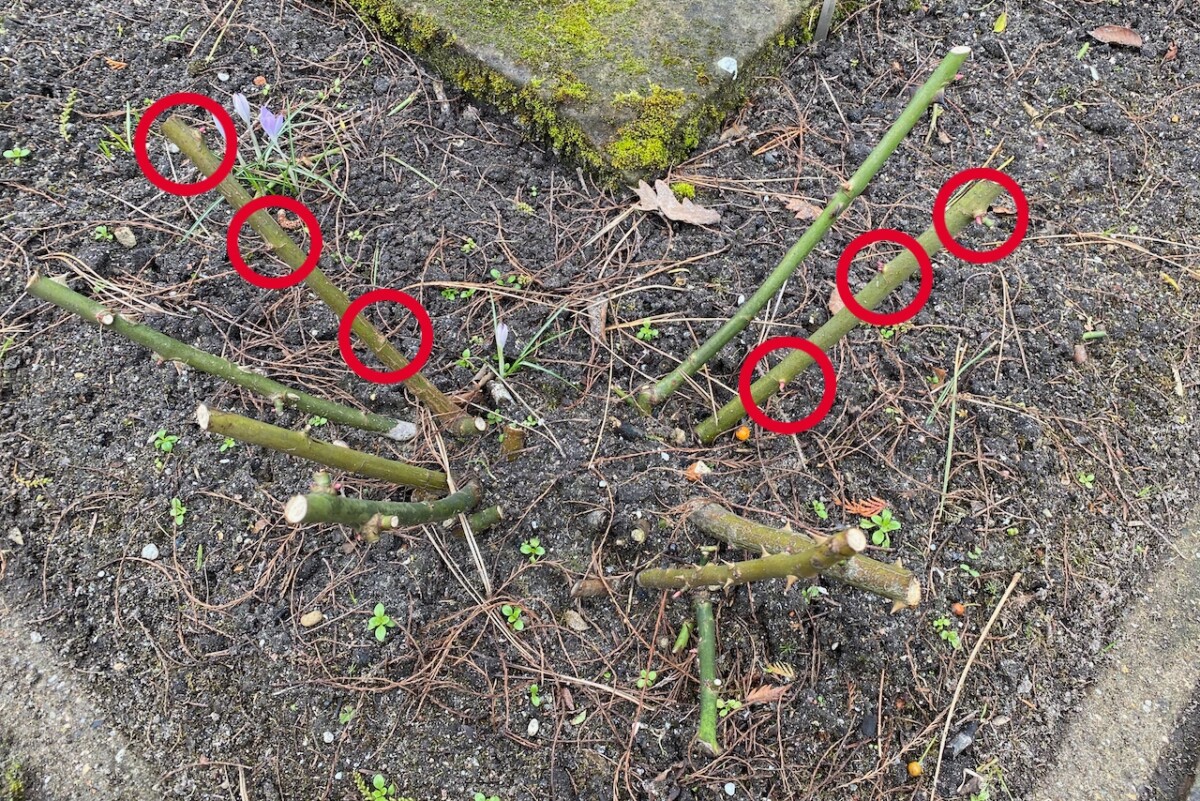
In early spring (when forsythia blooms), remove dead, damaged, or crossing canes. Cut back remaining healthy canes by 1/3 to 1/2, making angled cuts 1/4 inch above outward-facing buds. Aim for an open, vase-shaped center.
Summer Deadheading for Continuous Blooming
Remove spent blooms to the first five-leaflet leaf to encourage repeat flowering.
Fall/Winter Prep by Zone
Light cleanup only — avoid heavy pruning that stimulates tender growth.
Common pruning mistakes to avoid:
- Cutting too low (weak regrowth)
- Leaving stubs (disease entry)
- Pruning too late in fall
Disease and Pest Management: Keeping Your Roses Healthy 🛡️
While Double Delight is moderately resistant to some diseases, it’s particularly susceptible to powdery mildew and black spot in humid conditions. Proactive management is essential for disease-resistant performance.
%20-%20Rosa%20'Morton%20LINDA%20CAMPBELL%20(DM)%20(7).JPG?ver=6BlYKvVzN9H9SJtVgGXw5w%3D%3D)
Common Issues
- Powdery Mildew: White, powdery coating on leaves and buds, often in cool, humid weather.
- Black Spot: Circular black spots with fringed edges on leaves, leading to yellowing and defoliation.
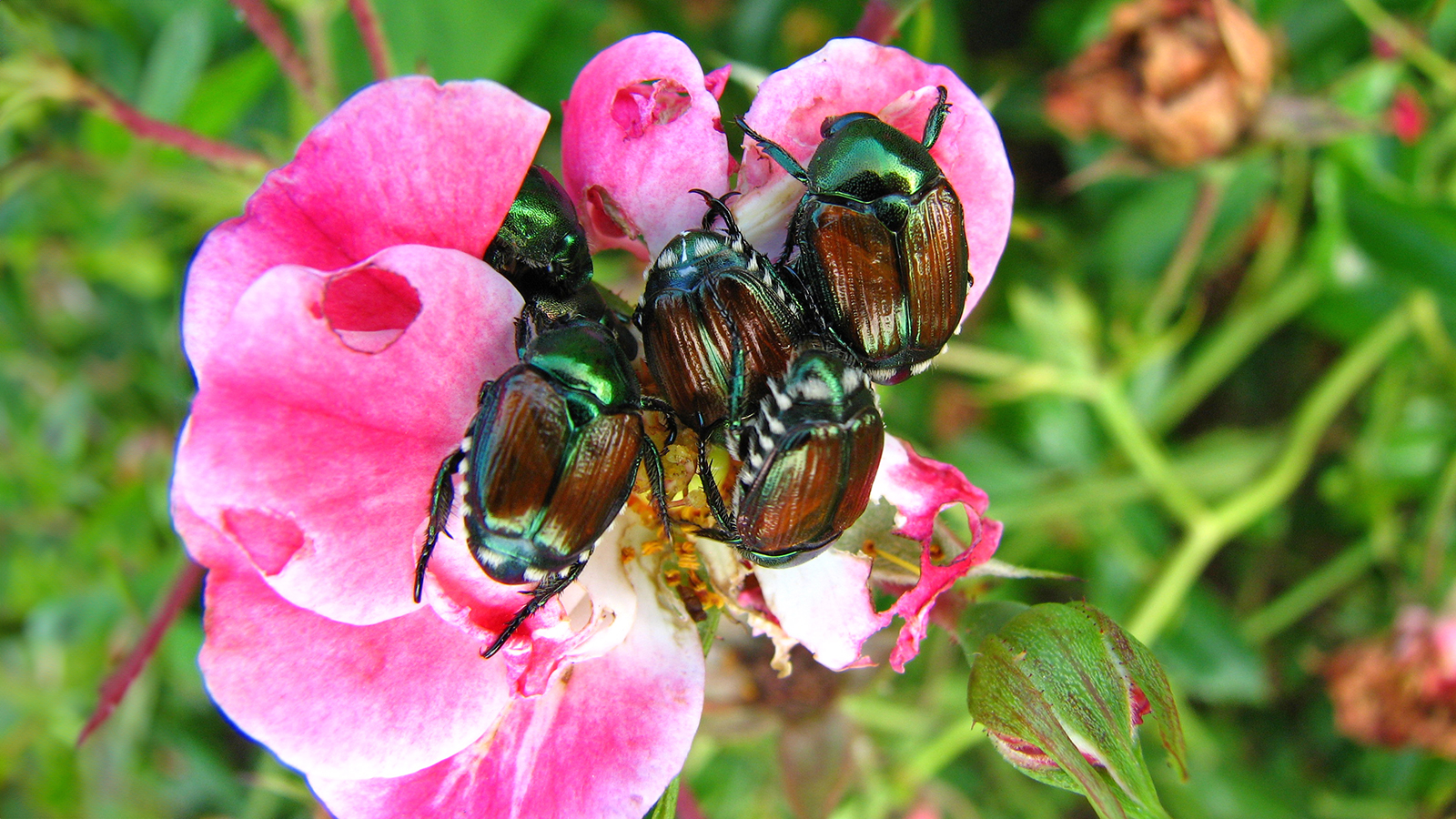
- Japanese Beetles: Metallic green beetles that skeletonize leaves in summer.
- Aphids: Small green or black insects clustering on new growth and buds.
- Thrips: Tiny insects causing streaked petals and deformed buds.
Prevention First: Cultural Practices
Good airflow, morning watering, and sanitation (removing fallen leaves) prevent 80% of problems. Apply dormant oil spray in late winter for overwintering pests.
Organic and Chemical Control Options
- Organic: Neem oil, insecticidal soap for aphids; baking soda spray (1 tbsp soda + 1 tsp soap per gallon) for mildew.
- Chemical: Fungicides like chlorothalonil or myclobutanil for severe black spot; systemic insecticides for beetles.
Early Detection Signs
Inspect weekly: Curling leaves (aphids), white dust (mildew), black spots, or notched foliage (beetles).
Expert insight: Follow an Integrated Pest Management (IPM) approach — monitor, identify, and treat only when necessary. This sustainable method, recommended by extension services, keeps your garden eco-friendly while maintaining healthy roses.
Winter Protection for Long-Term Success ❄️
In colder zones, winter protection prevents cane dieback and ensures vigorous spring growth.
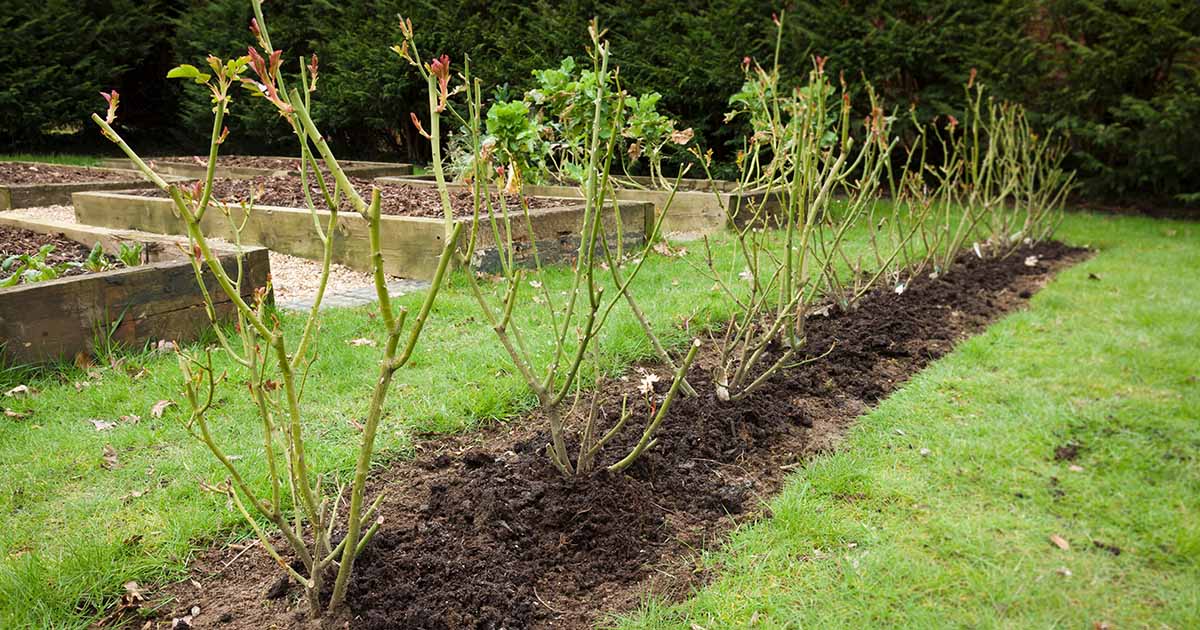
Zone-Specific Strategies
- Zones 5-6: Mound 10-12 inches of soil or compost around the base after first hard frost.
- Add rose cones or burlap wraps for extra protection.
- Zones 7+: Light mulching suffices.
When to Stop Feeding and Watering in Fall
Cease fertilizing by mid-August; reduce watering in fall to harden growth.
Spring Uncovering Best Practices
Remove protection gradually after danger of hard frost passes to avoid shock.
Maximizing Fragrance and Bloom Performance 🌺
Double Delight’s signature spicy fragrance intensifies with heat and proper care.
Heat and Fragrance Intensity Connection
Warmer temperatures (above 75°F) enhance the scent — plant in full sun for maximum aroma.
Deadheading Techniques for Bigger Subsequent Blooms
Cut spent flowers just above a five-leaflet leaf, angled outward.
Disbudding for Exhibition-Size Flowers
Remove side buds for larger central blooms — perfect for shows or bouquets.
Bonus tips from award-winning rose exhibitors: Consistent feeding and stress-free conditions (no drought) produce the strongest fragrance and most vivid red edging.
Companion Planting and Garden Design Ideas 🎨
Enhance beauty and health with thoughtful companions.
Best Companions
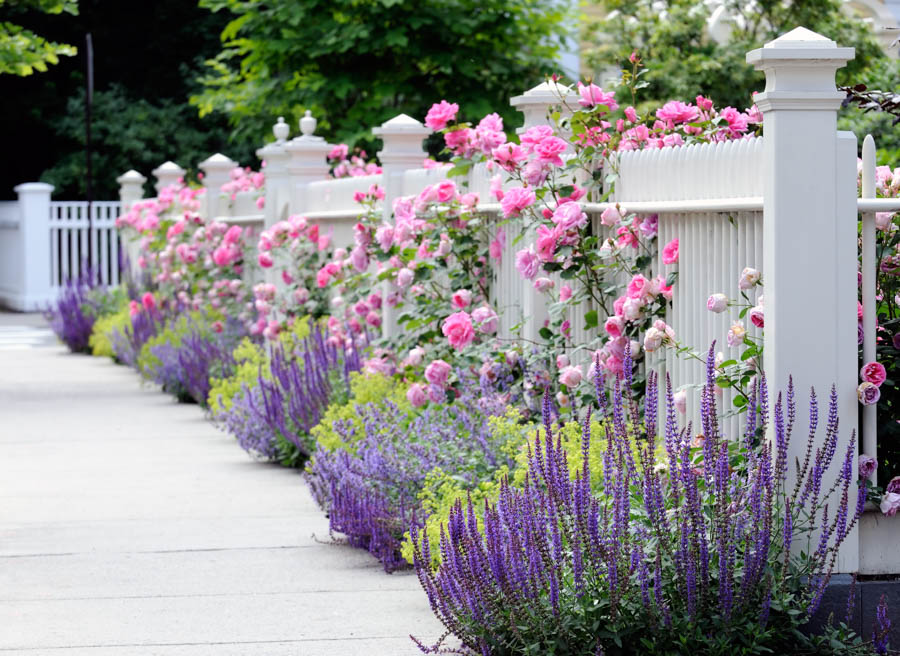
Lavender, catmint (Nepeta), salvia, and alliums repel pests and complement the bicolor blooms.
Design Ideas
- Dedicated rose beds with underplanting.
- Mixed perennial borders.
- Large containers (at least 20 gallons) for patios.
Troubleshooting Common Double Delight Problems 🆘
| Symptom | Likely Cause | Solution |
|---|---|---|
| Weak or no fragrance | Cool weather, low light, stress | Ensure full sun, consistent care; fragrance peaks in heat |
| Few blooms | Over-pruning, poor nutrition | Balanced feeding schedule; proper spring pruning |
| Leggy growth | Insufficient sun | Relocate or prune surrounding plants |
| Leaf yellowing/drop | Black spot or overwatering | Improve drainage; apply fungicide; remove affected leaves |
| Dieback on canes | Winter injury or cane borers | Prune to healthy wood; seal cuts; winter protection |
Frequently Asked Questions (FAQs) ❓
Is Double Delight disease-resistant? Moderately — good airflow and preventive sprays keep it healthy, but it’s prone to mildew in humid areas.
How tall and wide does it grow? Typically 3-5 feet tall and 2-4 feet wide.
Can I grow Double Delight in a pot? Yes! Use a large container with excellent drainage and root-prune every 3-4 years.
Why is my Double Delight not fragrant? Often due to cool weather or shade; also, young plants develop stronger scent with age.
When will it bloom again after pruning? New blooms appear 6-8 weeks after deadheading or light pruning.
Is it safe for pets? Roses are non-toxic, but thorns pose a physical hazard.
Conclusion
With the dedicated care outlined in this guide — from optimal planting and feeding to vigilant disease prevention — your Double Delight rose plant will reward you with waves of intoxicating, bicolor blooms year after year. 🌹 This iconic hybrid tea thrives when its needs for sun, airflow, and nutrition are met consistently.
Remember, successful rose growing is about observation and timely action. Start implementing these expert tips today, and watch your garden transform.
Happy gardening! Share your Double Delight successes in the comments below, and subscribe for more in-depth plant care guides. 🌸











