
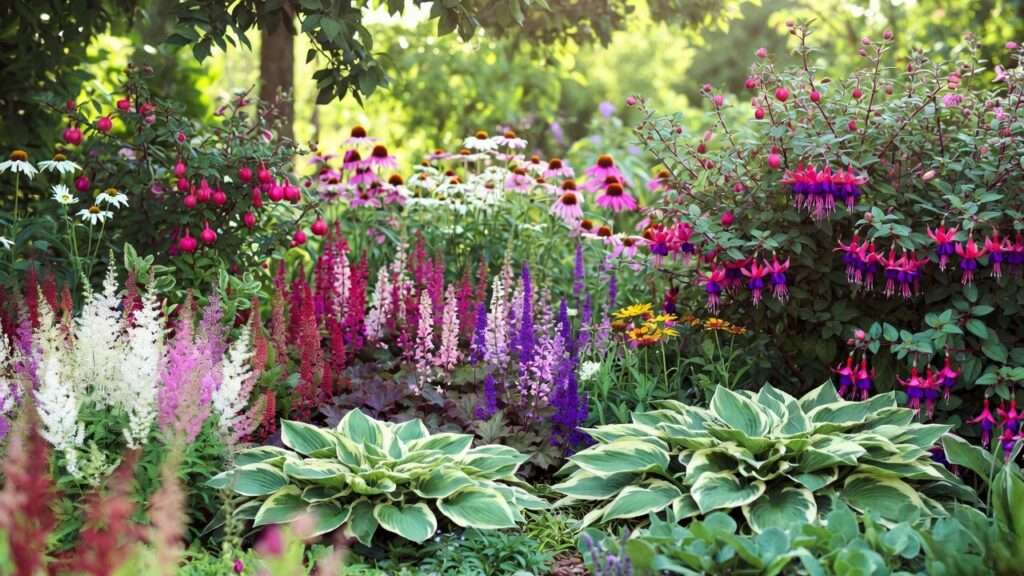
Imagine staring at a bare, awkwardly shaded corner of your yard—under a tree, along the east-facing wall, or on a patio that gets morning sun but afternoon shade—and wondering why nothing seems to bloom there vibrantly. You’ve tried full-sun favorites like petunias or marigolds, only to watch them stretch leggily or fade away. Sound familiar? You’re not alone. Many home gardeners struggle with these partial light spots, wasting time and money on the wrong plants.
The good news? There are stunning flowering plants for part sun that absolutely thrive in 4–6 hours of direct sunlight, delivering non-stop color, lush foliage, and low-maintenance beauty. In this comprehensive guide, I’ve curated the 15 absolute best options based on years of hands-on experience in diverse climates, from USDA zones 3 through 9. These perennials and annuals will transform your part-sun areas into vibrant, pollinator-friendly havens. Let’s dive in! 🌿
Table of Contents
- What Is Part Sun vs. Part Shade vs. Full Shade?
- Key Considerations When Choosing Flowering Plants for Part Sun
- The 15 Best Flowering Plants for Part Sun
- Comparison Table
- Expert Design Tips
- Common Mistakes to Avoid
- Seasonal Care Calendar
- Frequently Asked Questions
- Conclusion
What Is Part Sun vs. Part Shade vs. Full Shade? 🌗
Understanding light conditions is the foundation of successful gardening. Here’s a clear breakdown:
- Part Sun / Part Shade: 4–6 hours of direct sunlight per day, ideally morning sun with protection from intense afternoon rays. This is perfect for many woodland-edge perennials that enjoy dappled light.
- Full Sun: 6+ hours of direct sun—great for sun-lovers like roses or lavender, but too harsh for our picks here.
- Full Shade: Less than 3 hours of direct sun, often deep under dense trees.
A common misconception? Thinking “part shade” means no sun at all. In reality, most part-sun flowering plants need some direct light for optimal blooms; too little, and they’ll produce more leaves than flowers.
Pro Tip: Assess your yard accurately. Use your phone’s sun-tracking app or observe shadows over a full day. I’ve seen gardeners mislabel spots and fail repeatedly—getting this right changes everything! 📱
Key Considerations When Choosing Flowering Plants for Part Sun 🛠️
Not all plants are created equal for partial sunlight. Here’s what to prioritize:
- Soil and Drainage: Most prefer moist, well-drained, humus-rich soil. Amend with compost to mimic forest floors.
- USDA Hardiness Zones: Check your zone (find it at the USDA Plant Hardiness Zone Map). Our list covers zones 3–9 for broad appeal.
- Bloom Time: Mix early, mid, and late bloomers for season-long color.
- Size and Habit: Consider height (tall for back borders, low for edges) and spread (clumping vs. spreading).
- Bonus Traits: Look for pollinator attractors (bees, butterflies, hummingbirds 🐝🦋🐦), deer resistance, or native status for eco-friendly gardens.
- Native Options: Plants like columbine are North American natives, supporting local wildlife.
Choosing wisely prevents common issues like sparse flowering or disease in partial shade gardens.
The 15 Best Flowering Plants for Part Sun 🌺
Here are my top recommendations, proven performers in real gardens. Each excels in partial sun, offering reliable blooms and easy care.
1. Hosta (Plantain Lily) 💜
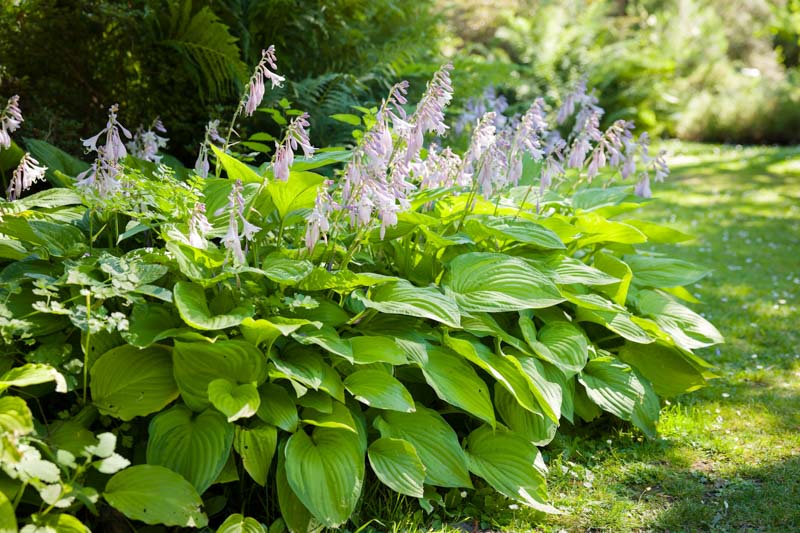
Hostas are shade garden royalty, but many varieties bloom beautifully in part sun with delicate lavender or white scapes rising above bold foliage.
- Bloom Colors & Season: Lavender/white, mid-summer.
- Mature Size: 1–3 ft tall, 2–5 ft wide (varies by cultivar).
- USDA Zones: 3–9.
- Why It Excels in Part Sun: Tolerates more light than true shade plants, enhancing variegation without scorching.
- Care Tips: Moist, rich soil; slug patrol in spring. Fertilize lightly.
- Best Companions: Astilbe, ferns.
- Recommended Varieties: ‘June’ (gold-edged), ‘Patriot’ (white margins).
- Pro Insight: In my zone 6 garden, hostas in 4 hours of morning sun produce thicker leaves and more flowers than deep shade ones.
2. Astilbe 🌸

Feathery plumes add airy texture and color to partial shade beds.
- Bloom Colors & Season: Pink, red, white, peach; early to late summer.
- Mature Size: 1–4 ft tall.
- USDA Zones: 4–8.
- Why It Excels: Thrives in dappled light; too much sun crisps plumes.
- Care: Consistent moisture; divide every 3–4 years.
- Companions: Hostas, bleeding hearts.
- Varieties: ‘Fanal’ (deep red), ‘Rheinland’ (pink).
- Pro Tip: Mulch heavily—astilbes hate drying out. 🐌
3. Coral Bells (Heuchera) 🧡
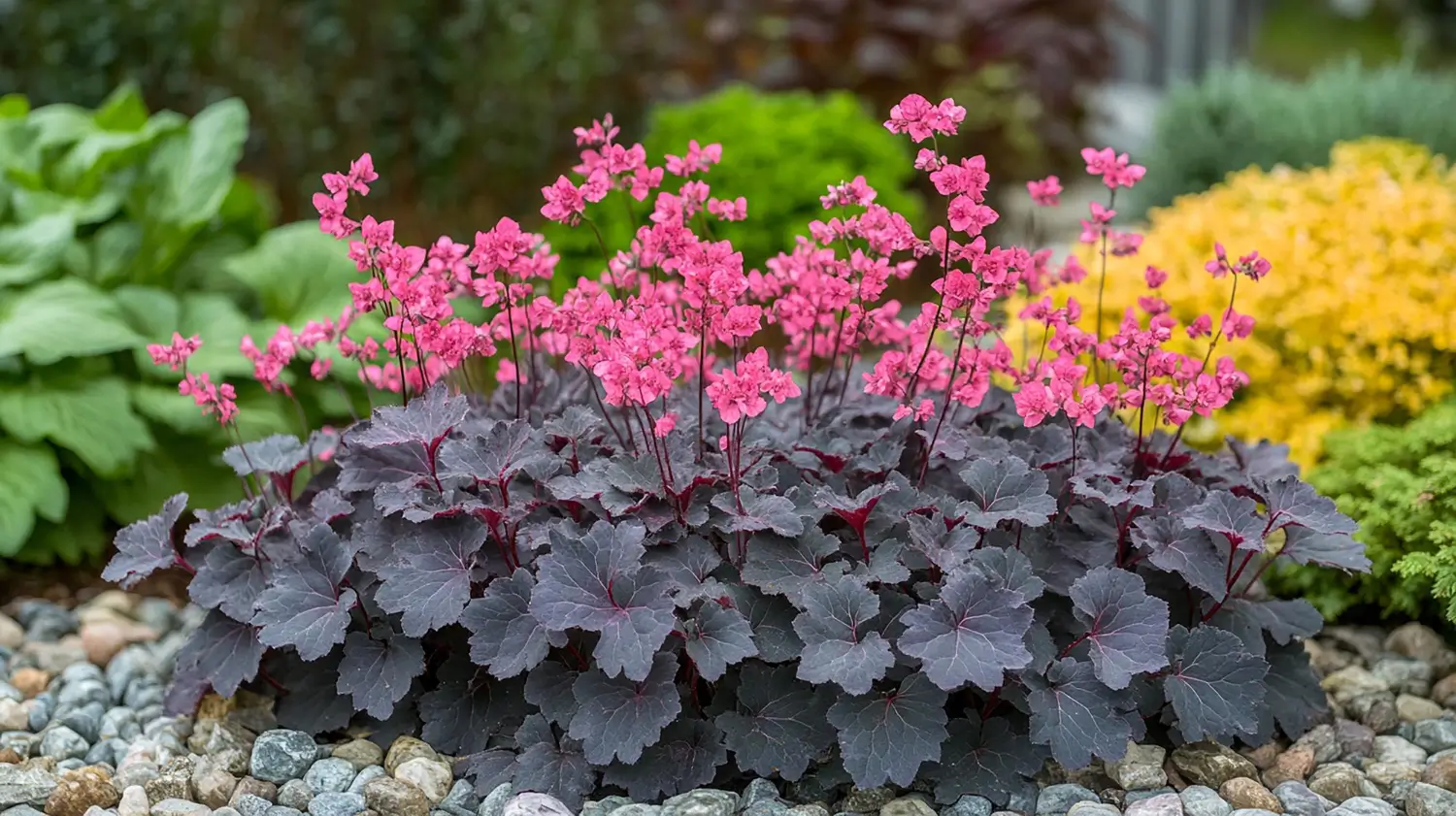
Famous for colorful foliage, but delicate bell flowers are a bonus.
- Bloom Colors & Season: White, pink, red; late spring–summer.
- Mature Size: 1–2 ft tall/wide.
- USDA Zones: 4–9.
- Why Part Sun?: Intense sun fades leaves; part light keeps colors vivid.
- Care: Well-drained soil; evergreen in mild climates.
- Companions: Hostas, foamflowers.
- Varieties: ‘Palace Purple’, ‘Caramel’.
- Insight: New hybrids rebloom if deadheaded.
4. Bleeding Heart (Dicentra) ❤️
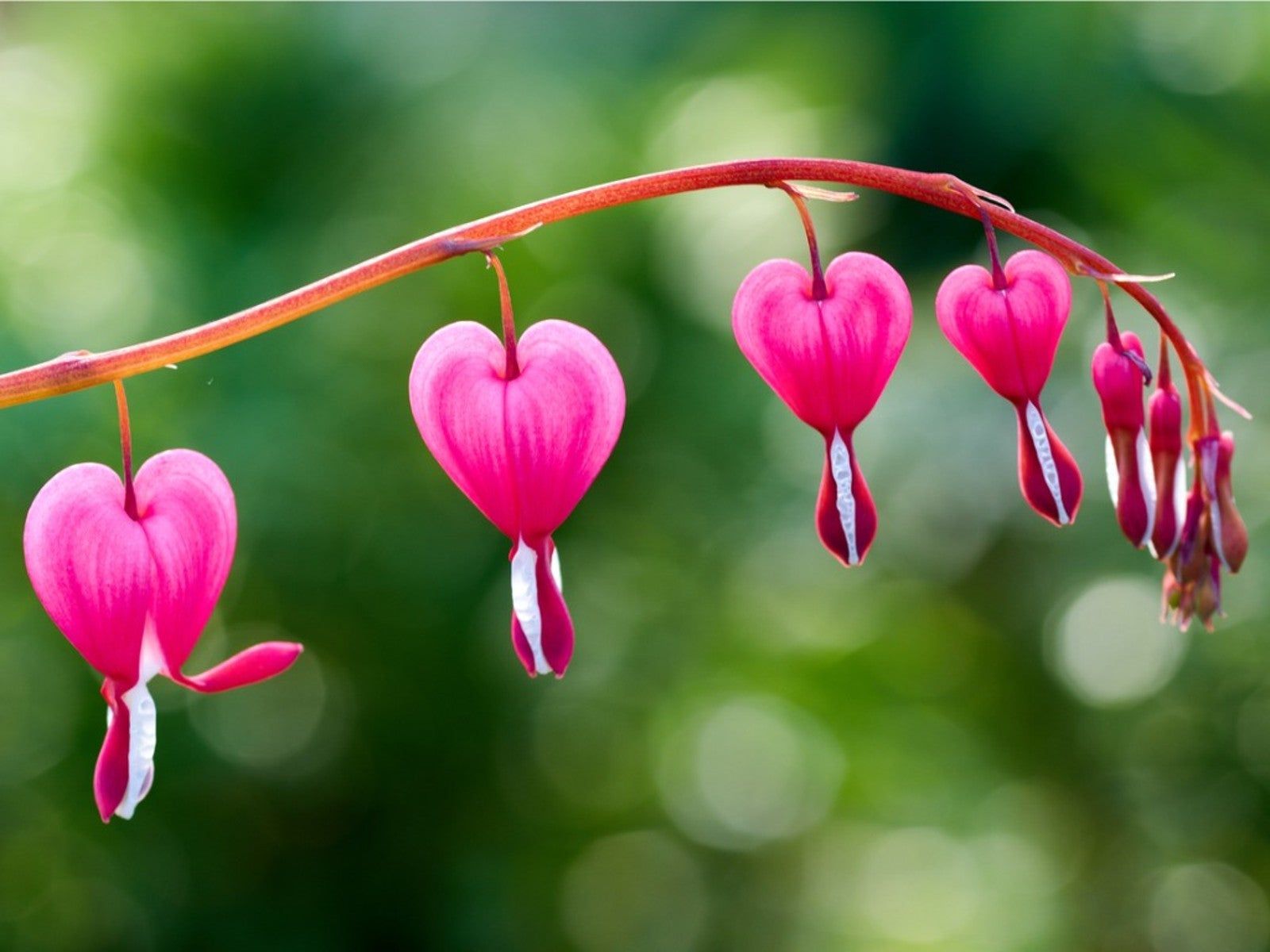
Iconic heart-shaped blooms dangling from arching stems—pure romance!
- Bloom Colors & Season: Pink/white; spring (some rebloom).
- Mature Size: 2–3 ft tall.
- USDA Zones: 3–9.
- Why Part Sun: Morning light encourages longer bloom; hot sun shortens season.
- Care: Rich, moist soil; goes dormant in summer heat.
- Companions: Ferns, hostas.
- Varieties: ‘Spectabilis’ (classic), ‘Luxuriant’ (reblooming).
- Pro Tip: Plant with later emergers to fill summer gaps.
5. Impatiens 🎉
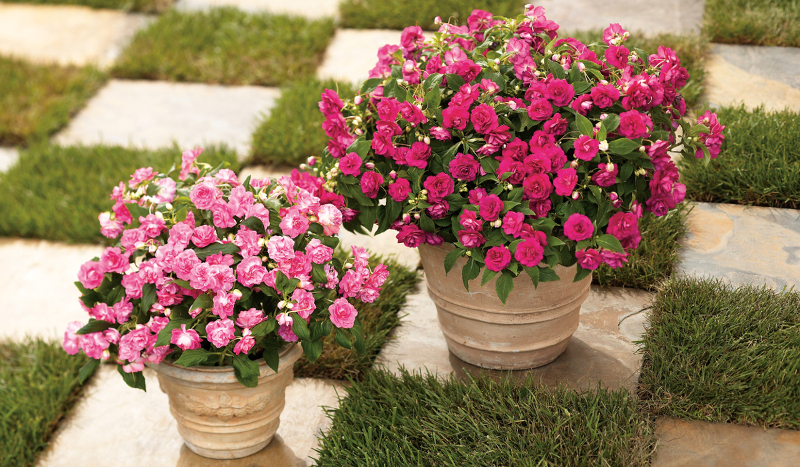
Classic annuals for instant color in containers or beds.
- Bloom Colors & Season: All colors; summer–frost.
- Mature Size: 1–2 ft.
- USDA Zones: Annual (9–11 perennial).
- Why Part Sun: New Guinea or SunPatiens handle more light.
- Care: Moist soil; pinch for bushiness.
- Companions: Begonias, coleus.
- Varieties: SunPatiens series.
- Insight: Disease-resistant modern types changed the game.
6. Foxglove (Digitalis) 🦊
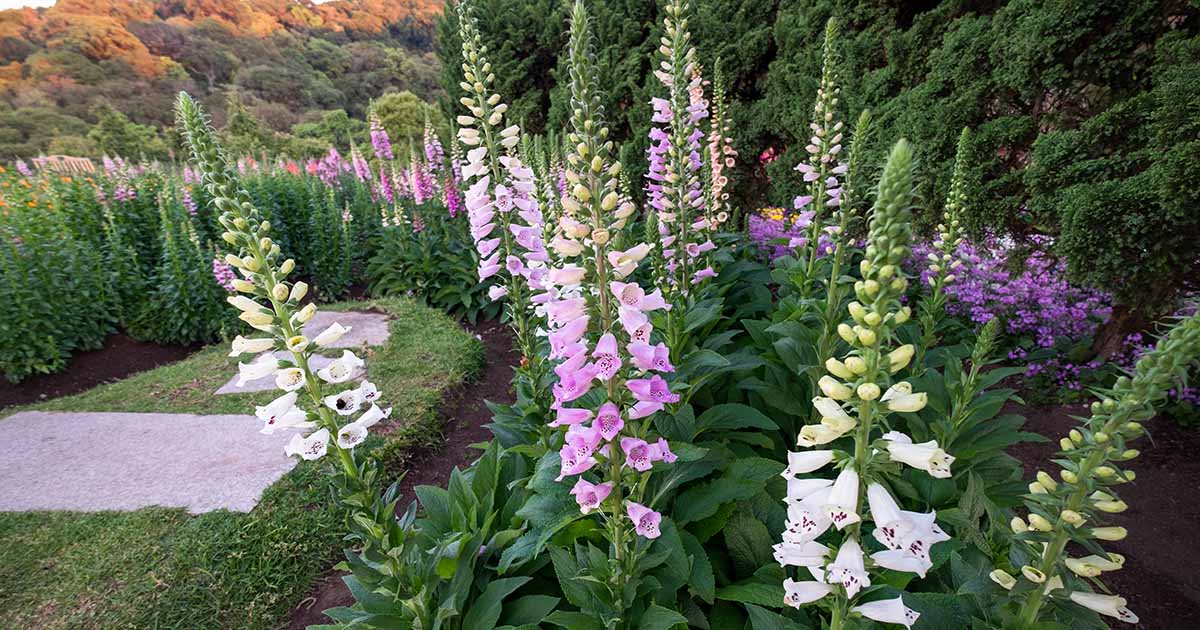
Tall, elegant spires of tubular flowers create a cottage garden classic that’s surprisingly adaptable to partial light.
- Bloom Colors & Season: Purple, pink, white, yellow; late spring to early summer (biennial or short-lived perennial).
- Mature Size: 2–5 ft tall, 1–2 ft wide.
- USDA Zones: 4–9.
- Why It Excels in Part Sun: Morning sun promotes sturdy stems and abundant blooms; full sun can scorch in hot climates.
- Care Tips: Well-drained soil; deadhead for possible rebloom. Note: All parts toxic—keep away from pets/children.
- Best Companions: Roses, delphiniums, or under deciduous trees.
- Recommended Varieties: ‘Camelot’ series (reliable first-year bloom), Digitalis purpurea (wild foxglove).
- Pro Insight: In my experience, foxgloves self-seed generously in part-sun woodland edges, creating natural drifts year after year.
7. Columbine (Aquilegia) 🐦
:max_bytes(150000):strip_icc()/GettyImages-1334216559-4a8b6d9b6d184c1cb99c9f0b837313e5.jpg)
Delicate, spurred flowers dance above fern-like foliage, attracting hummingbirds like magnets.
- Bloom Colors & Season: Blue, purple, red, yellow, bicolors; spring to early summer.
- Mature Size: 1–3 ft tall/wide.
- USDA Zones: 3–9.
- Why Part Sun?: Dappled light mimics their native woodland habitats; too much sun fades colors.
- Care: Average soil; self-seeds mildly. Cut back after bloom for fresh foliage.
- Companions: Hostas, ferns, coral bells.
- Varieties: Aquilegia vulgaris (European), A. canadensis (native red/yellow).
- Pro Tip: Many are North American natives—perfect for pollinator gardens! 🐝
8. Lungwort (Pulmonaria) 🫁

One of the earliest bloomers, with spotted leaves that shine long after flowers fade.
- Bloom Colors & Season: Blue, pink (often changing color); early spring.
- Mature Size: 1 ft tall/wide.
- USDA Zones: 3–8.
- Why It Excels: Thrives in cool, partial shade; heat/humidity tolerant hybrids available.
- Care: Moist, rich soil; remove old leaves in spring.
- Companions: Hellebores, spring bulbs.
- Varieties: ‘Raspberry Splash’, ‘Mrs. Moon’.
- Insight: Bees adore the nectar—it’s a vital early food source.
9. Begonia (Wax & Tuberous Types) 🌷
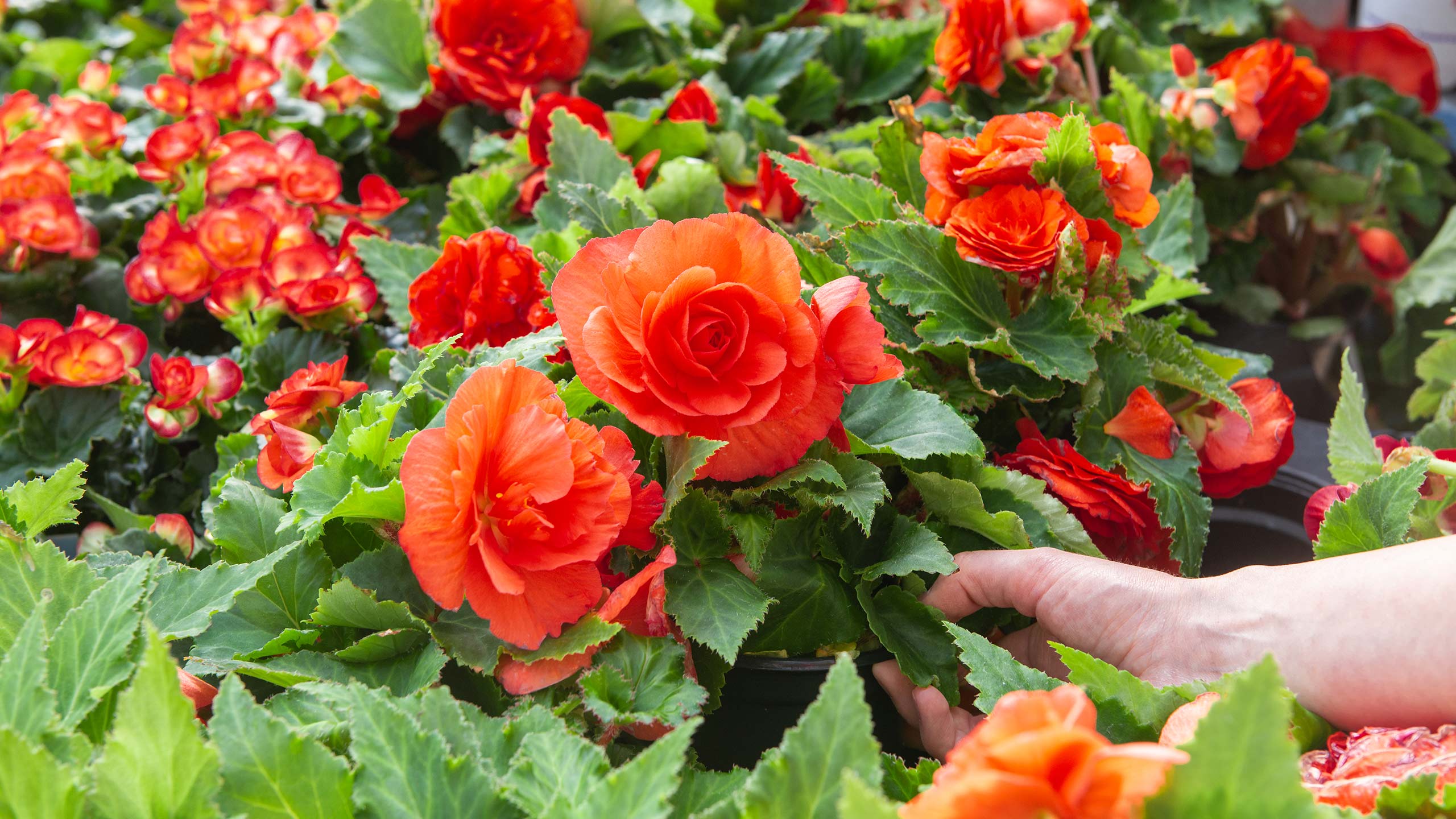
Versatile annuals (or tender perennials) offering glossy leaves and clusters of waxy flowers.
- Bloom Colors & Season: White, pink, red, orange; summer to frost.
- Mature Size: 6–18 inches.
- USDA Zones: Annual (10–11 perennial).
- Why Part Sun: Wax begonias handle more light; tuberous prefer shade to prevent leaf burn.
- Care: Rich, moist soil; fertilize regularly for nonstop blooms.
- Companions: Impatiens, coleus in shade baskets.
- Varieties: ‘Dragon Wing’ (trailing), Nonstop tuberous series.
- Pro Tip: Overwinter tubers indoors for bigger displays next year.
10. Toad Lily (Tricyrtis) 🐸
Exotic, orchid-like speckled flowers appear when most perennials are winding down.
- Bloom Colors & Season: Purple, white spotted; late summer to fall.
- Mature Size: 2–3 ft tall.
- USDA Zones: 4–9.
- Why It Excels in Part Sun: Dappled light highlights intricate patterns; full sun washes them out.
- Care: Moist, organic soil; protect from slugs.
- Companions: Hostas, anemones.
- Varieties: ‘Miyazaki’, ‘Sinonome’.
- Insight: A must for extending color into autumn in shaded borders.
11. Catmint (Nepeta) 🐱
:max_bytes(150000):strip_icc()/GettyImages-157478052-2ea19d87b7cc4172a6babc399ea36fb1.jpg)
Aromatic gray-green foliage and lavender spikes—tougher than it looks!
- Bloom Colors & Season: Lavender-blue; late spring to fall (with shearing).
- Mature Size: 1–3 ft.
- USDA Zones: 3–9.
- Why Part Sun: Tolerates up to full sun but blooms longer with afternoon protection.
- Care: Well-drained soil; drought-tolerant once established.
- Companions: Roses, salvia.
- Varieties: ‘Walker’s Low’ (compact), ‘Cat’s Meow’.
- Pro Tip: Shear after first bloom for a tidy rebloom wave.
12. Geranium (Hardy Cranesbill) 🏗️

True perennial geraniums (not annual pelargoniums) form neat mounds of saucer-shaped flowers.
- Bloom Colors & Season: Pink, purple, blue; spring to summer (some rebloom).
- Mature Size: 1–2 ft.
- USDA Zones: 3–9.
- Why Part Sun: Adaptable, but partial light prevents floppy growth.
- Care: Average soil; divide every few years.
- Companions: Lady’s mantle, salvia.
- Varieties: ‘Rozanne’ (long-blooming blue), ‘Johnson’s Blue’.
- Insight: Extremely low-maintenance groundcover.
13. Anemone (Japanese Windflower) 🍃
Graceful, poppy-like flowers sway on wiry stems in late season.
- Bloom Colors & Season: Pink, white; late summer to fall.
- Mature Size: 2–4 ft tall.
- USDA Zones: 4–8.
- Why It Excels: Part sun keeps growth compact; spreads politely.
- Care: Moist soil; mulch roots.
- Companions: Astilbe, grasses.
- Varieties: ‘Honorine Jobert’ (white), ‘September Charm’ (pink).
- Pro Tip: Ideal for bridging summer to fall color.
14. Hydrangea (Select Varieties) 💙
:max_bytes(150000):strip_icc()/need-to-know-for-endless-summer-hydrangeas-pink-getty-0423-4a08520dd2d947e9991104757c693519.jpg)
Bigleaf types like Endless Summer bloom reliably with partial sunlight.
- Bloom Colors & Season: Blue/pink (pH-dependent); summer to fall.
- Mature Size: 3–5 ft.
- USDA Zones: 4–9.
- Why Part Sun: Morning sun, afternoon shade prevents wilting.
- Care: Consistent moisture; prune after bloom.
- Companions: Hostas, ferns.
- Varieties: Endless Summer®, Let’s Dance® series.
- Insight: Reblooming on new wood—no more bud loss worries!
15. Fuchsia 🎀

Pendant, ballerina-like blooms dangle from trailing stems—perfect for shade.
- Bloom Colors & Season: Pink, purple, red, white; summer to frost.
- Mature Size: Trailing or upright 1–2 ft.
- USDA Zones: Annual (9–11 perennial).
- Why Part Sun: Intense sun burns flowers; filtered light maximizes display.
- Care: Moist, rich soil; pinch tips.
- Companions: In hanging baskets solo or with lobelia.
- Varieties: Trailing ‘Swingtime’, upright standards.
- Pro Tip: Hummingbirds can’t resist them! 🐦
Comparison Table: Quick-Reference Chart 📊
| Plant Name | Bloom Season | Height | Colors | Pollinator-Friendly? | Deer Resistant? |
|---|---|---|---|---|---|
| Hosta | Mid-summer | 1–3 ft | Lavender/white | Yes | Sometimes |
| Astilbe | Early–late summer | 1–4 ft | Pink/red/white | Yes | Yes |
| Coral Bells | Late spring–summer | 1–2 ft | White/pink/red | Yes | Yes |
| Bleeding Heart | Spring | 2–3 ft | Pink/white | Yes | Yes |
| Impatiens | Summer–frost | 1–2 ft | All colors | Somewhat | No |
| Foxglove | Late spring–summer | 2–5 ft | Purple/pink/white | Yes | Yes |
| Columbine | Spring–early summer | 1–3 ft | Multicolor | Yes (hummers) | Yes |
| Lungwort | Early spring | 1 ft | Blue/pink | Yes | Yes |
| Begonia | Summer–frost | 6–18 in | White/pink/red | Somewhat | Yes |
| Toad Lily | Late summer–fall | 2–3 ft | Purple/white spotted | Yes | Yes |
| Catmint | Late spring–fall | 1–3 ft | Lavender | Yes | Yes |
| Hardy Geranium | Spring–summer | 1–2 ft | Pink/purple/blue | Yes | Yes |
| Japanese Anemone | Late summer–fall | 2–4 ft | Pink/white | Yes | Yes |
| Hydrangea (select) | Summer–fall | 3–5 ft | Blue/pink | Somewhat | Sometimes |
| Fuchsia | Summer–frost | 1–2 ft | Pink/purple/red | Yes (hummers) | Yes |
Expert Design Tips for Part-Sun Flower Gardens 🎨
Turning a part-sun area into a stunning display is easier than you think. Here are professional strategies I’ve used in countless client gardens and my own:
- Layer for Depth and Interest: Place taller plants (foxgloves, hydrangeas, Japanese anemones) at the back, mid-height options (astilbe, hostas, toad lilies) in the middle, and low growers (coral bells, lungwort, hardy geraniums) at the front. This creates a natural, woodland-edge look.
- Combine Foliage and Flowers: Part-sun plants often shine with textured or colorful leaves. Pair chartreuse hostas with purple coral bells, or silver-spotted lungwort with bold astilbe plumes for contrast even when nothing is blooming.
- Extend the Season: Mix early spring stars (lungwort, bleeding heart, columbine) with summer performers (impatiens, catmint, hydrangeas) and fall finishers (toad lily, Japanese anemone). You’ll enjoy color from March through October.
- Container Magic: Limited space? Part-sun patios and balconies love hanging fuchsias, trailing begonias, and compact impatiens or New Guinea impatiens in pots. Use large containers with good drainage and a slow-release fertilizer.
- Pollinator Paradise: Choose nectar-rich options like columbine, foxglove, catmint, and fuchsia to attract hummingbirds, butterflies, and bees. You’ll boost local biodiversity while enjoying more wildlife visits.
- Low-Maintenance Combos: Try “no-fuss” groupings like hosta + astilbe + coral bells, or catmint + hardy geranium + columbine. These require minimal deadheading and naturally suppress weeds once established.
Proven favorite: A border of ‘Walker’s Low’ catmint edged with ‘Rozanne’ geranium and backed by ‘Endless Summer’ hydrangea—fragrant, reblooming, and deer-resistant. 🌺
Common Mistakes to Avoid (And How to Fix Them) ⚠️
Even experienced gardeners slip up in partial light. Here’s what I’ve seen most often:
- Planting Full-Sun Lovers: Marigolds, zinnias, or lavender scorch or stretch in part sun. Fix: Stick to proven part-sun/flowering plants like the ones above.
- Overwatering: Many part-sun plants prefer consistently moist (not soggy) soil. Poor drainage leads to root rot. Fix: Amend with organic matter and ensure pots have drainage holes.
- Ignoring Soil pH/Quality: Hydrangeas won’t turn blue in alkaline soil; hostas struggle in heavy clay. Fix: Test soil and amend—add sulfur for acid-lovers, compost for everyone.
- Skipping Deadheading or Dividing: Spent blooms reduce reblooming; overcrowded perennials bloom less. Fix: Deadhead regularly and divide every 3–5 years.
- Forgetting Winter Protection: In zones 3–5, tender roots can heave. Fix: Mulch with 2–3 inches of shredded leaves or bark after ground freezes.
Catch these early, and your garden will reward you with years of vibrant displays.
Seasonal Care Calendar for Part-Sun Flowering Plants 📅
Keep your garden thriving year-round with this simple timeline:
- Spring
- Clean up winter debris and cut back old foliage (hostas, lungwort).
- Divide overcrowded perennials before new growth surges.
- Apply slow-release fertilizer or compost top-dressing.
- Plant new bare-root or potted specimens.
- Watch for slugs/snails—use organic barriers if needed.
- Summer
- Water deeply during dry spells (1 inch per week).
- Deadhead spent blooms to encourage rebloom (catmint, hardy geranium, hydrangea).
- Mulch to retain moisture and suppress weeds.
- Monitor for powdery mildew in humid areas—improve air circulation.
- Fall
- Plant new perennials (best time in many zones—cooler temps, fall rains).
- Leave seedheads for birds (columbine, foxglove).
- Cut back faded foliage after frost, but leave hosta leaves until spring if desired.
- Add compost or leaf mulch.
- Winter
- Apply anti-desiccant spray to evergreen coral bells in harsh climates.
- Mark plant locations with stakes (easy to forget under snow!).
- Plan next year’s additions while browsing catalogs. ☕
Frequently Asked Questions (FAQs) ❓
What’s the difference between part sun and part shade? Part sun and part shade are often used interchangeably—both mean 4–6 hours of direct sun. “Part shade” sometimes implies preference for afternoon protection, while “part sun” suggests plants that enjoy morning light.
Can I grow these plants in full shade? Some (hostas, bleeding hearts, impatiens) will survive, but bloom less. Others (catmint, hydrangeas) need at least 4 hours for good flowering.
Are any of these flowering plants deer-resistant? Yes! Most on this list (foxglove, astilbe, lungwort, catmint, fuchsia) are rarely browsed due to texture, scent, or toxicity. No plant is fully deer-proof, though.
Which part-sun flowers are best for containers? Impatiens, fuchsia, begonias, New Guinea impatiens, compact coral bells, and trailing hardy geraniums excel in pots and hanging baskets.
How do I improve bloom performance in low light? Choose varieties bred for shade, fertilize sparingly with bloom-booster, ensure rich soil, and prune nearby trees if possible to increase dappled light.
Are there native part-sun flowering plants? Absolutely—columbine (Aquilegia canadensis), wild geranium (Geranium maculatum), and some coral bells are North American natives that support local pollinators.
What if my part-sun area gets hot afternoon sun? Provide afternoon shade with sheer curtains on patios or plant under high-canopy trees. Heat-tolerant picks: catmint, coral bells, hardy geranium, and SunPatiens.
Conclusion 🌟
Those once-troublesome part-sun spots can become the most enchanting parts of your garden—cool, lush, and bursting with color from spring through fall. With these 15 proven flowering plants for part sun, you’ll enjoy reliable blooms, attractive foliage, and minimal maintenance while supporting pollinators and local ecosystems.
Start small: Pick 3–5 favorites that match your zone and style, plant them this season, and watch the transformation. Before long, you’ll wonder why you ever worried about partial light!
Have questions about your specific yard or want companion planting ideas? Drop a comment below—I love helping fellow gardeners succeed. Happy planting! 🌸✨











