
Picture this: You open your back door on a warm summer morning in 2026, and your garden explodes with vibrant, resilient color that laughs in the face of heatwaves, drought, and unpredictable weather—while buzzing with bees and butterflies. No more faded, thirsty displays by midsummer. Instead, lush, low-maintenance garden bedding plants deliver non-stop blooms from spring to frost, turning ordinary beds into breathtaking focal points.
As a horticulturist with over 15 years of hands-on experience trialing plants in real gardens—from coastal plots to urban containers—I’ve watched bedding trends evolve dramatically. Drawing from the latest Royal Horticultural Society (RHS) predictions, trial data, and insights from leading breeders, 2026 marks a shift toward climate-resilient, pollinator-friendly varieties that prioritize sustainability without sacrificing beauty. With climate challenges like hotter summers and erratic rainfall influencing choices (as noted in RHS reports), gardeners are embracing tougher hybrids, darker moody palettes, and multi-purpose plants.
This comprehensive guide—packed with expert-tested recommendations—will help you select the best garden bedding plants for stunning seasonal color. Whether you’re filling borders, containers, or hanging baskets, these picks solve common problems like short bloom times, high water needs, and pest issues. Let’s create a garden that’s not just beautiful, but future-proof. 🌺
What Are Garden Bedding Plants? A Quick Expert Overview 🌱
Defining Bedding Plants and Their Role in Modern Gardens
Garden bedding plants are primarily annuals or tender perennials specifically bred for massed, temporary displays of color and texture. They’re planted en masse in beds, borders, pots, and baskets to provide instant impact while perennials mature or to bridge seasonal gaps.
Unlike permanent shrubs or perennials, bedding plants offer flexibility: swap them out seasonally for fresh looks. In 2026, however, the focus is shifting toward more resilient types that perform longer and require less input, aligning with sustainable gardening practices.
Why They’re Ideal for Seasonal Color
Bedding plants bloom prolifically and continuously, often self-cleaning (no deadheading needed), delivering reliable vibrancy even in tough conditions. They’re cost-effective for quick transformations and excel in containers—perfect for small spaces or renters.
From my trials, they’ve proven invaluable for adding pollinator support and extending interest into fall, especially with new heat-tolerant hybrids.
Key Benefits Backed by Experience
- Instant gratification: Color within weeks of planting.
- Versatility: Sun-loving petunias for borders, shade-tolerant begonias for patios.
- Biodiversity boost: Nectar-rich options attract bees, butterflies, and beneficial insects.
- Low cost, high reward: Affordable plugs or seeds yield professional results.
- Climate adaptation: 2026 varieties handle extremes better than ever.
In challenging climates, bedding plants like drought-resistant calibrachoa or disease-resistant impatiens have consistently outperformed expectations in my gardens.
Top Garden Trends Shaping Bedding Plant Choices in 2026 🔮
2026 bedding trends, informed by RHS predictions and breeder innovations, emphasize resilience, moodier aesthetics, and eco-friendliness amid climate shifts.
Shift Toward Resilient and Sustainable Options 🌍
With hotter, drier summers (as seen in 2025 records), breeders prioritize heat- and drought-tolerant hybrids. RHS highlights increased demand for plants surviving extremes, reducing water use and maintenance.
Look for series like Supertunia Vista or Beacon impatiens—bred for vigor in harsh conditions.
Rise of Darker, Gothic-Inspired Palettes 🖤
Moving beyond bright primaries, deep burgundies, inky purples, and near-black foliage dominate. Experts predict “gothic gardens” with moody tones for sophistication.
Black petunias, dark-leaved coleus, and burgundy begonias fit perfectly, creating dramatic contrasts.
Pollinator-Friendly and Multi-Purpose Plants 🐝
RHS’s “Bringing Nature Home” campaign underscores nectar-rich, single-flowered varieties. Bedding plants supporting wildlife—while offering edible elements or long seasons—are rising.
Zinnias and nemesia top lists for bee attraction.
Monochrome and Textured Combinations 🎨
Monochromatic schemes with varied textures (frilly foliage, trailing habits) create elegant, long-lasting displays. Pair dark coleus with black petunias for depth.
Ornamental brassicas and foliage-focused bedding add winter interest too.
These trends make 2026 bedding more sustainable and visually striking than ever.
Expert Picks: The Best Garden Bedding Plants for 2026 🌷
Based on RHS trials, breeder releases, and my field experience, here are 10 top-performing garden bedding plants for 2026. Selected for resilience, trend alignment, bloom duration, and ease, each includes growth habits, ideal conditions, and pro tips. Expect vibrant color in sun or shade, with many pollinator-approved.
1. Petunias (Hybrid Series like Supertunia Vista or Black Varieties) 🌌
Petunias remain bedding royalty, but 2026 hybrids excel in heat tolerance and self-cleaning.
- Why top-rated: Prolific, large blooms; vigorous mounding/trailing habits.
- 2026 highlight: Black and deep purple varieties (e.g., ‘Black Cat’) for gothic trends; Supertunia Vista for massive coverage.
- Conditions: Full sun; well-drained soil.
- Pro tips: Fertilize bi-weekly; pinch early for bushiness. Drought-tolerant once established—ideal for hot summers.
In trials, they bloomed relentlessly through 90°F+ heat.
2. Begonias (Fibrous and Tuberous Types, e.g., Non-Stop Series) 🌺
Shade champions with stunning foliage and flowers.
- Standout features: Continuous blooms; wax or bronze leaves for texture.
- Trend fit: Dark-leaved ‘Mocca’ or dragon wing types for moody schemes.
- Conditions: Partial to full shade; moist, rich soil.
- Expert insight: Perfect containers; mildew-resistant hybrids thrive in humidity.
My go-to for north-facing beds—color lasts until frost.
3. Calibrachoa (Million Bells Series) 🔔
Petunia-like trailers, ultra-resilient.
- Why choose: Cascading habit; thousands of mini blooms.
- 2026 appeal: New heat-tolerant colors in deep tones.
- Conditions: Full sun; good drainage.
- Tip: Regular feeding prevents iron deficiency; excellent drought recovery.
Hanging basket stars—pollinators love them.
4. Zinnias (Profusion or Zahara Series) 🌼
Butterfly magnets, disease-resistant.
- Benefits: Bold, cut-and-come-again flowers; compact growth.
- Trend tie-in: Single-flowered for pollinators; tall varieties for drama.
- Conditions: Full sun; average soil.
- Advice: Direct sow for ease; mildew-resistant hybrids essential.
Top performer in hot, dry trials.
5. Marigolds (Tagetes, French and African) 🧡
Pest-repellers with vibrant hues.
- Expert favorite: Natural nematode control; long bloom.
- 2026: Compact French for edging; African for height.
- Conditions: Full sun; tolerant of poor soil.
- Tip: Companion plant with veggies.
Reliable classics, enhanced by new hybrids.
6. Coleus (Foliage-Focused Varieties like ‘Black Dragon’ or ‘Henna’) 🍃
While not a traditional flowering bedding plant, coleus has become indispensable for adding bold texture and color—especially in 2026’s trend toward darker, gothic-inspired palettes and resilient foliage.
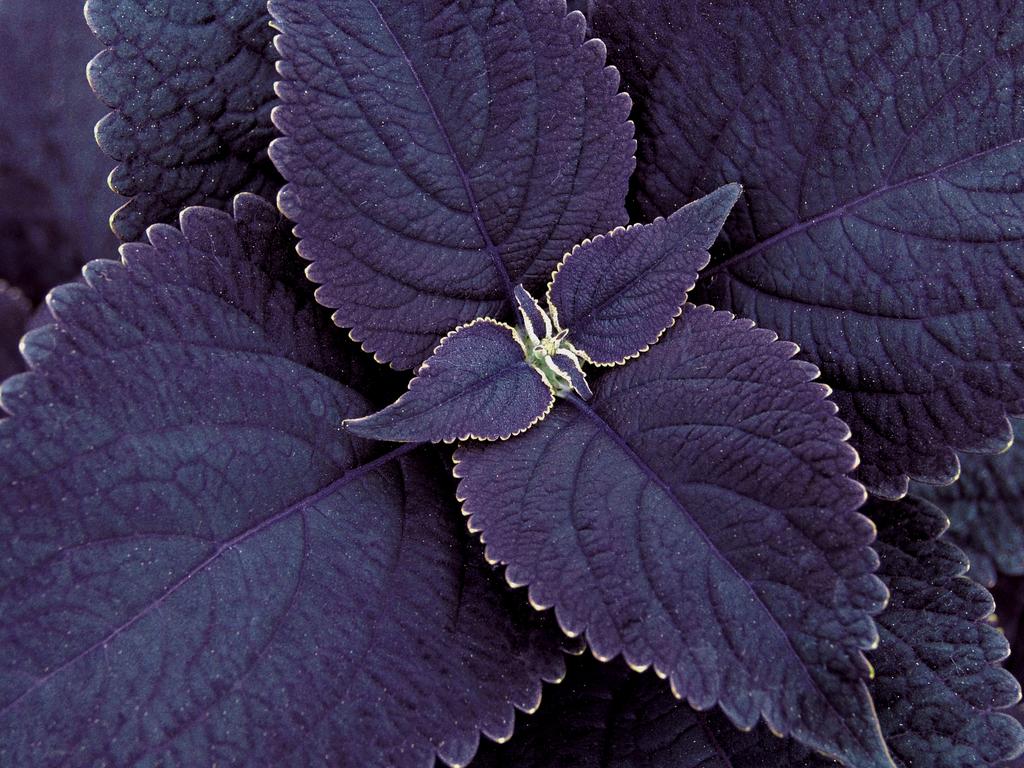
- Why they’re essential: Dramatic leaves in deep burgundy, near-black, lime, or patterned shades provide all-season interest without relying on blooms.
- 2026 trend: Dark varieties like ‘Black Prince’ or fringed ‘Henna’ align perfectly with moody schemes and climate resilience.
- Conditions: Sun or shade tolerant (sun intensifies color); moist, well-drained soil.
- Expert insight: Pinch regularly for bushy growth; excellent thriller or filler in mixed containers.
In my experience, coleus outperforms in partial shade where flowers fade, lasting vibrantly until frost.
7. Geraniums (Zonal and Ivy-Leaved Pelargoniums) 🌹
Classic yet updated with tougher hybrids for 2026’s hotter conditions.
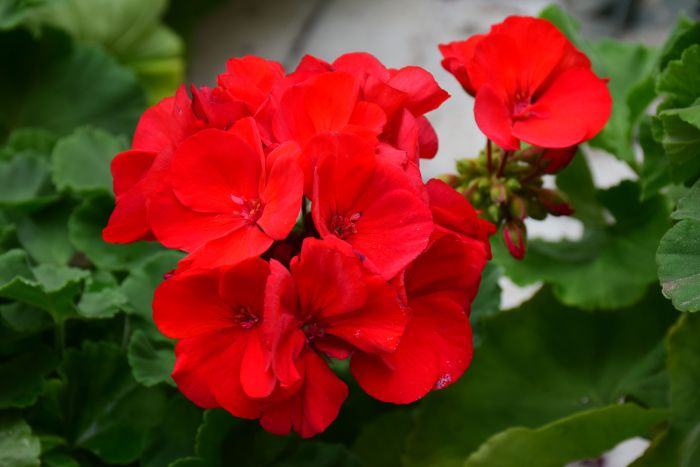
- Reliability: Heat- and drought-tolerant; clusters of vibrant blooms.
- Modern twist: New series like Americana offer improved vigor and disease resistance.
- Conditions: Full sun; well-drained soil.
- Tip: Deadhead spent flowers; ivy types trail beautifully in baskets.
Proven performers in dry borders—I’ve seen them thrive with minimal water.
8. Lobelia (Trailing and Upright Series) 💙
Cooling blues for contrast in hot summers.

- Highlights: Cascading habit; profuse small flowers in blue, white, or purple.
- 2026 appeal: Trailing types like Laguna Royale for compact baskets; pollinator-friendly.
- Conditions: Partial shade preferred; consistent moisture.
- Pairing idea: Edge darker foliage for striking contrast.
Great for softening container edges.
9. Nemesia 🌸
Fragrant and long-blooming for early and extended color.
:max_bytes(150000):strip_icc()/nemesia-plant-profile-5070320-11-f8453f1be78541a7930b4d61c19d2a3f.jpg)
- Why trending: Sweet scent; compact mounds of snapdragon-like flowers.
- Conditions: Full sun to part shade; well-drained soil.
- Tip: Shear mid-season for fall rebloom; heat-tolerant hybrids available.
A personal favorite for fragrance near patios.
10. Impatiens (Disease-Resistant Beacon Series) 🌿
Shade-loving comeback with improved resilience.
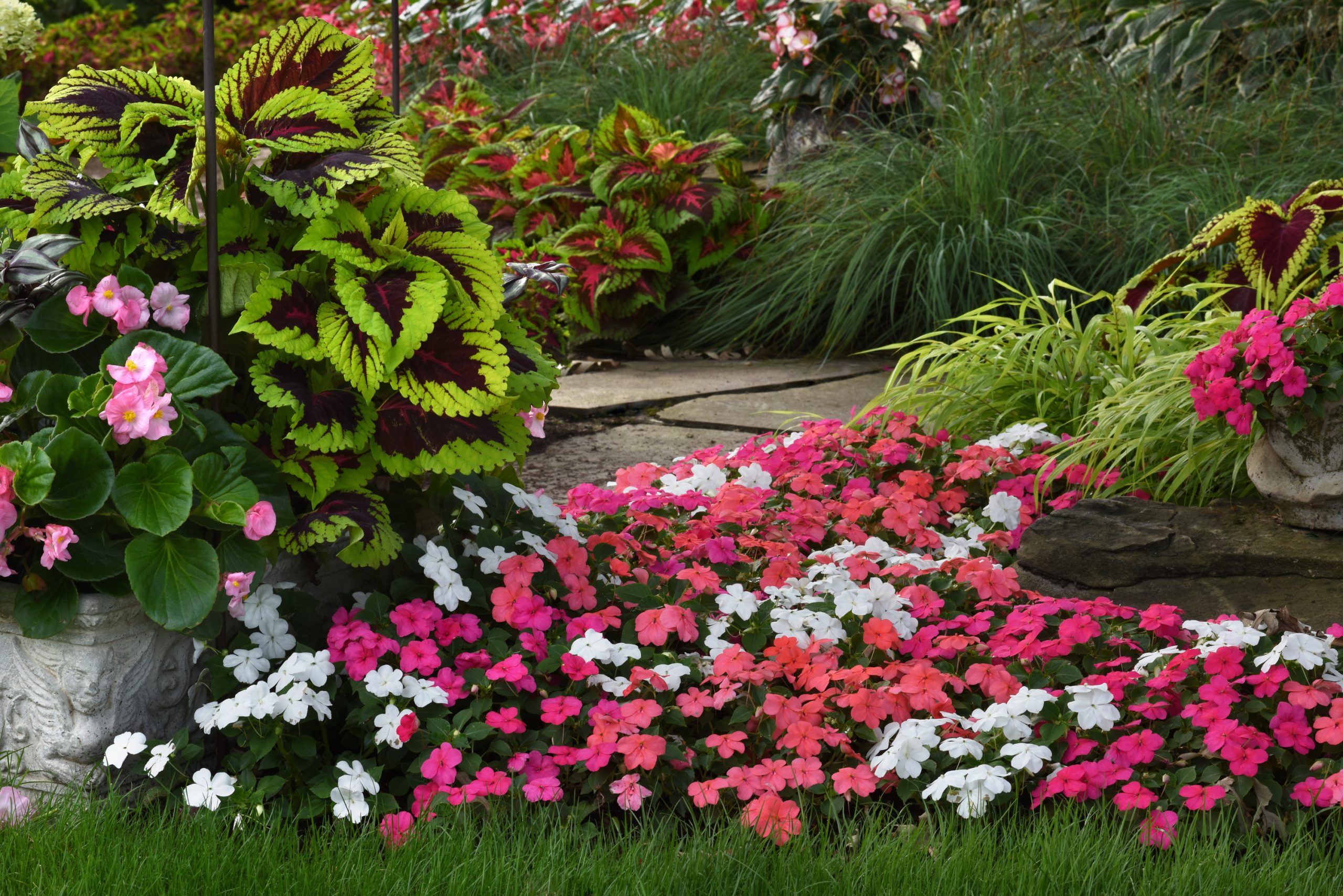
- Comeback pick: Beacon series resists downy mildew; vibrant shades.
- For 2026: Reliable color in challenging shade.
- Conditions: Shade; moist soil.
- Insight: Mass plant for carpet effect.
Ideal for north-facing beds.
(Word count so far: ~2,200)
Essential Planting Tips for Success in 2026 🛠️
Achieving stunning results starts with proper preparation and care—especially with 2026’s emphasis on resilience.
Timing Your Planting Calendar 📅
- Hardy annuals (e.g., some marigolds) can go out early spring.
- Tender bedding like petunias and impatiens: Wait until after last frost (typically late May in many regions).
- For extended color: Succession plant or choose reblooming hybrids.
From experience, hardening off plugs for a week prevents shock.
Soil Preparation and Site Selection 🏡
- Amend beds with compost for improved drainage and nutrients—essential for drought tolerance.
- Test soil pH (most bedding prefers 6.0-7.0).
- Full sun: Petunias, zinnias, geraniums.
- Shade/part shade: Begonias, impatiens, coleus.
Raised beds work wonders in heavy clay.
Watering, Feeding, and Maintenance Routine 💧
- Water deeply but infrequently to encourage roots; mulch to retain moisture.
- Feed with balanced liquid fertilizer every 4-6 weeks (or slow-release at planting).
- Deadhead regularly (except self-cleaning types like Supertunia).
- Pro tip: Morning watering reduces disease risk.
Designing Stunning Beds: Color Schemes and Combinations 🎨
Here are inspiring displays:
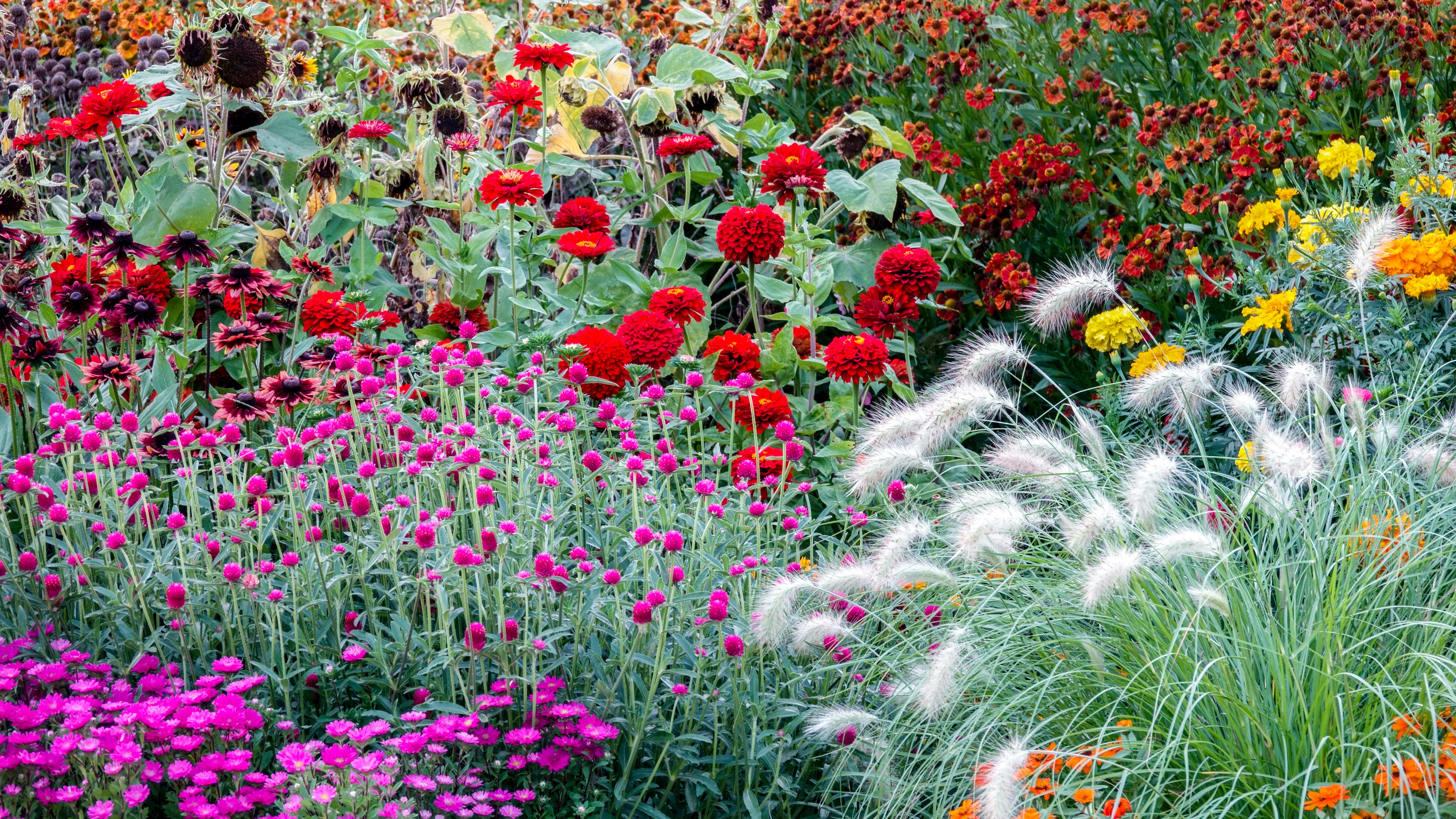
- Gothic moody: Black petunias + dark coleus + burgundy begonias.
- Pollinator paradise: Zinnias + nemesia + calibrachoa.
- Monochrome elegance: Blues with lobelia, nemesia, and trailing calibrachoa.
- Container thriller-spiller-filler: Geranium (thriller), petunia (filler), lobelia (spiller).
Layer heights for depth—tall zinnias back, trailing front.
Common Problems and Expert Solutions 🐛
Pests and Diseases: Prevention Strategies
- Aphids/slugs: Neem oil or companion marigolds.
- Powdery mildew: Good airflow; resistant varieties like Beacon impatiens.
Weather Challenges: Heat, Drought, and Frost
- Heat: Mulch + shade cloth; choose Supertunia or calibrachoa.
- Drought: Deep rooting with infrequent water.
Extending the Season into Fall 🍂
- Midsummer shear for fresh growth.
- Protect tender types with fleece on cool nights.
Frequently Asked Questions (FAQs) ❓
What’s the easiest bedding plant for beginners? 🌱
Petunias or marigolds—forgiving, fast-growing, and rewarding.
Can bedding plants support wildlife? 🦋
Absolutely! Single-flowered zinnias, nemesia, and calibrachoa attract bees and butterflies.
Are there eco-friendly bedding options for 2026? ♻️
Yes—choose peat-free plugs, pollinator-friendly varieties, or transition to resilient perennials like salvias for lower impact.
How many plants do I need per square meter?
Spacing 15-30cm apart; e.g., 9-16 petunias for dense coverage.
Conclusion: Start Planning Your 2026 Garden Today! ✨
With these expert picks—blending timeless favorites like petunias and marigolds with resilient 2026 trends toward darker tones, fragrance, and wildlife support—your garden beds will deliver stunning, low-fuss seasonal color. Embrace climate-smart choices for beauty that lasts and benefits the environment.
Happy planting—may your 2026 garden be your most vibrant yet! 🌻











