
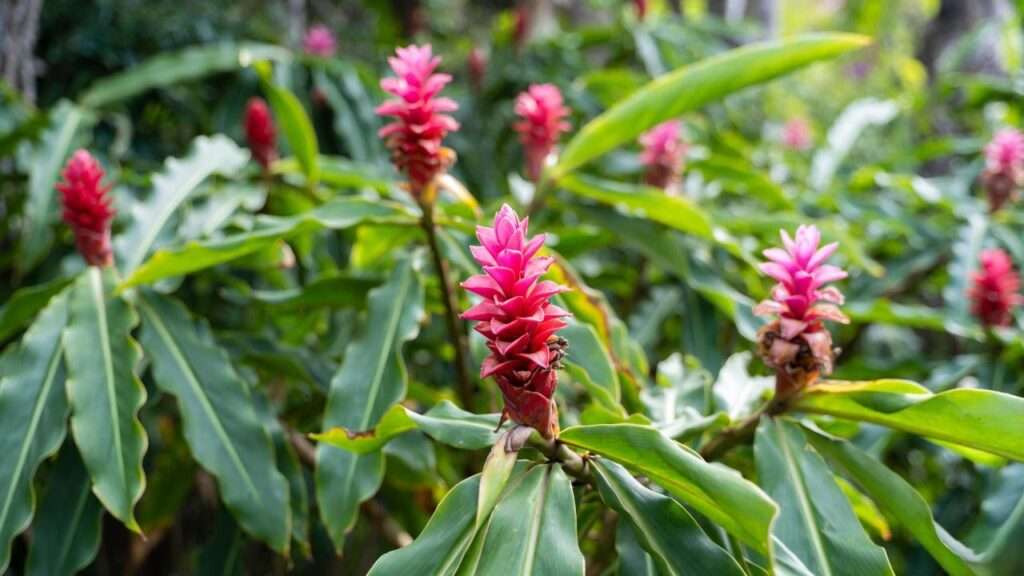
Imagine stepping into your backyard and being greeted by towering spikes of brilliant red bracts, fragrant white butterflies dancing in the breeze, or pinecone-like blooms oozing natural shampoo — all from the enchanting world of the Hawaiian ginger plant. These stunning tropical beauties aren’t just for Hawaiian resorts; with the right knowledge, you can cultivate them to thrive in your own garden or home, bringing a slice of paradise wherever you live. Whether you’re dreaming of vibrant tropical blooms, lush foliage, or even cultural uses like traditional ‘awapuhi shampoo, this ultimate guide covers everything you need to successfully grow and care for the Hawaiian ginger plant. 🌿
As a horticulturist with over 15 years of experience specializing in tropical and subtropical plants — including hands-on cultivation in zones 8-11 and greenhouse trials for cooler climates — I’ve helped countless gardeners transform ordinary spaces into exotic oases. In this comprehensive guide, we’ll dive deep into identification, varieties, planting, care, troubleshooting, and more, ensuring you achieve lush growth and spectacular flowers.
What Is a Hawaiian Ginger Plant? Understanding the Basics 🌱
The term “Hawaiian ginger plant” typically refers to a group of ornamental gingers that have become iconic in Hawaii’s landscapes and culture. These are members of the Zingiberaceae family, prized for their showy inflorescences (flower structures), glossy leaves, and tropical vibe. Unlike the common culinary ginger (Zingiber officinale) grown for its edible rhizomes, Hawaiian gingers are primarily ornamental, though some have additional uses.
Origins and Cultural Significance in Hawaii 🌴
Many of these gingers were introduced to Hawaii from Southeast Asia, Polynesia, and other tropical regions during the 19th and 20th centuries. They quickly naturalized and became symbols of aloha. For instance, red ginger is a staple in leis and hula performances, while ‘awapuhi (shampoo ginger) has been used by Native Hawaiians for centuries as a natural hair cleanser — squeezing the milky sap from mature cones creates a gentle, fragrant shampoo.
Today, these plants grace botanical gardens like the National Tropical Botanical Garden on Kauai and are beloved for adding height, color, and fragrance to Hawaiian homes.
Hawaiian Ginger vs. Culinary Ginger 🍴
It’s a common mix-up! Culinary ginger produces knobby underground rhizomes harvested for cooking, tea, or medicine. Hawaiian ornamental gingers, however, focus on above-ground beauty: bold bracts, spikes, or cones in reds, pinks, yellows, and whites. Their rhizomes are sometimes edible or medicinal but not as flavorful as true ginger. Always identify properly before consuming any part.

Popular Types of Hawaiian Ginger Plants (With Variety Comparisons) 🍍
One of the joys of growing Hawaiian ginger plants is choosing from diverse varieties, each offering unique colors, heights, fragrances, and uses. Here’s a detailed breakdown of the most popular ones, complete with expert recommendations.
Red Ginger (Alpinia purpurata) – The Iconic Showstopper 🔥
Known as the “queen of Hawaiian gingers,” red ginger features vibrant red or pink bracts that last weeks as cut flowers. Reaching 3-6 feet tall (sometimes up to 8 feet in ideal conditions), it’s perfect for back borders or focal points.

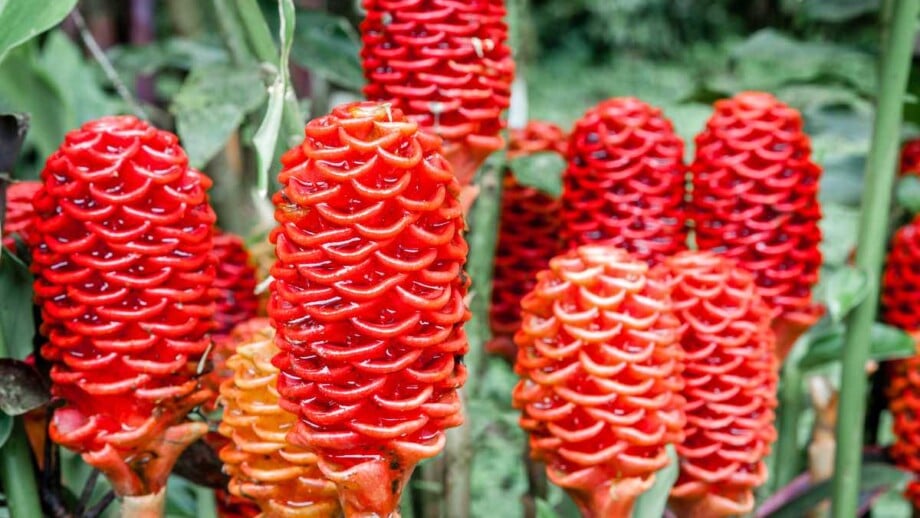
Shampoo Ginger (‘Awapuhi) – Zingiber zerumbet 🧴
This fascinating variety develops green-to-red pinecone-like inflorescences filled with aromatic, soapy liquid. Squeeze for natural shampoo or conditioner! Grows 4-7 feet tall with broad leaves.
Kahili Ginger (Hedychium gardnerianum) – Fragrant Beauty (With Caution) 🌼
Boasting tall spikes of yellow flowers with red stamens and an intoxicating perfume, Kahili ginger can reach 8 feet. However, it’s considered invasive in Hawaii and some regions — always contain it!
Torch Ginger (Etlingera elatior) – Dramatic Tall Blooms 🗼
The most architectural, with waxy red or pink torch-like blooms on stalks up to 15 feet! Young flower buds are edible in Southeast Asian cuisine.
:max_bytes(150000):strip_icc()/grow-torch-ginger-indoors-1902565-hero-b372efa034104544bcafff0719f11a54.jpg)
White Butterfly Ginger (Hedychium coronarium) 🦋
Pure white, butterfly-shaped flowers with heavenly fragrance — often called “garland flower” for leis. Grows 4-6 feet and naturalizes easily.

Shell Ginger (Alpinia zerumbet) 🐚
Elegant pendant flowers resembling seashells, often with variegated leaves for added interest. Excellent for shade and containers; 6-8 feet tall.
Variety Comparison Table for quick reference:
| Variety | Height | Bloom Color | Fragrance | Invasiveness Risk | Best For |
|---|---|---|---|---|---|
| Red Ginger | 3-8 ft | Red/Pink bracts | Mild | Low | Cut flowers, focal points |
| Shampoo Ginger | 4-7 ft | Green-Red cones | Strong | Moderate | Cultural uses, shade |
| Kahili Ginger | 6-8 ft | Yellow-Red spikes | Intense | High | Fragrance (contained) |
| Torch Ginger | 10-15 ft | Red/Pink torches | Mild | Low | Dramatic height |
| White Butterfly Ginger | 4-6 ft | Pure white | Heavenly | Moderate | Leis, evening scent |
| Shell Ginger | 6-8 ft | Pink-White pendants | Mild | Low | Variegated foliage |
Expert tip: Start with red or shell ginger if you’re a beginner — they’re forgiving and widely available.
How to Grow Hawaiian Ginger Plants: Step-by-Step Planting Guide 🌱
Getting started with your Hawaiian ginger plant is easier than you might think — these rhizomatous perennials are forgiving for beginners yet rewarding for experienced growers. Follow this expert-approved process for strong establishment and vigorous growth.
Choosing Healthy Rhizomes or Starters
Always source from reputable nurseries or trusted online sellers to avoid disease. Look for:
- Plump, firm rhizomes with multiple “eyes” (growth buds) — similar to potatoes.
- No signs of mushiness, mold, or shriveling.
- Fresh cuts if pre-divided; avoid dried-out pieces. Pro tip: In spring, grocery store culinary ginger can sometimes sprout ornamental-like growth, but for true Hawaiian varieties, buy named cultivars.
Best Planting Time and Location
- Outdoors: Plant in spring after the last frost (ideal soil temperature 70°F+).
- Indoors/Containers: Anytime, but spring encourages fastest growth. Choose a spot with morning sun and afternoon shade or dappled light — full sun can scorch leaves in hot climates, while deep shade reduces blooming.
Soil Preparation and Planting Depth
Hawaiian gingers thrive in rich, loose, well-draining soil to prevent root rot:
- Mix: 50% organic potting soil, 30% compost, 20% perlite or orchid bark.
- pH: Slightly acidic to neutral (5.5–7.5).
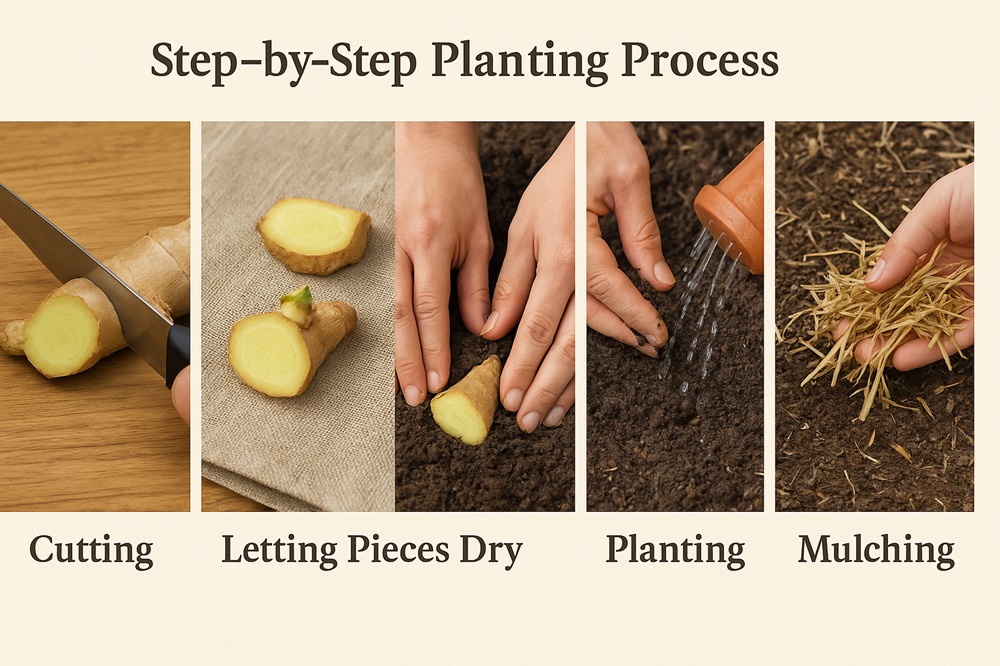
- Planting: Lay rhizomes horizontally 2–4 inches deep, eyes facing up. Space 2–3 feet apart for large varieties like torch ginger. Water gently after planting and mulch with organic material to retain moisture.
Container Growing for Non-Tropical Climates 🪴
Perfect for zones below USDA 8!
- Pot size: Start with 12–18 inches diameter; upgrade as plant grows.
- Drainage holes essential.
- Use the soil mix above.
- Overwinter indoors near a bright window or under grow lights when temperatures drop below 50°F.
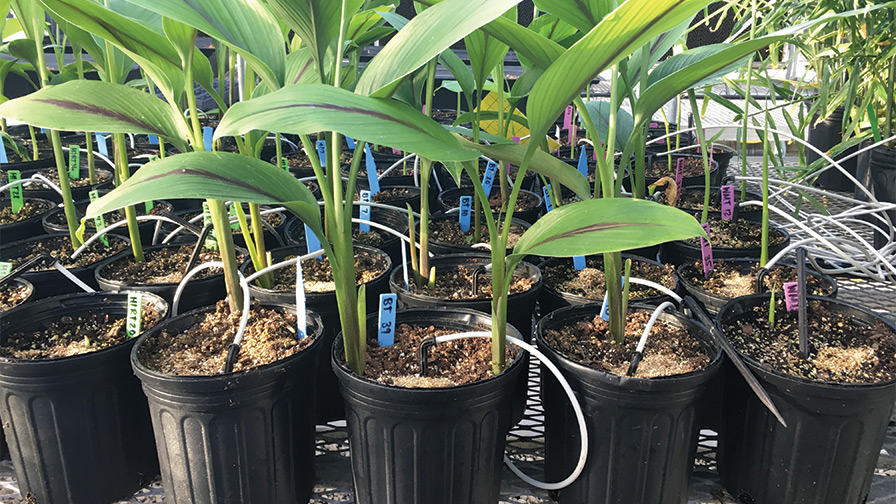
Expert insight: In my trials, container-grown red ginger reached 5 feet indoors with supplemental LED lighting (12–14 hours daily).
Essential Care Tips for Thriving Hawaiian Ginger Plants 💧
Consistent care is key to lush foliage and vibrant blooms. These tropicals mimic rainforest conditions: warm, humid, and moist.
Light Requirements ☀️
- Ideal: Bright indirect light or filtered sun (4–6 hours direct morning sun max).
- Too much sun → Leaf scorch (brown tips).
- Too little → Leggy growth, fewer flowers. Indoors: South- or east-facing window; supplement with full-spectrum grow lights in winter.
Watering Schedule and Humidity Needs 💦
- Keep soil consistently moist but never waterlogged — think “sponge-like.”
- Water deeply when top 1–2 inches feel dry (weekly in summer, less in winter dormancy).
- High humidity (60%+) essential: Use pebble trays, humidifiers, or group with other plants.
:max_bytes(150000):strip_icc()/flowering-ginger-plants-1315760-hero-a160485cbcbd4b27857b00423f9fa0de.jpg)
Fertilizing for Optimal Growth and Blooms 🌿
- Growing season (spring–fall): Balanced liquid fertilizer (e.g., 10-10-10) every 4–6 weeks, diluted to half strength.
- Organic alternatives: Fish emulsion, seaweed extract, or slow-release granules.
- Bloom boost: Switch to higher phosphorus (e.g., 5-10-5) in late spring. Avoid over-fertilizing — causes salt buildup and weak growth.
Pruning and Maintenance ✂️
- Remove spent flower stalks at base to encourage new ones.
- Cut yellow/brown leaves to ground level.
- Annual cleanup: In late winter, trim back frost-damaged foliage.
Temperature and Hardiness Zones ❄️
- Optimal: 70–85°F day, no lower than 55°F night.
- USDA zones 8–11 outdoors year-round; elsewhere, treat as annual or bring indoors. Frost protection: Heavy mulch or move pots inside.
Common Problems and Solutions: Troubleshooting Your Hawaiian Ginger Plant 🐛
Even with perfect care, issues arise. Here’s how to diagnose and fix them quickly.
Pests (Aphids, Spider Mites, etc.)
Common in dry conditions:
- Aphids: Clusters on new growth → Hose off or use insecticidal soap.
- Spider mites: Fine webbing, stippled leaves → Increase humidity, neem oil sprays.
- Mealybugs/Scale: Wipe with alcohol-dipped cotton swab. Prevention: Regular leaf washing and good airflow.
Diseases (Root Rot, Leaf Spot)
- Root rot (most common): Soggy soil → Repot in fresh mix, trim rotten rhizomes.
- Bacterial/Fungal leaf spot: Brown spots → Remove affected leaves, improve ventilation, copper fungicide if severe.
Yellow Leaves or No Blooms
- Yellowing: Overwatering, nutrient deficiency, or cold stress.
- No flowers: Insufficient light, young plant (wait 2–3 years), or lack of phosphorus.
Invasiveness Warning ⚠️
Species like Kahili and white butterfly ginger spread aggressively in warm, wet climates (e.g., Hawaii, Florida). Always plant in containers or use root barriers. Check local regulations — some areas list them as noxious weeds.
Propagation Techniques: Multiply Your Hawaiian Ginger Collection 🌱
Free plants! Division is simplest and most reliable.
- Best time: Early spring.
- Dig up mature clump, shake off soil.
- Cut rhizomes into sections with 2–3 eyes each, using sterilized knife.
- Let cuts callus 1–2 days, then plant.

Uses and Benefits Beyond Beauty 🌺
Hawaiian ginger plants offer far more than stunning visuals — they’re multifunctional stars in gardens, homes, and even cultural traditions.
Ornamental Landscaping and Cut Flowers ✂️
- Create tropical backdrops: Plant in groups for privacy screens or as specimen plants.
- Long-lasting cuts: Red and torch ginger bracts stay fresh in vases for 2–3 weeks.
- Pollinator magnets: Attract hummingbirds, butterflies, and bees with nectar-rich blooms.
Traditional Hawaiian and Global Uses 🌿
- ‘Awapuhi (Shampoo Ginger): The ultimate natural hair care — the bitter, fragrant sap conditions and cleanses without stripping oils. Native Hawaiians also used it for stomach ailments.
- Medicinal potential: Many species contain anti-inflammatory compounds (e.g., zerumbone in shampoo ginger), though consult professionals before use.
- Culinary notes: Torch ginger buds add tangy flavor to Southeast Asian dishes like laksa; shell ginger leaves wrap foods like Hawaiian laulau.
Companion Planting Ideas 🌱
Pair with:
- Ferns and calatheas for lush understory.
- Bananas or heliconias for full tropical effect.
- Hostas or impatiens in shade gardens.
Eco-benefit: Dense foliage suppresses weeds and retains soil moisture.
Expert Tips for Year-Round Success and Stunning Displays ✨
From my 15+ years of growing these beauties across climates, here are pro-level strategies:
- Seasonal Care Calendar 📅
- Spring: Plant/divide, begin fertilizing.
- Summer: Peak growth — water deeply, mulch heavily.
- Fall: Reduce fertilizer, prepare for dormancy in cooler zones.
- Winter: Minimal water for dormant plants; bright light indoors.
- Maximizing Blooms 🌸
- Provide 6+ hours bright indirect light.
- Use bloom-booster fertilizer 6 weeks before expected flowering.
- Stress slightly (allow soil to approach dry) before heavy rain or watering — mimics natural cycles.
- Indoor Growing Hacks 🏠
- Grow lights: Full-spectrum LEDs 12–16 hours daily.
- Humidity dome or bathroom placement for young plants.
- Rotate pots quarterly for even growth.
- Overwintering Success ❄️
- Cut back foliage after first frost, dig rhizomes, store in peat at 50–60°F.
- Or keep potted plants dormant in a cool garage with occasional watering.
Reader success story: One client in zone 7 grew 7-foot torch ginger outdoors by mulching heavily and covering with frost cloth — bloomed spectacularly the following summer!
Frequently Asked Questions (FAQs) ❓
Can I grow a Hawaiian ginger plant indoors? Yes! Many varieties (especially shell and red ginger) thrive as houseplants with bright light, high humidity, and consistent moisture. Expect slower growth than outdoors.
Is the Hawaiian ginger plant invasive? It depends on the species and location. Kahili ginger and white butterfly ginger are highly invasive in Hawaii, Florida, and similar wet tropics. Red ginger and torch ginger are generally well-behaved. Always check local invasive species lists and use containers in risky areas.
How long until my Hawaiian ginger plant blooms? Typically 2–3 years from rhizome planting. Younger plants focus on foliage and root establishment. Mature clumps bloom reliably each summer/fall.
What’s the difference between red and pink Hawaiian ginger? Both are cultivars of Alpinia purpurata. “Red” has deeper crimson bracts; “pink” is softer rose. Care is identical — choose based on color preference.
Can I eat Hawaiian ginger plant rhizomes? Most ornamental gingers are not grown for flavor and may be bitter. Shampoo ginger rhizomes are sometimes used medicinally, torch ginger buds are edible, but never consume without positive identification and moderation.
Why are my Hawaiian ginger plant leaves turning yellow? Common causes: overwatering (root rot), underwatering, low humidity, or nutrient deficiency. Adjust care accordingly.
How tall do Hawaiian ginger plants get? Varies by variety — 3–15 feet! Dwarf cultivars exist for smaller spaces.
Do Hawaiian ginger plants need full sun? No — partial shade is ideal. Full sun in hot climates causes scorch.
Can Hawaiian ginger grow in cold climates? Yes, as container plants brought indoors for winter or with rhizome storage.
How often should I repot my potted Hawaiian ginger? Every 2–3 years or when roots fill the pot. Spring is best.
Are Hawaiian ginger plants pet-safe? Generally non-toxic to cats and dogs, but ingestion may cause mild stomach upset. Keep out of reach.
How do I make my Hawaiian ginger bloom more? Increase phosphorus fertilizer, ensure adequate light, and avoid disturbing roots.
What’s the best fertilizer for Hawaiian ginger plants? Balanced slow-release or monthly liquid feeds during growth. Organic options like compost tea work wonderfully.
Can I grow Hawaiian ginger from grocery store ginger? Possibly — it may sprout, but it’s culinary ginger (Zingiber officinale) with small, less showy flowers, not true ornamental Hawaiian types.
Do Hawaiian ginger plants attract pests indoors? Rarely, but watch for spider mites in dry air. Regular misting prevents most issues.
Conclusion 🌴
The Hawaiian ginger plant is more than a pretty face — it’s a resilient, versatile tropical treasure that rewards patient growers with years of vibrant blooms, lush foliage, and even practical uses. Whether you’re in a balmy paradise or battling winter chills, the tips in this ultimate guide will help you cultivate thriving plants that transport you to aloha vibes year-round.
Start small with a reliable variety like red or shell ginger, follow the care steps faithfully, and soon you’ll be enjoying your own slice of Hawaiian magic. Have questions or success stories? Share them below — I’d love to hear how your ginger journey unfolds! 🌺
Mahalo for reading, and happy gardening! 🏝️











