
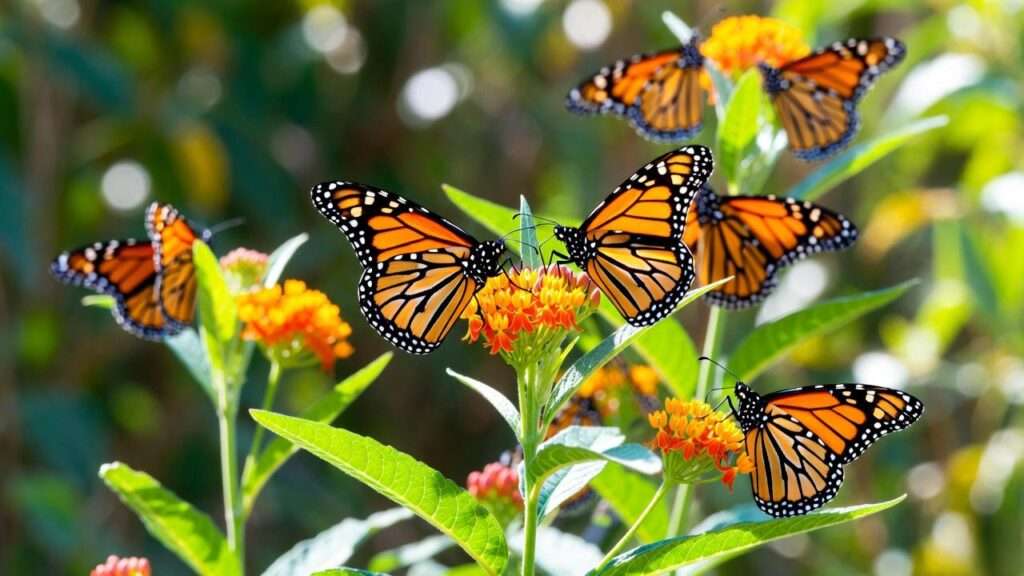
Picture this: A vibrant orange-and-black monarch butterfly gracefully lands on a blooming milkweed plant in your own backyard, soon followed by tiny eggs that hatch into hungry caterpillars munching away. This isn’t just a beautiful sight—it’s a vital act of conservation. As we enter 2026, monarch butterfly populations continue to face serious challenges, with the western population hitting near-record lows in recent overwintering counts and overall declines linked to habitat loss. How do you plant milkweed seeds? It’s one of the most effective ways to provide essential host plants for monarch caterpillars, who rely exclusively on milkweed to survive.
In this comprehensive guide, we’ll cover everything you need to know about planting milkweed seeds successfully, from selecting native species to step-by-step sowing methods. Drawing on recommendations from trusted organizations like the Xerces Society, Monarch Joint Venture, and recent conservation data, this article will help you create a thriving pollinator habitat that supports monarchs and other wildlife. Whether you’re a beginner gardener or experienced plant enthusiast, planting native milkweed seeds can make a real difference in reversing population declines—let’s get started! 🐛
Why Plant Native Milkweed? The Importance for Monarch Butterflies and Pollinators 🐛
Monarch butterflies (Danaus plexippus) are iconic pollinators, famous for their epic migrations spanning thousands of miles. However, their numbers have plummeted in recent decades due to habitat destruction, climate change, and pesticide use. Recent 2025 data from the Xerces Society and Western Monarch Count show the western overwintering population at critically low levels—around 9,000 butterflies in some counts, far below the 30,000 needed for long-term viability. Eastern populations have seen fluctuations but remain down significantly from historical highs.
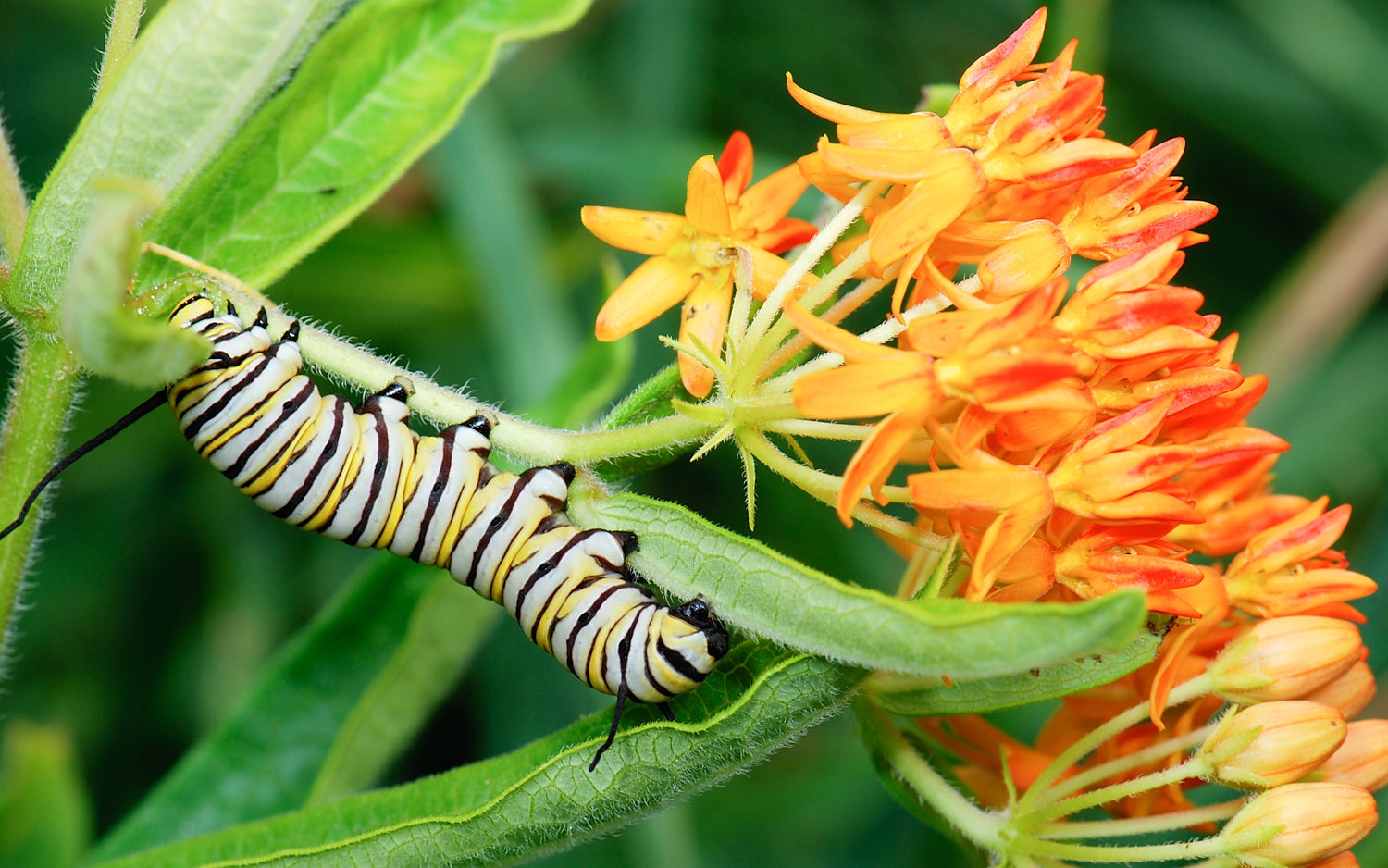
The key issue? Loss of milkweed plants (genus Asclepias). Monarch caterpillars feed solely on milkweed leaves, which contain toxic cardenolides that make butterflies unpalatable to predators. Without milkweed, there are no monarchs. Native milkweed species are superior because they co-evolved with local monarchs and ecosystems, providing the right timing for egg-laying and migration cues.
Beyond monarchs, milkweed supports a diverse array of pollinators. Its nectar-rich flowers attract bees, hummingbirds, and other butterflies, while the plant’s structure offers shelter. The milky sap deters herbivores but nourishes specialist insects. By planting native milkweed, you’re boosting biodiversity, creating wildlife corridors, and contributing to citizen science efforts like those from the Monarch Joint Venture.
Expert insight: Conservationists emphasize that restoring native milkweed in breeding grounds—especially the U.S. Midwest and along migration routes—is crucial. Even small backyard patches can help, as monarchs lay eggs on isolated plants during their journey.
Choosing the Right Milkweed Species for Your Region 🌍
Not all milkweeds are created equal—selecting regionally native species ensures better adaptation to your climate, soil, and local monarch needs. Non-native tropical milkweed (Asclepias curassavica) should be avoided in most areas, as it can disrupt migration by encouraging year-round breeding and increase the spread of the OE parasite (Ophryocystis elektroscirrha), which deforms and weakens butterflies.
Use resources like the Xerces Society’s regional guides or Monarch Joint Venture’s milkweed finder to identify natives. Aim for a mix of species for extended bloom times and varied habitats.
Common Native Milkweed Species by U.S. Region
Northeast & Midwest
- Common Milkweed (Asclepias syriaca): Tall (3-5 feet), fragrant pink clusters, spreads via rhizomes. Thrives in fields and roadsides. 🏵️
- Swamp Milkweed (Asclepias incarnata): Loves moist soil, pink flowers, 4-5 feet tall. Great for rain gardens.
- Butterfly Weed (Asclepias tuberosa): Bright orange blooms, drought-tolerant, 1-3 feet. Excellent for dry sites.
:max_bytes(150000):strip_icc()/growing-butterfly-weed-in-your-garden-2539531-06-999a7926f9df4941bd424f11b0653c2c.jpg)
Southeast
- Swamp Milkweed and Butterfly Weed dominate, plus Whorled Milkweed (Asclepias verticillata) for thinner leaves and white flowers.
Southwest & West
- Showy Milkweed (Asclepias speciosa): Large pink-star flowers, velvety leaves.
- Narrowleaf Milkweed (Asclepias fascicularis): Heat-tolerant, narrow leaves.
General Tip: Source seeds from reputable native plant nurseries or vendors approved by Xerces to ensure genetic locality. Avoid tropical milkweed entirely in temperate zones—it persists through winter, promoting OE buildup and non-migratory behavior.
When to Plant Milkweed Seeds: Timing for Success 📅
Timing is critical when learning how to plant milkweed seeds. Native milkweed species in temperate regions need exposure to cold winter conditions to germinate reliably. The best approach mimics nature for highest success rates.
Fall planting stands out as the top recommendation from experts at the Xerces Society and Monarch Joint Venture. Sow seeds directly outdoors in late fall—typically October to November, before the ground freezes. This allows natural cold stratification through winter, leading to strong spring germination. Studies show fall-sown native milkweed seeds can achieve germination rates up to 80-90% in many regions.
Spring planting works as an alternative, but requires manual cold stratification (detailed in the next section). Start seeds indoors 4-8 weeks before your area’s last frost date, then transplant after danger of frost passes.
Regional considerations for 2026:
- Northern U.S. and Canada — Aim for fall sowing by mid-November. Spring planting: Stratify and start indoors in February-March.
- Midwest and Northeast — Fall ideal; spring after last frost (often May).
- Southern U.S. — Fall or early winter sowing; some species may not need full stratification.
- Western U.S. — Fall planting recommended for most natives; coastal California gardeners should plant inland to avoid disrupting overwintering.
Pro Tip: In 2026, with variable weather patterns, monitor local frost dates via USDA Plant Hardiness Zone updates. Fall sowing remains easiest and most effective for beginners—it requires minimal effort while yielding robust plants. 🗓️

Preparing Milkweed Seeds: Cold Stratification Explained ❄️
Most native milkweed seeds feature a hard coat and built-in dormancy, preventing fall germination that could kill seedlings in winter. Cold moist stratification breaks this dormancy by simulating winter conditions, dramatically improving germination.
Southern species like some in Florida or Texas may need less or no stratification, but it rarely harms them.
Step-by-Step Cold Stratification Methods
Method 1: Refrigerator Stratification (Ideal for Spring Planting)
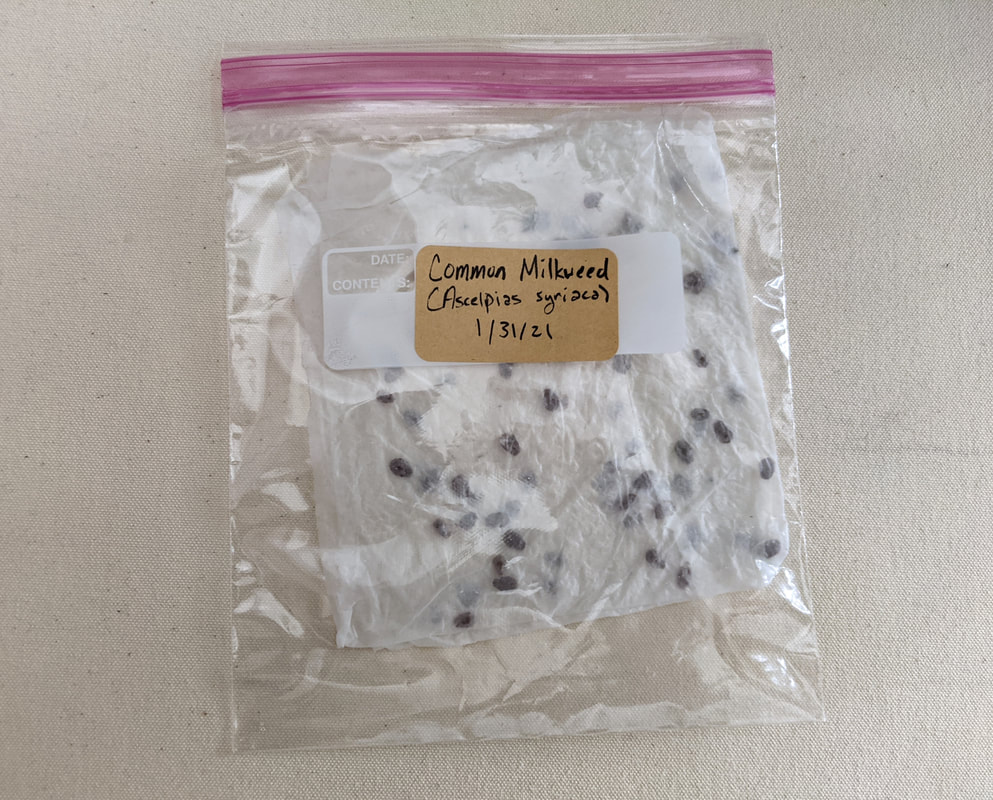
- Soak seeds in room-temperature water for 12-24 hours to soften the coat.
- Dampen a paper towel (not soaking wet) or mix seeds with moist sand/vermiculite.
- Place in a labeled zip-top bag or container.
- Refrigerate at 33-40°F (regular fridge temp) for 30-60 days—check species needs (e.g., common milkweed: 30-45 days; butterfly weed: up to 60).
- Check weekly for mold; mist if drying out. Some seeds may sprout early—plant them immediately!
This method offers control and suits indoor starts.
Method 2: Winter Sowing (Easiest for Beginners)
Use recycled milk jugs or containers as mini-greenhouses:
- Cut jugs in half, poke drainage holes in bottom.
- Fill with moist potting mix.
- Scatter stratified or untreated seeds on surface.
- Tape jug back together, leave cap off for ventilation.
- Place outdoors in January/February.
Nature handles temperature fluctuations; seedlings emerge in spring. This low-maintenance method excels for large quantities.

Method 3: Direct Fall Sowing (Most Natural)
Scatter prepared seeds directly on soil in late fall—nature provides perfect stratification. This remains the gold standard for ecological accuracy.
Expert Note: Always use fresh, viable seeds. Older seeds may need longer stratification. Test small batches if unsure.
How Do You Plant Milkweed Seeds: Detailed Step-by-Step Guide 🛠️
Now comes the exciting part—putting seeds in soil! Two primary methods exist: direct outdoor sowing (preferred for fall) and indoor starting for spring transplants.
Direct Outdoor Sowing (Recommended for Fall)
- Select a site with full sun (6+ hours daily) and well-drained soil. Milkweed tolerates poor soil but hates soggy roots.
- Clear weeds and lightly loosen top 1-2 inches of soil.
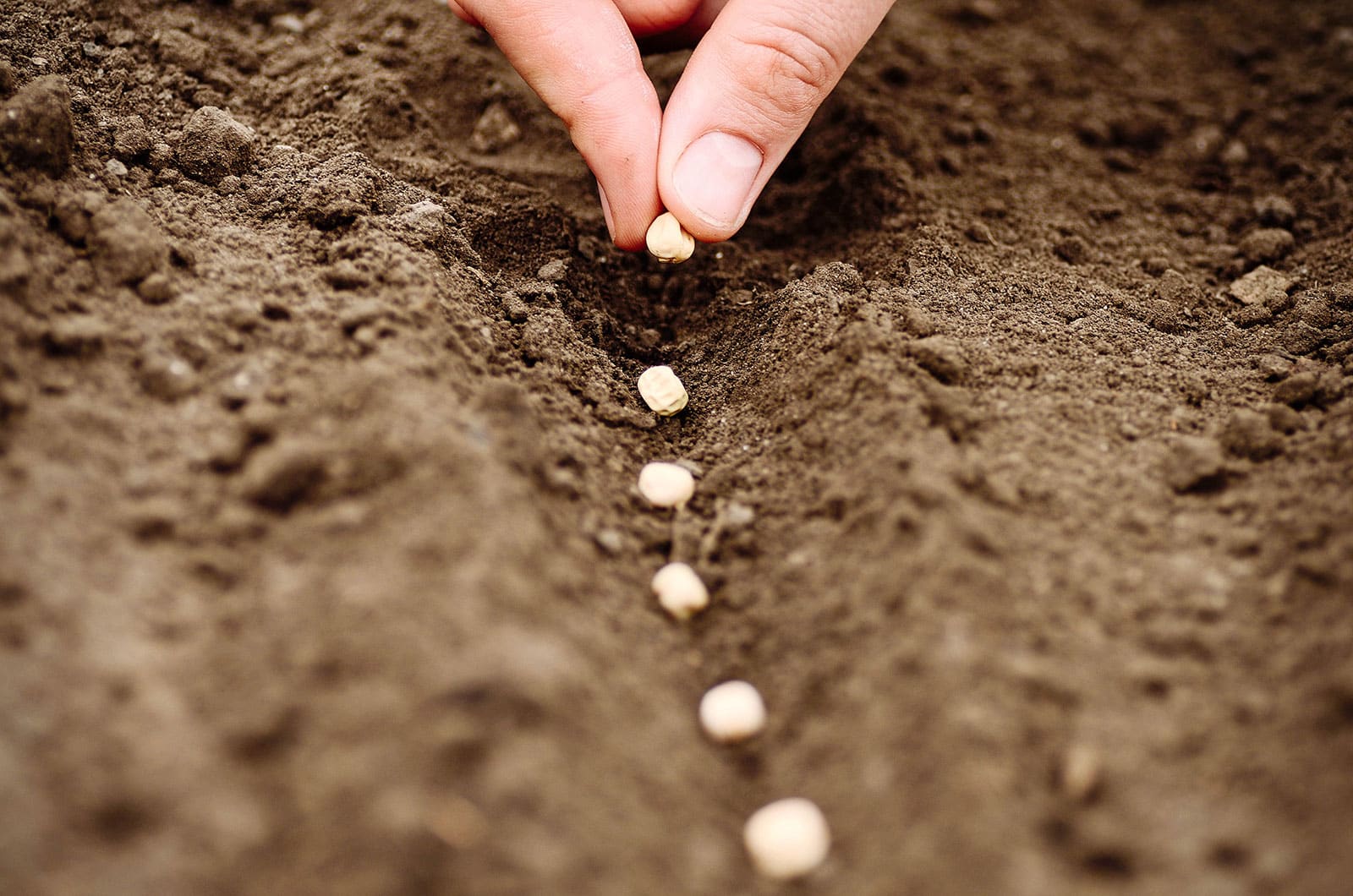
- Scatter seeds about 1/4-1/2 inch deep, spacing 6-12 inches apart (they’ll thin naturally or you can later).
- Cover lightly with 1/4 inch soil—milkweed seeds need some light to germinate, so don’t bury deeply.
- Water gently to settle soil.
- Apply light mulch (e.g., straw) to protect over winter.
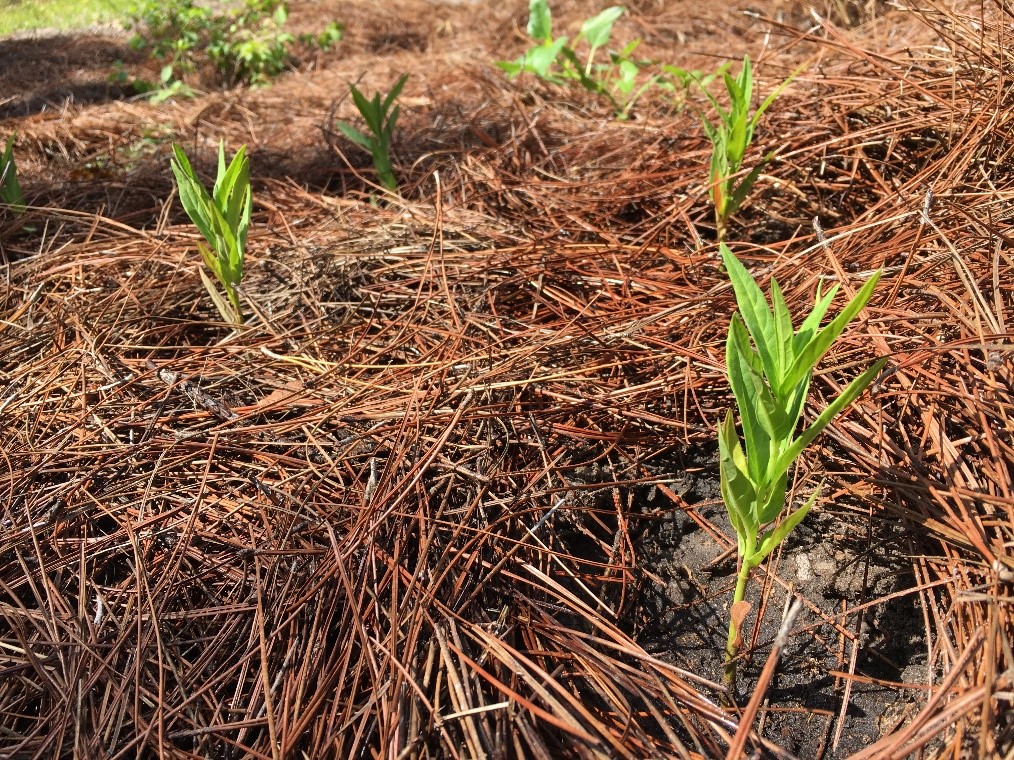
- Mark the area and wait for spring magic! Seedlings appear when soil warms.
This method produces hardy, deep-rooted plants adapted to your local conditions.
Starting Indoors for Spring Transplant
- After stratification, fill peat pots or deep cells with seed-starting mix (milkweed has long taproots—avoid shallow trays).
- Plant 1-2 seeds per pot, cover lightly with 1/4 inch mix.
- Keep soil moist and warm (70-75°F) under grow lights or sunny window.
- Germination occurs in 10-20 days.
- Provide bright light to prevent leggy growth.
- Harden off seedlings gradually over 1-2 weeks before transplanting outdoors after last frost.
- Space mature plants 18-36 inches apart, depending on species.
Tip: Use biodegradable pots to minimize root disturbance during transplant.
Caring for Milkweed Seedlings and Mature Plants 💧
Once your milkweed seeds sprout, proper care ensures healthy growth and abundant blooms to attract monarchs. Native milkweeds are low-maintenance perennials, often thriving with minimal intervention once established.
- Watering: Keep soil consistently moist during the first year, especially for seedlings. Water deeply but infrequently to encourage deep taproots. After establishment (usually Year 2), most species are drought-tolerant and need supplemental water only during prolonged dry spells. Swamp milkweed prefers moister conditions, while butterfly weed excels in drier soils.

- Sunlight: Full sun is non-negotiable—aim for at least 6-8 hours daily. Partial shade leads to leggy plants with fewer flowers and reduced monarch visits.
- Soil and Fertilizer: Milkweed prefers average to poor soil. Rich, fertile soil can cause excessive foliage at the expense of flowers. Avoid fertilizing; it encourages weak growth susceptible to aphids.
- Mulching: Apply 2-3 inches of organic mulch around plants to retain moisture, suppress weeds, and regulate soil temperature. Keep mulch away from stems to prevent rot.
- Winter Care: In cold climates, leave dead stems standing over winter—they provide habitat for beneficial insects and seed dispersal. Cut back to 6 inches in early spring before new growth emerges.
- Pest Management: Milkweed hosts aphids, milkweed bugs, and others—these are normal! Avoid pesticides, as they harm monarch caterpillars. Hose off aphids if heavy infestations occur.
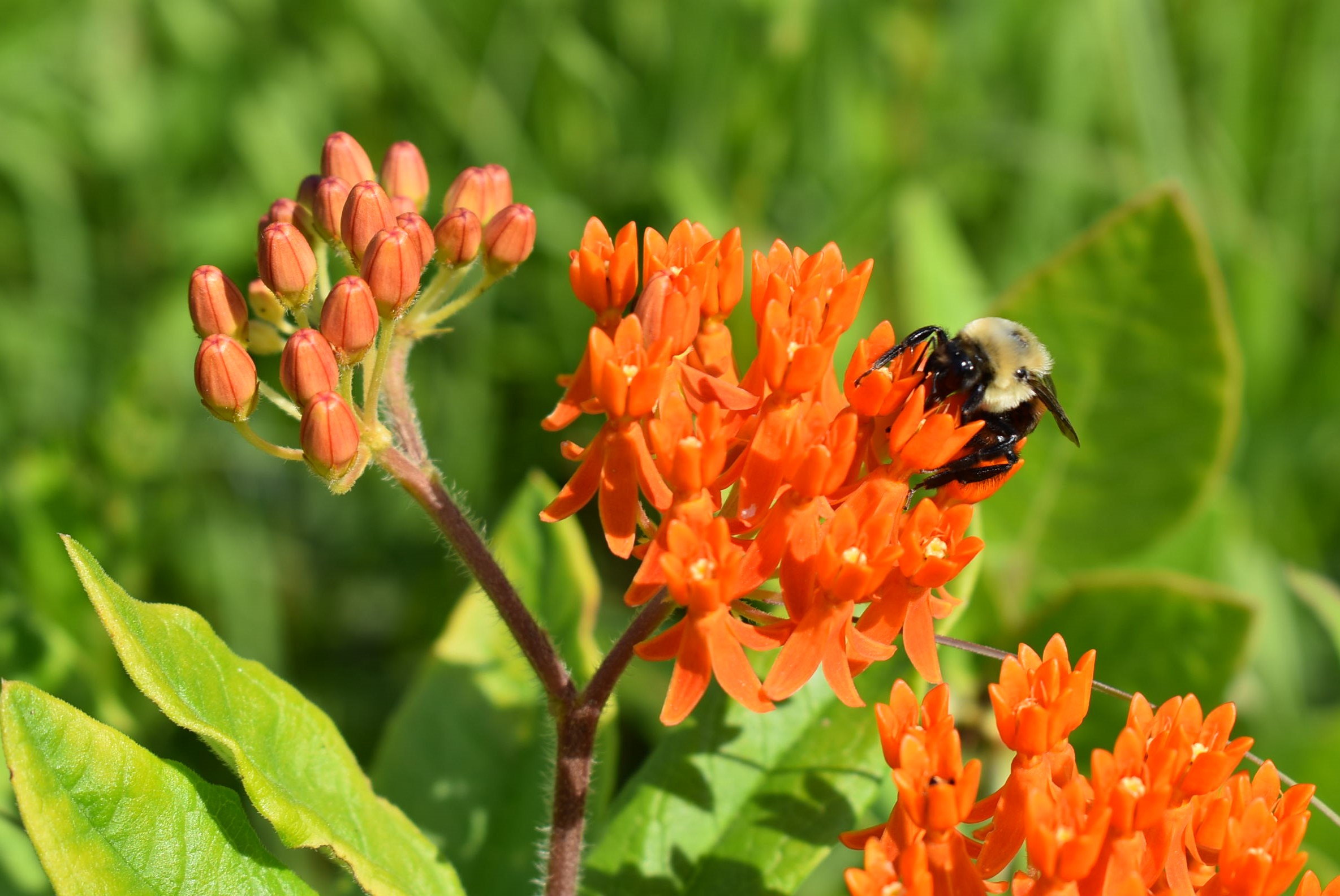
Tip: Plant in clumps of 6+ plants for better visibility to monarchs scouting for egg-laying sites. You’ll soon see caterpillars munching away!
Common Mistakes to Avoid When Planting Milkweed Seeds ⚠️
Even experienced gardeners slip up—here are the most frequent pitfalls and how to sidestep them for better results.
- Skipping cold stratification: Leads to low or zero germination for temperate natives. Always stratify or fall-sow.
- Planting non-native tropical milkweed in cold climates: Increases OE parasite risk and disrupts migration. Stick to natives.
- Burying seeds too deep: Milkweed needs light—cover with no more than 1/4 inch soil.
- Using pesticides nearby: Kills caterpillars and beneficial insects. Embrace organic practices.
- Overwatering seedlings: Causes fungal issues like damping-off. Let soil dry slightly between waterings.
- Planting in heavy shade: Results in poor flowering and weak stems.
By avoiding these, you’ll enjoy robust plants and more monarch activity.
Troubleshooting: Why Aren’t My Milkweed Seeds Germinating? 🔍
Poor germination frustrates many—here’s expert troubleshooting:
- Insufficient cold period: Extend stratification if needed.
- Old or low-viability seeds: Buy from reputable sources; test germination rates.
- Extreme moisture levels: Too wet causes rot; too dry prevents sprouting.
- Patience required: Some species take weeks or even a second season to establish fully. Perennials often focus on roots Year 1, blooming Year 2.
If issues persist, consult local extension services or Monarch Joint Venture resources.
Advanced Tips and Expert Insights from Conservationists ✨
Take your milkweed growing to the next level:
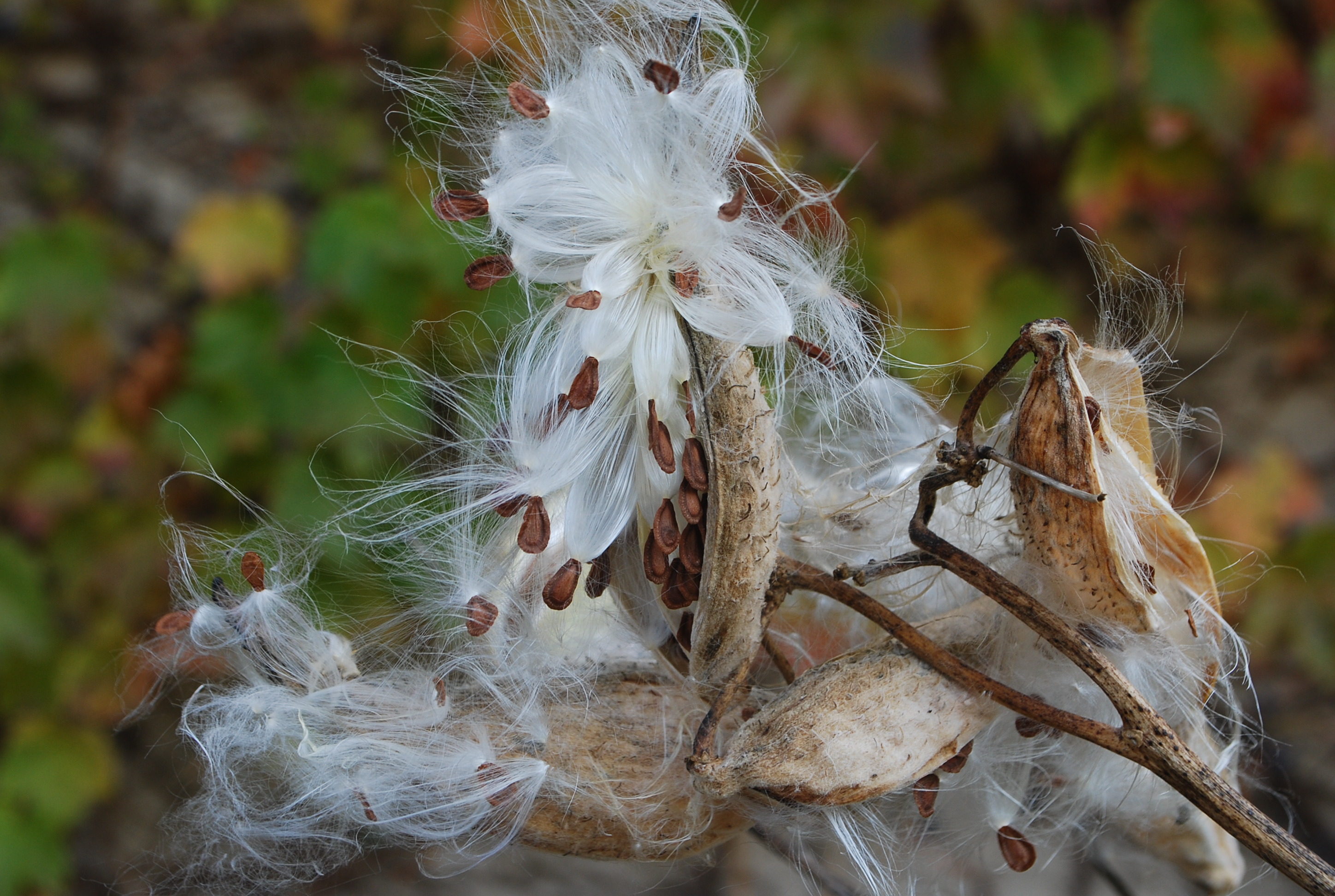
- Ethical seed collection: Harvest from mature pods in fall when they split open. Collect only 10-20% from wild stands to leave plenty for nature.
- Create a Monarch Waystation: Combine milkweed with nectar plants like coneflowers, zinnias, and goldenrod for all life stages.

- Monitor for OE parasite: Cut back tropical milkweed in fall if present; natives reduce risk.
- Citizen science participation: Log observations on Journey North or Monarch Watch apps.
Expert Insight: Dr. Karen Oberhauser from Monarch Joint Venture notes that widespread backyard efforts can significantly boost populations.
Frequently Asked Questions (FAQs) ❓
Q: Do all milkweed seeds need stratification? A: Most native temperate species yes; tropical and some southern natives no.
Q: How long until milkweed blooms? A: Typically in the second year; first-year plants prioritize roots and leaves for caterpillars 🐛
Q: Is milkweed invasive? A: Native species spread naturally but are controllable. Common milkweed’s rhizomes can be aggressive in small gardens—contain with barriers if needed.
Q: Can I grow milkweed in containers? A: Absolutely! Use deep pots (at least 12-18 inches) to accommodate taproots. Great for patios.
Q: Where to buy native seeds? A: Trusted sources include Prairie Moon Nursery, Xerces-approved vendors, or local native plant societies for regionally adapted stock.
Conclusion: Start Your Milkweed Journey Today! 🌟
Planting milkweed seeds is one of the simplest yet most impactful ways to support monarch butterflies and enhance biodiversity in your garden. By following this detailed guide—rooted in the latest conservation science—you’ll grow thriving native plants that provide essential habitat for generations of monarchs.
As we face ongoing challenges in 2026, every patch counts. Your backyard oasis could host dozens of caterpillars, contributing to population recovery. Grab those seeds, get planting, and watch your garden come alive with fluttering beauty. Happy gardening—you’ve got this! 🦋🌼











