

Imagine stepping into your garden and being greeted by clusters of bold, bicolor roses that look like they’ve been dipped in bright ketchup red on top and mustard yellow underneath – a playful explosion of color that stops visitors in their tracks and sparks endless compliments. That’s the magic of the Ketchup and Mustard rose plant, one of the most unique and eye-catching floribunda roses available today. Introduced in 2012 by renowned breeder Christian Bédard for Weeks Roses, this award-winning variety (patented as ‘WEKzazette’ PP23289) combines stunning visual appeal with reliable performance, making it perfect for both novice and experienced gardeners seeking prolific blooms and low-maintenance beauty.
In this ultimate care guide, we’ll dive deep into everything you need to know about growing the Ketchup and Mustard rose plant successfully. From site selection and planting to pruning, fertilizing, and troubleshooting, these expert tips – drawn from horticultural best practices, university extension resources, and real-world grower experiences – will help you achieve vibrant, repeat-flowering displays season after season. Whether you’re aiming for a standout border, container feature, or cut-flower garden, this comprehensive resource will empower you to unlock the full potential of this fun, resilient rose. 🌸
What Makes the Ketchup and Mustard Rose So Special? ✨
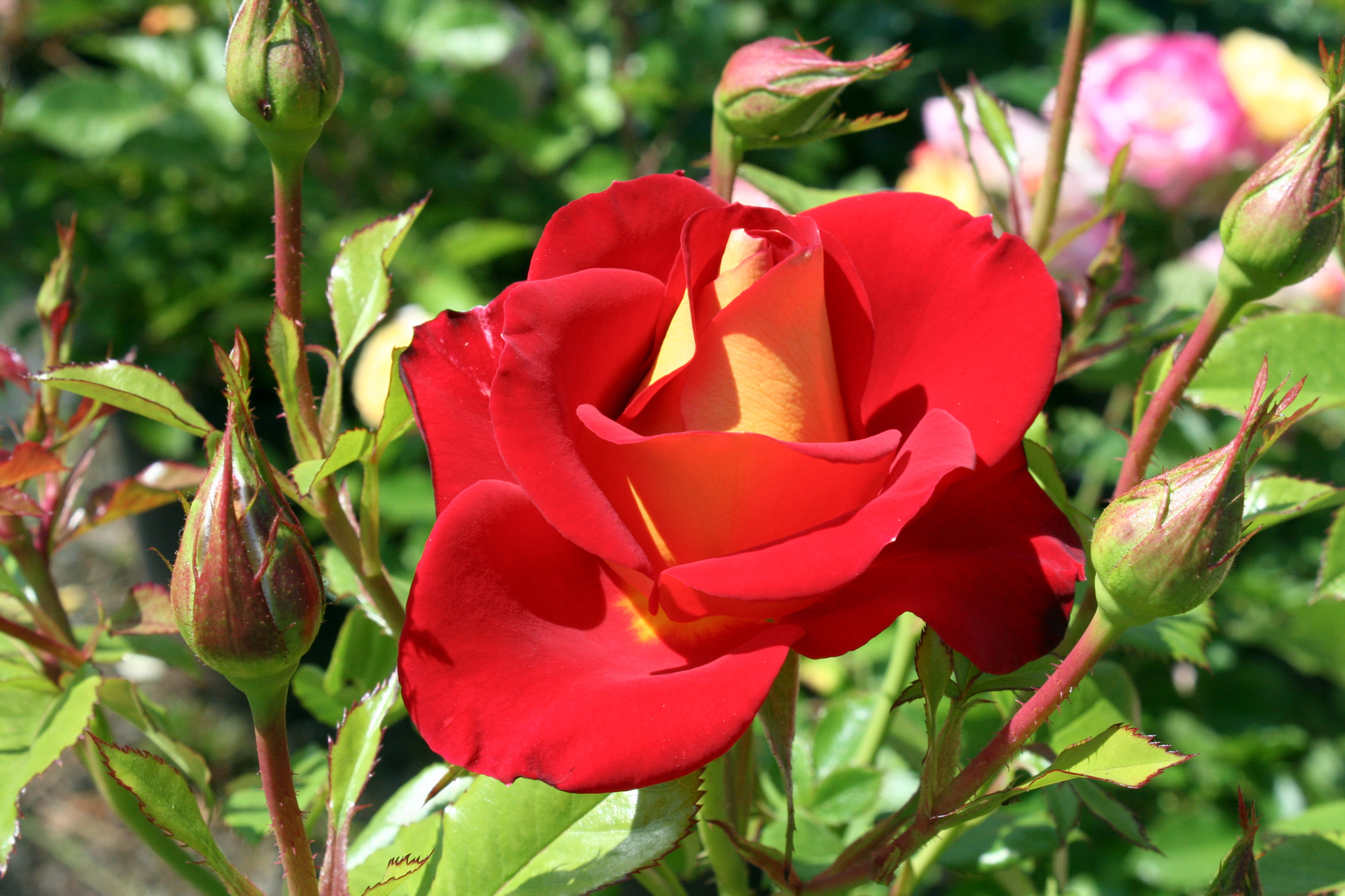
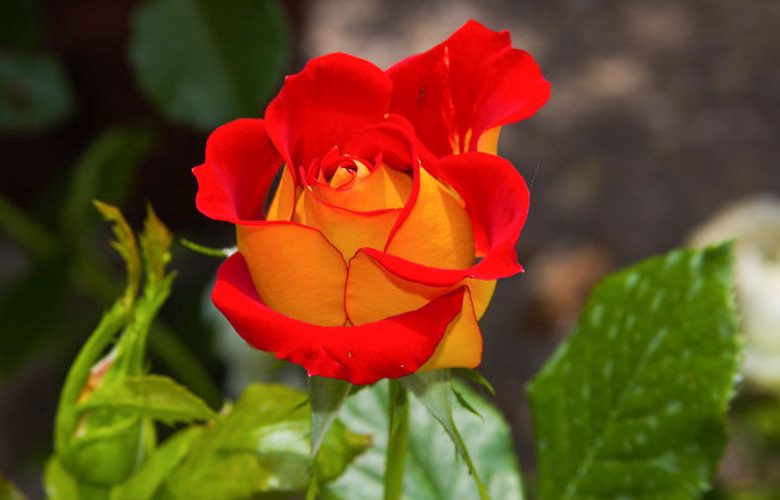
The Ketchup and Mustard rose stands out in the crowded world of roses thanks to its unforgettable color combination and dependable habits. This floribunda variety produces medium-sized (3-4 inch), double blooms with 25-28 petals that open from high-centered buds into cupped, formal shapes. The upper surface is a vivid ruby red, while the reverse is a striking mustard yellow, creating a swirling bicolor effect that’s especially dramatic in clusters.
History and Origins
Bred by Christian Bédard in 2011 and introduced in 2012 by Weeks Wholesale Rose Grower, Inc., Ketchup and Mustard (officially Rosa ‘WEKzazette’) is a hybrid from the cross of ‘City of San Francisco’ and ‘Shockwave’. It quickly gained popularity for its novelty and performance, earning praise for bringing a “picnic” vibe to gardens with its condiment-inspired name and colors.
Unique Characteristics and Bloom Description
Blooms appear in small clusters from late spring through fall, with prolific repeat flowering in flushes. The flowers carry a mild apple-tea fragrance – subtle but pleasant up close. Excellent for cutting, they hold well in vases and add bold contrast to arrangements.
Growth Habit and Size
This compact, rounded bush typically reaches 3-5 feet tall and wide, with glossy, dark green foliage that provides a lush backdrop and shows good disease resistance. Its tidy habit makes it versatile for small spaces.
Awards and Popularity
While not always listed with major awards like some sources suggest, it’s highly regarded by growers for vigor, heat tolerance, and bloom power. Gardeners on forums and reviews rave about its uniqueness, with many calling it a “conversation starter” and favorite for modern landscapes.
Expert Insight: As a floribunda, it bridges the gap between hybrid teas (for form) and polyanthas (for cluster blooming), offering the best of both worlds – elegant individual flowers in abundance. Its relative disease resistance (especially to black spot and mildew in good conditions) makes it more forgiving than many classic roses.
Ideal Growing Conditions for Thriving Plants ☀️
To get the most vibrant blooms and healthiest growth from your Ketchup and Mustard rose, start with the right environment. This variety is hardy in USDA zones 5-9 (sometimes to zone 4 with protection) and tolerates heat well, making it suitable for a wide range of climates.
Sunlight Requirements
Full sun is essential – aim for at least 6-8 hours of direct sunlight daily. Morning sun with afternoon shade in very hot regions (like the Southwest) prevents scorching while still promoting abundant flowering.
Soil Preferences
Plant in well-drained, fertile soil with a slightly acidic to neutral pH (6.0-7.0). Amend heavy clay with compost or raised beds to improve drainage, as roses hate wet feet. Incorporate organic matter like composted manure for nutrient-rich, loamy conditions.
Hardiness Zones and Climate Suitability
Thrives in zones 5b-9, with good cold and heat tolerance. In colder areas, mulch heavily for winter protection; in hotter climates, consistent moisture helps it excel.
Spacing and Site Selection
Space plants 3-4 feet apart to ensure excellent air circulation, which minimizes disease risk. Choose a site protected from strong winds but with good airflow.
Planting Your Ketchup and Mustard Rose Step-by-Step 🛠️
Timing and technique are key to strong establishment.
Best Time to Plant
Spring or fall is ideal – avoid extreme heat or freeze.
Choosing Healthy Plants
Look for own-root or grafted plants with strong canes, no signs of disease, and a robust root system from reputable nurseries.
Planting in the Ground vs. Containers
Ground planting suits most gardens; for containers, use large pots (at least 18-24 inches) with drainage holes.
Step-by-Step Instructions
- Dig a hole twice as wide and as deep as the root ball.
- Mix native soil with compost.
- Position the graft union (if present) 1-2 inches above soil level in warm climates or at soil level in cold ones.
- Backfill, water deeply, and mulch with 2-3 inches of organic material.
Pro Tip: Apply a root stimulator at planting to encourage fast establishment and reduce transplant shock. 🌱
Essential Watering Guide 💧
Consistent moisture without sogginess is crucial for healthy roots and blooms.
How Much and How Often
Water deeply 1-2 times per week, providing 1-2 inches total (including rain). Established plants are somewhat drought-tolerant but perform best with even moisture.
Signs of Overwatering vs. Underwatering
Yellowing leaves or root rot indicate overwatering; wilting or drooping suggests underwatering.
Best Practices
Water at the base in the morning to allow foliage to dry, reducing fungal risks. Use soaker hoses or drip irrigation for efficiency.
Expert Tip: Mulch heavily to conserve moisture, suppress weeds, and moderate soil temperature – a game-changer in hot summers.
Fertilizing for Explosive Blooms 🌼
Feeding your Ketchup and Mustard rose correctly is one of the biggest factors in achieving those show-stopping, continuous flushes of colorful flowers. Roses are heavy feeders, and this vigorous floribunda is no exception – proper nutrition promotes strong canes, glossy foliage, and abundant blooms.
When to Fertilize
Start feeding in early spring as new growth emerges (around the time buds swell). Continue every 4-6 weeks through mid-summer, then taper off by late summer to allow the plant to harden off for winter. Stop fertilizing 6-8 weeks before your first expected frost.
Best Fertilizer Types
- Balanced rose-specific formulas (e.g., 10-18-9 or 12-12-12) provide essential macronutrients.
- Organic options: Composted manure, fish emulsion, alfalfa meal, or rose-tone products for slow-release benefits.
- Granular vs. liquid: Granular for long-term feeding; liquid (diluted) for quick boosts after the first bloom cycle.
Application Tips and Schedules
Apply around the drip line (not against the canes), scratch lightly into soil, and water thoroughly. A sample schedule:
- Early spring: Full dose balanced fertilizer.
- After first bloom flush: High-phosphorus boost for reblooming.
- Mid-summer: Light feeding with organics.
Avoiding Common Mistakes
Over-fertilizing causes lush foliage at the expense of flowers or even burn. Always follow label rates, and never fertilize dry soil or stressed plants.
Expert Insight: University extension trials show that consistent, moderate feeding outperforms heavy single applications, leading to healthier plants with better disease resistance.
Pruning and Deadheading Like a Pro ✂️
Proper pruning shapes your Ketchup and Mustard rose, improves air circulation, and encourages bigger, better bloom clusters. This compact floribunda responds exceptionally well to regular maintenance.
Why Pruning Matters for Floribundas
It removes dead/diseased wood, opens the center for light and air, and directs energy to new flowering canes.
Annual Pruning Timing and Techniques
Perform major pruning in late winter or early spring (when forsythia blooms). Remove:
- Dead, damaged, or crossing canes.
- Thin, weak growth.
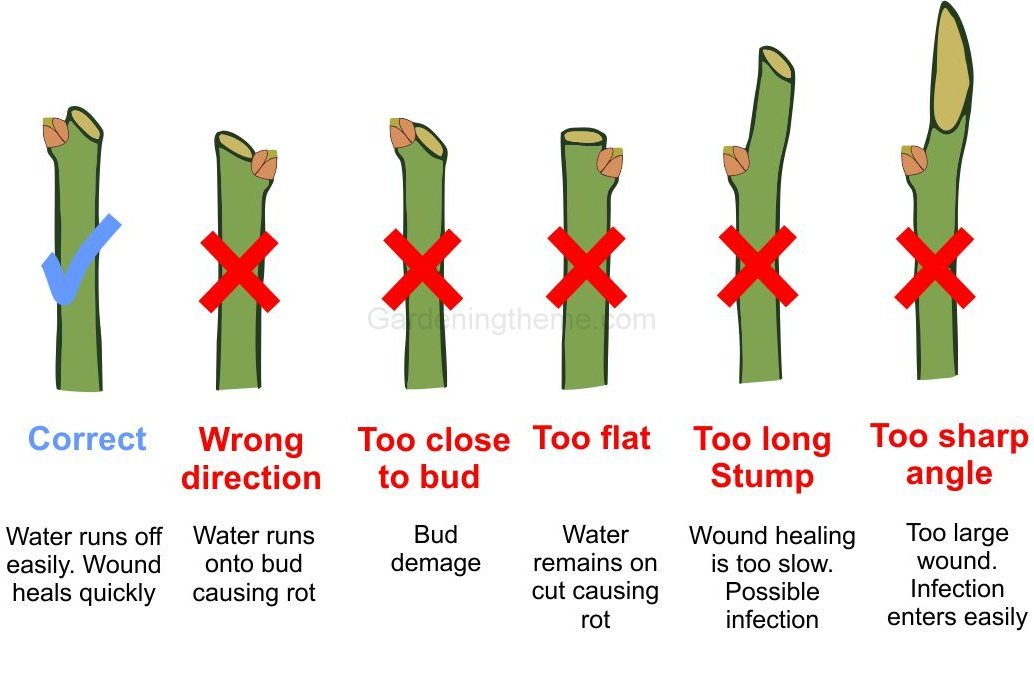
- Cut back remaining canes by 1/3 to 1/2, making angled cuts 1/4 inch above outward-facing buds.
Aim for a vase-shaped structure with 5-8 strong canes.
Deadheading for Continuous Blooms
Snip spent flowers just above the first five-leaflet leaf throughout the season. This triggers repeat flowering waves – essential for floribundas like Ketchup and Mustard.
Tools and Safety Tips
Use sharp bypass pruners, loppers for thick canes, and thick gloves. Disinfect tools between plants with 10% bleach solution.
Before/After Example: A well-pruned bush will produce larger clusters and stay compact at 3-5 feet, while neglected ones become leggy with fewer blooms.
Pest and Disease Management 🐞
While the Ketchup and Mustard rose boasts good natural resistance (especially compared to many hybrid teas), preventive care keeps issues minimal.
:max_bytes(150000):strip_icc()/BlackSpot_onRose-56f18bb03df78ce5f83c10e0.jpg)
Common Pests and Organic Controls
- Aphids: Blast with water or use insecticidal soap/neem oil.
- Japanese beetles/sawfly larvae: Hand-pick or apply neem in early morning.
- Spider mites: Increase humidity and spray undersides of leaves.
Potential Diseases – Prevention First
- Black spot: Yellow leaves with black spots → Remove affected foliage, improve airflow.
- Powdery mildew: White coating → Avoid overhead watering.
- Rust: Orange pustules → Similar cultural controls.
Why This Variety is Relatively Disease-Resistant
Glossy foliage and good genetics make it less prone in proper conditions, but humidity and poor air circulation can still invite problems.
Integrated Pest Management Tips
Monitor weekly, encourage beneficial insects (ladybugs, lacewings), and clean up fallen debris.
Expert Insight: Studies from the American Rose Society emphasize that cultural practices (sun, spacing, sanitation) prevent 90% of problems – chemicals are a last resort.
Seasonal Care Calendar 📅
Follow this month-by-month guide tailored for Ketchup and Mustard roses:
Spring: Awakening and Feeding
- Prune heavily.
- Fertilize as growth starts.
- Mulch and begin regular watering.
Summer: Peak Bloom Maintenance
- Deadhead religiously.
- Water deeply during heat.
- Monitor for pests and feed lightly.
Fall: Preparing for Dormancy
- Light deadheading.
- Final cleanup of debris.
- Plant new roses if desired.
Winter: Protection in Colder Zones
- Mound soil or mulch 12 inches around base in zones 5-6.
- Avoid pruning until spring.
Companion Planting and Landscape Ideas 🌿
Pairing your Ketchup and Mustard rose with the right companions enhances beauty, deters pests, and attracts pollinators.
Best Companions
- Lavender, salvia, nepeta (catmint) – Repel aphids and add blue/purple contrast.
- Geraniums, alliums – Deter beetles.
- Delphiniums or foxgloves for height behind.
Design Ideas
- Mass plantings in borders for bold color blocks.
- Patio containers with trailing companions.
- Mixed hedges or cut-flower beds.
Attracting Pollinators
Bees and butterflies adore the open blooms – a bonus for eco-friendly gardens!
Propagation and Advanced Tips 🔬
Easy Ways to Multiply Your Plants
Take softwood cuttings in early summer: 6-inch stems, dip in rooting hormone, place in moist perlite/sand mix under mist.
Growing in Containers Long-Term
Use 15-20 gallon pots, premium potting mix, and fertilize more frequently.
Troubleshooting Lack of Blooms or Weak Growth
Check for insufficient sun, poor nutrition, root issues, or winter damage.
Frequently Asked Questions (FAQs) ❓
Is the Ketchup and Mustard rose fragrant? Yes – it has a mild, pleasant apple-tea scent, noticeable up close.
How tall and wide does it really get? Typically 3-5 feet tall and wide, staying compact with pruning.
Can it grow successfully in pots? Absolutely – excellent for containers with good drainage and regular care.
Why are my leaves developing black spots? Likely black spot fungus; improve airflow, avoid wetting foliage, and apply preventive fungicide if needed.
What’s the best way to overwinter in cold climates? Mound 10-12 inches of soil/compost around the base after the ground freezes.
Does it attract bees and butterflies? Yes, pollinators love the cluster blooms.
How often should I deadhead? Every few days during peak season for maximum reblooming.
Is it thornless? No, it has typical rose thorns – wear gloves!
Can I use it for cut flowers? Definitely – long stems and good vase life.
Why isn’t my plant blooming much? Common causes: too much shade, over-fertilizing nitrogen, or insufficient pruning.
Is it own-root or grafted? Available both ways; own-root versions are hardier in cold zones.
How disease-resistant is it really? Above average for floribundas, especially with good cultural practices.
Conclusion
With its unforgettable ketchup-red and mustard-yellow bicolor blooms, reliable repeat flowering, and forgiving nature, the Ketchup and Mustard rose plant deserves a spot in every sunny garden. By following this ultimate care guide – from ideal planting conditions and consistent watering to strategic pruning and preventive pest management – you’ll enjoy vibrant, healthy displays that turn heads all season long.
Start implementing these expert tips today, and watch your roses thrive like never before. Happy gardening – may your blooms be bold and plentiful! 🎉🌹











