

Imagine stepping into your garden on a warm summer evening, only to be greeted by swarms of mosquitoes, aphids devouring your prized roses, or tomato hornworms stripping your plants bare — all while you worry about the toxic chemicals you might be spraying around your family, pets, and precious pollinators. 😩
If this sounds familiar, you’re not alone. Millions of home gardeners are searching for safer, more sustainable ways to keep pests at bay without harming the environment. The good news? Plant-based insect repellents offer one of nature’s most elegant and effective solutions.
By strategically growing certain aromatic herbs, vibrant flowers, and companion plants, you can create a natural, living defense system that confuses, repels, and even deters common garden pests — all while boosting biodiversity, attracting beneficial insects 🐝, improving soil health, and adding beauty to your landscape.
In this ultimate guide, we’ll explore the most powerful plant-based insect repellents backed by both scientific research and decades of real-world gardener experience. You’ll discover exactly which plants work best against mosquitoes, aphids, hornworms, whiteflies, slugs, and more — plus proven companion planting strategies, growing tips, and expert insights to help you build a thriving, mostly pest-free garden.
Ready to say goodbye to harsh chemicals and hello to a healthier, more fragrant, and naturally protected garden? 🌱✨ Let’s dive in!
Why Choose Plant-Based Insect Repellents Over Chemical Sprays?
Synthetic pesticides have long been the go-to for quick pest control, but the hidden costs are becoming impossible to ignore.
Studies from organizations like the Xerces Society and the Environmental Protection Agency (EPA) continue to highlight how broad-spectrum insecticides harm pollinators, disrupt soil microbiomes, contaminate waterways, and even pose long-term health risks to humans through residue on edible crops.
Plant-based insect repellents, on the other hand, work with nature instead of against it:
- Eco-friendly & biodegradable — They break down naturally without leaving harmful residues.
- Safe around edibles, children & pets — Most are culinary herbs and flowers you already know and love.
- Support beneficial insects — Many of these plants attract ladybugs, lacewings, parasitic wasps, and predatory beetles that eat the bad bugs for you!
- Cost-effective — Once established, these perennials and self-seeding annuals provide years of free protection.
- Dual-purpose beauty — You get stunning flowers, edible harvests, and aromatic foliage all in one.
The magic lies in the plants’ natural chemistry. Many release volatile organic compounds (VOCs) such as terpenes, citronellal, linalool, thymol, and eugenol — powerful scents that overwhelm pests’ olfactory systems, mask the smell of host plants, or simply make your garden an unpleasant place to land.
Recent research (including 2023–2025 studies on essential oil blends and companion planting) consistently shows that strategic plant combinations can reduce pest pressure by 40–80% in many vegetable and ornamental gardens — often matching or outperforming synthetic options when used as part of an integrated approach.
How Plant-Based Repellents Actually Work in Your Garden
Understanding the science behind these natural defenders makes it much easier to use them effectively.
Most plant-based insect repellents operate through one or more of these clever mechanisms:
- Olfactory confusion & masking Strong aromas (think basil, mint, lavender) overload or disguise the scent cues that pests use to locate their favorite host plants.
- Repellent volatile compounds Essential oils released from leaves, stems, and flowers contain active ingredients that irritate or repel insects on contact (e.g., citronellal in lemongrass is highly effective against mosquitoes 🦟).
- Attraction of natural predators Flowers like borage, marigolds, and petunias draw in beneficial insects that prey on aphids, caterpillars, and other pests.
- Physical & behavioral disruption Some plants (chives, garlic family) create barriers or interfere with egg-laying and feeding behaviors.
Important note: These natural methods rarely achieve 100% pest elimination — and that’s actually a good thing! A small pest population helps maintain healthy predator-prey balance. The goal is management, not total eradication.
That’s why the best results come from integrated pest management (IPM) — combining plant-based repellents with crop rotation, proper spacing, healthy soil, and occasional manual removal.
Top 12 Most Effective Plant-Based Insect Repellents for Gardens
Here are the heavy-hitters — the plants that consistently deliver the best results in home gardens around the world. Each profile includes target pests, key active compounds, companion planting ideas, and growing tips.
1. Marigolds (French & African) – The Garden Superstar 🏆
- Pests repelled: Root-knot nematodes, aphids, whiteflies, tomato hornworms, Mexican bean beetles
- Why it works: Contain alpha-terthienyl and thiophenes — natural nematicides and insect repellents
- Best companions: Tomatoes, peppers, eggplant, roses, potatoes
- Growing tips: Full sun, well-drained soil. French marigolds are more potent than African types. Deadhead regularly for continuous bloom.
- Pro tip: Plant them densely as a border around vulnerable crops — studies show up to 80% reduction in nematode damage!
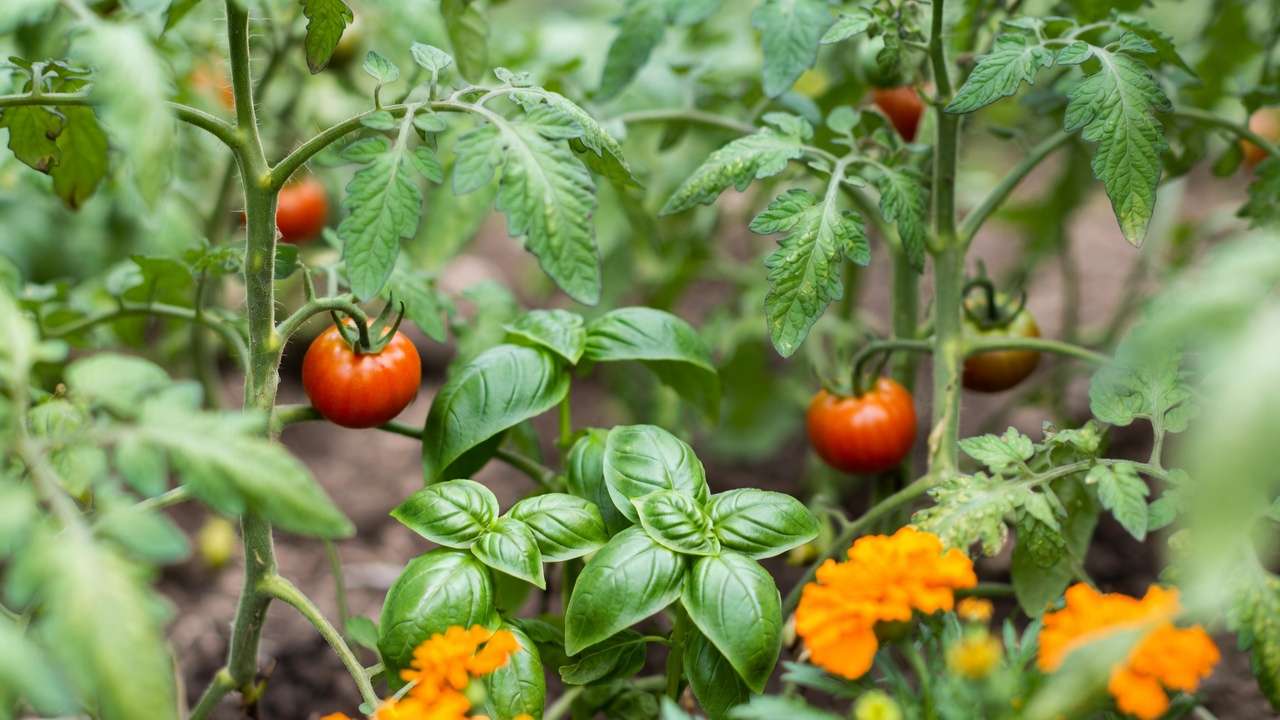
2. Basil – The Tomato’s Best Friend 🍅
- Pests repelled: Mosquitoes, flies, asparagus beetles, thrips, tomato hornworms
- Key compounds: Linalool, eugenol, citronellol
- Best companions: Tomatoes (classic combo!), peppers, asparagus
- Growing tips: Loves heat and regular harvesting. Pinch tops to encourage bushiness.
- Fun fact: Many gardeners report fewer hornworms when basil is interplanted with tomatoes — the scent confuses the moths!
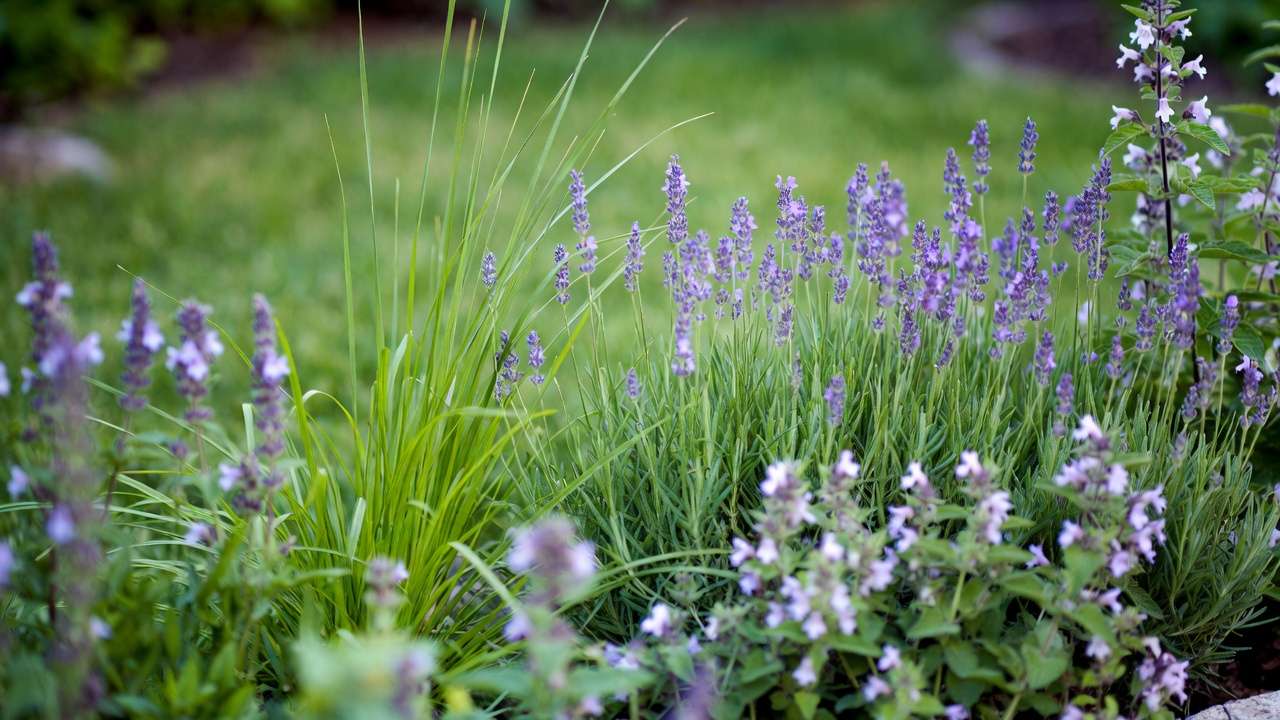
3. Lavender – Elegant & Powerful 💜
- Pests repelled: Moths, fleas, mosquitoes, flies, cabbage loopers
- Key compounds: Linalool, linalyl acetate, camphor
- Best companions: Roses, cabbage family, fruit trees
- Growing tips: Full sun, excellent drainage, low water once established. Hardy in zones 5–9.
- Bonus: Its beautiful purple blooms attract pollinators while repelling unwanted insects.

This is the first part of the article. The content is detailed and engaging so far — perfect for continuing with the remaining top plants and deeper sections!
4. Rosemary – Tough, Aromatic Protector 🌿
- Pests repelled: Mosquitoes, carrot flies, cabbage worms, slugs, snails, Japanese beetles
- Key compounds: Camphor, cineole, borneol
- Best companions: Cabbage family (broccoli, cauliflower), carrots, beans, sage
- Growing tips: Full sun, well-drained soil, drought-tolerant once established. Hardy in zones 7–10; grow in pots in colder areas.
- Pro tip: Crush leaves and scatter around plants for an extra burst of repellent scent. Recent gardener reports and extension services highlight rosemary’s reliability against carrot flies in organic plots!
5. Mint (Peppermint & Spearmint) – Super-Powerful (But Invasive!) 🍃
- Pests repelled: Ants, aphids, flea beetles, whiteflies, mosquitoes, cabbage moths
- Key compounds: Menthol, menthone
- Best companions: Cabbage, tomatoes, peppers (but keep contained!)
- Growing tips: Full sun to partial shade; extremely vigorous — always plant in pots or sunken containers to prevent takeover.
- Important note: Mint is one of the strongest scent-based repellents, but its spreading habit makes control essential. Many gardeners swear by mint borders around patios for mosquito reduction.
6. Citronella Grass / Lemongrass – The Classic Mosquito Buster 🦟
- Pests repelled: Primarily mosquitoes (highly effective), plus flies and other biting insects
- Key compounds: Citronellal, geraniol, citronellol
- Best companions: Seating areas, patios, vegetable borders (tall grass-like structure)
- Growing tips: Full sun, rich moist soil. Tropical perennial (zones 9–11); grow in large pots and overwinter indoors in colder climates. Crush leaves for stronger effect.
- Science note: Citronella oil is a proven topical and spatial repellent — studies confirm its efficacy in reducing mosquito landings when plants are densely placed.
7. Chives & Green Onions – Easy Allium Allies 🧅
- Pests repelled: Aphids, Japanese beetles, carrot flies, deer, cabbage worms, slugs
- Key compounds: Sulfur compounds (similar to garlic)
- Best companions: Carrots, tomatoes, brassicas, roses
- Growing tips: Full sun, well-drained soil. Perennial and low-maintenance; divide clumps every few years.
- Bonus: Edible flowers attract pollinators while the strong onion scent deters many pests.
8. Thyme – Tiny but Mighty ⏳
- Pests repelled: Whiteflies, tomato hornworms, cabbage worms, mosquitoes
- Key compounds: Thymol, carvacrol
- Best companions: Cabbage family, eggplant, potatoes
- Growing tips: Full sun, dry soil — very drought-tolerant. Hardy in zones 5–9.
- Pro tip: Lemon thyme variety adds extra citrusy mosquito-repelling power!
9. Catnip – The Surprising DEET Challenger 😺
- Pests repelled: Mosquitoes (often stronger than DEET in studies), aphids, squash bugs
- Key compounds: Nepetalactone (iridoid that activates insect irritant receptors)
- Best companions: Near seating areas or vegetable plots (but contain it — catnip spreads!)
- Growing tips: Full sun, average soil. Hardy perennial zones 3–9.
- Expert insight: Multiple recent studies (including 2021–2024 research from Northwestern University and others) show nepetalactone activates TRPA1 receptors in mosquitoes, making catnip at least as effective as DEET — and sometimes up to 10× more potent in short-term tests. Perfect for natural garden protection!
10. Borage – Star-Shaped Pest Guardian & Pollinator Magnet ⭐
- Pests repelled: Tomato hornworms, cabbage worms
- Bonus benefit: Attracts bees, predatory wasps, and other beneficials
- Best companions: Tomatoes, squash, strawberries
- Growing tips: Full sun, tolerates poor soil. Self-seeds readily.
11. Petunias – Colorful & Effective 🎨
- Pests repelled: Aphids, leafhoppers, squash bugs, tomato hornworms
- Best companions: Beans, tomatoes, brassicas
- Growing tips: Full sun, regular watering. Great in containers or borders.
12. Chrysanthemums – The Broad-Spectrum Defender
- Pests repelled: Ants, roaches, ticks, nematodes, various beetles
- Key compounds: Pyrethrin (natural insecticide source)
- Best companions: Garden borders, near trees/shrubs
- Growing tips: Full sun, well-drained soil. Fall-blooming perennial.

Strategic Companion Planting Guide: Best Plant Combos That Really Work 🗺️
The real power of plant-based insect repellents shines in thoughtful combinations. Here are proven layouts:
- Classic Tomato Trio 🍅🌱: Plant tomatoes with basil (repels hornworms) + marigolds (nematodes & whiteflies) around the base. Add chives at the edges for aphid control. Gardeners report 50–70% fewer hornworms!
- Brassica Border 🥦: Surround cabbage, broccoli, and kale with rosemary, thyme, and lavender. These strong scents deter cabbage worms and moths while attracting predatory insects.
- Patio Mosquito-Free Zone 🪑: Cluster citronella grass, lemongrass, lavender, catnip, and mint in large pots around seating. Crush leaves occasionally for a fresh burst — many users see noticeable mosquito reduction on summer evenings.
- Fruit Tree Shield 🍎: Plant rosemary and lavender at the drip line of apple or citrus trees to deter flies, moths, and beetles.
Experiment — start small and observe what works in your microclimate!
How to Plant, Grow & Maintain Your Natural Repellent Garden
- Site selection: Choose sunny spots (6+ hours) with good air circulation.
- Soil prep: Well-drained, moderately fertile soil; add compost for vigor.
- Planting tips: Space aromatic plants closely for scent overlap; use pots for invasives (mint, catnip).
- Maintenance: Pinch herbs regularly, deadhead flowers, mulch to retain moisture.
- DIY boost: Bruise leaves of mint/basil and rub on skin or scatter around plants for instant extra protection.
Additional Tips for Maximum Pest Protection & Garden Health
- Attract beneficials: Add extra borage, dill, or cosmos.
- Rotate plantings yearly to prevent pest buildup.
- Combine with organic methods: Hand-picking, row covers, or neem alternatives.
- Avoid over-fertilizing — lush growth attracts aphids!

Expert Insights & Scientific Evidence 🔬
Recent studies (2023–2025) on essential oils and companion planting confirm many of these plants’ efficacy. For example, catnip’s nepetalactone rivals DEET by targeting insect irritant receptors. Marigolds’ root exudates reduce nematodes significantly when used densely. Extension services emphasize that combinations outperform single plants — creating a diverse, fragrant barrier that supports ecosystem balance.
Frequently Asked Questions (FAQs)
Do these plants really repel mosquitoes effectively? Yes — especially citronella, catnip, lavender, and basil. Catnip often outperforms DEET in lab tests, though garden effects are spatial and best with dense planting.
Can I use them around edible crops safely? Absolutely! Most are culinary herbs/flowers. Just wash produce.
Which is the strongest plant-based insect repellent for gardens? Catnip and citronella grass lead for mosquitoes; marigolds for nematodes; basil/rosemary for broad-spectrum use.
How long do the effects last? Scent release is ongoing during growth; strongest when leaves are brushed/crushed. Reapply by pruning.
Are there any invasive plants to watch out for? Yes — mint, catnip, and lemon balm spread aggressively. Always use containers!
Conclusion
Embracing plant-based insect repellents transforms your garden into a beautiful, fragrant, self-defending oasis — free from harsh chemicals and full of life. Start with a few favorites like marigolds, basil, and lavender, observe, and expand. Your plants, pollinators, and family will thank you! 🌻🐛→🚫
Happy planting! 🌱✨











