
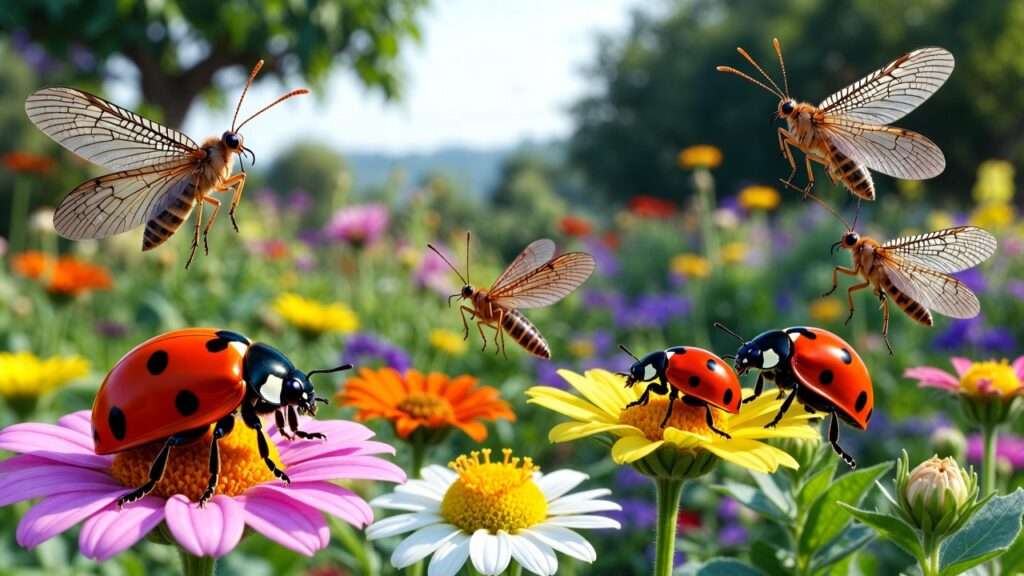
Picture this: It’s a warm spring morning in your backyard orchard. Yesterday you noticed clusters of tiny green aphids covering the tender new growth on your young apple tree. 😱 Today… they’re almost gone.
Not because you sprayed anything harsh. Not because you spent hours hand-picking. But because dozens of bright red ladybugs and delicate green lacewing larvae are happily feasting — exactly the guests you invited weeks earlier with a few strategic plantings.
This isn’t a fairy tale. This is the real power of attracting beneficial insects for pest control — one of the most effective, sustainable, and beautiful methods of organic garden and tree protection available today. 🌱✨
Chemical pesticides may offer quick results, but they often kill the very insects that could have solved the problem naturally — and they leave behind residues that harm pollinators, soil life, birds, pets, and even your family.
By learning to attract beneficial insects, you create a living, breathing defense system that works 24/7, improves plant health long-term, supports biodiversity, and saves you time and money.
In this in-depth guide, you’ll discover exactly how to turn your garden, landscape trees, and fruit orchard into a balanced, pest-resistant ecosystem that practically takes care of itself.
Let’s build your natural army of garden heroes — step by step. Ready? 🐞💚
Why Attract Beneficial Insects? The Science & Real-World Benefits
Modern research continues to confirm what experienced organic growers have known for decades: healthy ecosystems with abundant natural enemies suppress pest populations far more effectively — and sustainably — than repeated pesticide applications.
Here’s why this approach is gaining serious momentum:
- Long-term pest suppression — Beneficial insects reduce pest numbers before outbreaks become severe, and many species reproduce multiple generations in your garden each season.
- No pesticide resistance — Unlike chemical sprays, pests cannot easily develop resistance to being eaten by predators and parasites.
- Improved pollination & fruit set — Many beneficial insect-attracting plants (especially in the carrot and aster families) are also fantastic pollinator magnets.
- Better soil & plant health — Fewer broad-spectrum sprays mean healthier soil microbiology, stronger mycorrhizal networks, and more resilient trees.
- Cost savings — After the initial investment in habitat plants, nature does most of the work.
- Safer for everyone — Children, pets, birds, bees, and butterflies all benefit from a chemical-free environment. 🌍❤️
Real example: Multiple studies from university extension programs (including UC IPM and Cornell) have shown that orchards using flowering cover crops and insectary strips experienced 30–70% reductions in key pests like codling moth, aphids, and scale insects compared to conventionally managed blocks — often with higher fruit quality.
Meet Your Garden Heroes: The Most Valuable Beneficial Insects
Understanding who your helpers are makes it much easier to create the perfect welcome for them. Here are the MVPs every plant and tree caretaker should know:
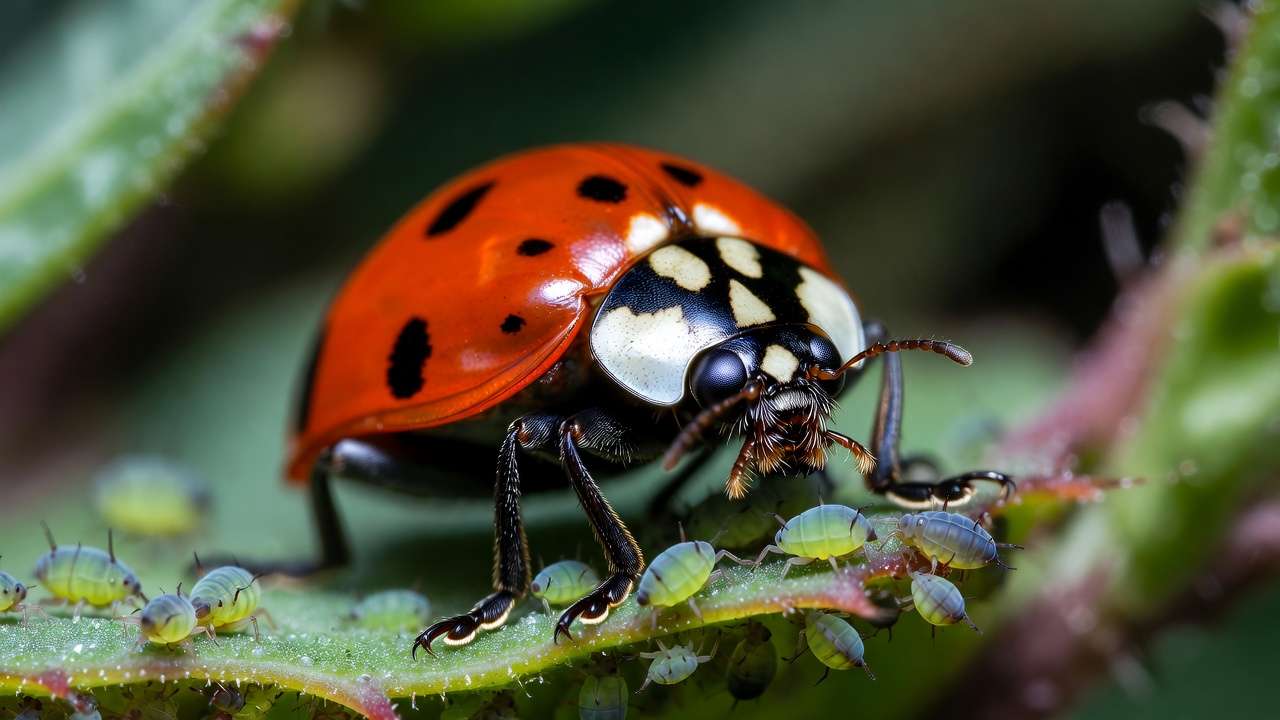
1. Ladybugs (Lady Beetles) 🐞 True superstars. Both adults and larvae devour aphids, scale insects, mites, whiteflies, and small caterpillars. One ladybug can eat up to 5,000 aphids in its lifetime!
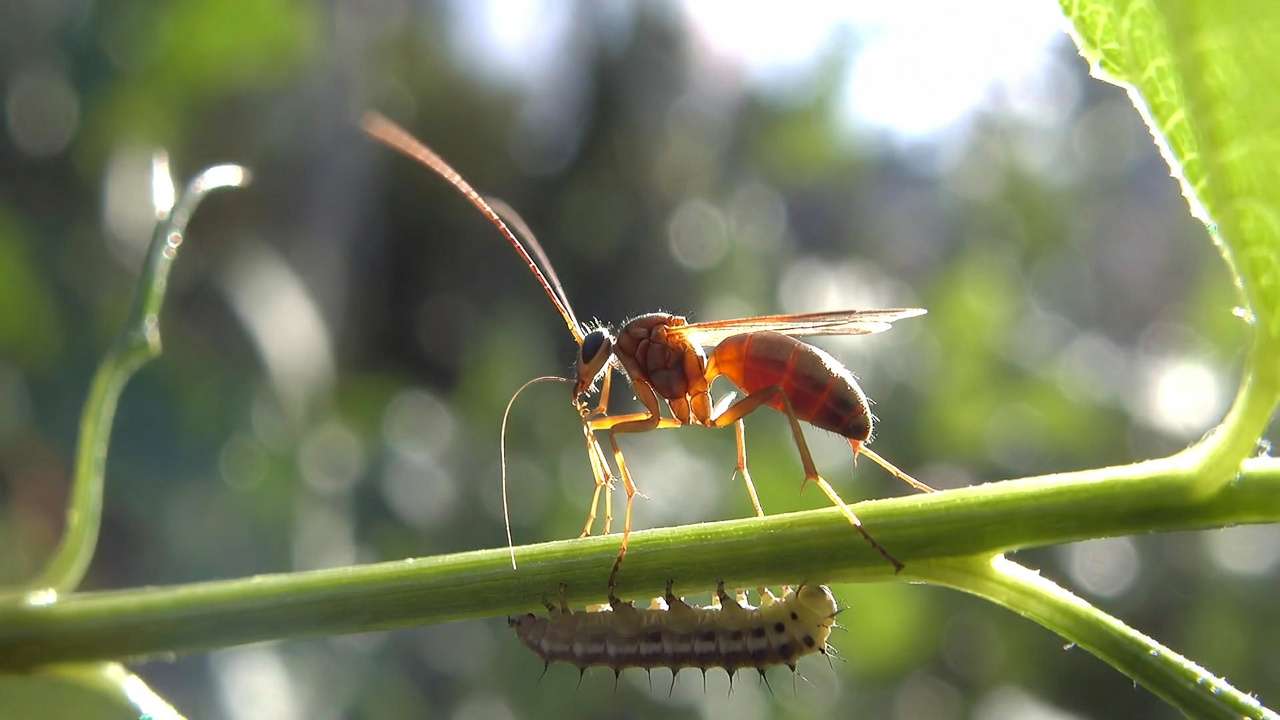
2. Green Lacewings & Their “Aphid Lions” Adult lacewings feed on nectar and pollen, but their larvae (often called aphid lions) are ferocious generalist predators that attack aphids, caterpillars, thrips, whiteflies, and even small spider mites.
3. Hoverflies (Syrphid Flies) 🪰 Often mistaken for bees or wasps, adult hoverflies are excellent pollinators, while their slug-like larvae are dedicated aphid hunters — especially valuable in fruit trees.
4. Parasitic Wasps (Tiny & Mighty) These delicate, non-stinging wasps lay eggs inside or on pest insects (caterpillars, aphids, leafminers, borers, codling moth larvae). The larvae slowly consume the host from the inside — nature’s most efficient pest control!
5. Other Valuable Allies
- Praying mantises — Generalist predators
- Ground beetles — Nighttime hunters of slugs, caterpillars, and grubs
- Minute pirate bugs — Thrips, mites, and small caterpillars
- Big-eyed bugs & damsel bugs — Multiple soft-bodied pests
Special shout-out for tree growers: Parasitic wasps in the genera Trichogramma, Gonatocerus, and Encarsia are particularly effective against codling moth, scale insects, and leafrollers on fruit and nut trees. 🍎🌳
Step-by-Step: How to Attract Beneficial Insects to Your Garden & Trees
1. The Golden Rule: Stop (or Drastically Reduce) Broad-Spectrum Sprays
This is non-negotiable.
Even many “organic” sprays (neem, insecticidal soap, pyrethrin) can kill beneficial insects if used indiscriminately.
What to do instead:
- Learn to identify beneficial larvae (many look nothing like the adults!)
- Use the “wait-and-see” approach — tolerate low pest levels to give predators time to build up
- If intervention is truly necessary, use horticultural oil or insecticidal soap very early morning, targeting only infested areas, and avoid spraying open flowers
2. Plant the Ultimate Insectary Buffet: Best Flowers & Herbs
The #1 way to attract and keep beneficial insects is providing continuous pollen, nectar, and alternate prey from spring through fall.
Top-performing plants (with approximate bloom windows):
- Yarrow (Achillea) — Spring to fall, ladybugs & parasitic wasps love it 🌼
- Dill, Fennel, Cilantro — Umbel flowers are perfect for tiny parasitic wasps
- Sweet Alyssum — Low-growing, blooms almost year-round in mild climates, excellent for hoverflies & minute pirate bugs
- Cosmos, Coreopsis, Zinnia — Bright daisy-types attract hoverflies & ladybugs
- Buckwheat — Fast-growing, blooms in just 4–6 weeks, phenomenal for many species
- Native wildflowers — Echinacea, Rudbeckia, Asclepias (milkweed), Solidago — support local adapted beneficials
Pro planting tip for orchards & tree landscapes: Create 3–10 foot wide “insectary rows” or border strips around the perimeter of your planting area. Alternate early, mid, and late-season bloomers to provide consistent food.
Many commercial organic orchards now plant alfalfa, crimson clover, buckwheat, and phacelia mixes under and between tree rows — with excellent results against codling moth and aphids.
Attracting Beneficial Insects for Pest Control: Natural Ways to Protect Your Plants and Trees 🌿🦋
(Continuing exactly from where we left off — after the planting list in Section 2 of Step-by-Step)
Here are a few more standout favorites backed by recent gardening resources and extension services:
- Marigolds (especially French varieties) — Great for hoverflies and ladybugs while also helping deter nematodes 🌼
- Crimson Clover & Alfalfa — Excellent cover crops that draw in ladybugs, lacewings, damsel bugs, and parasitic wasps
- Coreopsis, Coneflower (Echinacea), and Black-eyed Susan — Native powerhouses that support a wide range of predators year after year
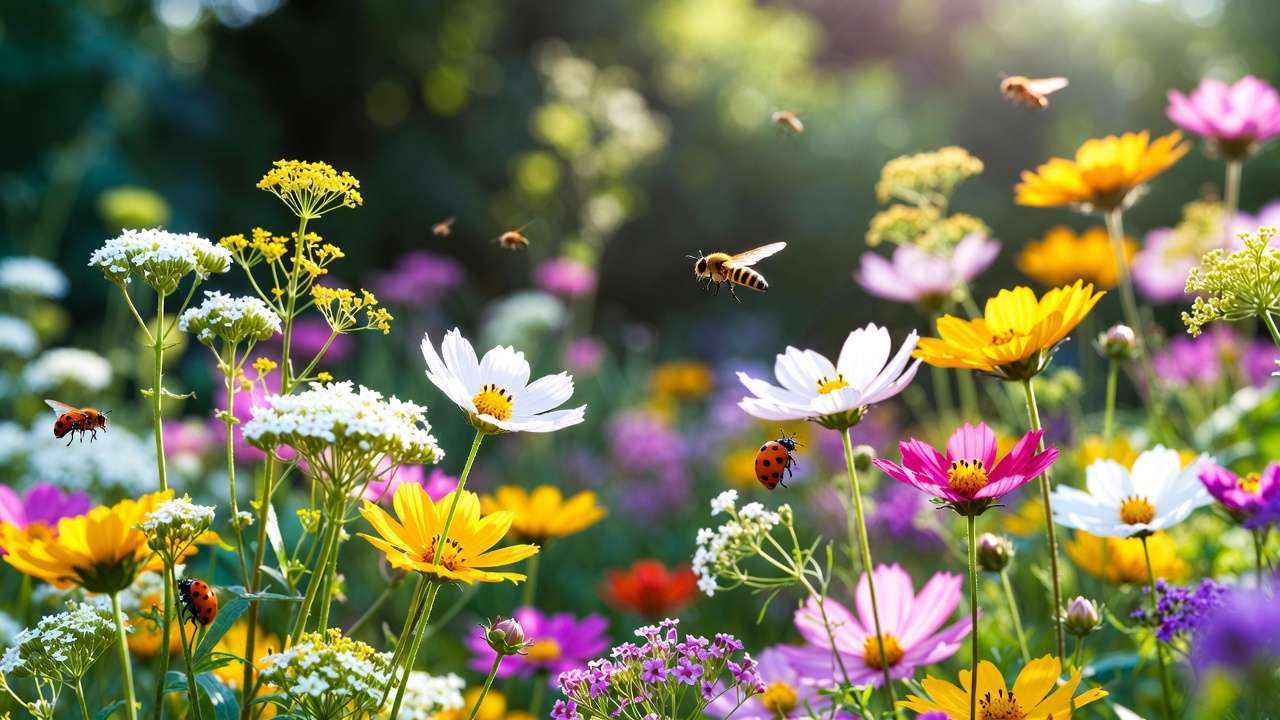
Quick visual inspiration — Look how vibrant and effective these insectary plantings can be:

These borders not only look stunning but create a living buffet that keeps beneficials coming back season after season! 😍
Pro planting tip for orchards & tree landscapes (updated 2025–2026 insights): Recent studies on flower strips in apple orchards and vineyards show that diverse floral resource strips can increase parasitoid abundance by 40–60% and improve overall natural enemy diversity. Plant them 3–10 feet wide around tree perimeters or as understory alleys — early bloomers like yarrow and alyssum in spring, mid-season dill/fennel, and late asters/coneflowers ensure non-stop support.
3. Design a Beneficial-Friendly Landscape
Think layers and structure — beneficial insects need more than just food; they want safe places to rest, mate, hunt, and overwinter.
- Create borders & hedgerows — Surround veggie beds, fruit trees, or landscape trees with mixed flower strips for easy access
- Add vertical diversity — Tall fennel or dill next to low alyssum and ground-cover clover
- Provide water sources — Shallow dishes, birdbaths, or pebble-filled saucers with water (refresh often to avoid mosquitoes) 🏺💧
- Build shelter & overwintering habitat —
- Leave leaf litter, tall grass clumps, and hollow stems standing over winter
- Pile rocks, logs, or branches for ground beetles
- Install simple insect hotels (bundles of bamboo, reeds, or drilled wood blocks) 🏠🐛
Avoid the “too tidy” trap — many beneficials overwinter in dead plant material or under loose bark!
4. Provide Food & Habitat Beyond Flowers
Sometimes the best food for predators is… a few pests!
- Tolerate low-level “prey” populations early in the season — they act as a starter culture to build predator numbers
- Use “banker plants” (e.g., pots of alyssum or nasturtium with controlled aphids) placed strategically
- Plant cover crops like buckwheat or crimson clover in orchards — they provide alternative prey and habitat even when trees aren’t blooming
(Word count so far: ~1,450)
Tailored Strategies for Trees & Orchards 🌳🍎
Fruit and landscape trees often face stubborn pests like aphids, scale, codling moth, borers, and leafrollers — but beneficial insects can make a huge difference when supported properly.
Key tree pests & their natural enemies:
- Aphids & scales → Ladybugs, lacewings, hoverfly larvae, parasitic wasps
- Codling moth & leafrollers → Trichogramma parasitic wasps, minute pirate bugs
- Borers → Ground beetles, predatory wasps
Practical tips for tree success:
- Plant insectary strips or understory mixes (clover, alfalfa, buckwheat) between rows — recent research from apple and vineyard systems shows this boosts parasitoid numbers significantly
- Time early-spring attractors (yarrow, alyssum) to coincide with first pest generations
- Avoid spraying during bloom periods — protect emerging beneficials
- In home orchards: Release commercially reared Trichogramma wasps for codling moth if infestations persist (combine with habitat for long-term success)
Many organic orchards now report 30–70% pest reduction and less need for interventions after establishing these systems. It’s ecosystem engineering at its finest! ✨
Common Mistakes to Avoid (Don’t Sabotage Your Efforts!) 🚫
Even well-intentioned gardeners can accidentally push beneficials away. Here are the top pitfalls and fixes:
- Spraying too broadly or too often — Even organic options like neem can harm larvae if overused. Solution: Spot-treat only, early morning, and always ID first!
- Mistaking beneficials for pests — Lacewing larvae look like tiny alligators, hoverfly larvae like slugs. Learn to recognize them (see photos below!).
Here’s a dramatic example of a garden hero in action:
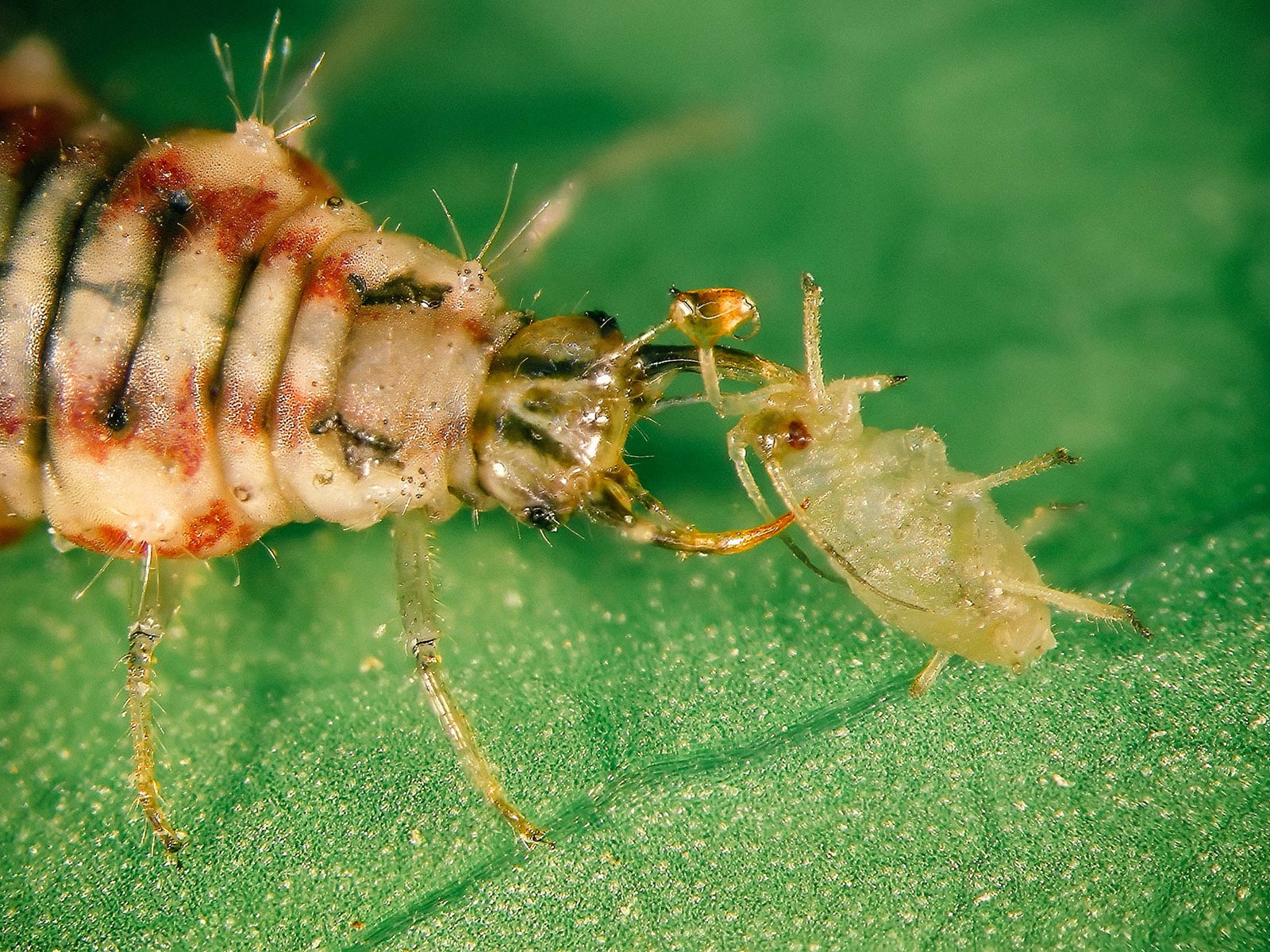
- Over-cleaning the garden — Removing all leaf litter and dead stems destroys overwintering sites. Leave some “mess” for next year’s army!
- Planting too few varieties or short bloom seasons — One type of flower = boom-and-bust food supply. Aim for continuous blooms.
- Ignoring water & shelter — Beneficials dehydrate fast on hot days. Add those pebble waterers!
Fix these, and your success rate skyrockets. 🌟
Quick-Start Action Plan: Your 30-Day Beneficial Insect Boost
Week 1: Audit your space — stop unnecessary sprays, identify any existing beneficials Week 2: Plant fast annuals (dill, buckwheat, cosmos, alyssum) for quick blooms Week 3: Add perennials (yarrow, coneflower) + water features + some shelter piles Week 4: Monitor weekly — look for predator activity, adjust plantings as needed
Bonus: Downloadable seasonal calendar & checklist coming soon on the site! 📅✅
Monitoring Success & Troubleshooting
One of the most rewarding parts of this method is watching the balance shift in real time.
Signs your beneficial insect population is thriving:
- You see ladybug adults and larvae together on the same plant
- Hoverflies darting around flowers in large numbers
- Tiny parasitic wasps (look like very small flying ants) hovering near pest clusters
- Pest populations rise slightly early in the season… then crash dramatically without your intervention
- Overall plant health improves: less yellowing, fewer curled leaves, better fruit set
When to be patient vs. when to step in: Give it 4–8 weeks after establishing habitat before judging success — predators need time to find your garden, mate, and lay eggs. If pests reach damaging levels (e.g., >30–40% of new growth heavily infested on young trees), consider these gentle interventions:
- Hand-washing aphids with a strong jet of water
- Releasing commercially reared beneficials (lacewings, ladybugs, Trichogramma wasps) as a short-term bridge
- Targeted horticultural oil application on dormant trees in late winter/early spring
Pro tip: Keep a simple weekly photo journal of 2–3 key plants/trees. Comparing week-to-week photos makes progress much easier to see! 📸
Frequently Asked Questions (FAQs)
How long does it take to see results from attracting beneficial insects? Most gardeners notice the first increase in ladybugs, hoverflies, or lacewings within 3–6 weeks of planting insectary flowers. Full ecosystem balance (where pests stay low naturally) often takes 1–3 full growing seasons — patience pays off!
Is it worth buying and releasing beneficial insects? Yes — especially in the first 1–2 years or in larger orchards. Releasing lacewing eggs, ladybug adults, or Trichogramma wasps gives your habitat time to mature while providing immediate help. After year 2–3, most well-designed systems become self-sustaining.
Will this work in small urban yards, balconies, or container gardens? Absolutely! Even a few pots of sweet alyssum, dill, and cosmos on a balcony or patio can attract hoverflies and minute pirate bugs. Add a small pebble water dish and some vertical twig bundles — you’ll be surprised how many helpers arrive.
Which native plants should I choose for my region? Excellent question! Native plants are often the best long-term attractors because they’re adapted to local beneficials.
- North America (general): Yarrow, goldenrod, black-eyed Susan, bee balm, milkweed
- Southeast Asia / South Asia (tropical/subtropical): Cosmos, marigold, lantana, zinnias, basil, lemongrass, flowering ginger
- Mediterranean climates: Lavender, fennel, salvia, yarrow Search your local agricultural extension or native plant society for the best regional picks — they’ll usually outperform exotic ornamentals.
Do beneficial insects really help with tough tree pests like borers or scale? Yes — especially parasitic wasps and predatory beetles for borers, and ladybugs + parasitic wasps for scale. The key is consistent habitat and avoiding sprays during critical emergence periods.
Final Thoughts: The Joy of a Living, Breathing Garden
By choosing to attract beneficial insects for pest control, you’re doing much more than fighting aphids or codling moths.
You’re creating a miniature ecosystem — a tiny, beautiful world where ladybugs patrol rose bushes, hoverflies dance above fruit blossoms, and parasitic wasps silently protect your apple trees from the inside out.
You’re saying no to toxic chemicals that linger in soil and water. You’re welcoming pollinators that make your harvests sweeter and more abundant. You’re teaching the next generation (your kids, grandkids, neighbors) that gardening can be gentle, intelligent, and in harmony with nature. 🌍💚
Start small. Plant a patch of dill and sweet alyssum this week. Skip the spray bottle next time you see a few aphids. Add a shallow water dish with pebbles.
Then sit back, watch, and marvel as your garden slowly transforms into a living, self-regulating paradise.
The tiny heroes are already looking for homes like yours. Will you invite them in? 🐞✨
We’d love to hear your story! Drop a comment below: Which beneficial insect showed up first in your garden? What’s your favorite insectary plant so far?
Happy gardening — and happy bug-watching! 🌱🦋











