
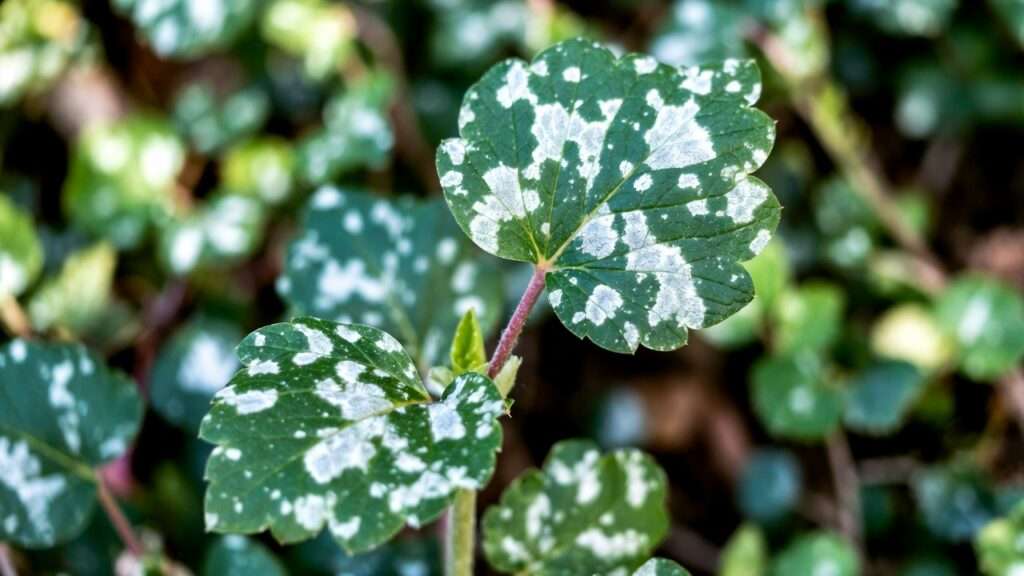
You walk out to your garden on a beautiful morning, coffee in hand, excited to check on your roses, zucchini, or favorite lilac bush… only to find that overnight, someone seems to have dusted your plants with flour or baby powder.
White, powdery spots cover leaves, stems, and sometimes even buds. Your heart sinks. You’ve got powdery mildew — one of the most common yet frustrating plant diseases home gardeners face every season.
The good news? Most plants survive powdery mildew attacks. Even better news? You can usually control and eliminate it using safe, natural methods — often without ever reaching for harsh chemical fungicides. 🌱
In this complete, expert-level guide, you’ll learn:
- Exactly how to identify powdery mildew symptoms (and tell it apart from look-alikes)
- Why it appears so suddenly (the real environmental triggers most guides skip)
- The fastest natural treatments that actually work (backed by university extension trials)
- Prevention strategies that stop it before it ever starts
- Step-by-step rescue plans for roses, vegetables, fruit trees, and ornamentals
Whether you’re dealing with a light dusting on your cucumbers or a full-blown takeover of your peonies, this article will give you the clear, practical roadmap you need to save your plants and protect your garden this season.
Let’s dive in and turn that scary white powder into a problem of the past! 🚀
What Exactly Is Powdery Mildew? 🤔
Powdery mildew isn’t caused by one single fungus — it’s actually a group of closely related fungal diseases belonging to the order Erysiphales. More than 900 species exist, and almost every plant family has at least one powdery mildew enemy that specializes in attacking it.
Unlike most fungal diseases, powdery mildew fungi are obligate parasites — they can only grow and reproduce on living plant tissue. That’s why they don’t rot leaves like many other fungi; instead they live on the surface, sucking nutrients while covering the plant in their signature white coating.
Key scientific name examples you might see:
- Erysiphe necator — grapes
- Podosphaera xanthii — cucurbits (cucumbers, squash, melons)
- Sphaerotheca pannosa — roses
- Microsphaera syringae — lilacs
Important distinction most beginner guides miss:
Powdery Mildew vs Downy Mildew — They sound similar but are completely different!
| Feature | Powdery Mildew | Downy Mildew |
|---|---|---|
| Appearance | White/gray powder on upper surface | Purple-gray fuzz on underside |
| Conditions | Warm days + cool nights, dry leaves | Cool & wet, needs water on leaves |
| Spread | Wind-blown spores | Water-splashing spores |
| Damage | Usually cosmetic + some yield loss | Can be very destructive (plant death) |
| Control | Surface treatments work well | Needs systemic protection |
Knowing this difference saves gardeners from wasting time and money on the wrong treatments. 🍃
Powdery Mildew Symptoms: How to Spot It Early 🔍
The classic symptom that gives powdery mildew its name is unmistakable once you know what to look for:
- White to light gray powdery coating on leaves, young stems, flower buds, and sometimes developing fruit
- Starts as small, round-to-irregular spots (1–5 mm)
- Quickly merges into larger patches that look like someone sprinkled talcum powder
- Can be wiped off easily with your finger (unlike some molds)
- In advanced stages: leaves turn yellow, curl upward, become distorted, dry out, and drop prematurely
- Tiny black specks (cleistothecia — fungal overwintering structures) may appear late in the season
Early detection is your superpower! Catching powdery mildew when you see just a few small spots is 10× easier to control than waiting until whole branches are coated.
Here are some real-world symptom examples on popular plants:
Roses 🌹
- White patches on leaves and buds
- Flower buds may fail to open (“balling”)
- Severely affected buds turn brown and drop
Cucurbits (cucumbers, zucchini, pumpkins, melons) 🥒
- White spots first appear on older leaves
- Rapid spread to new growth
- Reduced photosynthesis → smaller, fewer fruits
- In bad cases, entire vines look frosted
Lilacs & other ornamentals
- Thick, felt-like white mats on leaves
- Premature yellowing and leaf drop in mid-summer
- Reduced flowering next season
Fruit trees (apples, peaches)
- White coating mostly on underside of leaves
- Can affect young shoots and fruit (russeting)
Pro tip from 15+ years of garden consulting: Always check the upper leaf surface first. If you see powder only on the underside, think downy mildew or another issue entirely.
(We’ll show you plenty of clear visual examples in the next sections — keep reading!) 📸
Common Plants Affected & Their Unique Symptoms 🌸🥒
Different plants show slightly different patterns — knowing these helps you act faster and more precisely:
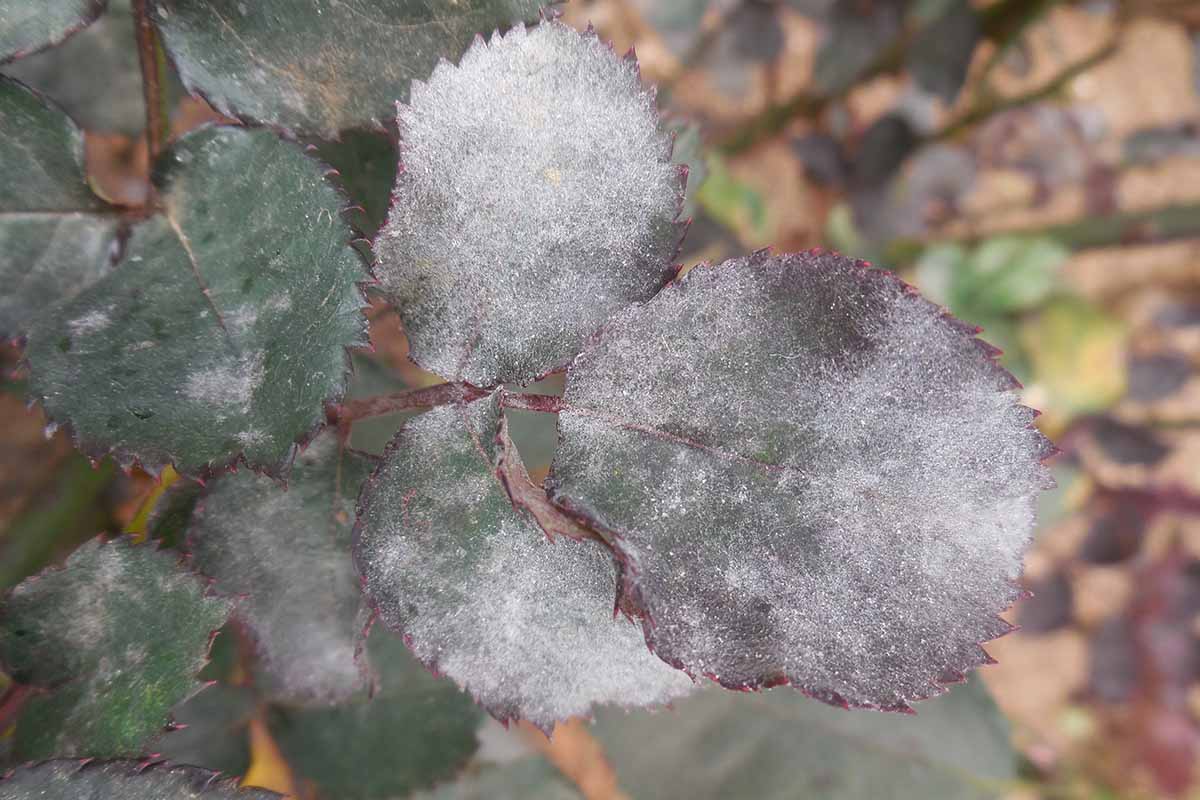
Roses 🌹 Powdery mildew loves tender new growth on roses. You’ll typically see white coating on young leaves, stems, and especially flower buds. Affected buds often fail to open (called “balling”), turning brown and dropping instead. Leaves may curl or develop reddish-purple discoloration around the spots.
Here are some clear visual examples of powdery mildew on roses:
Cucurbits (Cucumbers, Zucchini, Squash, Pumpkins, Melons) 🥒 Starts on older, lower leaves as small white spots that spread rapidly upward. In severe cases, vines look completely frosted, photosynthesis drops dramatically, and fruit production suffers (smaller, fewer, or misshapen fruits).
Real-life examples on cucumber/zucchini leaves:
:strip_icc()/treating-powdery-mildew-plant-ac36e077ba4a4f6184824bd68483489c.jpg)
Lilacs, Peonies, Phlox & Other Ornamentals Thick, felt-like white mats form on leaves, often leading to early yellowing and heavy leaf drop by mid-summer. Next year’s flowering can be reduced if the plant is stressed.
Fruit Trees (Apples, Peaches) Usually appears on the underside of leaves first, with possible russeting (rough, net-like scarring) on developing fruit.
Pro Tip from Extension Services: Early intervention when spots cover less than 5–10% of the foliage gives the highest success rate with natural methods. Wait too long, and you may need stronger intervention.
What Causes Powdery Mildew? (The Real Triggers) ⚡
Unlike many fungi, powdery mildew does NOT need wet leaves to infect — in fact, it thrives when leaves stay dry! Spores spread easily by wind, insects, or even your hands/tools.
Key environmental triggers (backed by university extension research):
- Temperatures between 60–80°F (15–27°C) — ideal range
- High relative humidity (especially >90% at night) + dry leaves
- Cool nights following warm days (classic spring/fall pattern)
- Low air circulation (crowded plants, dense canopies, shady spots)
- Excessive nitrogen fertilizer → lush, soft new growth that’s super susceptible
- Overwintering spores on fallen leaves, buds, or nearby weeds
This explains why powdery mildew often explodes suddenly in late spring or early fall — perfect storm conditions!
How to Prevent Powdery Mildew Before It Starts 🛡️
Prevention is always easier (and cheaper) than treatment. Here are proven, expert-recommended strategies:
- Choose Resistant Varieties Many modern cultivars fight back naturally! Examples:
- Roses: ‘Knock Out’ series, ‘Carefree Beauty’, ‘Graham Thomas’
- Cucurbits: ‘PMR’ (Powdery Mildew Resistant) cucumbers, ‘Dixie’ squash
- Lilacs: ‘Miss Kim’, ‘Bloomerang’ (some resistance)
- Zinnias: ‘Profusion’ or ‘Zahara’ series Ask your local nursery for regionally adapted resistant plants.
- Improve Air Flow & Sunlight
- Space plants properly (follow seed packet or tag recommendations)
- Prune annually for open structure (especially roses, fruit trees, lilacs) ✂️
- Avoid crowding — good airflow dries leaves faster and disrupts spore spread
- Water Wisely
- Water at the soil level early in the morning (drip irrigation or soaker hoses are best)
- Avoid overhead sprinkling, especially in the evening
- Site Selection
- Full sun (6+ hours) discourages most powdery mildew species
- Avoid low-lying, shady, or humid microclimates
- Balanced Fertilization & Soil Health
- Don’t overdo nitrogen — use slow-release or organic options
- Healthy soil = stronger plants with better natural resistance
- Early-Season Monitoring
- Scout weekly starting in spring — early spots are easy to snip off!
Implement these, and you’ll dramatically reduce outbreaks year after year. 🌞
Powdery Mildew Treatment: Step-by-Step Fixes (Natural First!) 🌱
Found it? Don’t panic — act quickly! Start with these cultural steps, then layer on natural sprays.
Immediate Cultural Controls (Do This First!)
- Prune off and destroy (trash or burn) heavily infected leaves/stems — do NOT compost!
- Thin crowded areas to improve airflow immediately
- Remove nearby weeds that might harbor spores
Top Natural & Organic Treatments (Proven & Safe) 🌿
University trials and gardener experience consistently show these work best when applied early and consistently:
- Milk Spray (The Gardener’s Favorite!) 🥛 Mix: 1 part milk (any kind, even skim) to 2–3 parts water (40% milk solution is most common). Spray thoroughly (top & bottom of leaves) every 7–10 days, or after rain. Why it works: Proteins/antimicrobial compounds in milk suppress spores + may boost plant immunity. Best for: Vegetables, roses, zucchini — safe, cheap, and surprisingly effective!
- Baking Soda + Oil Spray Mix: 1 tsp baking soda + 1 tsp horticultural oil (or dish soap) per liter/quart of water. Spray every 7–14 days. Changes leaf pH to make it hostile to the fungus. Caution: Test on small area first — can burn sensitive leaves in hot sun.
- Neem Oil 🧴 Dilute per label (usually 1–2 tsp per liter + a drop of soap as emulsifier). Apply in evening to avoid leaf burn. Smothers spores + repels some pests. Great preventative and curative option.
- Potassium Bicarbonate (Fast-Acting Powerhouse) 1 Tbsp per gallon of water + a bit of soap. Kills spores on contact — one of the most effective organic fungicides.
Here’s a quick comparison table:
| Method | Effectiveness | Cost | Organic? | Best For | Frequency |
|---|---|---|---|---|---|
| Milk Spray | High | Very Low | Yes | Veggies, Roses | Every 7–10 days |
| Baking Soda + Oil | Medium-High | Low | Yes | General | Every 7–14 days |
| Neem Oil | High | Medium | Yes | Prevent + Treat | Every 7–14 days |
| Potassium Bicarbonate | Very High | Low-Medium | Yes | Quick knockdown | As needed |
Application Tips:
- Spray in evening or cloudy days to avoid sunburn
- Cover all surfaces thoroughly (undersides too!)
- Rotate methods if treating repeatedly (prevents resistance)
Here are some inspiring before-and-after recovery shots using natural treatments:
Here are some inspiring before-and-after recovery shots using natural treatments like milk spray and improved airflow:

These show how quickly plants can bounce back when you catch it early and treat consistently! 🌱
When to Use Stronger Options (Organic-Approved & Conventional)
If natural methods aren’t enough (e.g., very humid season or large established infection):
Organic-Approved Fungicides
- Sulfur (wettable or dust) — very effective against powdery mildew; apply early morning or evening
- Copper-based products — good contact protection; rotate with others to avoid resistance
- Bacillus subtilis or Bacillus amyloliquefaciens (biological fungicides like Serenade) — great for prevention & mild cases
Conventional (Last Resort – Use with Caution)
- Myclobutanil, triadimefon, or other systemic fungicides → Only for severe, recurring cases on high-value plants → Always follow label instructions, wear PPE, and respect pre-harvest intervals (especially on edibles)
Expert Note: Many university extension services (Cornell, UC Davis, etc.) now recommend starting with cultural + milk/neem and reserving sulfur/potassium bicarbonate for tougher outbreaks.
Expert Tips & Real-World Insights from Garden Pros 💡
After years of helping gardeners battle powdery mildew, here are the pro-level secrets that make the biggest difference:
- Timing is everything — Treat at the very first sign (even one small spot). Waiting until 20–30% of foliage is affected makes control 3–5× harder
- Rotate your treatments — Alternate milk one week, neem the next, potassium bicarbonate the week after → prevents any potential resistance buildup
- Combine methods — Best results come from culture (pruning + spacing) + spray + good sanitation
- Morning is magic — Spray in the early morning so leaves dry quickly in sunlight
- Seasonal strategy → Early spring: Focus on prevention (resistant varieties + airflow) → Mid-summer: Rescue mode with milk + neem → Late season: Clean up fallen debris thoroughly to reduce overwintering spores
- Test first — Always do a small spot test with any new spray (especially baking soda) on a few leaves 24 hours before full application
Frequently Asked Questions (FAQs) ❓
Is powdery mildew harmful to humans or pets? No — it’s not toxic. You can safely touch affected plants (just wash hands afterward). It doesn’t produce mycotoxins like some black molds.
Can I save severely infected plants? Yes, in most cases! Remove the worst 50–70% of affected foliage, improve conditions, and treat aggressively with rotating natural sprays. Many plants recover fully within 2–4 weeks.
Does powdery mildew spread to other plants easily? Yes — wind carries spores far. Isolate new infections quickly and treat all susceptible plants in the area at the same time.
How long does treatment take to work? You’ll usually see new growth staying clean within 7–14 days if you start early and stay consistent. Existing spots won’t disappear, but they stop spreading.
What’s the best organic spray for roses vs vegetables? Roses → Milk spray + neem (very forgiving) Vegetables (cucumbers, squash) → Milk or potassium bicarbonate (fast & food-safe)
Will powdery mildew kill my plant? Rarely — it weakens plants and reduces yield/photosynthesis, but outright death usually only happens in very young seedlings or combined with other stresses (drought, heat, etc.).
Conclusion & Next Steps 🎉
Powdery mildew might look scary when that white powder suddenly appears, but now you know it’s one of the most manageable garden problems out there.
Quick Recap:
- Spot it early: White powder on upper leaf surfaces
- Understand the triggers: Warm days + cool nights + poor airflow
- Prevent aggressively: Resistant varieties, spacing, morning watering, monitoring
- Treat naturally first: Milk spray, neem, baking soda, potassium bicarbonate
- Act fast and stay consistent — most plants recover beautifully! 🌟
Your garden doesn’t have to suffer through another powdery season. Grab that milk from the fridge, give your plants some breathing room, and take control today.
Have you battled powdery mildew before? Which natural method worked best for you — milk spray, neem, or something else? Drop your experience in the comments below — I read and reply to every one! 👇
Happy gardening, and here’s to healthy, powder-free leaves all season long! 🌿💚











