
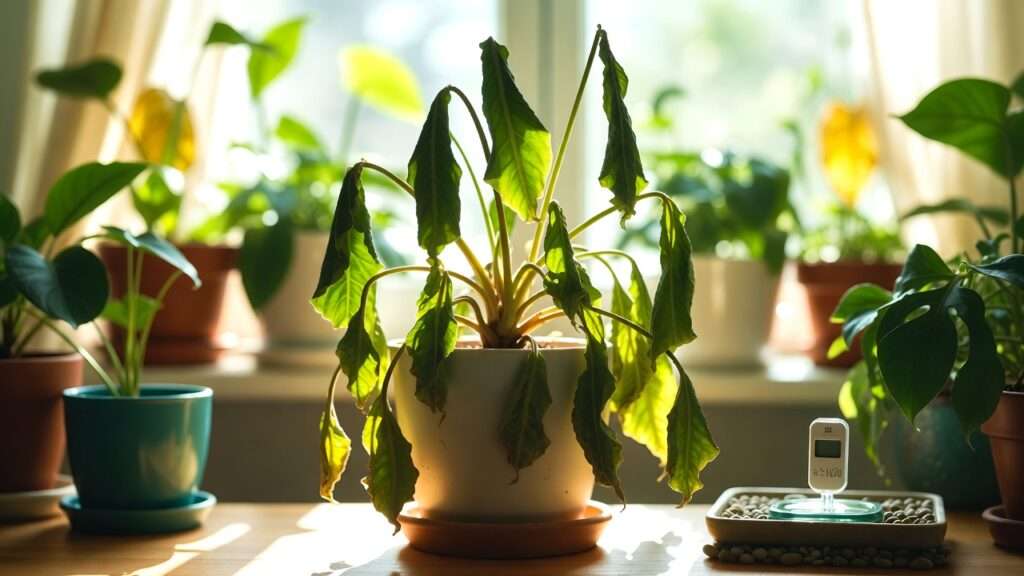
You’ve been diligently checking your plant’s soil, making sure it’s not soggy, yet those once-vibrant leaves are drooping dramatically—like your favorite monstera or fiddle leaf fig is throwing a silent tantrum. 😩 You’ve ruled out overwatering (the usual suspect), but the wilting persists. Sound familiar?
Wilted leaves but not overwatered is a common puzzle for plant lovers, and the good news is: it’s almost always fixable! Wilting happens when plant cells lose turgor pressure—they can’t stay plump and upright because the leaves aren’t getting enough water, even if the soil isn’t the problem.
As a plant care specialist with over a decade of experience reviving thousands of struggling houseplants (from tropicals to succulents and even potted trees), I’ve seen this issue time and again. In this comprehensive guide, we’ll explore 7 surprising causes beyond overwatering, complete with diagnostic steps, quick fixes, and prevention tips. By the end, you’ll have the tools to diagnose and revive your plant fast—often in just days! 🌱 Let’s dive in and get your green friend perky again!
First, Confirm It’s Not Overwatering (Quick Double-Check) ✅
Before we explore other causes, let’s do a thorough double-check—because overwatering symptoms can mimic others.
- Overwatered leaves feel soft, mushy, and limp, often with yellowing starting from the bottom up, plus a foul, moldy soil smell. Roots may appear dark and rotten.
- Other causes typically show drier, crispier, or more brittle leaves, with no soggy feel.
Quick tests:
- Stick your finger 2–3 inches into the soil—if it’s wet or soggy, wait to dry out.
- Lift the pot—does it feel unusually heavy? (Overwatering adds weight.)
- Check drainage holes—if water pools at the bottom, repot into better-draining soil.
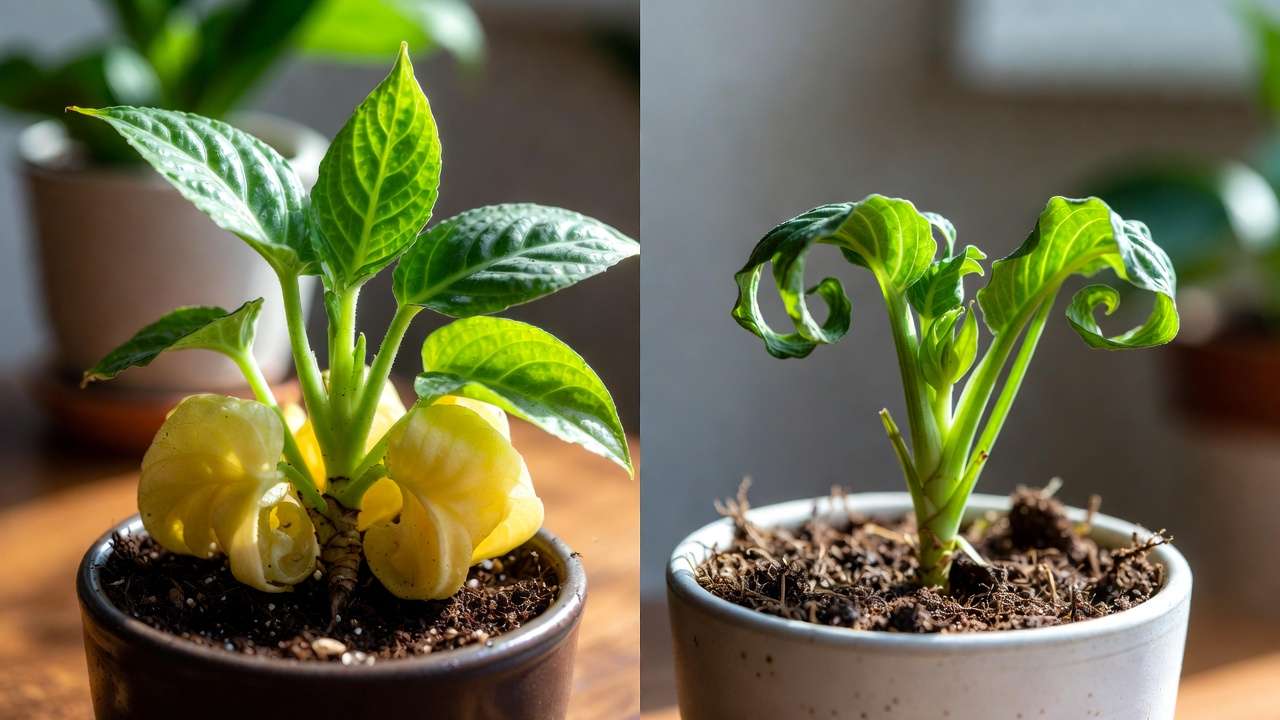
If your soil is dry or only slightly moist and the pot feels light, you’re safe to move on. Great job ruling this out—now let’s uncover the real culprit!
The 7 Surprising Causes of Wilted Leaves (When It’s Not Overwatering)
1. Underwatering (Yes — Even If You Think You’re Watering Enough!) 🌵
It might sound obvious, but inconsistent or insufficient watering is the #1 reason for wilting when soil isn’t over-saturated. Fast-draining soils (like cactus mixes) or large pots can dry out quickly, especially in warm rooms.
Signs to watch for:
- Crispy, dry leaf edges
- Leaves curling inward before fully wilting
- Soil bone-dry several inches down
- Wilting that improves dramatically after a good soak
Common culprits: Plants near heat vents, in bright light, or forgotten during busy weeks.
Fix it fast:
- Give a thorough bottom-watering soak (place pot in a tray of water for 20–30 minutes) until soil is evenly moist.
- Let excess drain fully.
- Water when the top 1–2 inches of soil feel dry (use a moisture meter for precision).
Prevention tips:
- Establish a consistent schedule—check weekly.
- Add mulch or pebbles on top to retain moisture.
- Group plants to create a micro-humid zone.
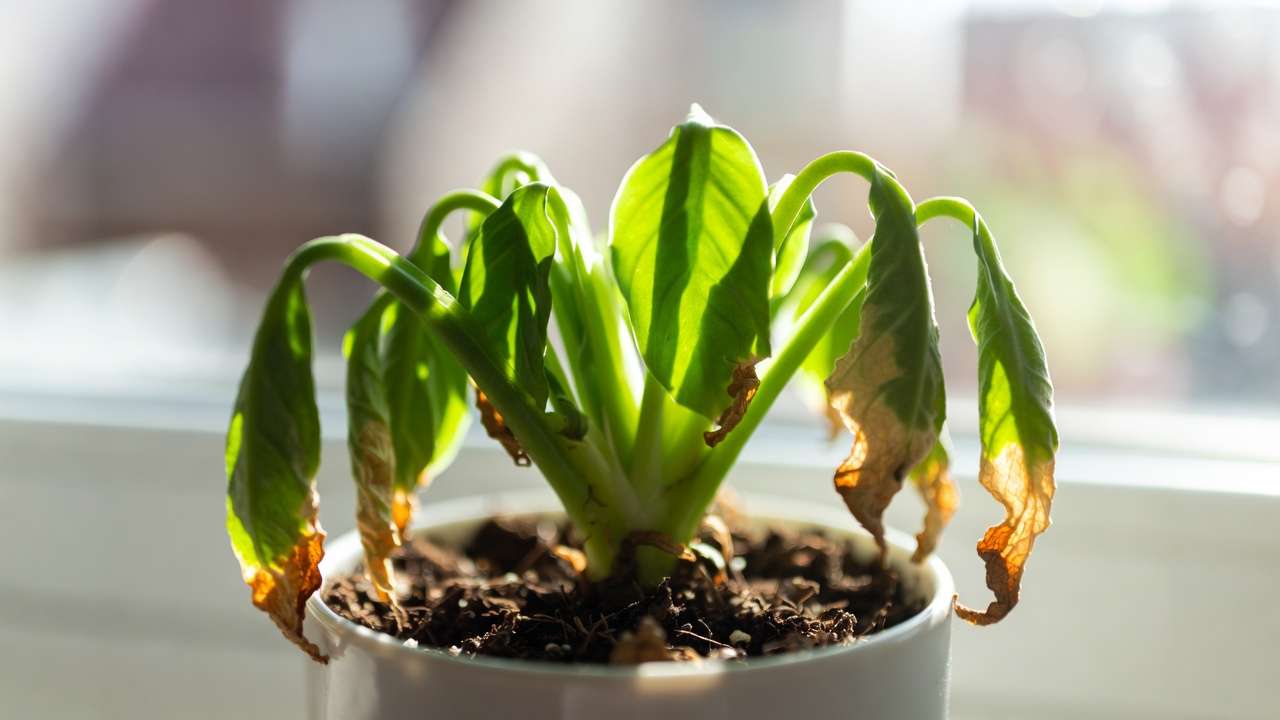
In my experience, many “hopeless” plants bounce back beautifully after one deep watering!
2. Heat Stress or High Temperatures (The Silent Summer Killer) 🔥
High heat causes transpiration (water loss through leaves) to outpace root uptake, leading to temporary wilting—even with moist soil.
Signs to watch for:
- Wilting in the afternoon/peak heat, recovering at night
- Leaves feel warm to the touch
- Crispy edges if prolonged
- Common in windowsills, near radiators, or during heatwaves
Examples: Succulents, tropicals like monstera, or even outdoor potted plants.
Fix it fast:
- Move to a cooler spot (below 85°F/29°C ideal for most houseplants).
- Increase airflow with a gentle fan.
- Mist leaves or use shade cloth if outdoors.
Prevention tips:
- Water in the morning so roots absorb before heat peaks.
- Avoid direct hot sun in summer.
- Monitor room temps—houseplants often suffer above 80°F indoors.
Many plants wilt daily in heat as a natural defense—it’s not always permanent!
3. Low Humidity (Especially for Tropical Houseplants) 💨
Dry indoor air (from heaters, AC, or winter) pulls moisture from leaves faster than roots can supply it.
Signs to watch for:
- Wilting + brown, crispy tips/edges
- Curling leaves
- Spider mites often appear as a secondary issue
- Dramatic improvement with humidity boost
Examples: Peace lilies, ferns, calatheas, and philodendrons are super sensitive.
Fix it fast:
- Place on a pebble tray with water (don’t let pot sit in water).
- Use a humidifier nearby.
- Group plants together for natural humidity.
Prevention tips:
- Aim for 50–60% humidity (cheap hygrometers help).
- Mist daily or use room humidifiers in dry seasons.
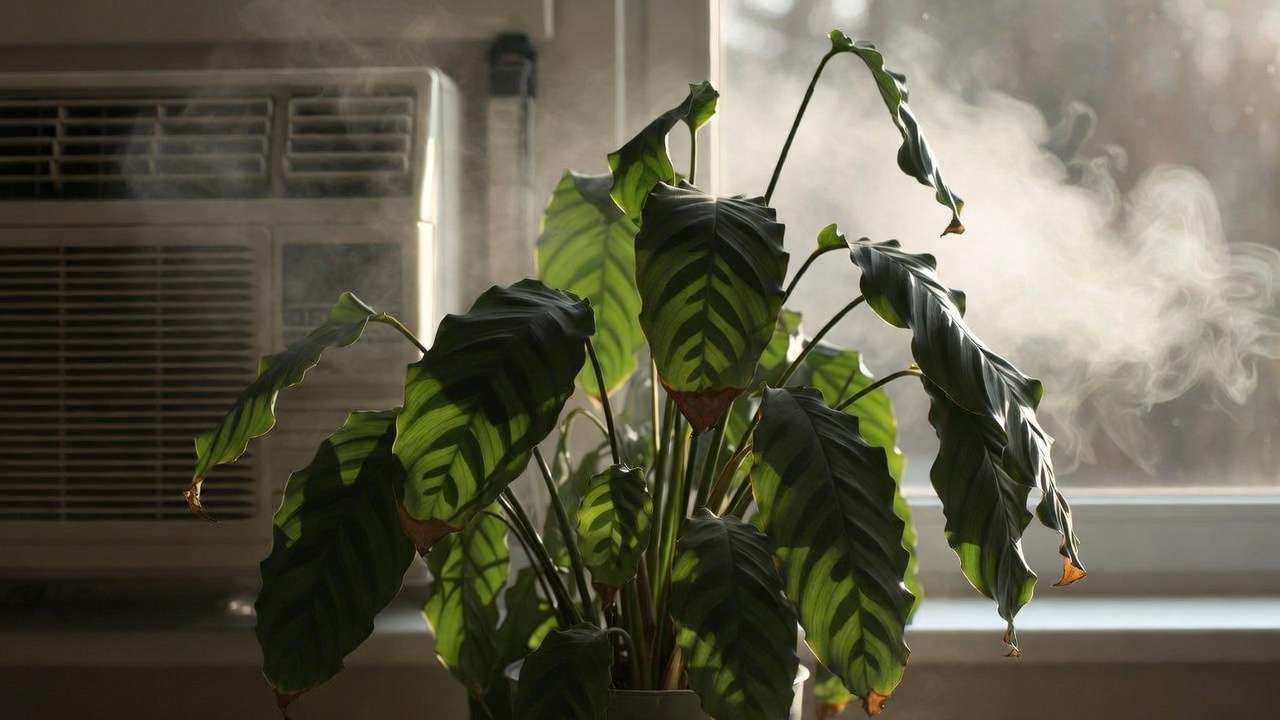
Tropicals thrive when you mimic their rainforest home—humidity is often the missing piece!
4. Root-Bound or Pot-Bound Plants (Cramped Roots Can’t Drink) 🪴
When roots fill the pot and circle tightly, they can’t absorb water efficiently.
Signs to watch for:
- Wilting shortly after watering
- Roots poking out drainage holes
- Slow growth, stunted new leaves
- Soil dries out super fast
Fix it fast:
- Gently remove from pot—if roots are circling, tease apart.
- Repot into a container 1–2 sizes larger with fresh, well-draining soil.
Prevention tips:
- Repot every 1–2 years for fast growers.
- Choose pots with good drainage.
Root-bound plants are common in long-loved houseplants—repotting is like a fresh start!
5. Poor Lighting (Too Much or Too Little Sunlight) ☀️🌑
Light affects water uptake—low light slows it, high light speeds transpiration.
Signs to watch for:
- Low light: Leggy growth + wilting
- Too much: Scorched, bleached leaves + wilting
- Uneven wilting on one side
Fix it fast:
- Move to brighter indirect light (or add grow lights).
- Avoid direct harsh sun.
Prevention tips:
- Research your plant’s needs—many thrive in medium light.
- Rotate pots for even growth.
Lighting mismatches cause more wilting than most realize—it’s an easy fix!
6. Pests or Diseases Damaging Roots/Leaves 🐛
Hidden pests (like root mealybugs or fungus gnats) or diseases damage roots, blocking water flow.
Signs to watch for:
- Wilting despite moist soil
- Webbing, spots, or sticky residue
- Yellowing + wilting
Fix it fast:
- Inspect roots and undersides of leaves.
- Treat with neem oil or insecticidal soap.
- Repot if root damage is severe.
Prevention tips:
- Quarantine new plants.
- Keep foliage clean.
Early detection saves plants—pests love stressed ones!
7. Other Hidden Culprits (Salt Buildup, Cold Drafts, Transplant Shock, Nutrient Issues) ❄️⚡
Less common but sneaky: fertilizer salt buildup burns roots; cold drafts shock plants; transplant shock causes temporary wilt.
Signs to watch for:
- White crust on soil (salts)
- Sudden wilting after moving
- Pale leaves (nutrient lack)
Fix it fast:
- Flush soil with distilled water.
- Stabilize temperature.
- Fertilize lightly with balanced formula.
Prevention tips:
- Use filtered water.
- Avoid drafts.
These often resolve with minor tweaks!
Step-by-Step Diagnostic Checklist (Printable & Super Helpful!) 📋
When your plant has wilted leaves but not overwatered, follow this logical flowchart-style checklist to narrow down the cause quickly. Grab a notebook or print this section—it’s designed to save you time and guesswork!
- Assess the timing of wilting
- Does it happen mostly in the afternoon/heat of the day and recover by evening? → Likely heat stress or low humidity 🔥💨
- Does it persist all day, even after watering? → Move to step 2
- Check soil moisture deeply (use finger or moisture meter)
- Completely dry 2–3 inches down? → Underwatering 🌵
- Moist but plant still wilting? → Proceed
- Evaluate environmental factors
- Room temperature above 85°F (29°C) or near heat source/AC vent? → Heat stress
- Humidity below 40% (check with hygrometer)? → Low humidity
- Recent cold draft or temperature swing? → Cold stress/transplant shock ❄️
- Inspect the pot and roots
- Roots visible at drainage holes or soil dries out in 1–2 days? → Root-bound 🪴
- Pot feels very light even after watering? → Possible root issues or underwatering
- Examine leaves and stems closely (use magnifying glass if possible)
- Webbing, tiny bugs, sticky residue, spots, or curling? → Pests 🐛
- Brown crispy edges + wilting? → Often low humidity or heat
- One-sided wilting or scorching? → Poor lighting ☀️
- Look for soil surface clues
- White crusty buildup? → Fertilizer salt accumulation
- Fungus gnats flying around? → Possible root damage from larvae
- Recent changes?
- New pot, moved location, repotted, or fertilized heavily? → Transplant shock or nutrient/salt issues ⚡
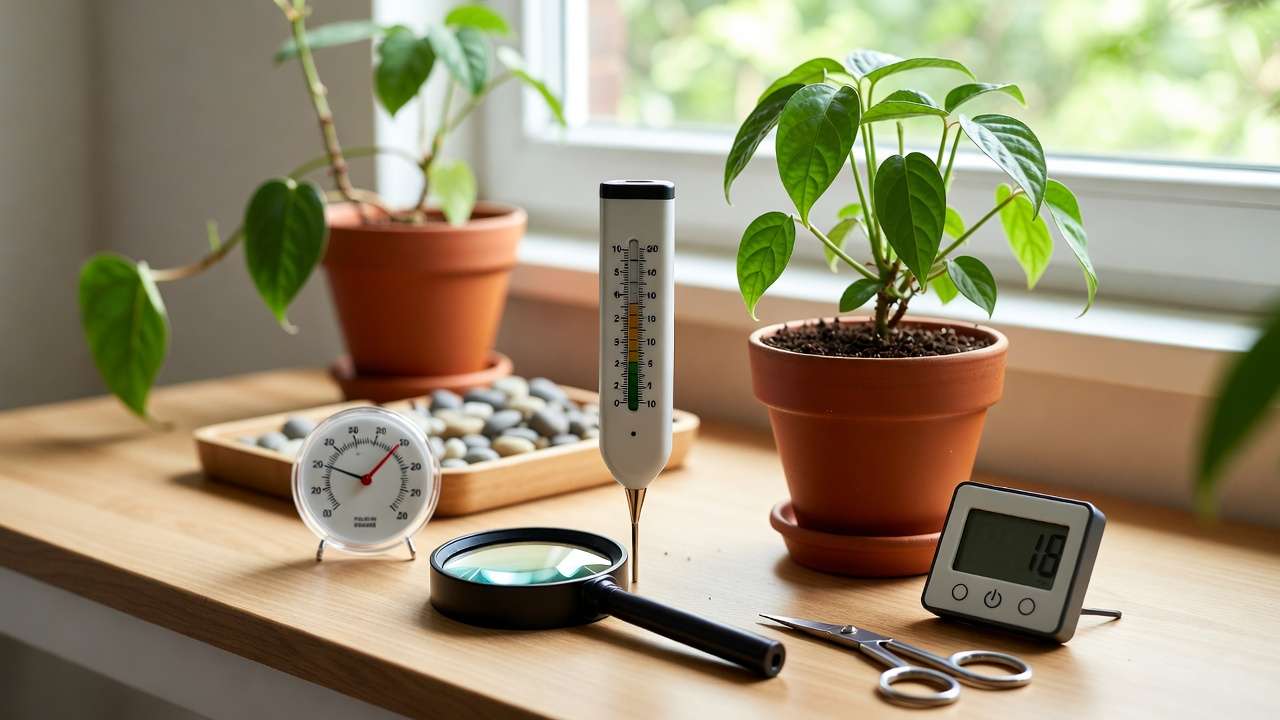
Pro tip: Most cases resolve by addressing the top 3 (underwatering, heat, humidity). If nothing fits, consider pests or root health next.
Here’s a visual aid to help you spot the difference:
(Healthy vs. wilted leaves side-by-side — notice the crisp, droopy look in wilting plants.)
And for root-bound plants, this is what you might find when you check:
:max_bytes(150000):strip_icc()/how-to-tell-if-your-plant-is-rootbound-847788-hero-ea3340c2f2a549d2aec38d676ebde563.jpg)
Quick Revival Tips to Perk Up Your Plant Right Now 🚀
While you diagnose the root cause, these emergency steps can give your plant immediate relief:
- Deep soak (if underwatered or root-bound suspicion): Submerge the pot in lukewarm water for 20–45 minutes until bubbles stop. Drain thoroughly.
- Boost humidity instantly: Mist leaves generously or place near a humidifier/shower steam for 30 minutes.
- Temporary shade/cool-down: Move out of direct sun or heat; use a sheer curtain.
- Prune wisely: Snip off severely wilted or dead leaves with clean scissors to reduce stress (but don’t over-prune!).
- Support the plant: Prop drooping stems with stakes if needed.
Many plants perk up visibly within hours of these interventions. Here’s a simple humidity booster setup that’s easy and effective:
/SPR-how-to-make-a-pebble-tray-7371481-Hero-C-5d303cbb85744594b59e9839a63d5abd.jpg)
(Pebble tray in action — add water below the pebbles so roots don’t sit wet.)
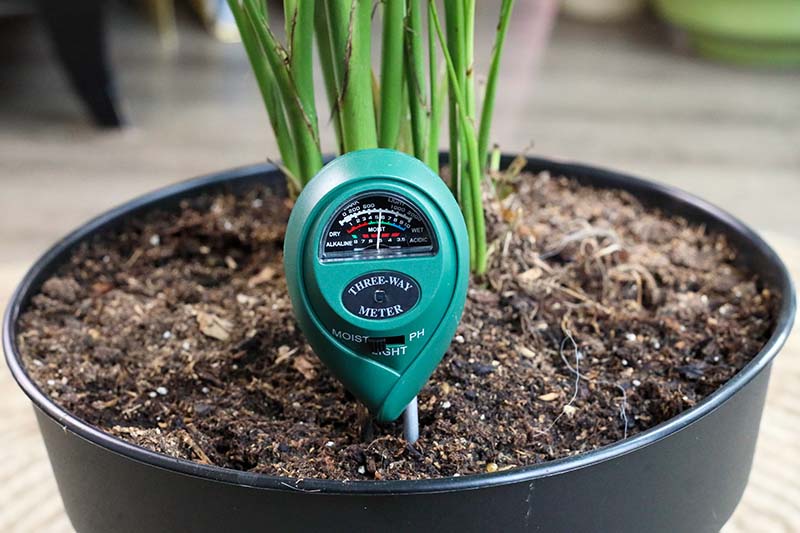
For accurate watering decisions going forward, a basic moisture meter is a game-changer:
Prevention: How to Stop Wilting from Happening Again 🌟
Once revived, keep your plants happy long-term with these habits:
- Watering best practices: Always check top 1–2 inches of soil before watering. Use room-temperature water (avoid cold shocks). Bottom watering prevents fungal issues.
- Ideal environment setup: Bright indirect light for most houseplants, 65–80°F (18–27°C), 50%+ humidity. Use grow lights in low-light seasons.
- Seasonal adjustments: Reduce watering in winter; increase humidity during dry months.
- Choose forgiving plants: Beginners love pothos, snake plants, ZZ plants, or cast iron plants—they tolerate occasional neglect.
- Routine care: Dust leaves monthly, fertilize sparingly during growing season (spring/summer), repot as needed.
Consistency beats perfection—small daily checks prevent big problems!
Real-Life Examples & Case Studies 📖
To make this guide even more relatable, here are a few true stories from my years helping plant owners (names changed for privacy). These show how the 7 causes play out in real life and how simple fixes brought plants back to life.
Case 1: The Afternoon-Drooping Monstera A client’s large monstera was wilting every afternoon despite regular watering and moist soil. We ruled out overwatering quickly. Turns out the plant was right next to a south-facing window with blazing afternoon sun (heat stress + low humidity combo). Solution: Moved it 3 feet away to bright indirect light, added a pebble tray, and misted daily. Within 3 days, leaves were upright and glossy again! 🌿
Case 2: The Thirsty Fiddle Leaf Fig A beautiful fiddle leaf fig wilted soon after every watering. Soil was dry deep down, and roots were tightly circling the pot—classic root-bound. After repotting into a larger container with fresh aroid mix, the plant perked up in less than a week and even pushed out new growth. Moral: Don’t fear repotting! 🪴
Case 3: The Crispy Calathea A calathea was drooping with brown, crispy leaf edges despite weekly watering. Humidity in the room was below 30% (winter heating). We added a small humidifier and grouped it with other plants. The wilting stopped, and new leaves emerged vibrant green. Humidity truly is magic for prayer plants! 💨
These examples prove that once you identify the cause, recovery is fast and rewarding.
Frequently Asked Questions (FAQs) ❓
Here are answers to the most common questions I get about wilted leaves but not overwatered:
Can underwatered plants look like overwatered ones? Yes! Both can cause drooping, but underwatered leaves are usually crisp and dry, while overwatered ones are soft, mushy, and yellowing from the bottom.
Why does my plant wilt in the afternoon but recover at night? This is classic heat stress or transpiration wilt. During the day, the plant loses water faster than it can absorb it. At night, when temperatures drop, it catches up.
Is wilting normal for some plants? Some plants (like prayer plants or certain succulents) wilt slightly in the evening as a natural rhythm, but persistent drooping isn’t normal.
How long does it take to fix wilted leaves? Most plants show improvement within 24–72 hours after addressing the cause. Full recovery (new growth) can take 1–4 weeks.
Should I cut off wilted leaves? Only if they’re severely damaged (brown and crispy). Otherwise, leave them—they can still photosynthesize and help the plant recover.
Can low light cause wilting? Absolutely—low light reduces water uptake efficiency, leading to drooping, especially in larger plants.
What if I can’t figure out the cause? Start with the basics: deep watering, humidity boost, and better light. If no improvement in a week, check roots for pests or rot.
Do all houseplants need high humidity? Not all—succulents and snake plants prefer drier air. But most tropical houseplants (ferns, philodendrons, peace lilies) thrive at 50%+ humidity.
Is it possible for a plant to wilt from too much fertilizer? Yes, salt buildup from over-fertilizing burns roots, blocking water uptake. Flush soil thoroughly if you see white crust.
My outdoor potted tree is wilting—same causes? Mostly yes! Heat, underwatering, root-bound, or poor soil drainage are common outdoors too. Check for pests like aphids as well.
Conclusion 🌱💚
Wilted leaves but not overwatered usually means your plant is thirsty at the roots—from environmental stress, cramped roots, pests, or hidden issues. The key is to stay calm, diagnose systematically, and act quickly.
By following the 7 causes, diagnostic checklist, and revival tips in this guide, you’ll be equipped to save almost any droopy plant. Remember: most plants are incredibly resilient—give them the right conditions, and they’ll reward you with lush, happy growth!
Your green friends are counting on you. Grab that moisture meter, check the humidity, and start troubleshooting today. You’ve got this! 🌿
If you’ve revived a wilted plant using these tips, drop your story in the comments—I’d love to hear it! And don’t forget to subscribe for more in-depth plant care guides tailored to houseplants, trees, and everything in between. Happy growing! 😊











