
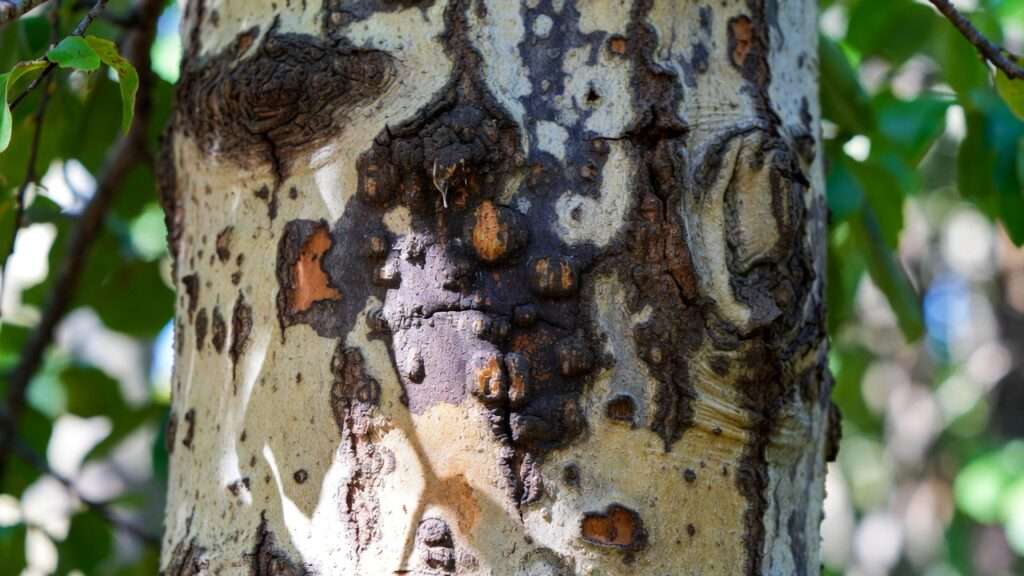
Imagine walking through your yard on a crisp morning and spotting a strange, sunken, discolored patch on the trunk of your beloved oak or maple. 😟 The bark looks cracked, perhaps oozing sap, and branches above it are wilting or dying back. This isn’t just cosmetic damage—it’s often the hallmark of cankers on tree bark, a common yet serious issue that can silently weaken or even kill otherwise healthy trees. As an arborist with years of experience helping homeowners and landscape professionals, I’ve seen how quickly these “sores” on bark can escalate if not addressed promptly.
Cankers on tree bark are localized dead areas where pathogens kill the cambium layer—the vital tissue responsible for transporting water and nutrients. Once girdled (fully encircled), branches or even the entire trunk can starve and die. 🌳 These issues affect shade trees, fruit trees, evergreens, and ornamentals alike, especially in stressed conditions like drought-prone areas or after harsh winters. According to university extension services like Penn State and the Morton Arboretum, cankers are opportunistic—pathogens lurk on bark surfaces but only cause real harm when tree vigor drops.
In this comprehensive guide, you’ll learn the root causes (pun intended!), how to spot early signs before major damage occurs, realistic treatment strategies that actually work, and proven prevention steps to protect your trees long-term. Whether you’re a homeowner noticing dieback or a gardener maintaining a backyard orchard, this article equips you with expert-backed knowledge to save your trees and restore peace of mind. Let’s dive in! 💚
What Exactly Are Cankers on Tree Bark?
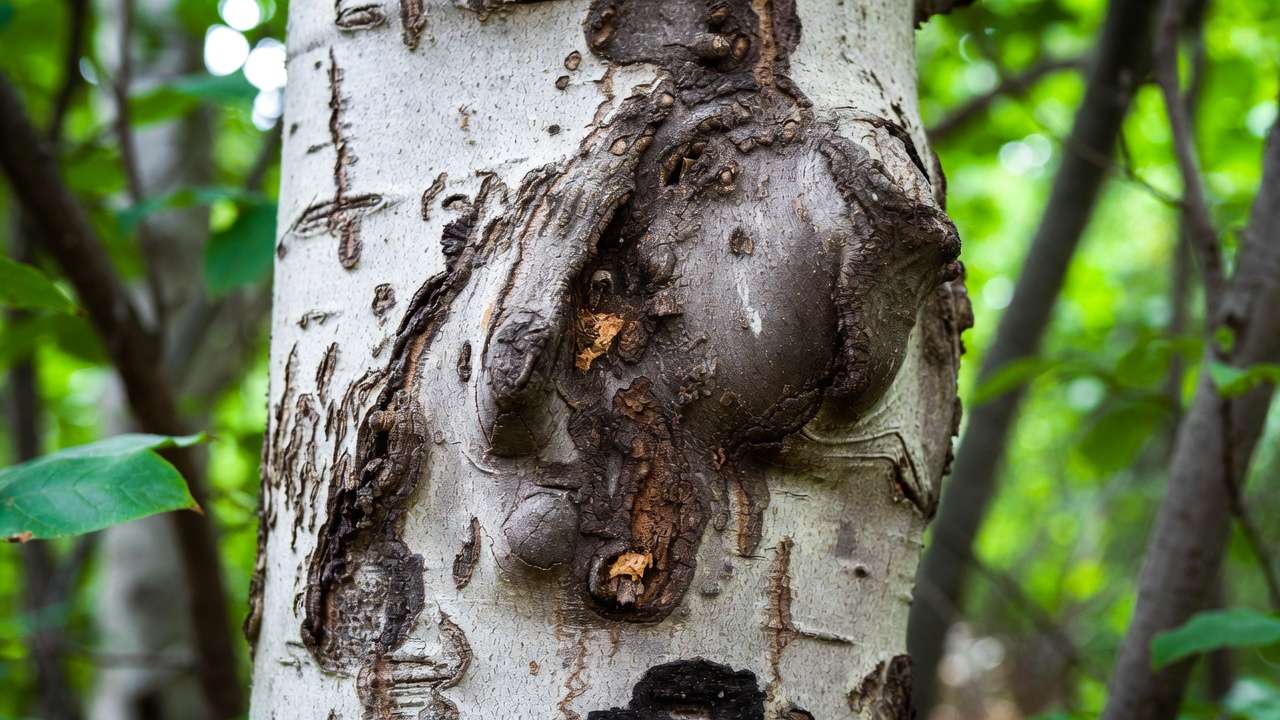
Cankers aren’t a single disease but a symptom: dead, sunken, or cracked zones on bark where the underlying cambium and sapwood have died. This disrupts the tree’s vascular system, leading to branch dieback, reduced growth, and structural weakness. Over time, severe cankers can girdle stems, cutting off nutrient flow entirely.
Unlike surface scratches, true cankers involve pathogen activity (fungal or bacterial) or abiotic stress killing tissue. They often appear elongated, oval, or irregular, with raised edges as the tree tries to compartmentalize the damage. Cracks may form, exposing wood, and some ooze resin, gum, or liquid.
Quick comparison table to avoid confusion:
| Issue | Appearance | Key Difference from Canker |
|---|---|---|
| Canker | Sunken/discolored bark, often oozing | Kills cambium; girdles; pathogen-driven |
| Borers/Insects | Holes + sawdust/frass | External entry; frass present |
| Sunscald | Vertical cracks on south/west side | Abiotic only; no pathogen fruiting bodies |
| Mechanical Injury | Clean cuts/abrasions | No spreading dieback unless infected |
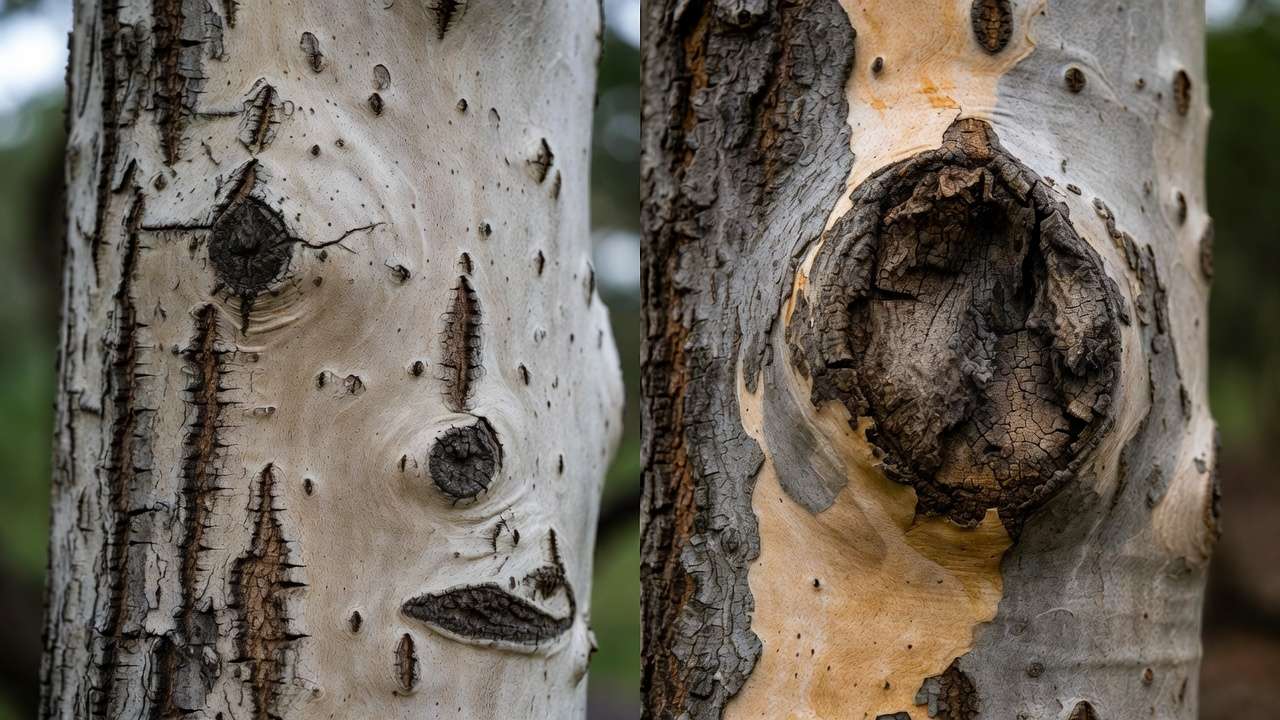
Understanding this distinction helps you act fast—cankers spread if ignored! 🔍
Common Types of Cankers on Tree Bark
Not all cankers are equal—identifying the type guides better management. Here are the most widespread:
Fungal Cankers (most common)
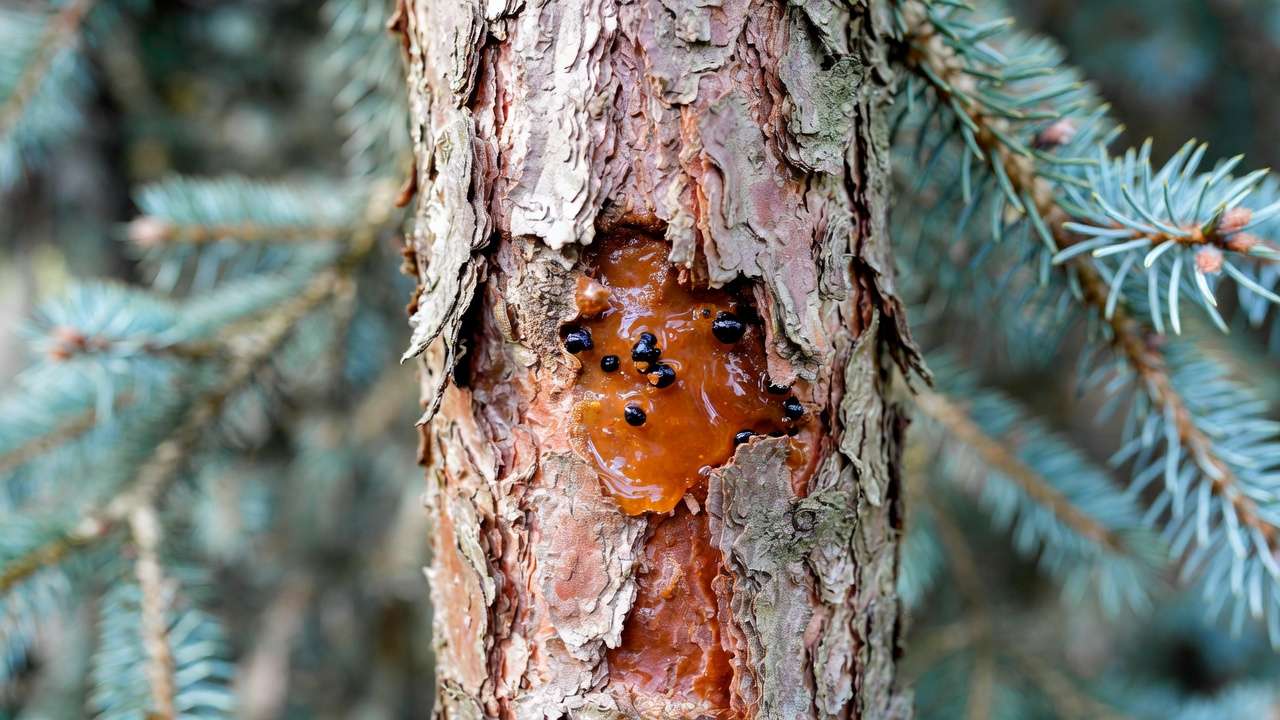
- Cytospora canker (Leucostoma/Cytospora spp.): Targets spruces, pines, poplars, willows, fruit trees. Shows resin-soaked sunken lesions; common on stressed conifers. 🌲
- Botryosphaeria canker (Botryosphaeria dothidea & relatives): Hits oaks, maples, elms, fruit trees. Causes branch dieback; opportunistic after drought/stress.
- Nectria/Nectria canker: Affects honey locust, oaks, maples; bright orange/red fruiting bodies visible.
- Hypoxylon canker (Biscogniauxia atropunctata): Devastates oaks/hardwoods post-drought; black/gray crusty patches appear suddenly.
- Seiridium/Phomopsis cankers: Common on cypress, junipers, cedars; oozing cankers lead to rapid decline.
Bacterial Cankers
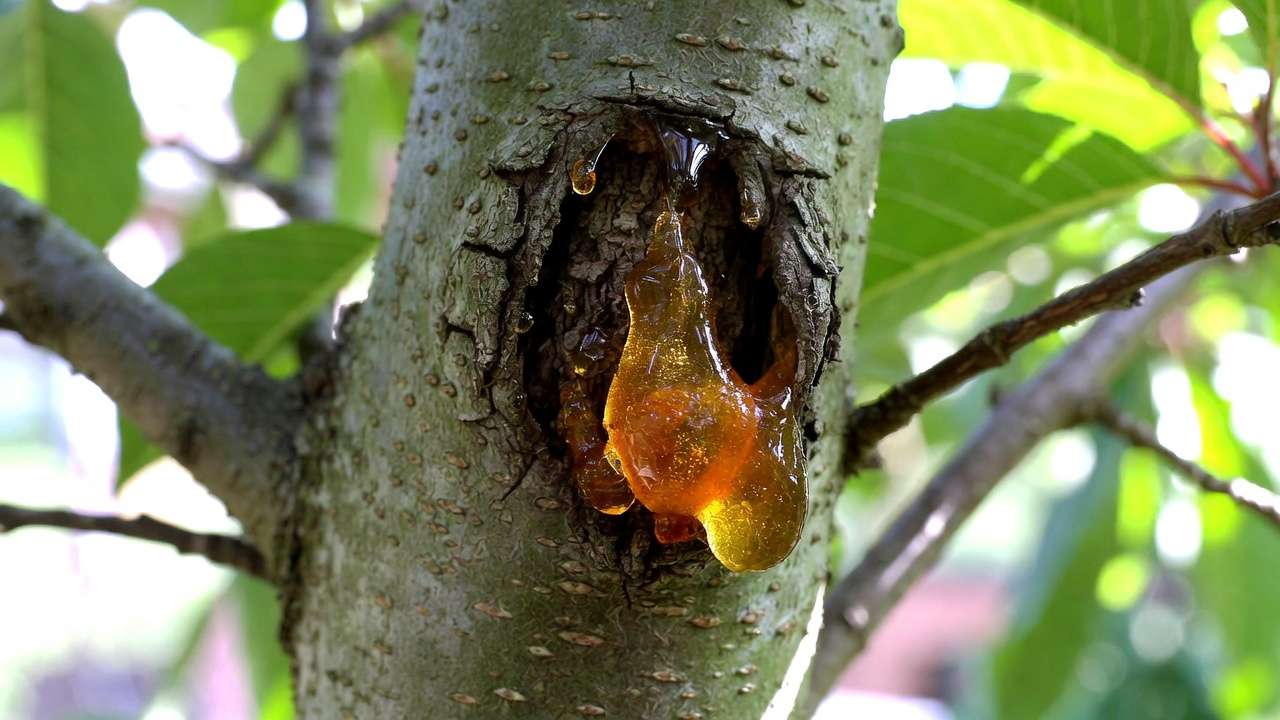
- Pseudomonas syringae (bacterial canker): Hits stone fruits (cherries, plums, peaches). Features gummy ooze (gummosis), sunken cankers at pruning sites; often follows winter injury. 🍒
Abiotic/Environmental Cankers
- Sunscald/frost cracks: Thin-barked trees crack from temperature swings.
- Mechanical: Lawn mower/string trimmer wounds invite secondary infection.
Knowing your tree species and symptoms narrows it down—e.g., resin on spruce points to Cytospora, gummosis on cherry to bacterial.
Main Causes of Cankers on Tree Bark
Cankers rarely strike vigorous trees. Pathogens need an entry point and stress to thrive. Key culprits:
- Wounds as Entry Points — Pruning cuts, storm damage, lawn equipment nicks, hail, or animal rubs create openings. Many fungi (like Botryosphaeria) live saprophytically on bark but invade wounds.
- Environmental Stress — The biggest trigger!
- Drought/water stress: Reduces defenses; common in urban sites with compacted soil.
- Extreme temperatures: Winter injury, late frosts, summer sunscald on thin bark.
- Poor site conditions: Wrong soil pH, poor drainage, root compaction from construction.
- Nutrient issues: Over- or under-fertilization weakens trees.
- Root problems: Girdling roots, transplant shock.
The cycle: Stress weakens tree → Wound occurs → Opportunistic pathogen enters → Canker forms → More stress from dieback. Breaking this with vigor-building care is key! 🌱
Early Signs and Symptoms to Watch For
Catch cankers early for best outcomes! Look for:
- Sunken, discolored (brown/reddish) bark patches, often elongated.
- Cracked/peeling bark exposing wood.
- Oozing: Resin (fungal, e.g., Cytospora on spruce), gum (bacterial on Prunus).
- Fruiting bodies: Tiny black dots (pycnidia) or crusty layers (Hypoxylon).
- Branch/twig dieback: Wilting leaves, yellowing above the canker.
- Dieback progression: Starts small, expands seasonally (worse in spring/summer).
Seasonal note: Many worsen after winter—inspect in early spring. Gently probe with a knife: Healthy cambium is green/white; dead is brown/dry. 📸 (Imagine close-up photos here: resin on spruce, gummosis on cherry, black crust on oak.)
Pro tip: Check trunks and main branches yearly—early detection saves limbs!
How to Diagnose Cankers on Your Tree
Accurate diagnosis is crucial—misidentifying a canker as something else (like insect damage or simple sunscald) can waste time or lead to unnecessary tree removal. 😌 Here’s a practical, step-by-step homeowner guide based on extension service protocols:
- Inspect visually — Look for sunken, discolored bark patches, cracks, oozing sap/gum/resin, or fruiting bodies (tiny black dots or crusty layers). Note location: branches, trunk, or base?
- Check for patterns — Measure the canker size and shape (elongated ovals common). See if dieback aligns above the lesion.
- Probe gently — Use a sharp pocket knife to scrape a small area at the canker edge. Healthy cambium is bright green/white and moist; dead tissue is brown, dry, and stringy.
- Consider host and season — Spruce with resin? Likely Cytospora. Cherry with gummy ooze? Bacterial. Sudden black crust on oak after drought? Hypoxylon.
- Rule out look-alikes — No holes/frass = not borers. No powdery mildew = not fungal leaf spots.
When to DIY vs. Call a Pro Most early cases are manageable at home with good observation. But contact a certified arborist (look for ISA certification) if:
- Canker girdles >30–50% of trunk circumference (risk of failure).
- Multiple large cankers or rapid spread.
- Tree is high-value, near structures, or shows safety hazards.
Tools you’ll need: Magnifying glass, sharp knife, gloves, and a notebook for photos/dates. Document everything—photos help if consulting experts later! 📸
Proven Cures and Treatment Options for Cankers
Here’s the honest truth from decades of arborist experience and university research (Penn State, UMN Extension, Morton Arboretum, and recent 2025 updates): Most cankers cannot be fully “cured” once established. The goal shifts to containment, halting spread, and boosting tree vigor so the tree outgrows or walls off the infection. 🌿 No magic spray exists, but these evidence-based steps work best:
1. Cultural and Mechanical Treatments (First-Line, Most Effective)
- Prune out infected parts — Remove branches with cankers during dry weather (late winter/early spring or summer, avoiding rainy periods to prevent spore spread). Cut 6–12 inches (15–30 cm) below visible damage into healthy wood. For trunk cankers, surgical removal is limited—focus on vigor instead.
- Sterilize tools between cuts (10% bleach or 70% alcohol, rinse/oil after).
- Dispose of clippings by burning (where allowed) or bagging for landfill—never compost.
- Boost overall tree health — This is the #1 recommendation across extensions:
- Deep, infrequent watering during drought (1 inch/week at drip line).
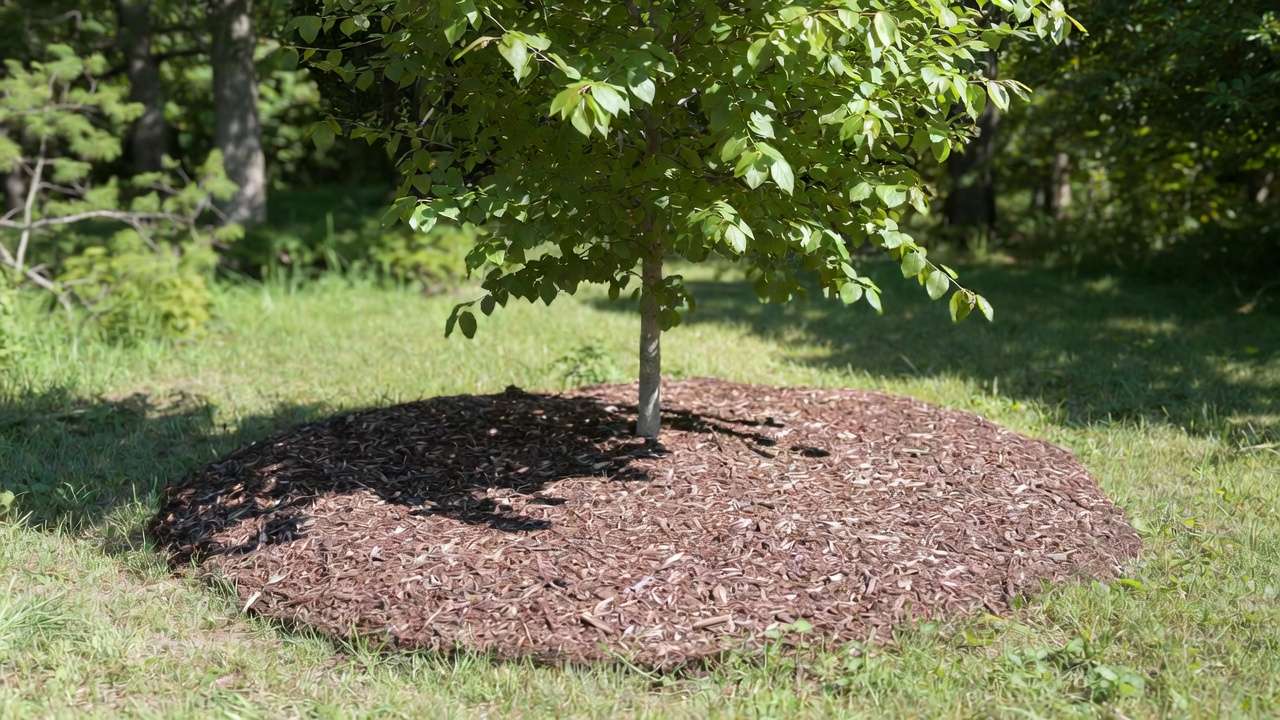
- Apply 2–4 inches organic mulch (keep away from trunk—no volcanoes!).
- Fertilize based on soil test (avoid excess nitrogen, which can worsen stress).
- Aerate compacted soil if needed.
2. Chemical Options (Limited Use, Consult Local Experts)
- Fungicides — Generally ineffective for established cankers; not recommended routinely (e.g., Davey Tree, UMN Extension state no cure for Cytospora/Hypoxylon).
- Phosphite drenches/trunk injections sometimes help Phytophthora-related bleeding cankers.
- Copper-based sprays may slow bacterial canker on stone fruits (but resistance is rising; apply preventively in fall).
- For specific cases (e.g., Botryosphaeria), systemic fungicides like thiophanate-methyl may be labeled—always check local regs and extension advice.
- Avoid wound dressings/paints — Modern consensus: They trap moisture and hinder natural compartmentalization.
3. When Removal Is the Only Option If a trunk canker girdles >50% or the tree is structurally unsafe (e.g., Hypoxylon on oak often fatal once trunk-involved), removal prevents hazards and spread. In orchards, remove severely infected trees promptly.
Real-World Examples
- Cytospora on spruce: Pruning + deep watering saved many Colorado landscapes (per CSU Extension).
- Bacterial canker on cherry: Summer pruning + copper timing reduced new infections (WSU updates).
- Hypoxylon on oak: Maintaining vigor post-drought prevented escalation in southern U.S. cases (NC State 2025).
Success rates soar when you act early and focus on prevention over cure!
Prevention: Stop Cankers Before They Start
Prevention beats treatment every time—healthy trees resist infection far better. Here’s your actionable playbook:
- Plant smart — Choose right tree/right place: Match species to soil, light, and climate. Opt for resistant cultivars where available (e.g., some cherry rootstocks for bacterial canker). Avoid planting near infected trees.
- Minimize wounds — Prune properly (late winter/summer dry periods), use sharp tools, avoid topping. Protect trunks from mowers/string trimmers with guards.
- Reduce stress —
- Water deeply during dry spells.
- Mulch properly to retain moisture and moderate temperature.
- Avoid over-fertilizing or herbicide drift.
- Prevent root damage from construction/soil compaction.
- Seasonal checklist
- Spring: Inspect for new cankers; prune dead wood.
- Summer: Water consistently; monitor for dieback.
- Fall: Prep for winter (mulch, avoid late fertilizing).
- Winter: Protect thin-barked trees from sunscald (white latex paint on trunks).
Build resilience, and cankers become rare visitors! 🌱
Expert Insights & Real-World Tips
From trusted sources like Penn State Extension, UMN, and recent 2025 updates:
- “Cankers thrive on stressed trees—vigor is your best defense.” (Common theme across Morton Arboretum, NC State).
- Climate change note: Increasing drought + warmer winters boost opportunistic pathogens like Botryosphaeria and Hypoxylon in many regions. Proactive watering is more critical than ever.
- Biggest homeowner mistakes: Ignoring small dieback (lets cankers reach trunk), pruning in wet weather (spreads spores), and volcano mulching (invites rot). Avoid these!
Frequently Asked Questions (FAQ)
Can cankers spread to other trees? Yes, via spores on wind, rain, tools, or infected debris—especially fungal types like Cytospora. Remove and destroy clippings to limit spread.
Is there a home remedy for cankers? No reliable DIY cures exist (e.g., baking soda, neem won’t kill established pathogens). Focus on pruning + vigor-building instead.
How long does it take for a tree to recover? Varies: Minor branch cankers may wall off in 1–3 years with good care; trunk girdling often fatal. Early action = best prognosis.
Are cankers dangerous to humans/pets? No—pathogens are plant-specific. But avoid inhaling spore dust when pruning large amounts (wear mask).
When should I cut down a tree with cankers? If trunk girdled >50%, rapid decline, or safety risk (falling limbs). Consult arborist first!
Conclusion
Cankers on tree bark are serious but often manageable with early detection, proper pruning, and—most importantly—keeping your trees vigorous and stress-free. Spot the sunken patches and oozing early, understand the causes (wounds + stress), treat by removing infected parts and boosting health, and prevent with smart care. Your trees aren’t just landscape features—they’re living investments in shade, beauty, and ecosystem health. Inspect yours this week, act proactively, and enjoy healthier trees for years to come! 🌳❤️
If you’re dealing with a specific tree species or photos, drop details in the comments—I’d love to help further. Happy tree caring! 😊











