
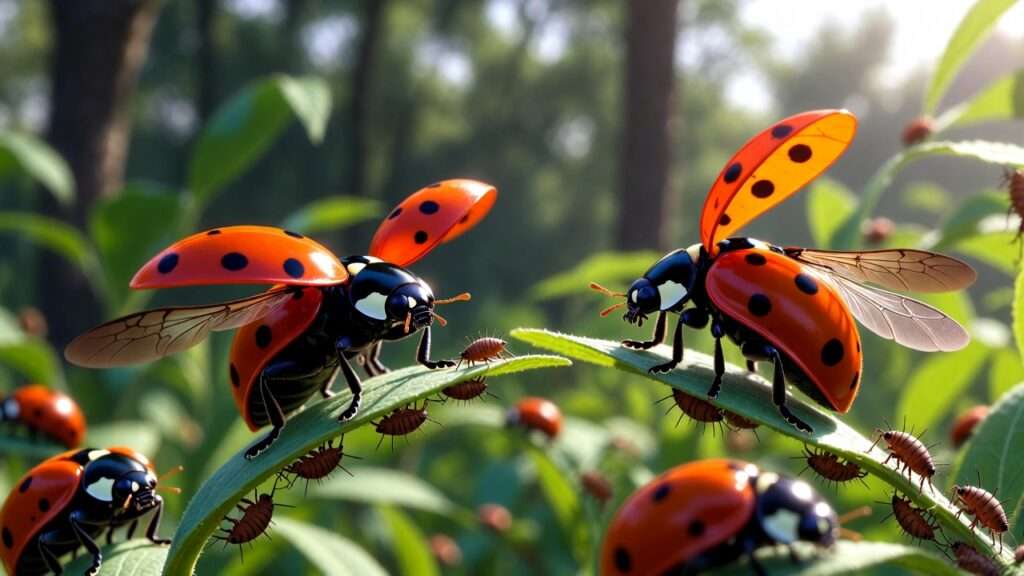
Have you ever stepped into your garden only to find your prized roses, lush tomatoes, or young fruit trees covered in clusters of tiny green, black, or white pests? Leaves curled, sticky honeydew coating everything, and perhaps even sooty mold starting to appear? 😩 That’s the classic sign of an aphid infestation—and these sap-sucking insects can multiply explosively, turning a thriving garden into a battleground almost overnight.
The good news? Nature has a powerful, chemical-free ally ready to help: ladybugs (also called lady beetles). These spotted superheroes are among the most effective natural predators for aphid control. A single adult ladybug can devour up to 50–100 aphids per day, while their hungry larvae munch even more voraciously—often hundreds over their development! 🐛💥
In this comprehensive guide, we’ll explore why ladybugs for aphid control stand out as the ultimate organic solution, backed by university extension research from UC IPM, OSU Extension, and others. You’ll learn exactly when and how to release purchased ladybugs successfully, common pitfalls to avoid, and—most importantly—the sustainable ways to attract and keep native ladybug populations year after year. Say goodbye to toxic sprays and hello to a balanced, thriving ecosystem in your plant and tree care routine! ✨
Whether you’re dealing with aphids on roses, vegetables, fruit trees, or ornamentals, this article delivers actionable, expert-level advice to restore your garden’s health naturally.
What Are Aphids and Why Are They Such a Problem? 🕷️🌱
Aphids are soft-bodied, pear-shaped insects (often 1–4 mm long) that come in colors like green, black, pink, or white. They reproduce asexually in warm weather, with females giving birth to live young—meaning one aphid can lead to thousands in just weeks! Their piercing mouthparts suck plant sap, weakening growth, distorting leaves and shoots, and spreading plant viruses.
Common signs of damage include:
- Curled or yellowing leaves
- Stunted new growth
- Sticky honeydew residue (which attracts ants and promotes sooty mold)
- Reduced fruit/flower quality
Favorite targets? Roses, apple and citrus trees, beans, brassicas (like broccoli and kale), tomatoes, and many ornamentals. In severe cases, heavy infestations can kill young trees or severely stress established ones.
While chemical insecticides offer quick knockdown, they often kill beneficial insects too, leading to rebound aphid populations (resistance builds fast) and harm to pollinators. That’s where biological control shines—especially with ladybugs leading the charge! 🌸
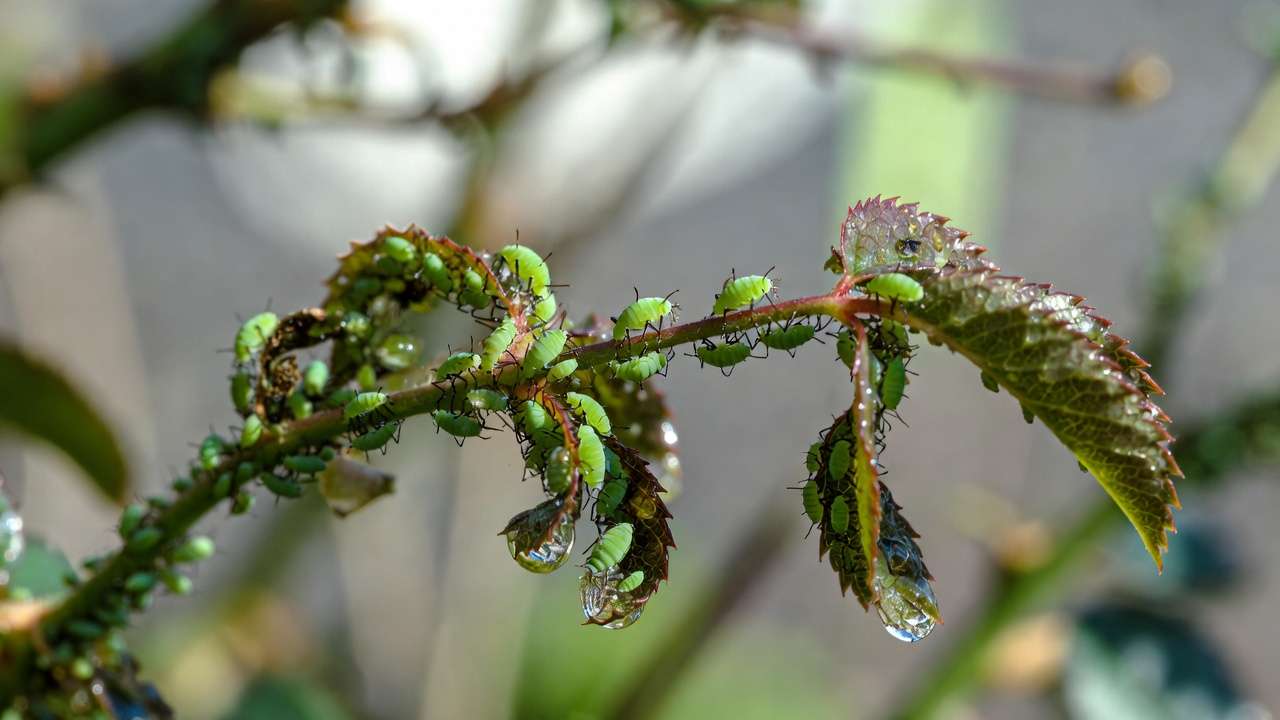
Why Ladybugs Are the Ultimate Natural Aphid Fighters 🐞🔥
Ladybugs belong to the beetle family Coccinellidae, with over 5,000 species worldwide. The convergent lady beetle (Hippodamia convergens) is the most commonly sold for pest control, named for the white converging lines on its thorax.
Both adults and larvae are voracious predators:
- Adults typically eat 50–100 aphids daily (some sources report up to 60–65 depending on species and conditions).
- Larvae (the alligator-like, spiky black-and-orange juveniles) consume far more—up to 500 or more during their larval stage!
- Over a lifetime, one ladybug can eat thousands of aphids and other soft-bodied pests.
They don’t stop at aphids—many species also target spider mites, scale insects, whiteflies, mealybugs, and small caterpillars, providing broad-spectrum natural pest management.
The eco-benefits are huge:
- No toxic residues on your plants, fruits, or soil
- Supports biodiversity and pollinator health
- Long-term population balance (unlike sprays that disrupt ecosystems)
University research backs this up. UC IPM studies show that with proper handling and sufficient numbers (e.g., 1,500+ per heavily infested rose bush, repeated weekly), released ladybugs can effectively suppress aphid outbreaks in gardens and landscapes. OSU Extension and Cornell resources highlight how encouraging natural predators reduces reliance on chemicals for sustainable plant care.
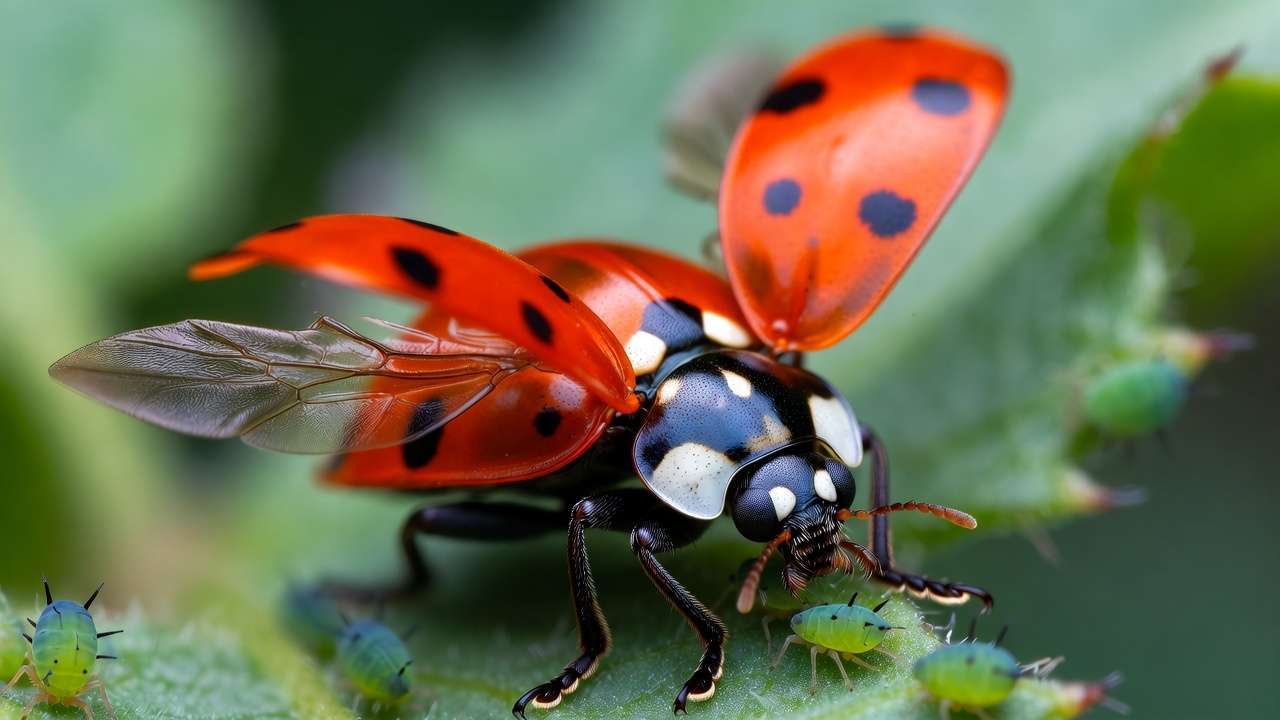
Should You Buy and Release Ladybugs? The Honest Pros & Cons ⚖️
Releasing purchased ladybugs can deliver a fast, satisfying boost during heavy infestations. Pros include:
- Immediate impact on visible aphid hotspots
- Organic and fun—kids love watching them work!
- Widely available from reputable suppliers
But let’s be real—it’s not always a magic fix. Common drawbacks and myths:
- Many released adults disperse (fly away) within 24–48 hours due to natural migratory behavior, especially if harvested from wild aggregations.
- They may carry parasites/pathogens if wild-collected (e.g., Dinocampus coccinellae wasp).
- Adults often need aphids present to stay and lay eggs; stressed or hungry ones leave quickly.
- Larvae do most eating, but purchased batches are usually adults that may not reproduce in your garden.
Extension experts (UC, OSU, UConn) often recommend attracting and conserving native ladybugs over repeated releases for long-term success. Releases work best as a tactical strike combined with habitat support—not a standalone solution. 🌼
How to Successfully Release Purchased Ladybugs (Step-by-Step Guide) 📦🌙
Ready to try? Follow these research-backed steps from UC IPM and other extensions for maximum effectiveness.
1. Choosing Quality Ladybugs Buy from trusted suppliers (avoid cheap, overheated batches). Look for Hippodamia convergens stored cool and fresh. Check reviews for viability.
2. Storage & Prep Keep them refrigerated (around 40–50°F/4–10°C—not frozen!). Mist lightly with water or dilute sugar water (1:10 honey:sugar) every few days to keep hydrated.
3. Best Timing ⏰ Release at dawn or dusk on cool, overcast, or calm evenings. Ladybugs fly less in low light/temps below 65°F, so they settle instead of dispersing. Avoid hot, sunny, windy days!
4. Release Technique
- First, gently mist infested plants with water (hydrates ladybugs + washes off some aphids, but leaves scent to attract them).
- Shake or pour ladybugs at the base of plants or directly onto aphid clusters—spread them across multiple spots.
- Release in batches if you have a large area.
5. Dosage Recommendations UC IPM guidelines: 1,500+ per large shrub or heavily infested rose bush; repeat every 1–2 weeks as needed. For smaller plants, 500–1,000 may suffice. Monitor after 48 hours and reapply if aphids persist.
Pro Tips 🌟
- Release near aphid “hotspots” first.
- Provide a quick energy source (light sugar-water mist) if aphids are low.
- Combine with light hosing to reduce numbers before release.
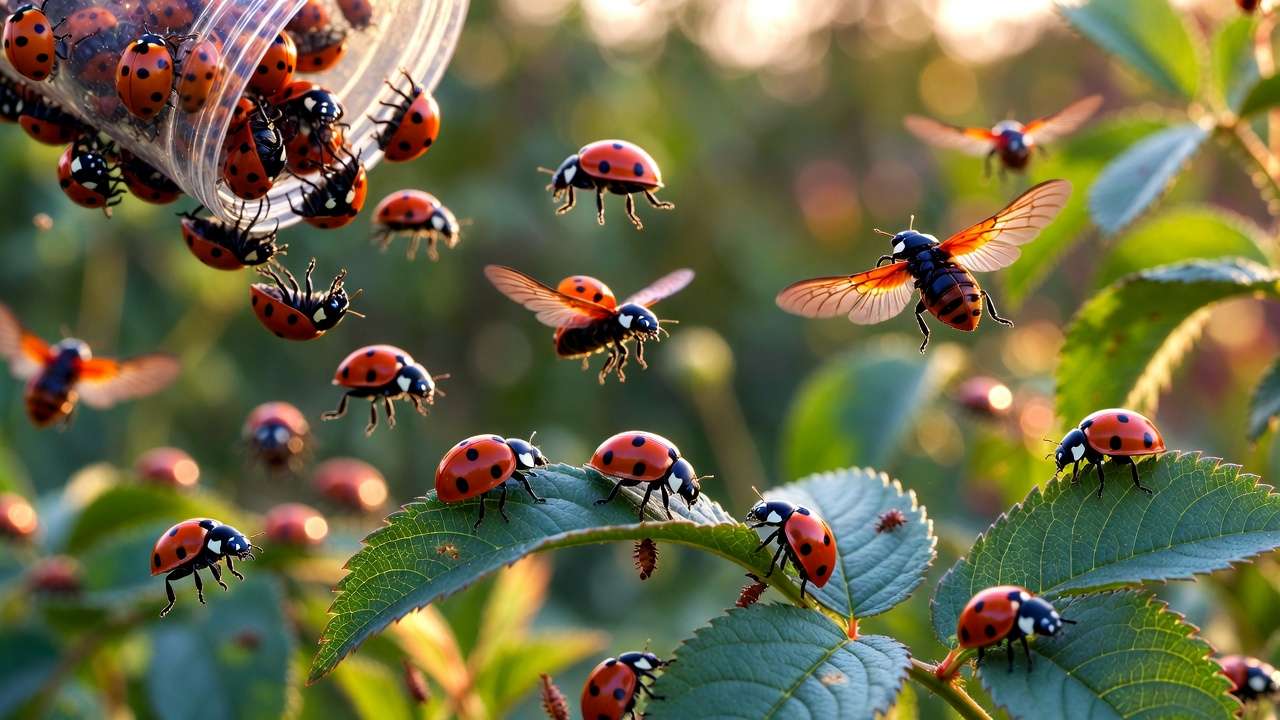
How to Attract & Keep Ladybugs Naturally (The Sustainable Way) 🏡🌸
The real “ultimate” strategy? Build a ladybug-friendly habitat so natives stick around!
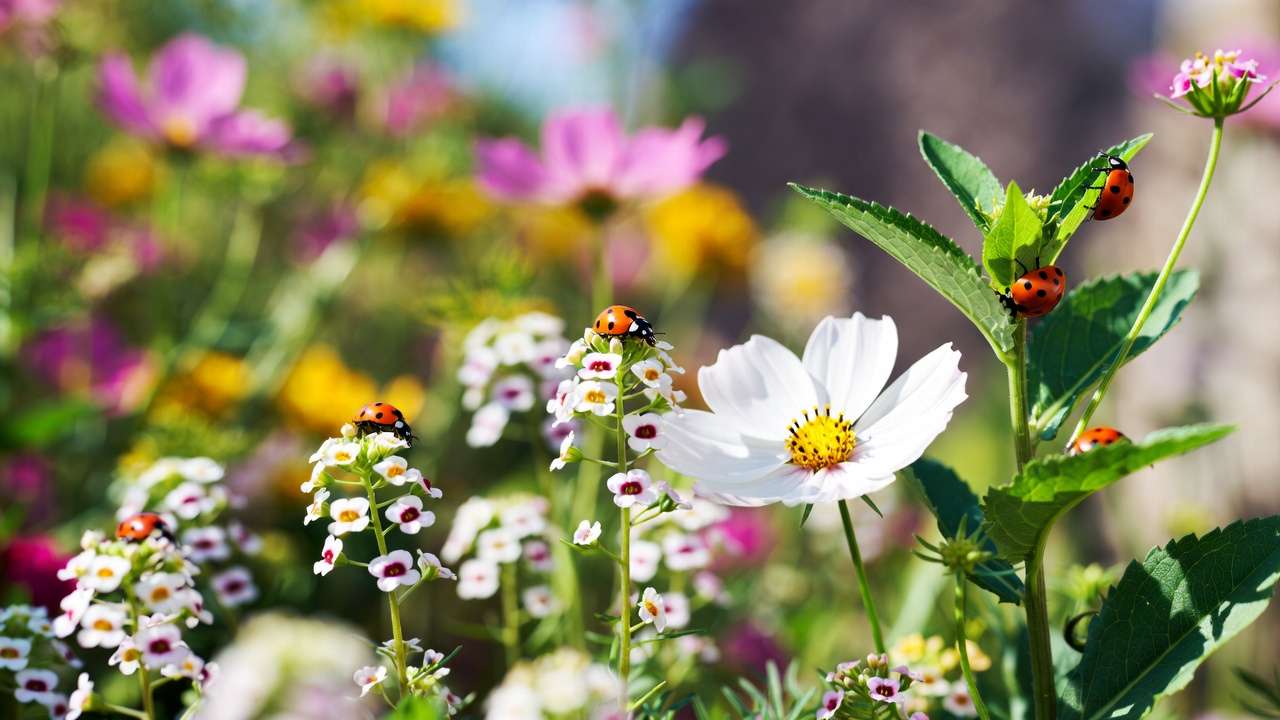
- Plant ladybug magnets: Flat-topped, pollen-rich flowers like dill, fennel, cilantro, yarrow, cosmos, sweet alyssum, marigolds, calendula, and sunflowers provide nectar/pollen (especially when aphids are scarce). Herbs in the carrot family (Apiaceae) are superstars!
- Offer water: Shallow dishes or birdbaths with pebbles/rocks for landing.
- Provide shelter: Mulch, leaf litter, rock piles, or tall grasses for overwintering. Avoid tidy clean-ups in fall.
- Tolerate some aphids: Leave light infestations as “starter food” to encourage egg-laying.
- Avoid broad-spectrum pesticides: Even organic ones can harm if overused—spot-treat only.
Bonus: These plants also attract lacewings, hoverflies, and parasitic wasps for integrated pest control!
Common Mistakes & Troubleshooting Ladybug Releases ❌🐞 (250–350 words)
Even with the best intentions, things can go wrong. Here are the most frequent pitfalls gardeners encounter—and how to fix them:
- Releasing during the day or in hot/sun/windy conditions → Ladybugs immediately take flight and leave your garden. Fix: Stick to dawn, dusk, or cloudy evenings under 75°F (24°C). Patience pays off!
- No food source present → If aphids are too few (or already gone), ladybugs disperse quickly in search of meals. Fix: Only release when you see active colonies. Mist with dilute sugar water as a temporary attractant if needed.
- Ants protecting aphids → Ants “farm” aphids for honeydew and aggressively defend them from predators like ladybugs. Fix: Control ants first—use sticky barriers on tree trunks, bait stations, or diatomaceous earth around bases. Reduce honeydew with water sprays.
- Over-cleaning the garden → Removing all leaf litter or mulch eliminates overwintering spots for native ladybugs. Fix: Leave some natural debris in fall for hibernation.
- Not recognizing the real heroes → Many gardeners squash the spiky, alligator-like larvae thinking they’re pests! Here’s what they look like in action:
These voracious larvae do most of the heavy lifting—protect them!
- Expecting instant eradication → Biological control takes days to weeks to show full results. Monitor and be patient.
Combining Ladybugs with Other Organic Aphid Controls (Integrated Approach) 🛡️🌿 (300–400 words)
For stubborn infestations, ladybugs work best as part of an Integrated Pest Management (IPM) plan:
- Mechanical controls first — Blast aphids off with a strong jet of water from the hose (do this every few days). This knocks down numbers without harming beneficials.
- Targeted sprays — Use insecticidal soap, neem oil, or horticultural oil in early morning/evening when ladybugs are less active. These suffocate aphids on contact but break down quickly and are relatively safe for adult ladybugs if used sparingly.
- Companion planting for repulsion — Interplant garlic, chives, onions, or nasturtiums near vulnerable crops—these help repel aphids naturally.
- Timing synergy — Reduce heavy populations with soap/water first, then release ladybugs 2–3 days later when survivors remain as food.
- Boost overall plant health — Healthy plants resist aphids better. Ensure good soil, proper watering, balanced fertilizer (avoid excess nitrogen, which encourages soft growth aphids love), and adequate sunlight.
This layered approach—mechanical + cultural + biological—creates resilient gardens with fewer flare-ups over time.
Here’s a classic example of what you’re fighting (and what ladybugs help eliminate):

Real-Life Success Stories & Expert Insights 🌟🐞 (200–300 words)
Gardeners worldwide report dramatic turnarounds:
- A rose enthusiast in California released 2,000 ladybugs over two weeks on aphid-covered bushes; within 10 days, populations crashed, and blooms returned healthier than before (UC IPM case notes).
- Vegetable growers in the Pacific Northwest combined ladybug releases with alyssum borders—native populations exploded the following season, nearly eliminating spring aphid issues.
- Tree care pros in orchards use ladybugs alongside lacewings for scale and aphid management on fruit trees, reducing sprays by 70–80% (OSU Extension reports).
Expert tip from entomologists: “The key is habitat. Releases give a jump-start, but flowering plants and tolerance for low-level pests build lasting control.” (Adapted from Cornell and UC resources)
Frequently Asked Questions (FAQs) ❓
Do ladybugs really eat aphids? How many? Yes! Adults eat 50–100 per day; larvae can consume hundreds during development. 🐛
Will released ladybugs stay in my garden? Many disperse, but providing food, water, and habitat increases the chance they settle and reproduce.
Are bought ladybugs bad for the environment? Wild-harvested ones can carry parasites and disrupt local populations. Opt for reputable suppliers or focus on attracting natives.
What if I have ants protecting aphids? Manage ants first with barriers or baits—ladybugs can’t compete otherwise.
Can I use ladybugs indoors or in a greenhouse? Yes! They excel in enclosed spaces with stable temperatures and plentiful aphids.
Conclusion: Build Your Aphid-Proof, Ladybug-Friendly Garden Today! 🌳🐞✨ (200–300 words)
Ladybugs for aphid control offer one of the most rewarding, eco-friendly ways to protect your plants and trees. While purchasing and releasing them provides a powerful short-term punch (especially when timed and handled correctly), the true long-term victory comes from creating a welcoming habitat: pollen-rich flowers, water sources, shelter, and a bit of tolerance for minor pests.
Start small this season—plant some dill, cosmos, or sweet alyssum near your roses or veggie patch. Monitor for aphids early, use gentle mechanical controls, and introduce ladybugs strategically when needed. Before long, you’ll spot those familiar red-and-black spots (and their fierce little larvae!) patrolling your garden naturally.
Here are some inspiring companion planting setups that draw ladybugs in:
With ladybugs on your team, you’ll enjoy healthier plants, fewer chemicals, and the joy of a balanced, buzzing ecosystem. Your garden will thank you—and so will the bees, butterflies, and birds! 🌸🐝











