

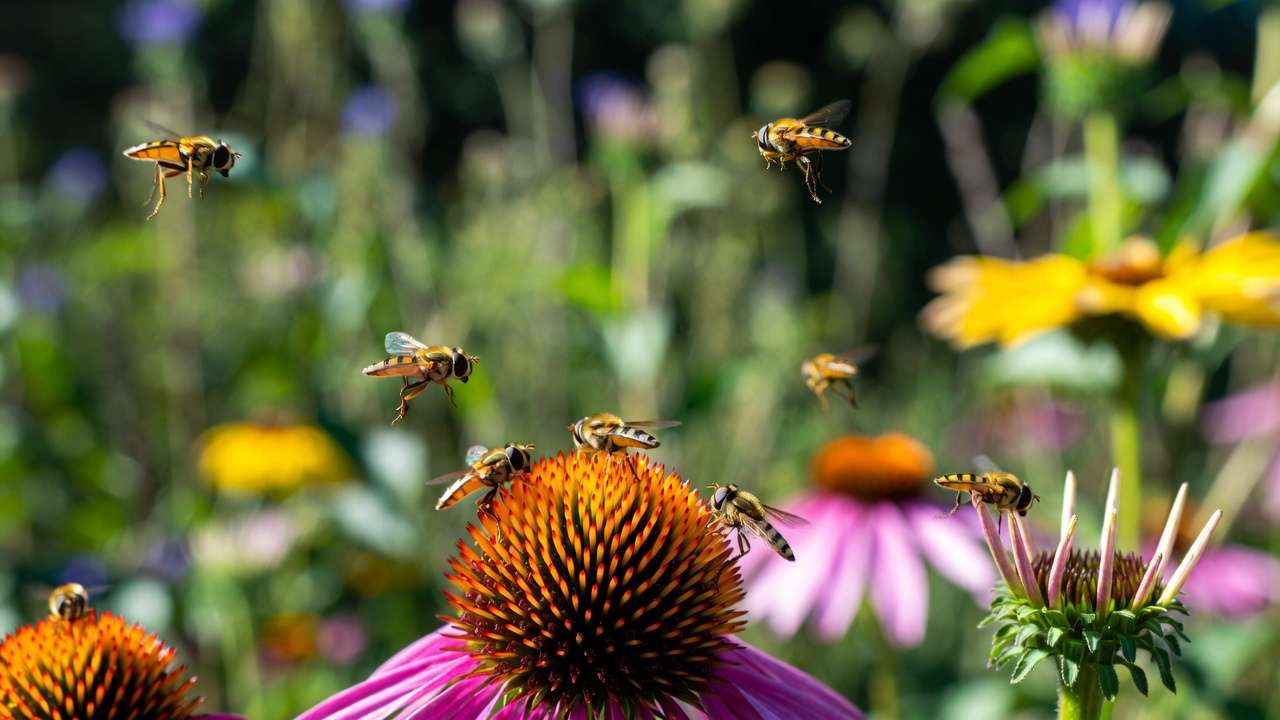
Tired of watching aphids swarm your roses, fruit trees, or vegetable patches every season, forcing you to reach for harsh chemicals? What if a tiny, hovering squadron of nature’s helpers could swoop in and handle the job—naturally, effectively, and completely free? Enter hoverflies 🐝—those bee-like wonders that hover magically over flowers. These unsung heroes provide powerful natural pest control by devouring aphids as larvae while pollinating your plants as adults. Learning how to attract hoverflies to your garden is one of the smartest, most eco-friendly steps you can take for healthier plants and trees.
In this comprehensive guide, we’ll cover everything from why hoverflies are garden superstars to proven, expert-backed strategies for drawing them in year-round. Drawing on insights from the Royal Horticultural Society (RHS), university research (like UNH studies on sweet alyssum), and extension services, you’ll get actionable advice to boost biodiversity, reduce pesticide use, and enjoy thriving, pest-resistant greenery. Let’s turn your garden into hoverfly heaven! 🌸
Why Attract Hoverflies? The Benefits for Your Garden 🌟
Hoverflies (family Syrphidae, also called flower flies) deliver dual superpowers that directly support plant and tree health.
Superb Natural Pest Control 🛡️ The larvae of many common garden hoverflies are voracious predators, often nicknamed “aphid lions.” A single larva can consume up to 400 aphids during its development—or even more in some species! Research shows well-established populations can reduce aphid infestations by 70–100%, sometimes outperforming ladybugs for certain soft-bodied pests like thrips, scale, and mealybugs. This biological control helps prevent stunted growth, distorted leaves, and disease transmission in roses, fruit trees, veggies, and ornamentals—without chemicals.
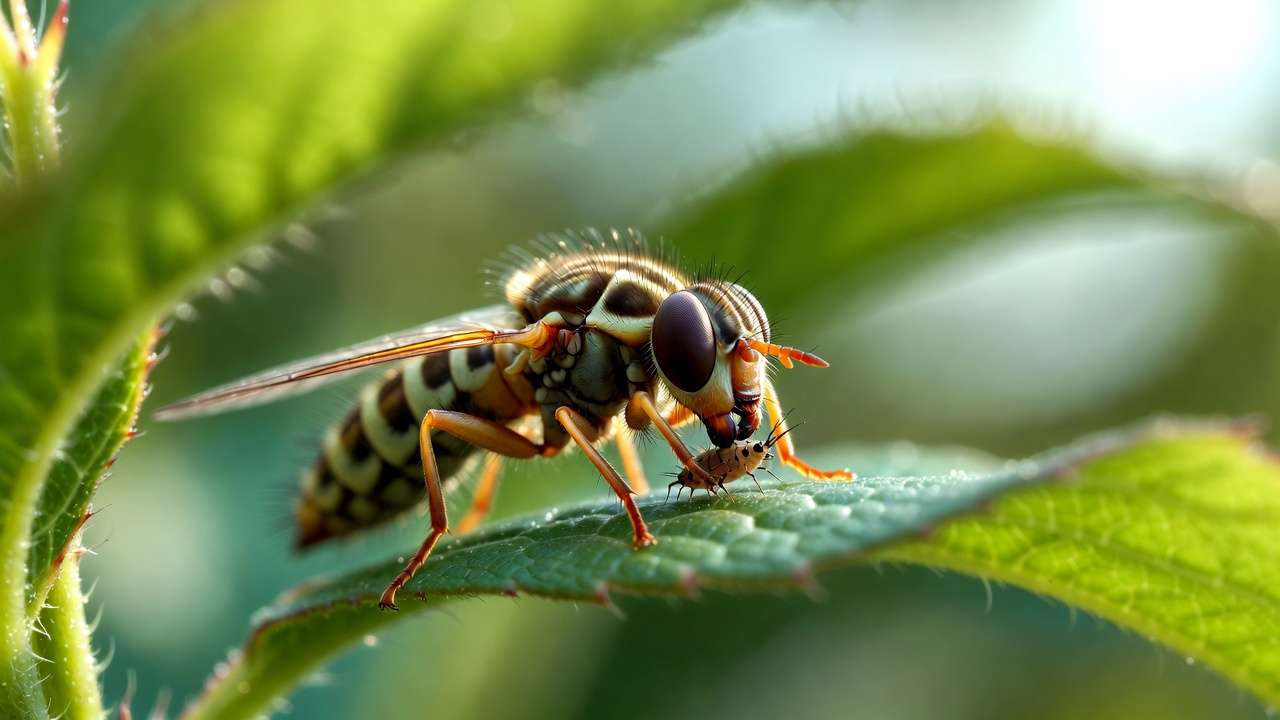
Excellent Pollinators for Plants and Trees 🌼 Adult hoverflies feed on nectar and pollen, visiting a wide range of flowers. They’re the world’s second-most important pollinators after bees, contributing to fruit set in crops like strawberries, melons, tomatoes, and apples. Unlike bees, many hoverflies migrate long distances and aren’t deterred by cool or cloudy weather, ensuring reliable pollination even in variable climates. This boosts yields, improves fruit quality, and supports overall garden biodiversity.
Eco-Friendly and Safe ♻️ Hoverflies are completely harmless to humans and pets—no stings here! By fostering them, you enhance ecosystem balance, support declining insect populations (some species are on conservation lists), and reduce reliance on synthetic pesticides that harm beneficials.
Understanding Hoverflies: Quick Facts to Know Your Allies 🕵️♂️
Hoverflies mimic bees and wasps with yellow-black stripes for protection, but they’re true flies (two wings, big compound eyes, no sting).
- Life Cycle: Egg (tiny rice-like grains laid near prey or water) → Larva (maggot-like, predatory or saprophagous) → Pupa (cocoon-like stage) → Adult (3–4 weeks lifespan, focused on feeding and mating). Full cycle: weeks to months depending on species and conditions.
- Common Garden Species: Marmalade hoverfly (Episyrphus balteatus), large numbers of aphids eater; Syrphus spp.; Eupeodes corollae (great for augmentative roles in studies).
- Fun Fact: Some larvae live in “rat-tailed” form in watery organic matter—hence DIY lagoons! Others help decompose waste, recycling nutrients back to soil. 😊
Top Plants to Attract Adult Hoverflies (Nectar & Pollen Powerhouses) 🌷
Adults crave open, flat-topped or umbel-shaped flowers with easy-access nectar—white, yellow, and simple blooms work best. Succession planting ensures continuous supply from spring to fall.
Best Flowers and Herbs for Continuous Bloom
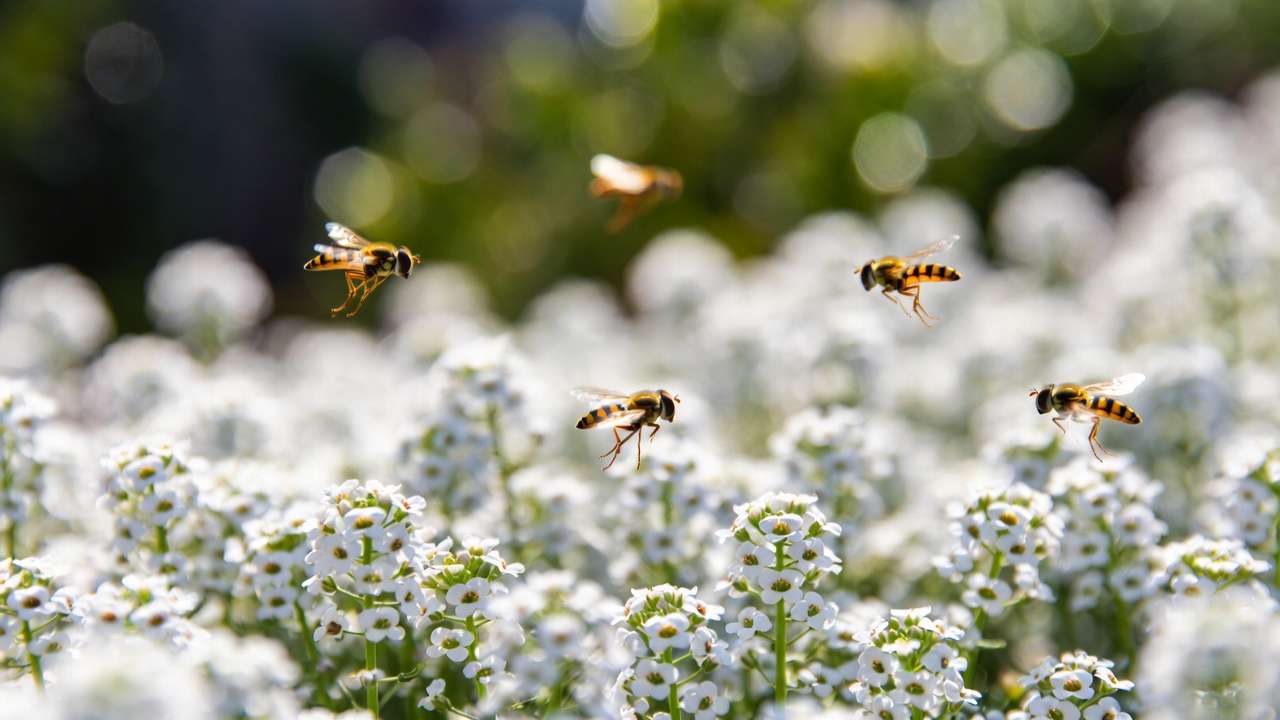
- Sweet alyssum (Lobularia maritima) 🌼 — UNH research favorite; longest bloom, attracts and retains hoverflies season-long.
- Umbellifers like dill, fennel, cilantro, Queen Anne’s lace — Huge draws, especially for predatory species.
- Yarrow (Achillea), coreopsis, echinacea (purple coneflower), rudbeckia (black-eyed Susan) — Native-friendly, long-blooming.
- Cosmos, zinnia, calendula (pot marigold), phacelia — Easy annuals with profuse flowers.
- Late-season stars: Asters, Michaelmas daisies, goldenrod, ivy (autumn nectar lifeline).
- Others: Lavender, marigolds, poppies, buckwheat (cover crop bonus).
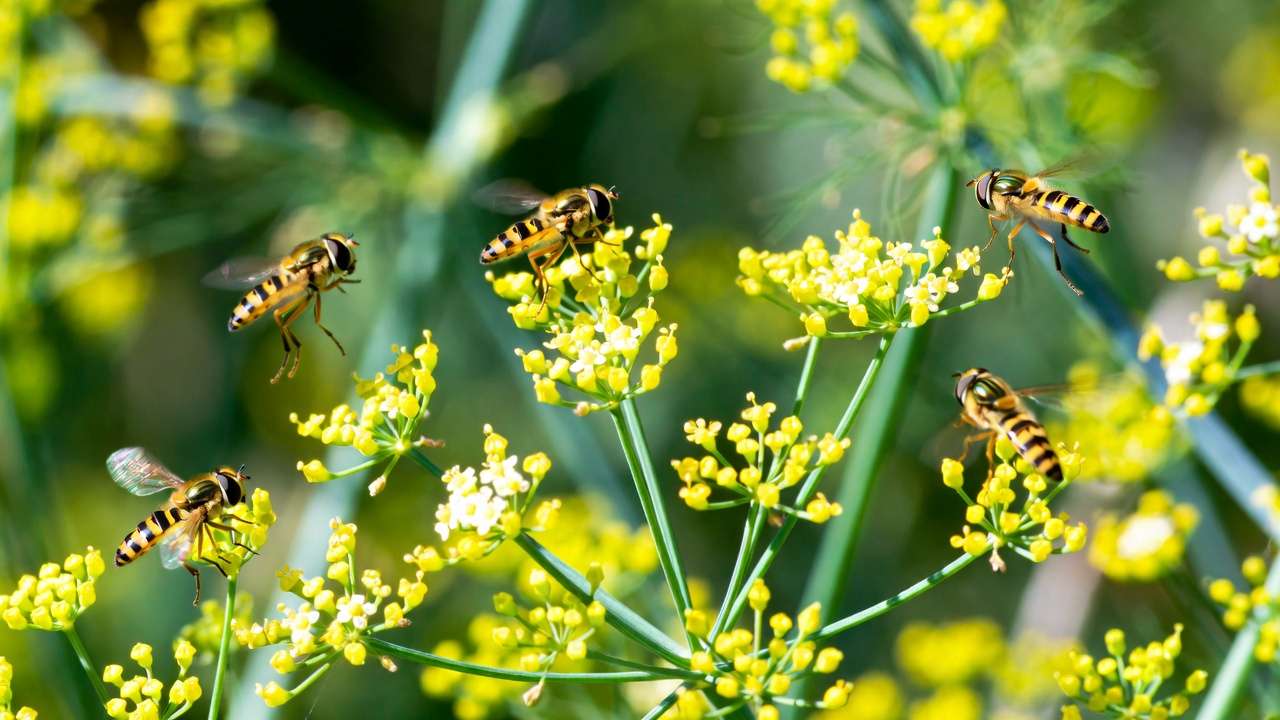
Native and Low-Maintenance Options Prioritize natives for your region (adapt based on location—e.g., lanceleaf coreopsis or echinacea in US; guelder rose or heather in UK-inspired gardens). They support local hoverfly species better.
Planting Tips for Maximum Attraction
- Plant in clusters or drifts for visibility.
- Succession sow herbs and annuals.
- Avoid broad-spectrum pesticides—they kill hoverflies fast!
(Hoverfly on sweet alyssum—prime attraction plant!)
Creating Habitats for Hoverfly Larvae (The Real Pest-Control Secret) 🏡
Adults visit flowers, but larvae deliver the pest control. Many predatory species need aphids nearby; others thrive in organic-rich water or rot.
Provide Aphid “Nurseries” (Don’t Panic About Small Infestations!) Tolerate light aphid colonies on “sacrifice” plants (e.g., nettles or beans)—they become food magnets for egg-laying females.
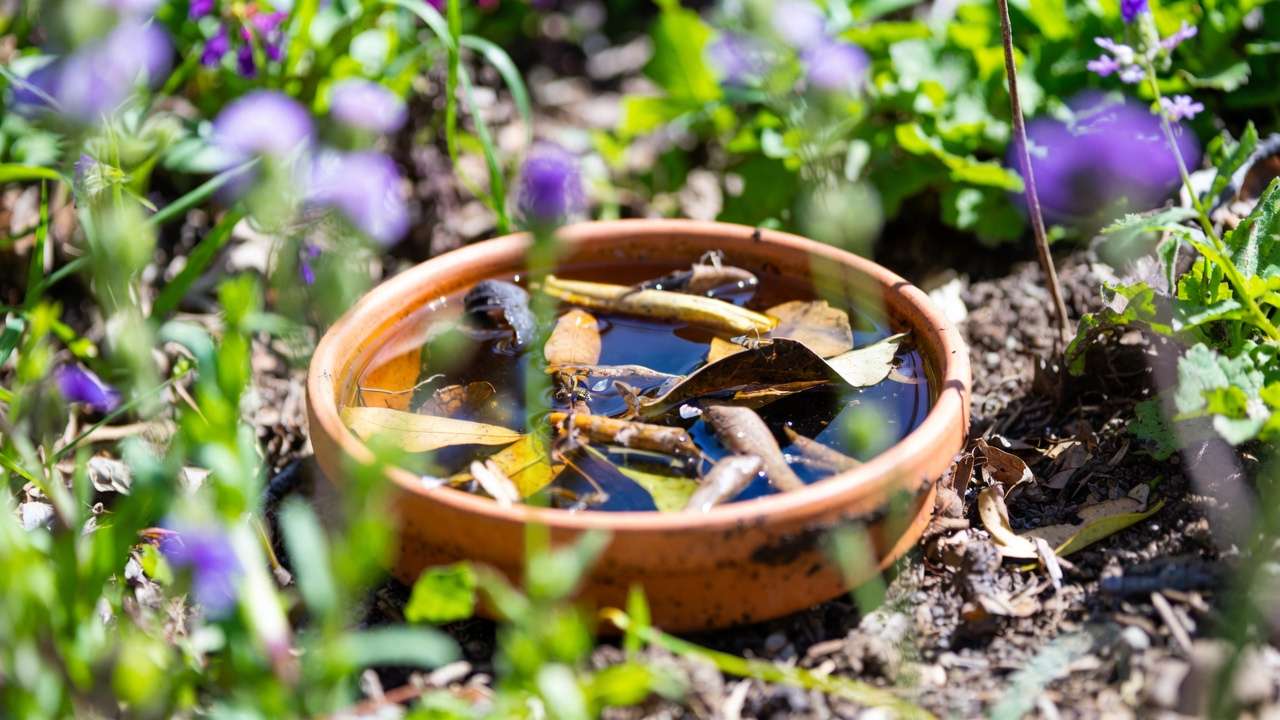
Build a Simple Hoverfly Lagoon 💧 Many species lay eggs in stagnant, organic-filled water (rot holes in nature). DIY one:
- Use a waterproof container (upcycled pot, no drainage holes, never held chemicals).
- Half-fill with water; add dead leaves, grass clippings, twigs, sawdust, or compost for decay.
- Insert twigs/branches sticking out as “escape ladders” for emerging adults/larvae.
- Sink partially into ground near plants; place in semi-shade. RHS and Wildlife Trusts promote this—larvae (rat-tailed maggots) filter and feed, boosting populations dramatically!
Mulch, Leaf Litter, and Overwintering Spots 🍂 Leave leaf piles, mulch layers, or dead wood for pupation and shelter. Avoid tidy clean-ups in fall.
(Hoverfly larva munching aphids—your natural pest patrol!)
Additional Ways to Make Your Garden Hoverfly Heaven 🌈
Water Sources and Shelter Shallow dishes or birdbaths with pebbles/stones for safe drinking (hoverflies drown easily otherwise).
Reduce Mowing and Leave Wild Areas Let clover, dandelions, or wild patches bloom—free hoverfly buffets!
Avoid Chemicals – The #1 Mistake 🚫 Even “mild” sprays harm larvae and adults. Go organic; use neem sparingly if needed.
Seasonal Guide: Attract Hoverflies Year-Round 📅
- Spring: Early sources like willows, mustards, aubrieta, primroses.
- Summer: Herbs (dill/fennel), annuals (alyssum, cosmos), yarrow.
- Fall: Asters, ivy, goldenrod—critical for late migrants.
- Winter: Overwintering in leaf litter; plant evergreens like heather.
This ensures food chain support through seasons.
Seasonal Guide: Attract Hoverflies Year-Round 📅🌱
Hoverflies are active whenever temperatures allow (roughly 10°C/50°F and above), but their populations peak in warmer months. To keep a steady supply of adults and larvae, plan your garden around seasonal blooms and habitat needs. Here’s a month-by-month roadmap tailored for temperate climates (adjust slightly for your local conditions in Barisal Division or similar subtropical/tropical-adjacent zones).
Early Spring (March–April)
- Focus: Wake-up food for overwintered or early-migrating adults.
- Plant or encourage: Willow catkins, mustard family weeds (shepherd’s purse, hairy bittercress), aubrieta, wallflowers, primroses, early forget-me-nots, and flowering currant.
- Tip: Leave last year’s leaf litter and mulch undisturbed until late spring—many pupae are hiding there!
- Bonus: Early aphids on young shoots attract the first egg-laying females.
Late Spring to Early Summer (May–June)
- Peak attraction time! Hoverfly numbers explode.
- Key plants: Sweet alyssum (start succession sowing every 3–4 weeks), dill, fennel, cilantro (let them bolt), cow parsley, Queen Anne’s lace, yarrow, geraniums, and early roses.
- Action: Sow buckwheat or phacelia as quick cover crops—they bloom in just 6–8 weeks and are hoverfly magnets.
- Habitat boost: Install your hoverfly lagoon now so it can mature and attract egg-layers.
Midsummer (July–August)
- Maintain the buffet during heat.
- Star performers: Cosmos, zinnias, calendula, coreopsis, rudbeckia, echinacea, marigolds, lavender, and borage.
- Keep watering shallow dishes with pebbles—hoverflies dehydrate quickly in hot weather.
- Tip: Deadhead spent blooms regularly to encourage more flowers and prolong nectar supply.
Late Summer to Autumn (September–November)
- Critical period! Many hoverfly species migrate or prepare to overwinter—late nectar is life-or-death.
- Plant or protect: Michaelmas daisies (aster), goldenrod, ivy (especially when flowering in fall), sedum, helenium, and late-blooming rudbeckia.
- Action: Leave seed heads on perennials—hoverflies will visit them even as flowers fade.
- Overwintering help: Pile leaves, create brush piles, or leave hollow stems standing.
Winter (December–February)
- Minimal activity, but prep pays off.
- Maintain: Mulch beds, avoid heavy disturbance, and protect evergreen nectar sources (e.g., winter-flowering heather, mahonia, or early sarcococca if you can grow them).
- Fun fact: Some adult hoverflies hibernate in sheltered spots—your leaf litter and ivy-covered fences become winter hotels!
By bridging bloom gaps, you can support hoverflies almost year-round in mild climates.
Common Mistakes and Troubleshooting 🛠️
Even well-meaning gardeners can accidentally discourage hoverflies. Here are the top pitfalls and fixes:
- Spraying pesticides (even “organic” ones) → Broad-spectrum or contact sprays kill adults and larvae. → Solution: Switch to targeted, evening-only neem oil or insecticidal soap only when absolutely necessary—and spot-treat.
- No continuous bloom → Hoverflies leave if nectar runs out for even a few weeks. → Solution: Succession planting + mix annuals, perennials, and herbs.
- Too tidy → Raking every leaf and mowing every weed removes overwintering sites and aphid food. → Solution: Embrace “messy” corners—wild strips, leaf piles, and unpruned shrubs.
- No larval habitat → Adults visit but don’t stay to lay eggs. → Solution: Tolerate light aphids + build at least one hoverfly lagoon.
- Confusing hoverflies with pests → Some look very wasp-like! → Quick ID: Hoverflies have huge eyes that meet in the middle, only two wings, and hover motionless. Wasps have pinched waists and don’t hover as gracefully.
If hoverflies still seem absent after 1–2 seasons, double-check pesticide drift from neighbors and consider adding more umbellifers—they’re often the missing link.
Expert Insights and Real-World Success Stories 📚
- Royal Horticultural Society (RHS): Recommends sweet alyssum, umbellifers, and hoverfly lagoons as top strategies in their “Plants for Pollinators” program. They note hoverflies can be more abundant visitors than honeybees in some gardens.
- University of New Hampshire research (Dr. Alan T. Eaton et al.): Found sweet alyssum borders dramatically increased hoverfly numbers and reduced aphid pressure on adjacent crops.
- Wildlife Trusts & Xerces Society: Promote “benign neglect” (less mowing, more dead wood) and aphid tolerance—key to building predatory insect communities.
- Real-world example: A UK community garden reported near-total aphid control on broad beans after planting dill/fennel borders and adding two lagoons—hoverfly larvae were visible everywhere within one season.
These evidence-based tactics show consistent, measurable results when combined.
FAQs About Attracting Hoverflies ❓
Do hoverflies bite or sting? No! They are completely harmless to people and pets—no sting, no bite.
How long until I see results? You may spot adults within days of blooming flowers, but strong larval populations (real pest control) often take 1–2 seasons to build.
Can I buy hoverflies like ladybugs? Not reliably—most commercial “hoverfly” releases are not practical or sustainable. Attraction and habitat creation work far better long-term.
Are hoverflies good for fruit trees and vegetables? Excellent! They pollinate blossoms (especially early fruit trees) and control aphids on fruit, brassicas, beans, and roses.
Will hoverflies stay if I have no aphids? Some adults will visit for nectar, but predatory species need prey to reproduce. Light aphids = more hoverflies next year.
Best plants for small gardens or pots? Sweet alyssum, calendula, cosmos, dwarf dill, and a mini lagoon in a bucket—big impact in small spaces!
Conclusion 🌟
Attracting hoverflies isn’t just about pretty hovering insects—it’s one of the most powerful, low-effort ways to achieve natural pest control, better pollination, and healthier plants and trees without chemicals. Start small this season: sow sweet alyssum and dill in clusters, tolerate a few aphids, build a simple hoverfly lagoon, and avoid sprays. Within weeks you’ll likely notice more hoverflies dancing over your flowers—and fewer pest problems.
Your garden can become a haven for these declining but vitally important insects, boosting biodiversity and resilience at the same time. Give it a try, watch the magic happen, and share your hoverfly sightings in the comments—I’d love to hear your success! 🌸🐛
Happy gardening, and may your plants thrive with their tiny winged helpers! ✨











