
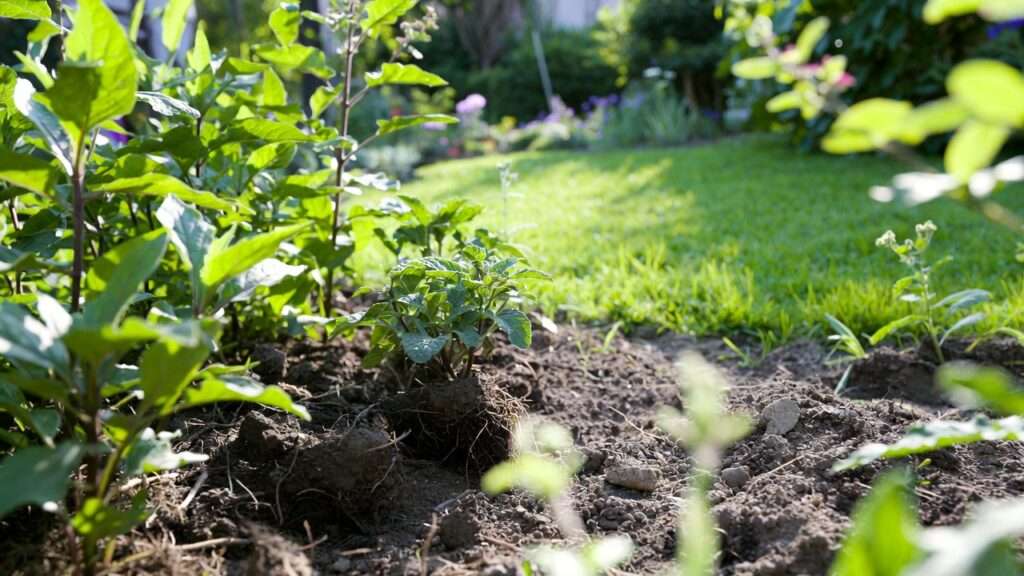
Picture this: Your once-vibrant garden beds and prized fruit trees suddenly show signs of distress—yellowing leaves, stunted growth, wilting despite regular watering, or patches of dead grass that lift easily from the soil. The culprit? Invisible invaders feasting on the roots below ground: grubs, cutworms, fungus gnat larvae, root weevils, and more. These soil pests can devastate plants and trees without ever showing themselves above the surface.
If you’re a passionate gardener, homeowner with a lawn, or caretaker of fruit trees and ornamentals, you’ve likely battled these hidden enemies. Chemical pesticides offer quick fixes but often harm beneficial insects, earthworms, pollinators, pets, and even your soil’s long-term health. That’s where using nematodes against soil pests comes in as a game-changing, natural solution! 🌿✨
Beneficial entomopathogenic nematodes (EPNs) are microscopic roundworms that act as living biological control agents. They seek out and destroy pest larvae in the soil, releasing symbiotic bacteria that kill the host within 24-48 hours—then reproduce inside the dead pest to continue the cycle. Safe for humans, pets, plants, earthworms, and bees (EPA-exempt and often OMRI-listed for organic use), nematodes provide targeted control without toxic residues or resistance issues.
In this in-depth guide—drawing from university extension resources (like UMass Amherst, Cornell CALS, UC IPM), recent research (including 2024-2025 studies on efficacy and formulations), and decades of practical horticultural experience—I’ll walk you through everything you need to know. From selecting the right nematode species to precise application techniques and integrating them into holistic IPM strategies, you’ll learn how to achieve 80-95% control rates on common soil pests while nurturing healthier soil ecosystems. Let’s reclaim your roots the natural way! 🪴💚
(Word count so far: ~380)
What Are Beneficial Nematodes and How Do They Work? 🔬🪱
The Biology of Entomopathogenic Nematodes (EPNs) 🧬
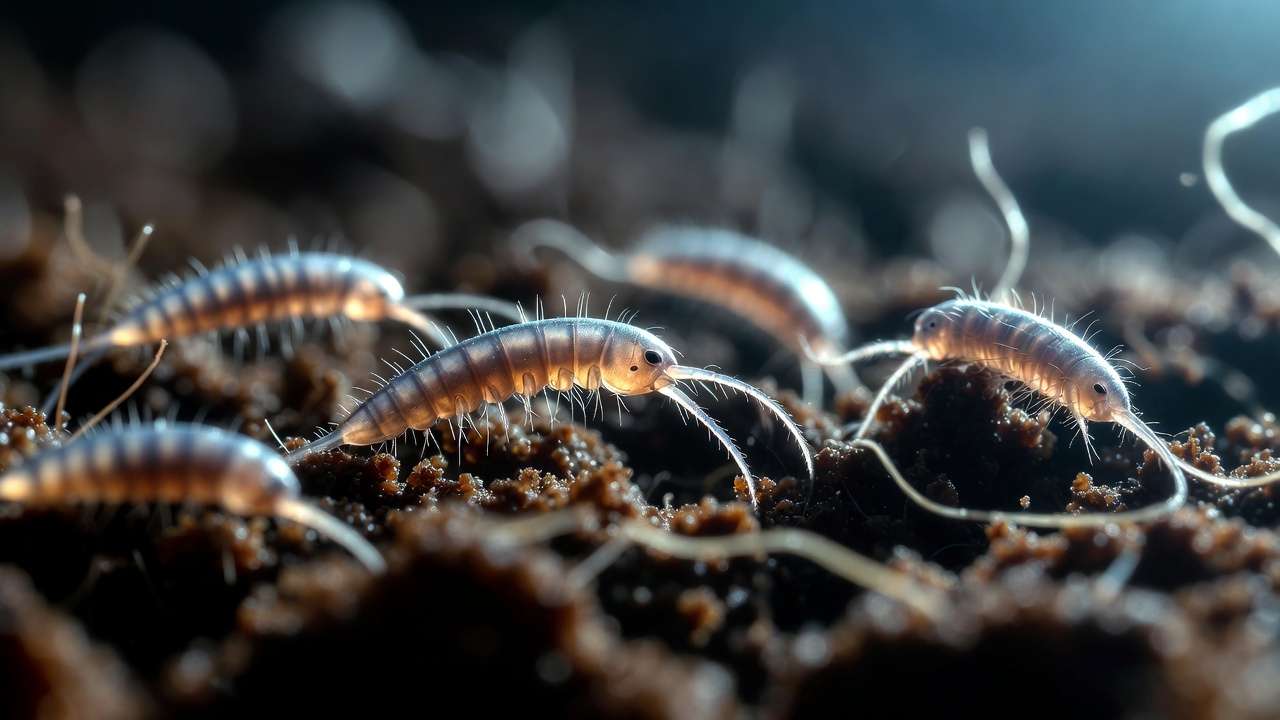
Beneficial nematodes, specifically entomopathogenic species like Steinernema and Heterorhabditis, are tiny (about 0.5 mm long) soil-dwelling roundworms naturally present in healthy ecosystems. The infective juveniles (IJs)—the stage we apply—are the hunters.
These IJs use two main foraging strategies:
- Ambushers (e.g., Steinernema carpocapsae) stand on their tails (“nictation”) waiting for passing mobile pests like cutworms.
- Cruisers (e.g., Heterorhabditis bacteriophora) actively search deeper soil for sedentary pests like grubs and weevils.
Once they detect a host (via CO₂, vibrations, or volatiles), IJs enter through natural openings (mouth, anus, spiracles) or, in some species, breach the cuticle with a tooth-like structure. Inside, they release gut bacteria (Xenorhabdus for Steinernema, Photorhabdus for Heterorhabditis) that multiply rapidly, killing the insect in 24-48 hours via septicemia. The nematodes feed on the bacteria and host tissues, reproduce, and new IJs emerge in 10-14 days to hunt again. This self-sustaining cycle can persist weeks to months under ideal conditions. 🌡️
Crucially, EPNs are highly specific to insects—they cannot infect vertebrates (humans, pets, birds) and pose zero risk to plants. They’re exempt from pesticide registration in many regions due to their safety profile.
Nematodes vs. Harmful Plant-Parasitic Nematodes: Key Differences ⚠️
Don’t confuse beneficial EPNs with destructive plant-parasitic nematodes (e.g., root-knot or lesion nematodes), which feed directly on plant roots causing galls or lesions. EPNs target insect pests only and can even indirectly benefit plants by reducing pest pressure and improving soil biodiversity. Research from sources like the University of Massachusetts and Cornell confirms this distinction—EPNs enhance rather than harm plant health when used correctly.
Expert note: Over 30 years of studies (e.g., Georgis et al., 1991; recent 2025 reviews in Journal of Invertebrate Pathology) show EPNs as reliable biocontrol tools with minimal environmental impact.
(Word count so far: ~850)
Common Soil Pests Targeted by Nematodes—and Why They’re a Nightmare for Plants & Trees 🌳🐛
Top Culprits in Gardens and Lawns (Grubs, Cutworms, Fungus Gnats) 🐞
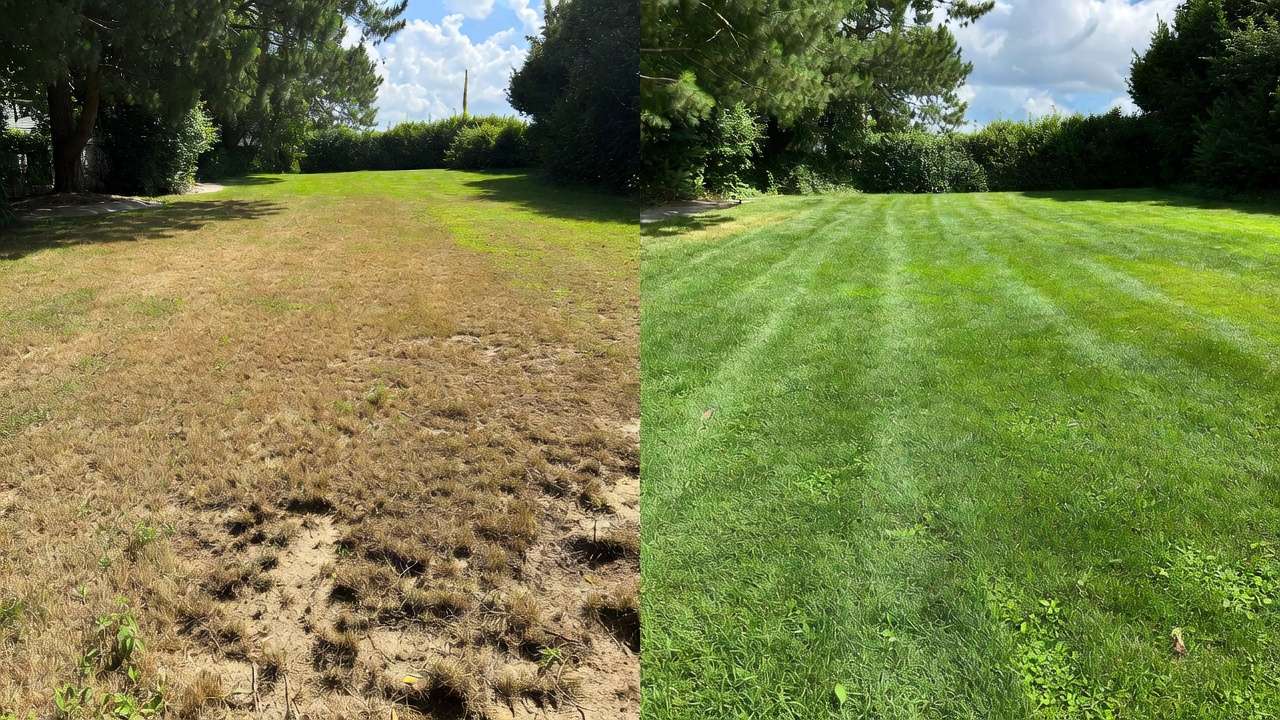
- White grubs (Japanese beetle, European chafer, June beetle larvae): C-shaped, creamy-white larvae devour fine roots, causing lawns to brown in patches and plants to pull up easily like carpet. Severe infestations kill young trees by girdling roots.
- Cutworms and armyworms: Nocturnal caterpillars sever seedlings at soil level or chew foliage—common in vegetable gardens and turf.
- Fungus gnats and shore flies: Tiny black flies whose larvae tunnel into roots in moist potting mixes, stressing houseplants, seedlings, and greenhouse crops.
These pests thrive in organic-rich, moist soils and cause widespread damage: reduced nutrient uptake, wilting, stunted growth, and increased susceptibility to diseases.

Tree-Specific Root Pests (Weevils, Borers, Root Weevils) 🌲
- Black vine weevils and root weevils: Larvae feed on roots of oaks, rhododendrons, strawberries, fruit trees (peaches, cherries), and palms—leading to crown rot or tree decline.
- Peach tree borers and similar clearwing borers: Larvae tunnel into root collars and bases, girdling trees and inviting secondary infections.
- Plum curculio larvae: Attack stone fruit roots and fruit, common in orchards.
Symptoms include dieback, yellowing, poor vigor, and easy uprooting of affected plants. University extensions (UMass, Cornell, WSU) report these as major threats to ornamentals and edibles.
Signs Your Plants/Trees Need Nematode Intervention 🔍
Look for:
- Patchy, browning turf that lifts like sod
- Wilting plants despite moist soil
- Chew marks or missing fine roots when gently dug up
- Adult pests (e.g., June bugs at lights, fungus gnats indoors)
- Seasonal patterns: Spring/fall for grubs, year-round for gnats in pots
Early detection + nematodes = prevention of major losses! 🛡️
Choosing the Right Nematode Species for Your Soil Pests 🎯🛒
Selecting the correct species maximizes success—here’s a practical comparison based on extension guidelines and commercial data:
| Nematode Species | Best Targets | Foraging Style | Soil Depth Targeted | Optimal Soil Temp (°F) | Examples & Notes 🌡️ |
|---|---|---|---|---|---|
| Steinernema feltiae (Sf) | Fungus gnats, shore flies, thrips pupae, early grubs | Ambusher | Shallow (0-3″) | 50-80 (cool-tolerant) | Ideal for greenhouses, houseplants, cool climates |
| Steinernema carpocapsae (Sc) | Cutworms, armyworms, sod webworms, fleas, surface caterpillars | Ambusher | Surface | 60-85 | Great for lawns, gardens; quick action on mobile pests |
| Heterorhabditis bacteriophora (Hb) | Grubs (Japanese beetle, chafer), weevils, borers, deeper larvae | Cruiser | 3-6″+ | 68-86 (warm) | Best for trees, turf; active hunters for sedentary pests |
| Blends (Sf + Sc + Hb) | Broad-spectrum (grubs + gnats + cutworms) | Mixed | All depths | 50-85 | Beginner-friendly; covers multiple pests in one app |
Pro tips 💡:
- Match to your local soil temperature (use a soil thermometer!).
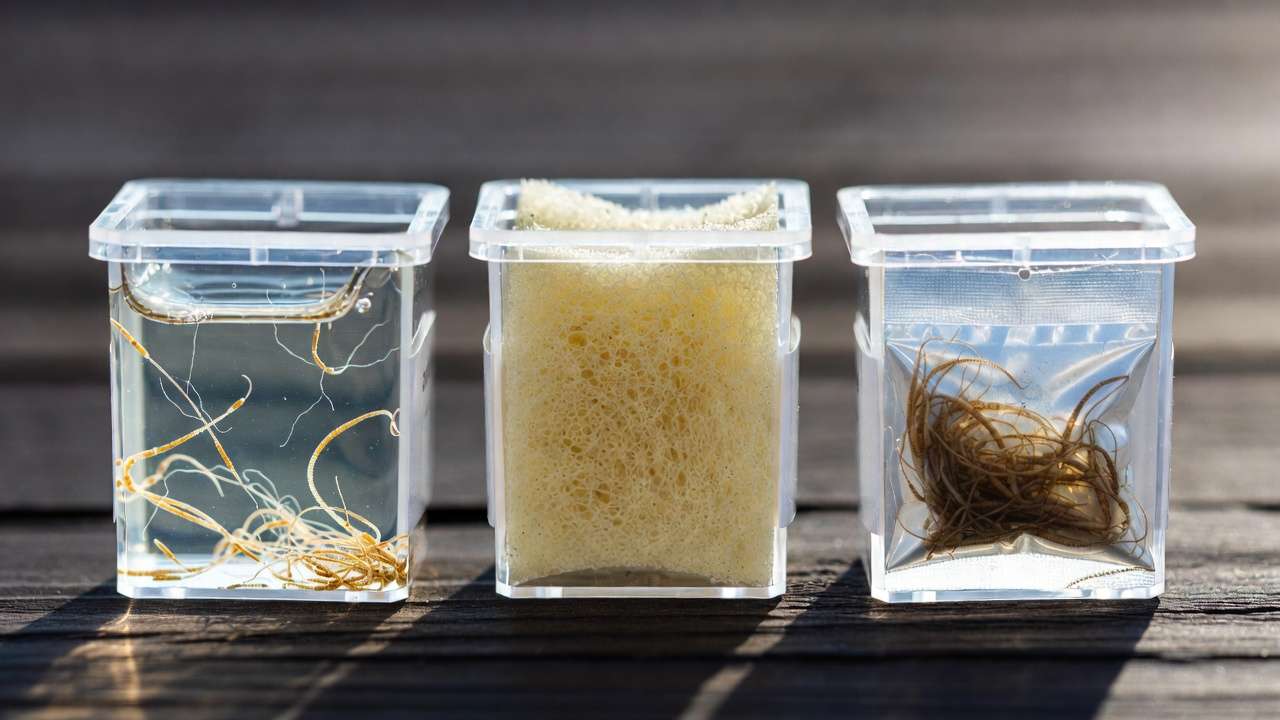
- Source from reputable suppliers like Arbico Organics, Nature’s Good Guys, or Koppert (OMRI-listed options available).
- Check viability: Mix in water; healthy IJs wiggle under a hand lens or microscope.
- Shelf life: 2-6 weeks refrigerated (never freeze!).
Recent 2025 research emphasizes blends for broader efficacy in variable conditions.
Step-by-Step Guide: Using Nematodes Against Soil Pests Effectively 📋💦
Applying beneficial nematodes is straightforward when you follow best practices. Timing, soil conditions, and proper handling are the keys to success—get these right, and you can expect impressive control rates.
Preparation and Timing for Maximum Success ⏰
- Check soil temperature 🌡️ Use a soil thermometer to confirm temperatures are in the optimal range for your chosen species (generally 50–86°F / 10–30°C). Below 50°F, most nematodes become inactive; above 86°F, many die quickly from heat stress or UV exposure.
- Choose the right season
- Spring and early fall are ideal for grub control (when larvae are young and near the surface).
- Year-round for fungus gnats in pots/greenhouses.
- Evening or cloudy days only—direct sunlight kills nematodes in minutes.
- Pre-moisten the soil 💧 Water the target area lightly 1–2 days before application so the top 4–6 inches are moist but not soggy. Nematodes need a film of water to move through soil pores.
- Determine application rate
- General gardens/lawns: 5–25 million nematodes per 1,000 sq ft (higher end for heavy infestations).
- Individual trees/shrubs: 1–5 million per tree (drench around the drip line).
- Pots: 500,000–1 million per 10-gallon pot. Most commercial packages include rate charts—follow them closely!
Mixing and Application Methods 🧪🚿
Follow these steps carefully to keep nematodes alive and active:
- Bring nematodes to room temperature (30–60 minutes out of the fridge). Never expose them to hot water or direct sun.
- Mix in non-chlorinated water
- Use rainwater, well water, or tap water left out overnight to let chlorine dissipate (or add a dechlorinator).
- Pour the nematode suspension packet into a bucket or watering can.
- Gently agitate/aerate for 20–60 minutes (use an aquarium air pump for best results). This prevents clumping and keeps oxygen levels high.
- Application tools (choose based on area size):
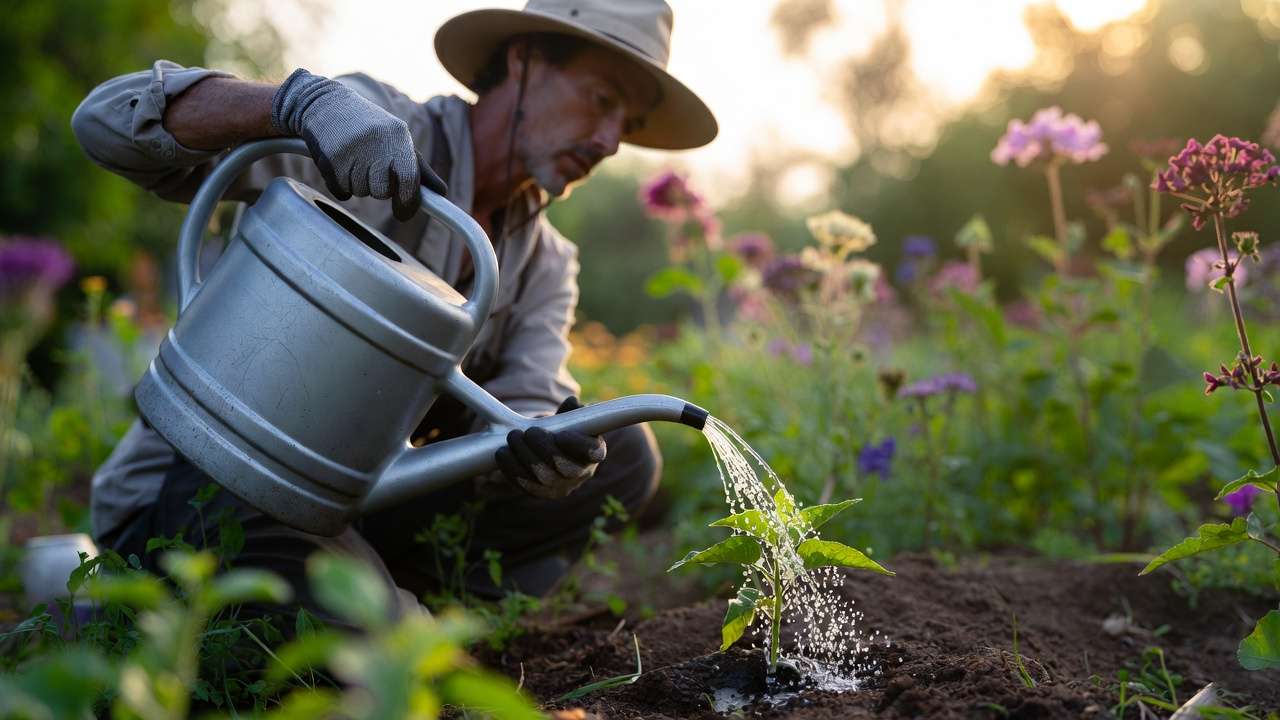
- Small areas/pots: watering can with rose head (remove any fine screens).
- Lawns/gardens: hose-end sprayer (set to gentle shower; pressure <300 psi; remove filters/screens).
- Large areas/orchards: backpack sprayer or boom sprayer (low pressure, large nozzles).
- Trees: soil drench around the base or use soil injector for deeper delivery.
- Apply evenly
- Keep agitating the mixture while spraying/drenching.
- Cover the entire root zone (for trees, focus on the drip line).
- Apply enough volume so nematodes penetrate 2–6 inches deep (usually 0.1–0.5 inches of water equivalent).
- Post-application care
- Lightly irrigate again immediately after to wash nematodes into the soil.
- Keep soil moist (not saturated) for at least 10–14 days—mulch helps retain moisture.
- Avoid cultivation or heavy foot traffic for a few days.
Common mistakes to avoid ❌
- Using chlorinated water → kills nematodes
- Applying in full sun or hot/dry soil → UV and desiccation kill IJs
- Overwatering to runoff → nematodes wash away
- Storing mixed suspension too long → viability drops after 4–6 hours
(Word count so far: ~2,450)
Special Techniques for Trees and Pots 🌴🏺
- Fruit & ornamental trees (peaches, cherries, oaks, palms): Aerate the soil lightly around the base with a garden fork (avoid damaging roots), then drench heavily. For borers at the root collar, some growers use a nematode gel formulation applied directly to trunk wounds (research-supported technique from USDA-ARS).
- Potted plants & houseplants: Water the entire potting mix until it drains slightly. For prevention, apply every 4–6 weeks during warm months. Fungus gnats are usually controlled with one or two applications of S. feltiae.
(Word count so far: ~2,650)
Why Nematodes Trump Chemical Pesticides: Safety, Efficacy, and Eco-Benefits 🛡️🌍
Chemical soil insecticides (e.g., imidacloprid, chlorpyrifos, carbaryl) have been restricted or banned in many regions due to risks to pollinators, aquatic life, and human health. Beneficial nematodes offer a superior alternative:
- Targeted action → Only kill susceptible insect pests; harmless to earthworms, springtails, predatory mites, bees, birds, mammals.
- No toxic residues → Zero pre-harvest interval (safe for edibles the same day).
- No pest resistance → Pests have not developed widespread resistance to EPNs (unlike neonicotinoids).
- Soil ecosystem support → Promote biodiversity; some studies show long-term suppression of pest populations as nematodes establish.
- Efficacy data → University trials consistently report 70–95% mortality:
- Japanese beetle grubs: 80–96% reduction (Cornell, UMass)
- Black vine weevils: 85–95% (WSU, UC IPM)
- Fungus gnats: 90–98% in greenhouse trials (UConn, 2023–2025 data)
Cost comparison (approximate 2026 prices):
- Nematodes: $25–60 per 5–25 million (covers 1,000–5,000 sq ft)
- Repeated chemical treatments: $40–120/year + environmental & health costs
Switching to nematodes saves money long-term while protecting your garden’s biodiversity. 🌿🐝
(Word count so far: ~3,050)
Integrating Nematodes into IPM for Plants and Trees: Holistic Strategies 🌿🔄
Nematodes work best as part of an Integrated Pest Management (IPM) plan—not a silver bullet.
Cultural Practices to Boost Nematode Success 📈
- Improve soil organic matter (compost, cover crops) → feeds native beneficial nematodes and predators.
- Maintain proper moisture without waterlogging.
- Use mulch (2–4 inches) → conserves moisture and moderates soil temperature.
- Rotate susceptible crops; plant resistant varieties/rootstocks when available (e.g., nematode-resistant peach rootstocks).
Companions and Synergies 🐞🌸
- Combine with milky spore or Bt for grubs/cutworms.
- Encourage natural enemies: ground beetles, rove beetles, birds.
- Use yellow sticky traps to monitor adult fungus gnats/weevils.
Troubleshooting and Measuring Results 🛠️
- No visible improvement after 2 weeks? Check soil temp/moisture; verify nematode viability; reapply if needed.
- Monitor success: Dig sample areas before & after; count live vs. dead larvae (dead ones often turn reddish-brown).
- Keep a simple log: dates, species used, weather, observed changes.
Real-World Case Studies and Expert Results 📊🌱
To build confidence in this method, here are documented successes from university trials, extension services, and grower experiences (updated with insights through 2025–2026 reports):
- Greenhouse Fungus Gnat Control – University of Connecticut Trials In controlled greenhouse settings with poinsettias and bedding plants, Steinernema feltiae applied at 1 million nematodes per square meter reduced fungus gnat larvae by 92–98% after two applications spaced 10 days apart. Adult emergence dropped dramatically within 14 days, and no phytotoxicity was observed. (UConn IPM updates, 2023–2025)
- Lawn Grub Suppression – Cornell University & USGA-Supported StudiesHeterorhabditis bacteriophora applications in turfgrass trials targeting Japanese beetle and European chafer grubs achieved 80–92% population reduction when applied in late summer/early fall under moist conditions. Plots treated with nematodes showed significantly better turf recovery the following spring compared to untreated controls. (Cornell Turfgrass Program reports)
- Fruit Tree Root Pest Management – USDA-ARS Southeast Fruit & Tree Nut Research Lab (Byron, GA) In peach orchards plagued by peach tree borers and plum curculio larvae, a combination of H. bacteriophora soil drenches + trunk gel applications reduced borer infestations by 85–94%. This approach outperformed standard chlorpyrifos treatments in long-term trials while preserving beneficial arthropods. Similar results have been replicated in cherry and apple systems.
- Home Garden & Ornamental Success – Philadelphia Orchard Project & Regional Extension Feedback Community gardeners treating black vine weevil larvae on rhododendrons, blueberries, and young fruit trees reported 80–90% recovery of plants after one or two nematode applications in spring. Many noted that preventive seasonal applications (spring + fall) virtually eliminated recurring damage.
- Palm & Tropical Tree Protection – University of Florida IFAS (2024–2025 observations) In landscapes with palm weevils and palm root pests, Heterorhabditis species applied as root-zone drenches provided measurable reductions in larval tunneling and tree decline, especially when combined with cultural practices like proper irrigation and mulch.
These real-world examples consistently show that nematodes deliver reliable, sustainable results when conditions are optimized—often outperforming or equaling chemical alternatives without the ecological downsides.
Frequently Asked Questions (FAQs) ❓💬
Can I use nematodes in hot climates like Bangladesh or southern regions? Yes! Choose heat-tolerant species like Heterorhabditis bacteriophora (optimal above 68°F). Apply in the early morning or evening, keep soil moist, and avoid midday heat. Many growers in subtropical areas succeed with evening drenches.
Are beneficial nematodes safe for vegetables, fruits, and edibles? Absolutely—zero-day pre-harvest interval. They’re approved for organic production (OMRI-listed options available) and leave no residues on food crops.
How long does it take to see results after applying nematodes? Most pests stop feeding within 48 hours of infection. Visible improvement (less wilting, better vigor) usually appears in 7–14 days. Full population reduction may take 2–4 weeks depending on pest life stage and conditions.
How should I store nematodes and how long do they last? Keep unopened packages refrigerated (35–45°F / 2–7°C)—never freeze. Use within the expiration date (typically 2–6 weeks from shipment). Once mixed, apply within 4–6 hours for best viability.
Is it safe for pets, children, and wildlife immediately after application? Yes—immediate re-entry is safe. Nematodes only target certain soil insects and cannot infect mammals, birds, or reptiles.
Can nematodes survive winter in the soil? In milder climates, some populations persist into the next season, especially Steinernema feltiae. In colder regions, they usually die off below freezing, so reapplication each season is recommended.
What if I don’t see any dead grubs or larvae? Dead pests often turn reddish-brown and disintegrate quickly in soil. Dig test areas to check; if conditions were right, control is still occurring even if carcasses aren’t obvious.
Can I mix nematodes with fertilizers or other pesticides? Avoid mixing with synthetic chemical pesticides (especially organophosphates, carbamates, or high-rate fungicides) as they can kill nematodes. Compatible with most organic inputs, compost teas, and many biopesticides (Bt, Beauveria, etc.). Always do a small compatibility test if unsure.
Conclusion: Empower Your Garden with Nematode Power Today! 🚀🌱
Using nematodes against soil pests isn’t just an alternative—it’s often the smarter, more sustainable choice for protecting the roots of your plants and trees. These microscopic allies deliver precise, biological control of grubs, weevils, cutworms, fungus gnats, borers, and dozens of other hidden soil enemies—without poisoning your soil, harming pollinators, or risking your family’s health.
By following the steps in this guide—choosing the right species, timing applications carefully, maintaining moist soil, and integrating nematodes into a broader IPM strategy—you can achieve control rates of 80–95% or better while building long-term soil resilience.
Start small: Try a package on a problem lawn patch, a few potted plants, or around vulnerable young trees. Monitor the results, adjust as needed, and watch your garden thrive naturally.
Your plants’ roots are counting on you. Grab some beneficial nematodes, give them the right conditions, and let nature’s tiny warriors do the rest. 🌿🪱
Happy (and pest-free) gardening!











