
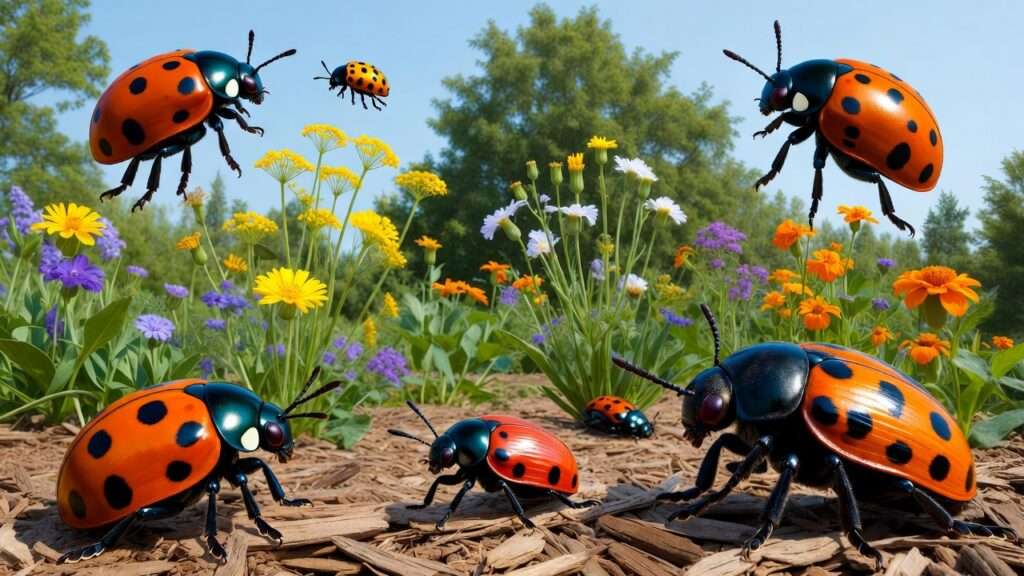
Imagine stepping into your garden one morning to find your roses, tomatoes, or fruit trees thriving — not despite the usual suspects like aphids, caterpillars, or grubs, but because of them. No more frantic spraying with harsh chemicals, no more watching your hard work get chewed up overnight. What if tiny, hardworking beetles were already on patrol, devouring those pests for free? Beetles that eat garden pests are some of nature’s most powerful allies in organic gardening and natural pest control. These beneficial predatory beetles — like lady beetles (ladybugs), ground beetles, soldier beetles, and rove beetles — act as your garden’s built-in defense team, targeting soft-bodied invaders while leaving your plants, pollinators, and soil health untouched. 😍
In this comprehensive guide, we’ll explore why these unsung heroes deserve a spot in every plant lover’s yard, how to identify the top ones, which pests they tackle best, and practical, proven steps to attract and keep them coming back year after year. Whether you’re tending a small veggie patch, caring for fruit trees, or nurturing ornamentals in a tropical or subtropical climate like many in Bangladesh, embracing these beetles means healthier plants, fewer chemicals, and a more balanced ecosystem. Let’s turn your garden into a thriving, self-regulating paradise! ✨
Why Beetles That Eat Garden Pests Are Garden Heroes 🌱🛡️
Beneficial beetles are cornerstone players in biological control and integrated pest management (IPM) — approaches endorsed by university extensions and organic gardening experts worldwide. Unlike broad-spectrum pesticides that wipe out good bugs along with bad ones (creating rebound pest explosions and resistance issues), predatory beetles provide targeted, sustainable suppression.
These beetles primarily hunt soft-bodied pests such as aphids, mealybugs, scales, mites, caterpillars, grubs, slugs, and fly larvae — common culprits damaging leaves, stems, roots, and fruits in home gardens and tree care. A single lady beetle can consume thousands of aphids in its lifetime, while ground beetles patrol soil to protect roots from hidden threats. 🐛
The perks go beyond pest control:
- No chemical runoff — protecting waterways, beneficial microbes, and pollinators like bees.
- Boosted biodiversity — supporting a healthy food web where predators keep populations in check naturally.
- Improved long-term plant and tree health — fewer stress-induced diseases and stronger growth without pesticide interference.
- Cost-free labor — once established, these beetles multiply and return seasonally.
University extension resources (like those from Oregon State, Penn State, and UC IPM) emphasize that encouraging native beneficials is far more effective and eco-friendly than repeated releases of purchased insects, which often fly away. By fostering these beetles, you’re investing in a resilient garden ecosystem that works for you 24/7. 📈
Top Beneficial Beetles That Eat Garden Pests 🐞🔥
Here are the MVPs of predatory beetles — complete with identification tips, life cycles, favorite prey, and garden impact. (Pro tip: Look for photos online or use a magnifying glass in your yard!)
Lady Beetles (Ladybugs) – The Aphid Assassins ❤️🐞
Lady beetles (family Coccinellidae) are the most beloved garden guardians. Adults are small (about ¼ inch), dome-shaped, and come in red, orange, yellow, or black with varying spot patterns. Beware: Not all are natives — the invasive Asian lady beetle can overwinter indoors and bite mildly.
- Key prey: Aphids (primary!), mealybugs, scales, mites, thrips, small caterpillars — adults eat 50+ aphids daily; larvae devour even more.
- Life cycle: Females lay bright yellow/orange eggs in clusters near aphid colonies. Larvae look like tiny black-and-orange alligators with fierce appetites (don’t squash them!). They pupate into adults.
- Garden impact: Excellent for roses, fruit trees, veggies — controlling outbreaks fast. One lady beetle can eat up to 5,000 aphids lifetime!
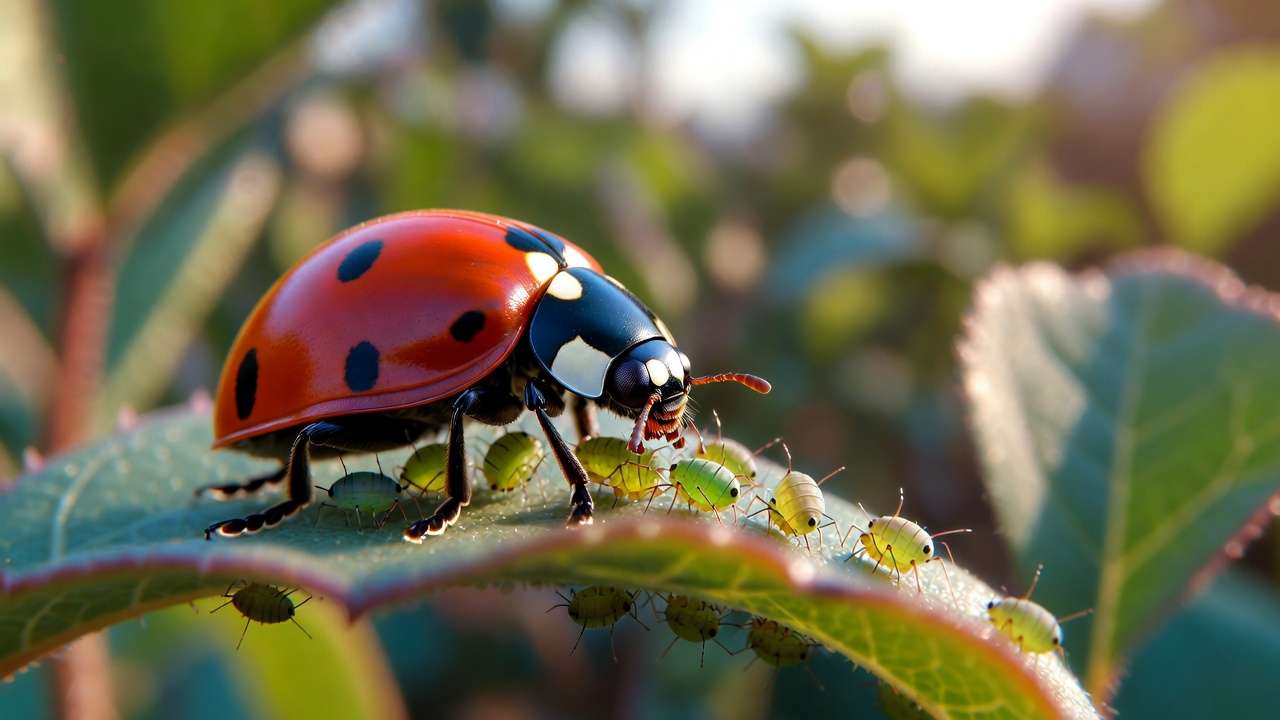
Ground Beetles – Nighttime Soil Guardians 🌑🪲
Ground beetles (family Carabidae) are fast, shiny, dark (black/brown), and often large (½–1 inch) with long legs and strong jaws. They’re nocturnal hunters that hide under rocks/logs during the day.
- Key prey: Caterpillars, slugs, snails, grubs, cutworms, root maggots, other soil pests.
- Life cycle: Larvae and adults are predatory; many overwinter as adults in leaf litter or soil cracks.
- Garden impact: Vital for tree care — protecting roots from grubs and soil pests in orchards or veggie beds. They’re generalists, tackling a wide range of threats.
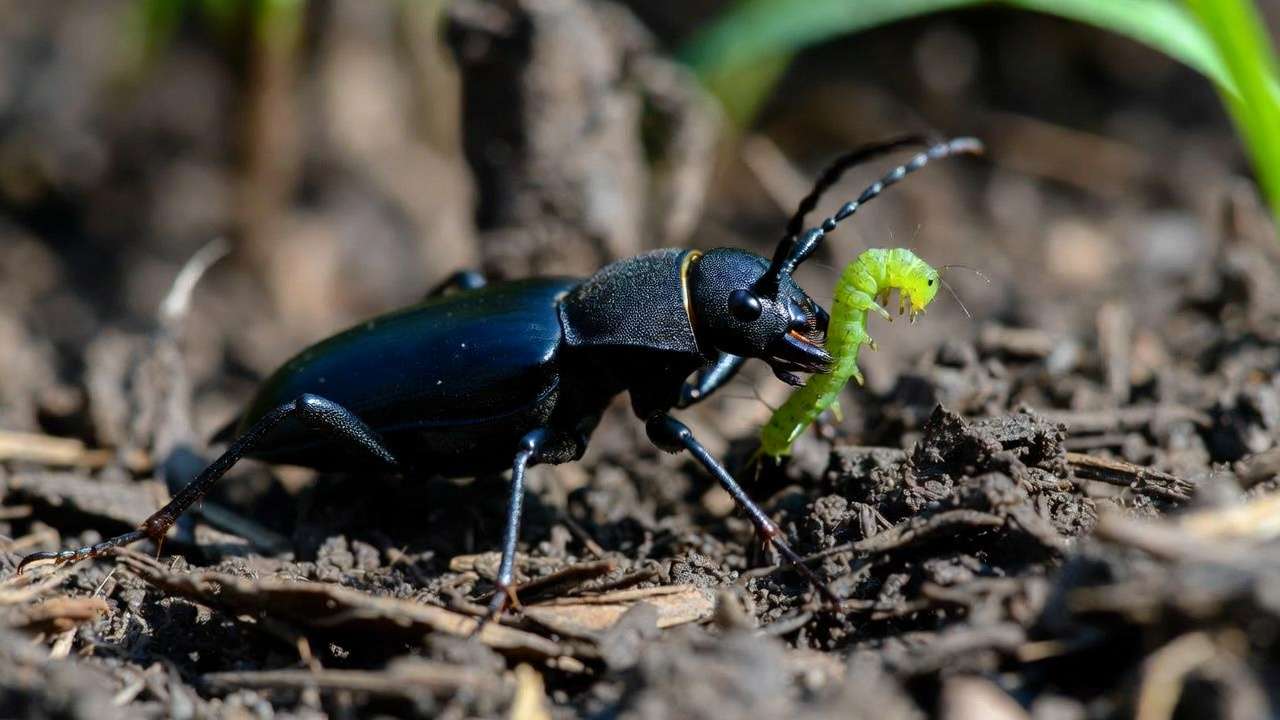
Soldier Beetles (Leatherwings) – Pollinators & Predators in One 🟠⚫
Soldier beetles (family Cantharidae) are elongated with soft, leathery wings — often bright red/orange with black markings, resembling wasps or fireflies.
- Key prey: Aphids, caterpillars, grasshopper eggs, mites, small soft-bodied insects.
- Life cycle: Larvae live in soil, feeding on eggs/larvae; adults hunt on flowers.
- Garden impact: Dual benefit — they pollinate while preying, making them perfect for flowering plants and fruit trees.
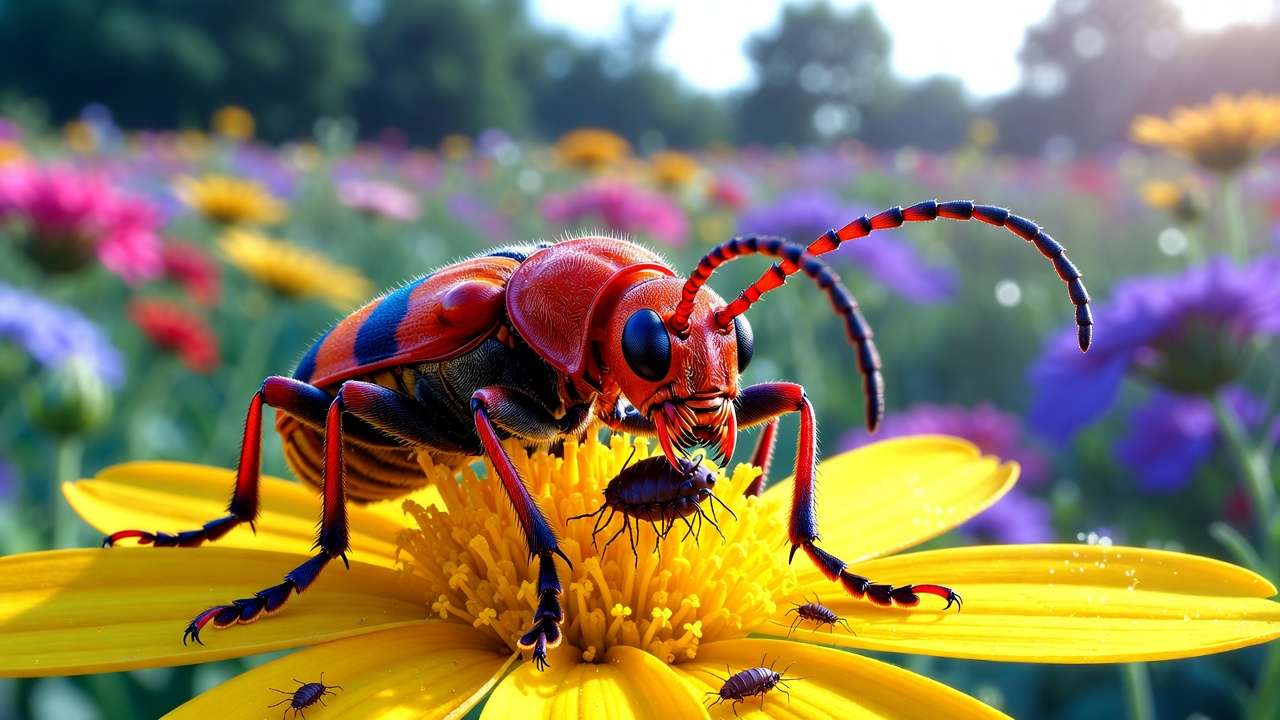
Rove Beetles – The Hidden Hunters 🕵️♂️
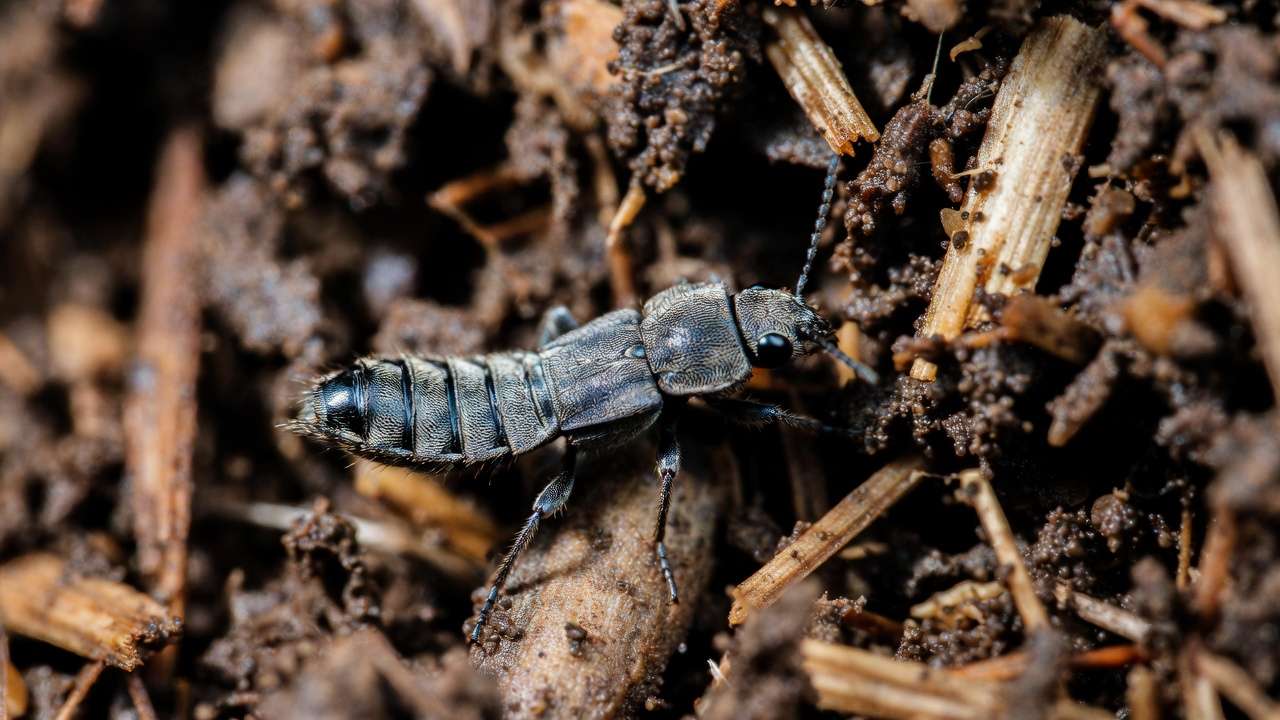
Rove beetles (family Staphylinidae) have short wing covers exposing a long, flexible abdomen — looking like tiny earwigs without pincers.
- Key prey: Fly larvae, slugs, ants, root pests, mites, decaying-matter feeders.
- Life cycle: Both adults and larvae hunt; many thrive in moist, organic-rich soil.
- Garden impact: Superb in compost piles, mulch, and damp areas — controlling soil and hidden pests.
Other Notable Predatory Beetles 🌟
- Tiger beetles — Metallic green/blue, super-fast daytime hunters of small insects.
- Quick comparison table idea: Beetle | Key Prey | Best Zones | Attraction Ease
(Visual suggestion: Include close-up images of each beetle and their larvae devouring pests for maximum engagement! 📸)
How These Beetles Naturally Control Common Garden Pests 📈
Match beetles to your problems:
- Aphids/scales on roses or trees → Lady + soldier beetles dominate.
- Soil/root pests in veggies/fruit trees → Ground + rove beetles shine.
- Caterpillars/moths → All-rounders like soldier and ground beetles step in.
Real-world wins: Gardeners report 70-80% reduction in aphid sprays after establishing diverse habitats. These beetles prevent resistance buildup (unlike chemicals) and self-regulate — no need for constant intervention. Better yet, they target pests without harming earthworms, bees, or birds. 🌍
How to Attract & Keep Beetles That Eat Garden Pests in Your Garden 🏡🌼
The best part? You don’t need to buy expensive bug hotels or release thousands of beetles every season (though short-term releases can give a boost in emergencies). The most reliable, long-term success comes from creating an inviting habitat that encourages native predatory beetles to move in, breed, and stay. Here’s your step-by-step playbook — proven by extension services, master gardeners, and thousands of organic growers worldwide.
Plant Insectary Flowers & Herbs for Nectar and Pollen 🍯🌸
Many adult predatory beetles (especially soldier beetles and lady beetles) need pollen and nectar as supplementary food — even when pests are scarce. These “insectary plants” keep them nourished and encourage egg-laying near your crops.
Top-performing plants to grow:
- Umbellifers (Apiaceae family): Dill, fennel, cilantro/coriander, parsley, Queen Anne’s lace, caraway — these flat-topped flowers are beetle magnets.
- Aster family (Asteraceae): Yarrow, cosmos, goldenrod, sunflowers, marigolds, zinnias, coreopsis.
- Other favorites: Sweet alyssum, buckwheat, phacelia, alyssum, tansy, and native wildflowers.
Pro tips for maximum impact:
- Plant in succession so something is always blooming from spring through fall.
- Cluster insectary plants near (but not right in) your most vulnerable crops or trees — 10–20 feet away is ideal.
- In tropical/subtropical climates like Bangladesh (warm, humid conditions), prioritize heat-tolerant options like marigolds, zinnias, and perennial yarrow.
Create Habitat & Shelter 🏠🍂
Predatory beetles — especially ground beetles and rove beetles — need safe places to hide from predators, lay eggs, and overwinter.
Must-do habitat boosters:
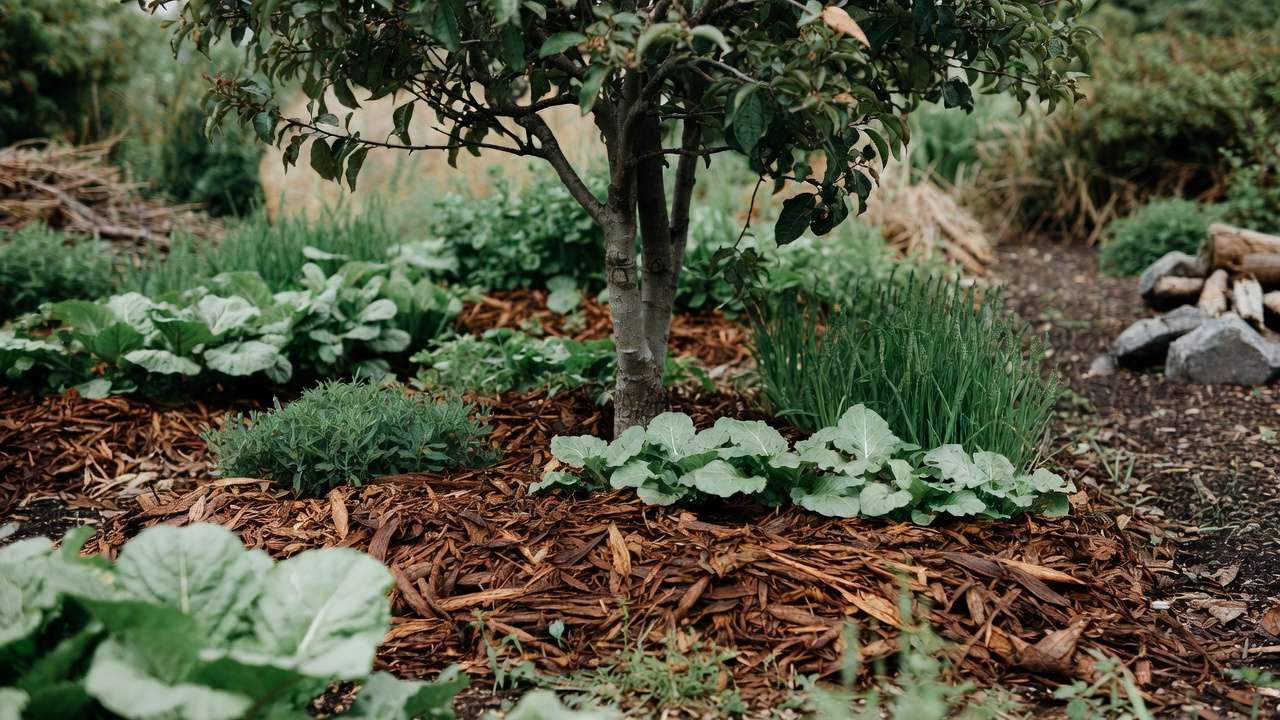
- Mulch generously: 2–4 inches of organic mulch (straw, shredded leaves, wood chips) around plants and trees. This retains moisture, moderates soil temperature, and gives beetles daytime cover.
- Leave leaf litter & debris: Don’t rake every leaf in fall — piles along fence lines, under shrubs, or in corners become overwintering hotels.
- Rock piles, logs, and brush piles: Stack small logs, stones, or branches to create crevices. Ground beetles love these.
- Beetle banks: Create low, mounded ridges (about 1–2 feet high) of soil mixed with grass or native bunch grasses. These provide undisturbed overwintering sites and breeding grounds.
- Reduce tillage: Frequent digging disrupts larvae and eggs. Use no-dig or low-till methods whenever possible.
Provide Water & Reduce Threats 💧🚫
Beetles need moisture — especially in hot, dry spells — but they don’t like standing water.
Simple water solutions:
- Place shallow dishes or birdbaths filled with pebbles and a little water so beetles can drink without drowning.
- Mist mulch lightly in the early morning during dry periods.
Critical threat reduction:
- Stop broad-spectrum insecticides — even “organic” ones like pyrethrin or neem can kill beneficials if sprayed indiscriminately.
- Use targeted, least-toxic options only when absolutely necessary, and apply in the evening when nocturnal hunters are less active.
- Avoid synthetic fertilizers that harm soil life — opt for compost, worm castings, and organic amendments instead.
Seasonal Tips & Boosting Populations 📅
- Early spring: Plant fast-blooming dill, cilantro, and sweet alyssum to feed emerging adults.
- Summer: Maintain bloom succession; refresh mulch to keep soil cool and moist.
- Fall: Leave seed heads standing, pile leaves, and create extra brush piles for overwintering.
- Short-term boost: If you have a severe outbreak, you can purchase live lady beetles (Hippodamia convergens is a common native species) from reputable suppliers. Release them at dusk near aphid colonies after misting plants lightly. Note: Many released beetles disperse quickly, so habitat is still the long-term key.
Common Mistakes to Avoid When Encouraging Beneficial Beetles ⚠️
Even well-meaning gardeners sabotage their beetle army with these pitfalls:
- Spraying pesticides indiscriminately — one application can wipe out months of progress.
- Mistaking beneficial larvae for pests — lady beetle larvae look spiky and scary but are voracious aphid-eaters!
- Over-tidying the garden — removing all leaf litter, mulch, and dead wood eliminates shelter.
- Expecting overnight results — building a beetle population takes one full season (or two) of consistent habitat improvement.
- Buying invasive species — avoid releasing Asian lady beetles; stick to natives or habitat attraction.
Success Stories & Expert Insights 🌟
Across climates — from temperate North America to humid South Asia — gardeners who commit to habitat see dramatic change:
- One Oregon orchardist reduced aphid and scale sprays by over 80% after planting dill borders and adding mulch rings around fruit trees (Oregon State University Extension case study).
- In humid regions like Bangladesh, farmers using marigold trap crops + yarrow borders report fewer fruit borer and aphid issues on mango, guava, and vegetable plots.
- Penn State entomologists note that diverse beetle communities can suppress caterpillar pests on brassicas by 50–70% without any chemical input.
Expert quote: “Predatory beetles are like silent partners in your garden business — feed them, house them, and protect them, and they’ll work tirelessly to keep your crops profitable and beautiful.” — Adapted from UC IPM guidelines.
FAQs About Beetles That Eat Garden Pests ❓
Here are the questions most gardeners ask when they first discover the power of these tiny predators. These answers are drawn from university extension services, entomology research, and real-world organic gardening experience.
1. Are all beetles good for the garden? No! While predatory beetles are fantastic allies, many beetles are plant-eaters and can become serious pests. The most common example is the Japanese beetle (bright metallic green with copper wings), which skeletonizes leaves of roses, fruit trees, grapes, and many ornamentals. Bean leaf beetles, cucumber beetles, and flea beetles also damage crops. Always learn to identify before you act — a quick photo search or app like iNaturalist can help confirm whether a beetle is friend or foe.
2. How long does it take to see results from attracting beneficial beetles? Realistic timeline: Noticeable pest reduction often begins in the first full growing season (3–6 months) after you start providing consistent habitat and insectary plants. Populations build gradually — the first year you may see a modest increase, but by year two or three, many gardeners report dramatic, self-sustaining control. Patience and consistency are key!
3. Can I buy predatory beetles online and release them? Yes, lady beetles (especially convergent lady beetles, Hippodamia convergens) are widely sold by reputable suppliers. They can provide a quick boost during heavy infestations. However:
- Many released adults fly away within days unless you already have good habitat.
- Releases work best in the evening, after lightly misting plants, near pest concentrations.
- Avoid relying solely on purchases — habitat building is far more cost-effective and sustainable long-term.
4. Do beneficial beetles bite humans or harm pets? Almost never. Lady beetles (especially the invasive Asian species) may nip if handled roughly, but it’s harmless — like a tiny pinch. Ground beetles, soldier beetles, rove beetles, and tiger beetles do not bite people or pets. They focus entirely on smaller insects and soft-bodied prey.
5. What if I still have too many aphids or caterpillars — should I just release more ladybugs? Releases can help in a pinch, but the smarter first step is:
- Hand-remove or hose off heavy clusters.
- Plant more insectary flowers immediately.
- Check for ants farming aphids (ants protect aphids from predators) — control ants with sticky barriers or bait stations.
- Only use the mildest, beetle-safe sprays (insecticidal soap or horticultural oil) as a last resort, applied in the evening.
6. Are these beetles effective in hot, humid climates like Bangladesh? Absolutely — many predatory beetles thrive in warm, moist conditions. Ground beetles and rove beetles do particularly well in mulched, shaded soil. Soldier beetles and lady beetles patrol flowering plants even in high heat. Focus on heat- and humidity-tolerant insectary plants (marigolds, zinnias, sunflowers, perennial yarrow) and maintain mulch to keep soil from drying out completely during dry spells.
Conclusion: Build Your Natural Pest Control Army Today! 💪🌿
Attracting beetles that eat garden pests isn’t just about getting rid of aphids, caterpillars, or grubs — it’s about creating a living, breathing, balanced ecosystem right in your backyard. When you invite these hardworking predators in with the right flowers, mulch, shelter, and protection from chemicals, you give your roses, tomatoes, fruit trees, and ornamentals the best possible defense: one that’s free, tireless, and completely natural.
Start small this season:
- Plant a patch of dill, cilantro, or marigolds near your most vulnerable crops.
- Add a 3-inch layer of organic mulch around trees and beds.
- Leave some leaf litter and a small brush pile in a quiet corner.
- Observe — grab a magnifying glass or your phone camera and watch the magic unfold.
Within a season or two, you’ll likely notice fewer pest outbreaks, healthier plants, more pollinators buzzing around, and the deep satisfaction of working with nature instead of against it. Your garden’s best defenders are already out there, waiting for an invitation. Open the door, and watch the balance return. 🐞✨
Thank you for reading this in-depth guide! If you try any of these strategies in your garden (whether in Barisal’s warm, river-rich climate or anywhere else), I’d love to hear how it goes — drop a comment or share your beetle sightings. Happy gardening! 🌱











